

15 Common Kitchen Items To Toss For A Less Cluttered Space
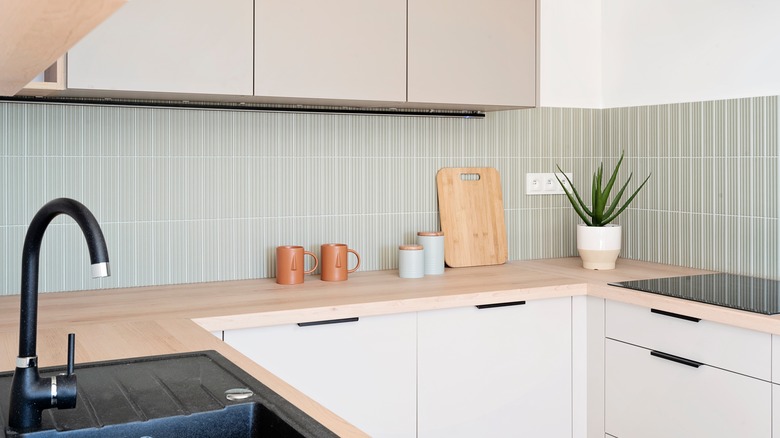
They say the kitchen is the heart of the home, but it also seems to be the center of gravity for any household odds and ends. When it gets to the point that the room no longer feels designed for cooking, it's time for a serious declutter.
The first thing to do is get rid of everything that doesn't really belong in the kitchen — school bags, sports equipment, dog toys, and so on. The second is to make sure everything has a place, even if it's in the infamous junk drawer. If you've done this and you're still finding the clutter overwhelming, you need to start getting rid of things.
Whether you want to achieve total minimalism, take a few tips from Martha Stewart, or just close the drawers without a fight, these tips will help you decide what needs to go.
Expired food
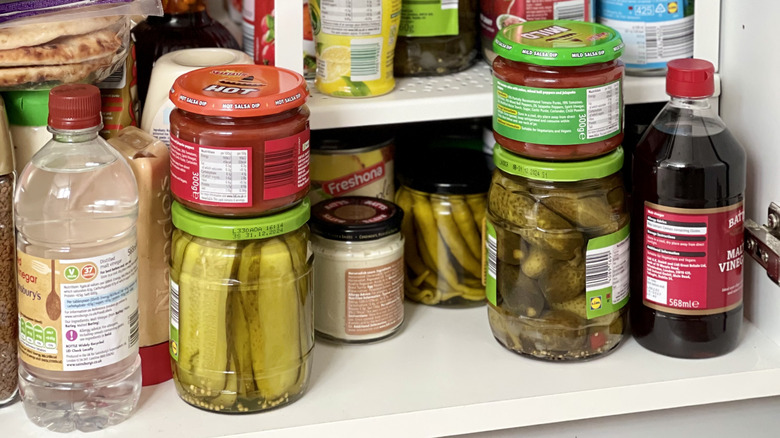
This sounds like an obvious one to start with, but we're not talking moldy bread or limp vegetables. It's the products with a long shelf life that are easy to overlook when you're doing a regular food clean-out. Expired spices are one of the main culprits here, but rice, nuts, and even olive oil should be checked. Most of these won't spoil, exactly, but they can lose their flavor. Also, if they've managed to reach their "best before" date, it's a sign you're not using them.
Mismatched tupperware
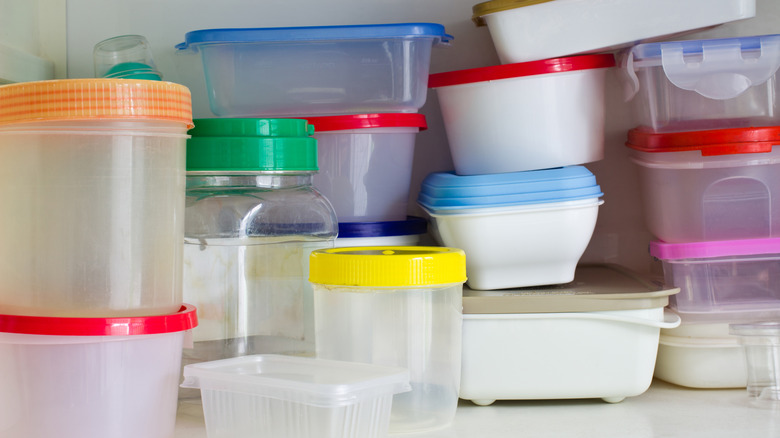
What is it about Tupperware that it seems to multiply behind cupboard doors? You start off with a few intentionally selected sets of storage containers, and before you know it, you have all these boxes without lids as well as lids that don't belong to anything you own. Just as with all those left socks that have gone off into another dimension, you'll have to accept these missing pieces might not be coming back. Get rid of anything that doesn't match, and then try this hack to keep the lids organized.
Single-purpose appliances
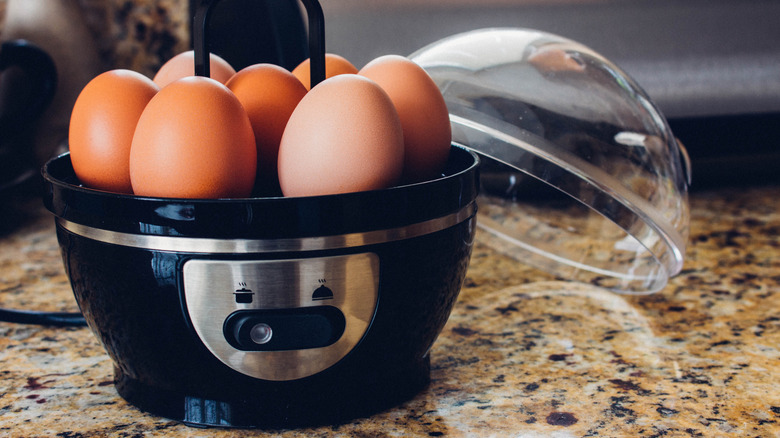
Remember when you thought you could save money by baking your own bread? Well, you probably know where this is going. Along with hot dog makers, egg cookers, and even juicers, bread makers join the ranks of kitchen appliances that need to be purged. Single-purpose appliances are rarely worth the money or the space they take up — just think of that sushi bazooka you've only used once.
Scratched nonstick pans
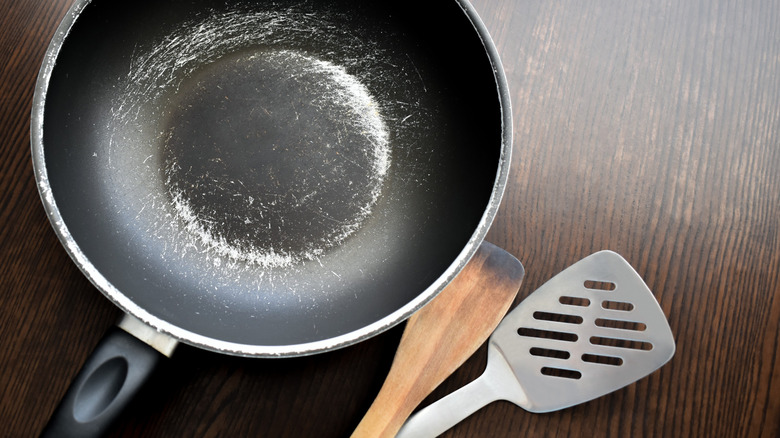
When the coating comes off your favorite nonstick pan, it might be tempting to keep it around as a regular piece of cookware. This is unfortunately going to expose you to potentially dangerous chemicals, especially in pans made before 2015. Even if the surface seems intact, the coating on the pan can break down over time, leading to the recommendation that you should replace nonstick pans every 5 to 7 years.
Takeout condiments and plastic cutlery
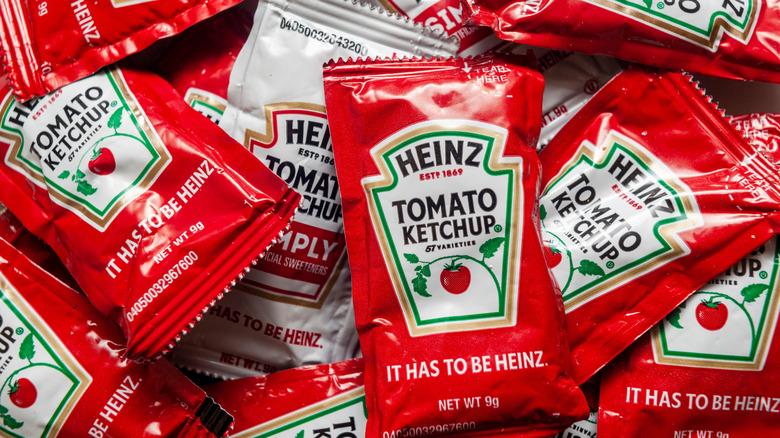
All of those extras that come with your takeout meal can be incredibly handy. If you take a packed lunch to work or head out on regular hikes, having a fork or packet of ketchup you can throw in your bag makes things a whole lot easier. But if you're just saving these things on the off chance you might need them, try repurposing the plastic cutlery instead.
Old plastic cutting boards
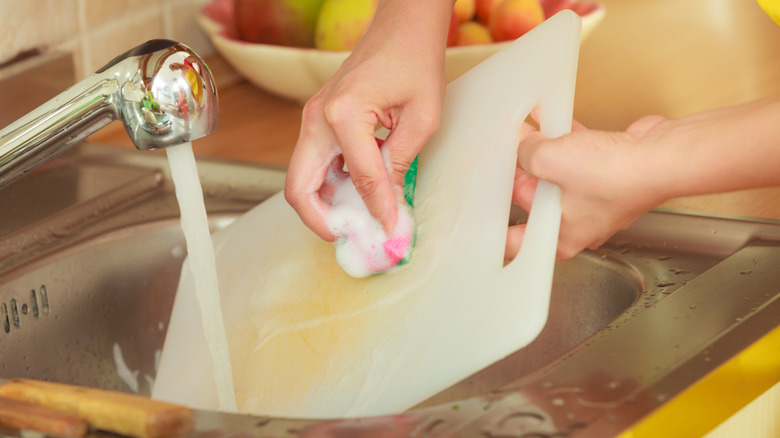
Cutting boards might seem like something you buy once and have forever. But holding onto plastic boards for more than a couple of years could be exposing you to unwelcome nasties. Not only are these boards a source of microplastics, but the well-worn knife marks can be the perfect breeding ground for bacteria, even after careful cleaning of the cutting boards. Though they can also store bacteria, wooden boards can be maintained for a longer life span, and they are generally easier to keep clean.
Extra or novelty coffee mugs
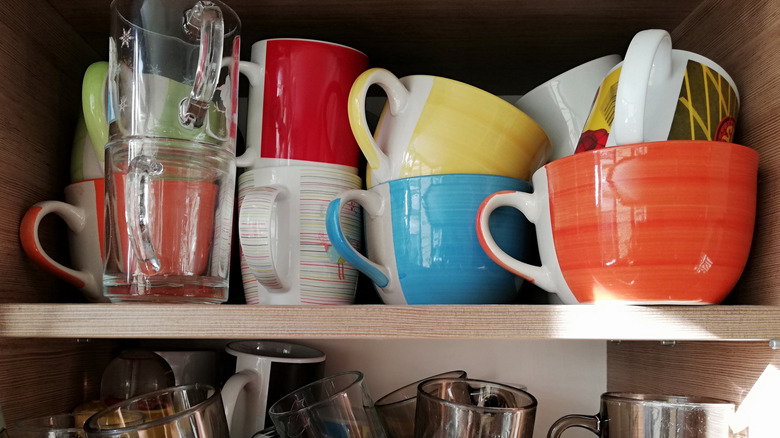
It's the sheer usefulness of coffee mugs that can make them so hard to get rid of. When you think about it though, you probably have a couple of favorites that you use on a daily basis. Add a matching set of 6 to 8 cups for entertaining, and that's all you need. But if you are struggling to pare down your drinkware collection, at least make sure your mugs are organized to eliminate visual clutter.
Reusable water bottles
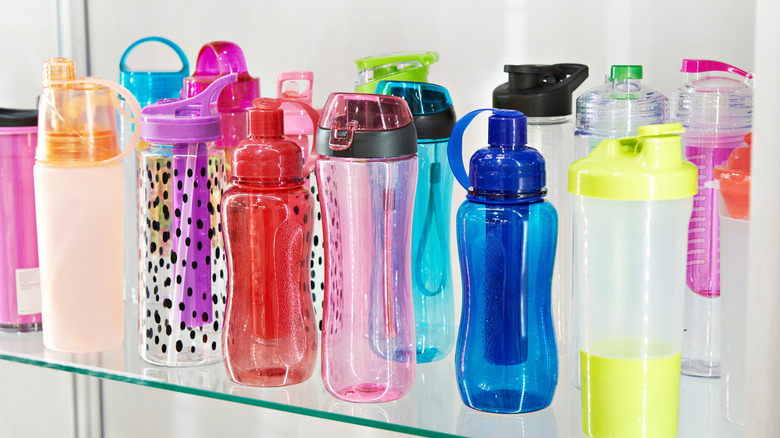
Opting for reusable water bottles is infinitely preferable to buying single-use plastics, but it does start to defeat the purpose if you have an entire shelf full of the things. You really only need one water bottle per family member plus a couple of spares for the car or emergencies. Depending on the material, these can generally be recycled, either in curbside collection or at recycling centers.
Duplicate utensils
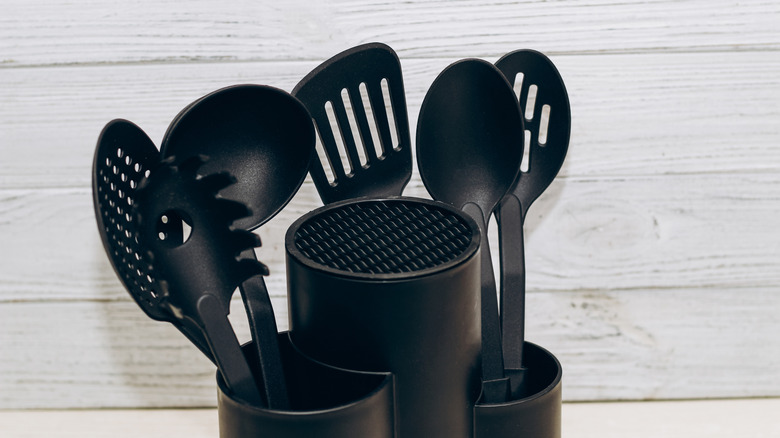
There are some utensils that are helpful to have in multiples. If you tend to cook dishes that need more than one pan, you'll probably want more than one wooden spoon or spatula, for example. And if you're into baking, you might have different whisks for different techniques. But it's unlikely you'll find yourself in a situation where you need more than one can opener or box grater at the same time.
Empty jars
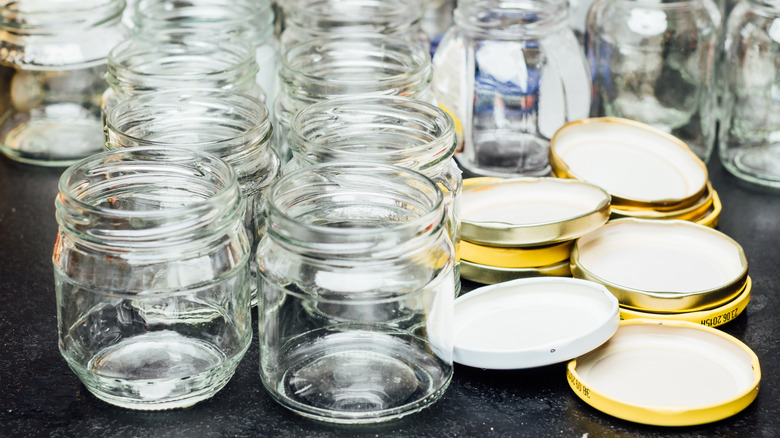
There are plenty of creative and helpful uses for empty jars, whether it's making overnight oats or turning that pretty Bonne Maman jar into a candle holder. But unless you have immediate plans for your glass containers, they'll just be taking up space. You can always buy more jam or pasta sauce if you want another jar.
Warped pans
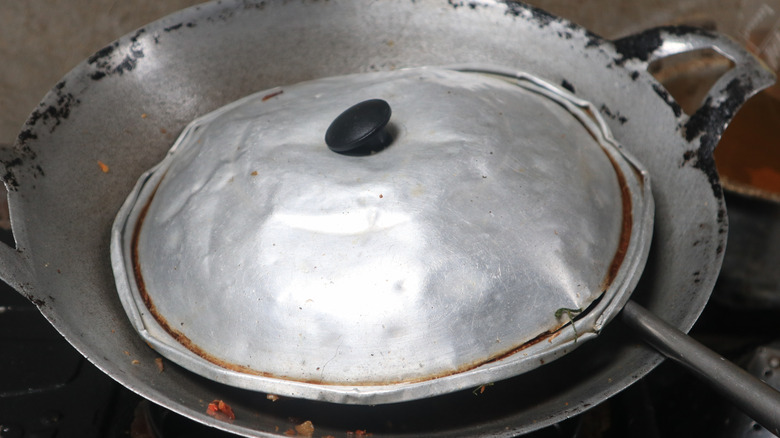
Warped pans aren't dangerous, but they will affect your cooking. If a saucepan or frying pan no longer sits flush on the burner, you'll have some areas that heat more quickly, and any liquids will pool on one side. If you're working with an induction cooktop, you might also find a warped pan is simply no longer compatible. Some lightweight pans can be straightened out, but warped cast iron skillets need replacing.
Chipped crockery or glassware
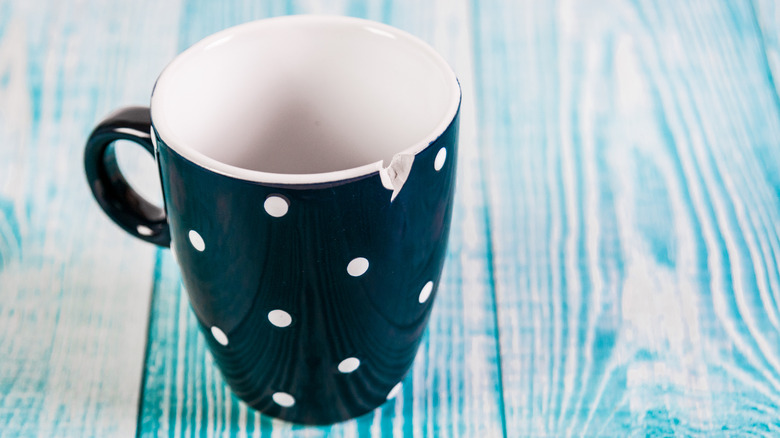
It might seem like overkill to get rid of a bowl or glass for the sake of a small chip, but you'll likely change your mind as soon as you cut yourself. Chipped cups and drinking glasses can be particularly dangerous, but the side of a plate can still do some damage when you're washing it. If you're loath to get rid of otherwise intact items, try upcycling old kitchenware as organizers or herb planters.
Canning jar lids
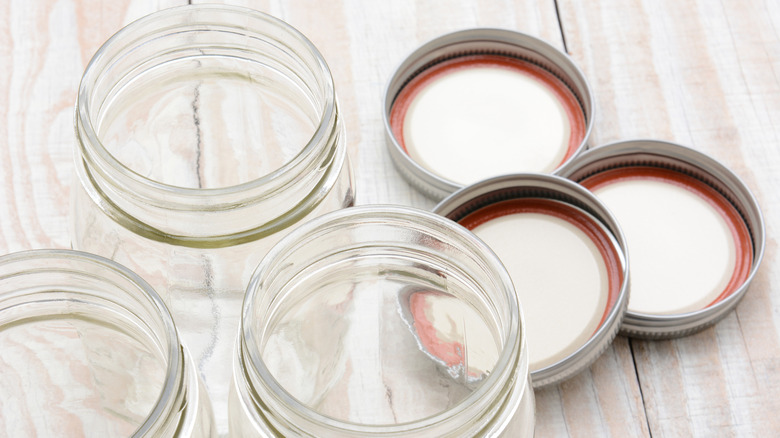
After shelling out your hard-earned cash for a set of canning jars and lids, you'll probably be disappointed to learn that the metal lids are designed to be single use only. While you can use them over and over when storing dry goods, they're not safe for canning a second time. The seal will no longer be airtight, leaving your summer harvest open to bacteria and spoilage.
Anything broken
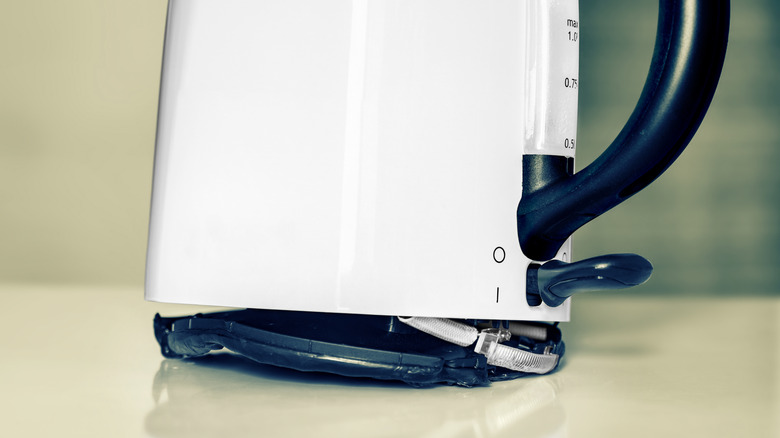
It's an admirable ambition to keep kitchenware and appliances out of the landfill, but it's often easier said than done. Unless you have some serious craft or electrical know-how, sadly, most modern items aren't worth the cost of repairs. It's better to research how to recycle items correctly when you have the time rather than trashing them in a hurry if you move house or suddenly need the space.
Anything you haven't used in the past three years
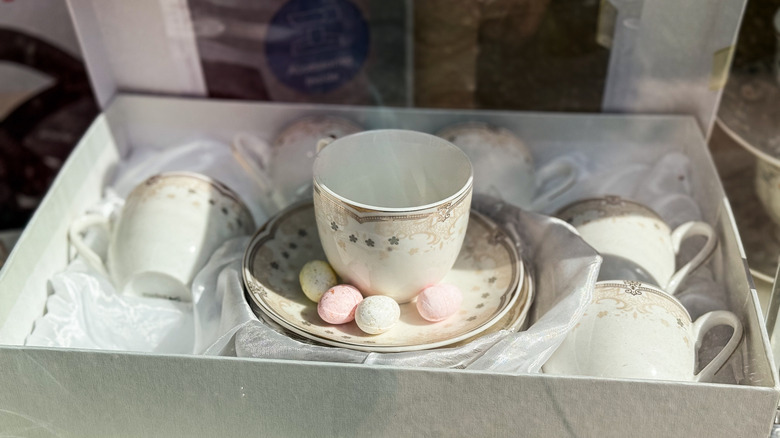
Not everything in your kitchen needs to be used daily to earn a place in the cupboard. Platters for entertaining might only come out for Thanksgiving buffets or birthday barbecues. And a set of martini glasses might only make an appearance at your annual New Year's Eve cocktail party. But if the occasions for using this kitchenware aren't even semi-regular, consider selling them or storing them in another part of the house.