

10 Unique Ingredients That Elevate Homemade Lattes
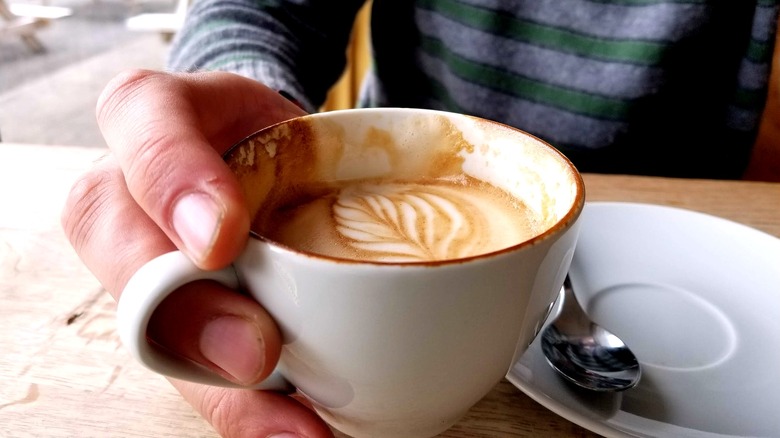
Whether you're making a latte at home because you want to save money, get creative, or just can't be bothered to leave the house, there's no denying that having the right ingredients makes all the difference. Coffee has a wide aroma spectrum, so, like alcoholic beverages, it's key to ensure that any flavors the coffee is served with are complementary. When I was a barista at Starbucks, most of the onboarding process involved learning about this concept. Successfully picking which flavor pairings go with which espresso was paramount to my success. I had some experience with this concept before, as my mom was a barista and I spent a lot of my childhood in the Seattle area (yes, I, like many Upper Left children, was drinking coffee as a kid), but digging into this for years as a barista myself revealed that the most important ingredients in lattes don't just involve the coffee itself.
So, as an ex-barista and daughter of one, a Seattle coffee drinker, longtime food writer, and poet who's been published in coffee industry artist magazines like Coffee People Zine, I've detailed some of the tried-and-true and unique ingredients that elevate homemade lattes. I've enjoyed these latte ingredients myself while experimenting at home, in my favorite coffee shops in the Nordics, and across the Pacific Northwest (when I'm not frequenting Seattle's hidden gem restaurants and bagel shops, I'm sipping warm drinks across the Emerald City's cafés). I consider each of these foolproof, as I've never had a bad latte when these ingredients are involved.
Blackberry jam
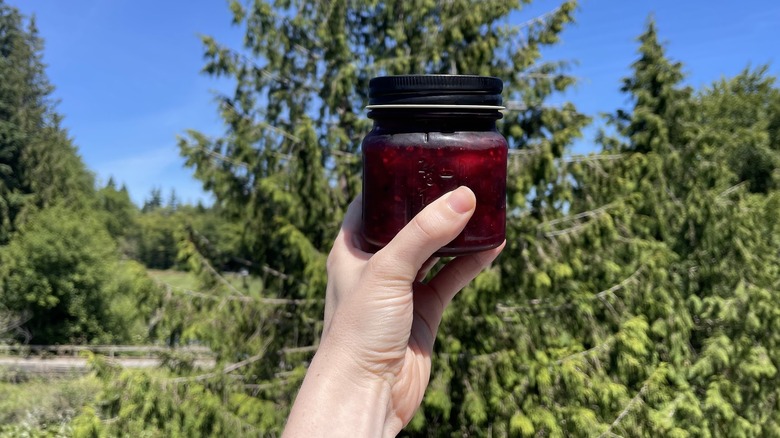
Blackberry jam, a staple in many West Coast comfort foods, is a unique latte ingredient that I often use. The floral fruitiness pairs so well with just about any espresso roast, adding brightness to light-roasted beans and depth to dark-roasted beans. If you want something that reads "garden party beverage," go for light beans. If you want a dessert-tasting drink, dark roast is the way to go.
You can spoon a glob of blackberry jam into your homemade latte and stir, but the best way to add this ingredient is to mix it into your milk (I like oat milk for this, since it makes it taste like a thumbprint cookie) before you combine it with the espresso. Whisk the jam carefully into the steamed milk so that you don't have big chunks in your drink (although I enjoy a big burst of blackberry personally). You'll still have some grit and little pieces of fruit, depending on how thick your jam is, but it will be more consistent. Regardless, be prepared for some lovely pink milk.
I love making my blackberry jam from scratch for this fruity latte, especially since I can customize it how I want based on the espresso I'm using. My go-to jam additions include orange juice, maple syrup, water, cardamom, cloves, cinnamon, blackberries, and even Washington salmonberries for good measure. It creates a full-bodied, Nordic-inspired, earthy flavor profile that goes really beautifully with coffee. If you don't want to make a jam yourself, buy a jar from the store.
Fennel
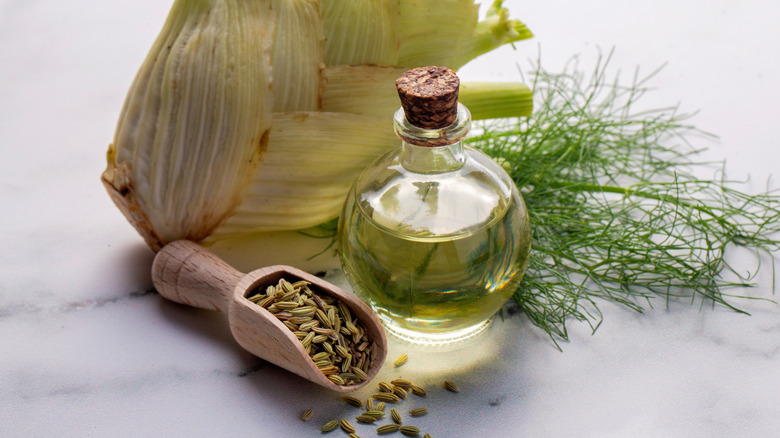
Fennel, with its licorice-esque flavors due to the presence of anethole, might be an acquired taste. But this spice, which often pops up in the best Scandinavian dishes, goes well with coffee. And it's not as sharp as straight licorice or anise. With digestive and health benefits, fennel is a super useful and practical ingredient that deserves more love in general, but definitely makes for a really nourishing-tasting homemade latte.
Add fennel seeds straight to your grounds pre-espresso pull for a fun Scandinavian twist on coffee. It offers an earthy yet bright taste and creates a warming sensation that coats the whole mouth in the same way as cloves. For this reason, it's one of the best unique ingredients to add to lattes in the colder months, and may become a favorite of yours if you're drawn to brighter spices like cinnamon, cardamom, or star anise. It's great with steamed oat milk in particular, since that helps with coating the tongue like a blanket.
Try this with Nordic treats on the side to complement it. Cardamom buns (Kardemummabullar) are a personal favorite, because the warming cardamom goes well with the fennel flavor, and it will really complement blonde roast espresso. But if you're looking for a saltier option, try pairing a fennel latte with Norwegian brown cheese (Gjetost) on rye bread. Its savory yet caramelly flavor profile aligns well with the spiced coffee. With a dark roast, it feels decadent, rich, and deep. But you can sip on Scandinavian light roast coffee if you prefer brighter notes.
Cookie butter
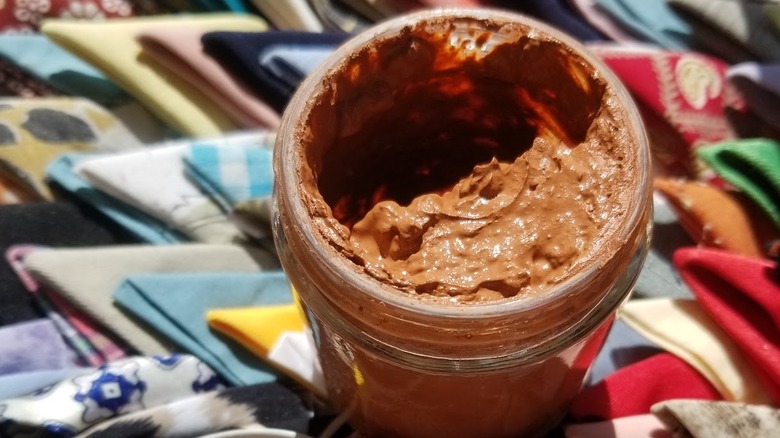
This ingredient is for the fellow latte drinkers who aren't big into chocolate but love a rich and sweet cup of coffee just the same. If flavors like butterscotch, caramel, or snickerdoodle are your jam, cookie butter is the unique ingredient that you need to add to your latte. It's sweet, a little nutty, a bit creamy, lightly spiced, and decadent. So if caramel macchiatos are your usual, or if you daydream often about butterbeer but want something a little fresher, it's worth trying. Cookie butter also happens to be a great addition to bring your pumpkin spice lattes to a new level, since it goes great with autumnal flavors.
This is best in warm homemade lattes since it melts pretty well, and the rich taste goes fantastically with hot espresso and cozy concoctions. I recommend stirring it with your hot espresso post-pull in the bottom of your mug before pouring in your steamed milk. This will create a coffee-cookie butter goop that incorporates smoothly into the latte as a whole. However, if you love a good iced latte, the best way to add cookie butter is to smear the ingredient around the insides of a large cup before pouring the coffee, milk, ice, and anything else you're planning to have in it. This way, it'll integrate evenly into the homemade latte rather than settle on the bottom. It also looks really aesthetic and is a playful and festive coffee ingredient for anyone who loves the spiced flavors of the holidays year-round.
Rhubarb syrup

Rhubarb syrup offers fruity, floral, and tangy flavors to any homemade latte, making it perfect for those who gravitate toward lighter and brighter coffee drinks. But a rhubarb latte is much more unique than, say, a raspberry latte. It's just as springtime-coded, but has more depth, making it better-suited for year-round sipping. This fresh syrup is especially tasty with a light roast since its flavors go really well with beans that have complementary notes of citrus. However, when added to a darker roast, the combination creates such an enticing complexity that reads more earthy and full-bodied. So pick your caffeinated poison — you can't go wrong.
Homemade lattes are great with rhubarb-flavored syrup, but the best way to use this popular Seattle fruit is by cooking the actual stalks with water and sugar. This way, you get the fullest expression of this unique ingredient. In fact, I find that rhubarb-flavored foods are usually a lot sweeter than the actual vegetable and lack the depth and zip that this stalk brings. Feel free to add spices like cloves or a little orange zest to lift the notes even further, but it really doesn't need it since rhubarb already has such a multi-faceted profile.
If you can't find or make rhubarb syrup, a rhubarb jam will do, but just make sure to whisk it into the milk to avoid clumps. I recommend doing this post-steam but before adding it to the espresso (wait to pull the coffee beans until it's whisked so the shot doesn't die).
Turmeric
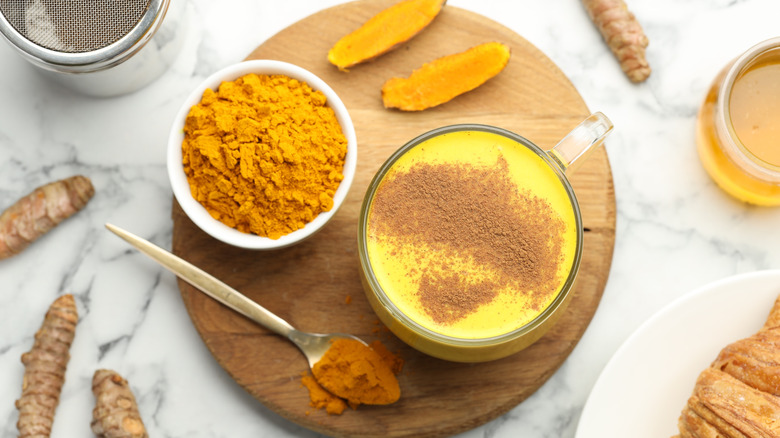
Turmeric is earthy without being heavy and offers a balancing feel to anything it's added to. Plus, its bright golden color makes it appealing to baristas who want to make ethereal or striking latte art. And turmeric does to dishes what it does to coffee: It offers curcumin. This powerful substance is anti-inflammatory, so when paired with coffee, it's a combination that elevates any homemade latte to feel extra nourishing and heartwarming. More importantly, it just tastes great. The slightly sweet, very earthy, and mellow flavor profile is lifted thanks to some zippy citrus and peppery undertones, which makes for a full-bodied experience.
To add turmeric to your coffee (blonde roast will be best), whisk it into the steamed milk so it doesn't form clumps or sit at the bottom. Then you can pull the espresso shot and pour the golden milk on top. Or, if you're really quick, you can steam the milk, pull the espresso shot into your cup, and then rapidly whisk the turmeric into the coffee (matcha whisks work really well) until combined before pouring the milk. This is riskier, since the espresso shot can die in the process, but it's worth it because it'll blend better.
And if you love to make beautiful homemade lattes, here's a pro tip: Sprinkle a little bit more turmeric on top from up high for a golden glow to the surface. Or, mix a little extra with some honey or agave to drizzle for some detailed latte art.
Pear syrup
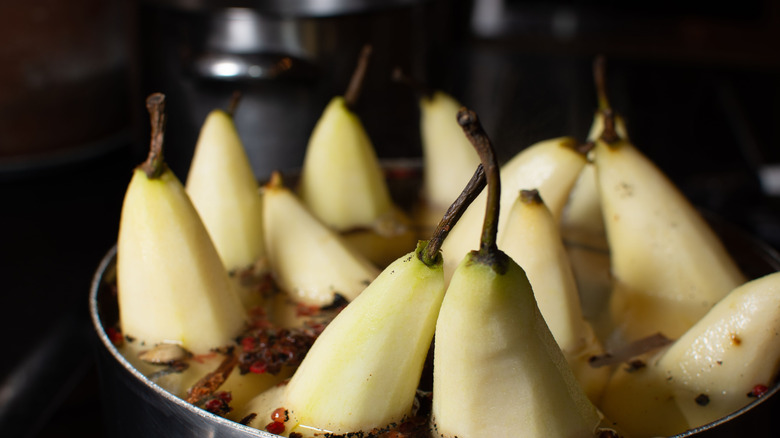
Pome fruit syrups, when combined with espresso, offer bright, floral, earthy, and complex flavors. Pear stands out for its balance and softness, which, when incorporated as a unique ingredient into a homemade latte, both lifts and smooths out the coffee flavor. Plus, while other pome fruits (and fruits in general) can add a lot of tartness, pears lack the same tanginess, bite, and acidity. This allows the latte to have all the perks of a fruity flavor, without the trickiness of marrying it to deeper coffee notes.
And thanks to this versatility, pear syrup goes equally well with both blonde and darker roast coffee beans. When added to blonde roast, it brings out zesty, sunny, and almost herbaceous flavors. If that's your taste in coffee, use coconut milk for the latte, since its floral and airy taste perfectly goes with this otherworldly tasting profile. But, when used in a dark roast homemade latte, the spiced and complex notes of the coffee come out, making for a latte with serious depth. Pair it with a nuttier and robust milk, like soy or walnut, for the full effect.
Try making pear syrup from scratch, as it allows the coffee to benefit from the tart and more earthy flavors of the pear rather than just the sweetness of artificial pear flavor. You can also add vanilla, cloves, cardamom, or even the aforementioned fennel. This creates a really well-rounded and festive flavor, making for a great year-round fall drink that's not pumpkin spice.
Apple butter
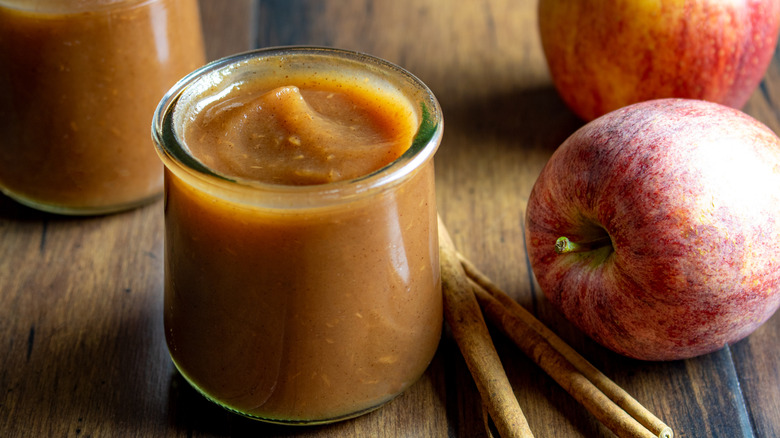
If you love a unique pumpkin spice latte variation or just want to give your coffee a fall twist, regardless of what season it actually is, apple butter is an ingredient worth trying. It's heartwarming, richly spiced, and luscious like pumpkin is, but it is brighter and a touch more fruity. The sunny notes really come out in blonde roasts, and it tastes almost like a citrus drink, but with some heaviness (in a good way). With dark roasts, it's purely luscious and feels like a liquid apple pie, thanks to the crust-like flavor of the nutty and smoky beans with the spiced fruit.
Apple butter tastes fantastic in both iced and hot homemade lattes. If something more decadent is your thing, whisk apple butter into some steamed almond milk or oat milk until completely dissolved. Plant-based milks taste nuttier and complement the apple butter well, and create a full flavor profile that dances close to pastry territory (oat milk, for example, has the same flavors of pie crust). But if an iced latte is in order, add this unique ingredient by whisking it into honey, agave, or a little water to make a syrup before drizzling it into the cup you plan to use (do it on the sides, not the bottom). Then add your ice, milk, and coffee. But if you don't mind having some bits of fruit in there, it's totally tasty to just whisk all of it together.
Rosemary

Rosemary, in any form, is a unique ingredient that can elevate homemade lattes and may curry favor from folks who are drawn toward flavors like lavender. Rosemary has similar floral, earthy, and almost peppery notes, but with a more grounded rather than ethereal profile. It reminds me a lot of pine in taste and smell, but it's less sharp, making it a really smooth pick for a latte that will complement the espresso, blend well with the milk, and brighten the palate without being too punchy.
It can feel like a winter flavor due to this similarity to pine, but it may also evoke visions of springtime herb gardens in bloom. Therefore, rosemary is a strong pick for homemade lattes year-round, in both warmer and colder months. It brings both hygge and refreshment, and it's tough to find ingredients that can do both of those things simultaneously.
There are multiple ways to add this herb to your coffee. The first is to add some fresh or dried rosemary to your coffee grounds. Or, you can make your own rosemary syrup for a fall drink that's not pumpkin spice. Another way to use rosemary in homemade lattes is to make rosemary-infused milk ahead of time by simmering your milk of choice with the herbs until fragrant. Otherwise, just adding full sprigs straight into your latte or sprinkling dried rosemary on top of the latte art will still impart the herbal flavor. It's as versatile as it gets.
Maple syrup
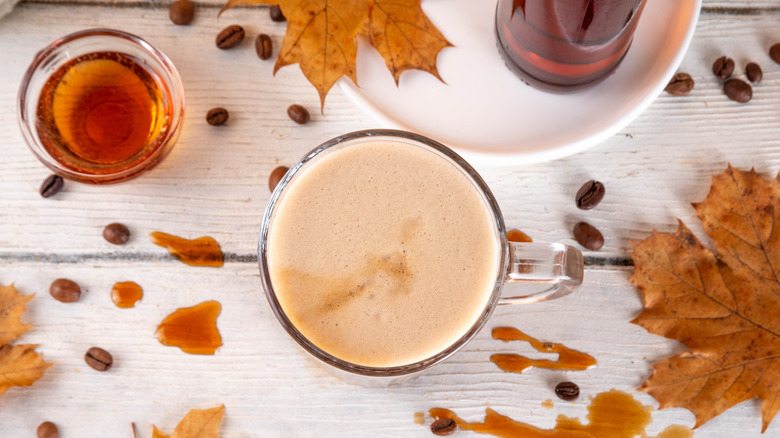
Honey, an ancient ingredient still used today, is a favorite alternative coffee sweetener. However, maple syrup is a lighter and arguably cozier option that's vegan-friendly. Its distinctly caramelly, nutty, slightly vanilla, sugary taste adds something really fun but robust to a homemade latte. And just like honey, it's ancient, as maple sap has been used by indigenous populations since pre-European colonization.
While some of the most pristine maple lattes have been drunk in the best airport coffee shops (looking at you, Costa Coffee in SeaTac), I like to make them at home for full control over their flavor. Use darker maple syrups with dark roast for an intense and slightly smoky homemade latte. Meanwhile, a golden or amber syrup will make for a lifted coffee experience, especially paired with a blonde roast. This natural coffee sweetener is versatile, earthier than sugar, and smooth regardless of what kind of maple syrup you go for.
Another great thing about this unique ingredient for a homemade latte is that it goes well with hot or iced beverages. Maple syrup dissolves with ease, so unlike honey or molasses, there's no need to worry about this liquid sweetener sinking to the bottom. So feel free to pour it right in and give it a stir. However, I still recommend coating the sides of your cup with it for hot or iced drinks, because if you choose to make latte art after, you don't have to ruin it when you're stirring the syrup in. This also ensures that it's well-incorporated.
Scandinavian smoked sea salt
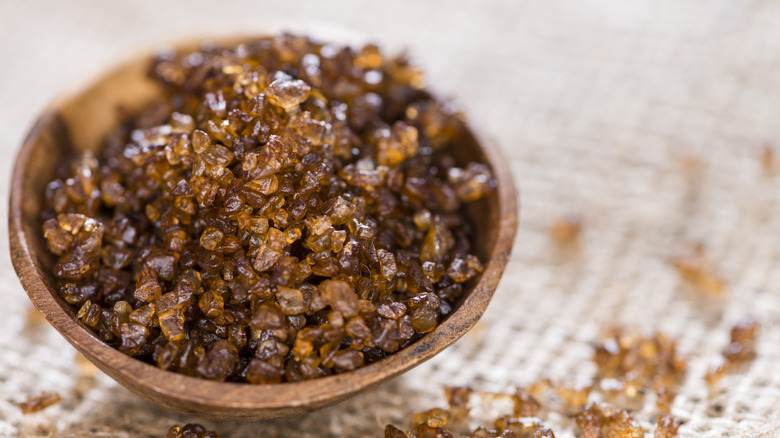
Adding salt to coffee can reduce bitterness and enhance sweet flavors. This contrast-and-complement effect makes salt a great addition to homemade lattes, especially if you're buying lower-quality coffee. Scandinavian or Nordic smoked sea salt is best, especially if you want your homemade latte to be grounding. Dark roasts pair best with the smoky notes. However, blonde roast feels very hygge and offers a seriously complex flavor when paired with the salt, so it's better for coffee drinkers who want something cozy, unique, and interesting.
Due to this dynamism and depth, Scandinavian smoked sea salt, much beloved by the best bakeries in Iceland and others in the north, is a very underrated coffee addition that deserves much more attention. I like sustainably sourced salt (and the wood used for smoking) for this, not only because it makes for a more conscious homemade latte, but because if the purveyor harvested the salt in an area local to them before smoking, it'll be fresh and of the highest-quality. Plus, anything wood-smoked is going to come with some earthy, almost otherworldly forest flavor notes that work so well with coffee's bite.
As far as adding the salt to your coffee, you can either add the salt to your espresso grounds pre-pull, or you can sprinkle a little on top of your homemade latte (or both). If you're planning on sprinkling it on top, just make sure that you pick high-quality salt.