

15 Ways To Sneak Vegetables Into Your Sweet Breakfast Dishes
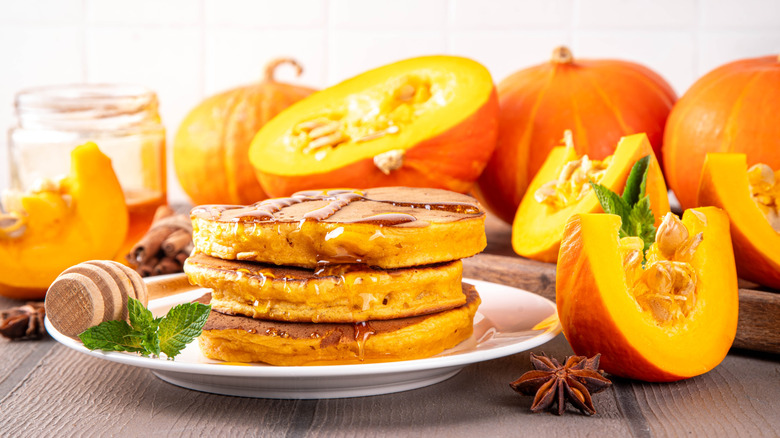
Not everyone loves a side of broccoli or roasted asparagus. If your tastebuds just can't get there, you're not alone; only 1 in 10 adults is actually reaching their daily recommended serving of fruits and veggies, according to the CDC. That's a big problem, especially if you break down the havoc it's wreaking on the health of Americans. Fortunately, even if you can't force yourself to load up your plates with leafy greens and mashed potatoes, there are ways to sneak vegetables into your sweet treats. As a Plant-Based Chef and Recipe Designer, I find it's best to start your day with vegetables, so let's talk breakfast.
Although sneaking vegetables into your sweet breakfast dishes may sound... less than appealing... if executed properly, you won't even notice they are there. On the other hand, you can use the vegetable as a highlight ingredient, like you would with carrot cake, zucchini bread, or pumpkin muffins. Vegetables can offer natural sugar, textural improvements, like moisture or chewiness, and sometimes even a pop of color. Although the idea may seem out of left field, it's an easy way to start incorporating more vegetables into your diet without diving fork first into a rutabaga.
Add them to smoothies
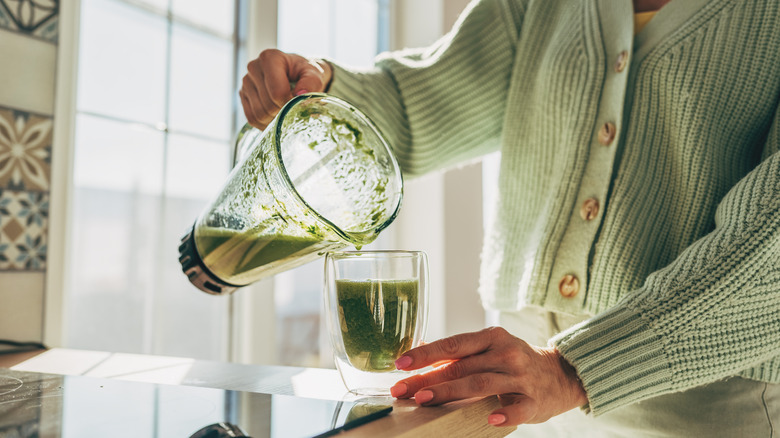
Whenever I'm short on time, I turn to smoothies. You can make them extremely healthy, they are flavorful, refreshing, and often quite sweet. Variations are vast, ranging from pecan pie flavored to a tropical fruit fusion that teleports you to that vacation you never took. Well, smoothies are just about one of the easiest foods to sneak vegetables into. Once everything is blended all together, you can hardly tell if there is a stalk of celery or hidden cucumber in the mix.
There's nothing stopping you from adding piles of leafy greens, sea vegetables, carrots, cucumbers, cauliflower, or even zucchini to your smoothies. Just remember, if you're trying to mask the flavor then it's important to choose mellow vegetables, and surround them with other intense flavorings. Pair your vegetables in fruit smoothies strategically. For instance, try beets in a chocolate or dark berry smoothie, or pumpkin puree along with frozen bananas, vanilla, and pumpkin spice. When in doubt, throw in a handful of raw spinach. It's essentially tasteless, but is loaded with nutritional benefits. Just be aware that adding bright or colorful veggies will alter the state of your smoothie. To balance the savory notes of the vegetables, be sure to include a frozen banana (it will taste like ice cream once blended).
Incorporate vegetables into pancakes
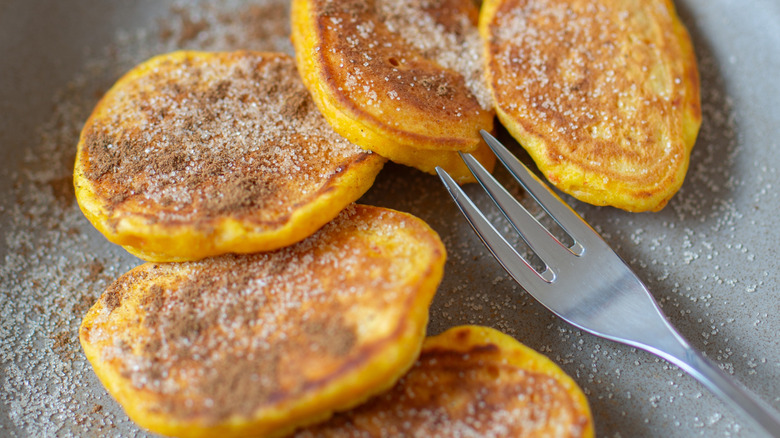
I doubt there is anyone out there that dislikes pancakes. It's essentially grilled-fried cake batter that passes as a breakfast item because of the presentation. There are so many different ways you can make your batter, or top the cakes, that some flavor or another is bound to impress even the biggest breakfast-food critiques. Because they are so scrumptious, it's easy to include veggies in them without creating too much of a stir. There are two ways you can go about it: hide them, or feature them with pride.
If you plan to hide vegetables in your pancakes, blend or finely grate an oversized zucchini to mix into the batter. This will help with moisture retention, and shouldn't change the flavor noticeably. You can also use chickpea flour in your batter, which is loaded with fiber and protein and tastes delicious once cooked (the uncooked batter may be bitter, so no spoon licking!). Be more intentional by adding boiled and blended beets, which will turn your batter pink. Make pink pancakes in the shape of hearts and serve them to someone you love, or on Valentine's Day. Alternatively, use grated carrots and top with a cream cheese drizzle. You can even add fresh sweet corn if your pancake batter features cornmeal.
Turnovers can be great veggie vehicles
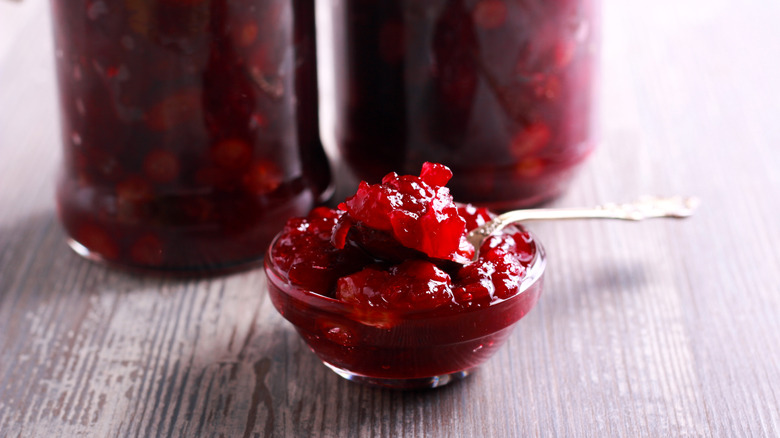
If you're a true baker, then you may have dabbled in creating homemade turnovers, and I'm impressed. For those of us that use Pillsbury Crescent Roll dough (me included), do what you've got to do, and focus your attention on the filling. I grew up enjoying raspberry and cherry jelly turnovers, warm and drizzled with heavy cream. Well, believe it or not, you can make your own filling, with secret hidden vegetables, just as sweet and delicious. Your new best friend that's going to hide in the trenches with the berries, is a beet.
Purple beets have a similar coloring to berries, and are incredibly sweet. Did you know most of our granulated sugar actually comes from sugar beets, not sugarcane? To create the filling, boil and blend a beet, or blend it raw until it breaks down. Then, either mix it with jam or slow cook it with sugar and lemon juice until it's tart and delicious. If you're missing that crunchy, seedy, berry texture, then sprinkle in some chia seeds. You can add this to any red or purple filling, like for your strawberry rhubarb turnovers, or even grape jelly turnovers.
Mix them into waffle batter
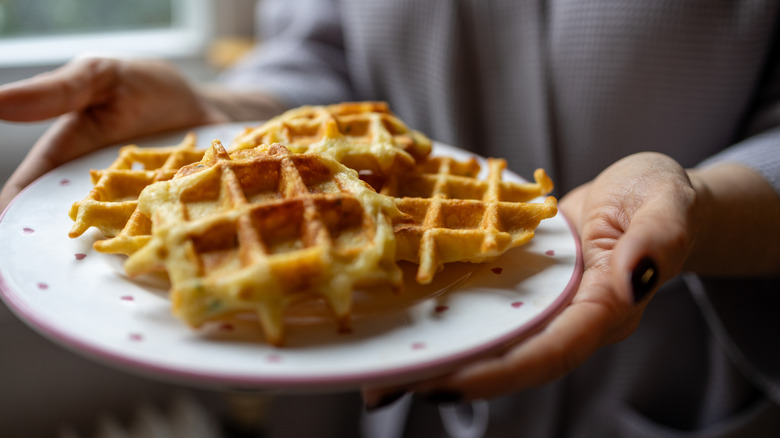
Yeah, pancakes are great. But waffles are elite. There's something about those crispy syrup and butter gullies that bring this brunch item to the next level. Waffles are so loved that folks are now dabbling in making savory waffles, which of course have a million vegetable add-on options. Sweet waffles, on the other hand, only have a few vegetables that can add to the overall flavor, texture, and aesthetic to keep them reading along the lines of breakfast.
First of all, think outside of the waffle iron. What are some baked goods that you've enjoyed that already feature vegetables? How about carrot cake, or chocolate chip zucchini bread? Both of those flavor ideas can be flawlessly executed in waffle form. In addition, everyone loves a pumpkin spiced waffle with cream cheese drizzle. In addition to flavor, pumpkin puree will add fiber, moisture, and color to the waffle. Go one step further and try pumpkin spiced french toast waffles. My favorite option is a dark chocolate waffle, with dark chocolate chips and blended beets. Be sure to serve with dark berries, peanut butter drizzle, or sliced bananas.
Give cinnamon rolls a veggie-packed twist

Making homemade cinnamon rolls can be a bit of a process, and takes some time or execute, what with the yeast needing time to rise and all. An inexperienced baker might reach for Pillsbury Cinnamon Buns for a quick breakfast fix, and I wouldn't blame you. Luckily, whether you're starting from scratch or using a ready-to-bake option, there are ways you can include veggies in the mix.
I try to stick to orange vegetables when it comes to cinnamon rolls. Mainly pumpkin and carrots. Grated carrots work beautifully folded into the homemade dough, then baked and glazed with cream cheese frosting. However, pumpkin cinnamon rolls are a top contender come fall-time. Mix pumpkin into the dough, but be sure to balance the wet and dry ingredients accordingly. For best results, find yourself a reliable pumpkin cinnamon bun recipe and go from there. For the Pillsbury crowd, whip pumpkin puree into the glaze, and dust the rolls with pumpkin spice mix before you bake them.
Try hiding them in donuts

If you're making donuts at home, then your motivation for sweet treats truly outweighs mine. Anyone turning down an invitation at your house for Sunday brunch must be unaware of your culinary abilities, and I pity them. You can lure just about anyone to the table with a donut, so adding veggies shouldn't diminish their value too much. But what vegetables can possibly sneak their way into a donut unnoticed? Although I don't make donuts myself I do live near Portland, Maine, where potato donuts are popular. If you've never had a potato donut, you're missing out.
Besides trying your luck making potato donuts, which are incredibly dense, starchy, and delicious, you can use other vegetables to adorn your favorite donut flavors. Instead of berry filling, make a berry beet jam to stuff your donut with. Come fall, try mixing pumpkin or sweet potato into the batter, or stuffing a donut with pumpkin pie filling. Lastly, we all love a carrot cake donut with cream cheese glaze, but you're welcome to make them yourself at home, whether in the oven or the deep fryer.
Add vegetables to your next fruit salad
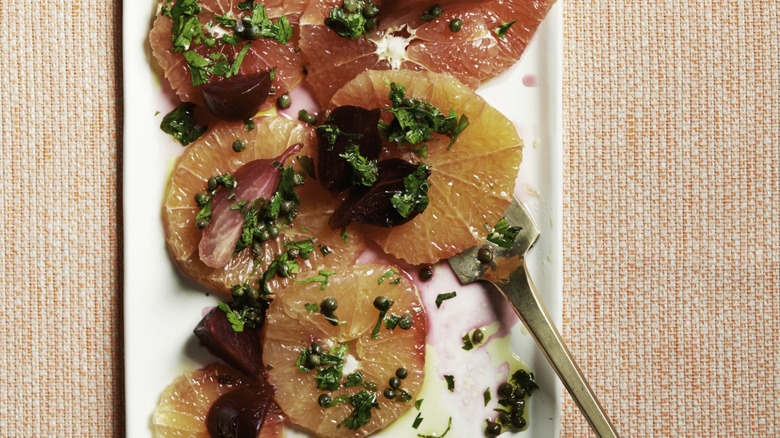
If you're going to make fruit salad, please avoid the basic, boring continental breakfast style mix that comes with cantaloupe, honeydew, pineapple, and whole grapes. Individually, those fruits are incredible in their own way, but the combination is so overdone. In addition, be sure to dress your fruit salad, perhaps with a honey lime dressing. You wouldn't enjoy an undressed leafy green salad, would you?
Be bold and choose a theme for your fruit salad. My favorite is a dark berry theme, loaded with blackberries, raspberries, pomegranate seeds, strawberries, and blueberries. If you go in this direction, include honey glazed and roasted beets, or orange-kissed balsamic glazed beets. Avoid any savory ingredients you might normally add when spicing beets, like pepper, garlic, or onion powder. Instead, embrace the sweetness with a little maple syrup, brown sugar, or honey. The beets will blend right in with the dark berries, and their flavor will give your palate a break from the ultra sweet and tangy fruit. Feel free to throw some herbs or cheese into the mix, too. Alternatively, use chopped cucumber (which is technically a fruit anyway, but often referred to as a vegetable) with ultimately any other fruits.
Use them to improve the texture of overnight oats
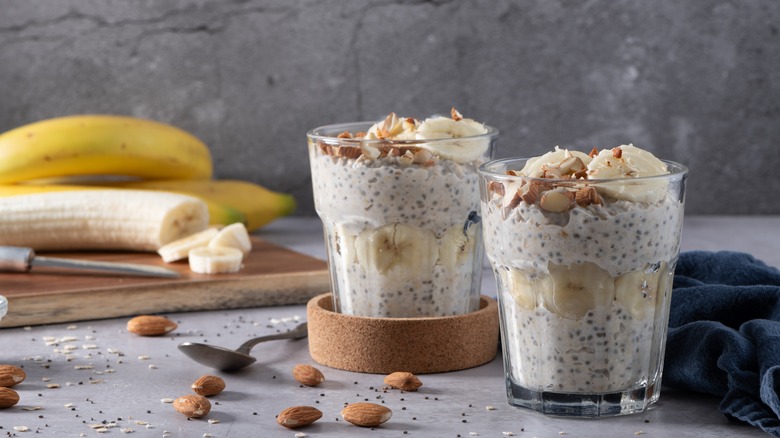
When making overnight oats, you're already committing to putting in the effort the night before instead of the morning of. This means you have a moment to spare to create something truly crave-worthy. Consider choosing a theme and rolling with it, instead of sticking to your basic oats, almond milk, maple syrup, and salt song and dance.
I love adding nuts and chocolate chips to my overnight oats to break up the mushy monotony of texture. A little crunch can go a long way. So, if you'd like to sneak some veggies in there, give shredded zucchini a try. It's virtually tasteless, carries a similar texture to the oats so it will blend right in, and tastes magical alongside walnuts and dark chocolate chips. You can even use chocolate powder and cinnamon, along with vanilla extract to make it taste even more like dessert. Be sure to sweeten with a little maple syrup to balance the subtle vegetable flavor. And, you guessed it! There are plenty of carrot cake overnight oats recipes you can dabble in as well. Just be sure to top with toasted pecans.
French toast pairs well with fall and winter vegetables
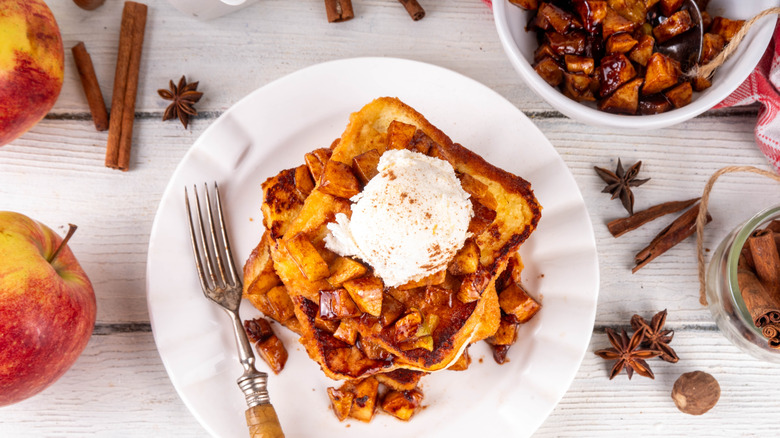
It's always been interesting to me that pancakes are a go-to breakfast when French toast is just as simple to make, and can even be made with your dried up leftover bread. It seems ultra-fancy, but at the end of the day it's just bread soaked in batter and fried. You can even make an ultra easy, Omega-3 rich vegan french toast using flaxseed. However, you can sneak more than just seeds into your brunch items, so let's experiment with vegetables.
You can give your french toast a festive fall twist with pumpkin, but pumpkin isn't the only gourd you can use. Consider other sweet winter squashes like buttercup squash, honey nut squash, hubbard squash, carrots, or even sweet potatoes. Mix the cooked and pureed squash right into the batter, and enjoy. These orange vegetables offer a sweet undertone of flavor, fiber galore, and a step up from the basic and bland. Load up on warming spices like cinnamon, nutmeg, ginger, and cardamom, along with pure vanilla extract.
Bake them into muffins

Parents have been hiding vegetables in muffins for decades, perhaps centuries. We grate them in, mash them in, mix them in, and if the recipe is good enough, nobody seems to complain. Well, using corn flour or chickpea flour in the mix is another great way to include vegetables without having to even reach into your produce drawer.
Shredded zucchini, especially in banana bread muffins, along with shredded carrots are easy classics. However, there are some more extraordinary vegetables that you should consider featuring front and center. Make your muffins with green juice or vegetable pulp for a healthy twist on a sweet breakfast classic. Vegetable pulp is fibrous, not typically flavorful, and is a great "filler" or baked goods, veggie burgers, and any other recipe you are looking to bulk up. In the opposite direction, consider adding beets to a chocolate cake muffin recipe. It will look similar to red velvet and be just as dense and delicious.
Fold candied root vegetables into crepes
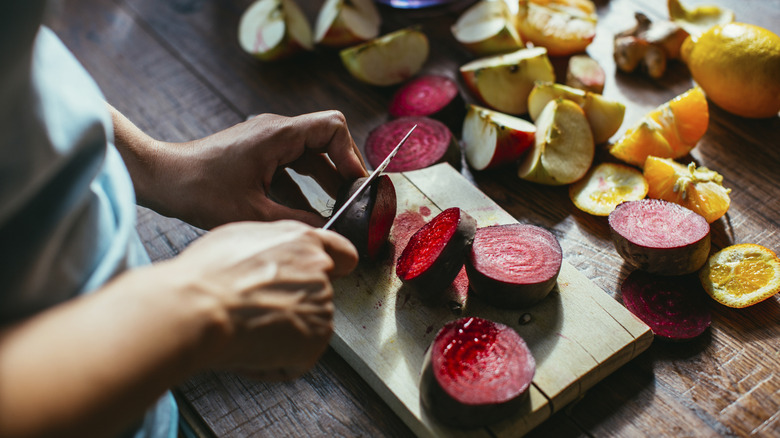
Crepes are famous for being sweet or savory. Even a few sweet and savory flavors have slipped their way through the cracks, typically featuring salty cheese and fruit. However, have you heard of sweet crepes featuring vegetables? If you've never tried candied root vegetables before, then this is a wonderful capacity to give them a first-go.
Start by selecting a variety of root vegetables. Then, dice them, toss them in a little salt, maple syrup, and a dash of balsamic vinegar or lemon juice if you desire. Honey is a great alternative to maple syrup, and you can even include brown sugar and warming spices. Roast them (or use an air fryer) until they are caramelized, and beginning to brown. They will be ultra sweet, sticky, and the perfect filling to go in your sweet crepe. Serve with a mascarpone whipped cream, lemon juice, and a little granulated sugar for sprinkling.
Veggies make an ultra-moist coffee cake
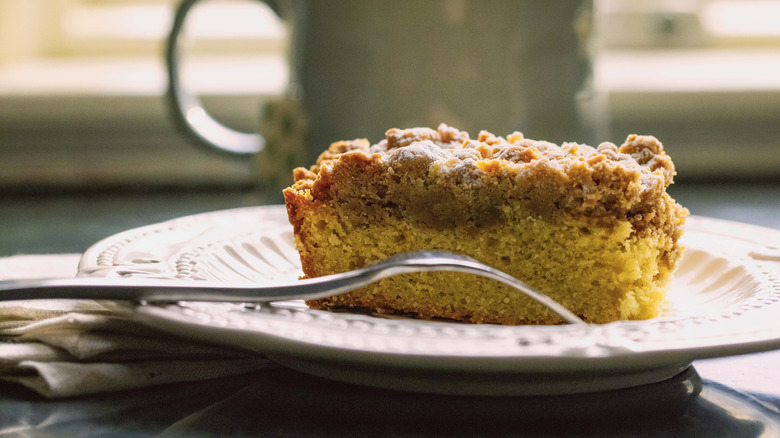
I love coffee cake the day it is made, but have you noticed it tends to dry out fairly quickly? Unfortunately, that's the nature of baked goods unless stored properly, and even then it's a race against time. To add some moisture to your coffee cake, consider grabbing one of those oversized zucchini and mincing it in the food processor. Yes, we are used to using shredded zucchini in our baked goods using a cheese grater, but pulverizing it is even better because it releases more moisture and disappears in your batter.
I like to use pulverized zucchini to create a lasting moisture in my baked goods, and often try to use it in recipes with strong flavors, like a whiskey caramel glazed coffee cake or a cinnamon orange coffee cake. FYI, minced carrots or carrot mash can be included in any baked good that uses oranges. Just load on the spices and enjoy rich, dense coffee cake for days.
Layer them in a breakfast parfait
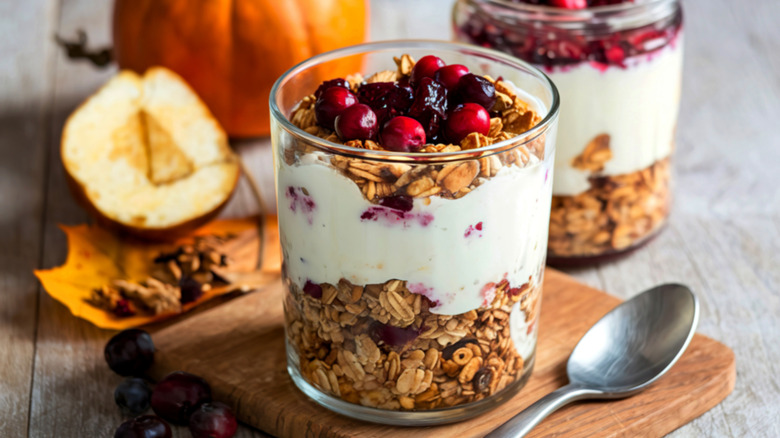
The breakfast parfait may have been rebranded as loaded yogurt, but in reality we'd all most likely appreciate eating layered fruit and yogurt out of a taller, translucent glass. Life can be so bland, why not spice things up with a sparkle of presentation?
There are a few easy ways to add vegetables to your parfait, and the first is by leaning into the fact that fresh strawberries love green veggies. You can make a strawberry parfait and use fresh, sweet raw peas as a topping, or even diced cucumber sprinkled with sugar. Another way to sneak some veggies in is to make beet jam and use that in a few layers. The longer you cook your homemade jam, the sweeter it will be. Layer it into a strawberry and apricot parfait with full-fat Greek yogurt, honey, and a crumbled shortcake. A little freshly whipped cream never hurt either.
Vegetables can add color to scones

I grew up going over to my English friend's house for sleepovers and enjoying her mother's fresh homemade scones for breakfast. Honestly, it was a true highlight, and I always appreciated how she experimented with different fold-ins like currents, candied orange peel, and ginger. As it were, classic English scones can be embellished with just about any add-in, as long as it matches the theme.
My favorite vegetable fold-in was candied ginger. It was sweet, spicy, and bold. Turmeric was another root vegetable that made a beautiful impression, paired with orange zest, leaving the dough bright orange and yellow. And while we are on the topic of colorful, I've always appreciated a bright pink scone (from beets), so whimsical and bold. Pair it with rosemary, drizzle with a honey glaze, and serve with tea. Lastly, did you know you can buy dried sweet potatoes? They resemble diced dried mango and are just as sweet and delicious. Use them in your scone mix for chewy, starchy, dense pockets of flavor.
Mix them into banana bread
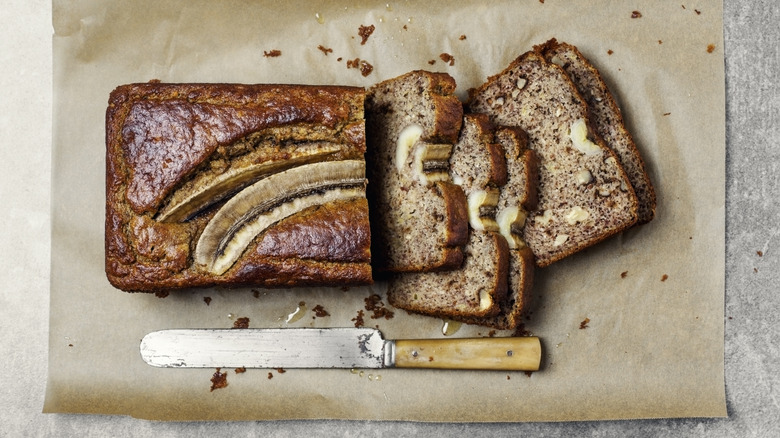
For me, it's a toss-up between freezing all my brown bananas or making banana bread. The frozen bananas are perfect for smoothies, but the banana bread is filling and can be used for both breakfast or dessert. Along with bananas, you can experiment with adding nuts, seeds, different grains, and vegetables. I like to use garbanzo bean flour. It's dense, protein-packed, and very binding. The legume is loaded with fiber and makes a wonderful vegetable addition.
Corn is another vegetable I sometimes include if my mix is cornmeal-based. Side note: If you've never tried cornmeal banana bread, give it a whirl. A handful of sweet corn will add some pockets of moisture and flavor to the dish. Classically, zucchini and beets can be shredded and mixed together along with chocolate chips in your banana bread, and, of course, shredded carrots are a welcome and common ingredient. These leftover veggies can be added to your banana bread for a sweet treat that's also healthy. Just be sure to balance the vegetables with loads of spices and sweeteners. My favorite would have to be date syrup, alongside chopped and whole dates. This adds to the sticky sweetness, and also loads you up with even more fiber. Dates pair well with the grated vegetables and are more flavorful than your average white sugar.