

12 Easy Ways To Boost Your Fiber Intake Beyond Beans
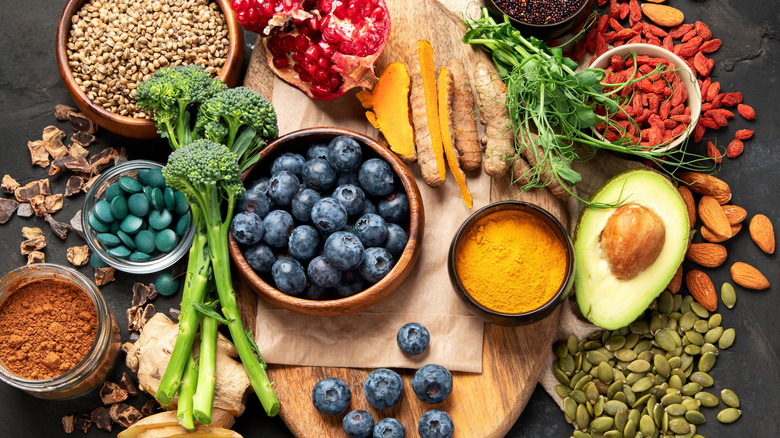
For the longest time, the narrative surrounding nutrition was hyper-focused on protein. And while protein is an essential nutrient, folks in the United States typically get enough throughout the day. However, there is one nutrient that about 95% of Americans are deficient in, and that's fiber. Luckily, fiber has recently taken over the spotlight as the trendy new nutrient to load up on, and our bodies are thanking us.
Fibermaxxing, as the kids are calling it, can help more than just your digestive system. Fiber feeds our good gut bacteria, which helps to balance our gut microbiome. A balanced microbiome can lead to better heart health, mental health, boosted immunity, and a reduction in the occurrence of noncommunicable diseases due to its anti-inflammatory properties. In addition, many high fiber foods are just plain old delicious if prepared correctly, so it's a win-win. There are endless ways to boost your fiber intake beyond beans, so let's dive in.
As a chef and recipe designer, I'm all about flavor. But having a Plant-Based Nutrition Certification from Cornell makes me think twice about the ingredients I use. Striking a balance between nutrient-dense and delicious is easy to do in the vast world of fiber-rich ingredients. However, getting started can be overwhelming if you've never put much emphasis on fiber before. Trending ingredients like cabbage, brussels sprouts, and broccoli are just the tip of the iceberg. So, let's talk about some easy ways you can sneak more fiber-licious foods into your everyday diet, so you can hit that 22 to 34 grams-per-day of fiber recommendation from the CDC.
Drink more smoothies
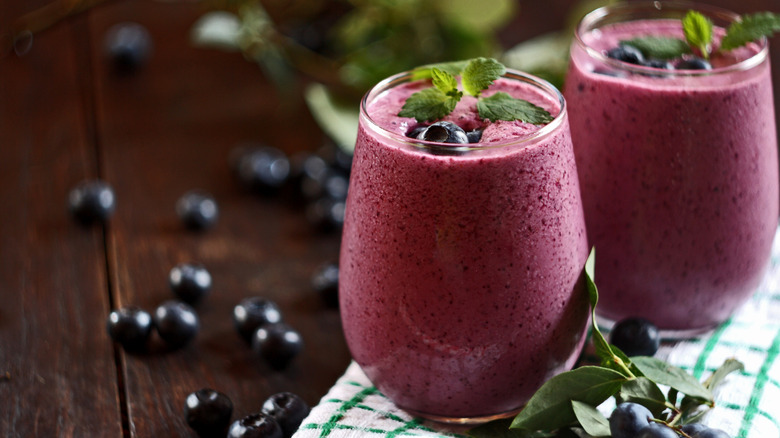
When discussing how to load more fiber onto your plate, it's also important to consider how you can pour more into your cup. There are plenty of ways to drink more fiber, and the best way to do this is via your handy-dandy blender. The main difference between using a blender and a juicer comes down to fiber. A juicer separates the fiber from the liquid, leaving you without the pulp. So, when you blend your fruit instead, you are simply breaking it down, not removing it from the beverage. So, why is it important to drink all of that fiber alongside the juice?
Have you ever noticed that a toddler will go bonkers if they drink a glass of apple juice, but not if they eat an apple? Pairing fiber alongside that natural sugar helps to regulate how it enters our bloodstream. Fiber slows the release of glucose, giving us steady energy. If you remove that fiber, our glucose levels spike, then crash.
Luckily, you can pack quite a bit of fiber into a smoothie. Beyond fresh fruit, you can add high fiber ingredients like seeds, nut butters, leafy greens, dates, and even some vegetables that taste pretty delicious in a smoothie. Keep the skins on fruits if they are edible, and enjoy the endless benefits that smoothies can offer, including a fiber boost.
Use ground flax in your batters and baked goods
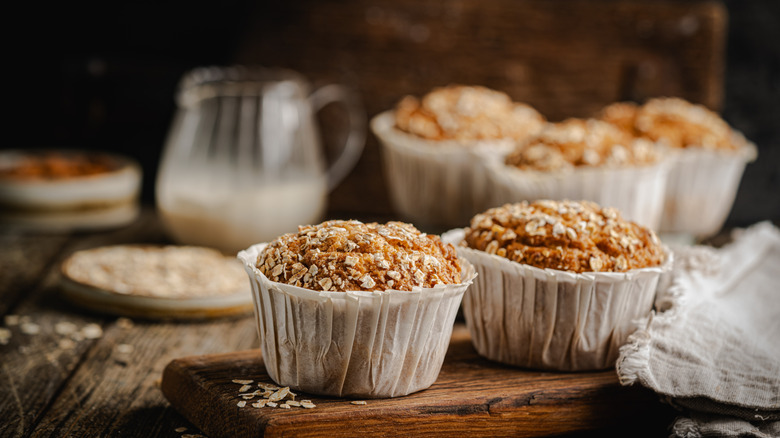
One of the most popular high-fiber ingredients out there is flaxseed. To reap the benefits, use ground flaxseed, or grind it yourself. Flax can be added to a variety of dishes, but one of the tastiest ways to incorporate it into your diet is through baking. These nutty seeds act as a binder, and when used properly, can help retain moisture and add a pleasing, hearty texture to baked goods. Flaxseed can be used as an egg replacer in baking or used alongside eggs. Just one tablespoon of ground flaxseed has almost 2 grams of fiber.
Some of us are natural bakers and feel comfortable playing around with recipes, adding our own flair, and feeling confident that our creations will thrive. However, baking is a science, and unless you've got your formulas down, it can be intimidating to alter a recipe. If that's you, then it's best to find recipes that already have these high-fiber ingredients like flax, and when in doubt, you can always sprinkle the seeds on top. In addition, mixing flaxseed into your pancake batter when it's a little too thin can be a good way to get your toes wet before diving in. There are endless ways to use flaxseed in the kitchen, for both sweet and savory foods, and baking is a good place to start.
Drink chia water and eat chia pudding
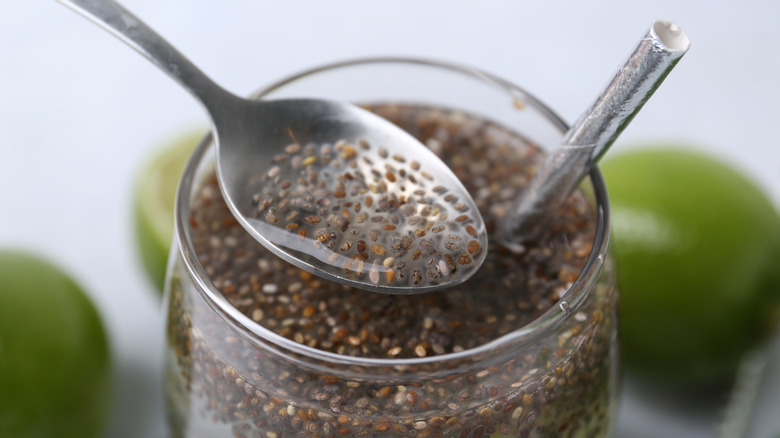
The chia seed, although deemed "trendy" in modern-day culture, has a rich and ancient history. The first record of the use of these seeds dates back 4,500 years in Mesoamerica. In Mayan, "chia" means strength, and these seeds were used to enhance endurance for warriors and messengers. In addition, chia seeds were used in medicine and as a popular food staple before the invasion of America nearly wiped them out. This superfood has been used for centuries, so we are glad it's making a comeback, and our bodies are even more thankful. There are plenty of ways to consume chia seeds, but two simple ways to pack in a bunch of these fiber-filled seeds into your diet are through chia water or chia pudding.
Just one ounce of chia seeds contains almost 10 grams of fiber. These little seeds soak up liquid and become almost jelly-like with a crunchy seed center. So, you can soak chia seeds in water for a thick fiber-filled drink, or soak them in milk or plant-based milk for a richer pudding-like texture. For a looser, more drinkable consistency, add more liquid. You can flavor chia water with lime juice and a little maple syrup for a natural energy drink. Chia pudding can be enhanced with vanilla, nut butters, fruit, and sweeteners. Either direction you take, soak those little seeds overnight in your refrigerator to allow them to fully absorb the liquid.
Opt for avocado or peanut butter toast
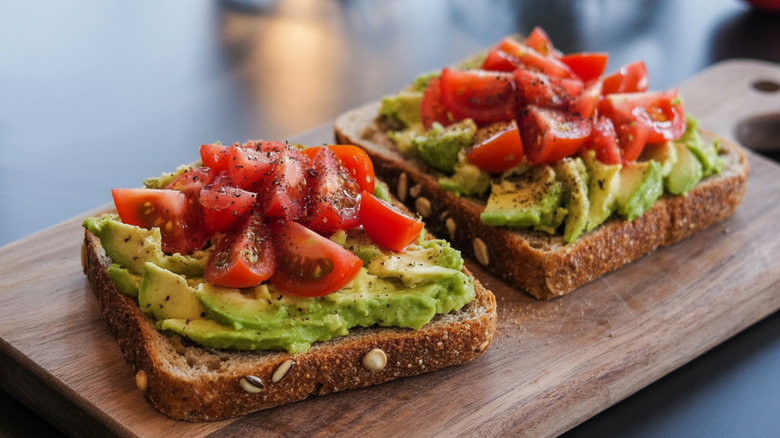
Although eggs, cream cheese, and butter are classic toast toppings, some more fiber-filled breakfast pairings can enhance your toast, assisting in your fibermaxxing pursuit. You can certainly pair those classic toppings with fiber-filled toppings for added flavor and bulk, or any other additional ingredients you feel would enhance the recipe. Start with whole-grain toast, and load it up with avocado. Avocado toast is trendy for a reason: The texture and flavor are unmatched. Be sure to upgrade avocado toast with flavor enhancements, or at least salt and pepper. Half an avocado has almost 7 grams of fiber. If avocado isn't your thing, don't fear — fiber-filled alternatives are here.
Nut butters are another fiber-licious option. Each tablespoon of almond butter has over 1.6 grams of fiber. Mix in a little cocoa powder and date syrup for the ultimate chocolatey fiber breakfast. Other enhancements to peanut butter toast, like bananas, raisins, flaxseed, and apple slices, can provide an additional boost of fiber. Toast with a spreadable topping is a quick and easy way to load up on fiber, even if your mornings are rushed. Consider snacking on loaded toast mid-day, or even indulging as a late-night snack.
Use chickpea flour in pancakes

One of the best ways to easily boost your fiber intake beyond the traditional way of eating beans is by using chickpea flour. Yes, chickpeas are beans, but we've included chickpea flour in this list because you'd never in a million years guess that chickpea flour pancakes have beans in them. Chickpea flour doesn't taste like, look like, or have the same texture as beans, and is certainly not used in the same capacity. You can get chickpea flour in the baking aisle. It's naturally starchy, so chickpea flour pancakes don't need a binder like egg when used for pancakes.
Use chickpea flour along with milk, or a non-dairy milk alternative, vanilla, salt, baking soda, a sweetener of choice, and oil for the perfect, fluffy, light pancakes. Alternative ingredients like apple cider vinegar, mashed banana, and flaxseed can do wonders for your gut as well. Just one cup of chickpea flour has almost 10 grams of fiber and over 20 grams of protein. Let's just say that eating pancakes is just about the easiest and most enjoyable way to fibermaxx. However, there are plenty of other ways to use chickpea flour in your cooking and baking.
Buy or make whole-grain breads
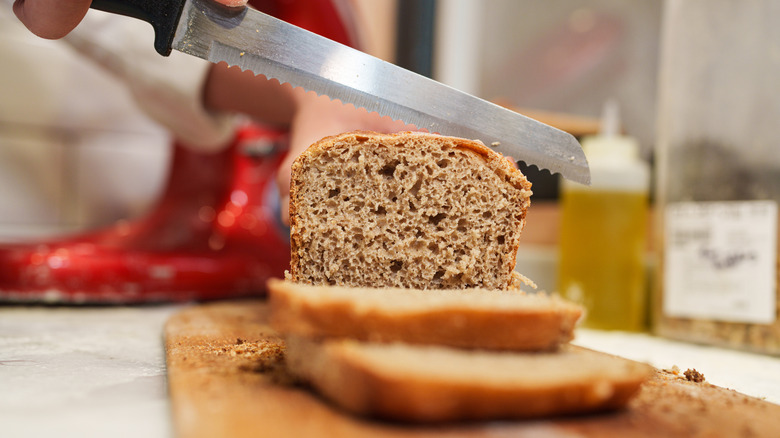
Let's talk refined versus unrefined grains. Grains contain three elements: The bran, the endosperm, and the germ. When a grain has been refined, one or two of those elements have been stripped from the grain. Typically, it's the germ and bran that are removed, like in the instance of white flour, which only contains the endosperm. The bran is the fiber powerhouse, so when it's removed, you're left with an imbalance of mostly starchy carbohydrates. We love carbs; in fact, fiber is a carbohydrate, but a refined carbohydrate reacts differently in our bodies. Similar to a fruit being juiced, the removal of fiber from a grain results in the spiking of blood sugar, creating instability in the body, inevitably resulting in a crash.
So, when you're hoping to load up on fiber, it's important what kind of flour you're using and what kind of bread you're buying. In the grocery store, read the ingredients list. Look at the fiber content, but more importantly, check out those ingredients. Search for the word "whole" in front of the grain, such as "whole wheat" or "whole grain." This will ensure a higher fiber intake and is an easy and delicious way to sprinkle more fiber into your everyday diet.
Add roasted sweet potato to your tacos
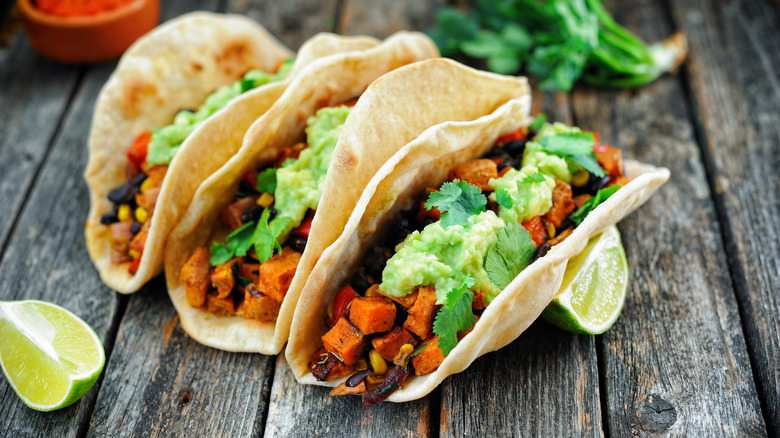
Did you know that in just one cup of diced sweet potato, there are about 4 grams of fiber? Luckily for us, there are endless ways to incorporate sweet potatoes into our diet. They are delicious, starchy, versatile, and can take on many textures. You can use them in desserts or savory dishes alike. One of our favorite ways to eat more sweet potatoes is by adding them to tacos. Yes, you can still enjoy the fiber boost from classic black or refried beans, but roasted sweet potatoes are an elite ingredient that creates balance and variance of texture.
Dice and load your sweet potatoes up with spices and seasonings before tossing them in the oven or air fryer. Try using supporting ingredients like tamari, lime juice, chili powder, maple syrup, and garlic. These crispy orange cubes are ultra sweet, crispy, and flavorful, which can bring a more rounded mouthfeel to meat-free tacos. They pair well with other classic taco ingredients and add that boost of fiber you desire.
Other fiber-filled taco ingredients to enjoy alongside sweet potato are air fried brussels sprouts, crispy broccoli, roasted cauliflower, avocado, and baked pumpkin. Try a classic sweet potato and black bean taco recipe, or mix it up with something more unique, like a chili lime sweet potato and chickpea sheet pan taco recipe. Enjoy the flavor, reap the nutritional benefits.
Use chickpea or lentil pasta
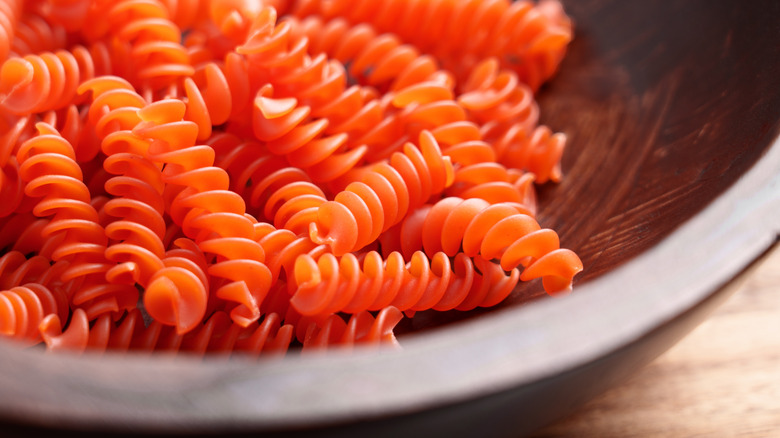
Technically, lentils are not beans. Beans, lentils, and peas are all considered legumes. So, if you're looking for easy ways to boost your fiber intake beyond beans, look no further than lentils. These are perhaps one of the most impressive fiber-filled foods, with a whopping 15.6 grams of fiber per cup, cooked. That's around half of your daily recommended intake. With that in mind, is there a good way to easily incorporate more lentils into your diet? There is, and you can use it in pasta.
You heard me correctly. And while you can certainly mix cooked lentils into your pasta sauce, giving it a meaty mouthfeel similar to a bolognese, you can also just purchase lentil pasta. Just one cup contains 18 grams of fiber, and let's be real, who's going to stop at just one cup? If lentil pasta doesn't do it for you, there are other options like chickpea pasta, edamame pasta, and even black bean pasta you can swap in for a fiber boost. Lentil noodle pasta also contains more protein than your typical pasta, clocking in at around 20 grams per serving. Just be sure to hit that chewy al dente to avoid a starchy, gummy mess.
Stir psyllium husk into your drinks
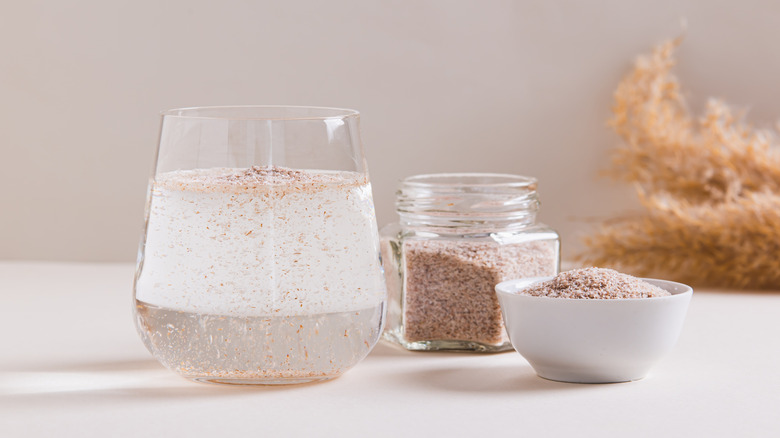
So, you've tried the lentil pasta swap, the sweet potato tacos, and boosting your fiber intake with a morning smoothie. But you just don't have it in you to cook from scratch; we've all been there. Go ahead and grab that freezer pizza or TV dinner, and boost your fiber another way: Psyllium husk. If you've never heard of psyllium husk, then you're not alone. If you have heard of it, you may be into gluten-free baking or have caught wind of its use in the weight loss world. It's a water-soluble plant-based fiber that you can mix into just about anything liquid. It is essentially tasteless, but it will thicken your beverage. It's essential to consume it with enough water or liquid. It absorbs liquid, and if it hasn't had its fill, it will do so inside your body. That's why it's critical to use it in moderation and in correct dosages.
Just one tablespoon of psyllium husk contains around 5 grams of fiber. Because of this fiber content, it can have laxative effects, so start slow to warm your body up to this fiber boost. Ingesting too much fiber without allowing your body to adjust can lead to bloating and gas, so it's best to take baby steps and drink plenty of water with any high-fiber food if you're used to the Standard American Diet. When you're ready to ease in, drinking fiber is an easy way to boost your fiber intake.
Add roasted pumpkin to your curries
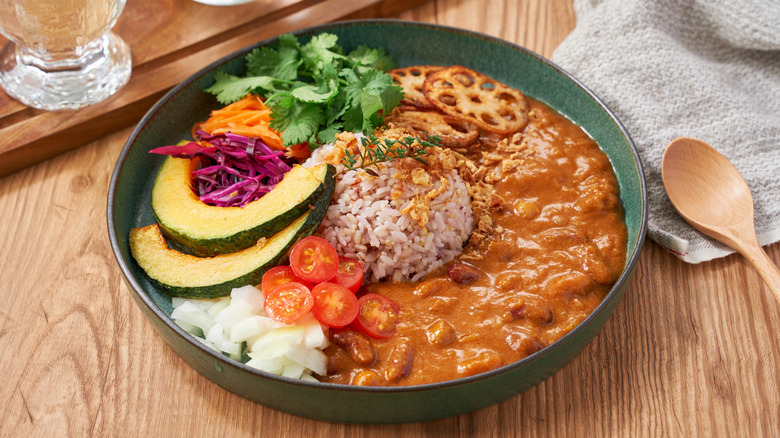
Curries are a staple in my household, not only because they can be incredibly nutrient-dense, but because of how much you can vary the supporting ingredients. We use vegetable-heavy recipes, featuring ingredients like chickpeas, tofu, carrots, onions, and broccoli. If you're already making veggie curries, then it's likely you're not new to a fiber-filled dish. However, if you want to flex that fiber muscle even further, consider adding pumpkin to your curries. Whether it's an Indian curry, Thai curry, or West African curry, pumpkin is typically diverse enough to match the flavor profile. You can enjoy around 3 grams of fiber per cup of diced and cooked pumpkin, but that's not the only way you can add pumpkin to curry.
You can also include pureed pumpkin in your curry sauce. One cup of canned pumpkin contains around 7 grams of fiber and can thicken and flavor the dish beautifully. Use it in a tomato-based curry, a coconut milk-based curry, or allow the pumpkin to be the base. When in doubt, try a fall canned pumpkin curry recipe or a silky tofu and pumpkin curry recipe for guidance, and to build confidence.
Use cashew cream in pasta dishes
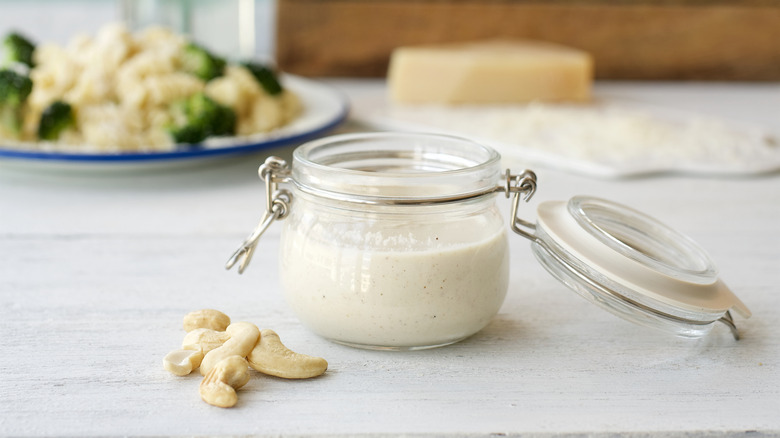
Fiber comes from plants, and only plants. So every time you replace a meat, or animal byproduct with grain, nut, seed, legume, vegetable, or fruit, you're going to very likely boost the fiber intake of the dish. That doesn't mean you have to cut out meat, eggs, or dairy by any means, but coupling them with plant foods or using more plant foods in your recipe will ultimately increase the amount of fiber you're enjoying. So, when it comes to pasta dishes, instead of using milk or cheese, consider a nutty alternative. Cashews are a popular dairy-free way to make your pasta dish creamy and boost that fiber.
So, how does a nut become creamy, you ask? You'll need a little patience and a high-speed blender. Soak raw cashews overnight, or speed up the process by using warm water. Once they are soft, toss them in the blender with fresh water, and blend them until you're working with silky cashew cream. There should be no chunks at all; it should be the texture of a thick cream. Add lemon juice, nutritional yeast, salt, and a dab of sweetener to create a more flavorful balance, as cashew cream is extremely rich but neutral. You can use it in mac and cheese, lasagna, Alfredo, or any other pasta dish that calls for cream.
Include dried fruit in your savory dishes

Recently, I stumbled upon a delicious Sicilian pasta dish that includes raisins, and it got me thinking. How can we use more dried fruit in savory cooking? Of course, there are classics like chicken marbella and Moroccan tagines that have traditionally used dried fruit. But there are also ways we can sprinkle dried fruit into everyday foods. Think salads: There is ample opportunity to add a little cut of dried apricot or dried cherry to the mix. These tart and sweet pops of flavor add variety of mouthfeel, and can bring a boring salad to life if applied properly.
In addition, you can soak and blend dried fruits to add to marinades, especially for gamey meats. Include dried fruit in roasts and oven-prepared meat dishes so they can plump up with all of those flavorful drippings. Bland grain dishes deserve dried fruit, fresh herbs, pungent vinegars, and aromatic spices. Date syrup can be used to sweeten just about anything in place of sugar, and one cup of prunes has over 12 grams of fiber. Think of the benefits.