

Here's What Kitchens Really Looked Like In The 1950s
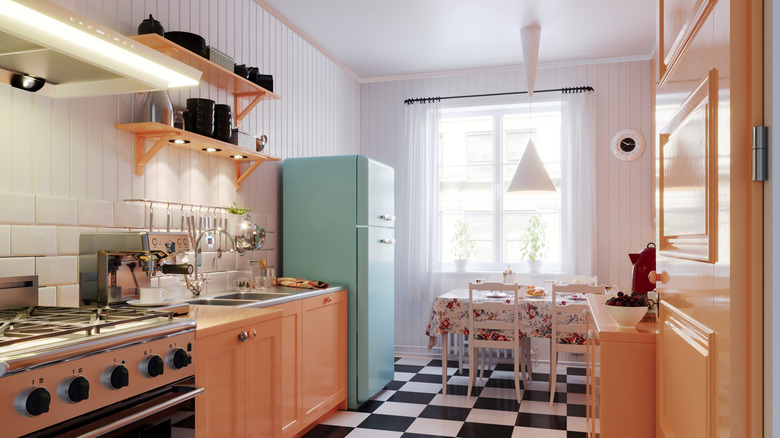
Kitchens in the 1950s stepped away from more sterile, austere settings into brighter, bolder designs. After WWII, a sense of prosperity and optimism infiltrated American homes, and more vivacious design choices are evident through decorating details like sleek appliances, colorful window treatments, and striking flooring. Homeowners had options, and they weren't afraid to choose what makes kitchen work simultaneously easier and more attractive.
As you browse our list of some of the more characteristic elements found in mid-modern kitchen designs, let some of the materials and textures inspire you. Many of these trends continue to live on today, and retro styles can add contagious energy to spaces. Marrying even a few vintage touches with modern finishes can help you create the living space of your dreams. With a bit of attention, you'll be able to design a kitchen layout that won't easily go out of style and is guaranteed to become a conversation topic at your next dinner party.
Embracing brighter shades
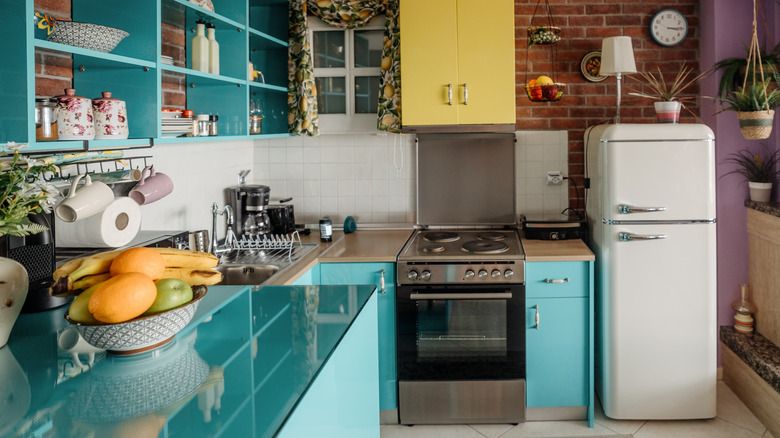
Kitchens in the '50s ushered in color, departing from previous sterile white-centered designs. Vintage design trends saw details like backsplashes, appliances, and painted cabinets coated in pretty colors. Some of these brighter color choices continue to spruce up modern-day kitchen layouts.
The ease of laminate countertops
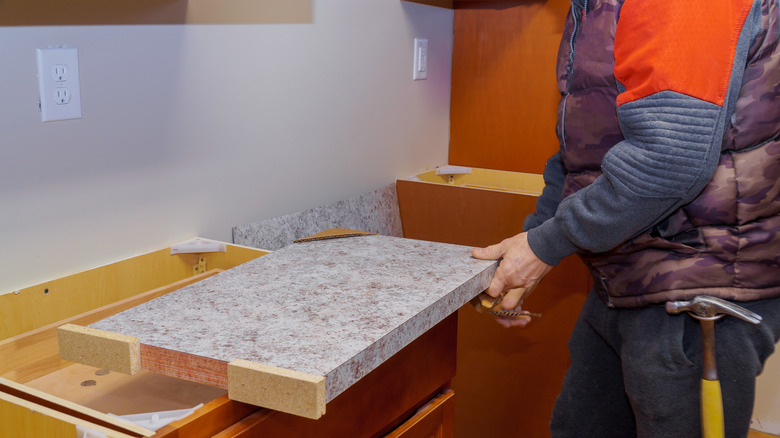
Laminate countertops began to appear in the '50s. This kind of material, including a brand known as Formica, offered an affordable choice for homeowners looking to build durable workspaces. Formica provided a range of colors and patterns to choose from, and the easy-to-clean surface was appealing to many American families.
Sprucing up floors with patterns
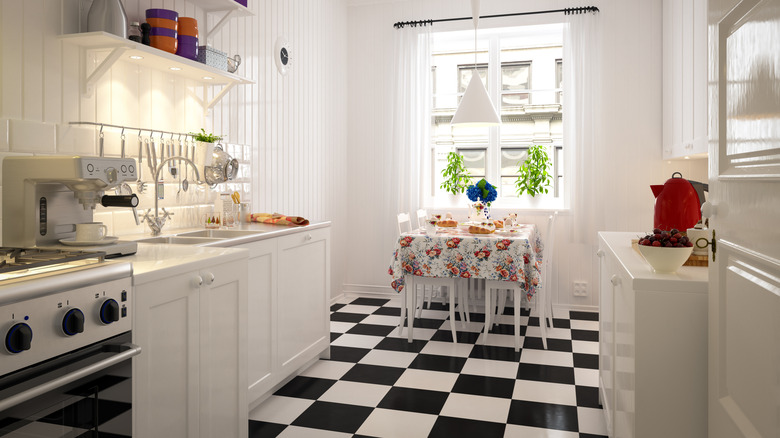
If you've considered designing the retro kitchen of your dreams, checkered floors have surely ended up on a Pinterest board. Though this aesthetic touch is associated with the '50s, the idea was used in ancient civilizations and can be found in ancient Egypt and Rome. In the 1950s, checkered designs in linoleum or tile were both practical and attractive.
Brightening spaces with stainless steel
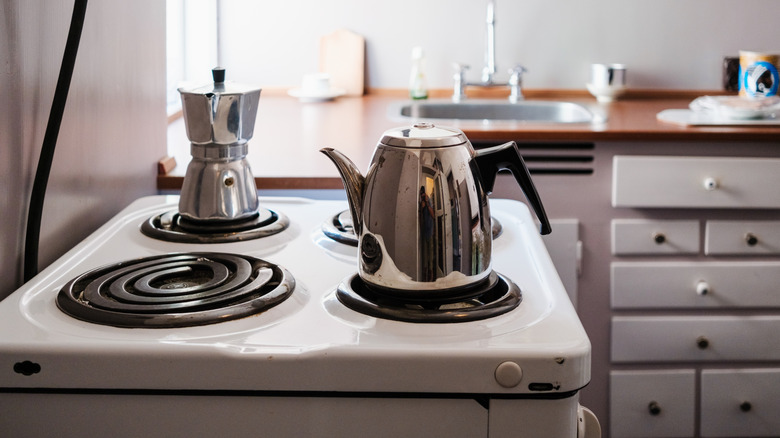
Rounded stainless steel appliances popped up in kitchens in the 1950s, and "built-in" appliances like ovens and cooktops were pioneered by Thermador to provide cooks with more approachable ways to get meals on the table with less hassle. The sleekness of stainless steel not only helped maximize space in the kitchen but could also be easily incorporated into existing home design.
The classic appeal of natural materials

Before cabinets were painted, wooden details held plates and concealed various kitchen gadgets like apple peelers and rotary egg beaters. Hardware and hinges were visible, and when paired with other design details of the time — patterned curtains or checkered flooring — the woodwork created a noticeable visual contrast in kitchen areas.
Reviving kitchens with white
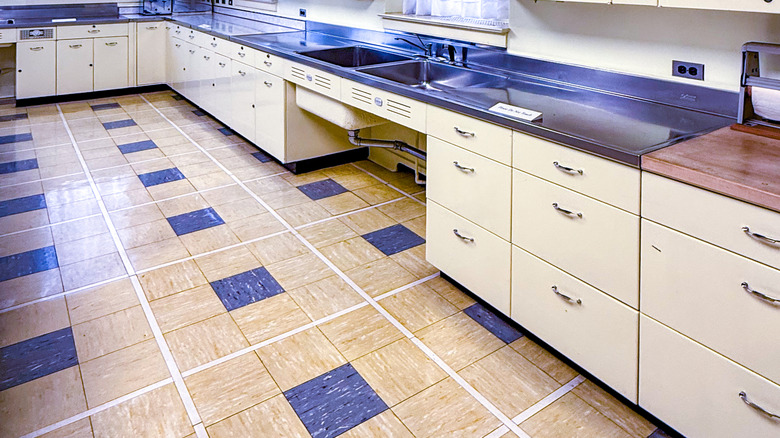
Certain kitchen designs hold timeless appeal, and when homeowners began painting cupboards white, the idea of white kitchen design began to capture the public imagination. The base helped colorful, lively patterns found in tiles and fabrics step forward. Soon, white enameled-steel cabinets replaced wooden carpentry, and colorful accents maximized the appeal of a more neutral color scheme.
Giving windows special treatment
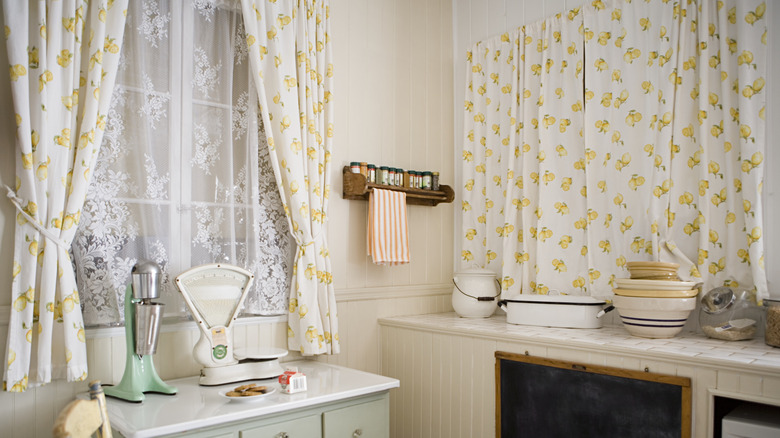
The types of fabrics that adorned windows in the 1950s certainly didn't hold back. Abstract designs, bold colors, and frilly details found an eager audience. The window treatments that became available during this time departed from the gingham patterns that previously dominated home design, and flower motifs provided a welcome bit of whimsy and optimism in kitchen spaces.
Upgrading chores with fashion
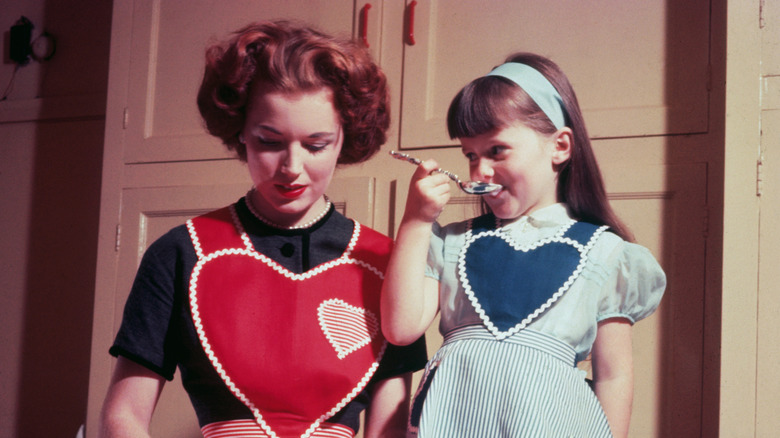
Wearing aprons in the kitchen became equal parts fashionable and efficient in the '50s. The goal was to keep outfits clean, but the aprons produced in the '50s presented an appeal of their own. Novelty prints in different sizes allowed family members of all ages to take part in kitchen activities, and ready-made and sew-kits gave options for homemakers to choose fabrics that would match special occasions and events.
Visual appeal with patterned wallpaper
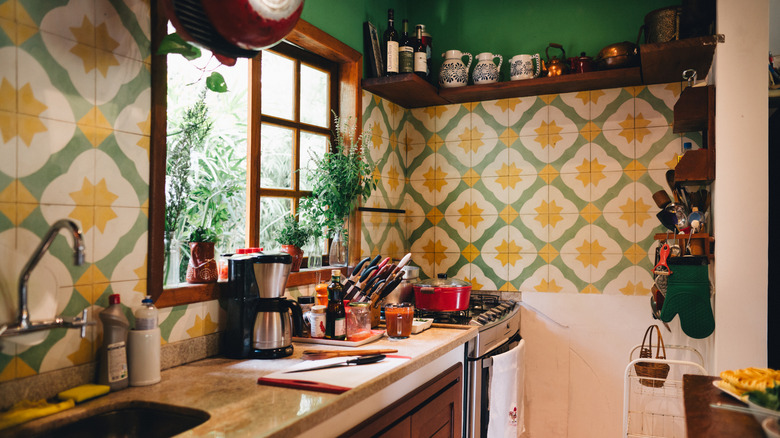
Wallpaper designs in the 1950s also showed little restraint. Bright, busy colors and lively patterns adorned walls, and bold choices demonstrated that homemakers were ready to play. Abstract geometric designs and vibrant scenes illustrated Americans' hope after WWII, and wallpaper sheets were used not only to coat entire rooms, but also add a point of interest on specific accent walls.
Making work pretty and fun with new appliances
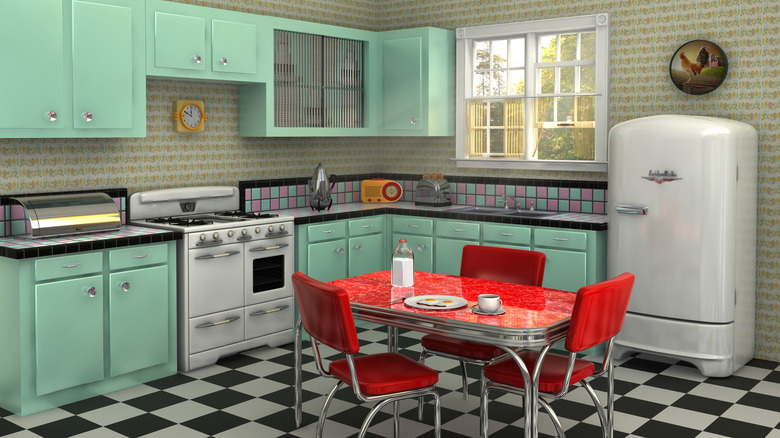
Appliances in the 1950s began to depart from strict functional forms to purchases that could be displayed with pride. Instead of having to hide unsightly stand mixers, toasters, and blenders, Americans were ready to display interesting-looking pieces that were easy to use while adding a bit of brightness to kitchen chores.
Serving delicate dishes
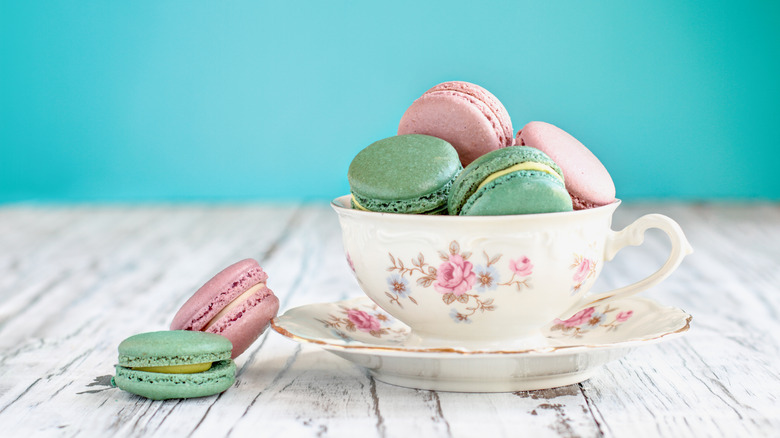
Pretty floral details on cups and plates elevated hospitality. Tea and coffee served in patterned china alongside plated slices of frosted sandwich loaf and biscuits brought joy into the home, turning afternoon treats and dessert into a more elegant affair. This mid-century modern touch continues to hold timeless appeal, and colorful, patterned sets are still sold in antique stores and online marketplaces.
Cuddling up in breakfast nooks
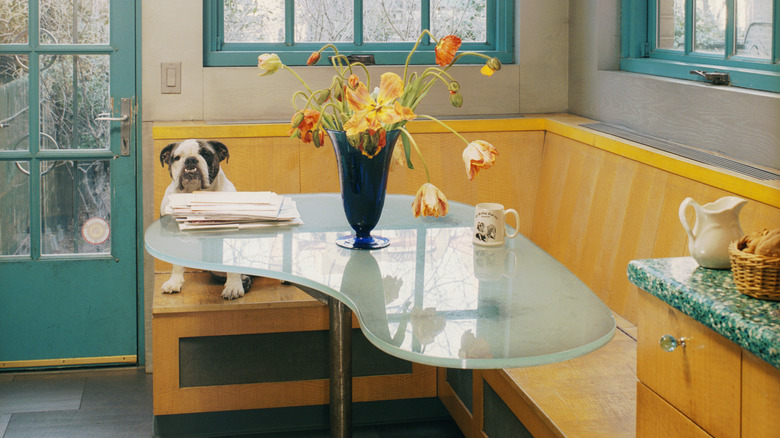
The breakfast nook has become a standout vintage kitchen feature that continues to be welcomed into modern home design. Set just off the kitchen, the cozy point provided a convenient option for breakfast platters to be presented and coffee to be enjoyed on a weekday morning. Patterned upholstery and fabrics — curtains, cushions, and napkins — added warm levity to these cute built-in spaces.
Funky lighting fixtures
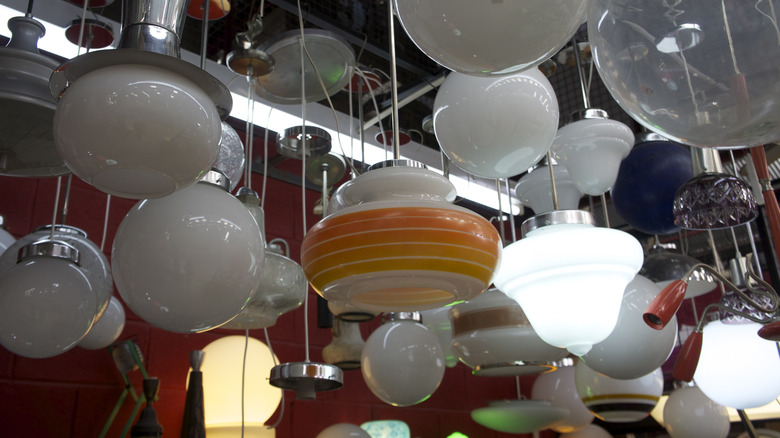
Unique kitchen lighting ideas that emerged in the '50s brought modernism into the home with energetic colors and geometric designs. Pendants and ceiling fixtures appeared in kitchens alongside fluorescent bulbs, and lighting options no longer served simply as functional, but were also regarded as an aesthetic form. Saucer pendants and Sputnik Chandeliers are still common design choices for homeowners and designers.
Maximizing efficiency with layout
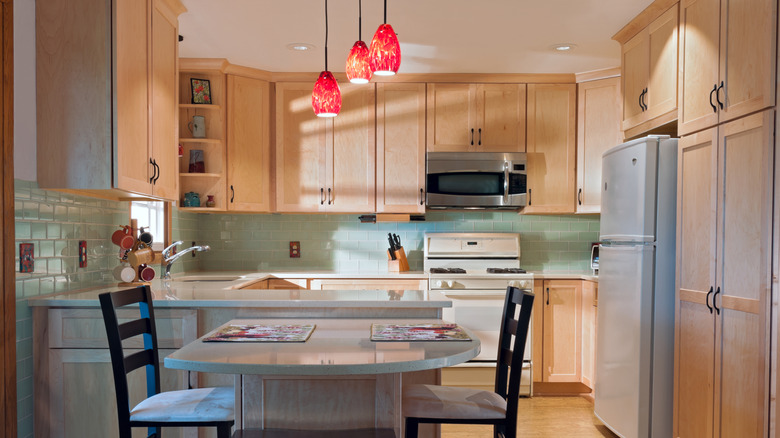
The golden triangle design, also known as the work triangle, is a specific floor layout that seeks to make kitchen work more efficient. This design principle dictates that the sink, the stove, and the fridge are placed in a triangular setting so that chefs have an easier time cooking and preparing meals. The concept was developed in the '40s and was commonly seen in kitchen designs outlined in the '50s.
Looking to the future with lucite
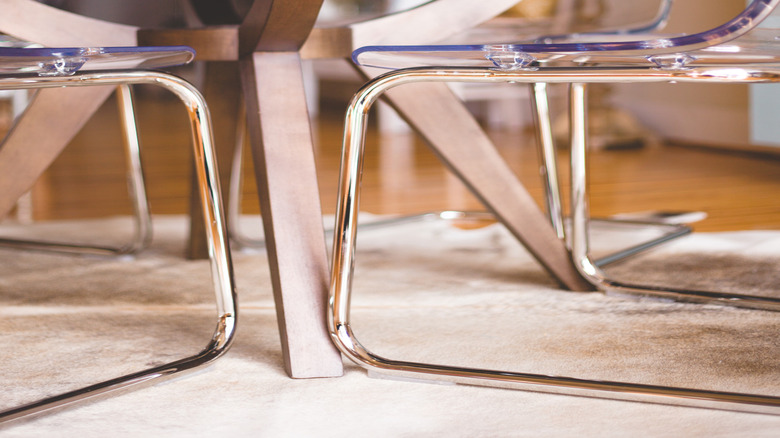
Lucite was used in fashion and accessories in the late 1940s, and by the '50s, the material found its way into furniture design. This acrylic resin was first developed in the late '30s by chemists, and the clear, transparent finish captivated designers who appreciated the strength of the material and its futuristic appearance. Lucite chairs, tables, and lamps allow more colorful details like green backsplashes to step forward, and the cost and the versatility of the material have helped usher in a resurgence of these kinds of statement pieces.