

9 Tips For Making The Perfect Roast Beef Sandwich At Home
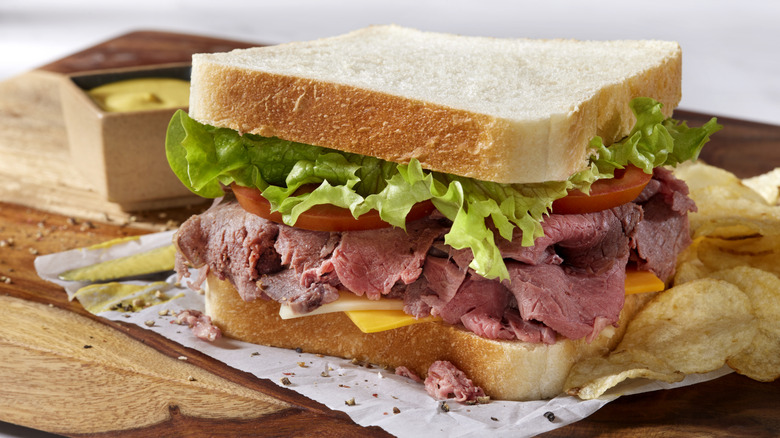
There's a reason roast beef sandwiches have remained a quintessential deli staple. Tender, thinly sliced beef tucked into your bread of choice, along with endless possibilities for toppings and condiments, is a delicious combination that never gets old. No matter how you like it, there's a roast beef sandwich variation for everyone. Stick with tradition and enjoy it warm with melted cheese or dunked in a savory jus, or mix things up with an Italian beef sandwich loaded with peppers. Whichever tasty route you choose, the road to the perfect roast beef sandwich is paved with mouthwatering options.
I've made countless sandwiches during my two decades as a personal chef and cooking instructor, everything from simple lunch staples to over the top creations, and roast beef sandwiches have made plenty of appearances on menus for various occasions. The lesson that experience has taught me is simple — you don't need a restaurant kitchen or even homemade roast beef to make deli-worthy roast beef sandwiches at home. These tips will help you recreate the magic of a superb roast beef sandwich in your own kitchen.
Pick your temperature
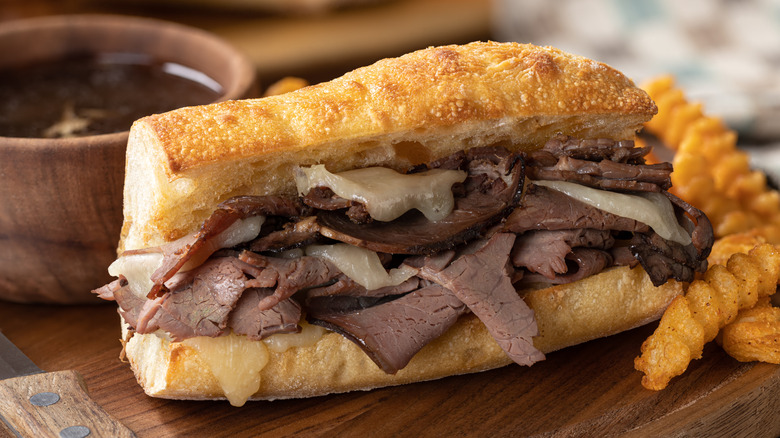
Hot or cold? When it comes to roast beef sandwiches, this should be the first question you ask yourself. The answer can send your sandwich down two completely different, but equally delicious, paths, both highlighting beef in different ways.
Choose a cold sandwich when you're craving thinly sliced, chilled roast beef. A classic deli-style roast beef sandwich is all about the contrast between that tender beef and cool, crisp ingredients. Add a creamy sauce or spread, and you'll have a tasty choice for a quick meal you can make ahead.
Go hot when you're in the mood for something more substantial. On a hot roast beef sandwich, the beef can range from slightly warmed thin slices to tender, slow-cooked beef served with all of its delectable juices. Hot roast beef sandwiches include French dip, the popular sandwich that was invented in California, not France, despite its name. It features warm, sliced roast beef served with a beefy, rich au jus for dipping. Like a bit of spice? An Italian beef sandwich pairs slices of beef cooked or warmed in seasoned juices. Serve it with peppers or spicy giardiniera, the essential condiment every Italian beef sandwich needs.
Your choice ultimately comes down to the sandwich experience you're looking for. Cold sandwiches are lighter, crisper, and can be assembled quickly, while hot roast beef sandwiches are richer, juicier, and heartier, and require more preparation.
Start with the best beef
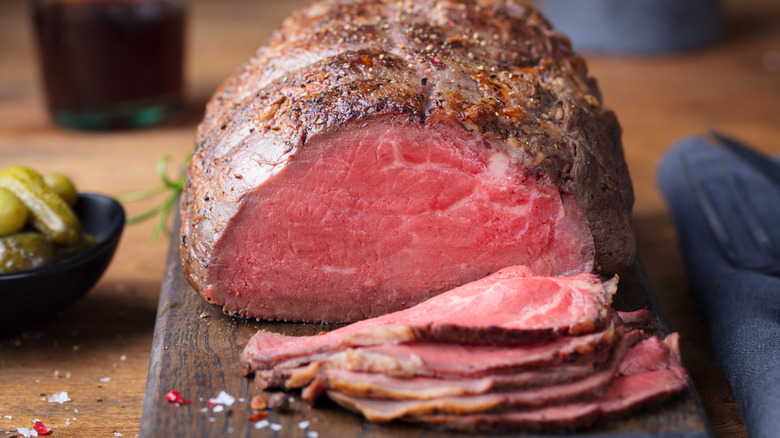
No matter what else you pile onto your roast beef sandwich, the beef is the star, so it's essential to start with the best beef for the kind of sandwich you're making. If you're skipping the deli counter and roasting your own, choosing the right cut of meat can be daunting. The goal is to choose a cut that will deliver plenty of beefy flavor and become tender when cooked.
For the tastiest sandwiches, look for eye of round or top round. Eye of round is a lean cut from the round or hind quarters of the cow. These muscles are heavily used so the eye of round isn't naturally tender. When sliced thinly, however, it makes a perfect roast beef sandwich. Top round roasts, which are cut from the area above the eye of round, are also lean, and experts recommend slow cooking them to make them tender. If eye of round or top round aren't available, you should be using shoulder tender for delicious roast beef. It's cut from the smallest shoulder muscle and is perfect for roasting.
There's no shame in letting the deli counter handle the heavy lifting when it comes to your roast beef. Deli roast beef is an excellent choice for cold sandwiches. Ask the butcher to slice it thinly for the best sandwiches.
Keep the beef slices thin
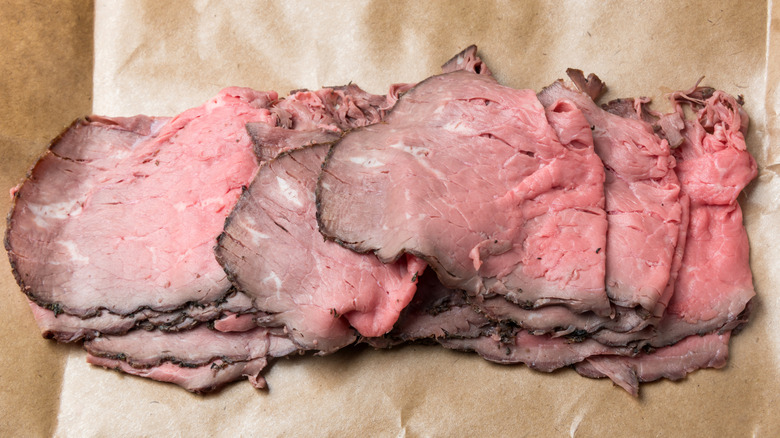
There's a reason deli counters slice roast beef and other meat paper thin. No matter what type of sandwich you're making, the best type of meat for deli-quality sandwiches is always thinly sliced. The reason is simple. Thin slices make even the leanest cuts of beef easier to chew and eat. They're also easier to fold and pile loosely onto your bread. Thicker slices can be chewy and difficult to eat.
If you're wondering how you can achieve those deli thin slices at home, the key is starting with cold beef. Chilled beef is significantly firmer than warm beef, making it much easier to cut into clean, thin slices – so, the colder the better. A room temperature roast will be easier to slice than one fresh out of the oven, but for best results, chill your cooked roast for at least a day. Once it's nice and cold, a sharp knife will make cutting thin slices a breeze.
Choose the right bread
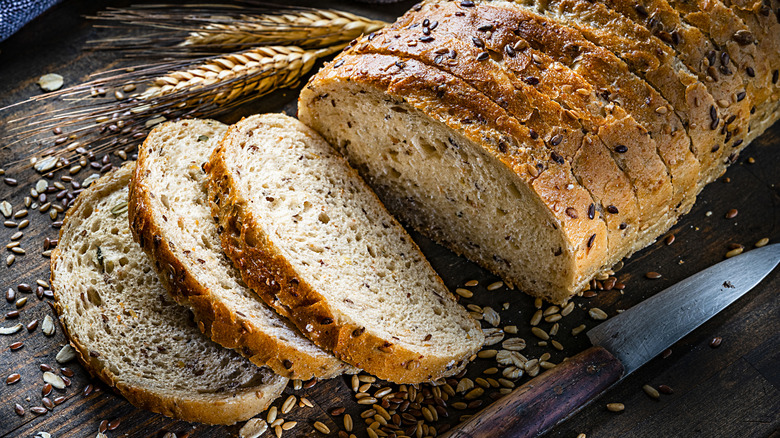
The right bread can make or break a good sandwich. In fact, the bread is as essential as the meat when you're building a great roast beef sandwich. Think of your bread like the foundation of a house. It should provide structure, but it should also add some flavor and texture. The bread's most important job is holding everything together from the first bite to the last, and how to choose the right bread for your sandwiches comes down in large part to the style of roast beef sandwich you're making.
The more substantial your sandwich, the sturdier your bread should be. For hot roast beef sandwiches loaded with jus, melted cheese, or other moist ingredients, crusty breads work best. French rolls, baguettes, and ciabatta bread are perfect for hot roast beef sandwiches because their firm crust and sturdy texture can soak up sauces and juices without immediately falling apart or getting soggy.
Cold roast beef gives you a bit more flexibility. Hearty sliced wheat, multigrain, sourdough, or rye bread offer enough support for the beef, cheese, condiments, and toppings without being too tough. For something a bit softer, try a Kaiser roll or onion roll, both of which are more substantial than regular sliced sandwich bread and can hold layers of roast beef and all the toppings, especially when buttered and toasted.
Count on condiments for added flavor

Even the juiciest roast beef can benefit from a smear of something creamy, tangy, and flavorful. Generally, no sandwich is complete without condiments. They add moisture and an additional layer of flavor to every bite, making dry sandwiches all but obsolete. Condiments are also a wonderful way to create a sandwich with perfectly balanced flavors, as they can incorporate richness, acidity, sweetness, or heat. Think about the other ingredients you're adding to your sandwich and choose condiments that hit the flavor notes you might be missing.
You can never go wrong with classic mayonnaise. Its creamy richness works especially well with lean roast beef, but you can easily turn it into a flavored mayo by stirring in chopped fresh or dried herbs. Mustard is another staple condiment that's also a tasty partner for roast beef. Its sharp and slightly acidic tang helps balance the richness of the beef. Bright and fresh pesto, zippy homemade garlic aioli, and even a sweet and tangy barbecue sauce can level up any roast beef sandwich.
Don't skip the horseradish
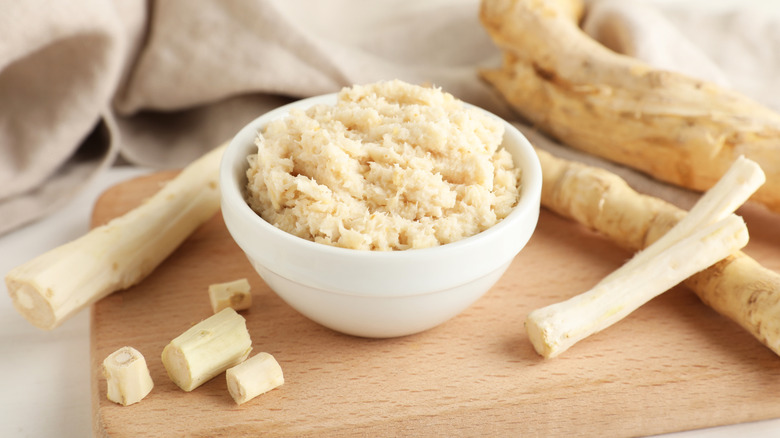
Roast beef and horseradish are a dynamic duo for good reason. Horseradish has the pungent, sinus-clearing bite that helps cut through the rich, savory flavor of the beef. It provides a sharp contrast that works on both hot and cold roast beef sandwiches. Despite its intense flavor, instead of overpowering roast beef, horseradish actually helps refresh your palate.
It's important to know the difference between fresh horseradish and prepared horseradish. Horseradish is in the same family as broccoli, cauliflower, and mustard. It's the root of a plant that is grated or cut when it's used fresh. On the other hand, prepared horseradish is typically found in jars in the refrigerated section of the grocery store. It's made by mixing grated horseradish root with vinegar and other ingredients.
Even though prepared horseradish is softened by the addition of the other ingredients, it can still pack a powerful punch. You can soften it even further by mixing it with mayonnaise. Horseradish is the hero ingredient to elevate a sandwich from ordinary to exceptional.
Add cheese
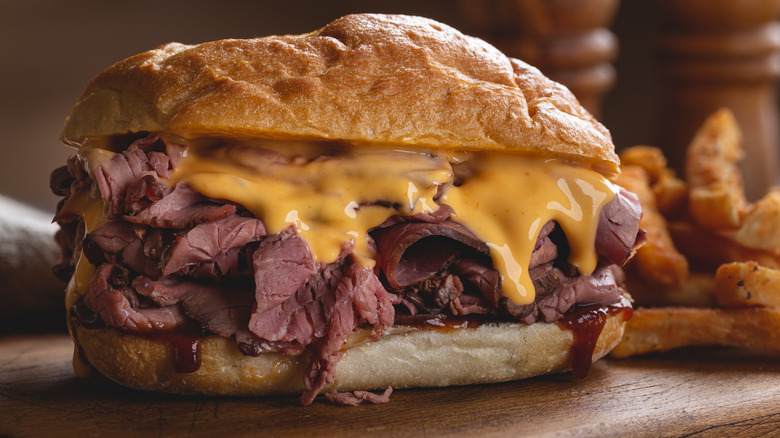
Roast beef and cheese make an easy match, whether your sandwich is hot or cold. Cheese adds another layer of flavor, along with a delicious contrast of textures when tucked inside a cold sandwich. For hot sandwiches, melted cheese becomes a creamy layer that helps bind the meat, bread, and toppings together.
Classic cheddar cheese is a tried-and-true choice for your next roast beef sandwich — the sharpness is a perfect balance to the beef's richness. Swiss, with its mild, nutty taste, is another mouthwatering option. Your roast beef sandwiches aren't complete without smoked provolone, an excellent melting cheese with a mild, smoky flavor.
You don't have to limit yourself to cheese slices, either. A creamy cheese sauce can transform a good roast beef sandwich into a great one. Arby's Beef 'n Cheddar Sandwich, with its beef and cheese sauce combo, is one of the most popular items on the fast food chain's menu. If you whip up the perfect cheese sauce at home, make sure it's creamy enough to spread over the roast beef, but thick enough to stay put instead of soaking into the bread.
Assemble it properly
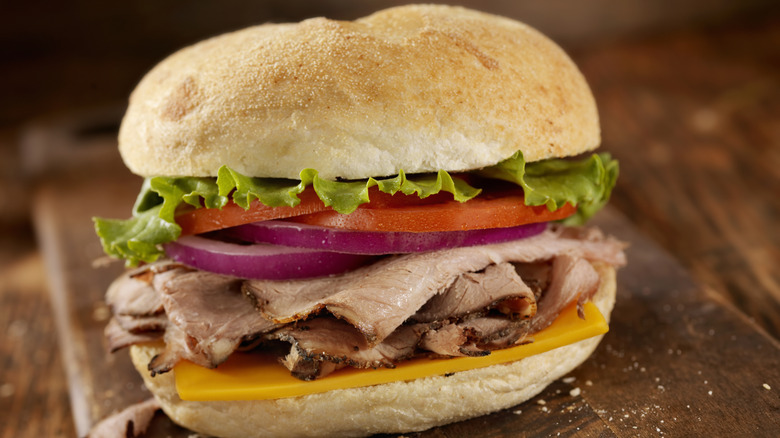
Once you've chosen your ingredients, constructing your sandwich is the next step. You'll need to rely on one strategy when assembling your ingredients — getting it right can mean the difference between a sandwich that stays together and one that falls apart as you're eating it. Think of yourself as a sandwich architect, stacking one flavorful layer on top of another to build the roast beef sandwich of your dreams.
Start by spreading your mayo or any other condiment on your bread. The condiment will add flavor, but the layer will also serve as a barrier between the bread and watery ingredients like tomatoes and pickles. Essentially, this condiment layer will help prevent a soggy sandwich.
Once you have your condiment in place, add your roast beef and cheese. Next up, add some crunch, like onions or peppers, followed by juicy toppings like tomatoes or pickles. Add your lettuce, another layer of condiments, and then top it with bread.
Finally, resist the temptation to overload your sandwich. A stuffed sandwich is great but keep the proportions manageable. You don't want to have to unhinge your jaw to take a bite.
Think beyond the classic toppings
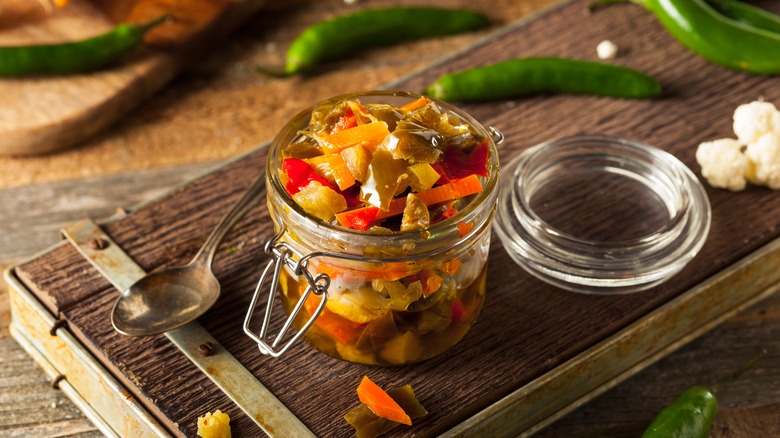
There's nothing wrong with sticking to classic toppings like lettuce, tomato, and onion for your roast beef sandwiches, but roast beef is versatile enough to serve as a canvas for more adventurous flavors. It pairs well with ingredients that are spicy, tangy, sweet, and crunchy, so don't be afraid to venture beyond the usual suspect.
When it comes to the pickled toppings your roast beef sandwich deserves, start by swapping raw onions or sauteed onions for pickled red onions. Other pickled vegetables, like those in a Chicago-style giardiniera, a mix of pickled vegetables like peppers, cauliflower, and carrots, can add even more texture, acidity, and sometimes even some heat. Keep unexpected sandwich ingredients like kimchi on hand, so you're always ready to prepare the ultimate roast beef sandwich. Beyond pickled toppings, consider drizzling some tangy Russian dressing on roast beef sandwiches to have them bursting with flavor.