

Cruciferous Vegetables Explained: What They Are And How To Enjoy Them
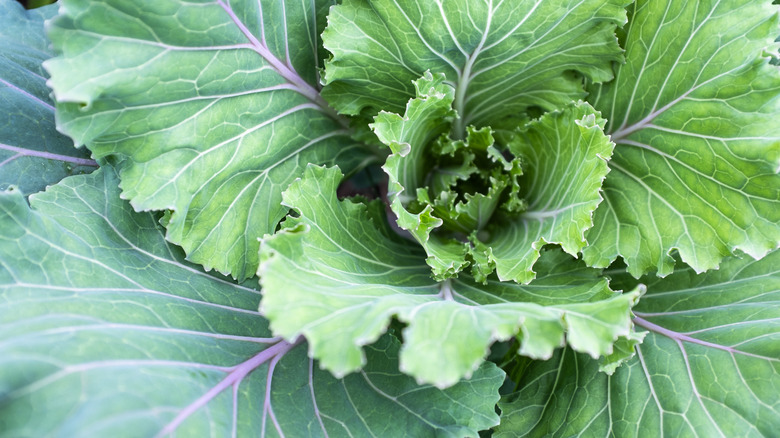
Until recently, or unless you're a full-blown foodie or nutritionist, you may have rarely heard the word "cruciferous" tossed around. But now that pizza crusts contain cauliflower, and kale has snuck its way into just about every smoothie, it's time we talked about what a cruciferous vegetable actually is. Is it the flavor, high fiber content, or texture that drops some of our favorite veggies into that category? Surprisingly enough, it actually has to do with the way the plant is formed. "Cruciferous" refers to the cruciform arrangement of the four flower petals, which form a cross. Veggies that sprout these flowers are all part of the mustard family, known as "Brassicaceae." These veggies have a distinctive flavor and nutritional elements, but come in many shapes, sizes, and colors. If you're curious about this up-and-coming vegetable family, let's get ahead of the trend and dive into cruciferous vegetables explained: What are they and how to enjoy them the right way.
As a recipe designer and chef, I've always been interested in the nutritional aspect of the foods I'm creating. That's why I got my certification in plant-based nutrition from Cornell, and one of the big focuses during lectures was the brilliance of the Brassicaceae family. Not only are they loaded with nutrients, but they are also incredibly versatile in the kitchen. So, let's get to know cruciferous veggies and the best ways to enjoy them.
Types of cruciferous vegetables
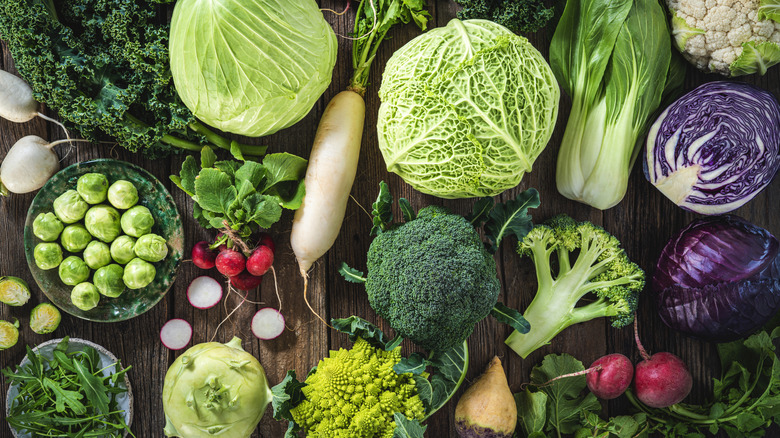
Broccoli, cauliflower, cabbage varieties, and kale are likely the most popular cruciferous vegetables out there. Cauliflower can be transformed into just about anything, from rice to vegetarian chicken wings. Broccoli has been a famous side dish in the United States for some time, and is often made into soup, used in stir fries, or simply steamed. Kale has crept its way into our hearts in chip form, blended into smoothies, and massaged into salads.
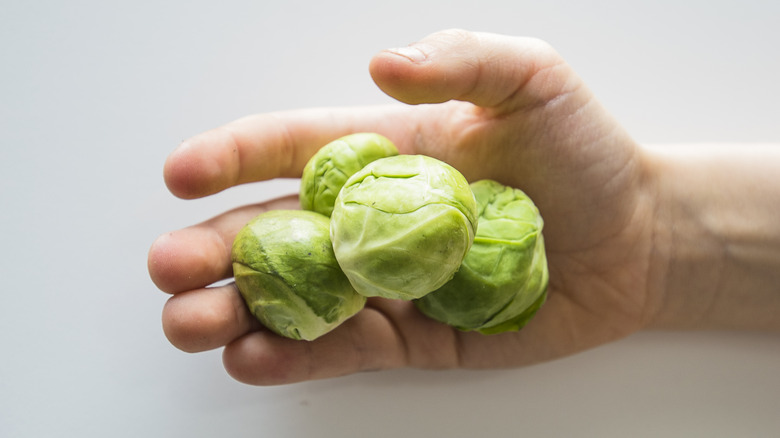
Cabbage can be found at just about any barbecue or potluck in the form of cole slaw. Another cruciferous vegetable to gain recent popularity is Brussels sprouts, which did a 180 when we stopped steaming them and started frying them. However, each of these popular cruciferous vegetables, like kale, has endless varieties to discover, and the fun doesn't end there.
The list is fairly extensive, dabbling in the broccoli family, root vegetables, and dark leafy greens. Some cruciferous vegetables you might recognize but might not cook with often include bok choy, turnips, collard greens, horseradish, arugula, rutabaga, radishes, wasabi, watercress, mizuna, broccolini, kohlrabi, and many more. If you can get your hands on them, experiment with them all to find your favorite.
Cruciferous vegetables are gaining popularity

It's no secret that a few of our favorite cruciferous vegetables seem to have gained popularity overnight. Some of them found center stage after getting rebranded as a fried appetizer, like Brussels sprouts. Others were able to have another chance at a debut during the increasingly popular plant-based movement, like cauliflower wings. Cabbage and broccoli are predicted to be the next big thing, likely having to do with the rising interest in fiber-heavy diets and low costs.
If you grew up eating ultra-steamed Brussels sprouts, then you may be confused by these food trends. Who knew that simply changing the way we prepare food could change the culinary world so instantly? All we know is that we can expect to see a large amount of cabbage content on our feeds in the next year, offering new ways to incorporate the heavy, crunchy cruciferous vegetable into our everyday diets. If you buy an entire head and aren't sure what to do with it, immerse yourself in all the different ways you can cook with cabbage, stretching from raw searing to roasting to grilling to steaming. Just remember to go heavy on the sauces and spices, and pair with intention.
Nutritional breakdown of cruciferous vegetables
Perhaps the most notable nutrient across cruciferous vegetables is fiber. It's well concentrated in these particular vegetables, which many Americans are in desperate need of. Fiber is an essential nutrient that helps us regulate blood sugar by preventing spikes and crashes. It also feeds our good gut bacteria, creating a balanced microbiome that leads to better digestive, heart, and mental health. However, cruciferous vegetables aren't just listed as a superfood for their excellent source of fiber; they are also packed with important vitamins and minerals.
Folate, also known as vitamin B9, is found in high concentrations in many green vegetables, including cruciferous vegetables. It is a vitamin that aids with healthy cell growth and is particularly important for pregnant women and folks experiencing a physical recovery. You'll also tend to find vitamins K and A in cruciferous vegetables. They are fat-soluble, which means they are best absorbed when paired with a fat, like olive oil or tree nuts.
Vitamin A contributes to eye and skin health, while vitamin K helps with bone growth and blood clotting. In addition, vitamin E is found in abundance in your favorite cruciferous vegetables and acts as an antioxidant, which prevents free radical damage from oxidative stress.
Health benefits of cruciferous vegetables
So, we know that all of those potent vitamins and nutrients are good for us, but what are they actually doing to protect and repair our bodies? Each time you choose to eat a cruciferous vegetable, your body is giving you a huge thumbs up, because these nutrients go beyond aiding in a little digestion or giving your immunity a little jumpstart. Cruciferous vegetables are famous for being cancer-fighting and preventing cancer. Much of this is due to the high antioxidant concentration, which neutralizes free radicals that cause damage requiring regenerative repair.
One study found that cruciferous vegetables, because of their bioactive metabolites, were successful in preventing colorectal cancers. Other studies suggest that the glucosinolates are responsible for the decreased risk of certain types of human cancer when individuals regularly consume cruciferous vegetables. To boost the absorption of these cancer-fighting properties, pair your broccoli with mustard. Beyond the cancer-fighting superpowers, cruciferous vegetables may reduce high blood pressure and fight neurological diseases. If you're looking to load up on foods that may reduce your risk of disease, then look no further than the ever-so popular and flavorful cruciferous vegetables.
Common mistakes when preparing cruciferous vegetables
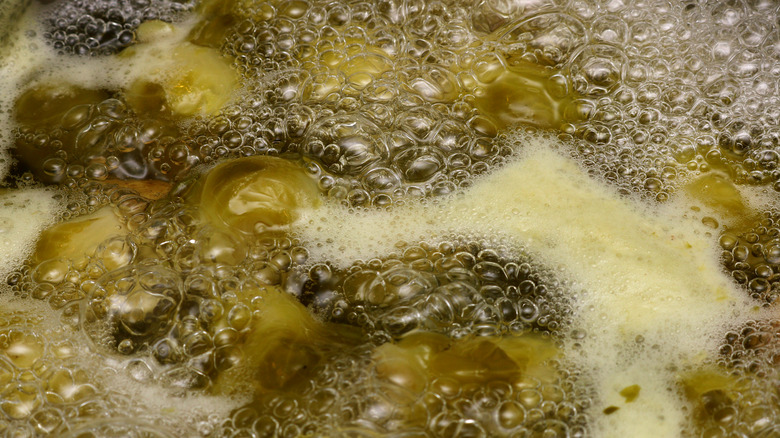
There's a reason that forcing kids to eat boiled Brussels sprouts was an ongoing joke on black-and-white television shows. All too often, cruciferous vegetables were cooked up as an obligatory "healthy" side dish, helping families reluctantly meet their daily vegetable intake. Eating fruits and vegetables should never be a chore. The biggest mistake folks make when serving up Brussels sprouts and other cruciferous vegetables is overcooking them.
Overcooked brussels sprouts, broccoli, and cauliflower result in a mouthful of mush, coupled with those sulfur compounds, which can give them that gassy smell, is a recipe for disaster. I recommend keeping a little crunch in your cruciferous veggies, even if you plan to steam them. Broccoli should be steamed just enough so that its vibrancy shows, and no more. If it reaches that yellowy-green color, it's been overcooked. In addition, sauces, spices, oils, and herbs should be used flavor these veggies. Use the air fryer, pan fry to caramelize the sides, roast on a high heat, or even deep fry cruciferous vegetables for the most fantastic mouthfeel and flavors. Lastly, be thoughtful about pairing cruciferous vegetables with wine, sauces, and other ingredients. Serve cruciferous vegetables the right way so you can look forward to your side dishes.
Rice your cruciferous vegetables
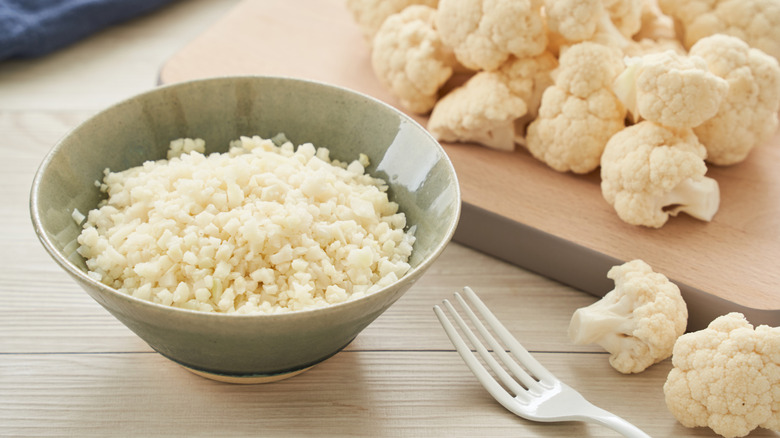
One of the most exciting things about cruciferous vegetables is their ability to transform into just about anything. When cauliflower rice took off in the 2010's and gained its footing in the 2020s, folks were excited to have another way to sneak more veggies into their favorite meals. But as it turns out, you can certainly rice more than just cauliflower. A super simple cauliflower rice is appealing because it looks just like rice, and can be made either raw or cooked, kind of like zoodles. But if you can get past the aesthetic, then you should certainly give rice broccoli a chance.
Ricing broccoli is a great way to use up those broccoli stems, but you can certainly use the entire head in your dish. You can also rice daikon radishes and cabbage, just grab a food processor and get pulsing. I like to include a small amount of salt for flavor, but you may want to go with a stronger spice, or even a little black pepper for a subtle kick of heat.
Use them as meat replacers

With the vegan and plant-based food market growing rapidly, it's no wonder that cruciferous vegetables saw this as a chance to jump into the spotlight. Cruciferous vegetables can certainly replace meat, and although that might be difficult to visualize, here are some tasty examples. Crispy Brussels sprout tacos, roasted broccoli reuben sandwiches, cauliflower wings, cauliflower steaks, cabbage steaks, and more. Just because they don't taste or look like meat doesn't mean they can't take the place of meat in popular dishes.
Brussels sprout tacos might be one of my favorite dishes on the planet. Douse them in a lime, chili, and garlic sauce after pan-frying or air-frying them until crispy. Pair with fresh avocado and black beans. It doesn't have to be more complicated than that. For a broccoli reuben, simply slice a broccoli head into thin cross-sections and sear with some herbs and spices. Use in place of corned beef for the ultimate crunchy, flavorful sandwich covered in creamy dressing and stringy Swiss cheese. The fun never ends.
Cruciferous vegetables are the air fryer's best friend
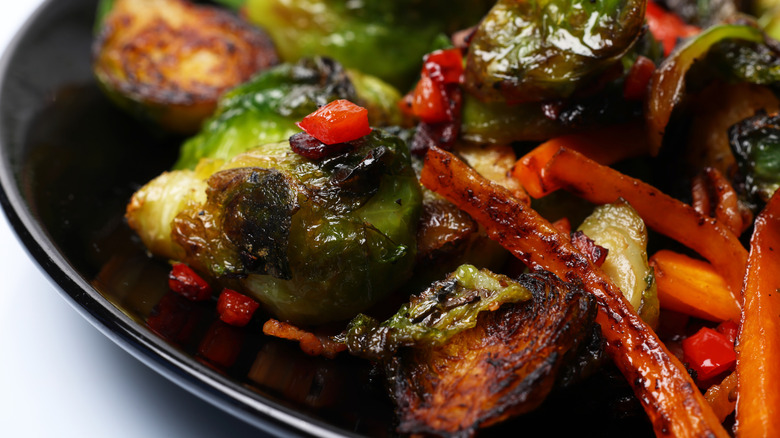
It's no coincidence that the air fryer and cruciferous vegetables found their rebranded debut around the same time. The two were meant to thrive together. When cruciferous vegetables crisp up, not only do they have a crispy, crunchy texture, but they also tend to sweeten up with heat. If you have an air fryer, then it's time you experimented more with some classic crispy cruciferous favorites.
So, why does the air fryer work so well? Cruciferous vegetables tend to fare well with a little crunch and a caramelized outer layer. The blast of circulating, ultra-hot air tends to do just that. Use a little bit of oil to enhance the texture, and let your broccoli, cauliflower, or kale reach its full potential. Try kale chips in the air fryer, or crispy Brussels sprouts with a dipping sauce. Cauliflower slices are another classic, and broccoli florets do well with a nice crisping before getting tossed in a sweet chili or tamari-based sauce. Add a little batter for an exceedingly crispy crunch, and don't underestimate the power of seasonings.
Cream of cruciferous soup

Because cruciferous vegetables are so versatile, they can be prepared in a way that makes them crunchy and crispy, or softened and even blended into a creamy texture. Cream of broccoli soup is a comfort-food classic, but others like cream of cauliflower soup are even more decadent and silky smooth. Looking for something nutrient-dense and creamy? Try a cream of kale soup. Cream of daikon radish, cream of mustard green, cream of almost any of your cruciferous vegetables can get the job done.
Of course, each cruciferous vegetable has its own unique flavor, but the basic format remains the same. Use some form of cream, like a dairy-based cream or a cashew cream, to provide the fatty creaminess. Broth helps to flavor and thin the soup, and a little butter adds to that desirable mouthfeel. Other ingredients like salt and pepper, cheese, and even a little flour can help with the flavor and sometimes the texture. Steam your cruciferous vegetable and blend it until it reaches your desired consistency. I recommend a high-powered blend for a silky base, and then adding some florets afterward if you're looking for a chunkier texture.
Shred or massage them for salad
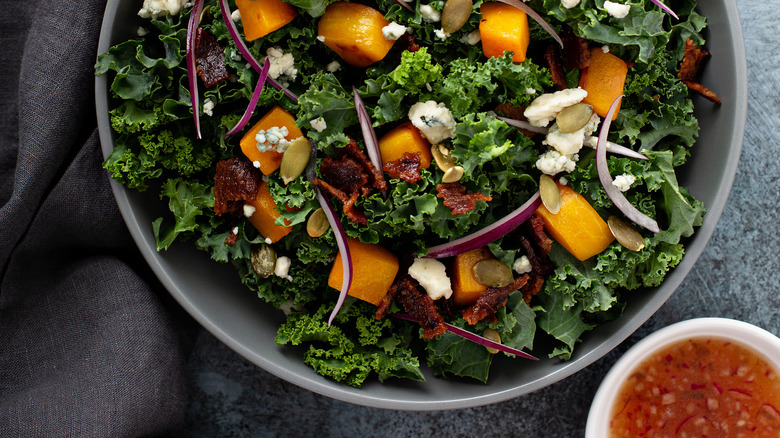
Some cruciferous vegetables are popularly eaten raw, like cabbage in a classic coleslaw recipe or arugula in a salad. These tougher veggies, like cabbage or Brussels sprouts, need to be shredded into small pieces so they read as crunchy instead of rubbery. You can do this by finely shaving or chopping them, or even tossing them in the food processor. Others, like kale, are often eaten raw but should be given a little more attention when served in salad form. It's best to massage or bruise it first. Umm... massage? Yes, you heard me right. You should always massage kale to soften the fibers, which will enhance the flavor and tenderize the leaves.
You can massage kale by washing, spinning, and then tossing it in a bowl with a little olive oil and salt. Use your hands to shred and bruise the leaves by massaging them in between your fingertips. You'll find that the volume reduces significantly, and the leaves become a more vibrant green. Once the leaves are softened, you can toss in your dressing and other ingredients.
Cruciferous vegetables make the best stir-fry ingredients

If you're new to the world of stir fry and don't know where to start, I always recommend one of two star ingredients: Cabbage or broccoli. Both hold on to sauce incredibly well, which makes them a vehicle for flavor. Those little nubs on the crown are like a sponge for sauce, and shredded cabbage acts like noodles to capture liquid.
Shred cabbage and add it later to the game, once the tougher vegetables have interacted with the heat. Broccoli should be cut into florets, and either added at the end of its pre-blanched, or added a little earlier to ensure the center has a chance to cook. You'll want to use high heat and remove the finished product from the heat before everything has had a chance to cook fully, but remember, there is nothing worse than mushy stir-fry. Another incredible cruciferous vegetable to add to stir fry is bok choy. You can either chop it and add the white part first or break it apart and add each leaf back in separately. First-timers should follow a recipe like a stir-fried bok choy recipe or a walnut broccoli stir-fry recipe.
How to cook dark leafy greens
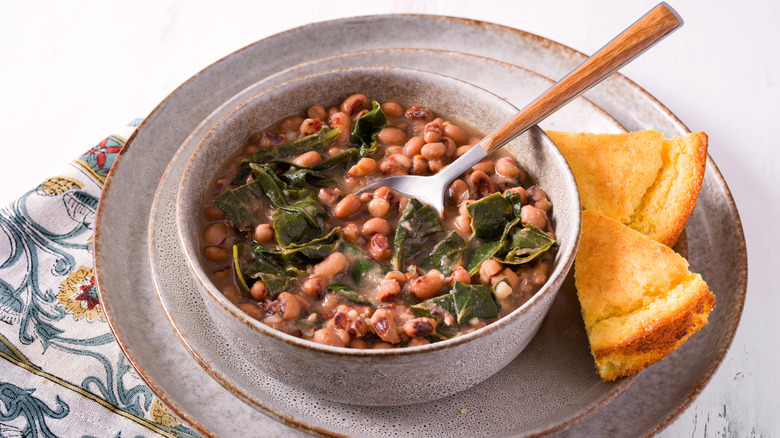
Dark leafy greens like collard greens, kale, rapini, and watercress all take slightly different approaches, but the goal is always the same: don't overcook leafy greens. Some are more tender, like watercress or mustard greens, while others can cook for hours like collard greens. Because of this, it's essential to do a little research about how to cook with leafy greens or follow a recipe so that you don't end up with a pile of mush.
Sneaking more leafy greens into your diet just got even more flavorful. Consider mincing or blending leafy greens into sauces or soups, mincing them into pasta dishes, blending them raw into smoothies, or even processing them into a fresh and raw pesto. Some leafy greens need to be cooked because they are tough and fibrous, while others can be enjoyed raw. Some that can be enjoyed raw might benefit from being shredded or minced, like cabbage. It's all in the preparation.
Working with spicy cruciferous vegetables
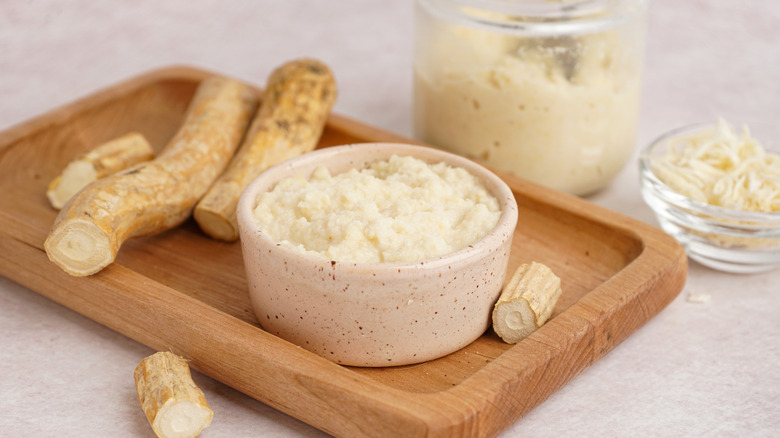
Although it might surprise you, horseradish and wasabi are part of the cruciferous family, although they tend to differ slightly in their application. Often, wasabi and horseradish are used as condiments or enhancements, rather than a full-blown main ingredient. Both have an incredibly pungent spice to them, which is mildly detectable in some other cruciferous vegetables like radishes. These root veggies are often made into a paste or grated and used in moderation.
You may have had horseradish in a steak or cocktail sauce, while wasabi is often used alongside sushi (although most of the time you're not presented with real wasabi). You can find horseradish pre-grated in jars, while real wasabi is much harder to find, so you might have to turn to the internet, where you can find it either jarred or powdered.
Which cruciferous vegetables can I add to my smoothies?

If you're trying to sneak more cruciferous vegetables into your diet, undetected, then you may want to start adding veggies to your smoothies. Your absolute best bet here is to stick with cauliflower. It's mild, neutral, and can blend up and read as creamy. You can use raw cauliflower or lightly steamed and frozen cauliflower.
I like to add cauliflower to just about any smoothies, but they tend to fare well in dairy-based smoothies, or non-dairy alternative-based smoothies that have ingredients like milk or yogurt. They also work well with smoothies containing nut butters and those with strong flavors and colors, such as a dark berry-based smoothie. Just be certain there are zero chunks left behind, and that you're using a high-speed blender for a significant amount of time. Add just a few florets so the flavor doesn't shine through.
Who should limit cruciferous vegetables?

So, if these little powerhouse vegetables are so good for you, shouldn't everyone be loading up on as many as they can get? Generally speaking, yes, cruciferous vegetables make for a healthy addition to most any diet. However, there are a few folks who should enjoy them in moderation, and a few who might consider avoiding them.
Anyone with an allergy to a cruciferous vegetable should avoid them entirely. Those who have a sensitive digestive system may find they cannot handle large amounts of cruciferous vegetables because of their high fiber content. They may also find that cooked cruciferous vegetables are easier for them to digest and contribute to less digestive distress or gas. It's suggested that folks on certain blood thinners should also monitor the amount of cruciferous vegetables they eat, as the high levels of vitamin K could interfere with the drug. Speak with your doctor if you have any concerns.