

10 Mistakes Everyone Makes When Buying Whiskey

If you're not used to buying whiskey, it can be intimidating. You're faced with a multitude of different types and a range of terms that you may not have your head around yet. In the face of this, it's easy to make mistakes. Perhaps you got an American whiskey when you meant to buy a Scotch. Maybe you bought a smoky whiskey, having only tried mellow bourbon. Or, perhaps you bought a recommended bottle and nearly spat it out. Whatever the mistake, we've all been there. As a whiskey expert, I've learned to avoid these traps, but that's only due to making these mistakes myself when I was finding my way in the whiskey world.
After reading about these mistakes, you'll have much more confidence in what you are buying. You'll learn how to broaden your whiskey-tasting horizons without taking giant leaps. Alternatively, you can become a gift-buying pro by learning how to always buy a special bottle. Whatever your reason for wanting to avoid mistakes, I'm here to guide you. I've spent my whole adult life learning the ins and outs of whiskey, visiting distilleries, speaking to those in the industry, and buying more bottles than I'd care to admit. With my vast experience, I'll show you how to shortcut your way from being a novice buyer to a competent connoisseur.
Listening to one recommendation

If you asked me if I like Lagavulin 16-year, I could go on a poetic ramble about the intricacies of its coastal tasting notes and how the peat used in the drying process helps to elevate it to greatness. However, if someone were to buy this whisky based on just my opinion, they may be in for a shock. It's a heavily peated whisky that is extremely smoky with a medicinal iodine taste and smell. There are people out there who can't stand this type of whisky; others, like me, adore it. This is an example of why following just one person's recommendation should be done with caution.
In my reviews, I always try to balance personal preference with an objective view, but others don't. Everyone has their own tastes, and there are highly rated spirits out there that I personally don't enjoy as much as others. Whether you are buying for yourself or someone else, listening to just one opinion can lead to disappointment. If someone asks me what the best whiskey to buy is, I'll first have to ask a few questions about their personal tastes, budget, prior experience, and expectations. There are also people out there with heavy bias. For example, some individuals only drink Scotch and refuse to drink bourbon, and vice versa. If someone gives you a recommendation, it's best to do a little research first to find out whether it's something you're likely to enjoy.
Judging by price alone
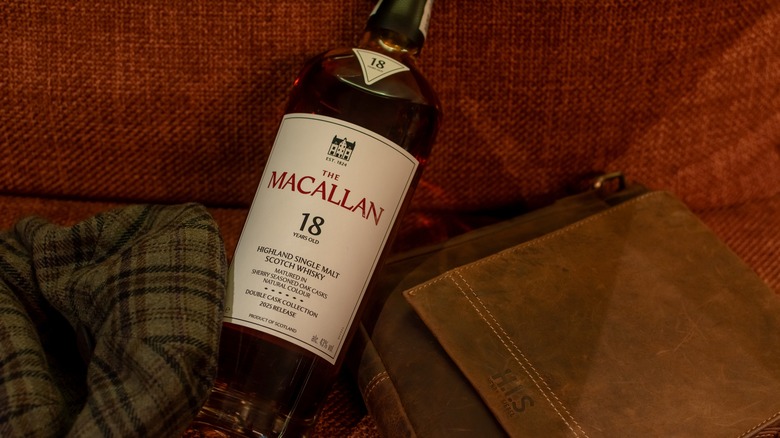
A lot of people go to buy whiskey with a set budget. There is nothing wrong with that, but if you go to a shop with $50, you often look for something that meets that figure instead of looking at what's good. It's good to know what dictates market prices; I feel some whiskeys out there are priced a little higher than their worth. We see this across many areas of retail where you are partly paying for the brand name. Two brands that I think personally match this criteria are Jack Daniel's and The Macallan. Jack Daniel's has enormous brand power and popularity, and The Macallan has positioned itself as the quintessential premium Scotch.
Others don't offer the best value. These are often niche imported spirits with added import costs, or those from smaller distilleries that don't have the benefit of the cost savings that come with mass production. However, these whiskeys are often worth buying if you want something a little different, despite their extra expense. The best value can often be found in reputable brands that are well-known in the whiskey world but lesser known to casual drinkers. It's also worth remembering that just because a whiskey is on the bottom shelf, that doesn't mean it's bad. When it comes to value, it's good to have a reason for buying a whiskey rather than just its price or popularity.
Not having basic knowledge of whiskey types

Even if you're buying whiskey for a loved one, it's good to have some basic knowledge of what you are buying. Explaining all the various types of whiskey in a couple of paragraphs is near impossible, but the best place to start is to know your whiskey from your whisky. Whiskey is generally an American spelling also used by the Irish. Whisky is used for Scotch as well as in Japan, Canada, and India. This isn't just a spelling difference, as American and Scottish whiskeys are (almost always) fundamentally different. The process is similar, but the ingredients are different. Confusion comes as these aren't legally defined terms. Marker's Mark and George Dickel, for example, are American companies that use the 'whisky' spelling.
It can also be difficult as a writer, as technically you can use whisk(e)y to cover both types, but I generally use "whiskey" unless talking specifically about a country that uses the different spelling. Other terms, such as single barrel, small batch, and cask strength, can also be useful to know. The importance of knowing these terms right off the bat can depend on a few factors. If you aim to be a whiskey connoisseur, it's vital for your learning experience. If you're simply buying a gift, just make sure you're getting the right whiskey type. For example, if they always drink single malt Scotch, then make sure to get them that.
Not reading the label
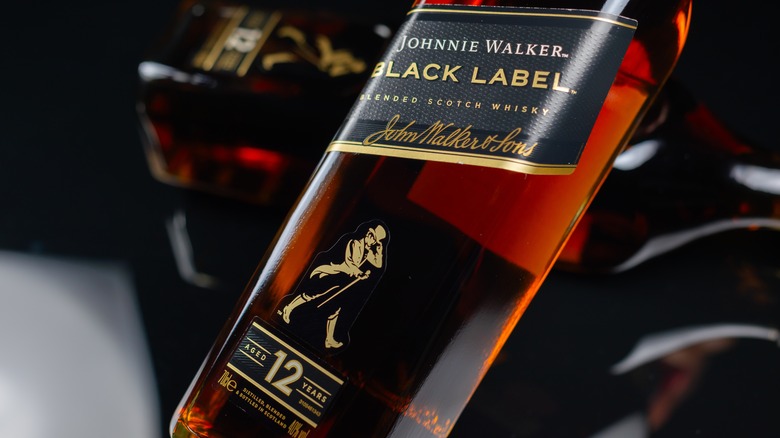
Almost everything you need to know about a whiskey will be stated on its bottle. Proof, origin, type, volume, and distillery should all be on there. There will sometimes be an age statement, but many bottles choose not to include one. Along with this, you'll also find any important additional information, such as if it's high in rye, single malt, aged in multiple barrels, blended, its cask strength, etc. You can use all this to make an informed decision about what you are going to buy. Tasting notes can also be on the bottle, but they're often very subjective.
Proof (or alcohol by volume) is one of the first things to check. High-proof spirits can be hard to drink if you're not used to them, and it's best to build up your tolerance rather than jumping in the deep end. Then, of course, you also need to check the type of whiskey, such as bourbon or Scotch. After that, it's a great idea to build up your knowledge of what each general term means. If you're not sure, a quick search on your phone always helps. Reading the label allows you to make a more informed choice and will set your expectations about what's inside. For example, if you buy a peated Scotch not knowing what that is, you may be in for a shock when you're hit by heavy smoke.
Falling for fancy packaging
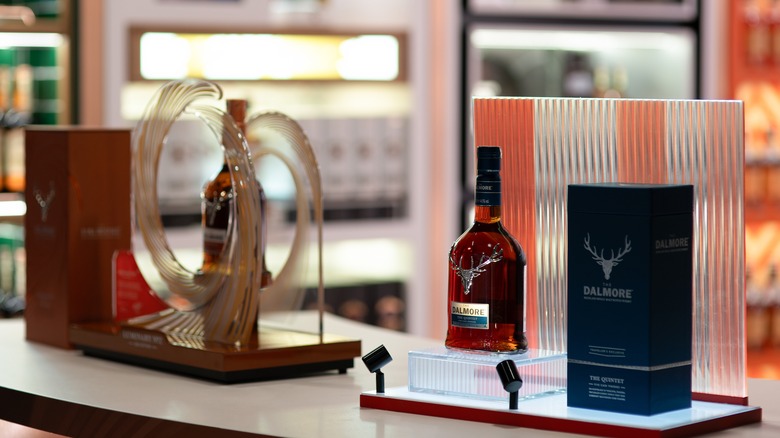
One of the easiest ways to catch your eye as a consumer is to put something in fancy packaging. This can make gifts seem extra special, as though the contents inside will match the luxury on the outside. The reality is that the design of the bottle itself rarely matches what's inside. The Willett Pot Still bourbon is a good example of a bourbon that comes in a stunning bottle, yet splits opinion. On the other side of the coin, the Pappy Van Winkle range are some of the most revered bourbons in the world, yet they come in plain bottles. I've always felt that if the quality is good enough on the inside, it will sell itself through reviews and word of mouth. This seems to be the way Pappy Van Winkle thinks.
When you get to whiskey that is worth hundreds or even thousands of dollars, fancy bottles become more common, but that's a different story. What you should be skeptical of are those mid-range bottles that try to entice those who don't know a lot about whiskey. But don't dismiss them outright. 1792 in the bourbon world and Dalmore for Scotch are examples of brands where beautiful bottles meet beautiful whiskey. As is the general theme with all of these common buying mistakes, it's always worth digging a little bit deeper before parting with your money.
Buying only huge brand names
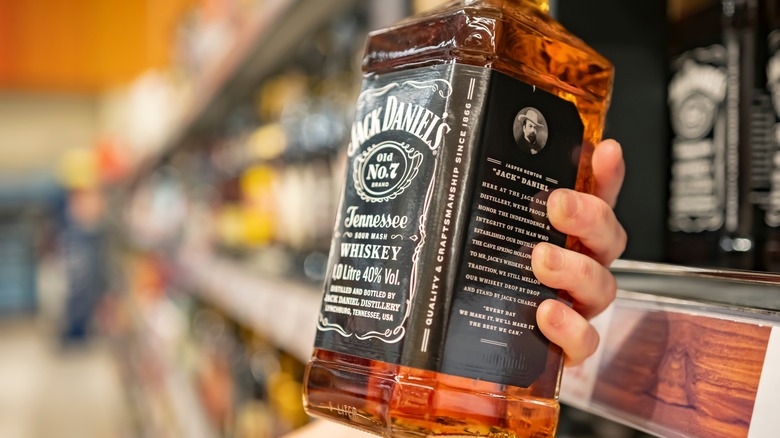
First, it's important to say that there is nothing inherently wrong with buying big brand names — most of them have earned their popularity. The problem can come when you only buy whiskey based on whether the name is familiar to you. With established names, it feels as though you are playing it safe, and you can't go wrong. If you're buying for someone else, this can be a little boring. If you are buying for yourself, you'll very quickly find it limiting. And as we've seen, sometimes these big names can come with an inflated price.
In my experience, the correlation between brand recognition and whiskey quality is tenuous. For example, there are many underrated bourbons such as Green River, which isn't a huge name but is crafting impressive whiskey. It's the same story with underrated scotches such as Bunnahabhain and Caol Ila that can get overshadowed by more famous names. There's nothing wrong with enjoying a classic, with names such as Glenfiddich and Buffalo Trace living up to their big reputations. But you'll find joy in reaching for the unfamiliar. It will help to open up your horizons and potentially find something special. In many ways, it's like spending your life only ever listening to pop music. Your favorite type may be a whole new genre entirely.
Giving too much value to age statements
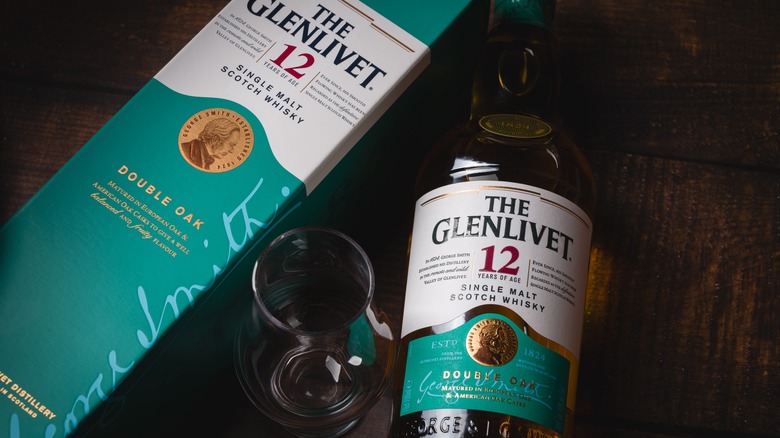
The relationship between age statements and whiskey quality is highly nuanced. For example, bourbon is stored in new barrels, which impart an oak flavor much quicker than the used barrels that store Scotch. A warmer environment also accelerates aging, and there are many other aging factors, such as warehouse conditions and barrel location. There is also the simple factor of craftsmanship. A poorly made 15-year-old whiskey won't be as nice as an expertly made 10-year-old. This is similar to the fancy packaging point, as it sometimes feels like an age statement is used just to sell whiskey. The important aspect here is that while time in the barrel has a significant influence on shaping the flavor, there are many other factors involved.
I asked the Master Blender at Buffalo Trace, Drew Mayville, about this at a Buffalo Trace tasting event last year. He explained the difficulty with age statements and how they can cause issues. For example, a bourbon may have aged more quickly than expected and has already met the expected quality before its advertised age statement. However, it can't legally be bottled until it has been in the barrel for the advertised number of years. Due to the slower aging, age statements are more common and a more accurate indicator of quality in Scotch when compared to American whiskey, but they can still be misleading. The flavor profile, balance, and craftsmanship are more important than any number on the label.
Not considering your palate

Everyone has a unique palate, and it's important to focus on what you actually enjoy. If you loved a whiskey, think about what made it stand out to you. Perhaps the whiskey felt rich in your mouth, and you loved how smoothly the flavors developed on your tongue. This may mean you prefer an elegant whiskey that has a deep development of maturation. If you had a bourbon that felt spicy and hit you with a lot of power, it probably had a high rye content. A fruity quality may indicate it had a second barreling in used sherry casks. These are a few of many examples of how you can let your palate guide you.
It's also important to remember there is no right or wrong preference. Those uninformed about whiskey may think it's all the same. In reality, it covers a huge range of flavors, mouthfeels, and strengths. To build your palate, whiskey tasting events, distillery visits, and whiskey bars offer fantastic ways to try new whiskeys without committing to buying a full bottle. When buying whiskey, it helps to know what you like and what you don't. This way, you can either get something you'll almost certainly like or something that will give you a new experience. Importantly, it will ensure you won't get a bottle in a style you don't like.
Not asking for help

I appreciate that there is a lot of information to take in when it comes to knowing the ins and outs of whiskey. This is why it's always a great idea to ask for help if you're unsure. When you feel overwhelmed, this is the point where many people will either get frustrated and take a guess or stick to a familiar choice instead. Local liquor stores can be a goldmine of information. Most good stores will have staff with a genuine passion for whiskey or at least some valuable knowledge to pass on.
For example, you may say something like, "I enjoyed Maker's Mark and I'm looking for something different but with a similar tasting profile." In this situation, they may well tell you Maker's Mark is a wheated bourbon and may direct you to one of the brand's other expressions or recommend a lesser-known brand such as Redemption Wheated Bourbon. This is just one example of the advice you may be given.
If you are in a large store, asking other shoppers can often be insightful. I've always found that whiskey enthusiasts (myself included) are more than happy to share their love of whiskey. If you find that a little awkward, then instead go into a shop with a plan of what to buy from a little research. Everyone started as a beginner, so don't be afraid to ask questions.
Only focusing on bourbon or scotch
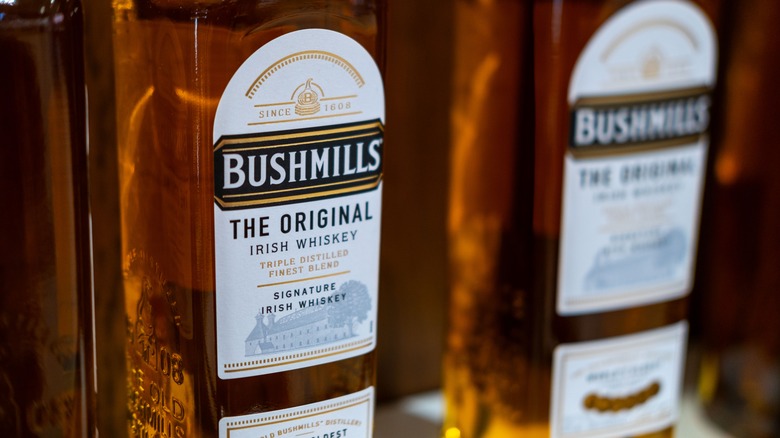
I've placed a lot of focus here on bourbon and Scotch as they are the two giants of the whiskey world when it comes to distinct types. Many drinkers can fall into the habit of drinking only one type and never expanding their horizons. However, this would severely limit you and may keep you from trying some wonderful whiskeys. The Japanese market is an obvious one. The country generally makes whiskey in the style of Scotch, but is renowned for its purity and clarity. India also has an impressive emerging market of premium malt whiskies. There are even a few really niche single malt markets, such as Taiwan, Wales, New Zealand, and the Netherlands.
In America, it's important to look beyond Kentucky. Tennessee is an obvious example. Tennessee whiskey uses charcoal filtration (called the Lincoln County Process), which makes the whiskey particularly mellow. Many other states have an excellent range of distilleries, with Indiana, Texas, New York, and Colorado being four of the best examples. I've not even given much time here to Canadian and Irish whiskies, which have incredible breadth and history. Simply put, make sure you aren't limiting yourself. Eventually, you'll get to a point where you'll be able to identify how climate, ingredients, and other factors can help to shape the whiskey you are tasting.