

These 10 Canned Foods Are Healthier Than You Think

Canned foods are usually given a bad rap because of high sodium content, fears of BPA, and general lack of freshness. It's almost eerie to consume something that's been sitting on a shelf, unrefrigerated for months, but the practice of canning has been around for hundreds of years, and is proven effective and safe. Now, a canned food's nutritional content and healthfulness are all dependent on what's inside. A can of meat lover's chili, complete with bacon bits, might not be a health-conscious choice, while a canned vegetable might contain some key nutrients like fiber, vitamins, and minerals. As a chef with a Plant-Based Nutrition Certification from Cornell, I like to weigh the benefits of fresh, frozen, dried, and canned foods when making my ingredient selections.
Many folks avoid canned vegetables because they believe the nutrient content is reduced due to the process. However, studies show that most of those nutrients are retained. A major reason for nutrient reduction actually happens before the canning, freezing, or preservation process post-harvest. After a fruit or vegetable is picked, the quicker it's processed, the better, because it will lose nutrients during that waiting period. If you're buying fresh, consider how many days it takes for those carrots to be picked, shipped, and then how long they sit at the grocery store until you bring them home. Furthermore, once you have them at home, how long until you use them? Canning helps to preserve those nutrients right after harvest, and if you choose wisely, you can actually end up with highly nutritious food, straight from the can.
Beets
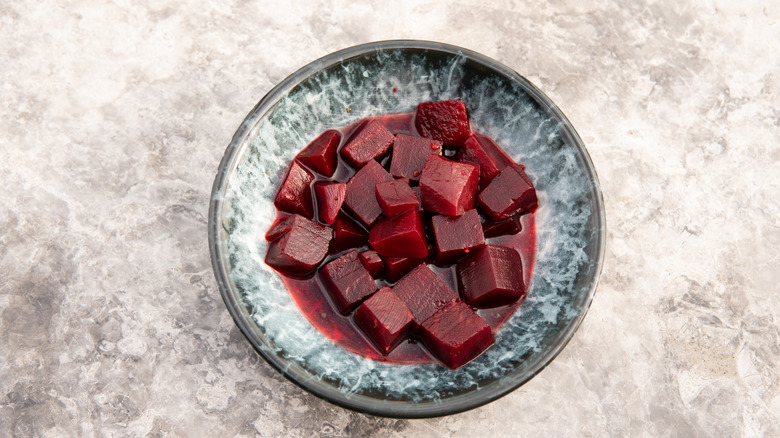
There are two kinds of people in this world: Those who love beets and those who think they taste like dirt. Beets can come in many forms, such as fresh, canned, pickled, and pre-cooked, being some of the most popular. A big reason that you can often find pre-cooked beets is because they are very messy to work with, leaving behind a bright pink trail of juice wherever they go. So, people opt not to use them at all. Canned beets are a fantastic option if you're hoping to include beets in your dish, and here's why.
Beets are ultra sweet, but still loaded with nutrients, like fiber, folate, vitamin C, iron, potassium, and others. They are heart-healthy due to their ability to help lower blood pressure and their incredible fiber content. They are known for being the Gatorade of the plant world, as they can be a performance enhancer due to their dietary nitrates that reduce oxygen use and increase the efficiency of mitochondria. Because beets are so messy, people often forgo the health-enhancing root vegetable. Instead, let someone else do the prep, and enjoy this powerhouse superfood, cooked, canned, and ready to eat. Slice them over salad, roast them, or blend them into smoothies. Beets can be enjoyed in a savory or sweet capacity due to their sugar content, so don't be shy about sneaking them into a chia cranberry jam or even a chocolate cake.
Pumpkin

Come pumpkin spice season, it seems just about everything has pumpkin in it — pumpkin muffins, smoothies, pie, even salsa. Instead of roasting a pumpkin each time you get the fall-time craving, consider enjoying it straight from the can. Be wary, however, that you're reaching for a can of 100% pumpkin, instead of "pumpkin pie filling," which can be riddled with sugar. Straight pumpkin is a superfood, and a can of the good stuff can be used in endless ways. It's loaded with fiber, a nutrient that 95% of Americans are deficient in, and like many colorful fruits (yes, winter squash are fruits commonly mislabeled as vegetables), high in vitamin C and other powerful antioxidants.
These antioxidants prevent oxidation, which is essentially damage caused by free radicals. Another benefit of a high antioxidant food is how it affects your skin. Pumpkin, in particular, contains high levels of carotenoids, which can be broken down into xanthophylls, which are associated with eye health, and carotenes, which boost our immunity. You can recognize a food with high levels of carotenes by its bright orange coloring, present in pumpkin. Forgo the peeling, deseeding, and roasting process by heading to the canned food aisle, where you can reap all the benefits of pumpkin without the labor. Go ahead and make yourself a soup made with canned pumpkins, but don't forget to brush up on mistakes to avoid when using canned pumpkins first.
Tomatoes
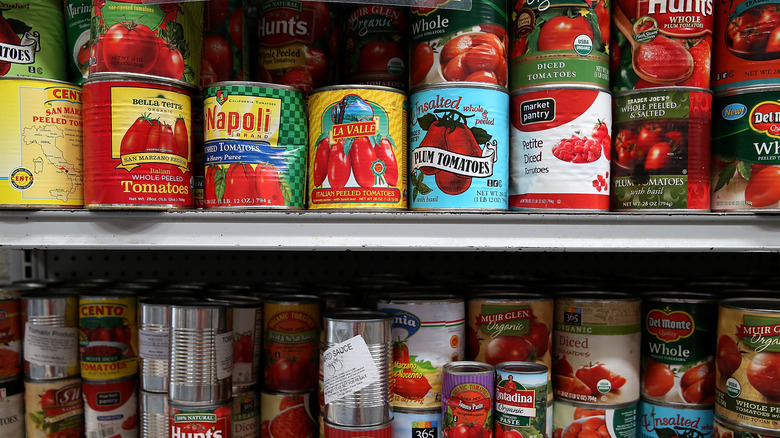
Love a trip to the beach or spending time in the sunshine? While we all enjoy a nice UV glow and warming tan, we also know that those rays can cause issues like skin damage and even certain types of cancer. Sunscreen, light layers, hats, and sunglasses can all protect our skin, but did you know that there is a nutrient that acts as a natural protectant against the sun? Enter lycopene, an antioxidant found in red foods like watermelon, guava, and tomatoes. And lycopene does more than just help our skin; it can also aid in eye, lung, heart, kidney, and nervous system health.
But what makes canned tomatoes so special? Due to the heat required during the canning process, canned tomatoes actually have a more absorbable lycopene content, meaning you get enhanced benefits from the same quantity of tomatoes. So, if you're looking to benefit from lycopene, then canned tomatoes might be the way to go. And when shopping around for canned tomatoes, go with whole tomatoes, which often contain fewer additives.
Zeroing in on healthy foods, it's important to read the label and target foods with fewer ingredients. You should be able to recognize each ingredient, and if you see a slew of complicated words you can't pronounce, it's likely they don't grow in nature. Canned, whole tomatoes should contain tomatoes and some kind of liquid, like water or tomato puree. Some canned tomato brands use salt and citric acid for preservation and flavor. Anything beyond that deserves a quick internet search.
Salmon
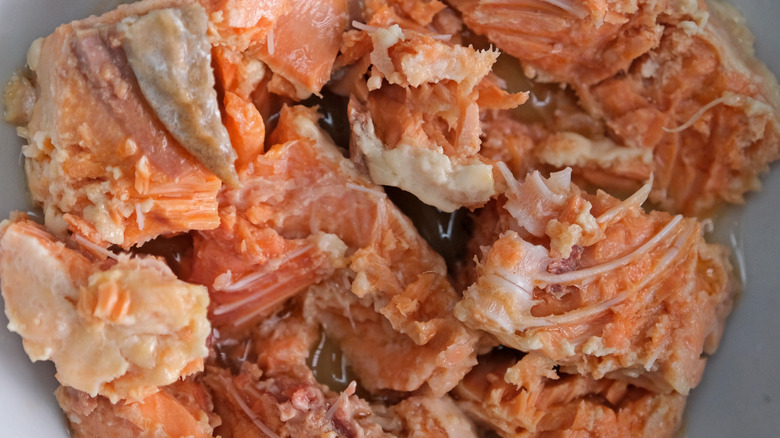
With the microplastics in our ocean and iffy farming practices, labeling a specific fish healthy might take a little more research than it used to. However, fish have many health benefits, including their omega-3 fatty acid content (which comes from the sea plants they eat, or the supplements they are fed), which is linked to brain health in humans. Once you've settled your farm vs. wild caught debate, next is to choose what form you'd like to enjoy your salmon in. Fresh is obviously a tasty option, but you shouldn't overlook canned.
While you may try to avoid bones and skin in fresh fish, many brands of canned salmon have it all. Both the bones and skin contain essential nutrients. The soft, chewable bones provide calcium, which helps our own bones stay strong. Salmon skin is loaded with omega-3 fatty acids and vitamin E, which can help our own skin to thrive. If you're selecting a canned salmon brand that contains skin and bones, choose wild-caught Pacific salmon. When done right, canned salmon can be incredibly beneficial to your health, but it's worth a few minutes of research to be sure you're getting a healthy, sustainable brand to enjoy in your salmon salad, soup, or sandwich.
Lentils
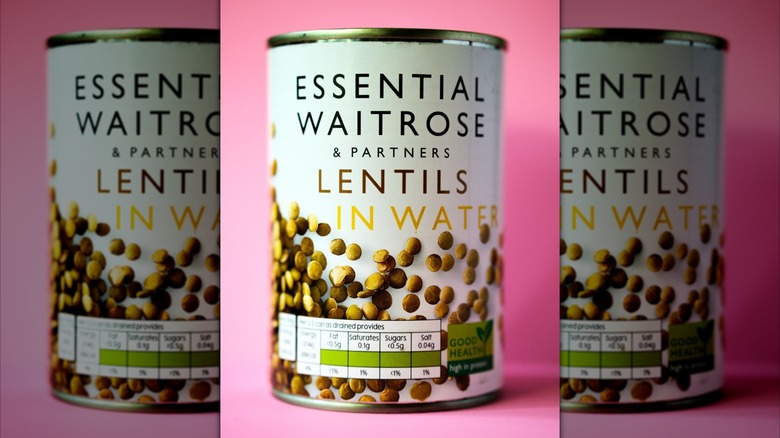
An overlooked superfood that everyone should be enjoying more of is lentils. It seems vegetarians and vegans have broken the code to incorporate this superfood in many of their dishes, but are still waiting for everyone else to get on board. The reason I call these magical legumes a superfood is because of their incredible nutrient density and high protein and fiber content. Point to a part of the body, and I can assure you that lentils will positively impact that area. They protect against disease, improve heart health and blood pressure, are incredible for digestion and your gut microbiome (which can have a positive impact on your mental health), and can elevate your energy levels.
If you have a sensitive stomach, then consuming undercooked lentils might result in cramping and bloating. Let someone else do the cooking and get it right every time. Canned lentils are pre-cooked to perfection, and all of those wonderful nutrients are sealed tight. The only issue you should be looking for on the can is sodium content and any unnatural additives. Look for reduced-sodium options or omit adding extra salt to your final dish. Lentils can make a wonderful meat replacer in lasagna, Wellington, soups, and burritos because of their chewy texture and similarities in nutrient content (notably iron and protein).
Artichoke hearts

I love steamed artichokes. Peeling away at those meaty layers until you reach a layer of fuzz surrounding the tender heart is like an archaeological dig. It's like the vegetarian version of eating a whole lobster; it takes effort and patience, but the payoff is fantastic. Because they are such a pain to process, many people opt for canned artichoke hearts, and I'm so glad they do. Artichokes are loaded with nutrients like fiber and antioxidants. Prebiotic inulin is fantastic for our digestive system, helping to promote the growth of healthy bacteria to create balance in the gut microbiome. On top of all that, it can decrease inflammation in the liver, helping to keep it properly detoxifying our systems.
Canned artichokes may have a stronger briny flavor, but are nutty, slightly sweet, buttery, and ever so slightly meaty. Caramelize canned artichoke hearts to bring out the sweet flavors and improve the texture, and use them to top salads or enjoy as a side dish. Search for canned artichokes in water or brine, as opposed to olive oil if you're seeking a low-fat option. Canned artichoke hearts range from being heavily seasoned with herbs and packed with additives to being processed quite simply. Target low-sodium hearts packed in water, and flavor them yourself. There are plenty of ways to use canned artichokes, so let's get cooking.
Beans
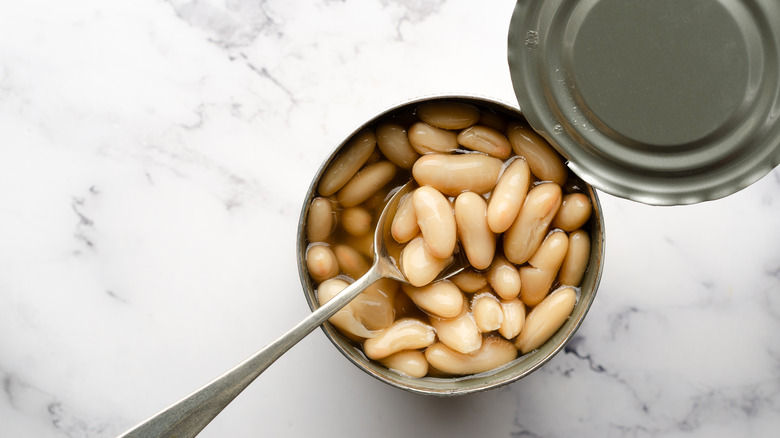
It seems like almost everyone in the United States is obsessed with their protein intake, whether they eat meat or not. Protein bars, protein powders, and high-protein cereals and snacks are a marketer's dream. But when you really look at high-protein diets, especially those associated with greater animal-product intake, we usually see higher rates of noncommunicable disease. Protein deficiencies are low in comparison to most nutrient deficiencies, unless malnutrition is a factor, and are sometimes seen in elderly populations. Don't get me wrong, protein is essential, but there is no need to go overboard and hyper-focus on the nutrient. Calculate how much protein you actually need in a day, and focus mostly on plant sources for optimal health. A wonderful source of plant-protein comes from beans, which also happen to be high in fiber, a nutrient we typically aren't getting enough of. Wow, you've checked both your protein and fiber boxes from just one can of beans.
In fact, 1 cup of canned black beans has around 16 grams of protein and over 18 grams of fiber. Pre-cooked, canned beans are quick and easy to use, and relatively inexpensive compared to other sources of protein. In this economy, you should consider using rice and beans almost daily, as there are endless flavoring options from around the world. This combo is a starchy staple for a reason. But not all beans are made equal, so do your research and find which canned bean brand fits your palate.
Collard greens
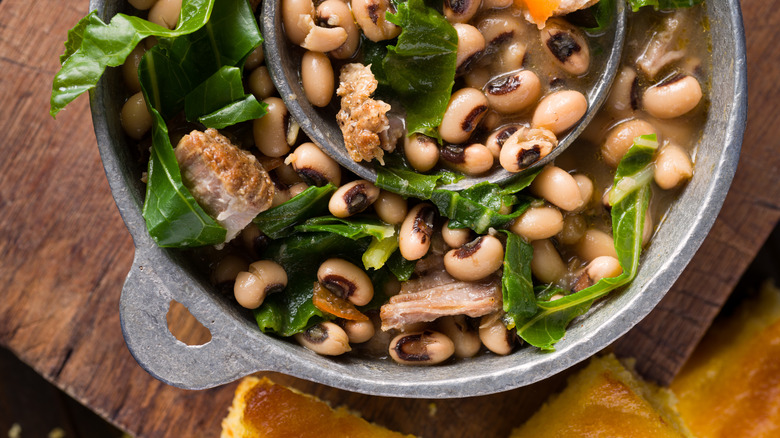
When ranking powerful nutrient-rich leafy greens, collard greens are near, if not at the top of the chart. The chewy leaves are loaded with calcium, folate, vitamin A, vitamin C, and vitamin K. Collard greens are a big part of Southern cuisine, but if you live in another part of the country, it's likely you've rarely used those massive leaves. They require a long cooking time to become tender, but have plenty of potential in the flavor and texture departments.
A quick and easy way to use the powerhouse vegetable is to buy it canned. Some water-soluble nutrients, such as vitamins B and C, might be impacted by the canning process, but many remain untouched. Spring for organic when it comes to most canned foods. Washing canned food to remove pesticides is like trying to rinse the vinegar out of pickles. You'll also want to be certain you're buying canned collard greens that are not pre-seasoned with animal fat, if you're looking to be health-conscious. You can always add your own salt, fat, and other spices during the cooking process, but canned and seasoned collard greens are notorious for being high in fat and salt. There are plenty of ways to upgrade your can of collard greens yourself, like adding miso for umami, peanut butter for density, and aromatics for flavor. Your first step when cooking canned collard greens is to drain and rinse them. Now that you have a blank canvas, you can dive right in.
Coconut milk
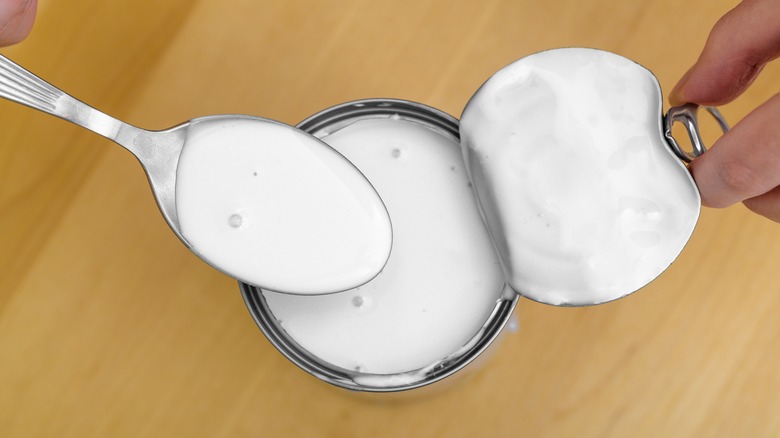
For whatever reason, canned coconut milk is often associated with sweetened condensed milk. Condensed milk is cow's milk with a water content reduction and added sugar. As you can imagine, it contains saturated fat and is high in sugar. Unsweetened coconut milk, on the other hand, has a much lower sugar content and many more health benefits. Please note, coconut milk is high in fat, so if you suffer from heart disease or diabetes, you may spring for the "lite" version for your recipe.
Canned coconut milk brands typically contain one ingredient: coconut milk. Coconut milk that you might buy from the cooler section for your coffee or cereal sometimes looks a little different. They are often filled with stabilizers, sugars, and other preservatives. They are often thinner than canned coconut milk, and if that is your desired outcome, you can always add water to the canned version. This way, you can be assured you're consuming pure coconut milk, which is the liquid squeezed from the meat of the coconut. Enjoy other nutrients like magnesium, iron, manganese, and selenium.
Pineapple

Although canned pineapple is ultra sweet, and folks have some confusion about whole foods with sugar vs. refined sugar, I'm here to tell you that canned pineapples are healthy. Well, most are. Whole foods that contain sugar are very different from refined sugar, like white sugar. Fruits, which contain high levels of natural sugars, also contain high levels of fiber. The fiber helps slow the process of glucose being released into the bloodstream, preventing a spike and the storage of fat. Process sugar hits your system like a train, which is why your kids are bouncing off the walls after their Halloween candy, but aren't doing somersaults after enjoying an apple. So, as long as your canned pineapple isn't packed in syrup, you can enjoy the nutrient benefits that pineapple has to offer.
Pineapple is famous for bromelain, which is the reason your tongue might tingle after ingestion. These protein-digesting enzymes are luckily neutralized by our saliva, and can help to reduce inflammation. Researchers are looking into its anti-cancer effects. This is why pineapple has a history of being used for medicinal purposes. Pineapple is also associated with heart and immune health. So instead of buying a massive pineapple, get yourself a can of pineapple with just the perfect amount for your recipe.