

15 Best Nordic Holiday Dishes Everyone Should Try Once
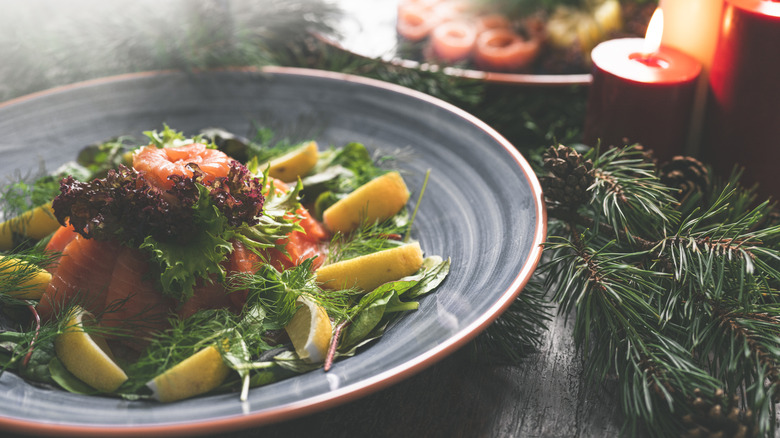
I grew up eating Nordic holiday dishes. I have so many memories of enjoying these foods and drinks over the span of my life — eating magenta-colored rødkål with my grampy on Christmas Eve, warming up with lingonberry-smothered lefse beneath the strung lights in Tromsø, and sipping on glögi in Helsinki, among other moments.
Nordic holiday dishes do a great job of capturing the northern reaches of the world on the plate. I feel like I can taste the snow-coated lanes, red-hued cottages, and iceberg-studded shores when I enjoy these concoctions. In the way that clove and cardamom infuse sweet dishes, I can taste the trading history and my Viking heritage. When I eat smoked and dried fish that gleams on the holiday table, I remember how strong my ancestors were, relying on preservation methods, thought-out food storage, and seafood expertise to get through the dark winters. The Nordic culinary scene reflects a will to survive and a drive to explore. It's no different during the holiday season (but you can expect some festive touches on the table).
So, here are the 15 best Nordic holiday dishes everyone should try once (at least). Each comes from either Denmark, Finland, Iceland, Norway, or Sweden.
Æbleskiver
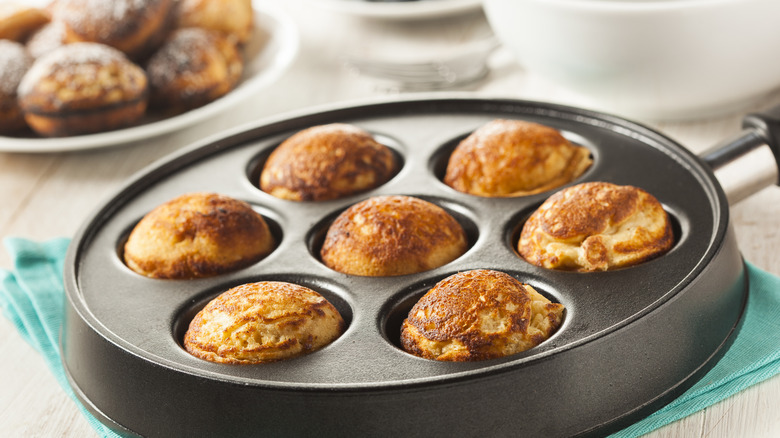
Of all the best Scandinavian dishes, æbleskiver is my favorite. I grew up eating these little Danish pancake balls, and I recommend them for anyone who loves breakfast as much as I do. You can add goodies to them as they cook, depending on what you're in the mood for — my mother always put cranberries in mine, but we also loved blueberries and apples when they were available. But everyone seems to have their own recipe for them. For the holidays, we like to add cardamom to the batter or on top of fruit, and for serving, lingonberry jam and citrus zest. On the side, of course, a big mug of gløgg is key (more on that later).
There's a lot of lore when it comes to æbleskiver. "Æble" means "apple" in Danish, and it's what was historically mixed in with the batter for sustenance — I always have a bag of finely chopped apples in the freezer during the holidays to be used specifically for this dish. Many stories trace these Danish treats back to the Vikings, who supposedly cooked these up on their shields post-battle for a taste of home.
Making these requires a special pan with round indentations. I inherited my family's æbleskiver pan, and I use it to make these every Yule and Christmas Day.
Rødkål
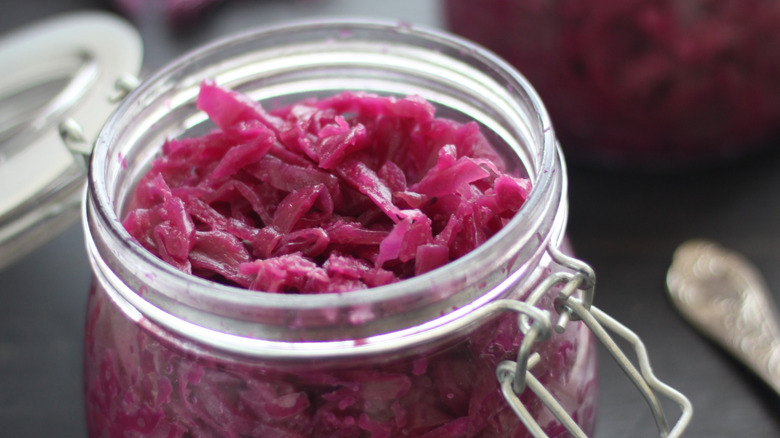
Rødkål is braised and pickled red cabbage that's traditionally eaten on Christmas Eve. My grandfather used to make it, and even though it's a holiday dish in Denmark, I make it almost year-round when I'm missing him a little extra. So, as a food that's great for festivities or your regular weeknight, I think this is one of those traditional Danish foods everyone should try.
This Nordic holiday dish is sour, a little sweet, and spiced. And thanks to the color of the cabbage, it adds such a vibrant pop of magenta to the dinner table. I think this is so heartwarming flavor-wise, but it doesn't feel heavy. It's bright, so it's a great complement to some of the richer and meatier foods you might find in the holiday meal spread. Plus, when paired with creamy mashed potatoes, it creates a color combination that matches the Danish flag (one of the many reasons the dish was initially popularized).
Like many Danes, I like to add a little fruit to my rødkål. Since we often put cranberries in our æbleskiver, I'll usually add a little homemade cranberry sauce to the cabbage. But if you're in a pinch, this holiday dish is so common that you can find premade in packets sold in stores. Norwegian and Icelandic versions are also eaten for Christmas.
Lanttulaatikko
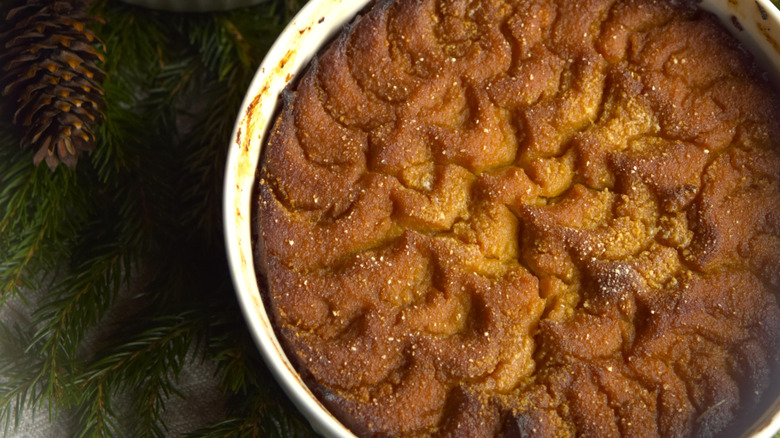
Made with rutabaga as the base, this Finnish Christmas casserole is best described as comforting and hearty. It's typically packed with festive spices like ginger and nutmeg, but recipes vary. Cream, milk, eggs, and sugar syrup for sweetness are common components of the dish, as well as a breadcrumb topping.
The dish is part of Finland's famous Christmas food tradition where most dinner tables include several casseroles. Besides lanttulaatikko, the other two common inclusions in the spread are porkkanalaatikko (a delicious carrot casserole topped with breadcrumbs) and imelletty perunalaatikko (a sweetened potato rendition). But, for many who grew up with the casserole Christmas tradition, it's lanttulaatikko that's their favorite.
For Finns who don't live in Finland, this dish has become a sort of tether to their heritage and homeland. Some even make it for Thanksgiving, bringing an American context to a distinctly Nordic holiday food tradition.
Brúnaðar kartöflur
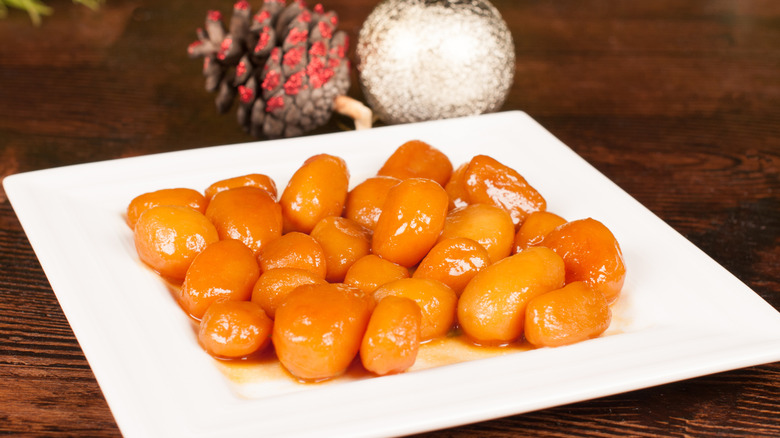
Brúnaðar kartöflur is a dish eaten in Iceland and Denmark (brunede kartofler) that involves caramelizing boiled potatoes in sugar and butter. And while this might sound unique to some, it's a classic food that adds richness and goes well with other holiday dishes. It goes especially well with meat; it complements its heartiness and introduces sugary notes that pair with fats and smokiness.
You can look for these caramelized potatoes on the menus of the best restaurants in Iceland, but it's a homestyle holiday dish meant to be enjoyed among family for Christmas dinner. And every household makes it a little differently, with some adding butter first and others frying the sugar; some add wet potatoes, and others dry them completely. But the bottom line is the same: The potatoes are soft on the inside, with a bit of a chew on the outside from the caramelization. I like using Scandinavian butter, small red potatoes, and brown sugar. I've brought this to holiday potlucks before, and even those who were super hesitant about the idea of caramelized potatoes ended up loving it. We think that this traditional side dish rivals baked potatoes (easily).
Lussekatter
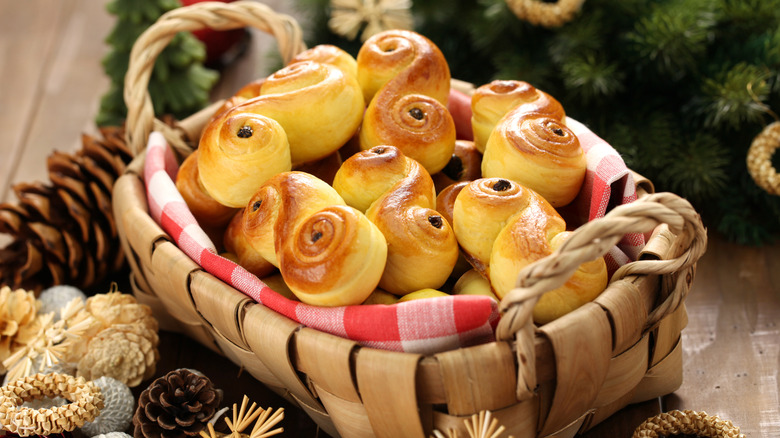
Swedish lussekatter pastries are distinguished for their golden dough and spiral shape. These saffron-infused, yeast-based buns look like the letter S, with raisins studding the twirls on each end. They're traditionally served on St. Lucia's Day, a holiday celebrated every December 13 in honor of the namesake Christian martyr — in Sweden, Norway, and parts of Finland, it is celebrated with light that's meant to symbolize hope during the cold and dark winter season.
Every St. Lucia's Day, children in white gowns light candles during procession, and the buns fit into this symbolism as their yellow color matches the flickering, golden flames. And while they look like the letter S, they're meant to depict a curled-up cat ("katter" means "cats" in Swedish). These buns are fluffy on the inside, a little crispy on the outside, and almost floral in taste thanks to the saffron.
This is a nostalgic Nordic holiday dish for many Swedes who grew up eating them. But even if you didn't, they're delicious and culturally significant pastries worth trying — look for them in locally beloved bakeries in Stockholm or make them at home.
Juletorsk
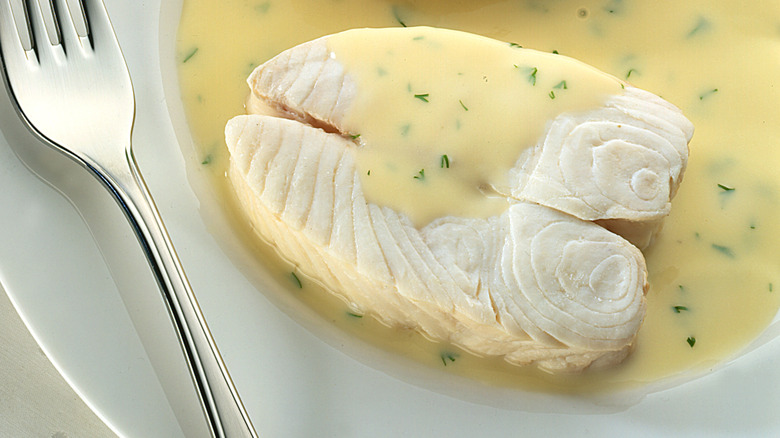
Norwegian seafood is unique, but it can also be festive — and juletorsk ("jule" relating to Christmas and "torsk" meaning "cod") is a great example. This poached cod plate is a Nordic holiday classic. It's bathed in sandefjordsmør, a buttery herb sauce that's traditionally paired with seafood, often with boiled potatoes and carrots.
Like a lot of Norwegian Christmas dishes, juletorsk reveals some fascinating bits of religious history — there was a time when a lot of people in the region practiced Catholicism, and the faith prevented them from consuming red meat during this time of the year. As a result, a lot of households resorted to consuming seafood for Christmas instead. So, while this dish officially began being served in the 1800s (sans the butter sauce, since that wasn't a thing until the 1950s), its roots probably go even further.
I always recommend this for those who want to eat fish but don't like lutefisk, arguably the most famous Norwegian holiday seafood dish. While lutefisk is an acquired taste even for Nordic diners (it's dried fish that's been preserved in lye), juletorsk is hard to dislike — it's a Christmas staple that's much easier on the palate.
Janssons frestelse
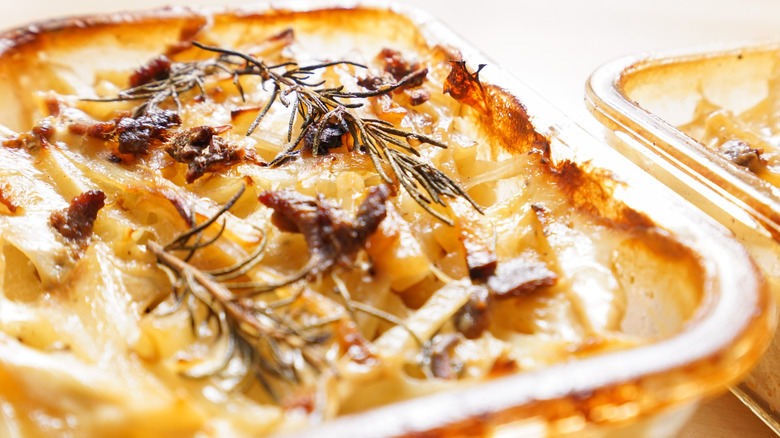
Janssons frestelse, meaning "Jansson's temptation" in English, is a creamy Swedish casserole served during the holidays. Made with potatoes, onions, and sprats (a small fish similar anchovies, but sweeter and cured), it's a dream for anyone who enjoys savory dishes. It's pretty similar to au gratin potatoes, but with a Scandinavian twist and, in my opinion, more flavor thanks to the sprats. It's definitely a dish you should try if you're a fan of anchovies.
Many people believe that Janssons frestelse is named after the 1900s Swedish opera singer, Pelle Janzon, who was known for his love of food. But regardless of the actual origins, it's become a major fixture during holidays and on traditional Christmas feasts called julbord that take place at home or in a restaurant setting. If you make your own, make sure to include a lot of sprats. Alternatively, use anchovies.
Klejner
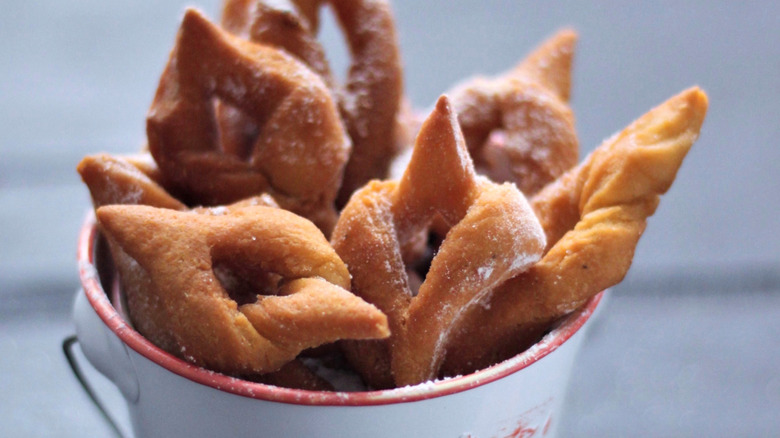
These Danish fried treats are one of the most delicious desserts, period, let alone when it comes to holiday sweets. Klejner are twisted into points before frying, so they look like twirly diamonds that were folded in on themselves. But they're also perfect for dunking into coffee or cinnamon and cardamom-infused hot chocolate. Many recipes also suggest dipping these into mulled wine.
Klejner are eaten all December long. Some include leavening agents, while others don't, but the flavor is consistently fragrant thanks to the inclusion of citrus zest and cardamom in the dough. They're not super sugary (to me, they taste a lot like yeast-based doughnuts, but with a crispier texture). However, the sweetness can come from the accoutrements that you serve them with, like lingonberry jam, powdered sugar, or syrup — but dunking them into a warm beverage is always a good idea.
Similar versions are found in other Nordic countries – Icelandic kleinur is almost identical in taste and shape. You can find these at supermarkets, gas stations, and the best bakeries in Iceland.
Laufabrauð
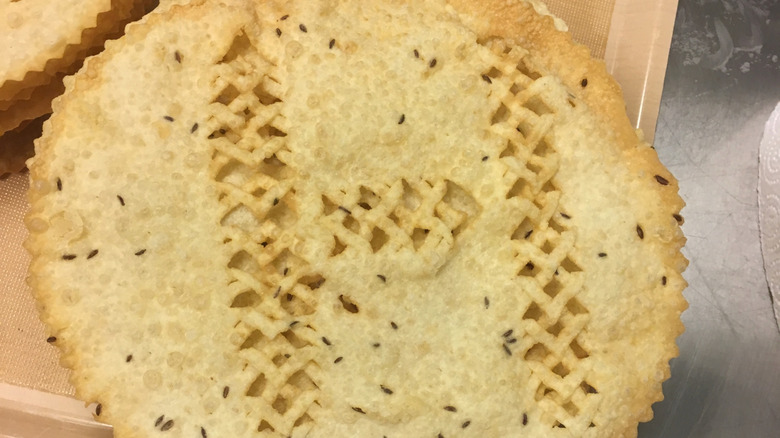
Laufabrauð is a special holiday bread from Iceland that has been made since the early 1700s. Because it's so thin and intricately decorated, it is reminiscent of lace or snowflakes, though the name means "leaf bread". Some think it's so thin because flour was expensive when Icelanders started making it. Today, many have core memories of making and frying these with their families and communities in December. Eaten on Christmas Day, this Nordic dish is not only delicious, but a really lovely way to get to know Icelandic culture, holiday customs, and family traditions.
To make the detailed designs on laufabrauð, the maker has to use a special tool called a laufabrauðsjárn that cuts and stamps the dough. The bread is unique to Iceland, and somewhat hard to replicate. There are typically a lot of "V" shapes involved, but families who make this holiday dish tend to have their own patterns.
Laufabrauð is served with a traditional Icelandic Christmas feast. It typically involves hangikjöt (smoked lamb) with a white uppstúf sauce, boiled potatoes, root vegetables, and this thin bread that's sometimes smothered in with butter.
Gløgg, glögi, or glögg
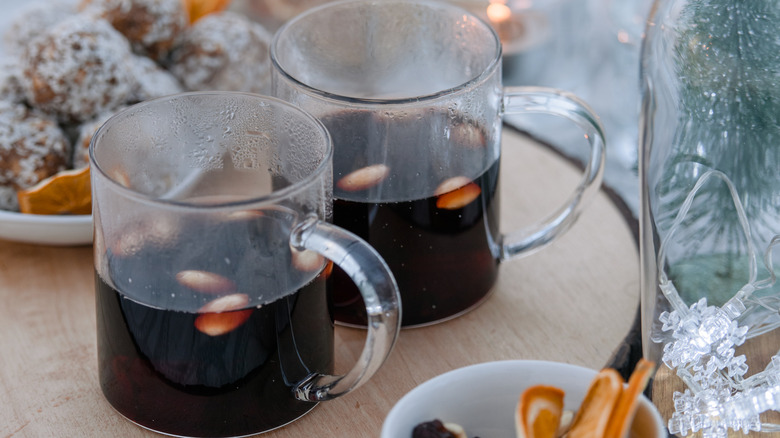
Mulled wine is a staple on any Nordic holiday table. And it goes by different names, depending on which country you're in. In Denmark and Norway, this Christmas beverage is called gløgg. In Finland, people call it glögi. And in Sweden, it's glögg. I love the warm, ultra-spiced notes, no matter where I've had it.
This Nordic mulled wine goes really well with just about any dessert post-holiday dinner. I love dipping pastries into it, including those mentioned above, because the spices seem to get soaked up into the treat and amp up the flavor. But it's just as delicious when used to wash down the big slices of Christmas cake.
Nordic mulled wine is unique due to the use of some special ingredients. In Denmark, it's pretty common to make it with rum or schnapps to make it stronger. Schnapps is also a frequent addition in Sweden where, like in Finland, almonds and raisins are sprinkled into the cups to stew in the beverage. Norwegians often like to make their version with fruit juice like apple rather than wine, and almonds and raisins are also common.
Rice porridge
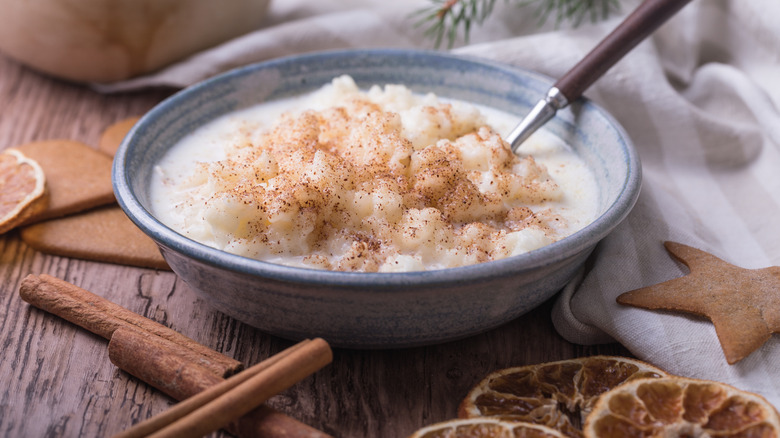
Rice porridge or rice pudding is a quintessential Nordic holiday dish across the Nordics. It has different names, depending on where you are — in Denmark, it's risengrød (when served cold with fruit toppings, it becomes risalamande); in Iceland it's möndlugrautur, and in Finland it's called riisipuuro. Meanwhile, Sweden's rendition is tomtegröt or risgrynsgröt, and in Norway, it's risgrøt (this Norwegian rice porridge has a fascinating history). Recipes vary across countries and households, but they all involve short-grain rice cooked until thick in whole milk or water. Plus, they all tend to be topped with cinnamon and sugar, among other toppings; I like mine with slivered nuts and raisins.
And while all these cultures call it differently, there's a tradition that links them all. On Christmas Eve, this Nordic rice porridge comes served with a hidden almond. The blanched nut, buried in the porridge, will end up in someone's bowl. And whoever gets it wins a prize or enjoys good luck. It's one of my favorite Nordic holiday traditions, and I encourage even non-Nordic people to participate. If you don't like rice-based desserts, take note: My family sometimes celebrates this tradition with soup, hiding the almond in a traditional chowder and awarding the person with the nut a prize (usually a sweet treat).
Joulutorttu
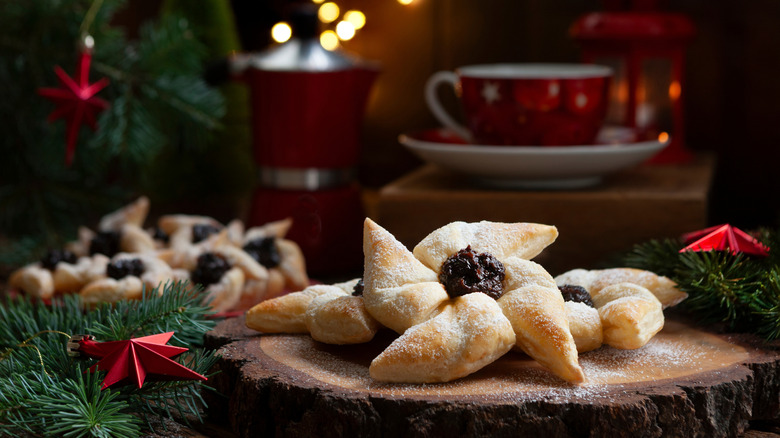
Sometimes called tähtitorttu, these Finnish puff pastry treats are similar to pinwheels, since each side of the dough is folded around a dollop of jam. Meaning "Christmas tart" in Finnish, these treats are extremely festive and fun to bring to holiday gatherings. They're also relatively straightforward to make, especially compared to other holiday desserts from the Nordics (as long as you know how to shape them), since all you need is the puff pastry dough (premade, if you want) and some jam. Sprinkle them with powdered sugar to increase the sweetness or leave them as-is.
As for the jam in the middle, prune is traditional, while some use plum, but you're free to use whichever you have available. I think lingonberry or cranberry are fantastic, since they offer some tartness and a festive touch, but pick prune if you want the classic flavor.
Brunkager
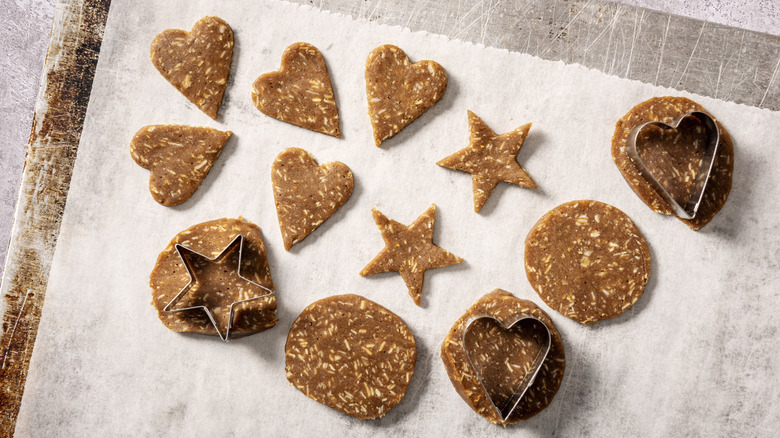
Gingerbread cookies in Europe are just delightful. I love the spices, Old World feel, and history — we've covered the ingredients used in early gingerbread recipes for those who are curious. But Denmark is home to my favorite version: Brunkager.
These cookies are eaten all December long and are a standout for their slivered nuts and extra syrupy notes. And although they mean "brown cakes" in Danish, they're crispy and crunchy, and they won't fall apart if you like to dip them in warm hot chocolate, as I do. And the good news is that if you don't want to bake them yourself, you can find them in Danish grocery stores during the holiday season.
Eating this holiday treat comes with some fascinating history — brunkager are a remnant from Medieval times. Back then, these cookies were made using extra rye bread dough that wasn't used. Bakers would mix in honey and spices for flavor and sweetness.
Multekrem
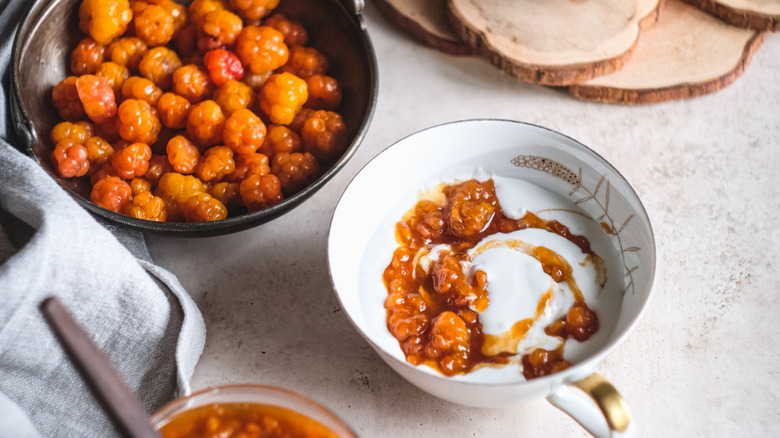
Multekrem is an iconic Norwegian cream dessert that features cloudberries. The fruit is combined with sugar and cream for a light and sweet treat. It's enjoyed during the holidays and brings such a beautiful color to the dessert table.
This golden dessert is delicious on its own, but I recommend serving it with another pastry: Krumkake. Shaped like cones, these ultra-thin, waffle-like cookies are also traditionally served for Christmas, and feature delicate patterns made using a special iron. Many recipes call for it to be served with cream and berries inside the cones anyway, so multekrem is a natural pick. Another option is to serve the cloudberry treat on top of lefse (flatbreads). Vikings loved cloudberries, so this is a great dish to sample something truly traditional. And it just so happens to be festive. Trollkrem is a similar dessert that features lingonberries and whipped egg whites.
Gravlax
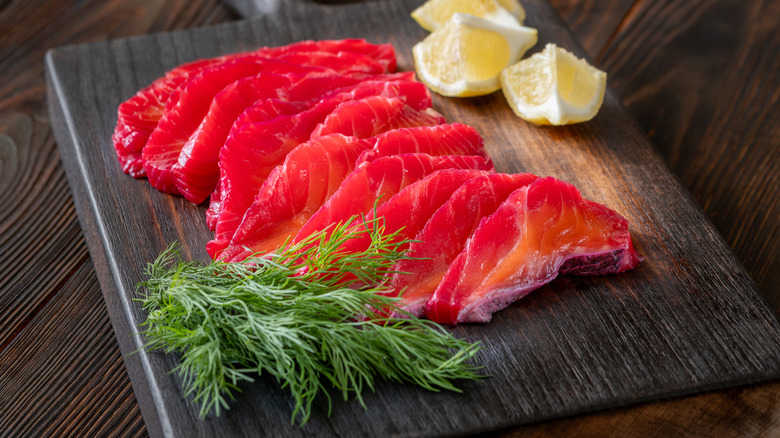
Gravlax or cured salmon is an essential inclusion at any Nordic holiday gathering. Salmon is cured with salt and sugar (among other things) across the region. The recipes vary, depending on the country, but dill is pretty universal. When gravlax is compared to lox, I've found that the former is meatier and less buttery, and more flavorful overall. Still, it's similar enough that if you enjoy lox, I recommend you try gravlax.
We've broken down everything you need to know about Norwegian gravlax, and it comes down to preparation – burying salmon used to be the best way that those in the north could preserve their protein through the seasons when food was scarce. But today, many just cure their salmon in the fridge, so no pit is needed. Just make sure you use high-quality salmon, since the fish flavor will be very strong.