

15 Candies Everyone Ate In The 1970s
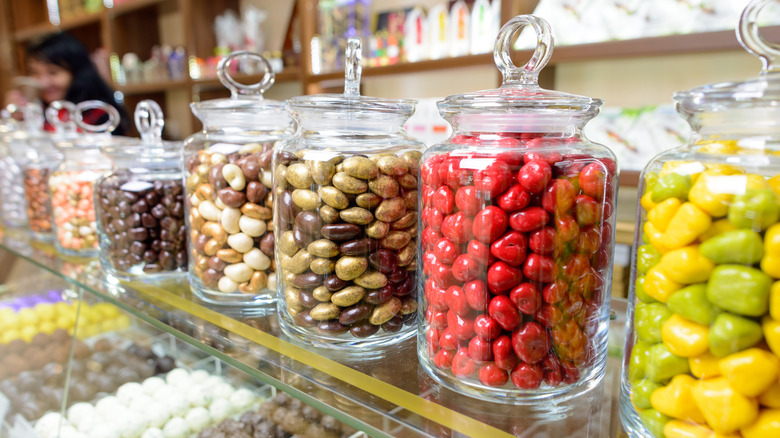
The candies loved in the 1970s aren't always the same brands you see in stores today. Wax bottles filled with colored syrups and pouches of powder that fizzed on contact delighted sweet lovers with a unique eating experience. Candy back then was equal parts taste and entertainment. Some candies offered treats at significantly lower prices than what can be found today, adding to the charm of a simpler era. Though some vintage candies that no one seems to eat anymore have entirely faded from shelves, plenty of these sweets have been lodged into our collective memory and can be tracked down with some additional effort.
Whether candy lovers have found similar products in different packaging or have taken on the task of trying to replicate recipes at home, the playful candy repertoire of the '70s bordered on the chaotic. Nonetheless, the decade reliably offered bright treats to perk up our afternoons. Even if you can't find one of your favorites in stores today, may our list of 15 candies beloved during the '70s inspire you to invite a bit of whimsy into your week.
Chick-O-Sticks
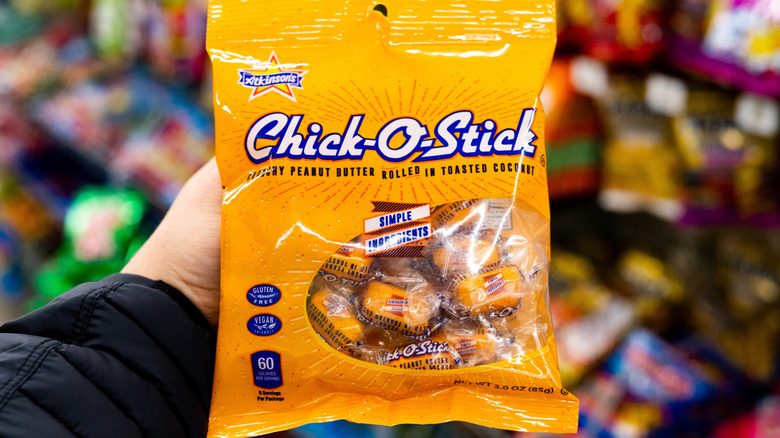
For peanut butter candy lovers, Chick-O-Sticks delivered. Made with toasted coconut and peanut butter, these candies tasted like the middle of a Butterfinger without the chocolate coating. "They were my favorite back in the '70s," wrote one fan on Facebook. The candy can still be found sold in a variety of sizes of sticks and bars, and there is a sugar-free option.
Now & Laters
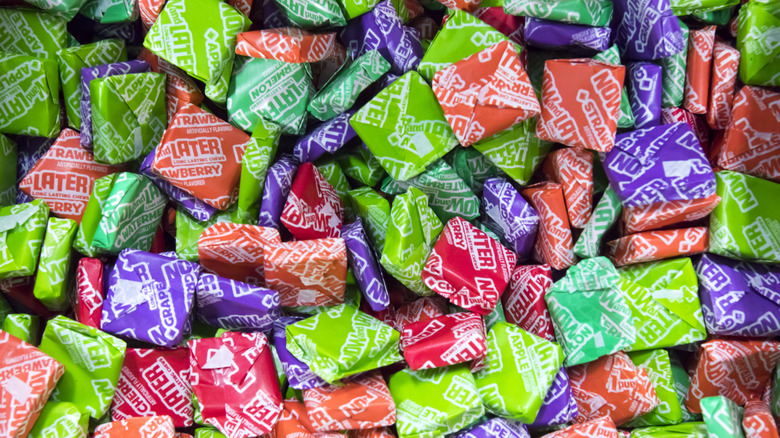
Now & Laters gave exactly what it advertised. The colorfully-wrapped candy could be immediately eaten or tucked inside a pocket to save for later. The chewy squares didn't soften easily and would melt in the mouth over time. Many remember battles between loose teeth and the sticky candy. A range of flavors could be eaten alone or stacked and enjoyed in flavorful combinations.
Marathon Bars
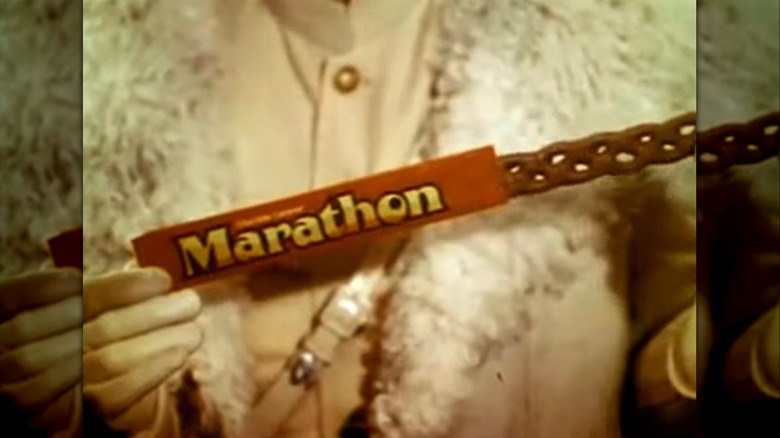
It was difficult to miss Marathon Bars in a grocery aisle. These braids of caramel-dipped chocolate were a foot long, verified by a ruler printed on the packaging. The length of this candy seemed like value for the purchase, and the simple recipe was a reliable buy. Some have likened this candy to a Curly Wurly.
Charms Blow Pops
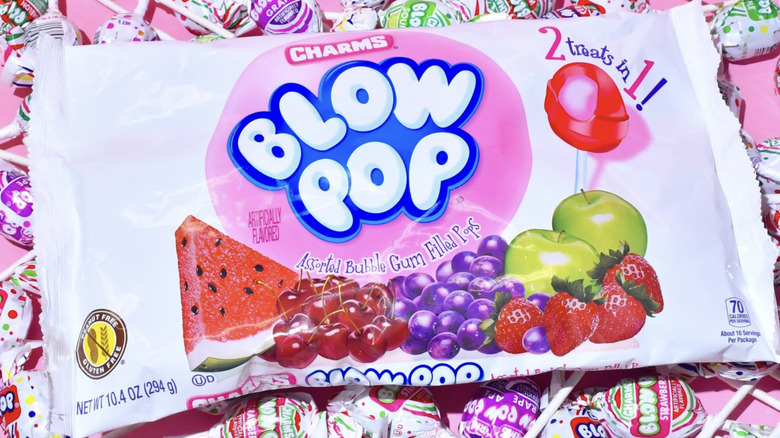
Charms Blow Pops were released in the early 1970s after test market results showed promise. Similar to a Tootsie Pop, Charms Blow Pops offered candy shell lollipops that concealed a piece of gum. The creation became the brand's best-selling product. With a range of flavors, lovers of these suckers remain devoted to this day.
Jolly Ranchers
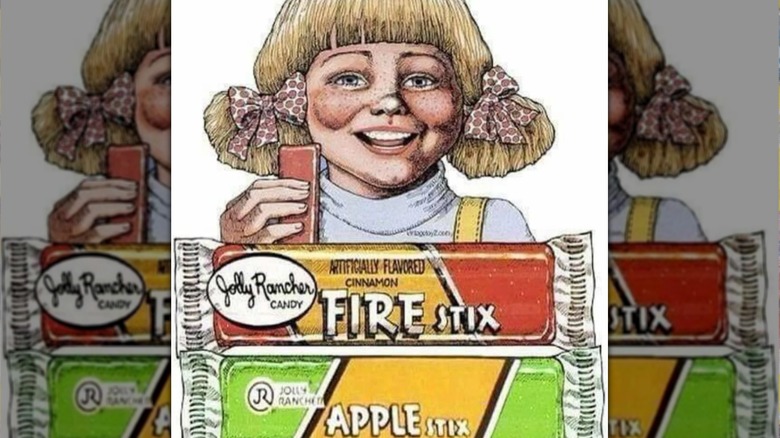
Before Jolly Ranchers were packaged in single-serving wrappers, they looked a little different. Old-style Jolly Ranchers were rectangular, individually wrapped, and offered hard candy sticks of flavors like watermelon, apple, and fire stix. Though the brand still exists, the flatter, elongated shape of the originals and the intensity of flavor is remembered fondly by older candy lovers.
Clark Bar
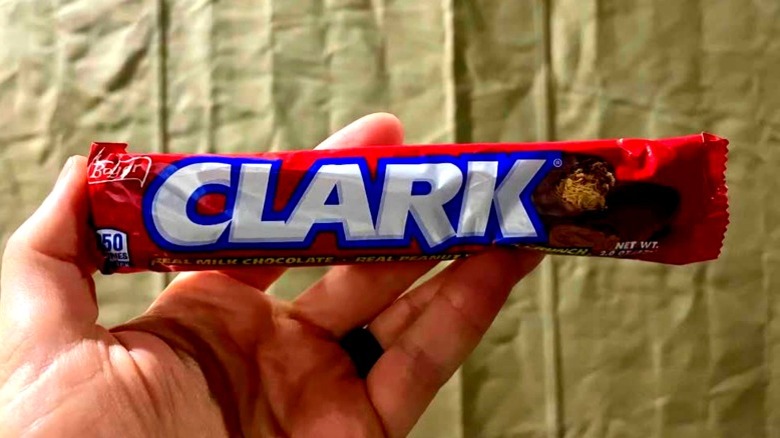
Though the Clark Bar came into existence in 1917, the candy found a fan base in the 1970s for sweet seekers looking for peanut butter and crunch. Crispy peanut butter cores were dipped in milk chocolate, and flavors like mint and coconut offered variety. The candy was discontinued but brought back to life in 2020. Some have compared the candy to Butterfingers, but many insist the characteristic snap offers unique texture and taste.
SweeTarts
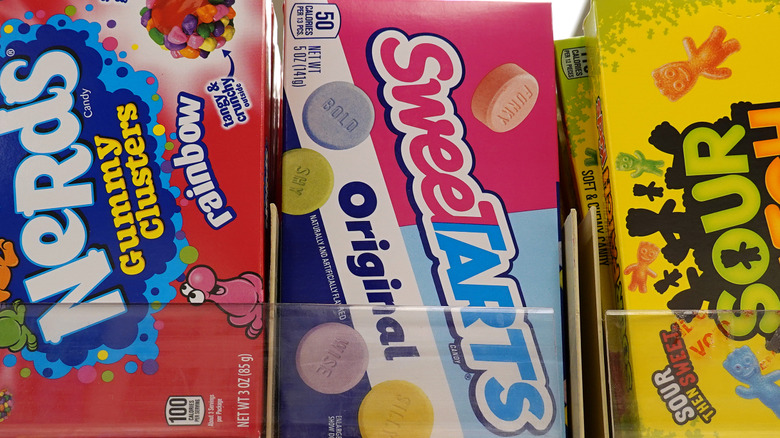
For candy lovers who craved both, SweeTarts offered sweet and tart flavors in one. Pastel-colored discs were chalky in texture, and tangy coating revealed a sweeter middle. Some candy lovers remember when larger candies were sold in a package instead of smaller bite-sized morsels. When launched in the '60s, the candy was made in 5 flavors. Now, there are more than a dozen different varieties available.
Mallo Cup
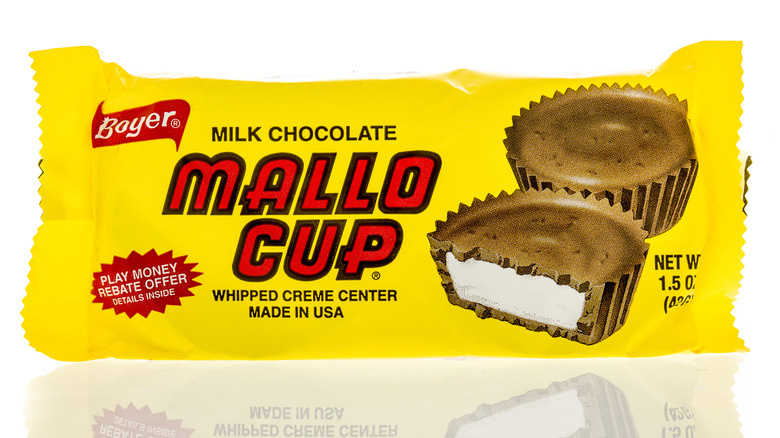
Mallo Cup was the first candy in cup form. Invented in Pennsylvania in the 1930s, Mallo Cups packed marshmallow cream filling inside chocolate shells. One purchase offered two cups to enjoy, and cardboard coins tucked inside the wrappers could be saved and later redeemed for free treats. Mallo Cups are still made in Pennsylvania and can be purchased and enjoyed or used in other recipes.
Zero Bar
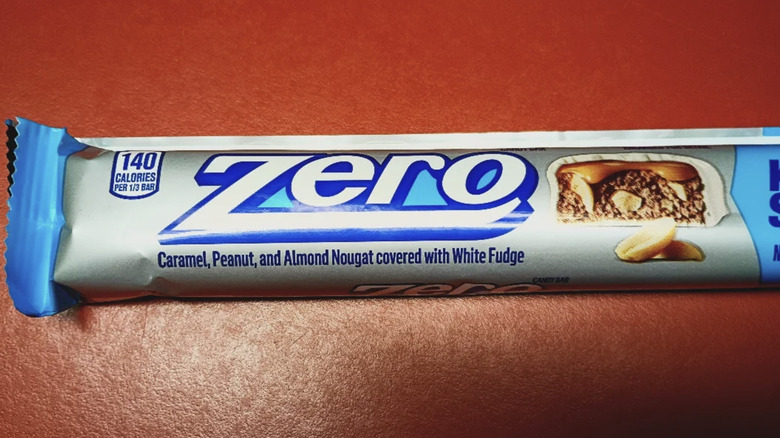
Zero Bars stood out among the competition for its white candy shell. At a time when most candy bars were coated in milk chocolate, Zero's white fudge exterior made it distinct among displays. First made in 1920, The Hersey Company took over the reins in 1996. The good news is that both king-size and regular candy bars are still sold today.
Charleston Chews
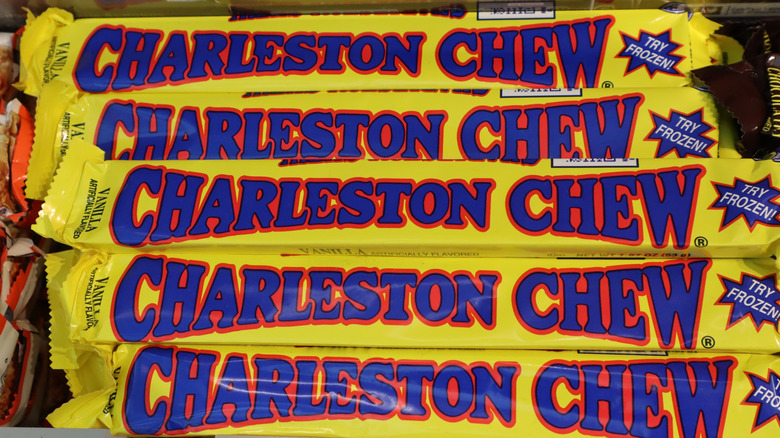
Chocolate bars packed with a nougat center, Charleston Chew bars (a classic New England candy staple) were first made in 1925, but the arrival of new flavors in the '70s turned these candies a favorite. The candies were assisted by marketing campaigns and catchy jingles. "This was in my head for 47 years, and I couldn't remember the words!" wrote a viewer on YouTube.
Chuckles
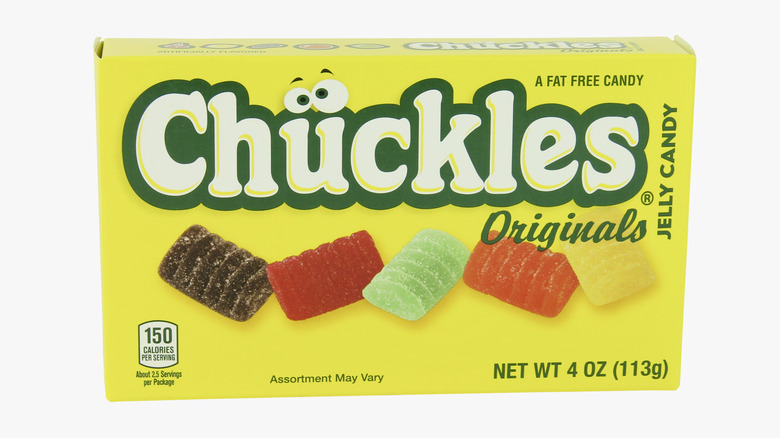
Jelly Chuckles candy was made in 1921 and can still be purchased. Assorted flavors of jelly candy coated in a light dusting of sugar offered lemon, cherry, lime, orange, and a divisive licorice flavor for candy lovers. "I always ate the licorice one first to get it out of the way," wrote one candy eater on Reddit. Some fans have spotted Chuckles among the retro candies sold at Cracker Barrel.
Reggie Bar
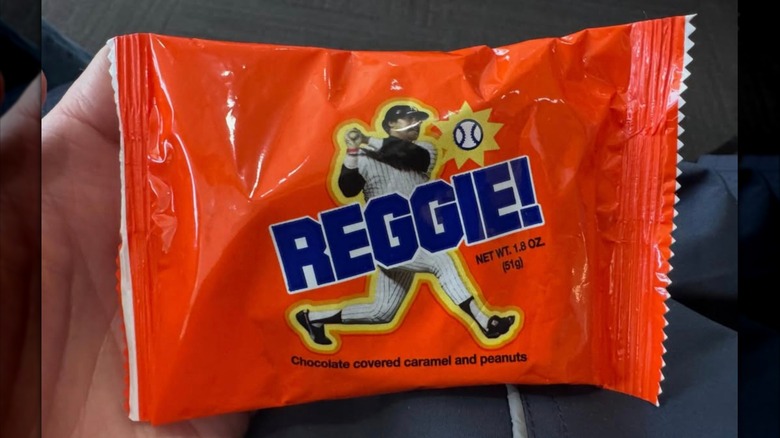
Reggie Bars were created specifically to honor New York Yankees player Reggie Jackson after he smashed three home runs in the 1977 World Series. Sold for $0.25, the package boasted "chocolate covered caramel and peanuts" — no wonder the candy was a home run among fans. Though the candy was discontinued after three years, memories of the candy being thrown onto the field and briefly delaying a baseball game remain.
Bonomo Turkish Taffy
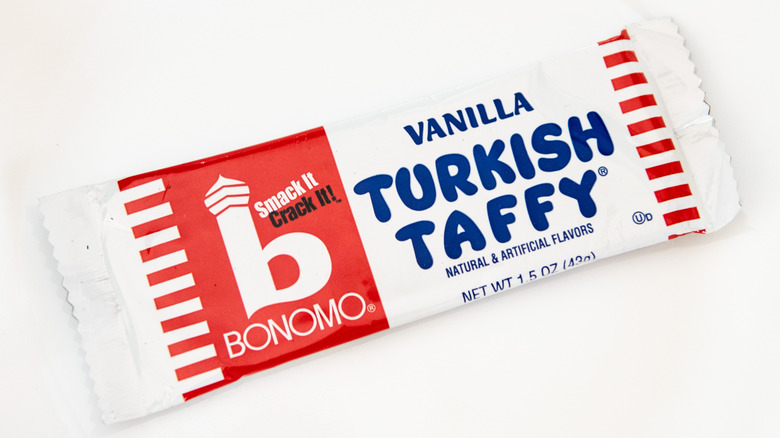
Bonomo Turkish Taffy was a candy that tasted better in the freezer. Though created in 1912, the candy was a favorite of kids in the '70s. These flat brittle taffy slabs were sold in a range of flavors. Vanilla, chocolate, and banana taffy sticks could be smashed and eaten in shards. Though the brand was discontinued in 1989, the candy has since made a reappearance.
Razzles
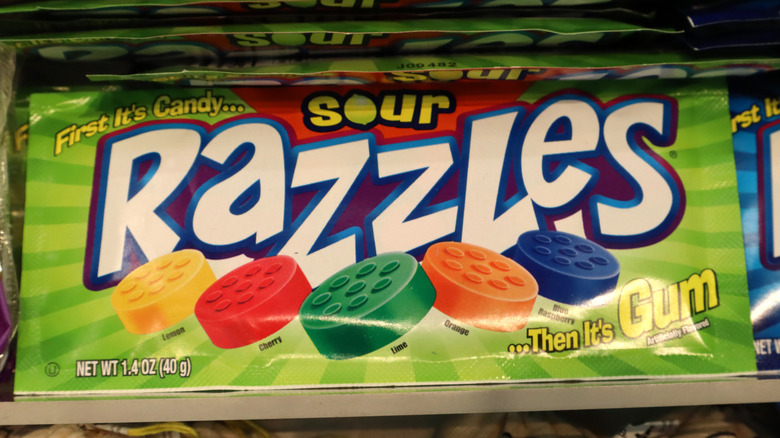
Razzles offered the novelty experience of candy that turned into gum. Hard, tart pellets dissolved into a chewable gum, providing two candy experiences in one. The fruit-flavored pieces were packaged in smaller, tuckable pouches, and the grooved texture of the candy is said to have resembled a raspberry, thus the name. "One of the best gums ever created," one Reddit user noted. "It felt like you were getting two for the price of one when you bought Razzles."
Bottle Caps
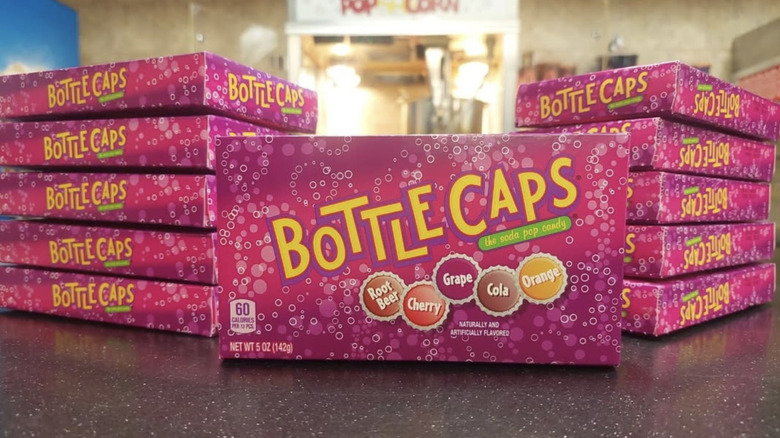
Once a candy commonly found in cinemas, Bottle Caps are barely seen at movies anymore. Marketed in 1972, these small candies were shaped like bottle caps and flavored to resemble familiar sodas. Root beer and cola flavors were popular, but orange, grape, and cherry also had fans. "I really don't eat candy anymore, but if I did, these would be at the top of the list," one Redditor exclaimed.