

10 Easy Tricks To Make Cheap Booze Taste Better

There are times when drinking cheap booze is an unfortunate reality. Perhaps you don't have a high budget right now, or maybe you're at a party and are stuck with what's on offer. Whatever the reason you need to make low-quality alcohol taste better, I'm here to help. I have experience with all the methods and tips I discuss here. That's partly due to experiences such as being a poor student many years ago, but also the mere fact that I like to experiment with alcohol to find out ways to enjoy it even more. Added to that, I like to give all alcohol a chance. Sometimes you can get a pleasant surprise. At other times, you're left with an unloved bottle.
The easiest way to make most cheap booze taste better is with a good mixer. However, since that's an obvious step, I'm not going to talk about it much here, beyond quickly recommending the best options for each drink. I'll be focusing more on the creative ways to make 10 of the most popular types of booze taste better with a variety of different methods. The aim is for you to always be able to enjoy a nice drink, even if the booze itself leaves a lot to be desired.
1. Vodka
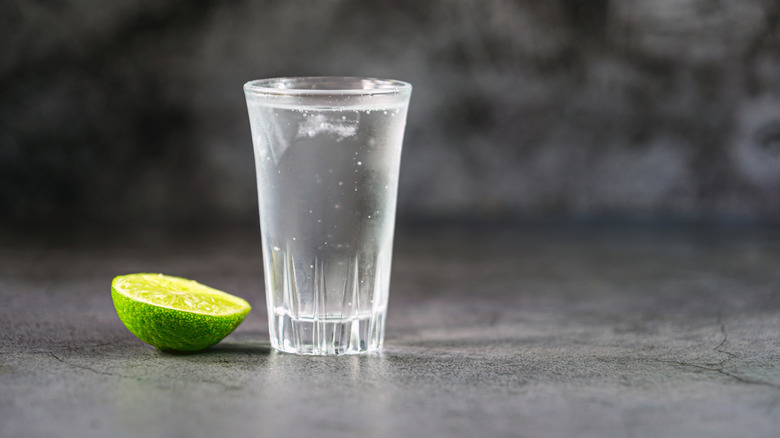
Back in my student days, Vodka seemed to be the booze of choice for those looking to get drunk. That may well be due to how vodka is meant to have a fairly neutral taste, making it a versatile drink anyone can enjoy. The problem with cheap vodka is that it doesn't taste clean or neutral at all. It can be terrible for having that harsh alcohol bite that anyone who has tasted cheap spirits will know of. At its worst, it can feel artificial or even medicinal. The quickest fix here is to add some citrus fruit. Lemon and lime are the most common options, but grapefruit also works. It's best to add fresh fruit as it can completely change the profile of the drink, as it helps to combat those sharp alcohol notes for a much cleaner drink.
If you're left with a poor-quality bottle, a great idea is to experiment with infusions. You want flavors that are both strong yet pleasant. I personally love adding vanilla pods, but fresh berries, sliced cucumbers, and mint are some great options. You can even split your vodka into a few mason jars to try out different combinations. You can start to take that harsh edge off in as little as 30 minutes, but most infusions need at least 2-3 days to get the full flavors. As for mixers, I think vodka is the most versatile spirit in this regard; almost everything works. Adding sweetness is a sure win, such as mixing with orange juice to make a classic screwdriver.
2. Gin
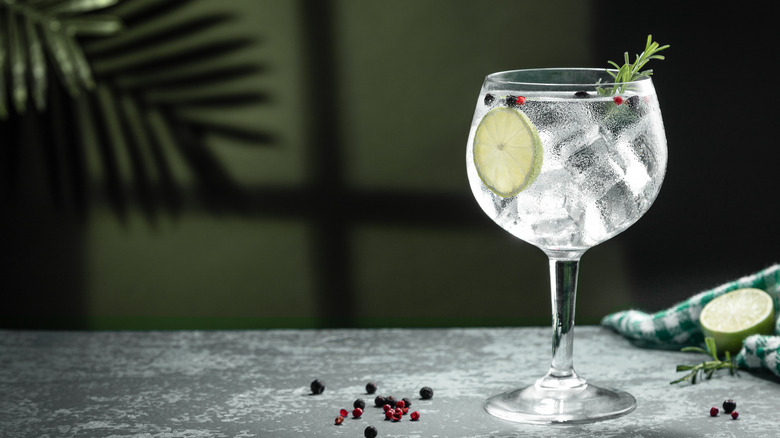
Good gin will usually have a beautifully balanced range of botanicals. In bad gin, these flavors will either be unbalanced or missing. The easiest way to elevate a budget bottle is by adding some fresh botanicals, which is essentially any flavor directly derived from a plant. The botanical most associated with gin is juniper, and a handful of the berries can go a long way to transforming a gin. Other classical options include rosemary, thyme, and citrus peel. This will not only allow the flavor to be more refined but also make it much more aromatic.
If dealing with cheap booze is a common issue, it's a great idea to stock up on some bitters. Angostura, orange, and lavender are three examples of bitters that can round out the harsh edges of any gin. Bitters are highly concentrated, so you often only need a few drops to add deep levels of spice, citrus, or floral notes. As with the vodka infusions above, you can even try a few different combinations to see which ones work for you. Away from bitters, gin works with a huge number of cocktails, and you can try making some of these, even though the result won't be the same as if you used a premium gin. One of those famous combinations is tonic water, which is a safe option. Other good mixers are lemonade, ginger ale, and any type of flavored sparkling water that you enjoy.
3. Rum (white or dark)
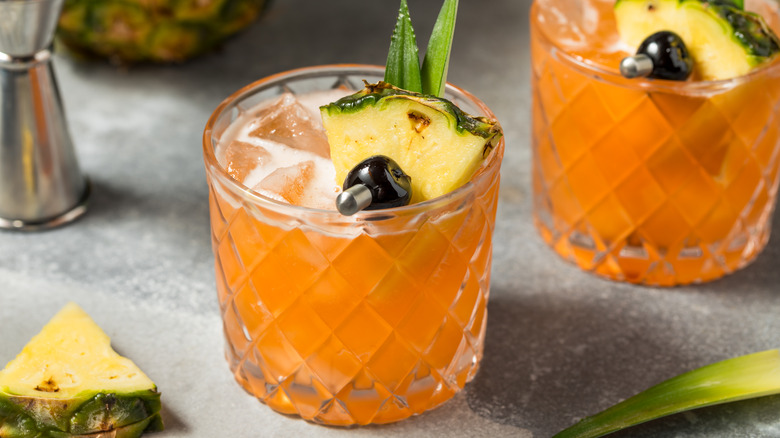
When you think of rum, you may imagine it being drunk in a tropical paradise, somewhere in the Caribbean. It's in these settings that the best pairings for rum come from. If you find your rum to be overly rough or sharp, it's a great idea to add a little tropical sweetness. Great additions include pineapple, mango, passion fruit, or orange in the form of either fresh fruit or juice. If the rum tastes artificial, these flavors can also give it a more natural feel and enhance any underlying sweetness into something more rounded.
Some cheap rum, especially dark rum, can be overly sweet. If so, you may not want to add tropical juices to them. In this instance, adding spice can do the trick. Cinnamon sticks can be a lifesaver here, as one of their many uses is being an easy way to liven up any spirit. A crack of black pepper or throwing in a couple of clove leaves can also add complexity. An alternate spice boost is to mix it with ginger ale, which can counter unbalanced sweet notes. As for mixers, cola is a classic choice, but coconut water and citrus-flavored soda water can be refreshing additions. With cheap rum, it's best to counteract whatever is wrong with it. Too bland or harsh? Add sweetness. Too sweet? Throw in some spice.
4. Tequila/mezcal
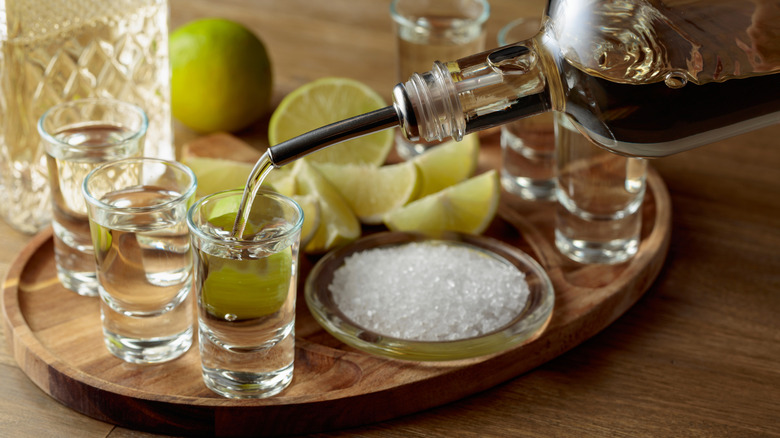
For those wondering what the difference is here, tequila is a type of mezcal, but when it comes to how to improve their cheap version, they both share the same solutions. As with vodka, it can feel that tequila has a reputation of being a type of booze just to get you drunk. In reality, the best tequila brands can be enjoyed on their own and deserve respect. You probably already know a couple of ways to make cheap tequila taste better. The famous combination of salt and lime has been drunk in many bars around the globe. The salt can hide the bitterness, while the lime can compensate for the harsh finish that comes with cheap spirits.
This combination is often done in a three-part process (salt, tequila, and lime), but it doesn't need to be like that. These ingredients can be added to the drink directly. Any type of fresh citrus is a great addition, with orange and grapefruit able to instantly brighten the drink. Other types of sweet flavors, such as honey and syrup also work well. If you are looking for more grounded flavors, there are some lovely fresh herbs you can add, such as mint, cilantro, basil, and thyme. These ingredients can help to make the drink mellower and give it a freshness that can hide any nasty taste.
5. Whiskey

When it comes to adding a spirit to a mixer, there is no more classic combination than whiskey and cola. Getting a high-quality cola is a surefire way of overcoming any harshness and unbalanced flavor. Another mixer that is a fantastic combination is ginger ale, as it helps to create a warm yet refreshing drink with the subtle spice. Aside from those combinations, one of the easiest tricks for cheap whisky is to add it to hot drinks. The Irish coffee is a notable example of this, but it's not the only hot drink you can make. This form of booze works well in hot toddies, spiked apple cider, and can even be added to hot tea.
One of the most underrated ways you can transform whiskey is simply through the power of H2O. If you have harsh whiskey, then adding ice can dampen down that alcoholic burn. If you're finding the spirit a little too much, a few splashes of water can also make it much more palatable. Soda water also works, especially with a squeeze of lemon or lime. As with most of the booze here, cheap doesn't always mean bad. So, if you don't have the budget for anything better, make sure to do a little research on the best bottom-shelf whiskeys.
6. Brandy/Cognac

In a similar way to the mezcal above, cognac is a type of brandy, but they can be treated in the same way for the purposes of these tips. I've found the best trick for brandy is to add frozen fruit. The extra chill helps to take the edge off with the fruit giving a gentle and sweet infusion. You can choose whichever type of fruit you most enjoy, with any type of grapes, berries, or cherries being a particularly good choice. You can essentially see them as flavorful ice cubes that can transform bad brandy into something altogether softer and drinkable.
Instead of going for the chilled option, you can go down the warming route with spices. The best way to do this is with whole spices such as star anise, cinnamon sticks, whole cloves, or black peppercorns. A quick stir is all you need to introduce these flavors. How to approach this is up to you. Adding these flavors to a mason jar and filtering out any small particles is a longer-term solution. For a shorter-term approach, they can either be added straight into the bottle or a glass, and a strainer used to catch any small spices. As for mixers, it's a similar story to whiskey above, with cola and ginger ale being classic options. Orchard fruit juices can also work well, such as apple and pear.
7. Lager
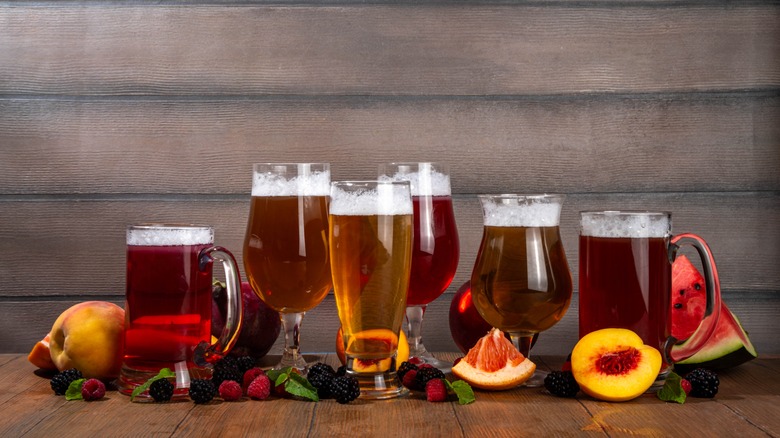
Cheap lager can be bad for a number of reasons. Some can simply be bland, whereas others can be horrible, metallic, or bitter. One of the easiest upgrades is to turn it into a shandy. This is traditionally done with lemonade, but lemon-lime soda and ginger beer can also be good combinations. The sweetness and acidity from the soda can smooth out those nasty edges and make it into something much more refreshing. Usually, the ratio used is 50-50, but feel free to experiment with more or less lager. If you don't have soda, adding the same flavors through fresh fruit can dramatically improve the flavor and make it taste much cleaner.
For those who think their lager is lacking depth, adding any bitters of your choice can help to give it more complexity and depth. This is best done for those lagers that are thin in flavor rather than overly harsh. For the worst lagers, adding a dash of salt can soften out any bitterness and enhance carbonation. If the taste is still bad, fruit syrups or cordials can be a quick way to mask the worst notes with a pleasant sweetness. Finally, make sure your lager is as cold as possible. This can help to suppress metallic flavors and bitterness. With a few adjustments, you can change a cheap lager into your own little craft creation.
8. Prosecco

Even though it's a little more nuanced, many people see prosecco as a more affordable and fun version of champagne. That can be a little unfair, as there are many great proseccos out there, but that being said, there are plenty of cheap bottles, too. Both an elegant and flavorful addition to prosecco is frozen fruit. I've found the best fruit for this is either strawberries or raspberries, but peaches or even grapes can be a good addition. Prosecco doesn't suit being diluted; therefore, these fruits can also keep the drink chilled while slowly releasing their sweetness. This will help to combat any sharp or overly acidic notes that can be a common issue with cheap prosecco.
An effective alternative is to add a little splash of liqueur. Elderflower, peach schnapps, and limoncello are just three of the solid options here. Pick whatever flavors you enjoy the most and have fun making your creations. They help to add depth, and you'll quickly forget all about that cheap prosecco taste. It helps change those light and bubbly characteristics into something altogether more luxurious. Bitters work in a similar way and can enhance the complexity of your drink. Citrus bitters work well, and in the same breath, adding a slice of fresh citrus fruit is equally effective. Of all the cheap booze in this list, I think prosecco is the easiest to elevate into a lovely drink.
9. Wine
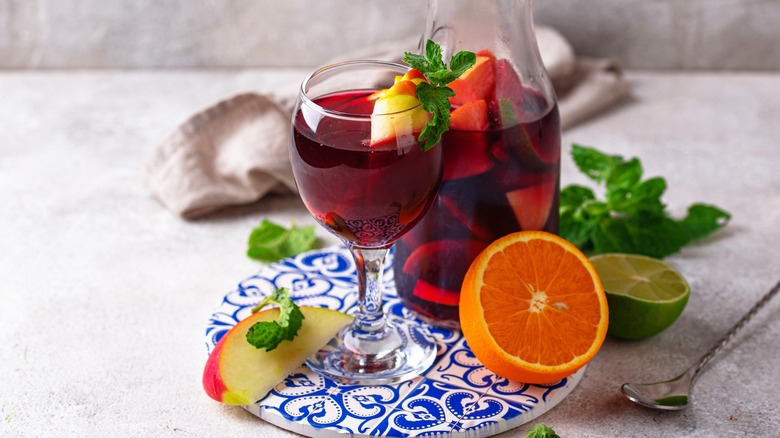
As with lager, there are many ways in which any type of wine can be bad. Firstly, it can have all those common signatures of being harsh or too sharp. However, some can be too sour, and others completely flat in taste. Finally, others can have one flavor that dominates or feels artificial. You should never overchill a great wine, as it can mute the flavors. However, it's for this exact reason that it's a good idea for cheap wine. This can mean storing red wine in the fridge or giving white or rosé a spell in the freezer. Off-flavors fade to the background, and any sharp acidity will be muted. A sin with good wine can turn into a night saver with a cheap bottle.
For red wine specifically, turning it into a simple sangria is a fantastic fix. You can make sangria with other types of wine, but it's traditionally made with red. There are many variations of how to make a sangria, but they generally include red wine, brandy, fresh fruit slices, and a sweetener. If you're not using dry red wine, it's best to tone down the additional sweetness, as otherwise it can be too overwhelming. For white wine, much of what I mentioned with prosecco applies here. Frozen fruit is a fantastic idea, along with any bitters or liqueur splashes of your choosing.
10. Hard cider
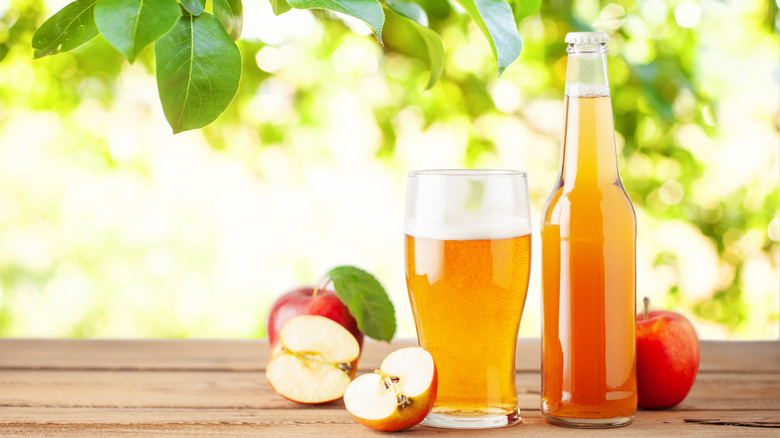
The worst hard cider will taste far too sweet or artificial. There are other cheap hard ciders that can taste thin. The quickest fix here is to add a splash of lemonade. It doesn't have to be a lot, as even a little will brighten up the drink and add a tangy balance to the overly sweet brands. If the cider tastes too flat, adding a little soda water can lighten it up and bring an extra fizz. Another trick for these overly sweet types of hard ciders is ginger beer or ale. These add the spicy tones I've mentioned before and pair beautifully with the natural fruit of the hard cider. Fresh lemon or lime can also help to cut through sweet drinks.
Conversely, if your cider is thin or bland, it's a good idea to add sweetness. My personal favorite is to add blackcurrant juice, as the two combine for a beautiful drink. In a similar vein, hard cider is another form of booze that benefits from fresh fruit, especially if it has tropical flavors. The likes of mango, peach, and pineapple can be added either fresh or frozen, depending on your preference. Another great trick is to turn a traditional mulled cider into a warming alcoholic drink by utilizing a few classic spices. It's another example of how a few simple tricks can save you from the harsh tastes that often come with cheap booze.