

10 Flavored Balsamic Vinegars And How To Pair Them
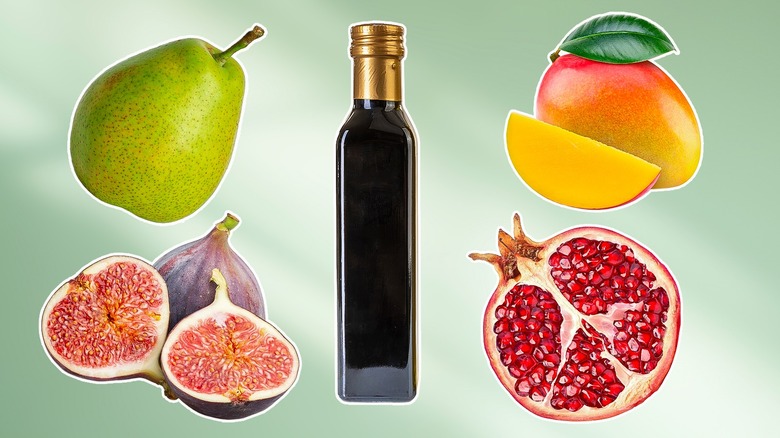
Have you ever been to one of those oil and vinegar tasting rooms? The ones with the stainless steel jugs with the spouts and tiny cups, all set up so you can sample and then buy infused vinegars and oils? An expert is usually there to show you the ropes, combining them flawlessly to make mouthwatering concoctions to drizzle on your salad or to marinate your meat in. Well, if that seems like your cup of tea, then it's time you really tapped into the world of infused balsamic vinegars and learned how to pair them.
You'd think that just about any old infused balsamic could be mixed into a salad, but to utilize its full potential, it's important to pair with intention. As a recipe designer and chef, I enjoy making bold statements with infusions and using vinegars or other acidic components in just about every one of my creations. Think outside the box and consider unique ways to use balsamic vinegars for both sweet and savory applications. Tap into which kinds of cheese, fruits, and meats are best accented by the flavor, and rein in how much you're using. With the intensity of a flavored balsamic vinegar, it's best to use it as a supporting role instead of a leading lady. Lastly, vinegars come in all colors, so it's important to also consider the aesthetic of the dish. After all, even before it reaches your lips, your eyes are the first to enjoy the recipe.
Fig balsamic
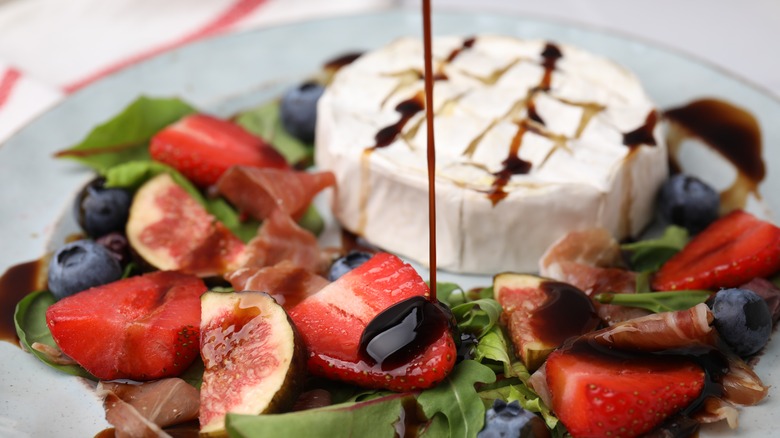
One of my favorite flavored balsamics to use is fig balsamic vinegar. It's a dark vinegar, rich and often thick, with an earthy sweetness brought about by the inclusion of figs. The fruit gives the vinegar an almost caramel-like undertone, mellowing out the intensity of the tangy vinegar. Figs add a mild fruitiness, without overpowering with tropical or sweet berry notes. There are plenty of applications for fig-flavored balsamic, but if you're lost, think about any dish you'd include figs in and go from there.
A classic use for the infused balsamic is to drizzle it over a pizza prosciutto e rucola, aka a pizza topped with fresh arugula. These pizzas often feature a drizzle of balsamic, but the fig balsamic can enhance the experience. Because shaved parmesan and prosciutto are often used alongside the spicy arugula, a sweet, mellow, and slightly fruity balsamic can help to create a balanced mouthfeel. Another application is prosciutto-wrapped melon, tying the fruit and salty meat together. Have you ever enjoyed devils on horseback? The already intense dish features meat wrapped dried fruit stuffed with cheese, often bacon-wrapped dates stuffed with goat cheese. There is an intense contrast of sweet and savory in this dish, so why not amp things up even more with an acidic component? Fig balsamic reflects the dried fruit aspect, while helping to mellow the salty umami. Lastly, fig balsamic is always welcome when olive oil and bread are in the mix. Soak it up and enjoy.
Pear white balsamic
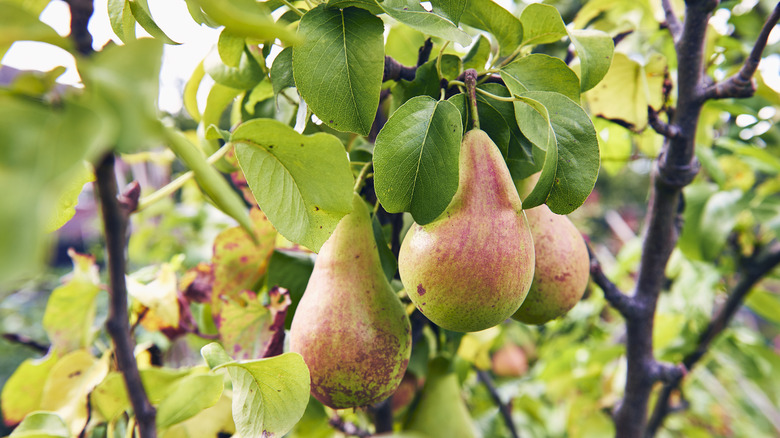
Venturing into white balsamic, note that these infused vinegars have a brighter, milder flavor in addition to their difference in appearance. Often, white balsamics are infused with lighter, sweeter fruits like pears, apples, citrus, and tropical fruits. White pear balsamic is amongst the most delicate, sweet, and mellow-flavored balsamics out there. With a mild undertone of tartness, this balsamic reads crisp and sharp, almost reflecting similarities to a white wine. Use that for inspiration when you're deciding which direction to go in for pairing this infusion.
On the sweeter side of things, consider pear white balsamic over vanilla ice cream, or your apple pie. You can even mix a little into the apples before you bake them, like you would lemon juice. Winter squash tends to couple nicely with pear, and you should absolutely be using vinegars when creating a marinade to roast your butternut, acorn, or Blue Hubbard. Throw in some gorgonzola or blue cheese along with some toasted pecans or walnuts, and you've got yourself a main course to die for.
Speaking of marinades, consider using pear white balsamic vinegar in your pork marinade, adding both tang and sweetness, and helping to tenderize the cut of meat. And lastly, consider drizzling white pear balsamic on cheese dishes with a white base, like a white pizza or autumnal pear and balsamic risotto recipe. Pear and cheese are a dynamic duo, and the light coloring of the balsamic won't interrupt the creamy monotony of the dish or take away from any accent herbs or ingredients.
Blood orange balsamic
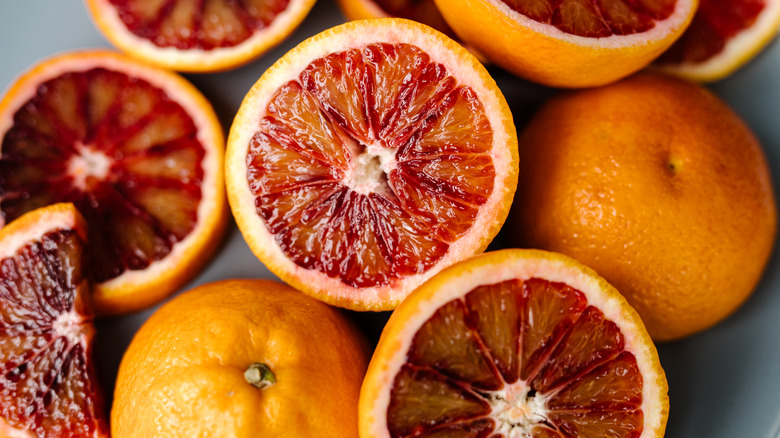
When working with citrus-flavored balsamic vinegar, you should expect some intensity. Blood orange might be less familiar, but it has a similar sweet and sharpness to your typical orange, perhaps slightly more tart, paired with an almost cranberry-like undertone and coloring. When mixed with the tanginess of a balsamic, the ingredient becomes a powerhouse of flavor, playing up on both the tartness and sweetness of the original balsamic vinegar. Because of its fruity and sour flavoring and citrus notes, blood orange vinegar has quite a range.
While it can couple with seafood, blood orange balsamic vinegar can also help to create depth in a richer and denser capacity, like BBQ sauce. In fact, adding a fruity component to your barbecue sauce can add layers of flavor. The balsamic will cook down to help create a caramelized glaze on the meat or vegetables, which can be best used with pork, corn, tofu, on burgers, drizzled over mac and cheese, or mixed into shredded chicken or jackfruit. In addition, blood orange balsamic glazes can be used with beets and other root vegetables, along with meatier veggies like eggplant or mushrooms.
Beyond BBQ, try pairing this uniquely flavored balsamic with winter vegetable salads, especially those featuring a fresh and creamy cheese like goat cheese, ricotta, or burrata. The berry-like flavor and coloring of the blood orange tend to enhance mellow foods with a light splash of intensity, so it's best used in moderation, and mellowed with a high-quality extra virgin olive oil.
Honey ginger white balsamic
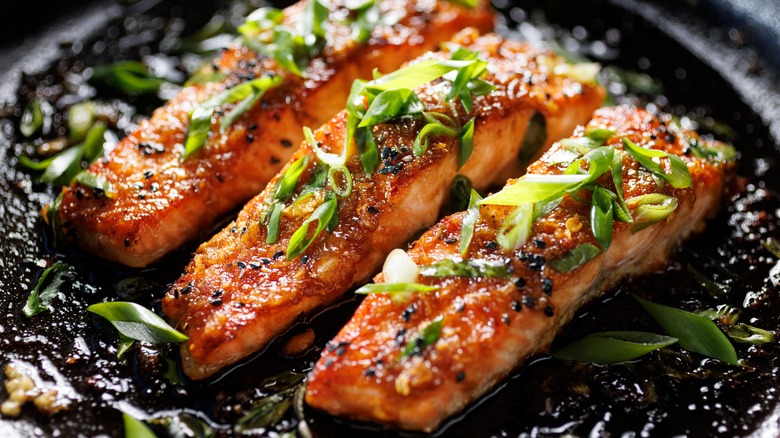
White balsamics are versatile because they do not discriminate based on seasonal produce and seasonings, and take a back seat when it comes to appearance. Balsamic, which is already sweet, can welcome even more sweetness when introduced alongside honey. It's important to recognize that this sweeter balsamic can stun in a dessert-like capacity, but can also hold its own when used in moderation in a savory dish, if paired correctly. A honey ginger balsamic brings both a delicate sweetness but also a warm and spicy citrus-like flavor from the ginger. The two, along with the acidity of the balsamic, create a balance that works beautifully in many capacities.
Try using honey ginger white balsamic on your salmon or in your stir fry, along with miso or soy sauce to elevate the salty and umami notes. No need to add any additional honey, brown sugar, or maple syrup to the mix, but you could introduce garlic, onion, and other aromatics. This balsamic can work to glaze white meats and mellow seafood dishes, along with most any vegetable if used lightly. On the flipside, consider using a drizzle of honey ginger white balsamic over ice cream, perhaps a tropical fruit flavor or vanilla, or baked into your stone fruit pies and crisps. Lastly, if you've never considered adding a splash of balsamic to a mixed drink or sangria, then it's time you gave it a whirl. Use it in moderation, but the tiniest drop can bring your drink to life, especially one featuring carbonation and citrus notes.
Black cherry balsamic
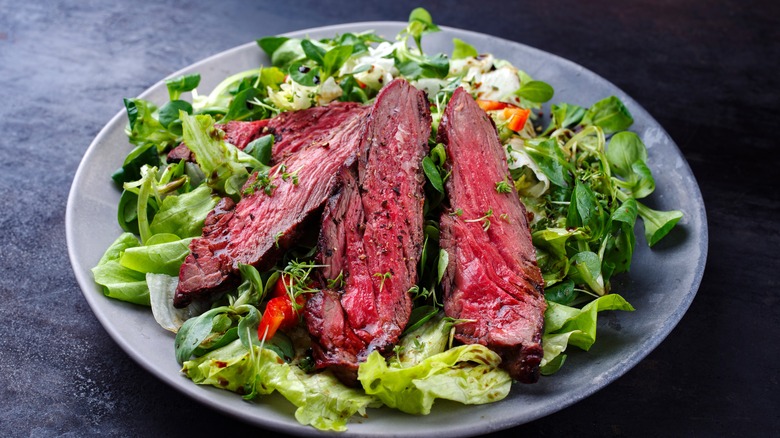
If you're looking for layers of flavor, depth, and richness, then look no further than black cherry balsamic. I've been using black cherry fruit juice in my marinades, and it's been a real game-changer. But going one step further to include a black cherry-infused balsamic is the ultimate flex in flavor. I like to describe the flavor as even more intensely sweet and woody than your typical balsamic. However, dark cherries have a rich tartness to them that also shines through, delivering balance and complexity. It's fruity and fragrant, and stone fruits tend to pair well with a variety of foods, especially a range of meats.
Use black cherry balsamic in flap steak marinade, in salad dressing, or to enhance a light poultry dish like chicken with cherry balsamic sauce. Even some seafoods like salmon can hold their own with a cherry miso glaze, and just about any root vegetable or winter squash will welcome the infused balsamic. However, I love to couple stone fruits together and find that using a black cherry balsamic reduction over grilled stone fruit like peaches to be irresistible, especially when served with a grill-warmed cheese like Brie.
For extra sweetness, use either honey or maple syrup, and garlic is a welcome ingredient in just about any savory capacity. Note that although earthy, black cherry balsamic vinegar does have a distinct fruitiness to it, it might not make the best dip for bread or drizzle for pizza, unless consciously and properly paired. When in doubt, throw cheese in the mix because stone fruit and cheese.
Chocolate balsamic
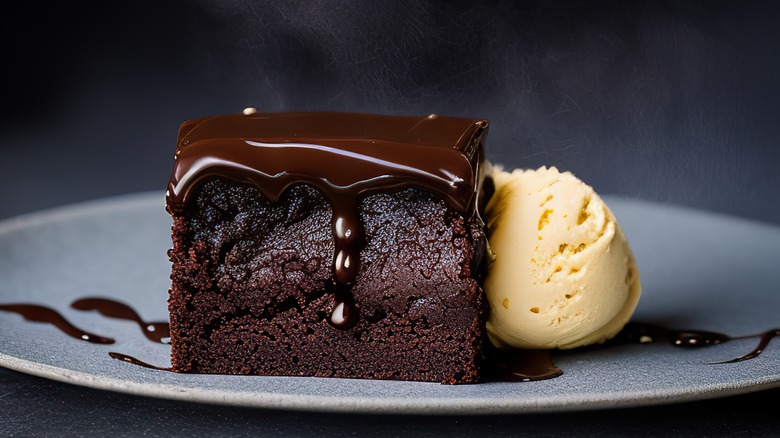
Although it might seem a little out of left field, unsweetened cocoa is an ingredient with an incredible range, being used in sweet and savory capacities like marinades, chili, savory sauces, and desserts. Chocolate balsamic does have a sweetness brought on by the balsamic, but also holds onto those rich and smoky notes. It can certainly be classified as a savory and sweet mix.
The one thing fruit salad is missing is often dressing. I like to mix some olive oil with honey and lime juice, but for a bolder flavor, you can certainly consider a chocolate balsamic vinaigrette. That vinaigrette can be used to enhance a lettuce-based salad as well, especially if it features dark greens and berries, along with nuts. Beyond salad, try using a chocolate balsamic in baked goods like brownies to enhance the flavor and richness of the batter. You can even drizzle it on top of desserts like chocolate ice cream or cheese on your charcuterie board.
Coffee and chocolate-based cocktails thrive with a little chocolate balsamic in the mix. On the other side of the kitchen, consider using a chocolate balsamic to enhance your red meat marinades. Don't worry, it won't read like dessert, but instead the sweetness of the balsamic will help to enhance the natural caramelization of the meat, while the chocolate will add depth, just like adding cocoa powder or espresso powder to your dry rub would. After all, what's better for your meat than a smoky, rich enhancement, equipped with acidic tenderizing abilities?
Grapefruit white balsamic
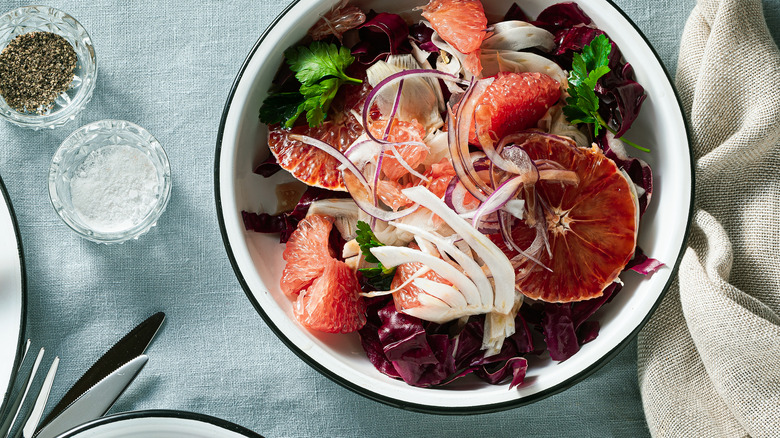
Grapefruit is an underutilized citrus fruit in the cooking world. Grapefruit-based baked goods, glazes, and even seafood marinades can bring a level of uniqueness to these dishes that your typical lemon or lime can't. In addition, using the zest adds a whole other punch of flavor, so just imagine what a grapefruit white balsamic could do to your recipe. In any capacity where you might use a lemon or lime balsamic vinegar, consider swapping it out for grapefruit and adjusting your supporting ingredients to welcome it.
Seafoods and white meats love a grapefruit white balsamic marinade, as it adds a slight refreshing bitterness to the sweetness it brings. This is why it pairs well with mellow cheeses, giving them life, so whisk this infused vinegar into your salad dressings for summer. Grapefruit and rosemary are a famous duo, so play up on that whenever possible. You can pair the herb and vinegar in both a sweet and savory way, using them in desserts or mixed drinks, as well as marinades and dressings. Especially if you are using citrus in the dish, like a grapefruit arugula salad, ceviche, or grilled lemons or oranges, give it a good ol' splash of grapefruit white balsamic to intensify the featured ingredient's impact. However, grapefruit is a very distinct flavoring, so stick to summer pairings when in doubt. If you're just starting to explore flavored vinegars and how to pair them, then consider starting with a more versatile citrus balsamic, like lemon or orange.
Mango white balsamic
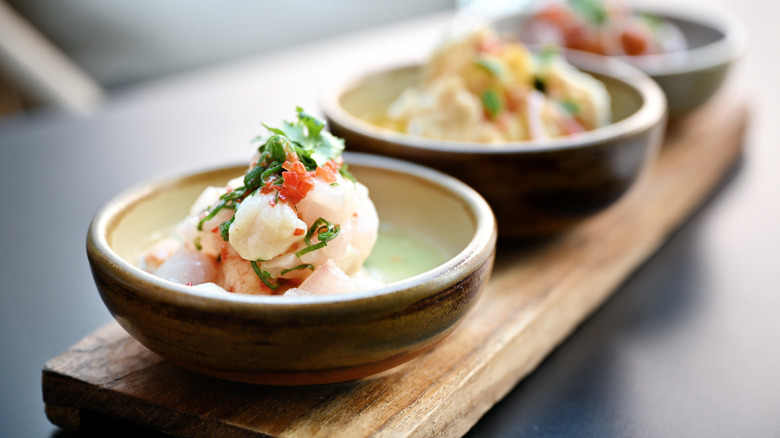
Dark berries are a classic when it comes to flavored balsamics, but if you're ready to move beyond your comfort zone and try something more unique, look no further than mango white balsamic vinegar. Mango has a distinct tropical flavor with a honey-like sweetness. It's subtly floral without the intense tanginess of many fruits, similar to other stone fruits. Mango juice is rich for being so light in flavor, and it's that duality that makes it the perfect candidate to be infused into a white balsamic vinegar. Once it's coupled with that tangy acidity, its flavor becomes unstoppable.
Because of its tropical nature, easy pairings include traditionally tropical or coastal foods. Think seafood, tropical vegetables and fruits, blended fruit drinks, and pairings with lime juice or coconut. Try mango white balsamic in a spicy summery baked halibut recipe, or a coconut lime shrimp ceviche. Pork tends to pair well with tropical balsamics and would elevate a mango cilantro marinade, especially when cooked on the grill or over an open fire, enhancing the smoky undertones. Feature the white balsamic in a salad dressing with a lighter olive oil, alongside shallots and freshly minced herbs to top crisp lettuce, fruit, and a soft yet tangy cheese like goat cheese.
On that note, consider using mango white balsamic to top your tart Greek yogurt, along with fruit, coconut shreds, and almond slivers or pine nuts. Fresh herbs and mango enhance each other, especially basil or cilantro, which both have citrus notes.
Blueberry balsamic
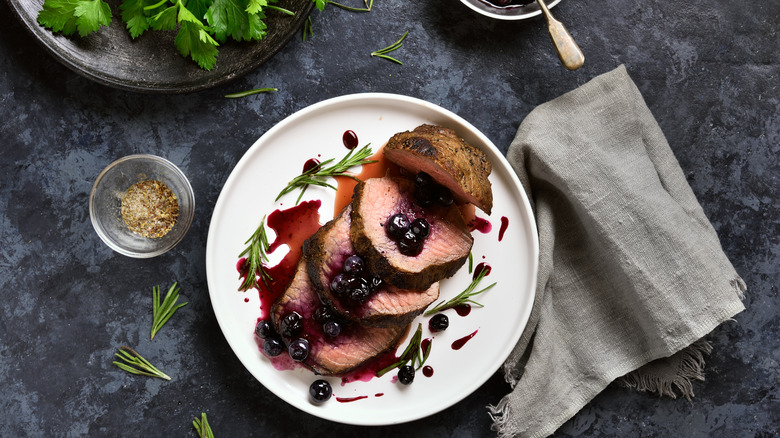
I live in Maine, where just about everything contains wild blueberries. You'd think it would end with blueberry ice cream or blueberry kombucha, but you'll find blueberries in marinades, chutney, and even beer. Up here, blueberry balsamic is often used in salad dressings like a kale and balsamic berry salad, and mixed drinks. But you'll also find it commonly as a featured ingredient in barbecue sauces. What makes blueberry balsamic unique isn't just its bright purple-blue coloring, but its distinct flavor. It has a very strong fruity sweetness, but is also loyal to the tangy and tart flavors of both the fruit and the balsamic. This is why it pairs so famously with pork, because it's mellow enough not to overpower it, but also holds true to the tanginess, which brings balance. It's the perfect balsamic to use to balance a fatty or salty dish. Try it along with beef dishes paired with rosemary and other fresh foods.
When incorporating blueberry balsamic, consider reducing it first if you're going to use it in a sweet capacity. Although folks like to use sugar when reducing balsamic, I prefer to just heat it slowly until it reaches the desired consistency. Remove it from the heat before it's thick, as it will continue to thicken as it cools. This can (and should) be used over ice cream, especially in a berry-licious sundae, as well as over mellow cheeses like burrata and ricotta. Consider a blueberry balsamic reduction when using salty meats to adorn a risotto featuring prosciutto and arugula.
Pomegranate balsamic
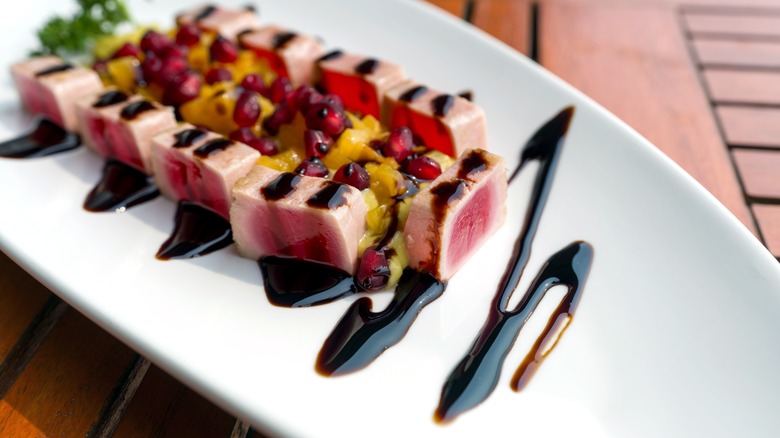
A classic flavored balsamic vinegar is pomegranate balsamic, because it mimics the ever-so-famous pomegranate molasses. It's less sweet, more tangy, but has that same reduction-like depth that we've all grown to love. You can use both in tandem, but use sparingly and be conscious of the intensity each brings to the table. As someone who doesn't love intense sweetness but enjoys a savory-sweet combination, introducing pomegranate balsamic into a barbecue sauce or marinade covers all my bases. Try drizzling it over a seared tuna. It's best when paired with salty umami, so use soy sauce or tamari in the mix, and load up on herbs, spices, and aromatics like shallots. Beyond meat, consider pomegranate balsamic for eggplant and mushroom dishes. Like many of the fruit-based balsamics, pomegranate balsamic can add a layer of flavor to barbecue sauce, along with extra tangy sweetness.
When creating unique mixed drinks, a splash of pomegranate balsamic can go a long way. If that feels intimidating, reduce it first to eliminate some of the acidity. Pomegranate balsamic is one of those vinegars that goes well with both chocolate and vanilla desserts, especially sweet and mellow ones like gelato or cheesecake. And speaking of cheese, pomegranate balsamic works well with some harder, sharper cheeses like aged gouda or Parmigiano Reggiano. It can also hold its own with feta, which is salty and distinctive, and helps to balance the intensity of the salt. Consider using it in a salad with feta and other salty ingredients, as well as umami-strong ingredients.