

Sparkling Apple Cider Sangria Recipe
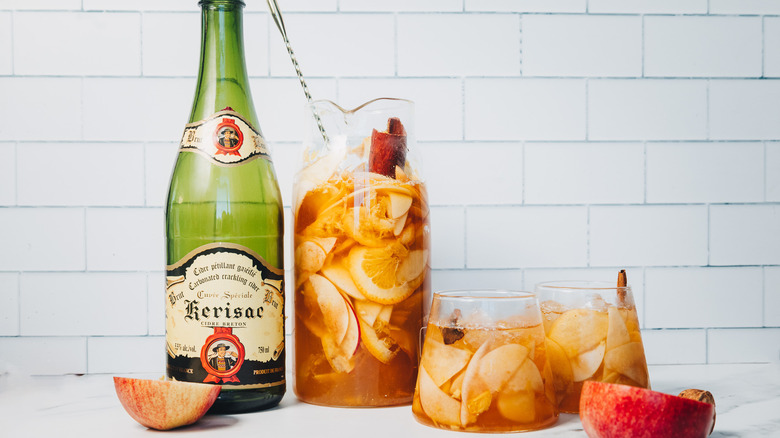
If you think all drinks made with cider are sweet and cloying, this apple sangria will open you up to a world of flavors. This isn't the kind of sangria you whip up on a hot summer's day and serve at a neighborhood BBQ. Instead, this is a slow-down, sip-me-with-a-good-book fall sangria, the kind you make in a big pitcher on a Friday night in October when you want something festive but sophisticated. It's a great fit for a Halloween party, a Thanksgiving kickoff, or just an evening when you need something to pour for a group of friends that feels like a step-up from wine.
As a recipe developer and blogger, I love a pitcher drink that does most of the work while you take care of other things. This apple sangria is exactly that, a drink that requires only five minutes of active work and then a bit of patience, as it takes time to macerate and chill to coax out all the flavors. Like fall itself, it's a slow burn that terminates with a satisfying, subtle glass that revives your spirit.
Every element in this sangria feels like it belongs. The apple brandy is warm, bringing more sweetness, booziness, and a touch of burn that makes the drink feel grown-up. The dry sparkling cider keeps it fizzy and refreshing, and its lack of sweetness leaves room for the macerated fruits and maple syrup to do their thing. The cinnamon and orange add warmth, spice, and a touch of bitterness, balancing the whole thing into a perfect sip.
Gather the ingredients for sparkling apple cider sangria
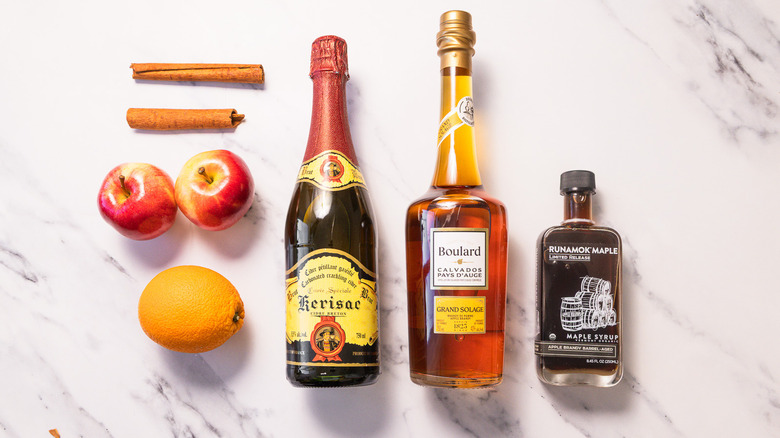
For the sangria, you'll need apples, an orange, cinnamon sticks, apple brandy, maple syrup, and a bottle of dry sparkling hard cider. For the garnishing of each glass, grab another apple and cinnamon sticks.
Step 1: Combine apples and oranges in a pitcher
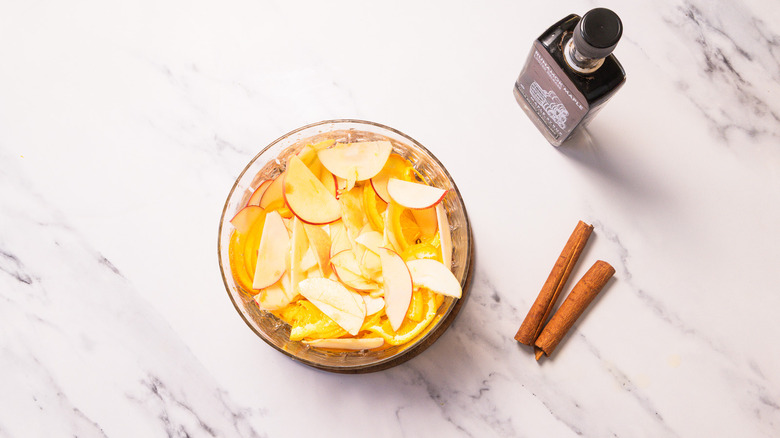
Place most of the apple and all of the orange slices in a large pitcher or bowl. Reserve a few apple slices to garnish the glasses.
Step 2: Add brandy, cinnamon, and maple syrup
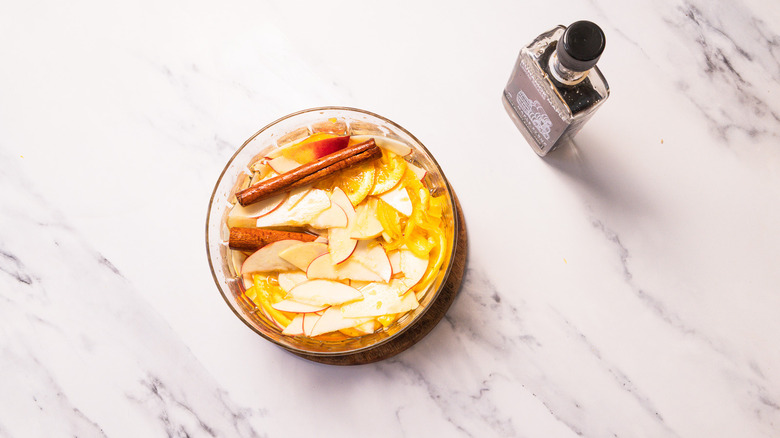
Add the cinnamon sticks, apple brandy, and maple syrup. Stir well and press down to submerge.
Step 3: Chill the apple sangria base
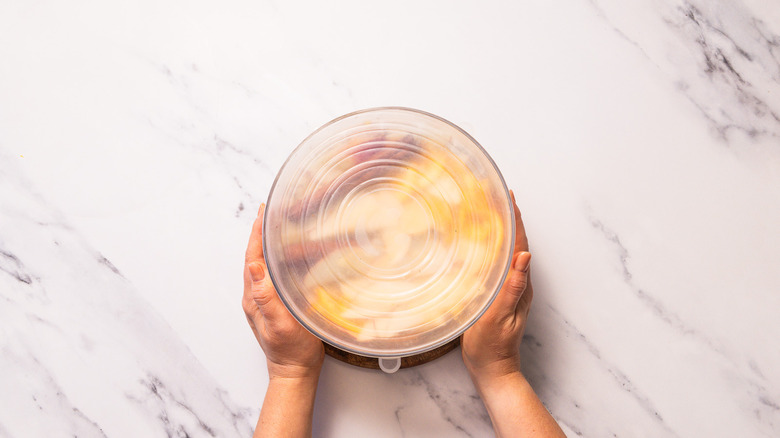
Cover and refrigerate for at least 2 hours, or up to overnight, to let the fruit macerate and the flavors meld.
Step 4: Transfer the fruit to a pitcher
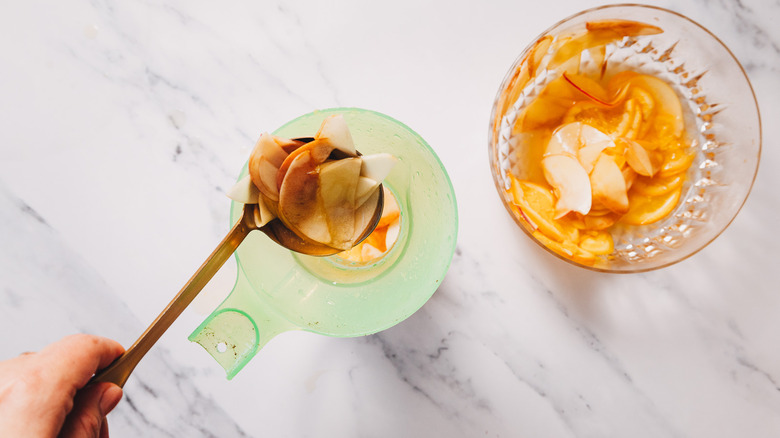
Transfer the fruit to a serving pitcher. Try to squeeze out as much liquid from the fruit as possible.
Step 5: Add sparkling hard cider
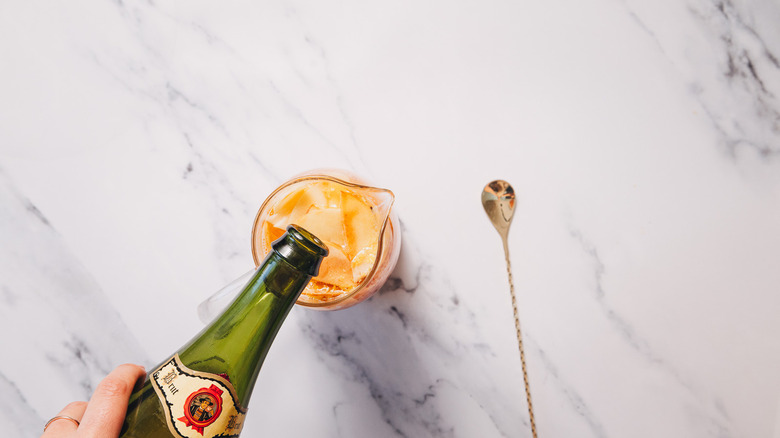
Slowly pour in the sparkling hard cider and stir gently to combine.
Step 6: Garnish the glasses
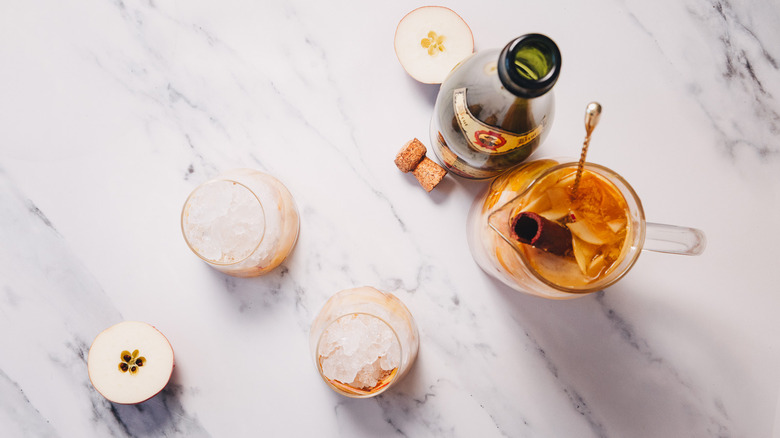
Layer the glasses with the remaining apple slices and cinnamon stick. Add ice.
Step 7: Serve the apple sangria over ice
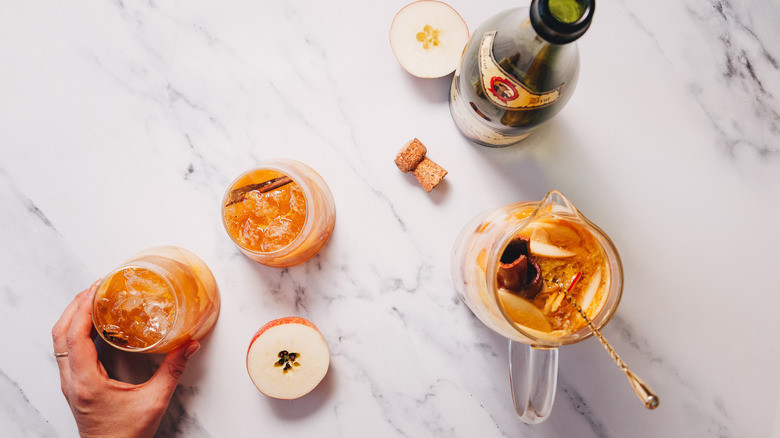
Serve over ice, dividing the fruit among the glasses.
What pairs well with cider sangria?
Sparkling Apple Cider Sangria Recipe
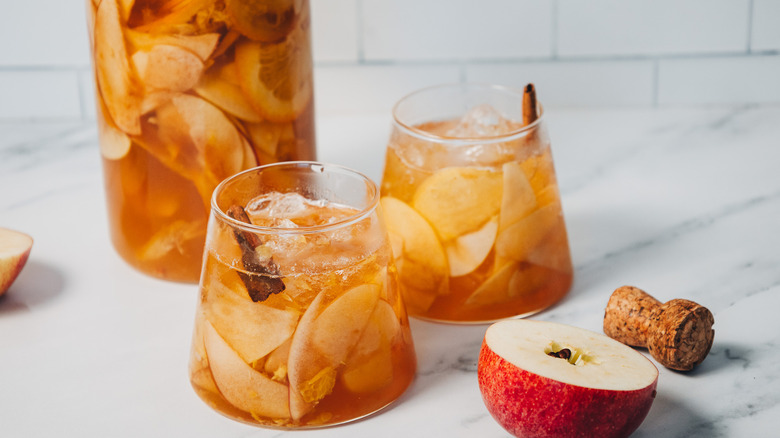
Apple brandy adds a sweet warmth to balance the dry sparkling cider, and cinnamon adds a touch of spice to our perfectly fall-flavored cider sangria.
Ingredients
- For the sangria
- 2 apples, cored and thinly sliced, divided
- 1 orange, thinly sliced
- 2 cinnamon sticks
- 1 cup apple brandy
- ¼ cup maple syrup
- 1 bottle (750 ml) dry sparkling hard cider, chilled
- For garnish
- 1 apple, thinly sliced
- 6 cinnamon sticks
Directions
- Place most of the apple and all of the orange slices in a large pitcher or bowl. Reserve a few apple slices to garnish the glasses.
- Add the cinnamon sticks, apple brandy, and maple syrup. Stir well and press down to submerge.
- Cover and refrigerate for at least 2 hours, or up to overnight, to let the fruit macerate and the flavors meld.
- Transfer the fruit to a serving pitcher. Try to squeeze out as much liquid from the fruit as possible.
- Slowly pour in the sparkling hard cider and stir gently to combine.
- Layer the glasses with the remaining apple slices and cinnamon stick. Add ice.
- Serve over ice, dividing the fruit among the glasses.
Nutrition
| Calories per Serving | 240 |
| Total Fat | 0.2 g |
| Saturated Fat | 0.0 g |
| Trans Fat | 0.0 g |
| Cholesterol | 0.0 mg |
| Total Carbohydrates | 31.2 g |
| Dietary Fiber | 4.5 g |
| Total Sugars | 19.5 g |
| Sodium | 8.2 mg |
| Protein | 1.2 g |

What is the best apple brandy and hard cider for sangria?
For apple brandy, the two main options are Calvados and an American apple brandy. Calvados is a French apple brandy, made in Normandy from fermented Normandy apple juice and aged in oak barrels. It's been made the same way since the 1500s, and its taste is complex, woody, and floral while also being sweet, with a depth that goes much further beyond simple apple flavor.
Out of the American options, Laird's is likely the most accessible. Laird's Applejack is a blend of apple brandy and neutral spirits, but their 100-proof straight apple brandy is much better, if you can find it. Laird's will make the sangria feel a bit more approachable and sweet, so go this route if you're craving something more accessible.
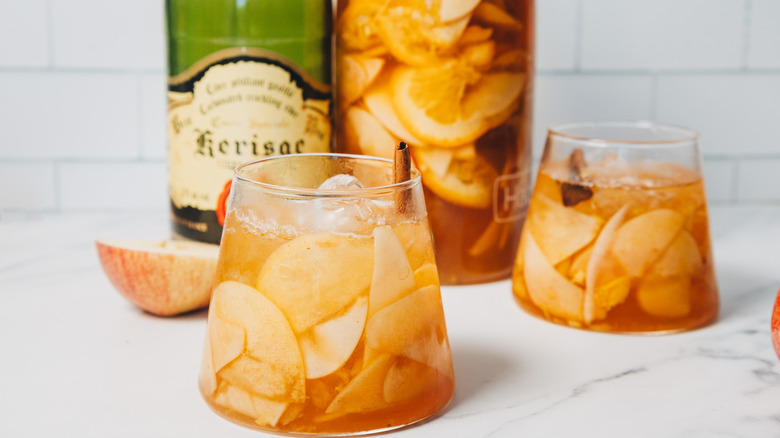
Now, if you're thinking of sweet apple ciders, then think again, because what you need here is a hard cider that leans more towards wine, like the ones from Gowan's Heirloom Ciders, which we profiled in our list of our top hard ciders. For this recipe, I used the Kerisac French dry cider from Breton, which worked really well. In general, a French-style cider would be great here, and it's a good thing that France actually produces more cider than any other country in the world.
Why do we macerate the fruit in the brandy for 2 hours? Can this be skipped?
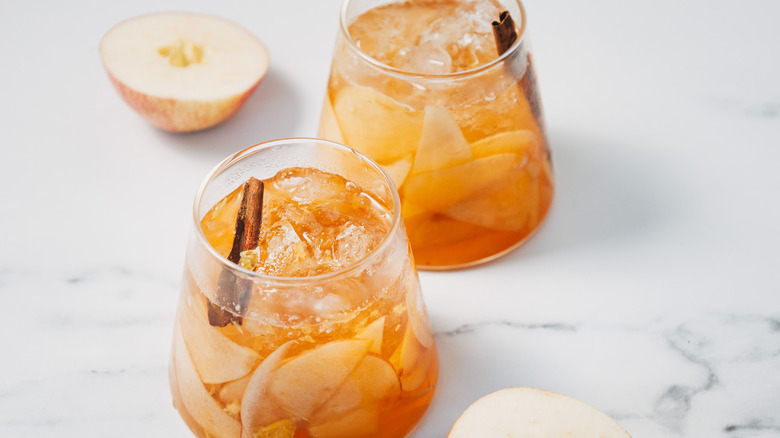
We do understand that waiting for the brandy to macerate for two hours feels like a lot of time, but if you skip the maceration step, the sangria will taste noticably flatter and less cohesive. Maceration is what happens when fruit sits in alcohol over time, and the natural sugars and juice leach out of the slices into the brandy. This helps create a base that tastes smooth and layered.
Two hours is the minimum for the maceration process to work, but if you wait overnight, it will taste even better. After a full night, the liquid will also take on a deeper color, and the cinnamon will have had more time to impart its aroma.
But some days we all find ourselves short on time, and luckily, there is a simple trick to make the drink a bit closer to the desired flavor, even with a shorter window. The best way to get fruit flavor into the alcohol is to muddle the fruit with the maple syrup to release its juice faster. Then, add the cinnamon and proceed with a shorter steeping time. You can even substitute the cinnamon sticks for a pinch or two of ground cinnamon to make its flavor more noticeable. It will not taste the same as intended in the original recipe, but it will come closer than just being fruit mixed with brandy and cider.