

15 Ways To Keep A Small Kitchen Cooler During A Heat Wave
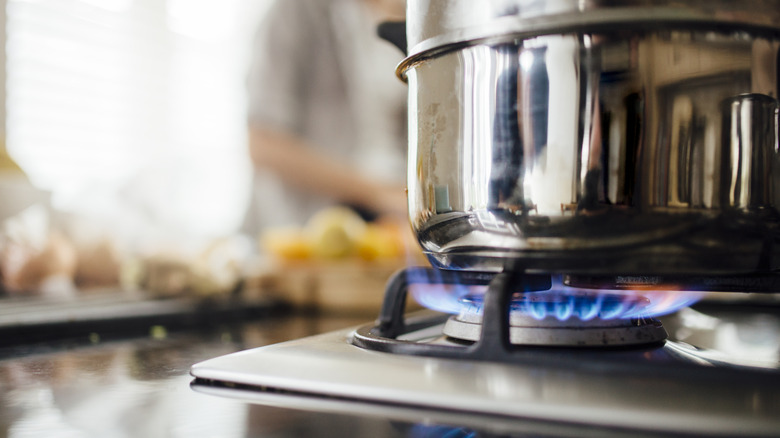
In the midst of a sweltering summer heatwave, few things are less appealing than standing over a hot stove making a meal. Unfortunately, regardless of the severity of the weather, we all still need to eat, and to keep things affordable and healthy, that means cooking at home. But when you add conditions like a cramped kitchen, where you can't get away from the heat of the stove or oven, or — perish the thought — a house without air conditioning, the situation gets dire pretty quickly. Not all cooking is created equally, however, and if you are smart about how you do it, you can significantly reduce the amount of heat that meal preparation releases into your living space.
On this list, you will find a plethora of solutions for how to keep your kitchen cool while maintaining a diet of healthy, affordable, home-cooked meals. It may be tempting to rely entirely on takeout during warmer weather windows, but these days the idea of ordering out (for even a week) can seem like a financial impossibility for many of us — and it would certainly change most of our diets for the worse. Not every solution on this list will be a fit for every household, but there is sure to be at least a handful that you can easily implement with your budget and cooking style. A few clever changes can really make all the difference in terms of delivering good food without the heat.
Don't use the oven
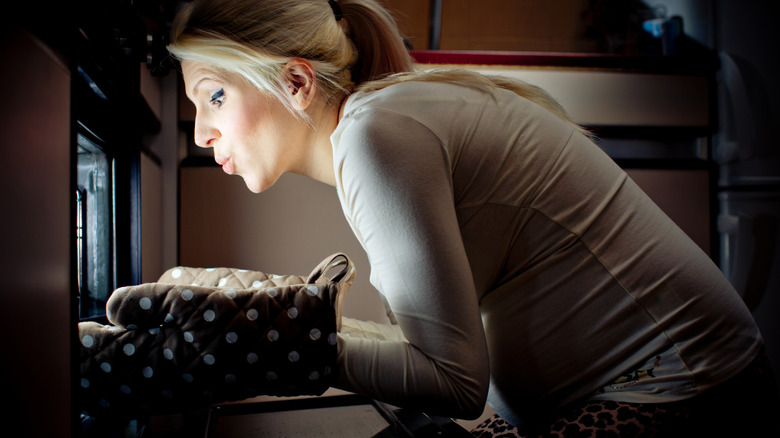
When the mercury is high, the oven should be the last kitchen tool you turn to. Ovens release a tremendous amount of heat, and most baked and roasted items need to cook for a long time. If you do feel the need to whip up a batch of brownies or a birthday cake, however, the best move is to switch up your cooking schedule. Bake at night or in the early morning when the home temperature is at its lowest.
Use smaller dry heat appliances like toaster oven or air fryer
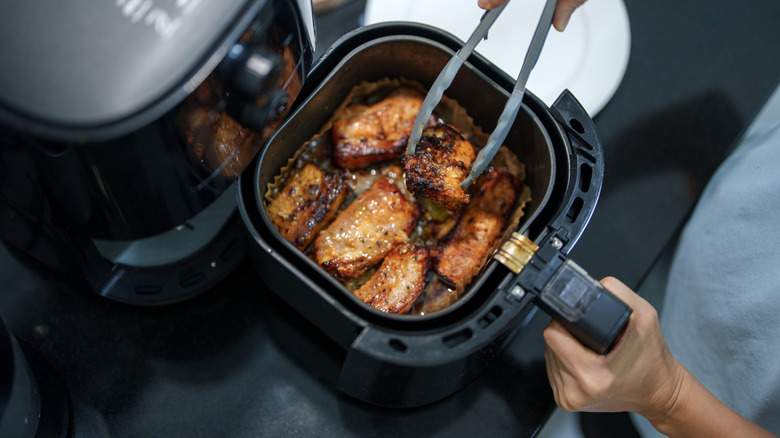
Another method for keeping the kitchen cool while making those dry-heat recipes that call for the oven is to switch to a smaller appliance instead. There are plenty of unexpected items that you can bake in the toaster oven, and, similarly, switching the oven for an air fryer is a secret to keep heat out of your kitchen. Both appliances utilize dry heat like a conventional oven but are much more efficient.
Better still, rely on the microwave
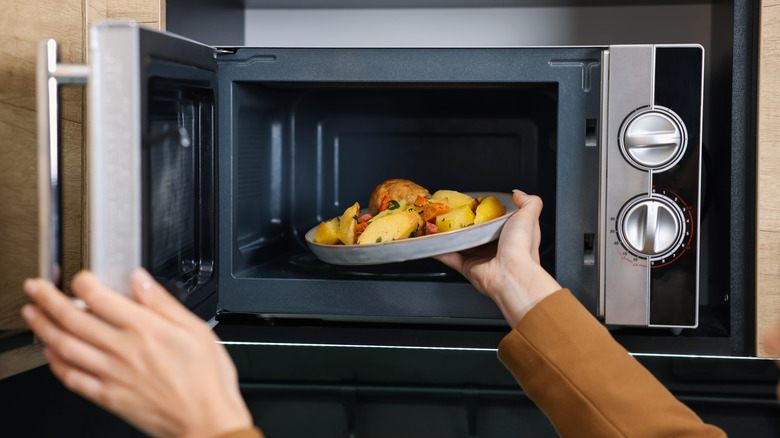
Unlike ovens, which fill the cooking chamber with heat, microwaves cook by agitating water molecules in food with electromagnetic radiation. Because of this, cooking in a microwave produces very little excess heat, and is perfect for the dog days of summer. And while microwaving dinner will make you think exclusively of a freezer full of plastic-wrapped single-serving ultra-processed meals, there are lots of surprising foods you can cook in the microwave.
Choose no-cook recipes
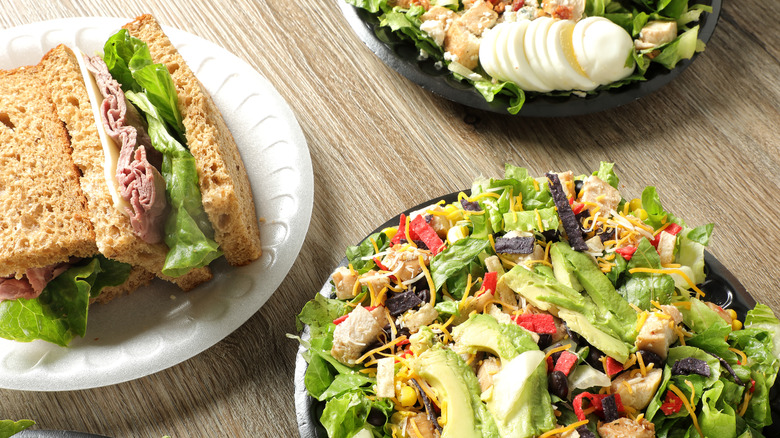
A classic technique for summertime dining that doesn't heat up the home is to eschew cooking entirely. There are plenty of no-cook meals for hot days out there, ranging from simple standards to rather elegant creations. A ham sandwich and green salad fit the bill just fine, but so too does an artfully arranged sardine tartine with sweet and sour onions alongside a beautiful bowl of Moroccan-inspired cherry gazpacho.
If you do cook, make it fast
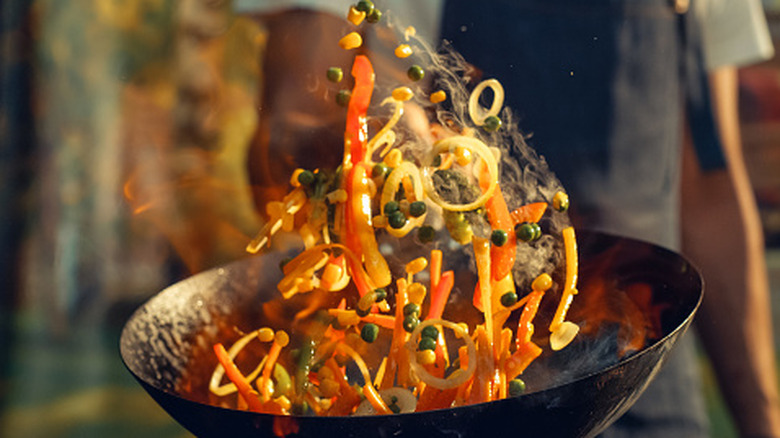
Depending on the length of the heat wave, one does grow tired of salads, sandwiches, and chilled soups. Eventually, recipes that call for the stove ma start calling your name. If you do choose to light that burner, though, you want to choose meals that don't take long to cook, like stir fries. A list of recipes that take less than 30 minutes is a good place to start your search for low-cook meals.
Cook in large batches
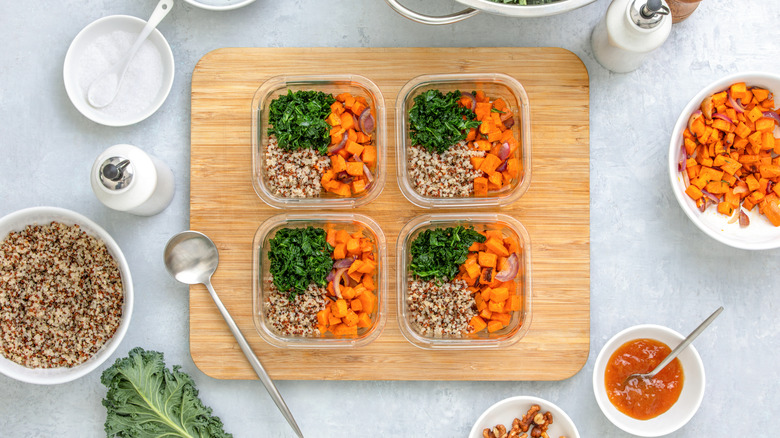
This one might seem a bit counterintuitive, but cooking in large batches can help keep your kitchen cool. It takes longer at the time and releases lots of heat into the house, but once you've made a large batch of starch, protein, and vegetables, you can pack those meals into containers and stick them in the fridge or freezer for later. For the best results, plan this big-batch cooking for a cooler time of day, and reheat those meals in the microwave.
Avoid steamy foods
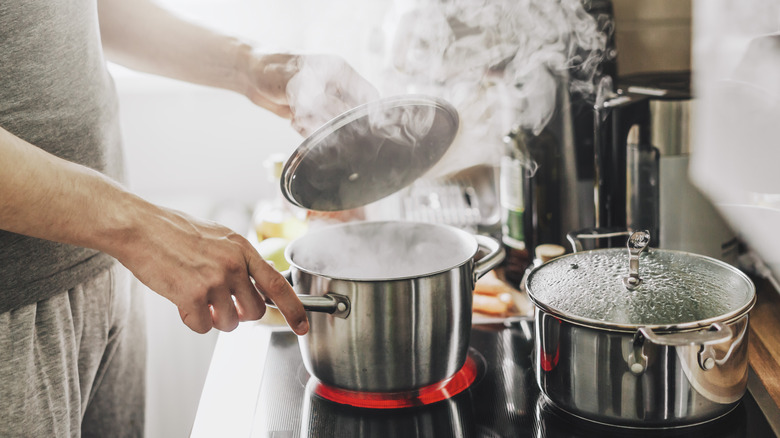
All types of cooking release at least some heat into the local environment, but steamy foods like soups and braises release both heat and moisture. This increases the humidity in the room, which makes it feel even hotter, as your sweat won't evaporate as easily. If you do want to make something steamy, keep the lid on the pot, which contains the steam and helps it cook faster. Alternatively, just try a summer-ready bowl of cold ramen instead.
Run the exhaust fan — or stick a fan in the window
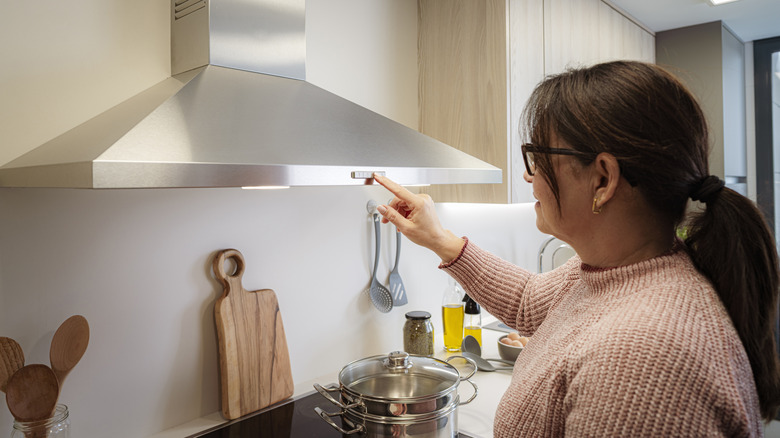
As a general rule, it is always a good idea to run your hood fan when cooking, but it is especially important when temperatures are up. Ducted hood fans vent air externally and will significantly reduce the heat in the house. If your hood fan isn't ducted and simply filters the air before recirculating it in the kitchen, stick a small fan in a nearby window instead. This will blow that hot, steamy air outside instead of letting it heat up the house.
Use a slow cooker
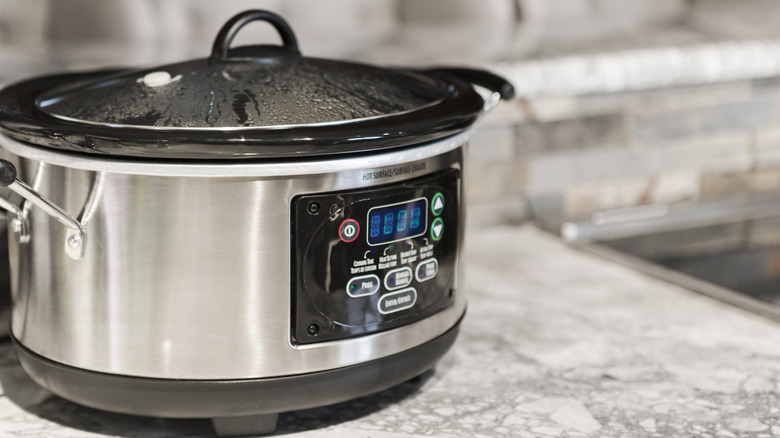
Another option for accomplishing those soups and braises without creating too much heat and steam is to rely on your crock pot. Slow cookers are great for hot weather since they are designed to apply steady low heat over long periods of time. You can, for example, make a batch of slow cooker pork al pastor, breaking down a pork shoulder into succulent shredded meat over hours without steaming up the kitchen. To really beat the heat, run the slow cooker overnight.
Switch to an induction stove
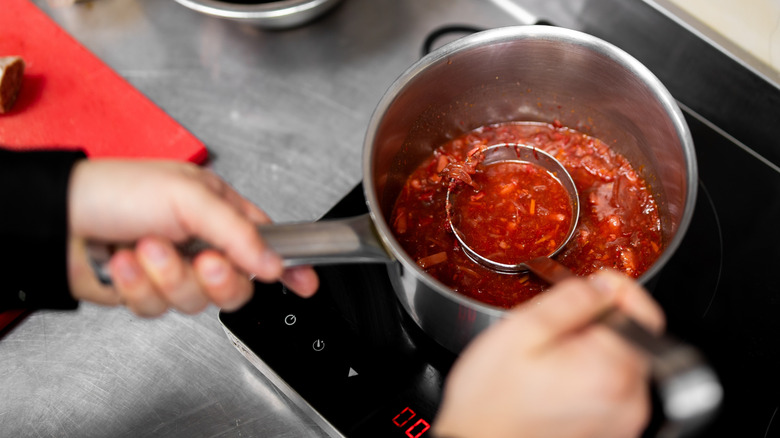
Both gas and radiant electric stoves produce a lot of excess heat when used. Because of the unique electromagnetic heating method of induction burners, they cook more quickly than gas while also producing very little waste heat. Making the switch to an induction cooktop doesn't need to mean replacing your whole stove. You can pick up a portable model for as little as $50, like this VGBK 1800w Single Burner Induction Cooktop.
Move the cooking outdoors
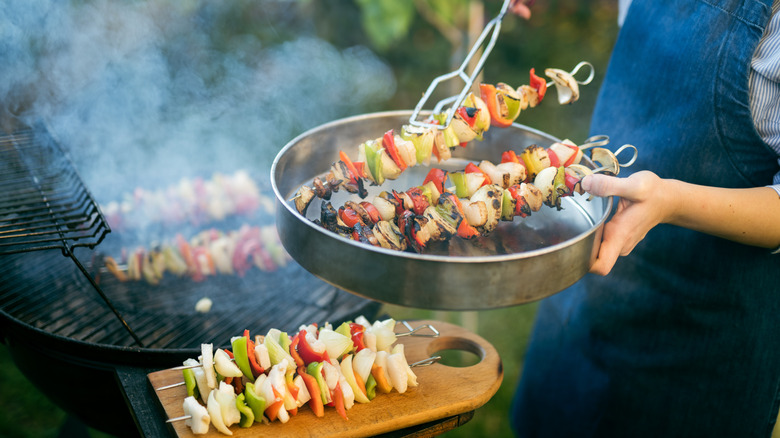
If possible with your living situation, it is never a bad idea to move some of the cooking outdoors in the summer. There is a reason that grilling is so closely associated with the warmer months. Whether it's a grill, a smoker, a propane-powered pizza oven, or just the little stove that you keep in the garage for camping trips, switching some of your meal preparation to portable gadgets for outdoor cooking will significantly reduce the heat in the house.
Outsourcing longer-cooking items
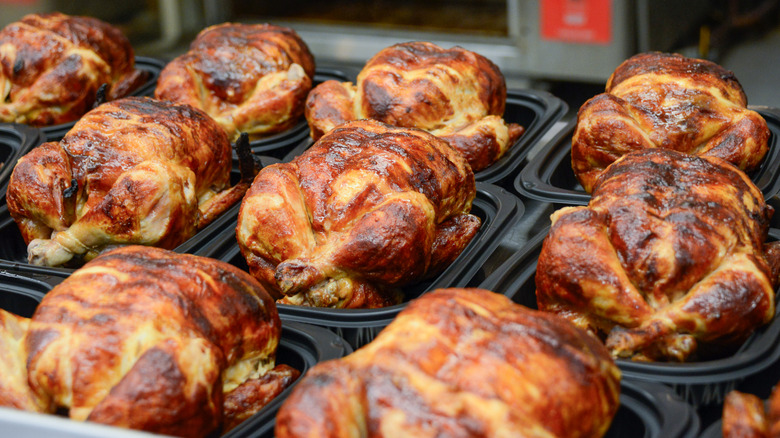
Better even than cooking outdoors is outsourcing some of your cooking entirely — particularly those items that take a long time or require the use of the oven. Picking up a grocery store rotisserie chicken is a classic example, giving you the option of a roast chicken dinner without turning on the oven. The same goes, though, for things like bread and soups, which can be purchased and quickly warmed before they hit the table.
Make whole meals in your rice cooker
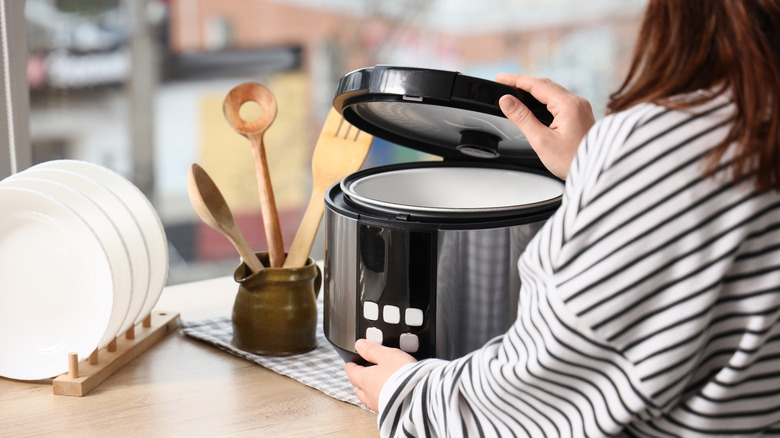
Like the other countertop appliances noted here, rice cookers release less heat into the house primarily because of their size. What many may not realize, however, is that the best uses for your rice cooker include preparing whole meals. That can mean making a pot of rice cooker mac and cheese or simply mixing grains, vegetables, and proteins, along with water, spices, and sauces, to make a one pot meal at the push of a button.
Break out the pressure cooker
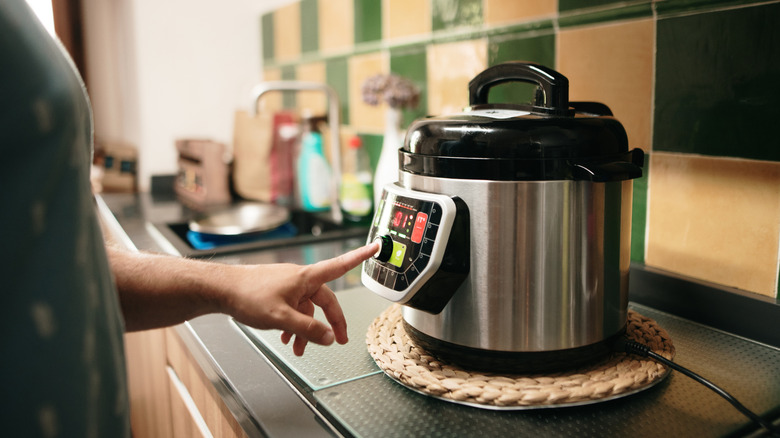
One of the best appliances for summertime meals is your pressure cooker. The small size of the device means that it doesn't generate too much heat, and the whole purpose is to use its high internal pressure to cook more quickly. You can pick up a 6 Quart Stainless Steel Instant Pot for only $80 or so, which will open the door to countless summer appropriate pressure cooker recipes.
Take inspiration from the cuisines of hotter countries
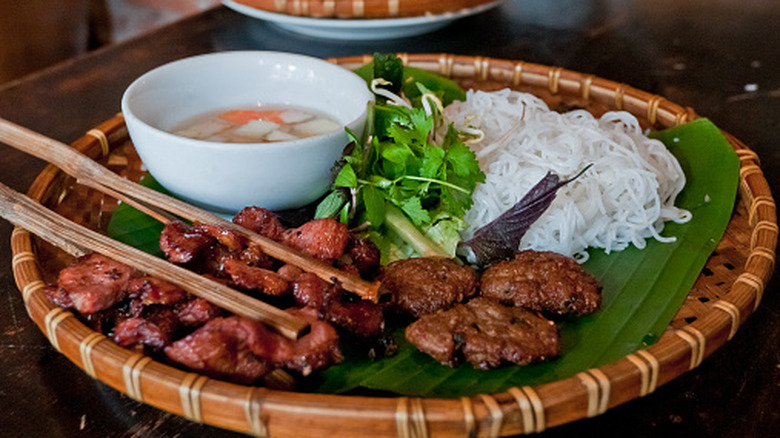
Finally, if you don't have space or budget for any of these new appliances, look for culinary inspiration from cultures in warmer climates. In Southeast Asia, that might mean Vietnamese cold steak and vermicelli noodle bowls with nuoc cham. Elsewhere, it could be a Mediterranean mezze platter loaded with dips, flatbreads, olives, and fresh vegetables. Even the quick-cooking thinly sliced meats and vegetables of many of the best taco recipes will put dinner on the table without much heat.