

15 Vegetarian Foods That Have More Protein Than Beef
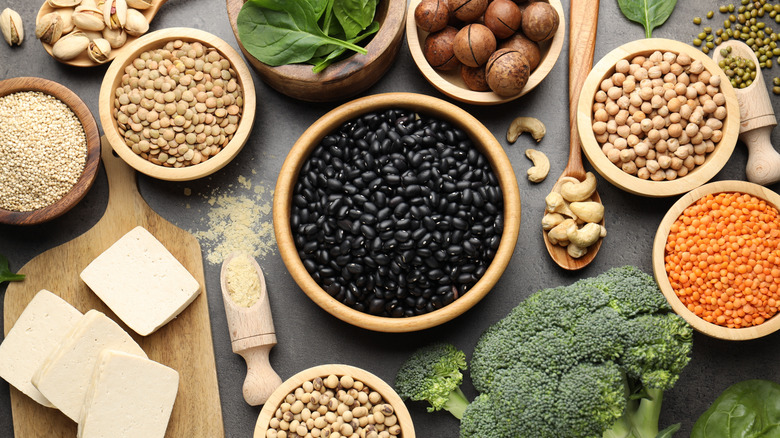
America loves eating meat. Meat consumption in the United States has doubled in the last century, and Americans eat three times more meat than the global average (per John Hopkins). But there's also an increased emphasis on eating healthier. There's strong evidence linking excessive meat consumption to heart disease, obesity, strokes, and diabetes, as well as certain cancers. The rise of the Meatless Monday movement and popularity of plant-based meat alternatives are signs that people are looking to cut down on meat consumption.
However, while plant-based diets are increasingly trendy and restaurant menus have evolved to include more variety for vegetarians, one question keeps popping up: Is it possible to hit your protein goals on a vegetarian diet? The answer is a resounding yes. For this list of 15 vegetarian foods that have more protein than beef, we're considering 80-20 ground beef as a baseline. Whether you're using your ground beef for burgers or Bolognese, you're getting between 17 and 18 grams of protein per 100 grams of meat. With a little bit of meal planning, you'll be easily getting more protein than that while having a wide variety of wholesome meals throughout the day. The amount of protein in each food mentioned here is per 100 grams.
Soybeans (36.5 grams)
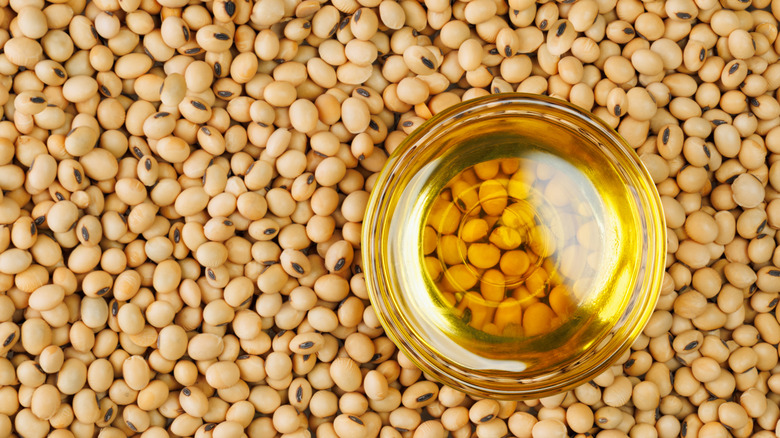
A part of the legume family, soybeans are a nutrient-rich powerhouse that deliver double the amount of protein as beef. They're one of the oldest cultivated crops in the world, with a history going back 5,000 years. They're extremely versatile too. Not only can the dried beans be boiled and added to salads or stews, the young, fresh variety — known as edamame — make for a delicious snack. Soybeans also form the backbone of a whole range of high-protein vegetarian foods, from tofu and tempeh to textured vegetable protein, which is one of 14 high-protein foods to stock for an emergency.
Cheese (24-36 grams)
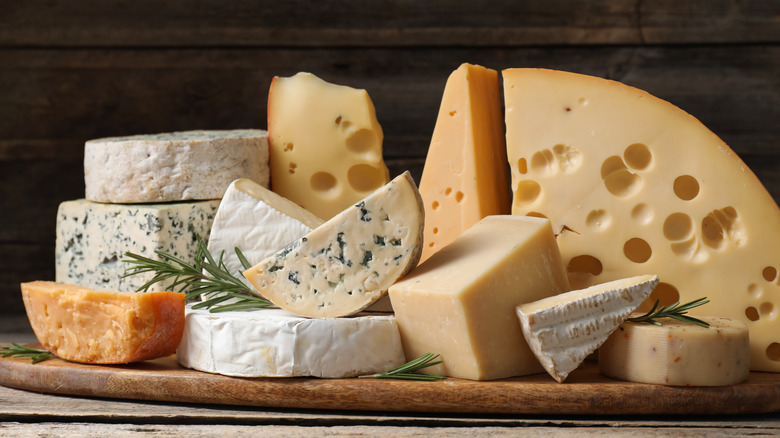
The next time you're grating cheese over your simple, homemade Carbonara, don't hold back — you're only giving your dinner a protein boost. Parmesan delivers a whopping 35.8 grams of protein (per 100 grams), while other cheeses aren't too far behind either. Gruyere (30 grams), Swiss (27 grams), Cheddar (22.9 grams), and Mozzarella (24.3 grams) contain more protein per 100 grams than ground beef. Having said that, cheese also contains high levels of saturated fats and sodium, and dietary guidelines suggest eating no more than three 30 gram servings a day.
Hemp seeds (31.6 grams)
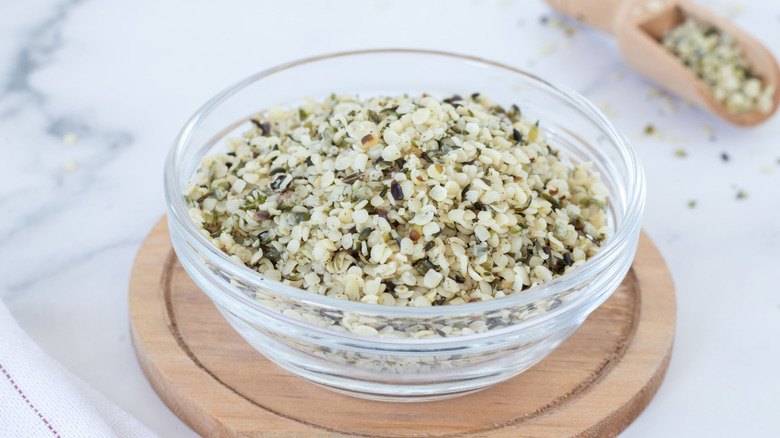
A product of the marijuana plant, the only high hemp seeds deliver are high amounts of protein health benefits. Classified as a superfood, you should consider adding hemp seeds to your diet — apart from 30+ grams of protein per 100 grams, they also contain important Omega-3 and Omega-6 fatty acids, as well as magnesium, which aids better sleep. They can also be incorporated into meals through the day: Add them to breakfast smoothies and muffins, sprinkle them on salads, stir them into curries, or bake them into cookies.
Peanuts (25 grams)
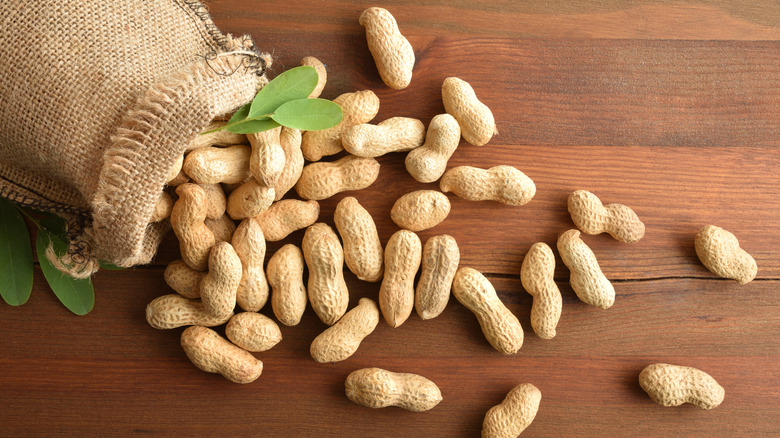
Peanuts aren't just a rich source of protein, they also provide vitamins, minerals, and anti-oxidants that can aid weight loss and prevent heart disease. It's also an extremely versatile kitchen ingredient; roasted peanuts are a perfect snack, they're a fixture in Asian salads, they're the primary ingredient in sauces and condiments, and they add texture and flavor to a variety of desserts. In fact, you can also use peanuts as a crunchy topping that pairs surprisingly well with pasta.
Pumpkin Seeds (30.2 grams)
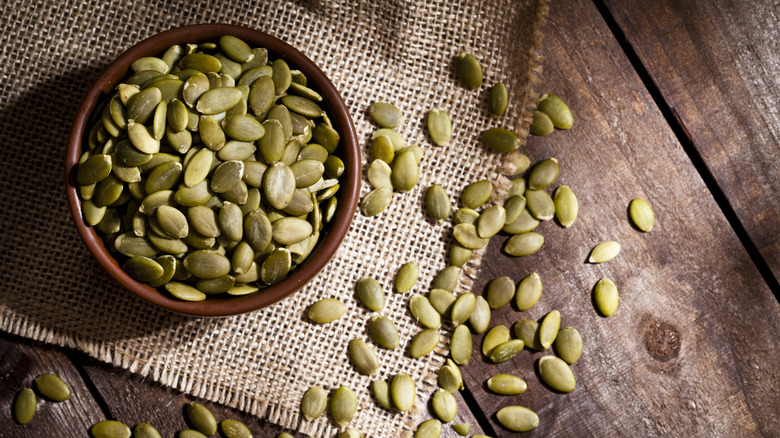
Pumpkin seeds are a true superfood. Apart from delivering 30.2 grams of protein per 100 grams, these seeds also pack in significant amounts of healthy fats, magnesium, and zinc. Consuming pumpkin seeds is said to reduce the risk of certain cancers, aid better sleep, and improve prostate and bladder health. Called pepitas in Spanish, you can eat these seeds raw or roasted, or use them in a whole variety of dishes from homemade granola to creative dips.
Seitan (24.7 grams)
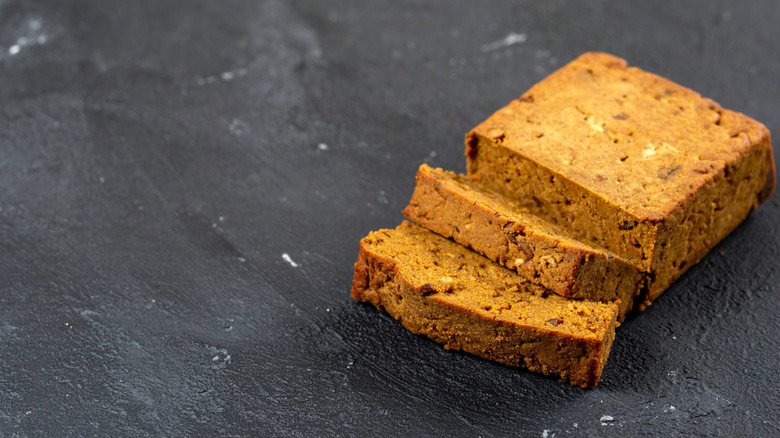
While soy is one of the most popular ingredients for plant-based meat alternatives, seitan isn't far behind. It's made from wheat gluten and has a texture and consistency similar to chicken or portobello mushrooms. It delivers nearly 6-7 grams more protein per 100 grams than ground beef. If you're looking for a versatile alternative to tofu, don't look any further. You can grill it, fry it, or add it to curries and stir-fries. Seitan can seamlessly slip into any dish while giving it a familiar, meaty bite. Skip this if you're allergic to gluten.
Lentils (24.6 grams)
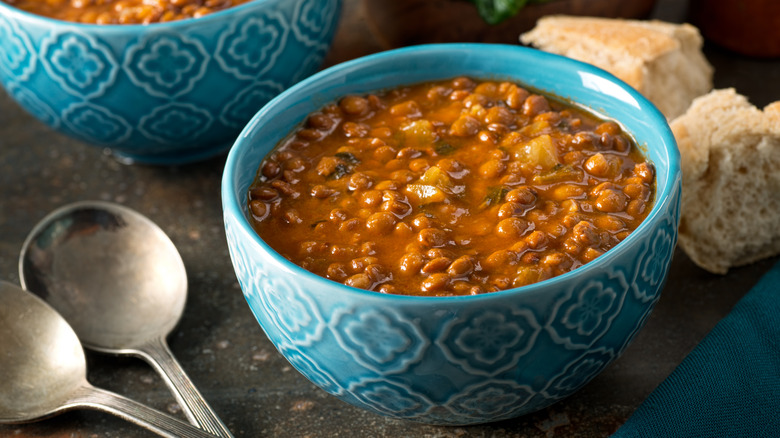
Low in sodium and saturated fat, high in fiber and anti-oxidants, lentils — from red and yellow to green and brown — are a great way to add protein to your diets. While you could add them to soups or mix them into salads, if you're in the mood to experiment you should seek inspiration from different cuisines from around the world. Lentils can be used to make everything from pastas and tacos to Sloppy Joe's. To get you started, here are 17 lentil recipes you'll fall in love with.
Green Peas (23.8 grams)
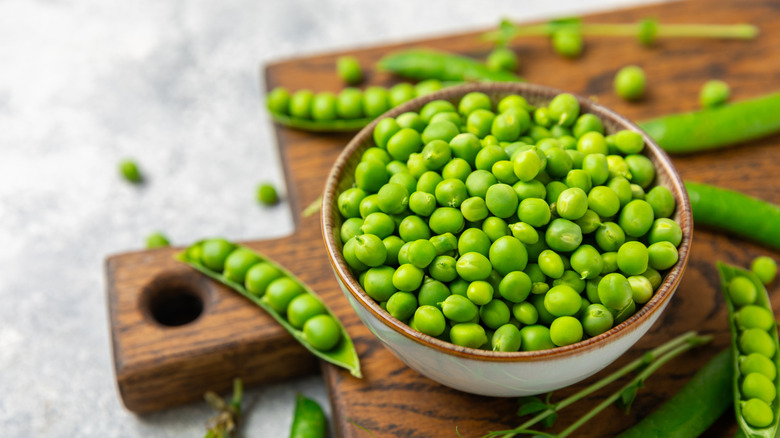
Whether it's the kheema matar from Pakistan or one of the many variations of the Mexican picadillo, ground beef and green peas are a great match. What's surprising is that it's the peas that deliver more protein per gram than the beef. Apart from the protein hit, green peas contain little fat and sodium, and are rich in antioxidants that are good for the eyes. They're also easy to incorporate into meals to hit your protein goals, and can be had as a side, added to stews, blitzed into soups, or turned into a quick and delicious dip.
Beans (21 to 22 grams)
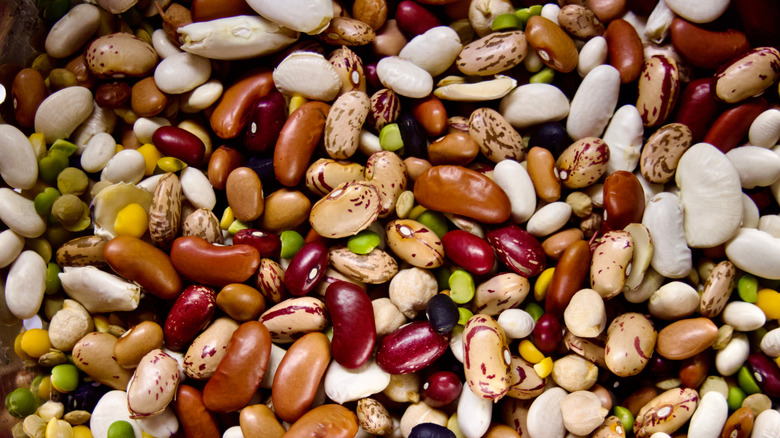
Cheap and nutritious, beans are a powerhouse ingredient that everyone's turning to for nutritious meals. With good reason too. From lima beans and kidney beans to navy beans and black beans, these legumes are unique in that they're high in both proteins and complex carbohydrates. They also contain lower levels of cholesterol and saturated fat than ground beef, which is what makes them such a great addition to a meat-free meal plan. To get you started, here are the five most nutrient-packed beans to add to your diet.
Almonds (21.1 grams)
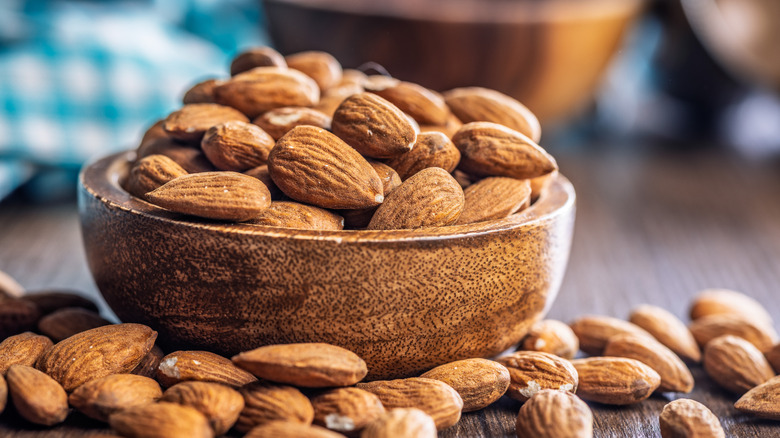
If you're looking to change up your diet because you want to lose weight, consider increasing your almond intake. The fact that almonds are high in protein and fiber means they make you feel full more easily than other foods. This in turn can stop you from overeating. Almonds are extremely easy to incorporate in your meal plans too. You can have them plain or roasted (you can roast your own almonds for game-changing flavor), or use them as the crunchy element in salads. Basically you'll never need to wonder what to do with almonds: That's how easy they are to incorporate in a variety of appetizers, entrees, sides, and desserts.
Peanut Butter (22.2 grams)
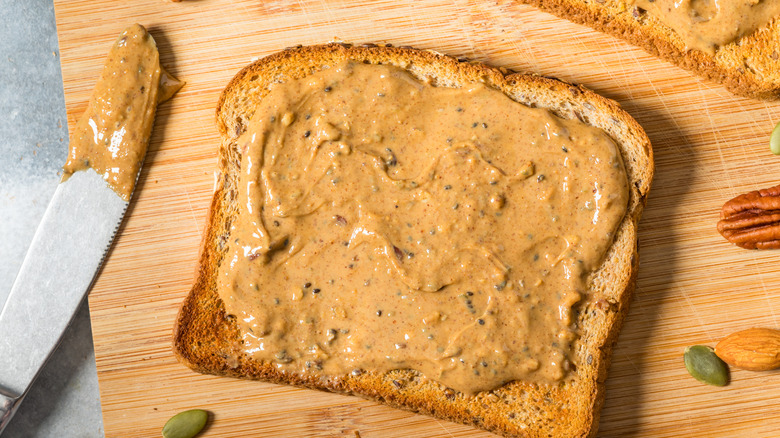
Peanut butter is one of those rare dietary treasures that is both good for you and extremely tasty. Peanut butter has a long history; its origins can be traced back to the Inca Civilization. Their elevated position in modern diets can be attributed to John Harvey Kellogg (the same man who invented the cereal), who ground peanuts into an easily digestible paste for his patients. According to The Smithsonian, he called it "the most delicious nut butter you ever tasted in your life." It's hard to disagree with that assessment. You can use these 12 tips to make awesome homemade peanut butter.
Chickpeas (20.5 grams)
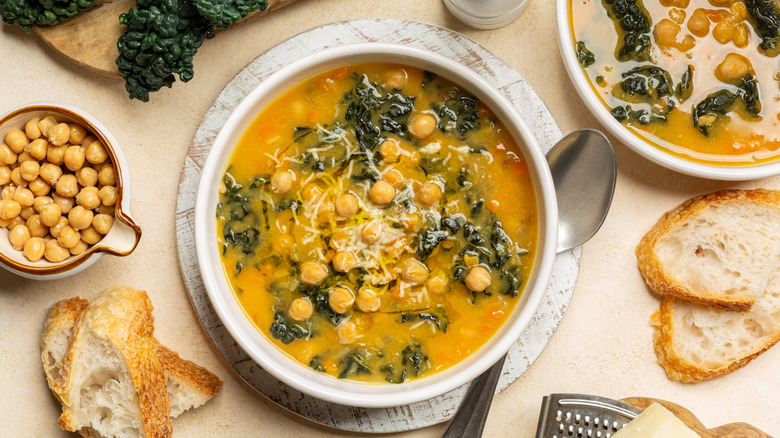
Chickpeas fall into that unique space at the center of a Venn diagram between food that's healthy, food that's tasty, and food that's easy to add to a meal plan. They deliver over 20 grams of protein per 100 grams, and also deliver a healthy dose of calcium, which is great for your bones. Not only are chickpeas versatile in the sense that you can cook many things with them (they can feature prominently in curries, soups, and salads), but the number of experiments you can run with just simple, creamy hummus are limitless. From adding beetroot to roasted red peppers, here are five vibrant takes on classic hummus.
Tempeh (20.3 grams)
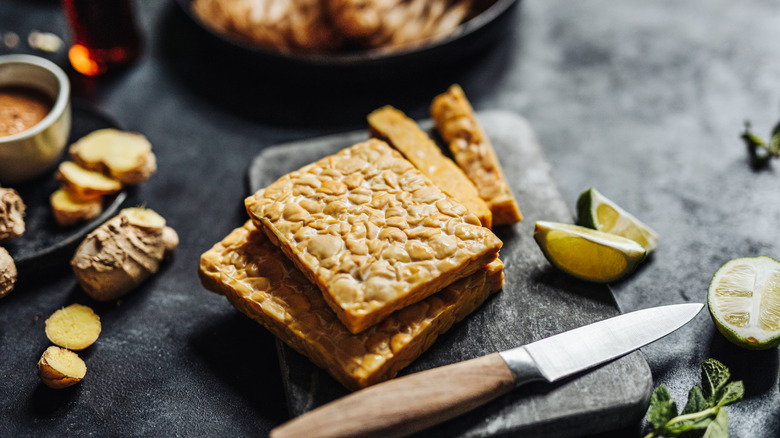
Tempeh is a plant-based meat alternative made from fermented soybeans. Native to Indonesia, it's traveled across the world because of its meat-like consistency. In fact, we'd go so far as to say that Tempeh is the ultimate swap for a flavorful, meat-free cheesesteak. While Tempeh can be baked, grilled, sauteed or fried, steaming it for 10 minutes helps soften the protein. This helps it soak in flavors of the marinades and spices much better. Cooked tempeh can be used to make salads, sandwiches, tacos or even as toppings in fresh grain bowls.
Pistachios (20.2 grams)
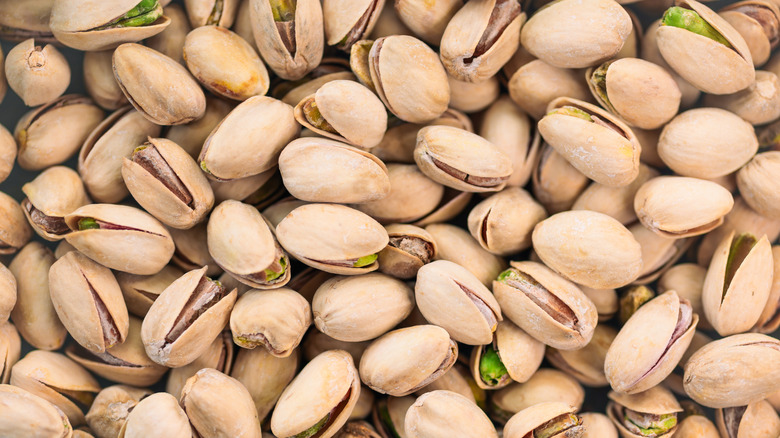
They may not deliver the same amount of proteins as peanuts, but pistachios still pack in more protein per 100 grams than 80-20 ground beef does. Of course, eating 100 grams of pistachios can feel daunting, especially if you're cracking open each shell as you go. Like other nuts, you can use fresh pistachios as the crunchy element for any dish — in fact, their slightly softer bite adds a nice textural variety when paired with almonds or peanuts. To get a full protein hit, consider using coarse-ground pistachios as a crunchy coating for Tofu. Alternately, make a pistachio butter that you can use in a whole variety of dishes.
Cashews (18.2 grams)
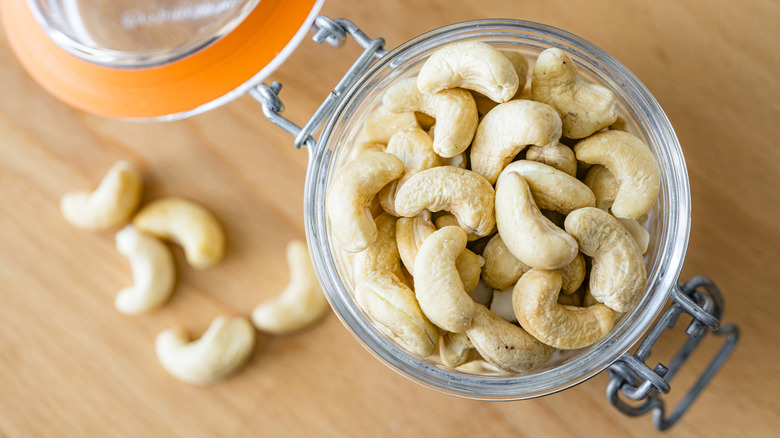
At 18.2 grams of protein per 100 grams, cashews might only contain marginally more protein than ground beef does. But they're so delicious that we'd be doing both you and these nuts a disservice by leaving them off this list. They have a unique, buttery texture which makes it a great snack. It's also an epic gluten-free, dairy-free alternative to cooking cream. The fact that they help prevent premature greying and ageing is a bonus. Here are 14 creative ways to use cashews. Warning: you're likely to get addicted.