

The 5 Most Nutrient-Packed Beans To Add To Your Diet
We may receive a commission on purchases made from links.
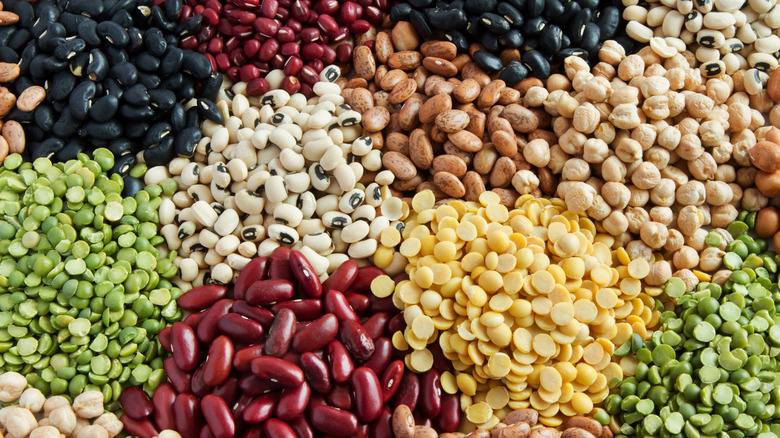
Getting the balance right when it comes to a nutrient-rich diet can seem like a challenging task, but there are plenty of simple ingredients that make up wholesome meals. One overlooked source of protein, fiber, vitamins, and minerals are legumes and beans. In addition to being adaptable to a number of recipes, the variety in types of beans guarantees a myriad of pleasing tastes and textures. Between garbanzo beans, lentils, black beans, kidney beans, and soybeans, you'll find many of the most nutritious and delicious options to incorporate into regular meals.
Both protein and fiber seem to be the main focus of the moment; however, it's worth noting that beans also contain such nutrients as folate, manganese, iron, vitamins K and B among others, all of which add up to a robust and fulfilling addition to your diet. Beans can be used as plant-based proteins in place of meat or in addition to animal protein-based dishes to help stretch these meals further. With soups, stews, chili, salads, and more, there is a lot of room to experiment with your favorite flavors and get creative in the kitchen. Whether you start with canned beans for added convenience or use dried beans that you've rinsed and cooked, these affordable ingredients are a great addition to a diet.
Garbanzo beans
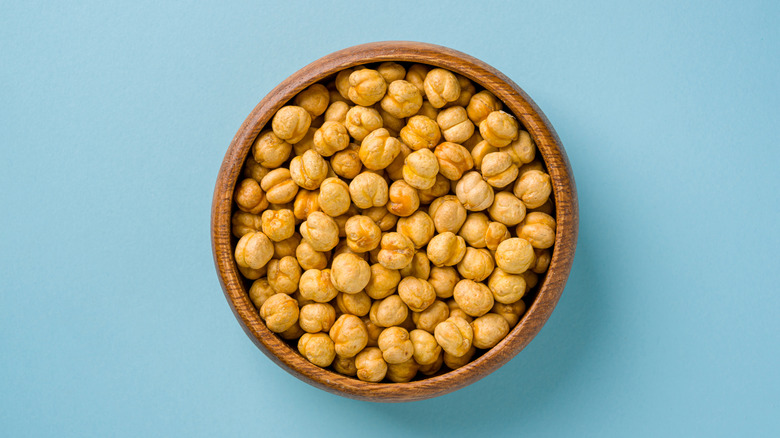
Known colloquially as "chickpeas," garbanzo beans are filled with fiber and protein. Additionally, they are an excellent source of both folate and manganese. Some research suggests that these beans may also be helpful for digestion, blood sugar regulation, and brain health. Rich in nutrients and many other potential benefits, one of the most popular culinary applications for garbanzo beans is hummus.
This condiment is often found in Mediterranean, Middle Eastern, and North African cuisines and has seen a marked increase in popularity all around the world. With many different variations on the classic, you can create a zesty and pleasing dill pickle hummus recipe packed with vitamins, nutrients, and a fair amount of hydrating elements from the pickle juice. Chickpeas are not just for hummus, though.
If you're a fan of falafel, you'll be happy to know that these crunchy patties are traditionally prepared using none other than garbanzo beans. Likewise, Indian chana masala is a flavorful curry made with garbanzo beans. Other clever uses for chickpeas include oven-roasting or air-frying for a crispy and crave-worthy snack. The legumes also make a great addition to soups and stews for an added nutritional boost.
Lentils
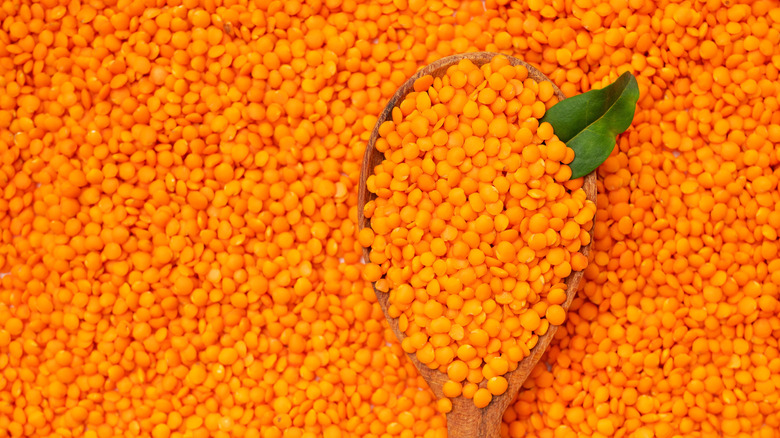
Lentils share a commonality with beans as a fellow member of the legume family. There are a number of different types of lentils, all of which boast a bevy of nutritional benefits. While the three most popular of these "bean relatives" include red, green, and brown lentils, French lentils and black beluga lentils also have a variety of helpful and healthy culinary uses.
These luscious legumes are an accessible food, rich in B vitamins, potassium, zinc, and other important nutrients like protein, fiber, and magnesium. Whether made into an Indian dal (lentil curry), used as a replacement for meat in a bolognese sauce or lentil loaf, or enjoyed in a hearty salad, it's easy to reap the rewards of such nutrient-packed cousins to beans. The differences in taste and texture among each kind mean it's a good idea to consider what kind of lentils you'll need for your intended dish.
For example, red lentils are the best choice to make a gluten-free lentil flatbread that you can use to wrap sandwiches, dip into your favorite beans dips, and much more. Brown and green lentils, the most common of the legumes, cook more quickly than other types and are the standard ingredients for most lentil soup recipes. French and black lentils are thicker and lend themselves to being tossed into salads or cooked and seasoned in a nutritious side dish.
Black beans
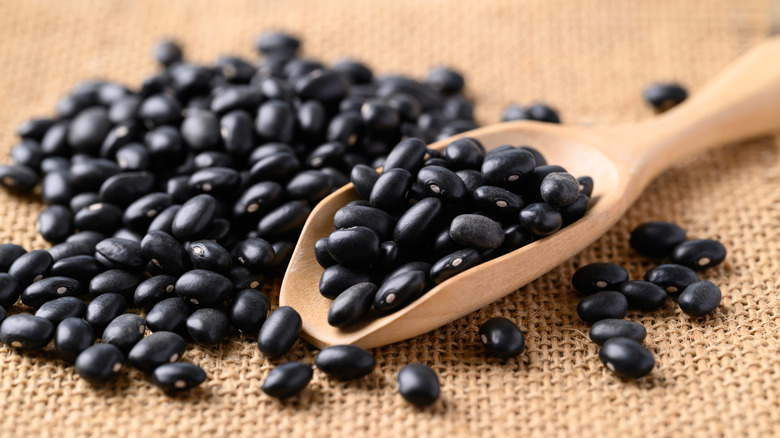
This variety of beans is fairly common among a great deal of different dishes and cuisines. If you've ever dug into a plate of nachos, wolfed down a bowl of chili, or noshed on a vegetarian burger, chances are you've enjoyed black beans many times before. These versatile beans are rich in vitamins A and C, calcium, potassium, and magnesium among others.
With a pleasing texture and canned varieties like 365 by Whole Foods Market, Unsalted Black Beans readily available, there are a lot of amazing possibilities for discovering new recipes to add to your meal rotation. For example, Tasting Table's Cuban black beans recipe is a nutritious and vegetarian-friendly dish you can prepare ahead of time to use as a side dish, combined with rice, or as a main course for fulfilling weeknight dinners. Add in a portion of cooked bacon for a boost of animal protein and use the residual fat to cook the beans for extra flavor.
Black beans also make a fantastic filling in tacos, burritos, sandwiches, and much more. They are a mainstay of bean-heavy chilis, soups, and stews and can also be used as toppings for baked sweet or regular potatoes. Get creative by blending them up with garlic and other seasonings into a chunky and mouthwatering dip to serve with vegetable sticks or your favorite chips or crackers.
Kidney beans
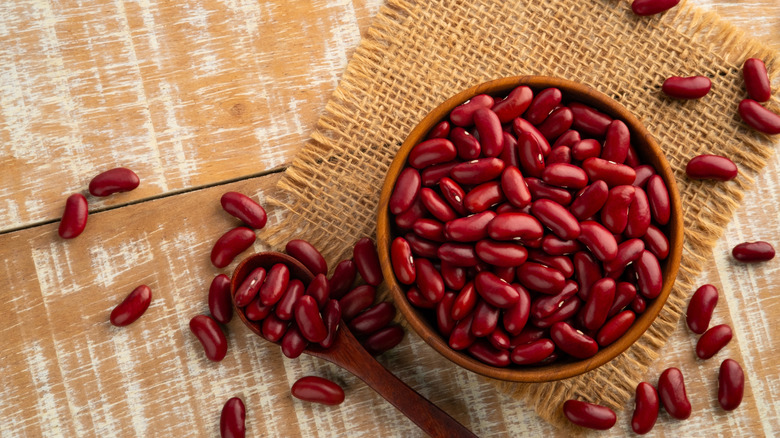
When properly cooked, these red beans –- named for their hue and unique shape –- are an essential addition to plenty of your favorite meals. Kidney beans are rich in a variety of nutrients including iron, fiber, and potassium and are said to provide several potential health benefits. These possible advantages include helping to regulate blood sugar, improving heart health, and the prevention of colon cancer.
Using canned kidney beans such as 365 Everyday Value, Dark Red Kidney Beans is a particularly wise idea as the beans are fully cooked and can be consumed straight out of the can whereas raw, undercooked, or incorrectly cooked kidney beans are toxic. Grabbing your favorite canned brand is simple, quick, and affordable. It also allows the opportunity for experimenting with many old favorites or new-to-you dishes.
These beans are especially great when included in trendy dense bean salads as they certainly fit the bill for density in texture and, of course, nutrients. Mix them up with garbanzo beans, chopped onions and cucumbers, and toss them in a simple olive and vinegar dressing along with your favorite herbs and spices for a delicious Mediterranean-inspired salad. You can also season and roast them in your air fryer for an easy snack or mix them up with andouille sausage and spices for a twist on traditional Louisiana style red beans and rice.
Soybeans
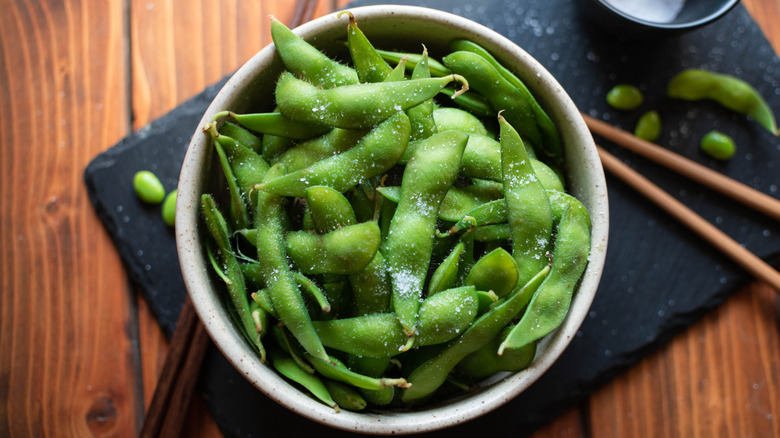
Whether served in their pods as young edamame or shelled and mixed into a rice bowl or salad, soybeans are a wonderful source of nutrition and potential health benefits. These green-colored beans are said to promote bone health, reduce the risk of certain cancers, and help to alleviate symptoms of menopause. Additionally, soybeans are rich in such nutrients as vitamin K, folate, and manganese and are a good source of protein and fiber as well.
A staple of Asian cuisine, there are a number of food products derived from soybeans. Tofu, for example, is created with condensed soymilk, which itself is made from soybeans. On their own, soybeans can be included in many different meals, whether as an addition to chili, braised in a sauce for a sumptuous side dish, or even sprinkled on top of a pizza.
Get creative with your soybeans by putting them in a dense bean salad or crisping them up in the oven or air fryer for a snack. These beans also make a hearty base for a curry dish or blended into a dip either on their own or alongside chickpeas for a fun twist on traditional hummus. No matter how you prepare them, any of these vitamin-packed beans will enrich your meals with wholesomeness and great taste.