

12 Creative Ways To Use Dried Fruit In Your Cooking
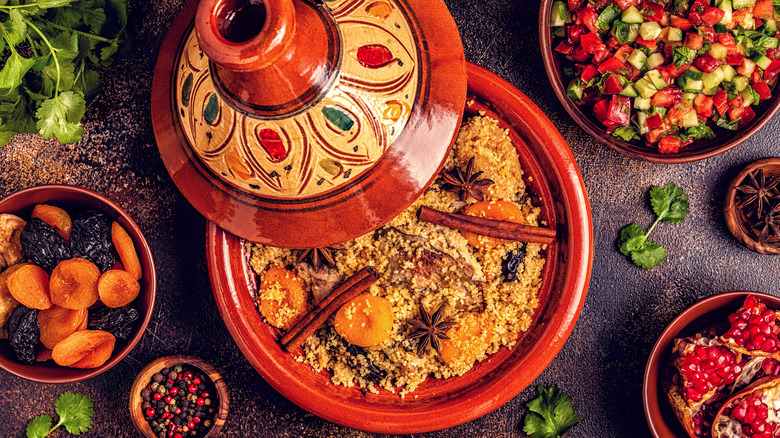
Although dried fruit is often associated with trail mix and oatmeal, it's actually an incredibly versatile food that can pack quite a bit of flavor and nutrients into small chewy bites. It's notorious for being concentrated with sweet and sometimes tangy flavors, a sticky, gummy texture, and often served in snack foods or desserts. The truth is that these little flavor bombs can certainly accompany savory dishes as well, offering balance and variety of texture. They tend to fare well beside gamey meats, strong umami flavors, and refreshing salads, and you can even blend them into sauces and dressings. It's easy to have dried fruit on hand, as it has a long shelf life and is shelf-stable. It's time it had more reach in your kitchen, so let's discuss some creative ways to use dried fruit in your cooking.
As a recipe designer and chef, my goal is to create recipes that are accessible and unique. Ingredients you can actually get your hands on are essential, but that doesn't mean you have to use them in a typical way. If you've never considered blending dried tart cherries into a sweet and tangy duck sauce to counter the strong umami, or tossing them into a spiced and herbed savory rice dish, then it's time you added a little sweetness into your life. These small bursts of sweet, fruity flavor can create intrigue, layers of flavor, and excite the palate. You can soak them, blend them, chop them, or just add them whole — the options are endless.
1. Pair prunes with roasted poultry
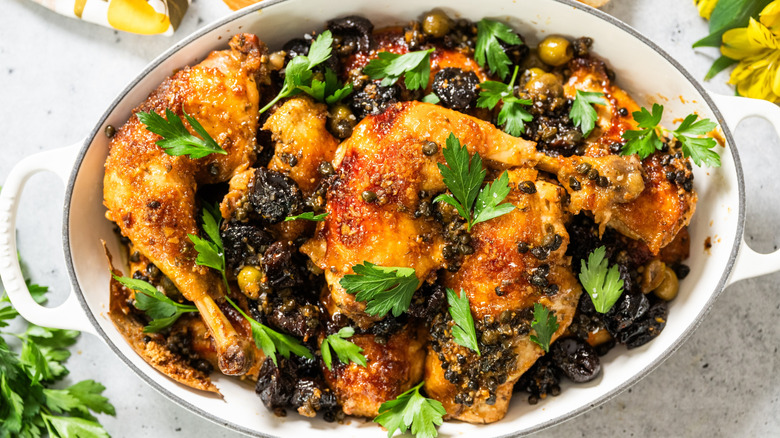
Roasted poultry, especially gamey birds, can carry rich and meaty flavors. The undertones are often mellow, juicy, savory, and salty. To create balance, folks will often use herbs, spices, and sauces to round out the flavor of the dish. In some cases, dried fruit can do just that. I especially like to consider pairing prunes with gamey poultry, because of the honey-like sweetness, along with an earthy and ever-so-slightly tart kick. So, why not use plumbs? Although prunes are dehydrated plums, their texture and flavor are different. The best part about cooking with dried fruit, especially in an oven-roasted dish filled with juicy meats and broths, is that it will absorb all of those flavorful liquids. The prunes will plump up with all of those salty, umami, brothy flavors of the surrounding ingredients.
Classically, prunes pair with chicken in the fruity vintage dish that Ina Garten can't resist: Chicken Marbella. Coupled with olives, white wine, red wine vinegar, and brown sugar, the chicken and prunes soar. You can also find prunes in Moroccan tagines, and sometimes in poultry stuffing. If you're new to the prune game, your best bet is to add them whole around the base of the cooking poultry. This will allow them to plump up with liquid in the oven and flavor the meat itself. When in doubt, find a tried and true recipe to follow.
2. Mix in raisins or dried cherries to chicken salad
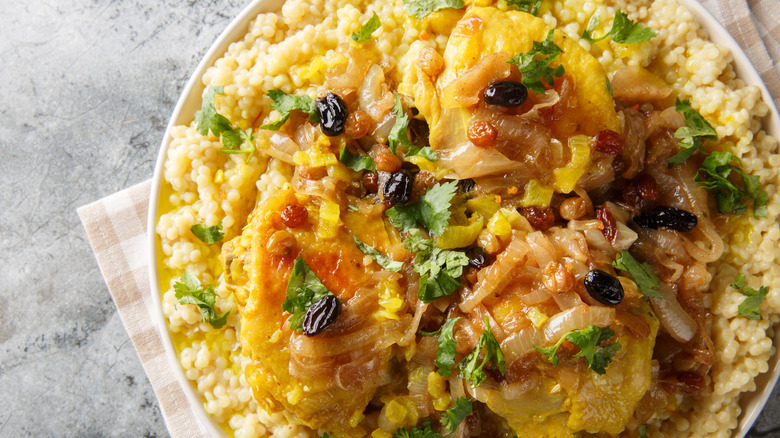
Chicken salad is one of those foods that just about everyone has their own special recipe for. Sometimes the secret ingredient is an herb like tarragon or basil, perhaps you grew up on chicken salad with halved grapes, walnuts, or even curry powder. Even if you already have your own flair, consider including raisins in your chicken salad. These little chewy pockets of tangy and sweet flavor help to balance the savoriness of the mayonnaise and chicken. They break up the mouthfeel and create diversity of flavor. It's a classic way to use raisins in your cooking that's easy to overlook.
Alternatively, consider using the secret ingredient to boost chicken salad: dried cherries. Dried cherries are tarter, larger, and tangier than raisins. Cherries pair well with poultry and could be used for a turkey salad as well. The biggest mistake you can make when adding dried fruit to chicken salad is using too large a quantity. Too many dried fruits will make the entire dish taste sweet. Instead, they should be used to subtly enhance the dish, not dominate it. If you opt for dried cherries, use dark cherries and reduce the amount you'd use in comparison to raisins. You can also use raisins or dried cherries in your vegan chickpea salad or curried chickpea salad.
3. Blend dates into your dressing
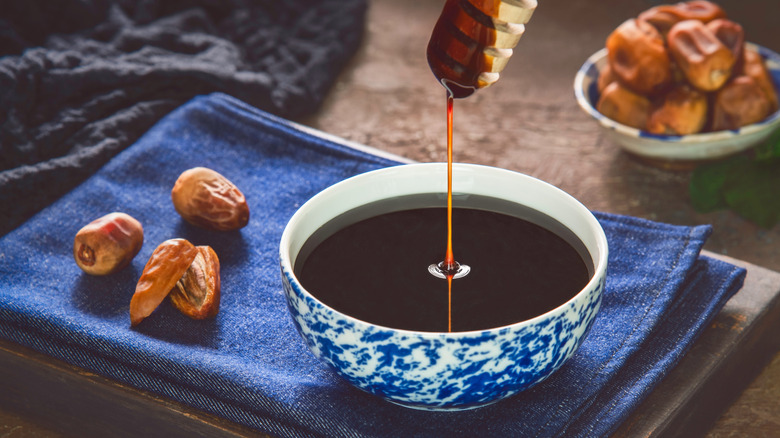
Date syrup should be your go-to sweetener, and here's why: dates are loaded with fiber. Did you know that fiber helps us process sugar? It regulates how quickly it is released into our bloodstream, which prevents crashes and spikes. Well, just 1 cup of dates contains around 12 grams of fiber. So, when selecting an alternative sweetener for cooking, date syrup should be at the top of your list. In addition, it's ultra sweet with a brown sugar or molasses-like undertone. It's much more flavorful than table sugar, and a wonderful, thick, sticky option for salad dressings.
To make your own date syrup, soak dates in water until they are soft (use hot water to speed up the process), pit them, and then dump the dates with some of the soaking water into a high-speed blender. Blend on high for a little longer than you think is necessary. Once it's completely smooth, you've got your sweetener for salad dressing. Sometimes, a little texture is nice. You can opt to stop blending your dates and leave the syrup a little chunky. This works well in robust salads with dark leafy greens, roasted nuts, and meats. Pair with ultra-rich extra virgin olive oil, Dijon mustard, balsamic vinegar, shallots, and all of your other go-to salad dressing ingredients.
4. Sprinkle chopped apricots into a salad
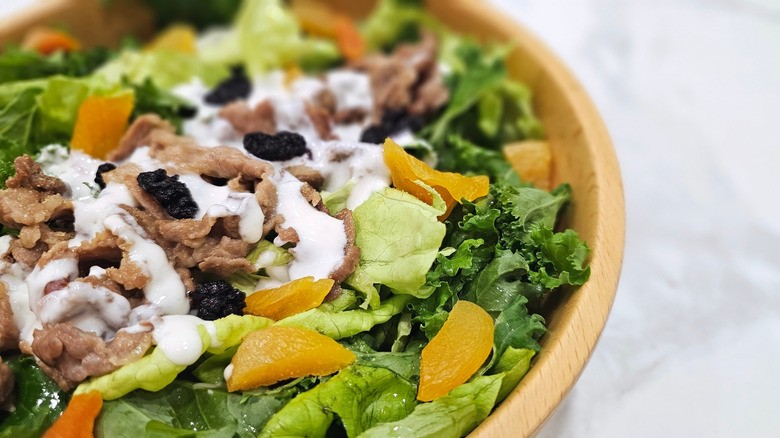
When we talk about salad, it's hard to narrow in on a specific flavor profile or category. Salads can be anything from a bowl of chopped fruit to minced chicken mixed with mayo. That being said, when adding dried fruit to a salad, it's important to be consistent with the flavor profile. Luckily, many fruits pair well with a broad range of salads, but one of my absolute favorite dried fruits to add to salad is apricots. Dried apricots have a dense, chewy texture and an intense honey sweetness. Instead of ultra sugary, the sweetness reads more earthy and fruity.
Because dried apricots are typically sold whole, I recommend dicing them before sprinkling them onto your salad. Not only are they tasty and add texture, but those bright orange squares are very aesthetically pleasing. Although many dried fruits can certainly adorn salads, apricots tend to do well in salads across seasons and with varying themes. They can hold up in a heavy steak salad as well as a light and crisp citrus salad. Soften dried fruit before adding it to your salad, so that overly-hard pieces don't disrupt the dish.
5. Soak and blend dried dark cherries for a tangy duck sauce
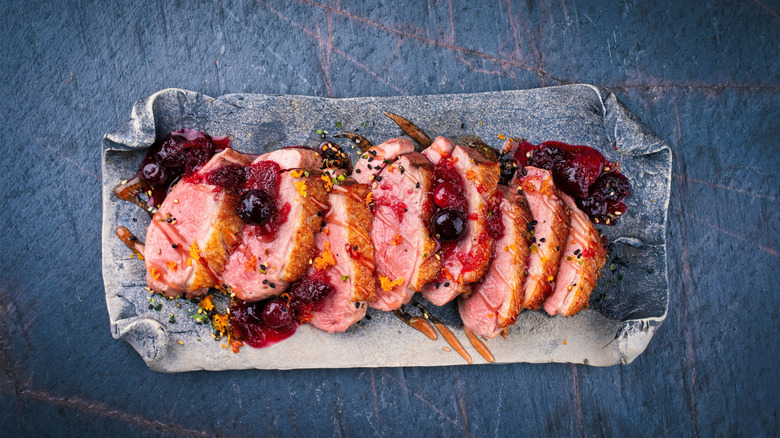
Duck is a bold and flavorful bird, with a fattier, richer, gamier flavor than chicken. It's incredibly savory, which means that it can pair well with a subtly sweet, stronger sauce without overpowering the natural flavors of the poultry. Cherry sauce, or duck cooked with cherries, is a classic combination, but I believe that dried cherries make for a bolder, tarter, richer experience.
While you could certainly use dark tart cherries and cook them down into a sauce, it's quite a long process. Use already dried cherries and soak them in warm water, broth, orange juice, or other liquid to soften them before tossing the lot in the blender with all your other ingredients. The key is to find a balance between sweet, tart, and savory to complement the duck. Avoid using sweetened dried cherries, and if you choose to add a sweetener, try maple syrup or brown sugar for a little extra depth and flavor.
6. Include dried fruit when pickling vegetables
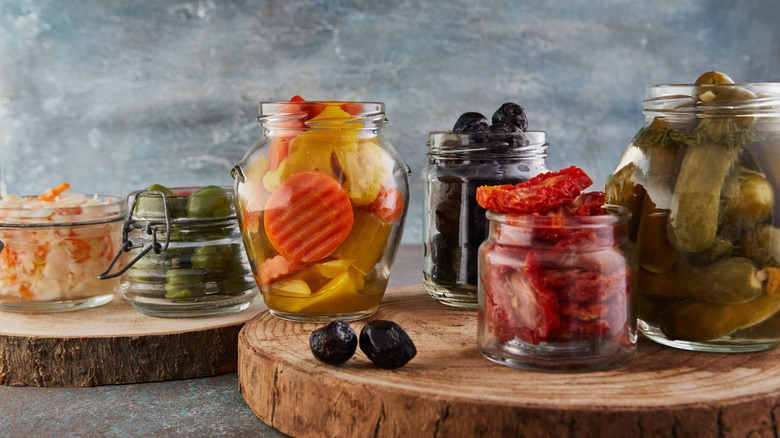
If you pickle your own meats, vegetables, or fruits at home, then this one suggestion is for you. When pickling, there are three major components: the food you are pickling, the vinegar-based liquid, and the flavoring spices and aromatics. Classically, you'll find dill, garlic cloves, mustard seeds, and other whole spices in a jar of homemade pickles. If your goal is to pickle a vegetable, and you'd appreciate a fruity note with a subtle sweetness, then drop in some dried fruit.
Dried fruit will plump up, absorbing the vinegar-based liquid. They will become little pockets of flavor, but also seep into the surrounding vegetable that you're pickling. Consider the dried fruit carefully before adding it to be certain it will play nicely with all the other flavors in the jar. Be aware that a dried cherries or blueberries might alter the color of the pickling juice, or even dye the cucumber or vegetable you're picking. Consider pickling figs with your beets, raisins with your spicy cucumbers, or apricots with your pickled carrot sticks. Look online for flavor combinations if you're not feeling confident enough to matchmake on your own. Start subtly with just a few pieces of dried fruit per jar until you fully understand its impact. I especially enjoy pickling dried fruit with my spicy pickled vegetables to create duality and complexity.
7. Add chopped figs to your roast lamb dish
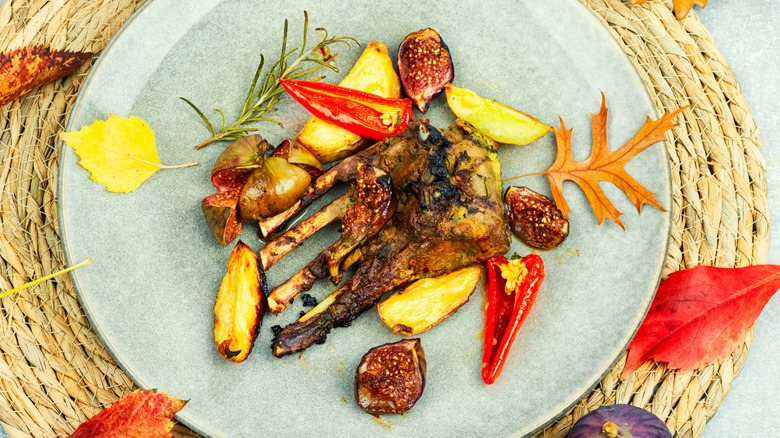
Roast lamb is gamey, bold, tender, and distinct. Growing up, it was my absolute favorite meat. I often paired it with bold flavors, a classic combo being garlic, Dijon, and olive oil. I was never a huge fan of mint jelly or other ultra-sweet sauces, but adding some dried fruit to the mix keeps the flavors balanced without the end product reading as sweet. In particular, chopped figs have a mellow sweetness, lack bold tart flavors, and provide an intriguing crunchy texture. When soaked, figs balloon up.
In the Mediterranean and North Africa, lamb is often served with dried fruits, including figs. This creates balance with the gamey notes and highlights the natural sweetness of the caramelized meat, depending on your cooking methods. If you're roasting lamb in the oven, you can surround the cut with dried figs so the flavors can play off of each other. If you're grilling your lamb, use chopped figs in the marinade before you grill, or the sauce you douse on afterward. Be sure to include heavy aromatics, herbs, salt, and of course, garlic.
8. Soaked raisins in rum in red meat dishes
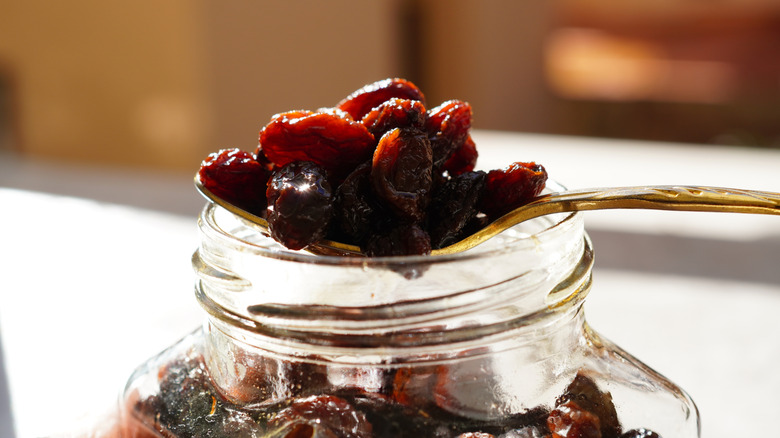
Cooking dried fruit alongside meat encourages the flavors to fuse. The fruit absorbs the melted fats and juices, while the fruit subtly seeps into the meat. However, there is another way to deliver flavor to meat via dried fruit. Pre-soaking your dried fruit in a flavored liquid like bourbon or rum is a bold way to create excitement in a meat dish.
Now, you don't want to use this method with any old meat. Be sure you're working with a robust, flavorful meat that can handle being surrounded by such strong supporting actors. Soak raisins in rum overnight in the refrigerator, or even for a few hours if you didn't plan ahead. Use these plumped-up raisins stuffed in or surrounding your roast, and be sure to use other warming spices to round out the vision. Don't over-raisin, as their flavor, especially after being soaked in rum, is bold. Be sure the raisins are added before the meat cooks, so the alcohol can begin to cook off, and their flavor has a chance to meld with the meat.
9. Blend dried fruit to add to marinades and barbecue sauce

If you're sick of store-bought marinades, or you want to give them a boost, I always suggest using a little unsweetened fruit juice in the mix. It delivers a more flavorful sweetness than sugar alone, and the fruity notes in combination with the savory undertones are unforgettable. Go one step further and use dried fruit in your marinades instead. The dried fruit had a more concentrated flavor that tasted less sweet. So, if you're more of a smoky sauce-leaning barbecuer, go ahead and grab a bag of dried fruit.
All grill masters know that marinades get better the longer they sit, and that they greatly benefit from hanging out with the meat or vegetables for a significant amount of time before everyone hits the grill. This means you can add these dried fruits early and let them do the rest of the work through infusion. For larger fruits, consider blending the marinade or barbecue sauce slightly to break up the large pieces. Tart cherries, prunes, and raisins are some of my favorite additions, but feel free to add apricot, dried blueberries, or even dried currants to your next marinade or barbecue sauce.
10. Include golden raisins in your chunky dips
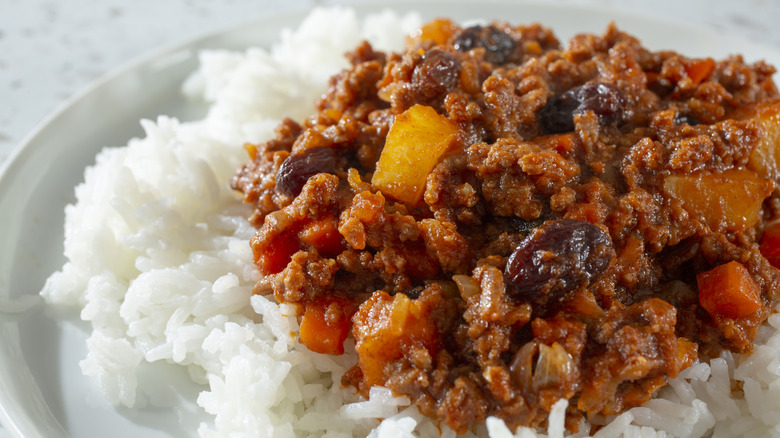
When Super Bowl Sunday or Independence Day are around the corner, there is something we can always rely on, and that's savory dips and spreads. These are usually loaded with salt, fat, and a creamy mouthfeel, often based in some form of dairy. Unless you see a bowl of jalapeño mango salsa sitting around, there's likely not a lot of fruit in sight. So, if you want to add a little diversity, consider a dip with a kick of dried fruit. I find that golden raisins make for the perfect addition in many chunky vegetable or meat-based dips, especially those without a dairy base.
Golden raisins are a bit tangier, plumper, and less earthy than black raisins, which are processed differently. This makes them perfect candidates for pairings in dishes like Cuban picadillo, nut-based dips, and pesto. I find golden raisins to pair well in salty dips with ingredients like olives and pickled vegetables. Even a herby goat cheese spread would benefit from whole or minced golden raisins to offer balance and a rounded mouthfeel. Use in moderation, and if the dip contains liquid, then be sure to let it sit in the refrigerator overnight before serving to give the raisins a chance to drink it up.
11. Mix chopped dried fruit into couscous or seasoned rice

There is a time and a place for plain rice, and even then, it is often seasoned with a little salt, oil, or vinegar. This rice is usually used to absorb a curry or sauce of some kind. However, if you're serving rice or any other grain as a side dish, then it's even more important that it's bursting with flavor. Grains are famously mellow and act as a vehicle for flavor. Spices are a must, minced fresh herbs are a great option, toasted nuts add texture, and chopped dried fruit will bring your side to a whole new level. Choose a theme and stick with it, making sure that all of your ingredients work well together.
I like to use dried currants, raisins, golden raisins, or chopped apricots in seasoned rice dishes. They pair nicely with hearty grains like quinoa, couscous, barley, farro, bulgar, and wild rice. White rice can be a bit more difficult to pair with intense flavors and textures like dried fruits, unless it's heavily seasoned. Try a Moroccan couscous with diced dried apricots and plenty of fresh herbs. Or, a wild rice dish with walnuts and dried cranberries over the holidays. Whichever direction you take, go light on the dried fruit so as not to overwhelm the grain.
12. Chop up some apricots for ceviche

Although ceviche is an ancient Peruvian food with thousands of years of history, its parameters are flexible, and you can certainly splash in a little culinary creativity when developing your interpretation. The important part is that the raw fish is "cooked" by the acid it marinates in. But there are even folks who make vegan ceviche, so really, the acidic base is the most important aspect. Ingredients typically consist of raw seafood, lime juice, onion, cilantro, and chilis. Folks add other fresh fruits and vegetables, but my favorite addition is chopped dried apricots. The dried apricots offer a new texture, which is chewier than the seafood, but brings out the natural sweetness in the surrounding ingredients.
Use a small amount of chopped dried apricot in your fresh ceviche, just enough so that every few bites you get a small piece on your fork. It's easy to overpower the fish even though it's flavored with tangy citrus goodness, so just a hint of fruit should do the trick. Because the dish cures for 10 or more minutes, this allows the fruit to mingle with the citrus and penetrate into the fish and vegetables enough to make its presence known. I recommend using apricot with a ceviche that includes fresh cilantro, cucumber, or other grassy fresh ingredients.