

17 Of The Most Popular Brands Owned By Nestlé
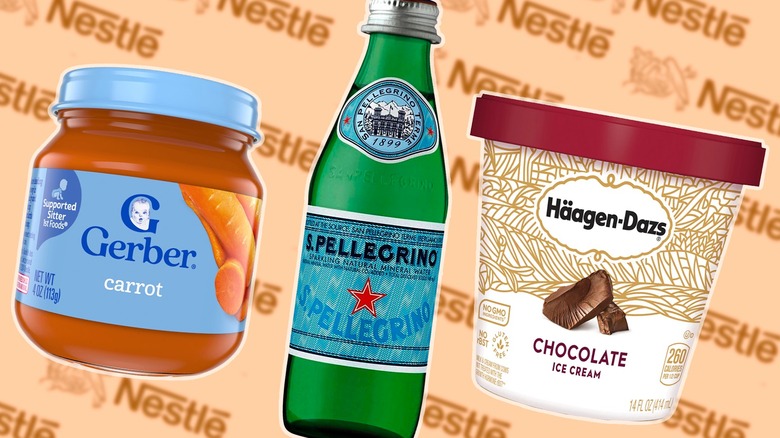
Chocolate candies might initially come to mind when you hear the famous Nestlé name. And while it does own some well-known confections like KitKat and Toll House, you might be surprised to learn that it also owns over 2,000 brands ranging from beverages and infant food to pet food, soups, seasonings, cereals, ice creams, and even frozen and chilled foods. The Nestlé conglomerate defines itself with the logo and tagline "Good Food, Good Life."
The company was initially created by Henri Nestlé in 1867 and merged with the Anglo-Swiss Condensed Milk Company in 1905 to form the Nestlé Group we know today. This Swiss-based empire is the world's largest food and beverage company, employing more than 300,000 people. Nestlé has had a competitive edge in the industry because of its vast array of products and overall scale. Here are some of the most popular brands this high-powered group owns.
Purina
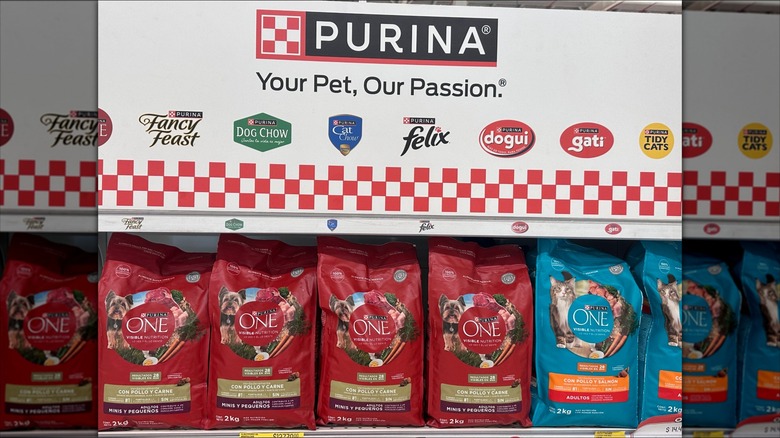
Nestlé acquired Ralston Purina in December 2001, helping the pet food company expand product availability to customers worldwide. The livestock feed company was originally founded over 90 years ago by William H. Danforth, who partnered with George Robinson and William Andrews. In 1902, the Robinson-Danforth Company was renamed Ralston Purina. Purina's slogan is "Your pet, our passion."
Over the years, the company developed nutrition-forward pet food for dogs and cats, while focusing on quality control. It also has funded research, including a 14-year study that examined the effects of diet restriction on lifespans in dogs.
Since the Nestlé acquisition, Purina has expanded its manufacturing facilities significantly and continues to deliver science-based nutrition through research. In April 2024, Nestlé Purina announced a $195 million expansion at its Wisconsin facility, which is expected to increase wet pet food production by 50%. Some well-known Nestlé Purina pet food products are Purina Dog Chow, Purina Pro Plan, Purina Beneful, Purina Beyond, and Purina ONE.
Gerber
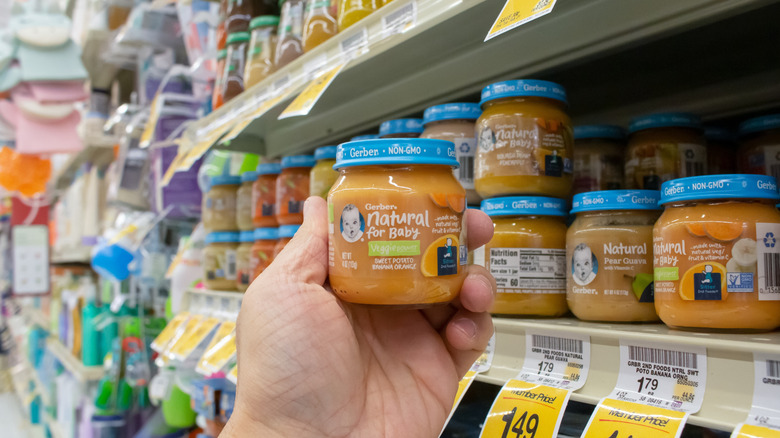
When Nestlé acquired Gerber, a U.S.-based company, in September 2007, it was a significant milestone for the conglomerate because it pushed the company into becoming a global leader in nutritional, health, and wellness products. Since the acquisition, Nestlé has renovated the Gerber brand by conducting advanced nutrition research, improving its packaging and logo, and enhancing its business strategy.
Dorothy Gerber initially founded the iconic Gerber baby food brand in 1927. She wanted to make healthy food for babies while also making things simpler for parents — a mission the brand has continued under the Nestlé umbrella. Some well-known Gerber products sold today include a variety of baby cereals, purees, toddler pouch purees, crunchy snacks, Yogurt Melts, puffs, and packaged meals that include pasta, chicken, meat, and veggies.
Cheerios
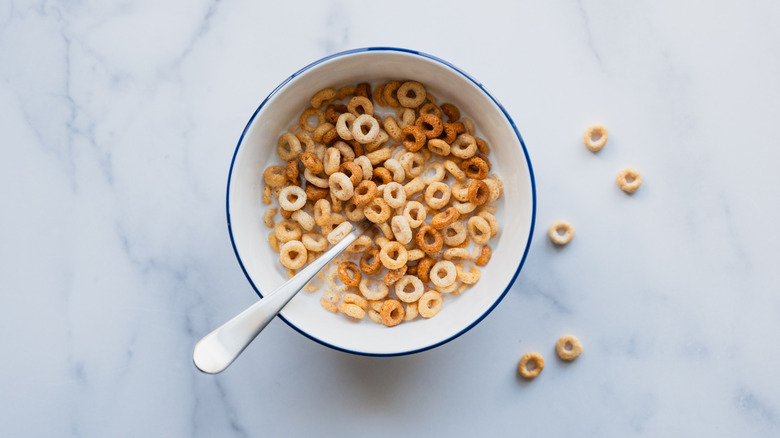
While Cheerios is listed on the Nestlé website as one of the most prominent cereal brands it owns, General Mills is also part of the deal. In 1989, the two companies teamed up to form a joint venture, giving each of them equal shares of Cheerios. The idea behind the business partnership was to combine General Mills' expertise in the cereal business with Nestlé which was at the time the world's largest food company. CPW, Cereal Partners Worldwide, was officially formed between the two companies in 1990. Its mission is to ensure its products are convenient, tasty, and nutritious.
General Mills invented Cheerios cereal in 1941. The Nestlé-General Mills partnership helped make the cereal a global staple. Nestlé's strong international presence and distribution capacity contributed to the crunchy O's becoming a popular brand overseas. Today, the cereal comes in upwards of 15 varieties, including limited-edition flavors like frosted lemon and pumpkin spice.
San Pellegrino
San Pellegrino, a prominent Italian sparkling mineral water brand known for enhancing food pairings with its bright and fizzy taste, was acquired by Nestlé Waters in 1999. The partnership was part of Nestlé's strategy to expand its bottled water business and become the bottled water market leader in Italy.
Since the acquisition, Nestlé has expanded San Pellegrino's product line with zero-sugar-added, flavored, and caffeinated beverages and updated its cans with a sleeker design. Once again, Nestlé brought significant global marketing and distribution strategies, including a long-term celebrity endorsement by Stanley Tucci. In 2024, Nestlé announced plans to spin off its San Pellegrino and Perrier brands as a separate business starting in early 2025.
KitKat
Would October 31 even feel and taste like October 31 if a few KitKats weren't thrown into the Halloween candy bowl? British confectionery company Rowntree's invented this nostalgic chocolate in the United Kingdom in the 1930s. The creamy chocolate and crispy wafers are easy to break apart and enjoy on-the-go. The catchy slogan, "Have a break, have a KitKat," was first created in the 1950s and further developed in the 1980s into the well-known tune "Gimme a break, Gimme a break, Break me off a piece of that KitKat bar!"
The chocolate candy's big break came in 1988 when Nestlé acquired Rowntree's KitKat. It's important to note that Nestlé owns the global KitKat brand, but Hershey's, due to a previous agreement with Rowntree's, owns the United States manufacturing and distribution license. Under Nestlé, KitKat has grown significantly thanks to the conglomerate's distribution and marketing power. Nestlé also expanded KitKat's global appeal by inventing new flavors that catered to palates across the world. There are more than 300 unique flavors, with many catering to the Japanese candy market. Some of those varieties include sushi KitKats, matcha KitKats, and even boozy KitKats infused with sake.
Nescafé
Nestlé developed Nescafé, a popular instant coffee brand, in the 1930s. When the price of coffee began declining due to the Wall Street crash in 1929, Brazil approached Nestlé to create a quick solution to tackle a surplus of coffee beans, mitigate waste, and preserve the harvests. By 1940, Nescafé was being sold in more than 30 countries.
Over the years, Nescafé has developed a variety of instant coffees, powdered espresso concentrates, and specialty drink formulas, including for iced coffees, cappuccinos, and lattes. In 2022, Nestlé established Nescafé 2030. It aims to tackle climate change and help farmers transition to regenerative agriculture. By 2030, the Nescafé brand plans to decrease greenhouse gas emissions by 50% and source half of its coffee through regenerative agricultural methods.
Nespresso
In 1986, the Nestlé group founded the Nespresso brand. In that first year, it launched two machines resembling mini espresso makers, as well as four coffee pods. The Nespresso machines were designed to make high-quality espresso and coffee beverages. Nespresso revolutionized how millions of people drink premium coffee at home.
Since then, Nespresso has expanded into a global powerhouse sold in over 80 countries and offers a range of machines and pods. While its commercials, starring actor George Clooney, have certainly earned it some points, Mélanie Brinbaum, Nespresso's chief brand officer, credits the brand's ability to develop trust with its customers at every part of the supply chain as key to its success.
Maggi
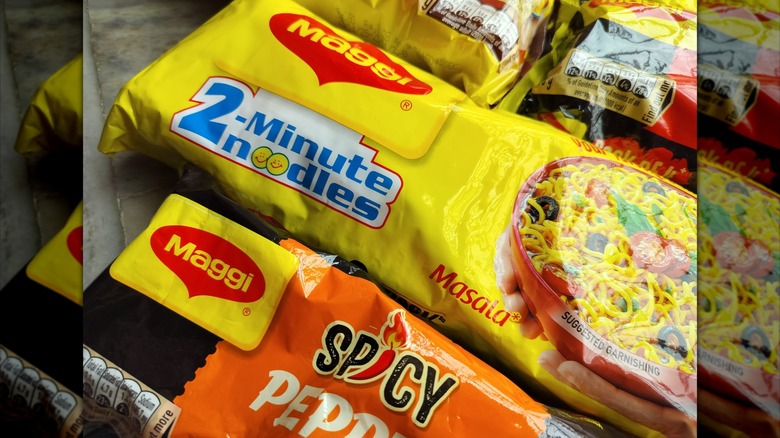
For over 130 years, Maggi has offered simple products to enhance the flavor of almost any dish. The iconic international brand carries a variety of seasonings, instant soups, and noodles. In 1884, Julius Maggi had an idea that would help busy families create simple and delicious food at home. After much research, he created the brand's powdered pea soup, bouillon cubes, and its well-known liquid seasoning sauce, which many customers still use today.
In 1947, Nestlé acquired Maggi so it could help expand the brand globally while also making higher-quality, more affordable products. More iconic Maggi goods include its two-minute noodles — a popular snack for kids and adults in India — and Nutri-licious noodles. In 2020, Nestlé set Maggi Marketplace, a line of products made with natural ingredients, in motion.
Toll House
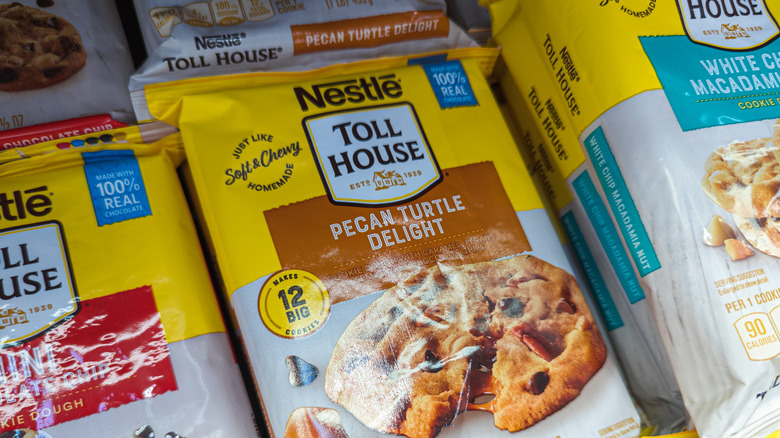
The story behind the Toll House brand has been called a "lucky accident" for Ruth Wakefield, who owned and operated the successful Toll House Inn in Massachusetts. In 1939, Wakefield was making some cookies when she decided to break up pieces of a Nestlé semi-sweet chocolate bar and add it to the mix. She assumed the chocolate bites would melt while baking, but Wakefield's Toll House Crunch Cookie was born once she realized the bits kept their shape and smooth quality. The recipe was printed in a Boston newspaper, its popularity grew, and soon, Nestlé was knocking on her door.
Nestlé made a deal with Wakefield that permitted the company to use the Toll House name and print the cookie recipe on the packaging of its chocolate chips. In exchange, Wakefield was paid a lifetime supply of Nestlé chocolate. Before long, Nestlé began manufacturing the famous Toll House chocolate chip cookie mix. Since then, several Toll House cookie dough varieties have been created.
Milo
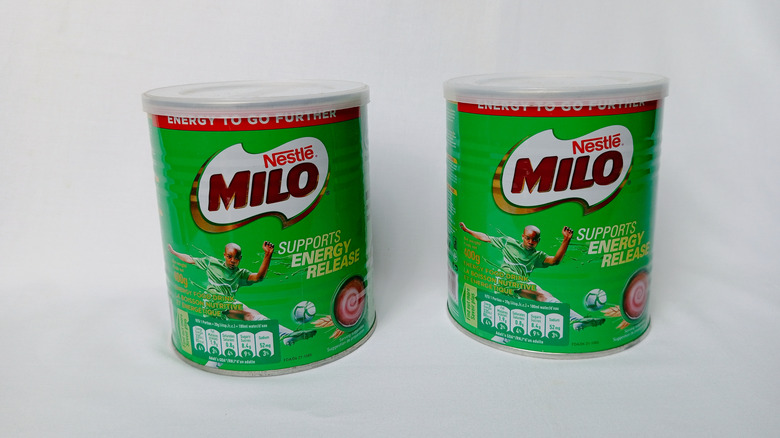
Thomas Mayne invented the tasty Milo chocolate malt beverage in the 1930s in Australia to help malnourished Aussie kids. He wanted to create a drink that was easy to sip and provided several key minerals and vitamins that support energy and overall health. Mayne worked for Nestlé as a chemical engineer and spent four years experimenting and perfecting the Milo mix recipe before Nestlé debuted the brand and product in 1934.
Since then, this Nestlé brand has become an iconic sports and energy drink worldwide and is now sold in more than 40 countries. The Milo brand has adapted to market changes over the years by developing a variety of drink mixes. Some product line expansions include a blend with 30% less sugar, a plant-based version, and Milo Pro for added protein.
Starbucks Coffee At Home
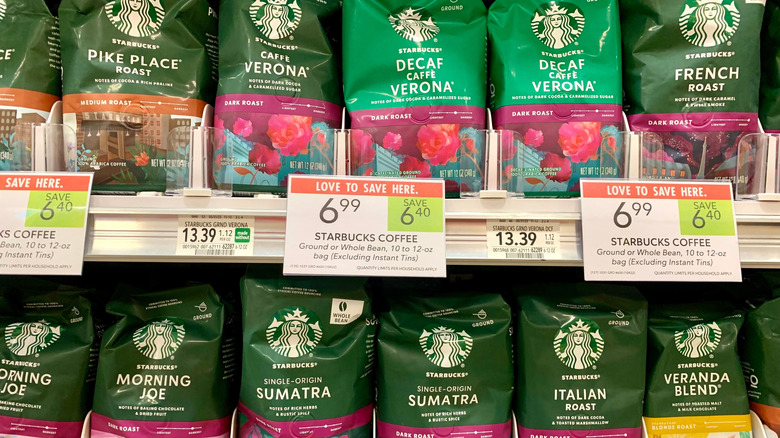
To be clear, Nestlé does not own Starbucks, but it did acquire the right to market and distribute Starbucks' consumer packaged goods and food service products globally. In 2018, Nestlé paid Starbucks $7.15 billion for the deal. As part of the partnership, Nestlé and Starbucks have agreed to collaborate on innovation and marketing strategies to bring the best coffee to their customers worldwide.
Since the sale, the Starbucks at-home brand has experienced significant global expansion. New creamer flavors and coffees have increased its marketing power and caused immense sales growth. Since 2018, Nestlé has doubled the size of the business and the number of SKUs produced.
Stouffer's
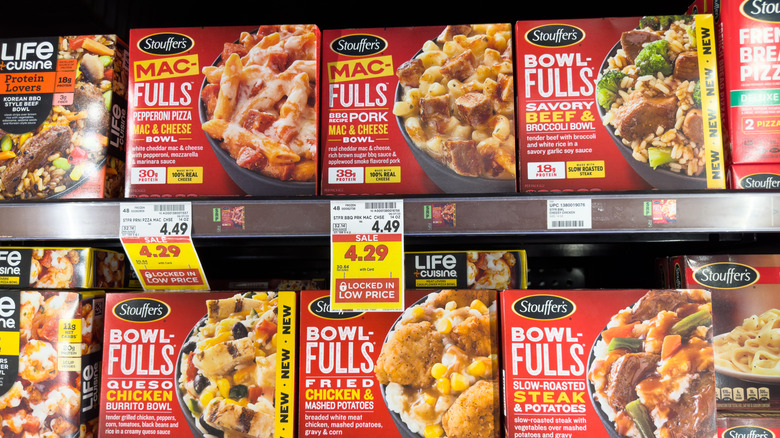
Stouffer's is a household name known for its convenient and comforting frozen prepared meals. It's been in business for over 100 years and started with its founders, Mahala and Abraham Stouffer, who opened several successful Stouffer's restaurants. It wasn't until 1954 that the company began offering frozen meals. In 1973, Nestlé acquired Stouffer's and continued to operate the restaurant division of the brand until 1992, when it sold the restaurants to focus solely on frozen prepared meals.
Since then, Nestlé has expanded Stouffer's product line to include bite-sized frozen snacks, family-size meals, and sides. In 2024, Nestlé invested $150 million to expand its frozen food facility in South Carolina to increase food production and capacity.
Lean Cuisine
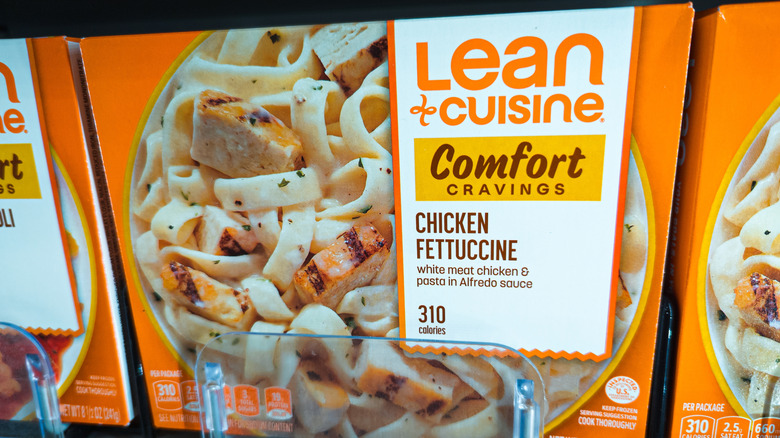
Lean Cuisine is an exclusive Nestlé brand that launched in 1981 after the conglomerate acquired Stouffer's. It was created to give consumers a low-calorie and low-fat substitute for Stouffer's frozen prepared meals. Since its inception, Nestlé has expanded its product line to include restaurant-inspired classics, American homestyle favorites, skillet kit meals, an Asian product line, food bowls, pizzas, and vegan entrees.
Chefs, dietitians, and nutritionists have worked to ensure that each Lean Cuisine meal offers delicious and bold flavors while delivering the proper nutrition for a busy lifestyle. Most frozen prepared meals under this brand contain less than 400 calories and 10 grams of fat. In 2015, Nestlé pivoted the Lean Cuisine brand to focus more on women's health and wellness, shifting away from dieting terminology. In 2023, Nestlé discontinued Lean Cuisine in Canada after declining sales.
Boost
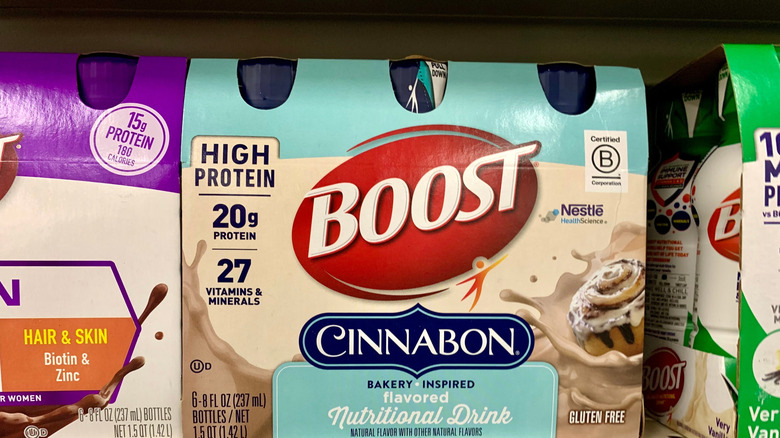
Boost is a brand of nutritional drinks and shakes made for adults. The Nestlé Health Science division created the Boost brand over 30 years ago to give adults extra nutrition and essential vitamins and minerals. The drinks are designed to support healthy aging, enhance protein intake, and fill nutritional gaps. While healthy adults are encouraged to consume these nutritionally supplemented products, they were also designed to combat malnutrition.
The brand also makes Boost Glucose Control for people with diabetes. In 2024, Nestlé launched a Boost drink to suppress hunger and promote GLP-1 production in the body. There are also several dozen Boost product lines with various flavors and formulas, such as Boost High Protein, Boost Plus, Boost Breeze, and Kid Essentials.
Coffee mate
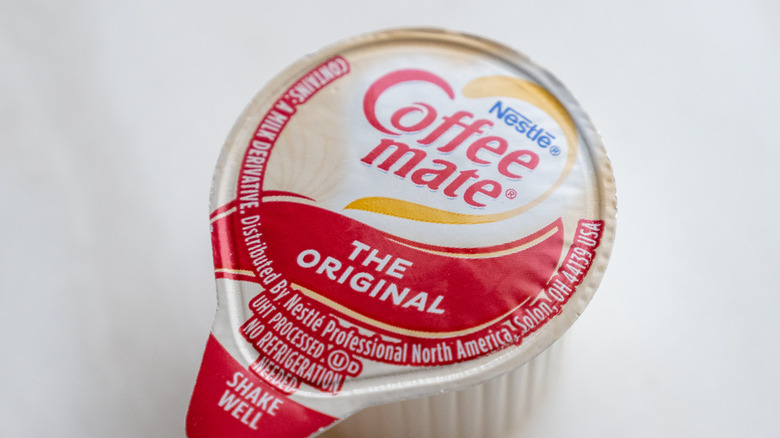
In 1961, Carnation launched Coffee mate, advertising it as a powdered coffee creamer that stayed fresh in the jar without refrigeration and would pour without lumping. Coffee mate quickly became a hit for the Carnation brand. In 1984, Nestlé acquired the Carnation company for $3 million, which included Coffee mate.
Since the Nestlé acquisition, Coffee mate has significantly expanded its product line, manufacturing capabilities, and consumer awareness. The creamer has over 50 flavors and offers fat-free, zero-sugar, and plant-based options. The popular powder, liquid, and cold foam creamer also comes in pump bottles, designed for restaurants, cafés, and workplaces. This Nestlé creamer's slogan is "Coffee's perfect mate."
DiGiorno
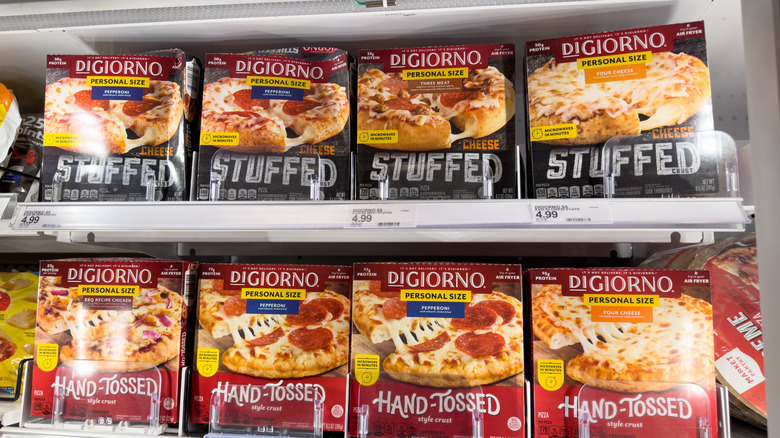
The DiGiorno product line debuted in the 1990s and initially only offered sauces and pasta. In 1995, the brand expanded to include frozen pizzas, which were intended to be so fresh and high-quality that they could be mistaken for a delivery from an authentic pizzeria. Its famous slogan is "It's not delivery, it's DiGiorno."
Kraft Foods is responsible for this frozen line, and its food scientists spent months developing a pizza dough that can rise as it bakes in the home oven. It added a variety of food additives to strengthen the dough and help it resemble a puffy, doughy crust. This innovation was groundbreaking for the frozen pizza industry because before DiGiorno, frozen pizzas were known to have flat and overly crunchy crusts.
In 2010, Nestlé purchased the frozen pizza brand for $3.7 billion. DiGiorno has dramatically increased its product line under Nestlé by focusing on new flavors and varieties, such as its wood-fired style crust and a Hidden Valley Ranch collaboration, featuring a pizza crust stuffed with bacon and cheese. In 2024, Nestlé launched four limited-edition products tied to the popular Marvel movie "Deadpool & Wolverine" to enhance DiGiorno's relevance and awareness among new consumers and to increase sales.
Häagen-Dazs
In the 1960s, Reuben and Rose Mattus, two Polish immigrants living in the Bronx, dreamed of changing how the world enjoyed ice cream by using only the highest-quality ingredients. The couple created the unique name Häagen-Dazs and offered three ice cream flavors: vanilla, chocolate, and coffee. In the 1980s, Pillsbury purchased Häagen-Dazs, and in 1999, Pillsbury entered into a 50/50 joint venture deal with Nestlé. Since then, General Mills acquired Pillsbury and sold its U.S. rights to Nestlé. However, General Mills still owns the rights to Häagen-Dazs products sold outside U.S. borders.
Over the years, the ice cream brand's lineup has grown significantly to include a variety of flavors and products, including ice cream cones, bars, fruit bars, and sorbet. In 2020, Nestlé sold its rights to the Häagen-Dazs brand, including all its ice cream businesses, to Froneri, a joint venture between Nestlé and PAI Partners. In a press release, Nestlé explained Froneri was formed as a strategic international partner for Nestlé. In a nutshell, Nestlé is still a co-owner of the Häagen-Dazs brand under its co-owned company, Froneri.