

The 10 Best Ways To Cook Fish

Cooking fish demands a touch of finesse. Though fish is fairly easy to cook and offers plenty of versatility with grilling, frying, poaching, and roasting, it can also be easy to overcook. Fish's quick cooking time is a double-edged sword. This requires preparation and close attention, since even one minute too long can turn perfectly flaky fish into something dry and inedible. The key is understanding your fish — thicker, denser cuts like salmon and tuna can handle bolder techniques, such as broiling and grilling, while delicate options like haddock and cod call for gentler methods like poaching or slow cooking.
If you're hesitant to cook fish because you're worried about a fishy odor, let us ease your mind. Fresh fish, when properly sourced in good condition, shouldn't have an off-putting fishy smell — it should never smell like low tide. As it cooks, there should be little to no odor, either, just a subtle, pleasant smell that's clean and inviting, like a breath of fresh sea air. However you prepare and cook it, whether grilling salmon or poaching cod, knowing the best methods to cook fish can help you create a delicious meal that you'll want to have again and again.
Grilled
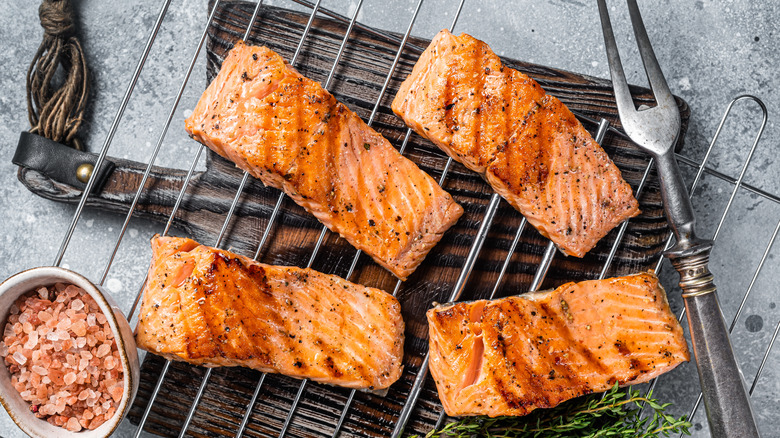
Grilling fish might seem daunting, especially when you're working with a delicate filet rather than the whole fish. Visions of your fish sticking to the grates or slipping through into the flames might overwhelm you, but with the right grilling tools paired with a little know-how, you can impress friends and family with sweet and savory salmon kebabs, smoky swordfish, or spicy grilled tuna. Thick, firm fish can be placed directly on grill grates for that flame-kissed char, but for lighter, thinner, more fragile varieties, a grill basket is a game-changer. A grill basket holds smaller or flakier fish like white fish, mackerel, or sardines while still allowing the flames to reach the food directly. Plus, it eliminates the chance of losing your fish through the grill grates.
Grilling fish imparts a smoky, earthy taste to an otherwise mild flavor, but fish readily takes on other flavors as well, whether it's from spices, marinades, or smoked wood. Grilling a salmon filet on top of a cedar plank or cooking swordfish steak infused with smoked alder chips adds a layer of flavor that elevates simple grilled fish. But you can also grill shellfish, such as lobster tails, shrimp, and clams, in a grill basket, too. Foil packets are a popular way to conveniently grill small or delicate fish.
Fried
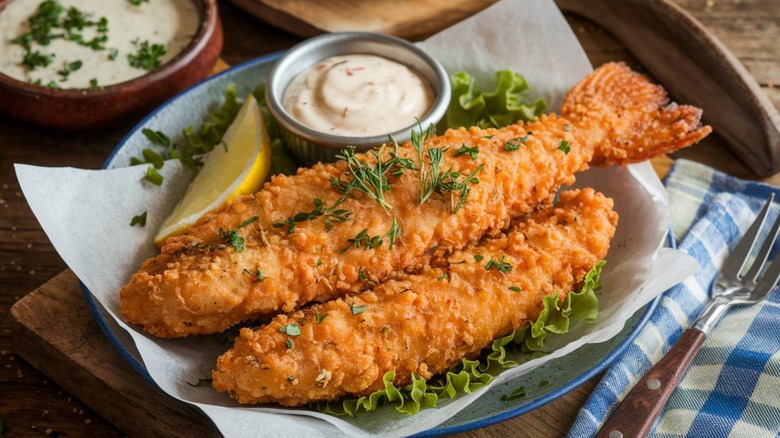
Who doesn't love a towering pile of fish and chips, with golden, crispy breading that delivers a light crunch leading to tender, flaky fish inside? Fried is one of the best ways to cook fish, and it's typically unforgettable when it's done right. White fish like haddock, cod, pollock, flounder, and catfish are perfect for a simple fish fry — whether deep, shallow, or air-fried — because their delicate texture holds up to high heat while the batter clings almost effortlessly. Each method gives a different result: Deep frying yields a rich, buttery crust, shallow frying creates a lighter meal, and air frying offers crispiness without all the oil.
Frying isn't just for white fish, though. Shellfish, like clams, shrimp, or oysters, also fry up well, giving you the option to serve panko fried shrimp for a weekend snack or toss lobster tails in the air fryer for a date night dinner. With so many versatile frying methods, you don't need a fancy deep fryer or specialized gear to get that crunchy, crisp exterior. A sturdy pot filled with cooking oil or fat that features a high smoke-point — like tallow, lard, avocado oil, or peanut oil — works great for deep frying. Meanwhile, a frying pan or air fryer can handle frying with just a little fat for a lighter touch.
Poached
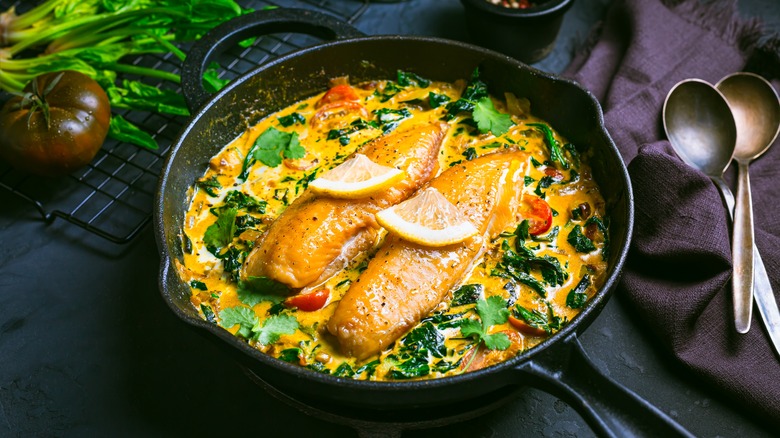
Poaching fish might sound like a rather sophisticated technique reserved only for fine dining, but it's a gentle way to prepare any type of fish, from delicate sole to hearty salmon. This method involves simmering fish in liquid, such as water, broth, or milk, keeping the heat low to slowly cook your food. Not only does this keep the fish from drying out or falling apart (and if it does, at least it's still in the pan), but it's also a good way to infuse other flavors into your dish. Adding herbs, vegetables, or spices to the liquid creates layers of flavor that enhance your choice of fish or seafood. This method is quite forgiving, too, since it doesn't require high heat, and you aren't dealing with grill grates or trying to master the flip of the spatula.
Delicate fish and seafood do especially well with poaching and its subtle cooking approach. Fish like cod and halibut are suitable choices, but firmer fish like tuna, shrimp, scallops, and mackerel also benefit from simmering in flavorful liquid. You can even combine multiple types of fish to make a one-pot dinner. Avoid making simple mistakes when poaching, such as making sure there's enough liquid to cover the fish and keeping the heat low to prevent overcooking. Boiling fish is an entirely different technique.
Baked
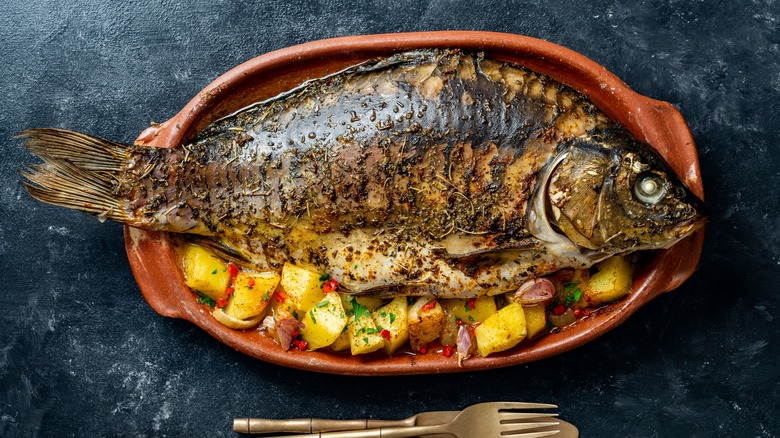
Baking fish seems straightforward, but it has one major flaw — it's easy to overcook and end up with dry results. But when done correctly, baking yields moist, tender, and flavorful fish. This cooking method may not require as much hands-on as grilling or pan-searing, but it does need your attention to ensure your fish isn't incinerated or otherwise inedible. Baking suits all types of fish and seafood, from haddock to scallops. But keep an eye on the time and watch the fish closely to reduce the risk of overcooking it. A meat thermometer can help you hit the perfect internal temperature, but you can also test the fish with a fork. It will come apart easily when it's done cooking.
The beauty of baking fish is the range and versatility you have when crafting your dinner menu. You can bake fish uncovered on a roasting sheet pan, resulting in a crispy exterior, good for thick, fatty fish, such as skin-on salmon or tuna steaks, or covered with a lid to keep steam and moisture trapped inside for lean fish like cod or tilapia. Both ways of baking benefit from adding cooking fat or oil, like butter or olive oil, as well as seasoning such as herbs and spices. For example, roasting fish with sprigs of fresh thyme enhances it with an earthy, yet bright, complementary flavor. Try one of our baked fish recipes and explore the various ways you can enjoy your next catch.
Pan-seared
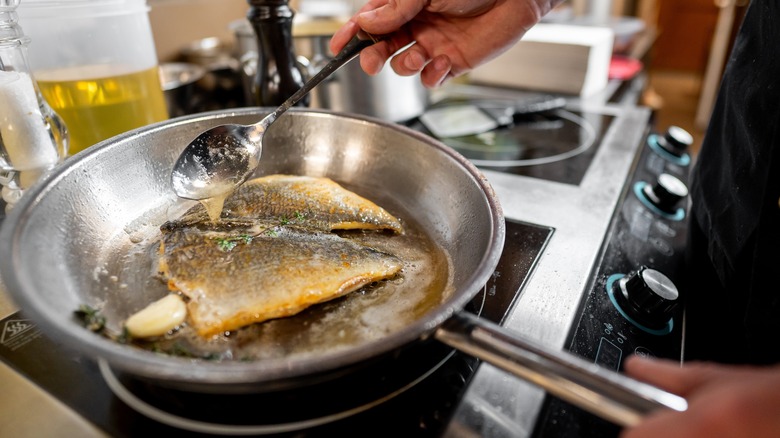
Searing fish in a fry pan is a quick and easy way to cook just about any type of filet. It's especially beneficial for skin-on varieties like salmon or trout, where the high heat sears the skin for a crunchy accompaniment to the tender flaky fish. This straightforward method requires attention; since it only takes minutes to cook the fish, it is easy to overcook. Pan searing requires preheating a quality, non-stick pan like cast iron over medium-to-high heat. This will give you a beautiful crust without losing most of your fish to the pan. Clarified butter is great for pan-searing — it has a high smoke point and contributes a buttery flavor to your chosen fish filet.
Be sure your fish is dry, though, before it hits the hot pan; otherwise, you'll end up steaming your fish instead and end up with soggy skin. Don't overcrowd the pan, and use a long, thin, slotted, stainless steel spatula to handle the fish. Wait until the skin releases easily from the pan (usually a few minutes) before gently flipping it over to finish cooking. Thicker cuts might require finishing in a preheated oven so you don't scorch the exterior of the fish before the inside is done cooking. Leaner cuts benefit from butter basting — spooning melted butter over the fish as it cooks — to keep it from sticking to the pan or drying out. An instant-read thermometer ensures you cook your fish to the desired doneness without having to guess.
Broiled
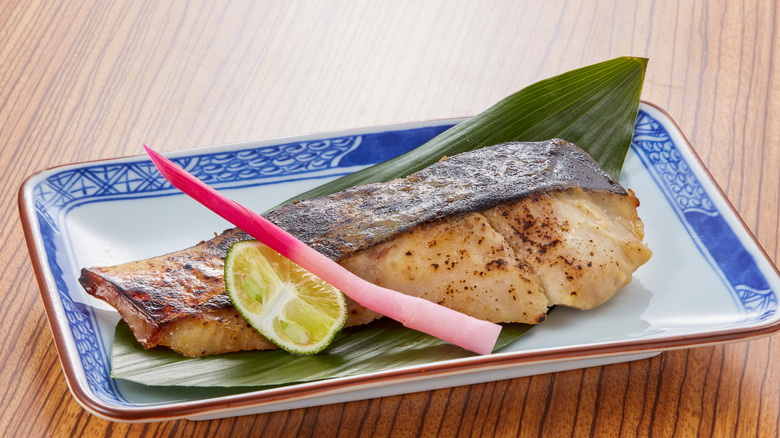
The broiler doesn't get enough credit for creating crowd-pleasing appetizers like jalapeño poppers and cheesy garlic bread. Just like those quick-browning appetizers, fish benefits from this fast, high-heat cooking method that sears food from above, as opposed to searing from below, as with pan-searing. In a matter of minutes, broiled fish is seared on the outside and gently cooked in the middle, creating a crispy, tender bite. This method is best for thick, fatty cuts like salmon and tuna, where the natural fat keeps the meat moist under the intense heat. Leaner fish like cod, haddock, or mahi-mahi are good broiled, too, but require careful timing to avoid drying out. Seafood like shrimp or scallops is also a tasty contender for the broiler.
Preheat your broiler so it comes up to temp and use a broiler pan or baking sheet. Brush both sides of your filet with melted butter or olive oil to keep it from sticking to the pan. The fat adds complementary flavor — consider making a compound butter or infused olive oil for a more distinct taste. Whereas pan-searing calls for placing the filet skin side down to achieve a crispy sear, broiling means placing your filet skin side up. Score the skin slightly with a sharp knife to help prevent curling as the fish expands, which can lead to uneven cooking and burnt edges. Use a meat thermometer to check for doneness. Alternatively, test the fish with a fork — if it flakes easily, it's done.
Boiled
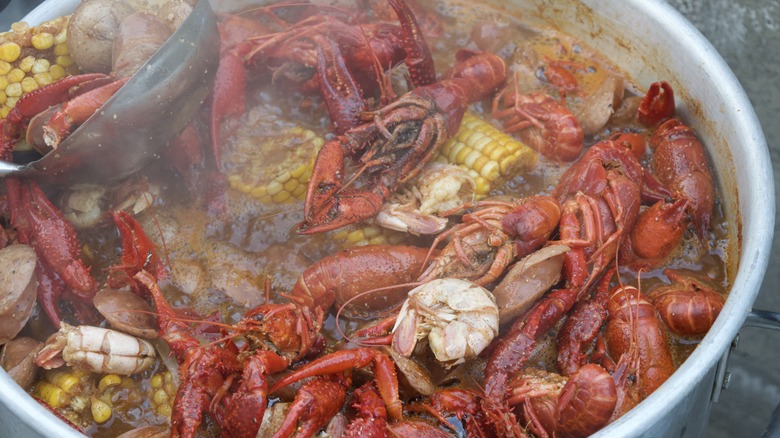
Boiling isn't typically a go-to cooking method for most foods; it often brings up images of a bland, dull dinner. However, fish and seafood can shine with this simple technique. For example, seafood boils are a culinary tradition where crawfish, shrimp, and crab are abundant. Seafood boils are infused with local, cultural ingredients, resulting in a variety of ways to create this time-honored tradition. For instance, Cajun boils use bold flavors and spicy heat, South Carolina and Georgia stick to milder seasonings, while Maryland favors seafood boils with Old Bay seasoning.
Though seafood boils are popular, fish like pike, trout, cod, and flounder can also be boiled to create a one-pot meal at home. A seafood boil typically includes potatoes and corn-on-the-cob as well, which are simmered before adding the fish. The pot might even include sausage to add a deep savoriness to the meal. It doesn't have to take long — within 30 minutes, you can have a delicious dinner of fish, potatoes, and vegetables with a tasty broth to enjoy or save. Tip: Use a wire basket to help keep your ingredients together, so they don't get lost in the broth.
Slow cooked
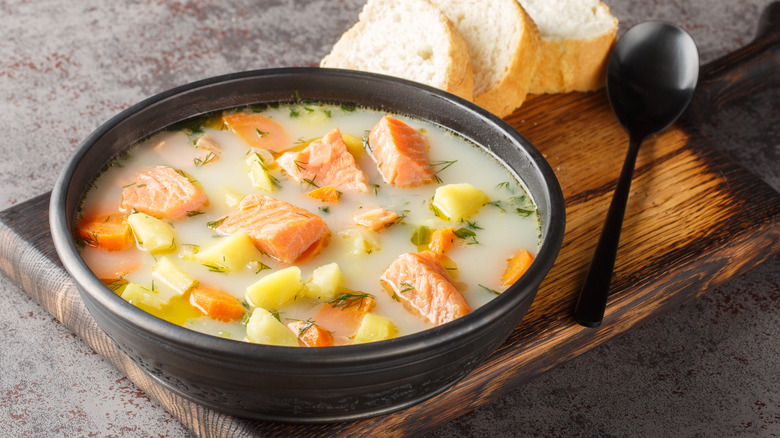
Slow cooking fish isn't like slow cooking meat. It doesn't sit for hours simmering away in a slow cooker on your counter while you go to work. However, fish and seafood are delicious when added to meals that are created in the slow cooker — think soup, stew, or chowder (or chowdah if you're from Boston). Fish is far more delicate than large cuts of meat and therefore doesn't require a lengthy time in your slow cooker. It's best added toward the end of the cooking process to keep it from either falling apart or becoming tough and rubbery. But when you add fish to a slow cooker filled with broth, potatoes, vegetables, herbs, and spices, the fish takes on the culmination of flavors stewing in your pot while cooking gently, creating a tasty result.
Of course, you don't have to slow cook your fish with a dedicated kitchen appliance — you can use a Dutch oven or large pot on the stovetop. Consider making the classic New England clam chowder, which has a thick, creamy base, or a Nordic fish chowder, which features more of a broth base. Heartier, bolder options like gumbo often highlight shellfish with a spicy backdrop. And we can't get enough of this Italian fish and tomato stew that's rich, rustic, and full of tangy, savory, and salty flavors.
Steamed
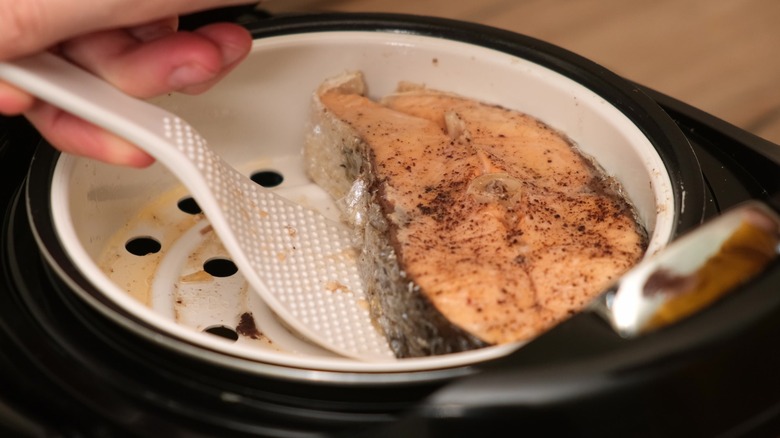
Steaming is a simple way to achieve tender, perfectly cooked fish. It's also a great way to highlight the true flavor of the fish. It's a gentle cooking method that's suitable for lean fish like snapper, flounder, and other white fish, as well as seafood like mussels, clams, and shrimp. Steaming relies on the steam produced by actively boiling water, and using a bamboo or metal steaming basket makes the process easier, though other methods work too. The basket allows the steam to circulate the food, but if you don't have a steamer basket handy, you can create a makeshift setup with a heatproof plate and anchor it above the boiling water. This technique of steaming fish results in a soft and flaky bite that's moist and tender.
Season the fish lightly with salt before steaming or serve it with a sauce like chili-lime or ginger garlic butter. Place your fish or shellfish in a single layer in the basket to help ensure even cooking. Consider infusing the water with ingredients like ginger, lemongrass, garlic, or herbs to add subtle, complementary flavors to your steamed fish. Steaming is another quick method for cooking fish — filets cook in about seven minutes.
Sous vide
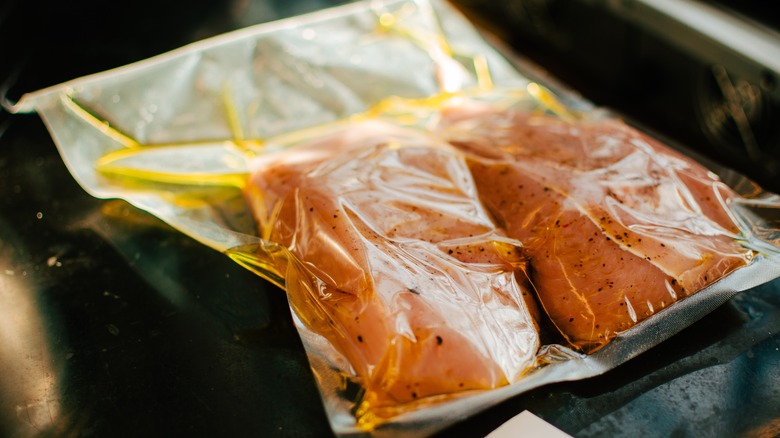
Sous vide isn't just for meat like steak, duck, or oxtail; it's great for fish and seafood too. This cooking method involves sealing fish in a vacuum bag and cooking it in a precisely controlled water bath that maintains a constant temperature. It's great for fatty fish like salmon, tuna, or mackerel, where the deep flavors are only enhanced. Add other ingredients like herbs, citrus, or flavorful fat in the bag with your fish, which creates a marinade the fish will absorb while it slowly cooks. Bonus: It's nearly impossible to overcook your fish since the water bath is kept at a strict, and typically low, temperature. For this reason, sous vide is considered a slow cooking method.
Sous vide is a convenient way to cook fish when you don't want to or can't keep a close eye on it while it's cooking. It's a set-it-and-forget-it type of method, which allows you to get the rest of your meal ready and cooked. Salmon filets cooked with a water bath temperature of 125 Fahrenheit can take up to 45 minutes to become a tender, fork-flaky piece of fish. A low, consistent temperature creates incredibly even cooking throughout your fish, though, so there's little chance of it destroying it. The result is a silky, tender bite of fish. If you're looking for that crispy crust, give the fish a quick sear post sous vide.