

What Makes A Cheese Pie Different From A Cheesecake?

Cheese pie and cheesecake are distinguished from other desserts by their rich, creamy, cheese-based fillings. Cheese pie originated from Ukrainian cuisine, while cheesecake has Ancient Greek origins. The base recipes for both are very versatile, making them excellent complements to both sweet and savory dishes. Each one's recipe can be adjusted to include sweet add-ins or toppings, like fresh berries and whipped cream, or more rich and savory choices, like curry cheesecake or cheesecake topped with candied bacon, ham, or roasted peppers. However you plan on enjoying your cheesy dish, you should have a basic understanding of the key differences between the two so that you know which you want to make.
While cheesecake isn't technically a cake at all, it is still different from a cheese pie. Most classic cheesecake recipes have a cracker- or cookie-based crust that is formed using a combination of fat (from butter or a butter substitute) and sugar. Cheese pies are usually made with a flakier butter- or pastry-based crust. The two desserts also have different types of filling and a different texture after baking. Plus, the baking method that you use for each will vary depending on the ingredients that you add. Let's take a closer look at the most important differences between these two cheesy, creamy desserts.
Cheese pie and cheesecakes have different crusts and fillings
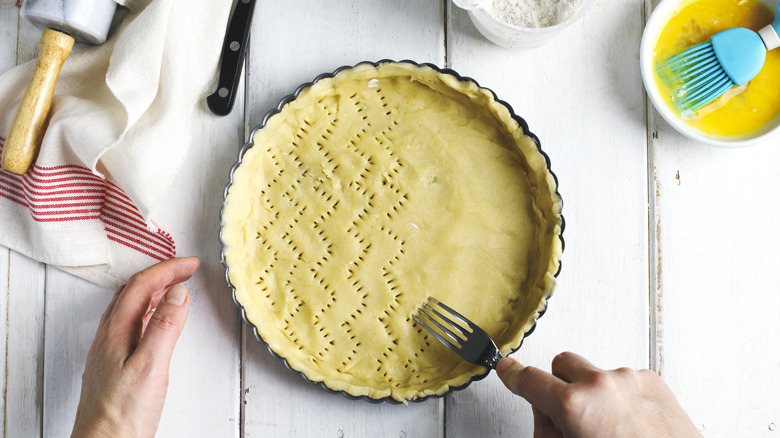
The biggest difference between cheese pies and cheesecakes is the type of pie crust used. To make a cheesecake crust, you generally use a crumbly cracker or cookie-based pie crust as well as sugar and a fat like butter or margarine. When you mix your dry ingredients with melted or semi-melted butter, you can easily form it into a crust in your pan. When baked, the crust will be rigid and crisp. Fillings usually include a mixture of cream cheese, sugar, vanilla extract, and eggs, with some recipes calling for the inclusion of lemon juice and sour cream or buttermilk for a deliciously tangy cheesecake. You can also find recipes for many different types of cheesecakes, ranging from strawberry and blueberry to caramel apple, pecan, pumpkin, and savory herb and vegetable.
The crust for a cheese pie is typically a flaky pastry crust or butter pie crust. You can use a store-bought pie crust or a homemade pie crust recipe. While a cheesecake has no top crust, a cheese pie might have one, depending on the recipe you use. The base recipe for the filling contains many of the same ingredients as cheesecake: cream cheese, eggs, vanilla extract, and sugar. However, you will also be using a blend of other cheeses such as ricotta, cheddar, cottage cheese, or gouda and you may also be incorporating cornstarch and salt. A cheese pie can include sweet or savory add-ins ranging from fruit, cinnamon, and honey to spinach, roasted peppers, and ham or bacon.
The baking process is different for each, as is the resulting texture
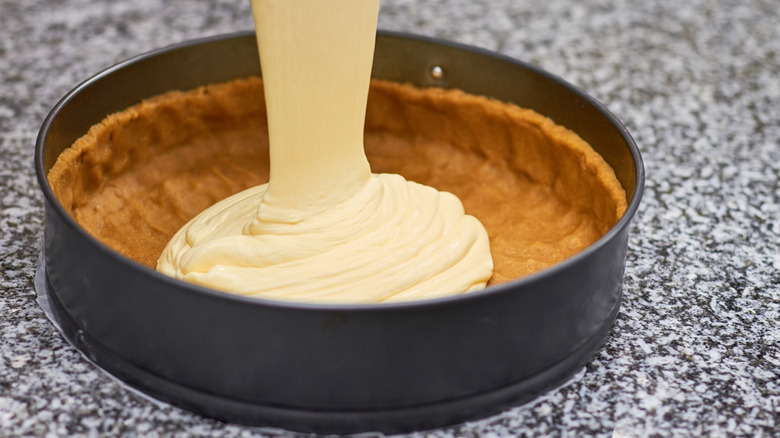
Cheesecakes are usually baked in a springform pan, which has sides that can be removed after baking, allowing you to release the cheesecake easily without flipping it over or breaking it. Because cheesecakes contain so much egg, one of the most important tips for making the perfect cheesecake is to use a water bath to ensure the eggs cook evenly. The water bath creates a humid environment in the oven so that the filling doesn't crack or sink. To create a water bath, you can use this roasting pan hack that will keep your cheesecake from drying out: Put the springform pan inside of a roasting pan, add hot water to the pan, and put the whole thing in your oven. After a cheesecake is baked and cooled, its texture is thick, smooth, and creamy.
A cheese pie is usually baked in a pie pan, which can be ceramic, glass, or aluminum. You may need to parbake or blind bake the crust before adding the filling to keep your crust from getting soggy. Before parbaking, poke holes in the bottom of the pastry or pie crust to keep it from bubbling up. It's also essential to weigh down your pie crust when blind baking using pie weights, rice, or beans. When you remove the crust from the oven after parbaking, let it rest until it is cool to the touch and then add your filling. You can then go ahead and bake the pie according to the instructions without needing to use a water bath. The texture after it has been baked and cooled is silken, fluffy, and light — much less dense and more textured than a cheesecake.