

12 Unexpected Pantry Staples That Belong In Your Baking
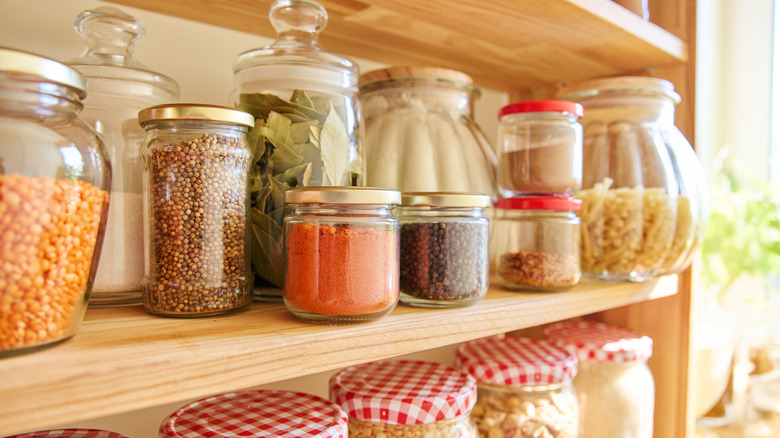
Some people think of baking as a kind of practical chemistry where formulas (recipes) must be followed exactly. Others are perfectly happy to freewheel, making changes on the fly to either work around dietary restrictions, account for missing ingredients, or just play around with different flavors to see what works.
If you're the second kind of baker, or aspire to be, your pantry is likely a gold mine of interesting options. It probably contains a lot of ingredients you might not think of using in your baking or that you use only for one specific thing. Yet, many of those ingredients have a lot of untapped potential once you start thinking outside the proverbial box.
I really enjoy that kind of play. Though I was a chef and restaurateur, I've run a commercial in-store bakery, served as my own pastry chef, and helped out regularly at my parents' bakery when I was younger. Between that professional experience and my own efforts at home, I've done a lot of improvising. With that experience in mind, I've put together this list of pantry staples that really belong in your baking.
Coconut milk
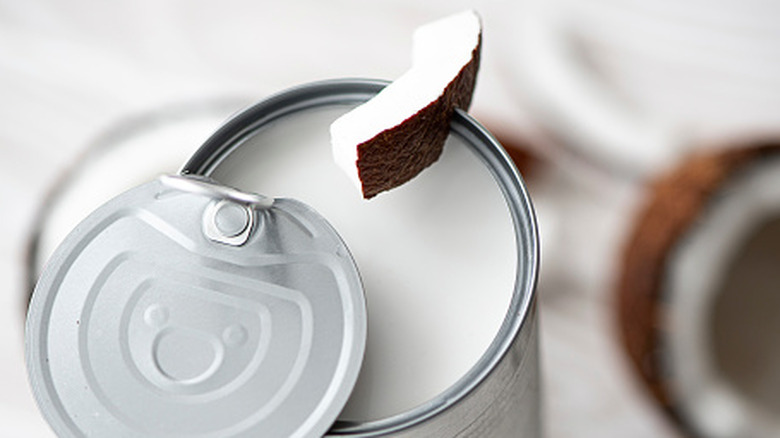
Broadly speaking, there are two kinds of coconut milk you'll find in the store: the alt-milk kind sold in cartons, meant for drinking or pouring over your cereal, and the canned kind that's often used in Asian cookery.
Of course, you can use the drinking kind as a straight-up milk substitute, but I'm going to focus more on the canned kind. You can shake it up and use it as a kind of vegan half-and-half in recipes, but I prefer to chill the can and then scoop the rich "cream" from the top. You can use it in anything that calls for heavy cream, and even whip it as a dessert topping. Its mild coconut flavor won't stand out in most baked goods, and it's actually a positive in things like a chocolate cake or a coconut-cream pie (my own most common use for it).
We've already collected a number of pro tips on baking with coconut milk, which are worth taking a look at. One important detail is that there are sweetened and concentrated versions of coconut milk and cream available as well for use in cocktails and desserts. If you have recipes you love that call for sweetened condensed milk, but need to bake for a vegan or someone who's lactose-intolerant, it's worth keeping the coconut milk equivalent on hand.
Instant mashed potatoes
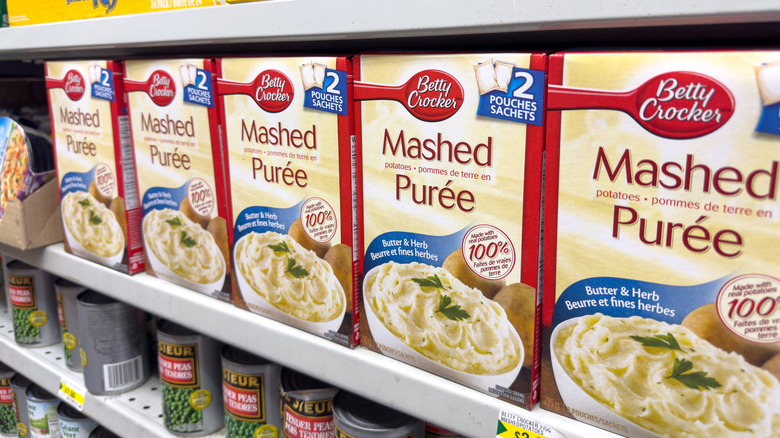
My parents began making potato bread at their bakery to satisfy one single customer who'd asked for it, and it quickly became a popular item. If you're a fan of store-bought potato rolls like the Martin's brand, you'll already know why: Potatoes help make soft, tender bread and rolls with a pleasantly chewy texture.
If you've ever tried to replicate potato rolls or potato bread at home, you'll know that most recipes begin with cooking and mashing some spuds. Bread baking is already a pretty hands-on process without those extra steps, so it makes excellent sense to fall back on instant mashed potatoes instead. Adding instant potato flakes makes your bread dough just as tender, but saves you the extra labor. The finished bread and rolls are just as delicious, and nobody will ever know you used them if you don't tell them. There are plenty of recipes out there from potato-centric food cultures around the world if you look for them, like German kartoffelbrot.
I don't make potato bread as often as I used to, but I still keep instant mashed on hand for when the impulse strikes. If you're fonder of sweets than breads, I'd suggest trying potato dough in something like cinnamon rolls or sticky buns when you really want the dough to be soft.
Black pepper
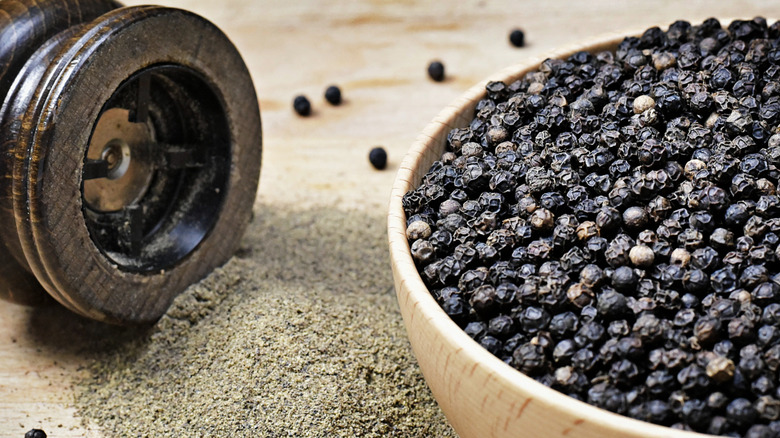
Working both as a baker and a chef is interesting because there's a lot of creative "cross-pollination" between the "hot" side of the house and the dessert side. Black pepper is an interesting example of that. You'll often see a grinding of fresh pepper on strawberries or melon, for example, which seems odd but works surprisingly well.
Freshly ground pepper is a lot more aromatic than the pre-ground stuff in your shaker, which gets dull and stale pretty quickly, so you'll ideally want to use the former when you bake. It's surprisingly good in anything fruit-forward, like apple or pumpkin pie (yes, pumpkin is a fruit) or a fruit cobbler.
Putting pepper into spice-forward baked goods is my own top tip and my most common use for it in baking. It makes a great companion to "warm" spices like cinnamon, allspice, and cloves in things like gingerbread and spice cookies. I learned years ago that black pepper has a way of bringing out the flavor of those spices, especially if they're getting a bit old and tired. It's a handy thing to know if you haven't refreshed the contents of your spice rack lately (and if not, you should!).
Canned beans and aquafaba
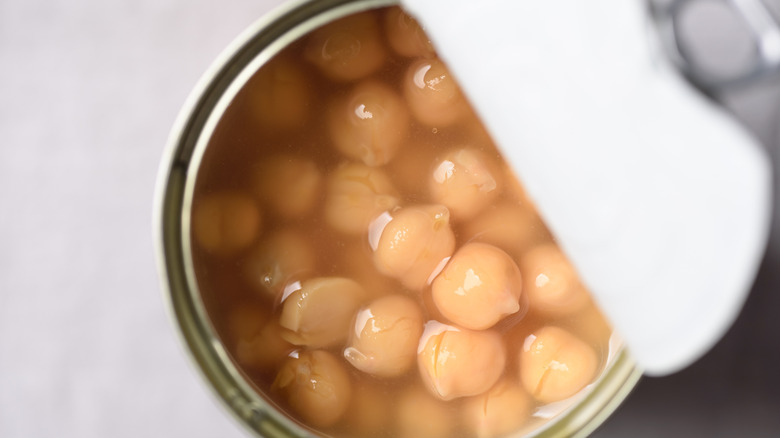
This one always got a shocked reaction at my cooking classes, but beans are a surprisingly useful ingredient in baked goods. Despite being pretty low in fat themselves, they make a good fat replacement in a lot of recipes, adding healthy fiber while helping to dial back on the calories (or just helping stretch your oil or butter, if you're running low).
Your simplest choice is to just drain a can of beans and mash them to a fine puree before using them in your recipe. They can replace up to half of the fat in a recipe, though the higher the bean content, the denser your finished product becomes, so they're a good fit for something like brownies. Common choices are black beans for chocolate-based recipes, and chickpeas or navy beans for other kinds of cakes, cookies, or blondies.
Also, if you're using chickpeas, don't waste the liquid from the can! It's a staple in vegan baking often referred to as aquafaba. Even if you aren't vegan (or allergic to eggs), it's a great egg substitute for when you're running low, and it can even be whipped up and used as a dessert topping or meringue, or folded into cake batter to make it lighter. Like meringues made with real eggs, your aquafaba meringues will be more stable if you add a pinch of cream of tartar before whipping.
Nut butters
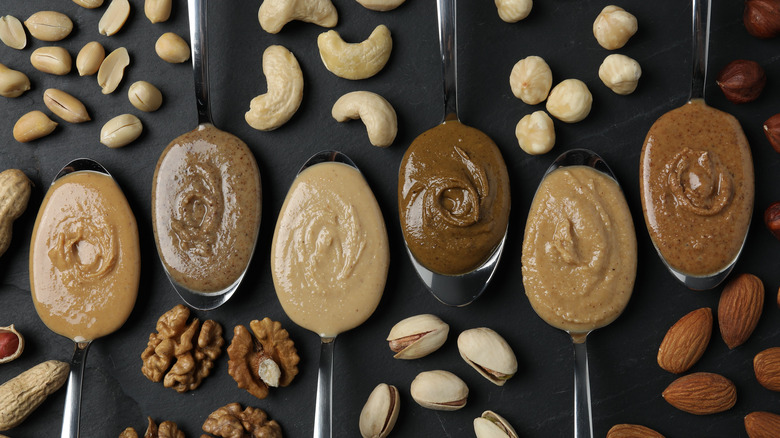
You may have already made peanut butter cookies or DIY peanut butter cups, so it's not like peanut butter itself is an especially "unexpected" ingredient. But nut butters can include more than just peanut butter.
If you keep a jar of almond butter, pistachio butter, or pumpkin-seed butter in your pantry (or fridge), you'll find that they make a surprisingly versatile ingredient for baking. Want to up the protein in your baked treats? Nut butters are your friend, and you can substitute some of the fat in your recipe with them. I've used tahini in shortbread cookies, for example, where it added a pleasant sesame flavor. Alternatively, a dollop of nut butter can elevate a simple boxed cake mix. You can also make up a batch of your favorite baked goods as is, then add the nut butter to your icing or ganache, or turn it into a thin glaze, for a topping.
If you want to dip your toe into baking with nut butter, Nutella's an easy first step. The popular hazelnut-chocolate spread is widely used and heavily-marketed, and you'll find no shortage of decadent recipes that feature Nutella.
Rolled oats
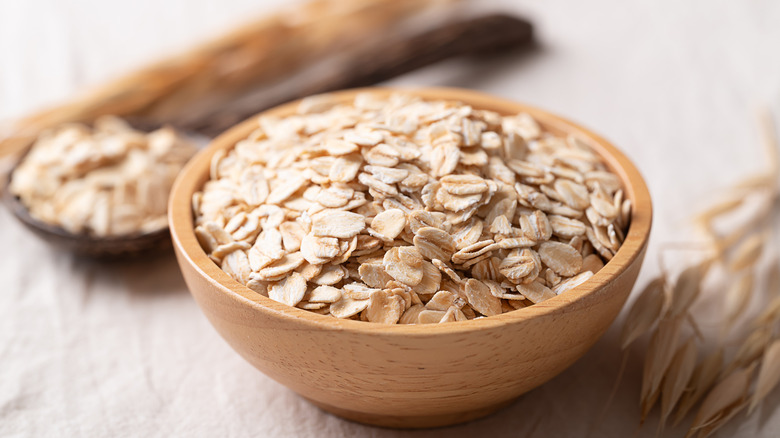
Like peanut butter, rolled oats aren't an entirely "unexpected" ingredient, but you probably aren't making as much use of them as you could. Both quick oats and old-fashioned large-flake oats have plenty of uses beyond cookie making.
Where I grew up (eastern Canada), oatmeal brown bread is a popular home-baked staple, but you can add oats to almost any kind of bread. Just substitute them for part of the flour in your favorite bread recipe. They'll add a slight sweetness and nuttiness to the loaf, as well as protein and fiber. Some traditional quick breads are also made with oats (like — what else? — oatmeal bread), because oatmeal's lack of gluten doesn't matter much when you aren't using yeast.
You can also pulse either quick or old-fashioned oats to make oat flour, and substitute that for a portion of the white flour in a bread recipe, or in cakes, biscuits, and cookies, like chewy oatmeal raisin cookies. Oats have no gluten, so the mixture of wheat and oat flour will help keep your finished treats from being tough and chewy.
Vinegar
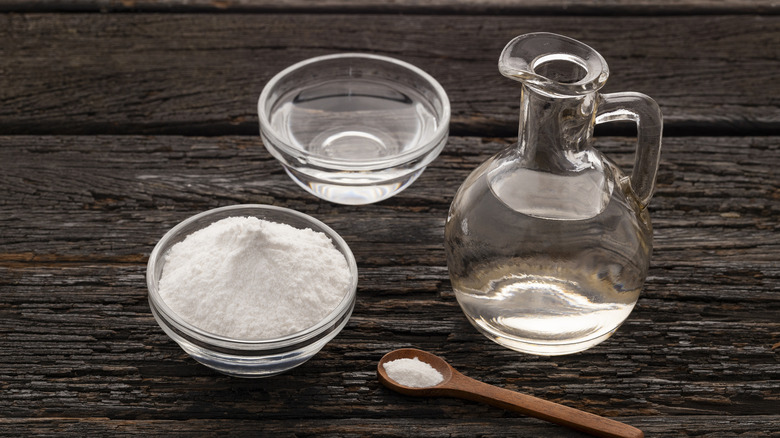
Acidity plays an important role in baked goods, especially those that are leavened with baking soda. The soda can't do its job (creating carbon dioxide bubbles) unless there's also an acidic ingredient to react with. In most recipes, that role is played by things like buttermilk, molasses, or lemon juice, but adding a splash of vinegar is another way to get there. It's handy if you're out of baking powder and need to fall back on soda instead.
Another common use for vinegar is stabilizing egg foams. Many recipes for meringues or light, fluffy cakes call for lemon juice or cream of tartar. Vinegar does the same job if you're out of other alternatives. Plain white vinegar has a harsh and powerful flavor, so something milder like cider vinegar, wine vinegar, or rice vinegar is a better option. A lot of old-school recipes call for a spoonful of vinegar in pie crust because it makes the dough easier to handle and prevents discoloration if you make it ahead of time.
Speaking of pie, there's a whole cluster of old-fashioned pie recipes made entirely with pantry ingredients like vinegar. Many date from the Depression or even further back, when scraping a pie together from what you had on hand was a vital talent. Vinegar pie is one of those classic pantry desserts. It's an old-time favorite that remains popular because of its frugal ingredient list and its surprisingly pleasant flavor.
Jam or preserves
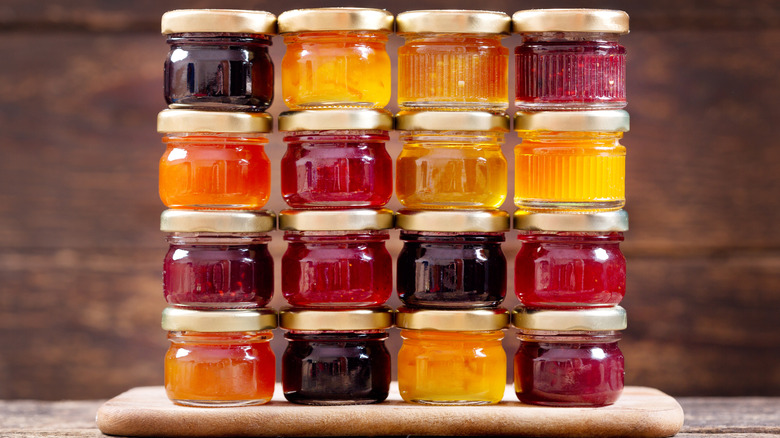
I live in an area with a short growing season, so we have a deep-seated culture of jam- and preserve-making. Back in the day, jams and preserves were one of the few ways to enjoy fruit during the long winters. They're less urgent now, but I keep plenty on hand because they're so useful for quick desserts.
Thumbprint cookies are the most obvious choice, as well as Linzer cookies during the holidays, but those are just the beginning. I'll often split the layers of a cake and spread jam in the middle, just to make them "special" (and it seals the cake, too, so you can frost it without getting crumbs in your icing). You can also elevate a quick, easy coffee cake by topping it with jam and streusel crumbs. Do the same with shortbread-style dough, and you've got bar cookies. My grandkids like muffins in their school lunches, and a spoonful of jam in the middle of each muffin before it's baked is a very popular upgrade.
You can also spoon jam into store-bought shells for quick tarts, wrap it in puff pastry or phyllo, or use it to fill fresh or frozen Danishes. If you want a "something for everyone" option, bake a cheesecake and offer a selection of jams and preserves to spoon over it. Finally — a real pastry chef trick — you can heat and strain red jams or jellies (like raspberry or strawberry), or amber ones (like apricot, peach, or marmalade) and brush them onto pastries or open-faced fruit tarts as a finishing glaze.
Tea and coffee
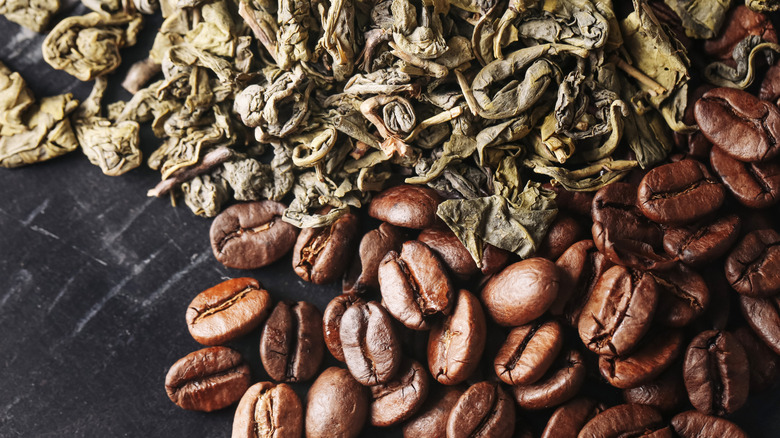
I drink tea and coffee largely for the caffeine boost, but also because they just plain taste good. So if you too keep them on hand anyway, why not use them to flavor your baking?
Coffee famously plays well with chocolate in recipes, bringing out its dark notes. The easy way to do this is with a spoonful of espresso powder, though plain old instant coffee is a good substitute. You could also brew a small amount of extra-strong coffee, or use an espresso shot, and then substitute some of the liquid in the recipe for it. Alternatively, steep your coffee in the liquids the recipe calls for, then strain out the grounds. You can even add finely ground coffee directly to the recipe as a dry ingredient. I'll point out that chocolate isn't your only pairing here. I find coffee also works well in baked goods like gingerbread or the much-maligned holiday fruitcake, and adding coffee to your coffee cake is a less common but perfectly logical upgrade.
Don't sleep on tea, either. Steeping a bold-flavored tea in your recipe's liquid ingredient (milk, cream, water) is an intriguing way to add flavor, and it works with herb teas as well. You can also grind tea along with the recipe's other spices, and add it as a dry ingredient. Use it in sweet or savory baking; I've put smoky lapsang souchong into savory cornbread or muffins, for example, with bacon or cured ham.
Savory herbs and spices
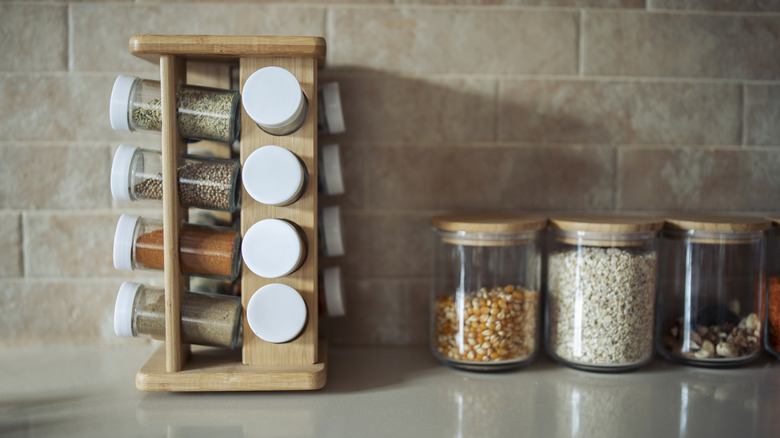
Before I began cooking and baking professionally, I mentally segregated the contents of my spice rack into "for cooking" and "for baking" pigeonholes. The "baking" section consisted mostly of so-called warm spices, like cinnamon, nutmeg, ginger, and cloves. Those are all versatile, but I quickly learned that lots of the other herbs and spices in your pantry are also good in baked goods.
I've already spoken of black pepper, and I have some other favorites. Coriander is a great choice for dessert recipes, for example, thanks to its floral and citrus notes. Cardamom's pine-like flavor goes really well in dark loaves like rye or oatmeal-molasses bread, and it's a staple in Scandinavian recipes like authentic Danishes or Swedish cardamom buns. If you commonly cook Indian-inspired recipes, you may have fenugreek seeds or ground fenugreek in your pantry. It has a fascinating burnt-butterscotch note that I find works beautifully with apples, so I often put it in my pies and strudels as a "secret ingredient."
Aside from spices, there are several herbs that work well in baking. Lavender and rosemary have closely related flavors and go beautifully in shortbreads (make sure to get culinary lavender). Thyme, basil, and dill are all usually savory ingredients, but they play nicely with anything tart or citrusy. Tarragon's licorice-anise flavor really lends itself to sweets, and of course so do lemon thyme, lemon verbena, and lemongrass.
Dried chiles and chile-based condiments

I could have grouped these with other savory herbs and spices, but chiles are distinctive enough to call out separately. If you keep a few different kinds of dried chiles on hand, or chile-based condiments, you can have a lot of fun with them in sweet or savory baking.
You may have already tried one of the various chocolate bars that include dried chiles, at varying levels of heat, because chocolate and chiles play very nicely together. If you were at least mildly intrigued, it's worth trying a few different kinds of chiles in your chocolate-y treats. You might stir some into a chocolate cake or brownie recipe, for example, or add some chile heat to the icing or glaze you top them with. I also find a bit of heat works well in spice-rich sweets like gingerbread.
Fruit-forward desserts are another place where you can experiment to your heart's content with chiles. I find they work well with fruit, especially lush-tasting tropical fruits like pineapple or passion fruit. You also can't go far wrong adding a light dusting of ground chiles to ripe stone fruits like peaches or cherries, or anything citrusy. You can also experiment freely with chile-based condiments like chili crisp, which brings a salty, savory note to dessert toppings and sauces, as well as heat.
Bean-based and other alternative flours
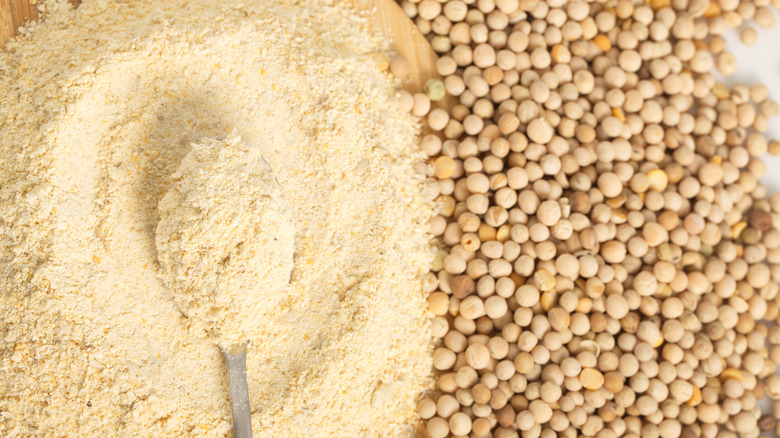
Flour is just about the least surprising pantry ingredient to use in baking. The vast majority of baked goods use it, with flourless chocolate cake being an obvious exception. You may even keep separate bags of self-rising flour, pastry flour, and whole-wheat flour in your pantry if you're a serious baker.
But all of those are made from wheat, and there are a lot of non-wheat flours out there that have some intriguing uses. They aren't necessarily something you keep on hand, but in many cases you can make your own — in small quantities — by grinding the grain in a spice grinder or powerful blender. That works well for rice, oat, buckwheat, and barley flour, for example. Barley, like oats, adds fiber and a hint of nuttiness. Buckwheat brings a dark, slightly sweet note that works well with spices or molasses. Substituting them in small amounts for wheat flour will likely lower the gluten content of your recipe, which can be helpful for making tender biscuits and delicate pie crust.
A less-common alternative is bean-based flours. Again, if you cook Indian recipes often, you may have chickpea (besan) flour in your pantry. It's also used for a pancake-like flatbread called socca in northern Italy and southern France. It does have a bit of a "bean-y" flavor, but toasting the flour makes it go away and brings out its nuttiness. I've made shortbread cookies with a 50/50 mix of toasted chickpea flour and rice flour and they were wonderful.