

8 Tips That Make Shrimp Taste 10x Better
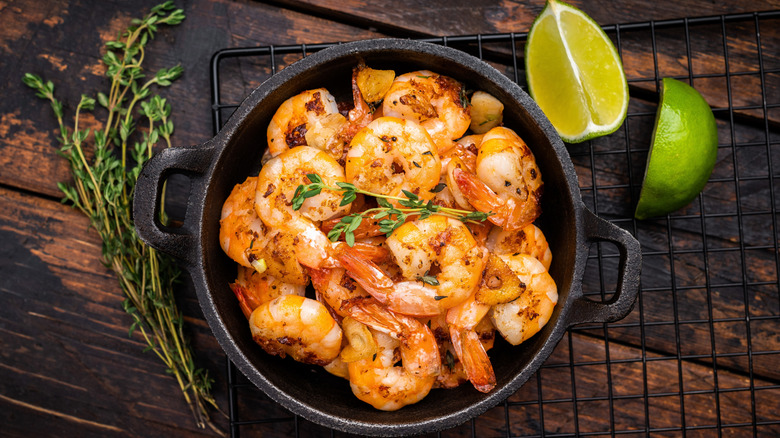
There's a lot to love about shrimp. It cooks quickly and is so versatile it's equally at home in everything from a shrimp burger to creamy shrimp bisque and a shrimp salad. A bag of frozen shrimp in the freezer is dinnertime gold, a speedy fix that makes it easy to get a meal on the table in minutes. Thaw it, sauté, grill, poach, or fry it, and dinner's done and delicious.
Between cooking for clients as a personal chef and teaching hundreds of cooking classes, I've cooked shrimp in a multitude of recipes ranging from dishes that blur the line between sweet and savory, like pineapple shrimp fried rice, to smoky, savory favorites like shrimp and okra gumbo. Its mild flavor makes it a bit of a blank canvas, easily taking on the taste of whatever you pair it with. While the supporting ingredients boost shrimp's flavor, you don't have to rely solely on them to cook flavorful shrimp. These tips will help make your shrimp taste 10 times better no matter how you serve it.
Start with the best shrimp
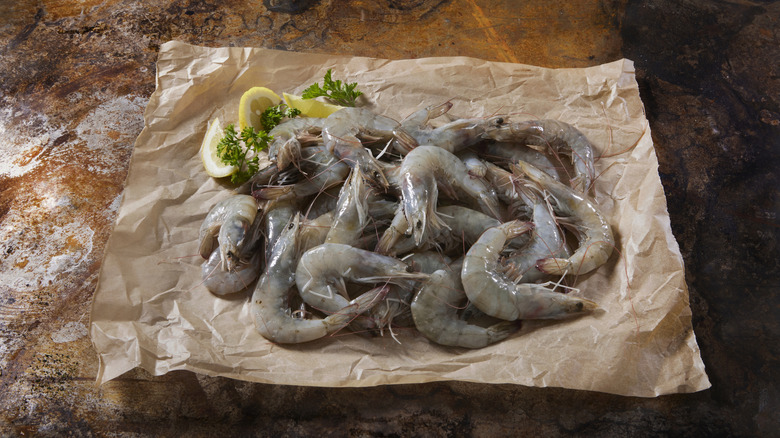
Most shrimp purchased in grocery stores and at fish markets are frozen, even if they're thawed on ice when you buy them. That's not necessarily a bad thing, but flash-freezing the shrimp as soon as it's caught keeps it fresh and preserves its texture and quality. Starting with good quality shrimp matters because no amount of seasoning or skillful cooking can compensate for shrimp that starts with poor flavor or bad texture.
If you are buying shrimp labeled fresh, follow your nose and avoid any with a strong ammonia-like smell. Consider the smell an odoriferous warning sign that the shrimp is not only past its prime, but potentially spoiled. You should also leave behind any shrimp with black spots, which can indicate that the shrimp may not be spoiled, but it's definitely not fresh. Slimy, limp shrimp should also be avoided.
If you don't live in a coastal area where you can be assured the shrimp is sold fresh off the boat, buying frozen shrimp is the way to go. The best frozen shrimp should be sold in a sealed bag with minimal ice buildup. Too much ice can mean freezer burn, which will give the shrimp an off taste. Always check the expiration date on frozen shrimp and the ingredient label. Many producers add sodium and other chemicals to preserve shrimp, but these additives can also negatively affect taste and texture. When possible, choose a bag that lists shrimp as the only ingredient.
Brine it
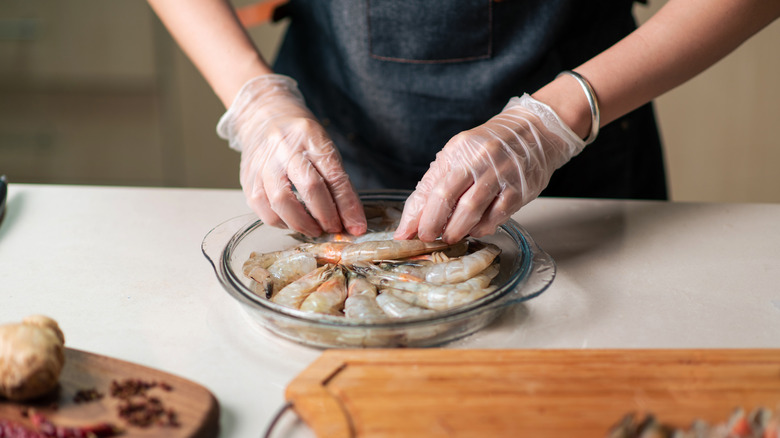
When you see the word brine in a recipe, you might think that technique only applies to meat or poultry. Brining turkeys, chicken, and even steak has become common in many kitchens, but the process is also effective for shrimp. Brines can enhance the shrimp's flavor, keep it juicy, and help maintain its texture. If you're wondering how to prep shrimp for your favorite dishes, start with a brine.
For the simplest dry brine, head to your pantry and grab baking soda and salt. Baking soda isn't just for baking; combined with salt, it's the secret to shrimp that cooks up firm and moist. The salt seasons the shrimp and helps it retain moisture as it cooks, while the baking soda helps the shrimp develop a firmer texture. For every pound of shrimp, toss it with a teaspoon of kosher salt and ¼ teaspoon baking soda for about 15 minutes. For a wet brine, dissolve one tablespoon of kosher salt in 1 quart of water, then soak the shrimp in the fridge for 30 minutes before cooking.
Season it well
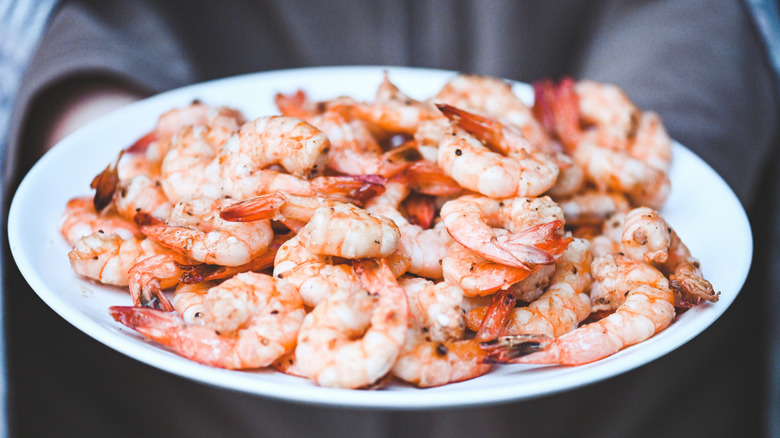
Shrimp's versatility is due in large part to its mild flavor. It will readily absorb the flavors of the herbs, spices, and other ingredients you add. The downside of this mildness is that it can often end up a little dull if it's not seasoned properly. To avoid bland shrimp, don't be shy about seasoning them before they hit the pan, grill, or oven. You can start simple with salt and pepper, and incorporate other spices and seasoning blends to achieve more complex flavors.
There are a variety of seasoning blends available in the spice aisle of your grocery store, and you can also make your own at home. Mixing them yourself gives you the advantage of customization, allowing you to adjust spice and heat levels to suit your tastes. Your seasoning options aren't limited to your spice cabinet either. You can level up grilled shrimp with the main ingredient in your margarita: margarita mix.
You should also consider your cooking method when deciding which seasonings to add to your shrimp and when to add them. Tender, fresh herbs will burn quickly on shrimp that's sautéed or grilled over high heat. Add those once the shrimp is cooked to preserve their flavor. Dried herbs and spices are tougher and can withstand higher temperatures. You can add those before the shrimp is cooked.
Marinate it
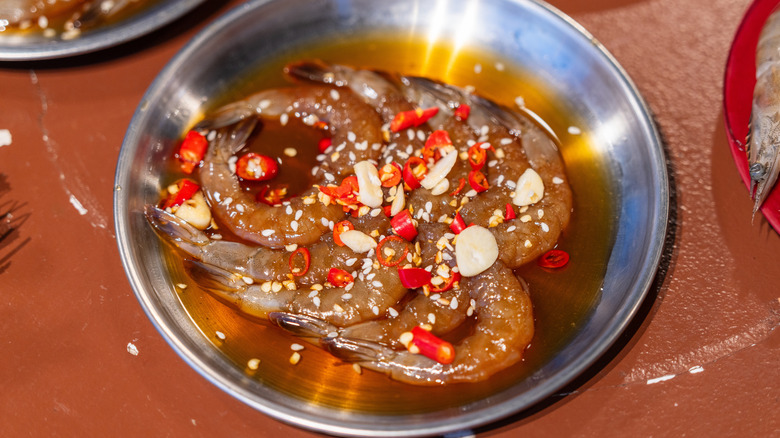
If you want to pack more flavor into your shrimp, soak it in a marinade before cooking. A good marinade surrounds every shrimp with flavor, and because they're small, you can get a big flavor payoff without waiting hours.
You can build a marinade with only a fat, such as olive, vegetable, or canola oil, and an acid, such as citrus juice or vinegar. The fat helps distribute flavor throughout the shrimp, while the acid tenderizes them. Herbs and spices add even more flavor. Start with a ratio of three parts oil to one part acid, and adjust to suit your tastes.
Be careful not to overdo it with the acid. Stick to no more than 2 tablespoons of acid per pound of shrimp to prevent it from denaturing or breaking down the shrimp's proteins. This causes the shrimp to become firm and opaque, giving the appearance of being cooked.
If you're wondering how long to marinate shrimp, heed this timing rule that will make or break marinated shrimp, and don't let it sit too long. Remove it from the marinade after 15 to 30 minutes, ensuring the shrimp is fully coated. This is enough time to add flavor without sacrificing the shrimp's texture.
Cook it with the shell on
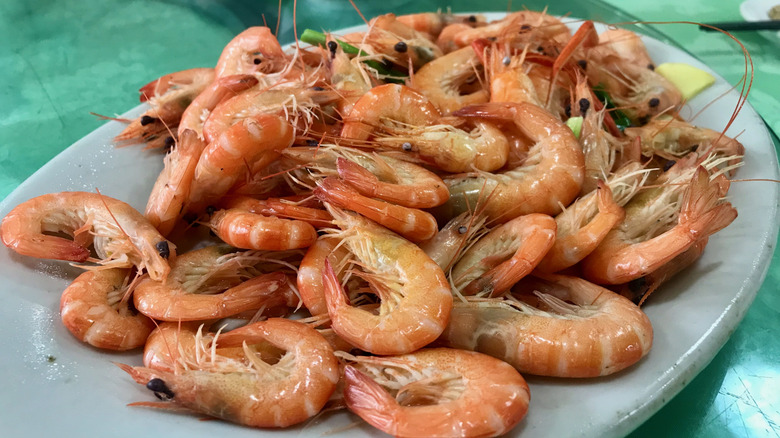
Peeling shrimp before you cook them might be second nature, but sometimes leaving the shells on is the better move. Whenever your recipe allows it, you should cook shrimp with the shells on. Think of the shell as built-in protection, a barrier between the shrimp and the heat that helps it retain its juices. The shells also help keep the shrimp from overcooking.
The shells have another trick up their sleeve: flavor. They contain flavor compounds that are transferred to the shrimp during cooking, giving the shrimp a savory, umami-rich taste with subtle briny notes.
For recipes where peeling makes more sense, stop throwing away shrimp shells. Remove the shells and stash them in a resealable plastic bag in the freezer. You can use them later to make a seafood stock perfect for soups, sauces, or your next seafood dish.
Add citrus
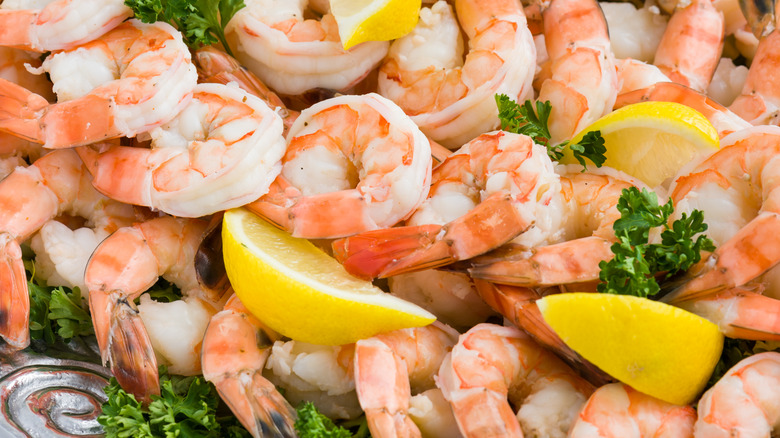
When you're looking for ways to add more flavor to shrimp, reach for citrus. A splash of lemon, lime, orange, or grapefruit juice can highlight shrimp's natural sweetness while adding a fresh pop of brightness. There's a reason many shrimp or seafood dishes are often served with a wedge of lemon. Lemon enhances flavors in food in a similar way to salt. The acid in lemons stimulates saliva production, which causes your taste buds to extract more flavor from food.
You can use citrus juice to build a marinade, but that's not its only use. Stir it into sauces, add to a vinaigrette for a citrus shrimp salad, or simply squeeze it over cooked shrimp just before serving.
It's not just citrus juice that's effective; the zest of the fruit is also an excellent source of flavor. Citrus peel is loaded with oils that add brightness to shrimp and other dishes. Zest your citrus with caution. Use a microplane or a fine grater, being careful to use only the colored part of the peel. The white layer underneath is extremely bitter and can easily overpower the taste of your shrimp.
Serve it with a sauce
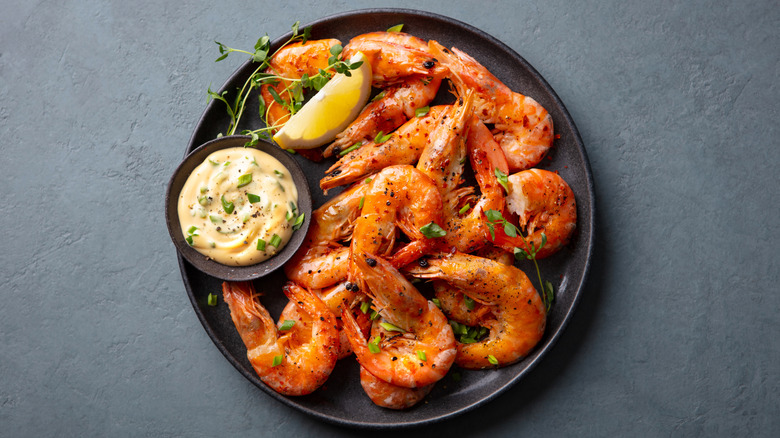
One of the easiest ways to amp up the flavor of your shrimp is to serve it with a great sauce. Shrimp's mild flavor makes it the perfect partner for sauces that bring complementary flavors to your plate.
Start simple with dipping sauces. A classic cocktail sauce is always a good idea, and you can punch it up by adding wasabi paste for even more heat. Take your taste buds on a Cajun adventure by dipping your shrimp in a creamy, tangy remoulade sauce.
Dipping's not the only way to serve shrimp with a sauce. Some of the best shrimp dishes rely on a sauce to coat every bite. Shrimp scampi bathes shrimp in a buttery sauce with garlic, white wine, lemon, and a sprinkle of red pepper flakes, while honey walnut shrimp gets its sweet, creamy finish from a 4-ingredient sauce made with mayo, sweetened condensed milk, honey, and lemon juice. Cooking shrimp in a sauce gives you another opportunity to build even more flavor, as it will take on the taste of the sauce and its ingredients as it cooks.
Don't overcook it
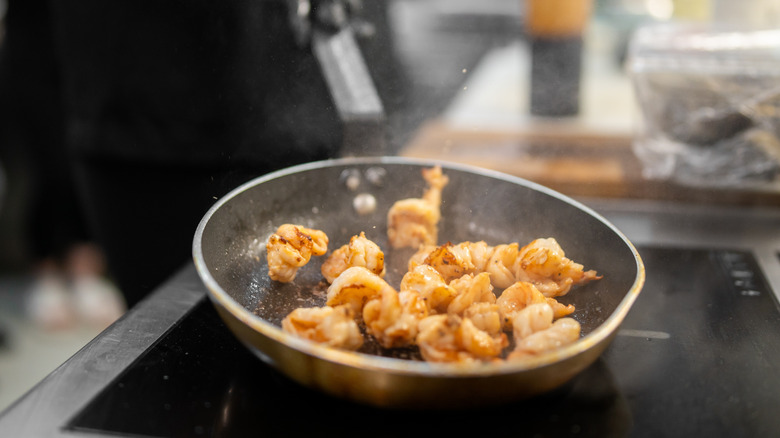
Even if you start with the best shrimp, marinate it, season it well, and load it up with flavor, one final mistake can ruin all of your good work: overcooking. Overcooking shrimp is a common misstep that is very easy to do. Shrimp cooks remarkably quickly, so even a minute too long in a hot pan or on a sizzling grill can overdo it. You'll end up with shrimp that's tough and rubbery, a telltale sign it's been overcooked.
The safest way to determine doneness is temperature. Shrimp should be cooked to an internal temperature of 145°F, according to the USDA. Insert an instant-read thermometer into the thickest part of the shrimp for the most accurate reading, and keep in mind that the shrimp's temperature will continue to rise for at least 30 seconds after you take it off the heat.
If you don't have a thermometer on hand, don't worry. Perfectly cooked shrimp curls into a loose "C" shape, while shrimp that's overcooked will be shaped like an "O." You can also look for shrimp that has turned opaque and firm, rather than translucent.