

10 Italian Sub Seasonings That Deliver Next-Level Flavor
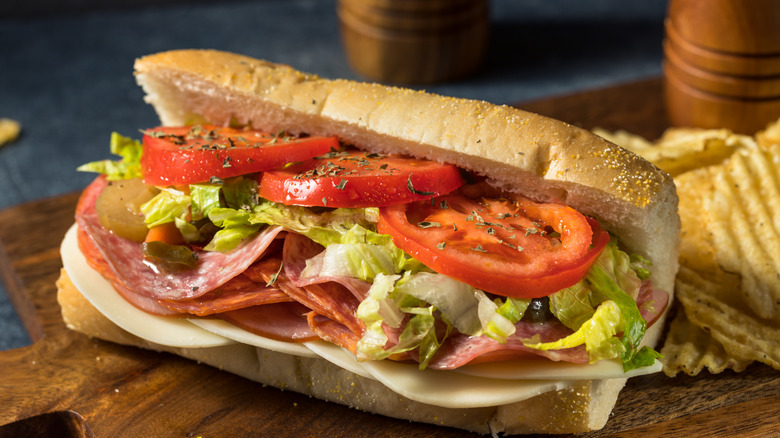
Whether you call it a sub, a hoagie, a hero, or a grinder, a sandwhich filled with Italian cold cuts, Provolone cheese, and fresh crunchy vegetables is a favorite across the U.S. But when it comes to adding anything else, there seem to be a lot of different opinions. Purists argue that seasonings are not needed since the meats are already flavorful enough, perhaps with the exception of a sprinkle of salt and pepper. Others advocate for a drizzle of good quality olive oil and perhaps a splash of red wine vinegar, or even store-bought Italian dressing. Some folks claim mayonnaise belongs in the classic sandwich, while others are adamantly opposed. Pepperoncini, giardiniera, sliced olives, and sweet or hot cherry pepper relish are also among the condiments people like inside their Italian sub.
All that said, there's no reason why you shouldn't think outside the box and sprinkle on a few extra seasonings. The idea is that whatever you incorporate harmonizes with the flavors already included, or imbues a little something extra which may be missing. Certain cupboard seasonings can bring out the flavors of the cured meats, others will add a hint of freshness and texture.
If you are using some of the most flavorful meats for your your Italian sub, you might not need a lot of seasonings. But have a look at these suggestions, which you more than likely already have in the pantry, and see what might work for you next time you make an Italian sub at home or want to enhance a store-bought one that doesn't quite hit the spot.
Salt & pepper
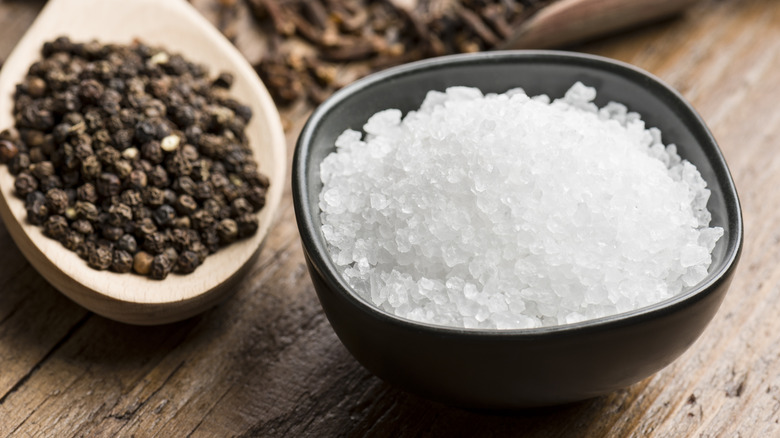
It might seem like a simple thing to do, but adding just a touch of salt and pepper is not a bad idea for any sandwich, especially if you grind them freshly. When it comes to the Italian sub, sprinkle it on top of the sliced tomatoes or shredded lettuce for extra flavor in the veggie layer. Using your favorite type of salt is a good way to go.
Dried oregano
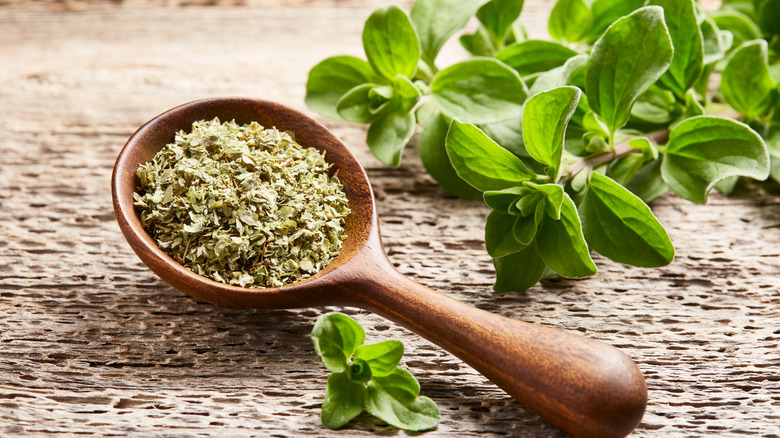
If fans of adding seasonings to an Italian sub agree on anything, is on the virtues of dried oregano. In fact, many consider it the must-have seasoning that should always be on an Italian sub. Oregano is a powerful ingredient, so a little goes a long way. Take a pinch between your fingers and crumble it into very small bits, that way you'll release its essential oils while avoiding biting into a whole dry leaf.
Italian seasoning
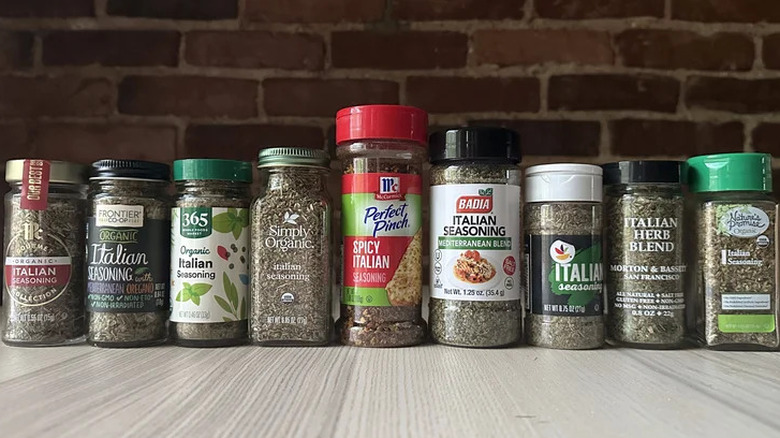
If you like the idea of dried oregano but want to bring even more flavor, look for a jar of Italian seasoning. There are different varieties of Italian seasoning on the market; some blend herbs like basil, oregano, rosemary, thyme, and marjoram, while others include garlic or onion powder, chili flakes, and maybe even pepper. Chunkier ones come with a built-in grinder cap to crush as you go.
Fresh basil or parsley
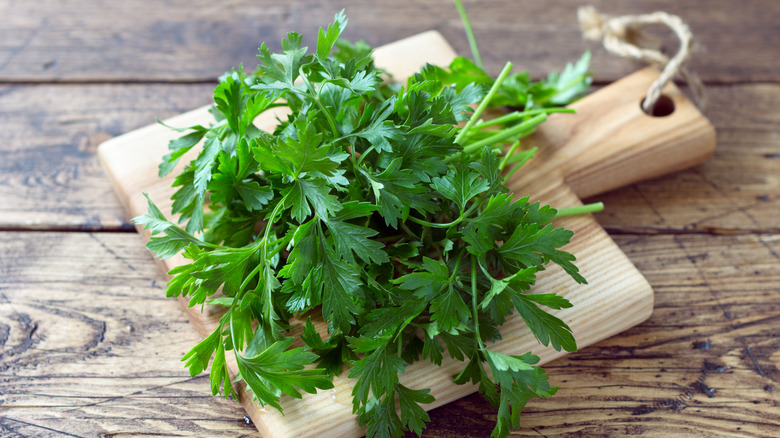
Fresh herbs may not be traditional in an Italian sub, but if you're already adding tomato, lettuce, and onions, why not tuck a couple sprigs of fresh parsley or basil? Think of it as another salad ingredient. Fresh herbs always offer a burst of flavor, and if you don't love the idea of dried herbs in your sandwich, this might do the trick. Even better if they come from your own herb garden!
Celery salt
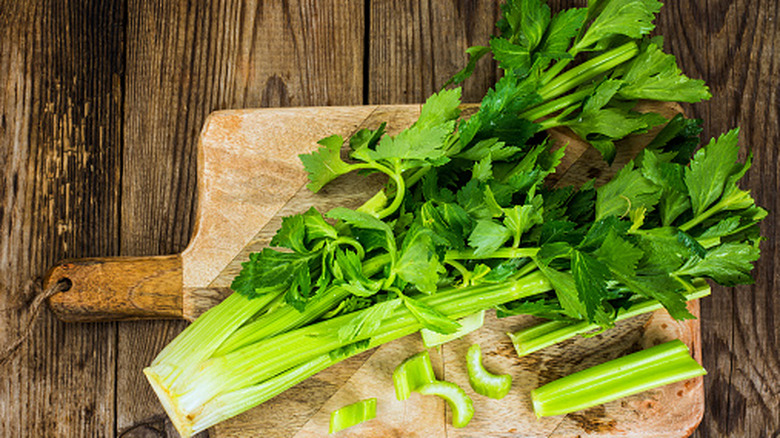
Celery salt is an underutilized seasoning which deserves plenty more attention. Made by combining salt with pulverized celery seeds, this versatile condiment has an earthy, slightly bitter flavor that adds a savory depth to many dishes — a light dusting in your Italian sub will amp the umami factor. If you don't have any on hand, tuck a few fresh celery leaves into the sandwich and save the rest to make your own celery salt.
Onion powder or salt
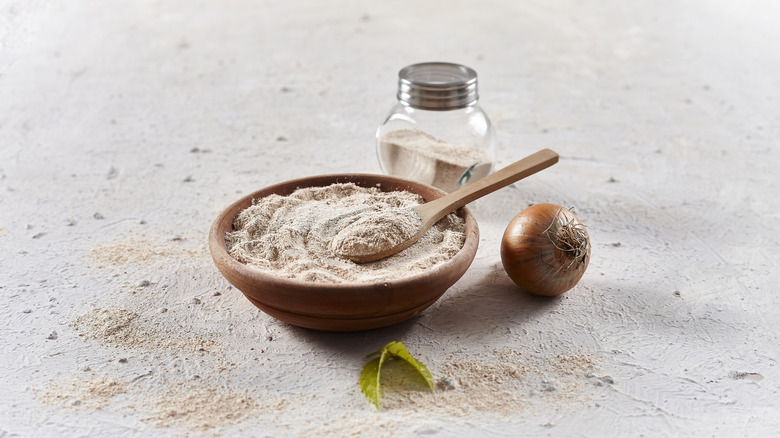
If you dislike raw onions or just don't want them in your sub, onion powder is a good substitute for fresh onion, without the pungent flavor (or aroma) that puts people off. In fact, onion powder is usually an ingredient in certain processed meats as part of the "natural flavor" listed on the labels. Since it's made from dehydrated onions, the flavor is concentrated so all you need is a light sprinkle to give some extra savoriness to your sub.
Garlic powder or salt
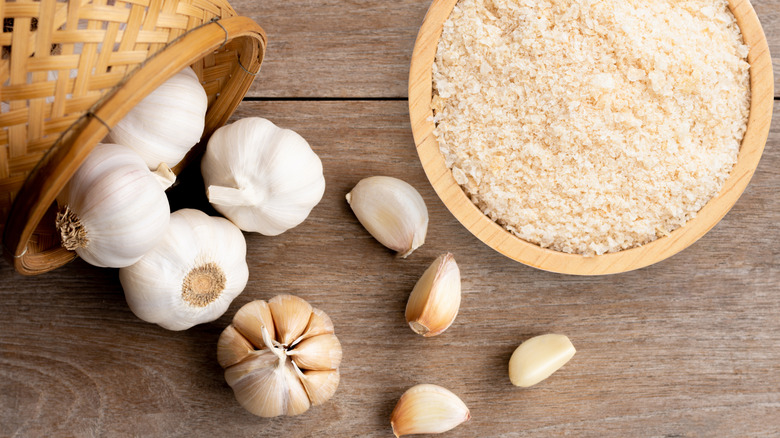
Just as is the case with onion powder, garlic powder will have a more concentrated flavor than fresh garlic, so use with caution when adding it to your Italian sub. There's also a difference between garlic powder and granulated garlic, so it's important to decide the flavor and texture you want before you use one or the other. And if you use garlic (or onion) salt, you won't need to sprinkle on any regular salt.
Smoked paprika
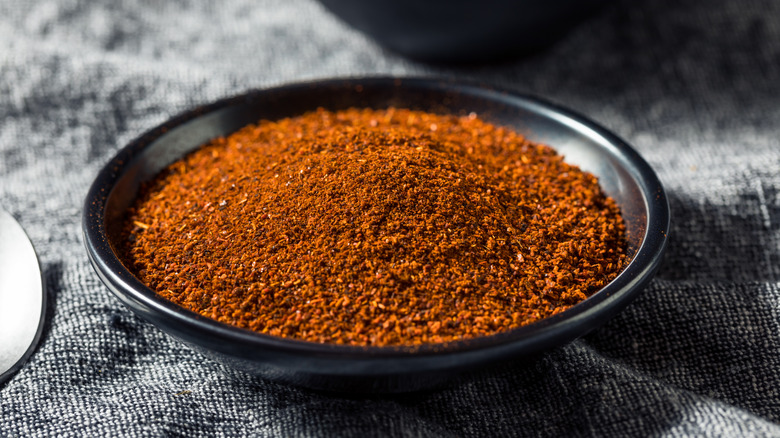
There are many kinds of powdered chiles, and paprika might be one of the most universally used. But when it comes to using it to season an Italian sub, the difference between regular and smoked paprika is important. Smoked paprika will add depth and a pleasant hint of smoke, which will enhance the flavor of cured meats like pepperoni. It's also what gives Spanish chorizo its unique campfire flavor.
Smoked salt
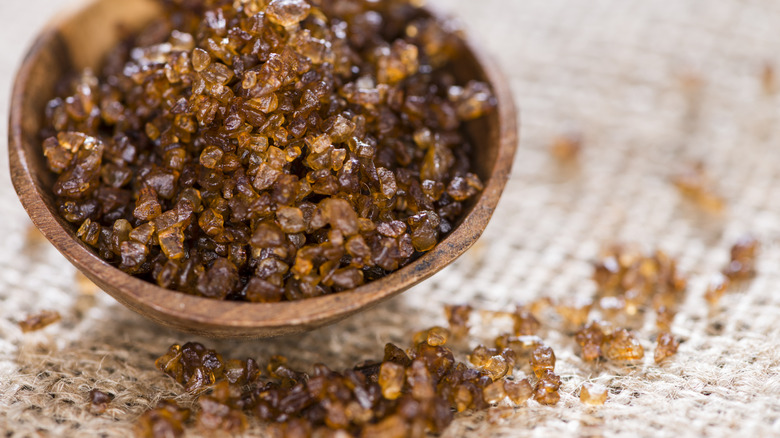
Aside from using smoked paprika, you can upgrade the flavor of your Italian sub if you include this smoked ham from northern Italy, but there's another way to add a smoky flavor to an Italian sub: smoked salt. There are many versions of this versatile seasoning, varying from the source and size of the crystals to the wood used to smoke them and the intensity of the smoke flavor.
Crushed dried pepperoncini
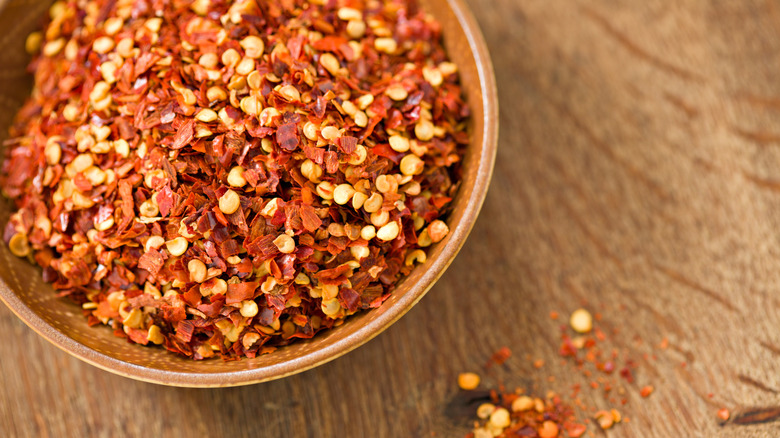
Traditionally, those who like their Italian sub on the spicy side will reach for a jar of cherry pepper relish or pickled pepperoncini slices. But, since adding crushed red chile flakes to pizza or pasta is a common way to bring on some spicy heat, it makes sense that this seasoning would also work with the flavors in an Italian sub. Even better, try Calabrian chile flakes, the ingredient that gives 'nduja its warming, smoky spice.