

Creamy, Citrusy Salmon Pasta Recipe
We may receive a commission on purchases made from links.
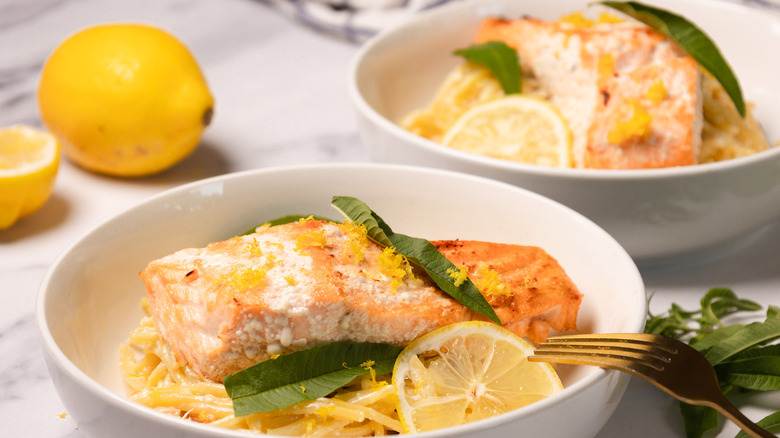
Making pasta and salmon feel fancy can seem like a big ask, but this recipe nails it. Drawing influence from Italian flavors and techniques, and with plenty of citrus in various forms and stages, this creamy, citrusy salmon pasta recipe is a little extra work, but it's more than worth it.
I came to love oil poaching after years of overcooking salmon on the stovetop. As a recipe developer and blogger, I've tested a lot of salmon preparations, but this method became my favorite after I tried it in the Emilio Romano region of Italy this summer. Adding ricotta to fish may also feel blasphemous, but it was another tip I picked up in my Italian travels that completely transformed this pasta for the better.
If the oil and creamy ricotta were my starting points, then the citrus was what elevated the dish into the realm my daughter calls "fancy food." I wanted to incorporate plenty of citrus elements; I added lemon peels to the poaching liquid, which became confit-like in texture and took on a soft, almost caramelized mouthfeel. Then I steeped the cream sauce with fresh lemon verbena and added lemon peels in the pasta cooking water. And finally, for the sauce, I added orange marmalade for tangy sweetness and lemon zest for bite and lightness. The resulting salmon pasta feels wholesome, layered, and like a revelation in every bite.
Gather the ingredients for this creamy citrusy salmon pasta recipe
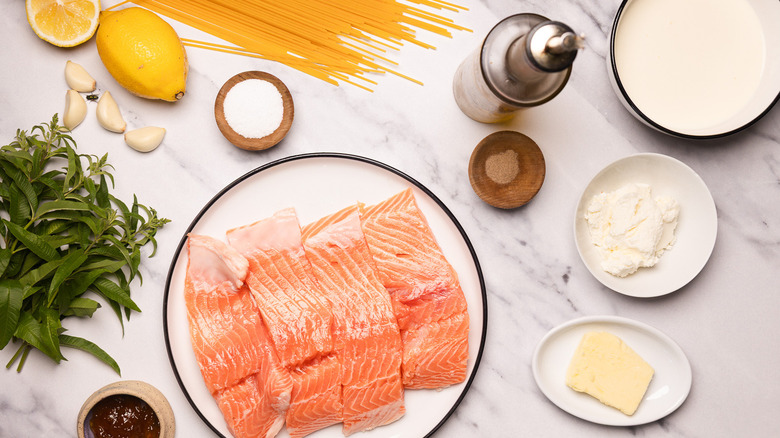
To make the oil-poached salmon, purchase salmon fillets of about 6 ounces each, with their skin removed. You'll also need garlic cloves, lemons, light olive oil, and kosher salt. For the pasta, grab kosher salt, a long-strand pasta like linguine or tagliatelle, and lemon peel, its white pith removed.
For the creamy citrus sauce that will top it all, you'll need unsalted butter, garlic cloves, heavy cream, sprigs of fresh lemon verbena, a good orange marmalade, another lemon and its juice, kosher salt, white pepper, and whole milk ricotta. To garnish, grab lemon zest and more fresh lemon verbena, to crown our creation.
Step 1: Place the salmon in a pot with oil
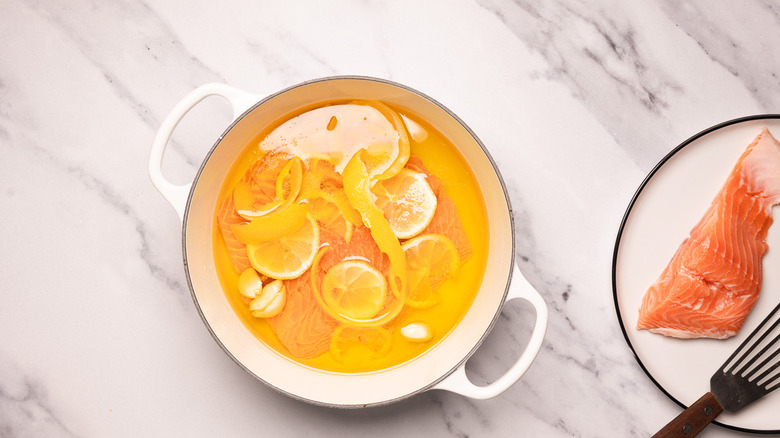
Place the salmon in a heavy saucepan or Dutch oven. Add the garlic, lemon peels, lemon slices, and enough olive oil to submerge. Season with salt.
Step 2: Poach the salmon
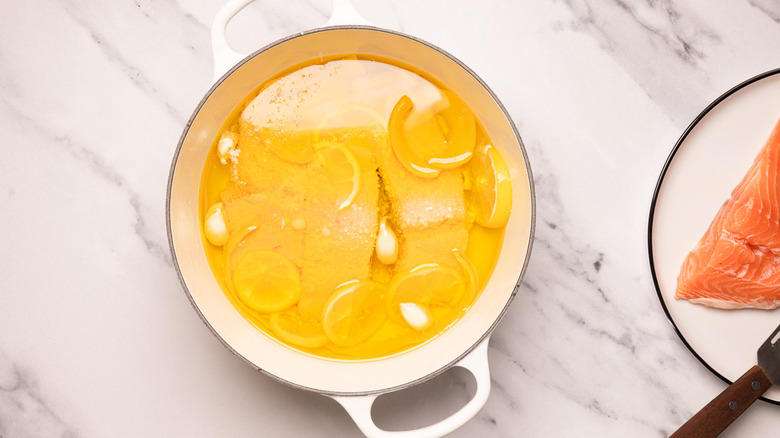
Set the pan over the lowest possible heat and bring the oil to 170 F, monitoring it with a thermometer. Poach until the salmon is just opaque throughout but still slightly yielding in the center, about 10 minutes.
Step 3: Transfer to a rack
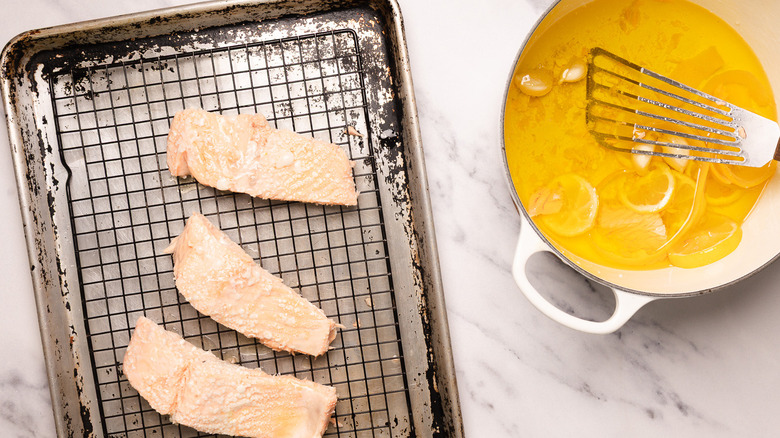
Lift the salmon carefully onto a rack-lined baking sheet.
Step 4: Remove the peels and reserve some oil
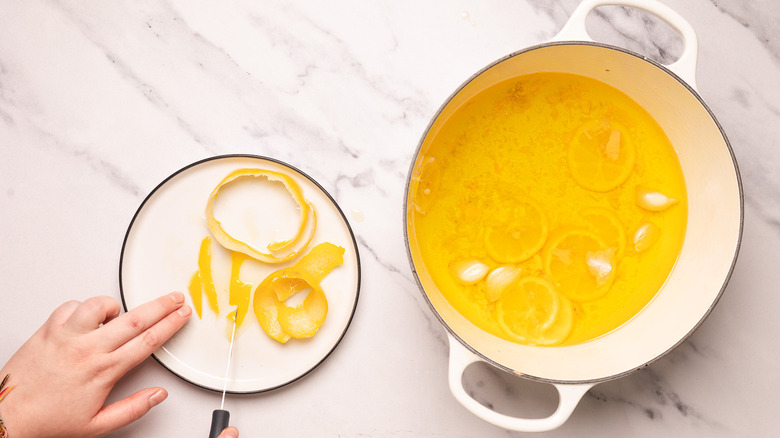
Remove the lemon peels from the oil, finely slice them, and set them aside. Reserve 2 tablespoons of the poaching oil.
Step 5: Preheat the broiler
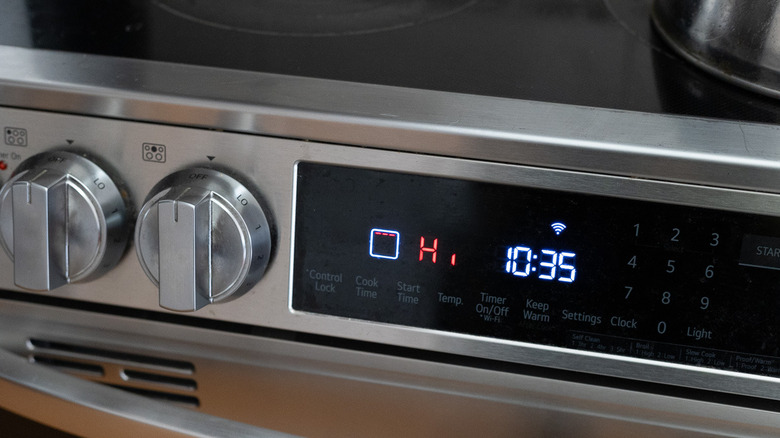
Position the oven rack at the highest position and set the broiler to high.
Step 6: Broil the salmon
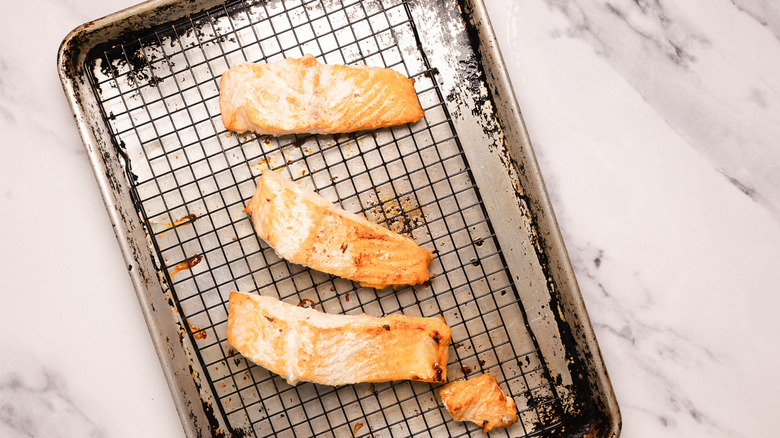
Broil the salmon 2 minutes until the surface is lightly golden in spots. The salmon should measure no more than 145 F in the thickest part.
Step 7: Cook the pasta
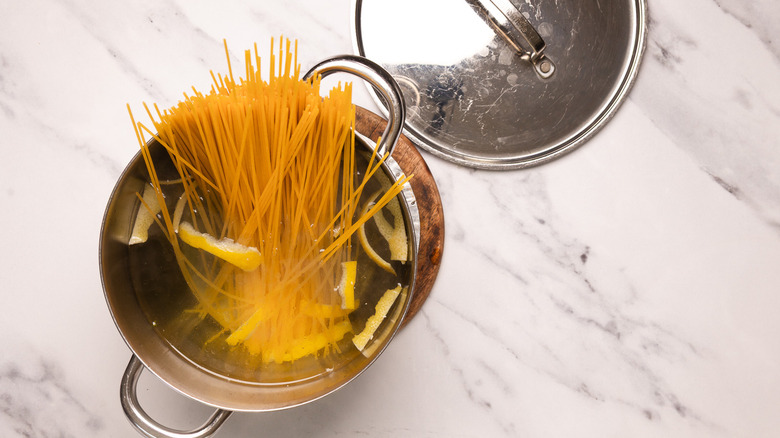
Bring a large pot of heavily salted water to a boil. Add the pasta and lemon peels and cook till the pasta is just shy of al dente.
Step 8: Drain the pasta
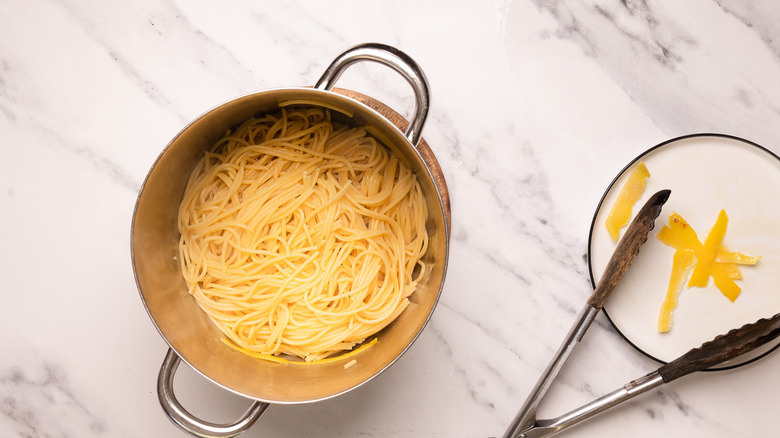
Remove the pasta and lemon peels and reserve 1 cup of pasta water.
Step 9: Preheat the skillet
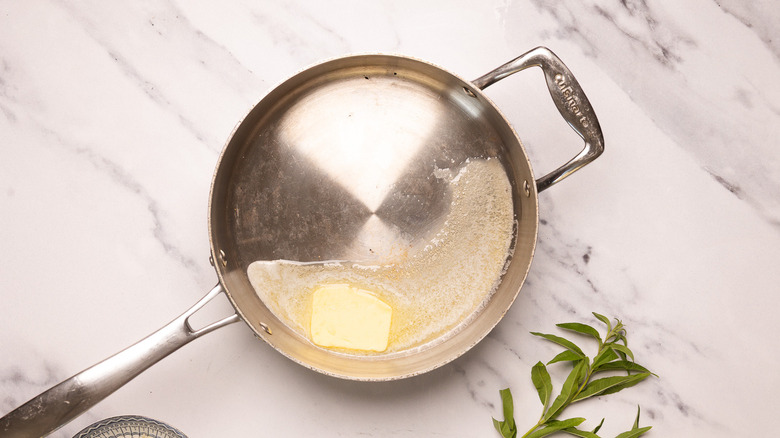
Melt the butter in a wide skillet over medium heat.
Step 10: Add the garlic
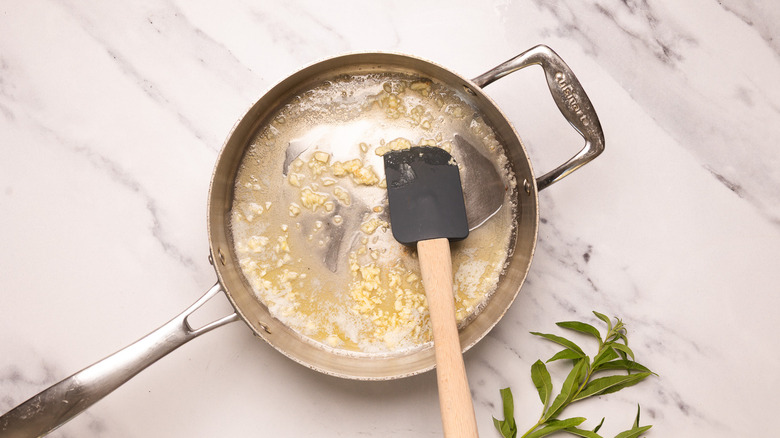
Add the garlic and cook until soft, about 2 minutes.
Step 11: Cook the sauce
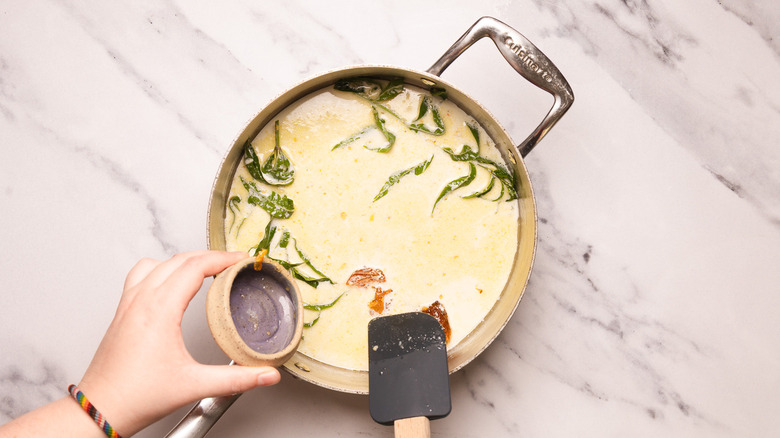
Add the cream and lemon verbena, bring to a gentle simmer, stir in the marmalade, and reduce until slightly thickened, about 5 minutes.
Step 12: Finish the sauce
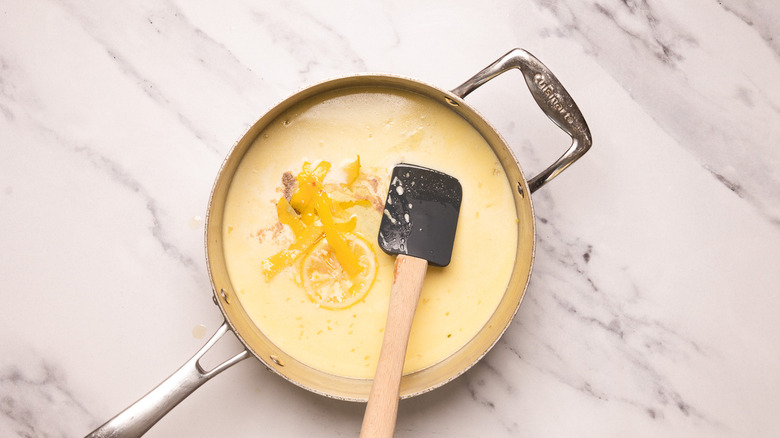
Remove and discard the lemon verbena. Stir in 2 tablespoons of reserved poaching oil, lemon zest, lemon juice, and sliced poached lemon peels. Season with salt and white pepper.
Step 13: Add the pasta
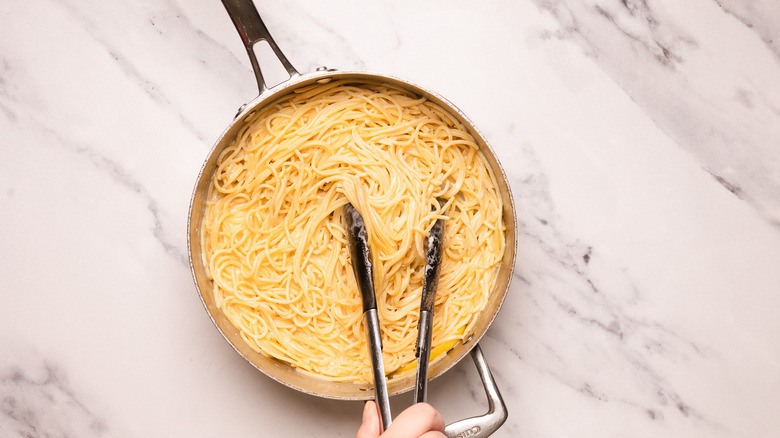
Add the drained pasta. Add pasta water a splash at a time, until the sauce coats each strand. The lemon peels add more flavor and a confit texture, but they can be removed if you prefer a smoother texture.
Step 14: Add the ricotta
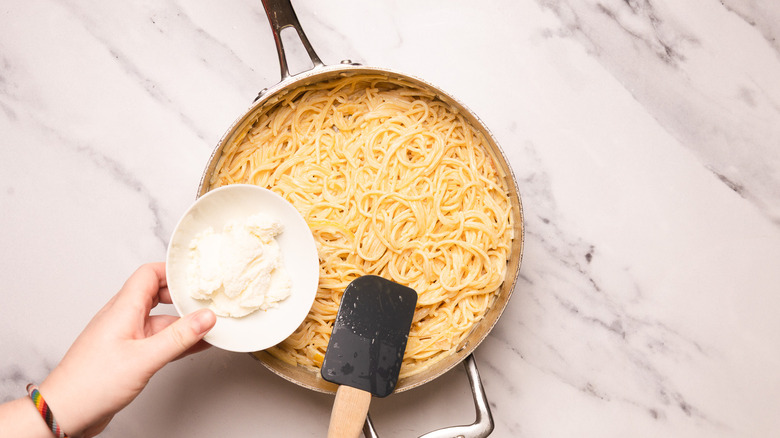
Remove the pan from heat and fold in the ricotta gently, until partially combined but still slightly textured.
Step 15: Top the pasta with salmon
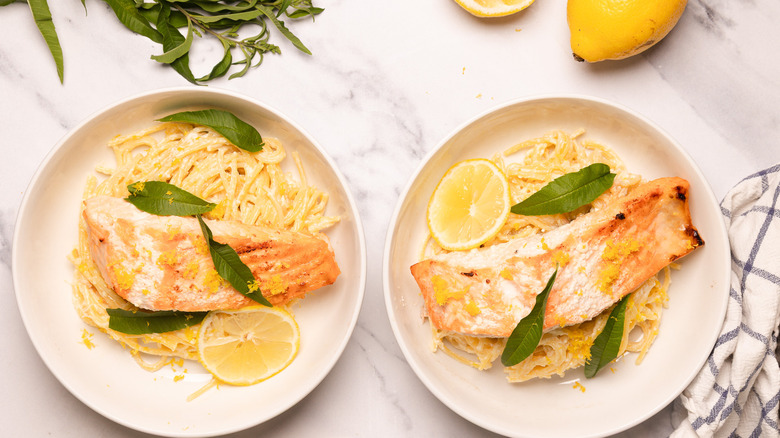
Divide the pasta among bowls. Set a salmon fillet on top. Finish with lemon zest and fresh lemon verbena leaves.
What can I serve with salmon citrus pasta?
Creamy, Citrusy Salmon Pasta Recipe
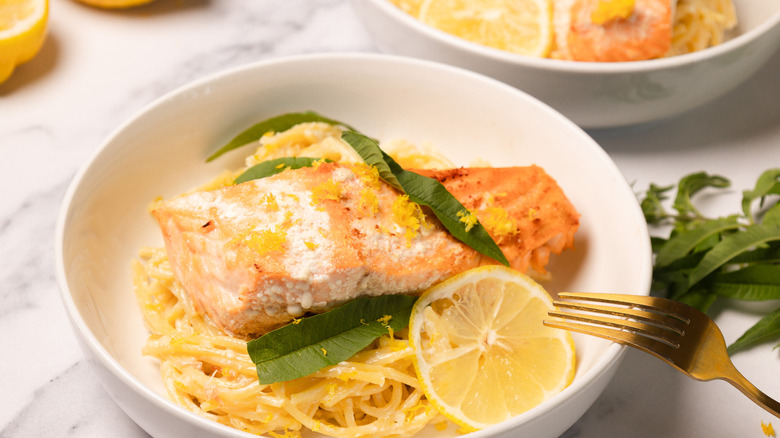
With salmon slow poached in lemon-infused oil atop pasta tossed with a bright triple-citrus cream sauce, this is one truly elevated pasta dish.
Ingredients
- For the oil-poached salmon
- 4 salmon fillets, 6 ounces each, skin removed
- 4 garlic cloves, smashed
- Peels of 2 lemons, white pith removed
- 1 lemon, thinly sliced into rounds
- 2 cups light olive oil
- 1 teaspoon kosher salt
- For the pasta
- 1 tablespoon kosher salt
- 12 ounces linguine or tagliatelle
- Peels of 1 lemon, white pith removed
- For the creamy citrus sauce
- 2 tablespoons unsalted butter
- 3 garlic cloves, thinly sliced
- 1 cup heavy cream
- 6 sprigs fresh lemon verbena
- 1 tablespoon orange marmalade
- Zest of 1 lemon
- 2 tablespoons fresh lemon juice
- ½ teaspoon kosher salt
- ¼ teaspoon white pepper
- ½ cup whole milk ricotta
- To garnish
- Zest of 1 lemon
- 2 sprigs fresh lemon verbena
Directions
- Place the salmon in a heavy saucepan or Dutch oven. Add the garlic, lemon peels, lemon slices, and enough olive oil to submerge. Season with salt.
- Set the pan over the lowest possible heat and bring the oil to 170 F, monitoring it with a thermometer. Poach until the salmon is just opaque throughout but still slightly yielding in the center, about 10 minutes.
- Lift the salmon carefully onto a rack-lined baking sheet.
- Remove the lemon peels from the oil, finely slice them, and set them aside. Reserve 2 tablespoons of the poaching oil.
- Position the oven rack at the highest position and set the broiler to high.
- Broil the salmon 2 minutes until the surface is lightly golden in spots. The salmon should measure no more than 145 F in the thickest part.
- Bring a large pot of heavily salted water to a boil. Add the pasta and lemon peels and cook till the pasta is just shy of al dente.
- Remove the pasta and lemon peels and reserve 1 cup of pasta water.
- Melt the butter in a wide skillet over medium heat.
- Add the garlic and cook until soft, about 2 minutes.
- Add the cream and lemon verbena, bring to a gentle simmer, stir in the marmalade, and reduce until slightly thickened, about 5 minutes.
- Remove and discard the lemon verbena. Stir in 2 tablespoons of reserved poaching oil, lemon zest, lemon juice, and sliced poached lemon peels. Season with salt and white pepper.
- Add the drained pasta. Add pasta water a splash at a time, until the sauce coats each strand. The lemon peels add more flavor and a confit texture, but they can be removed if you prefer a smoother texture.
- Remove the pan from heat and fold in the ricotta gently, until partially combined but still slightly textured.
- Divide the pasta among bowls. Set a salmon fillet on top. Finish with lemon zest and fresh lemon verbena leaves.
What is oil poaching, and can I use another method to cook salmon?
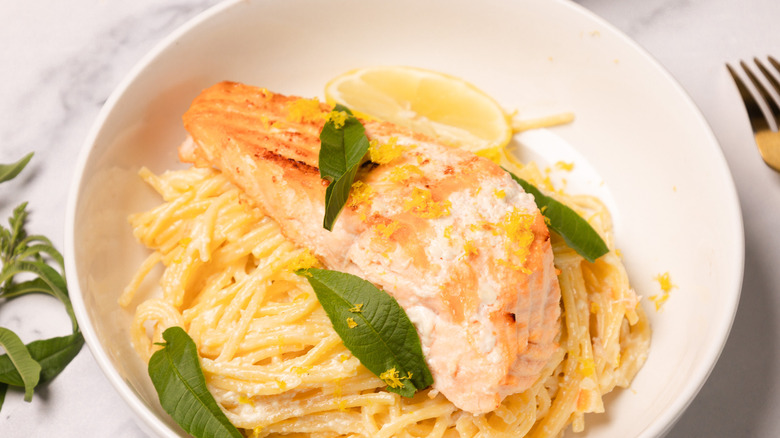
Full disclosure: I'm a recipe developer who used to be afraid of oil poaching. It always seemed expensive and complicated, and I wasn't sure if it was worth all the work. But now that I've tried it a few times, I know those fears are unfounded. Oil poaching is fantastic for fish, and you should make it a part of your cooking technique repertoire, too.
The benefit of oil poaching is that it's a gentle cooking technique in which a protein is submerged in warm fat and cooked at a very low temperature. The goal is to bring the oil to a specific temperature and hold it steady, rather than letting it climb. At a low heat, the salmon cooks slowly and evenly, the muscle fibers stay relaxed, and the fish doesn't dry out. It also works great for cooking expensive fish like tuna without the risk of turning it into shoe leather. To make oil poaching easier, you can use a cheaper olive oil for poaching, and save those extra virgin varietals for something that actually needs it, like a good salad or a nice ice cream. Second, invest in a good thermometer so you don't have to play guessing games with your fish.
If you'd rather use another method to cook the salmon, you can still follow the recipe. I still like to sometimes broil my salmon in the oven, as we do at the end of this recipe, just to give it that blistered appearance. To skip the poaching and bake the salmon, cook it at 400 F for 10 to 12 minutes. If you prefer to pan-sear, cook it in a little olive oil over medium heat for about three to four minutes per side.
What adaptations can I make to this citrus salmon recipe?
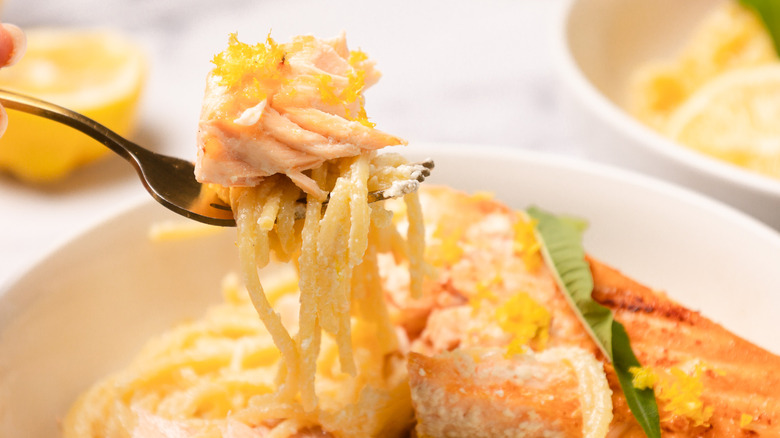
The most common change I make to this recipe is omitting the lemon verbena, which I grow on my balcony but which can be hard to find in the store. Lemon thyme or lemon balm have a similar flavor profile and work well as an herb swap in the sauce. But if you can't find either, simply use about a teaspoon more of lemon zest and add a few fresh basil leaves for a similar herbaceous note.
If you don't love marmalade, you can use a citrus jam, or even the flesh of a juicy Cara Cara orange. In a pinch, a teaspoon of honey with a strip of orange zest will do as a substitution.
I like these flavors so much that sometimes I make this dish with leftover salmon. There are plenty of ways to use leftover salmon, but I have found that adding chunks of it to the sauce and pasta and breaking it into pieces is probably my favorite. This approach will save you from poaching or making the fish especially for the recipe. I have even occasionally used canned salmon, which I added into the pasta sauce along with the pasta itself, letting it soak up all the flavors.