

10 Everyday Foods That Now Cost More Than The Federal Minimum Wage In 2026
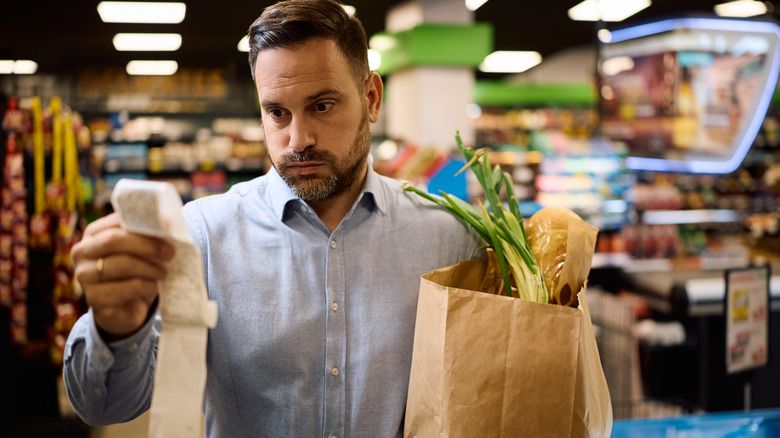
The federal minimum wage has, shockingly, remained at $7.25 an hour since 2009, even as food prices have continued to steadily climb thanks to grocery shrinkflation, tariffs, and supply chain disruptions. While some states have adopted higher minimum wages, workers in states that still follow the federal standard have been dismayed to find that a single grocery item now costs more than an entire hour's pay — and that's before taxes. Meanwhile, food prices have risen another 3.1% over the past year, according to the Consumer Price Index (via U.S. Department of Agriculture), which continues to squeeze household budgets. Below is just a smattering of common food items that now cost more than one hour of work.
Steak
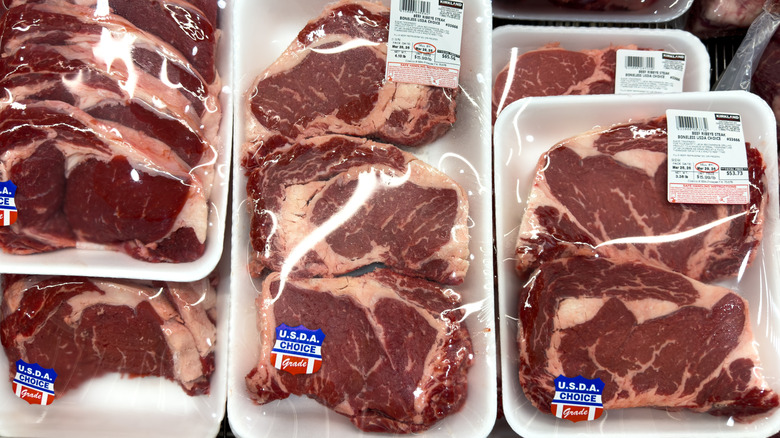
Whether you're buying ribeye, New York strip, or even the more affordable top sirloin, steak has become one of the clearest examples of food inflation. Even modest packages frequently cost $10 to $20 or more, while premium cuts can easily exceed $30. A shrinking U.S. cattle herd and strong consumer demand have also kept beef prices elevated. There are no signs of it slowing down, either. Back in 2022, it was predicted that beef may be more expensive for years to come.
Ground beef
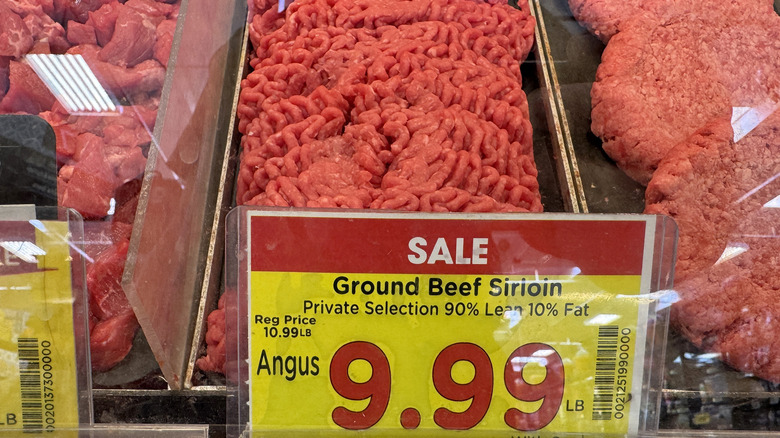
Ground beef is one of America's favorite proteins, especially when it comes to creating burgers for cookouts, but family-size packages routinely sell for more than $10, depending on weight and fat content. Even a standard 1- to 2-pound package can often cost more than the federal minimum wage.
Salmon
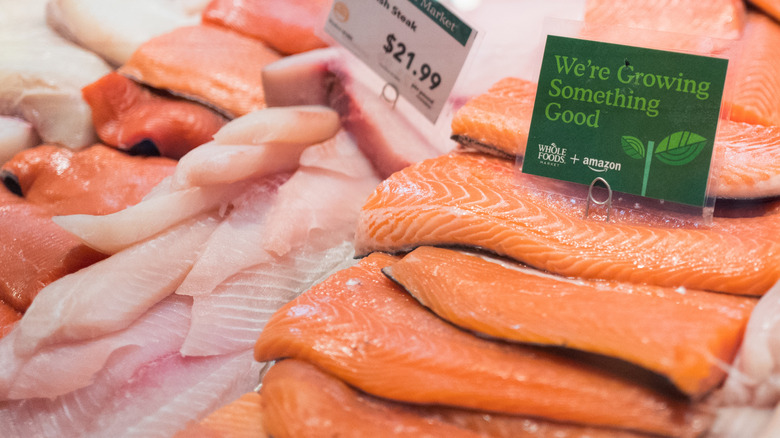
Even if you're trying to cut back on red meat by switching to heart-healthy salmon, you won't be saving any dollars here. Fresh Atlantic salmon fillets typically cost $10 to $20 or more per package, while the more nutrient-dense wild-caught salmon is often even pricier. Seafood generally remains one of the most expensive proteins at the grocery store.
Frozen shrimp
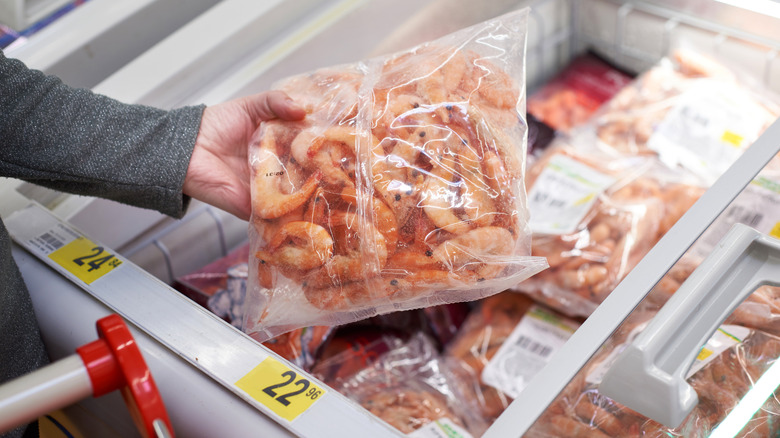
Shrimp is another blow for people trying to find their protein from a source that doesn't say "moo" or "oink." Whether it's raw or cooked, tail-on or tail-off, a 2-pound bag can easily cost the same as two hours of work. The one piece of good news? Frozen shrimp is actually fresher than you think.
Coffee
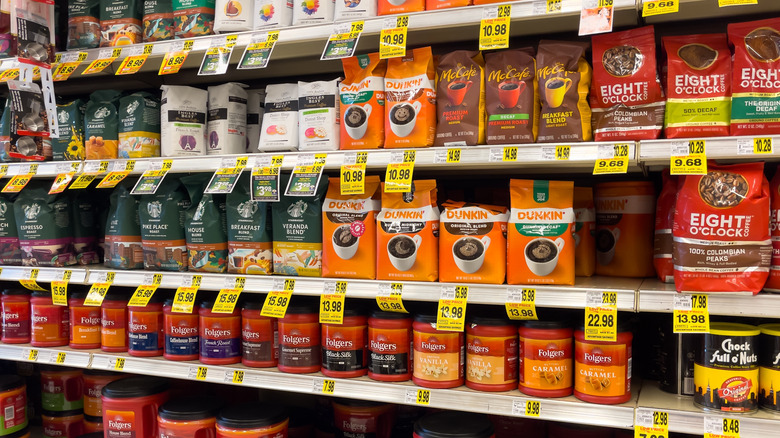
Poor coffee has experienced some of the sharpest price increases in years. The average cost has surged by a whopping 115% since the start of the pandemic. Premium specialty coffees often exceed $20. Climate change-related weather problems in major coffee-growing regions and ongoing supply issues have only driven prices higher. If you're feeling the sticker shock, we picked some of our favorite coffee brands under $10 a pound.
Olive oil
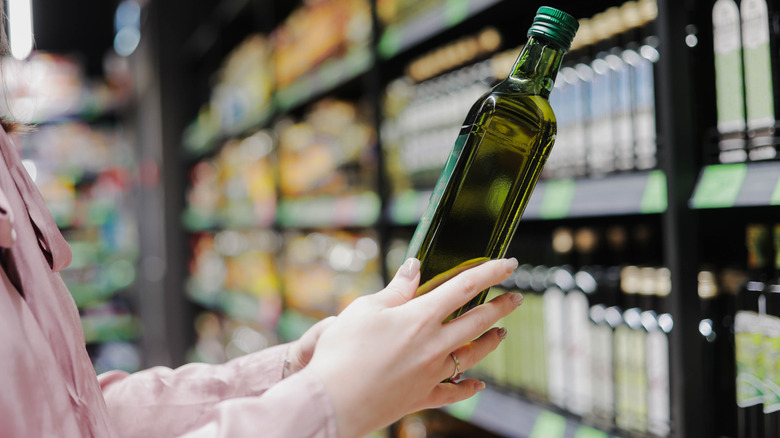
Extra-virgin olive oil continues to remain one of the pricier pantry staples. A decent bottle frequently costs $10 to $20, thanks to poor harvests in the Mediterranean growing regions and global supply constraints. While it's certainly a drag, you can take small comfort in knowing that buying a high-quality olive oil is actually worth it. That is, if you can even afford it.
Maple syrup
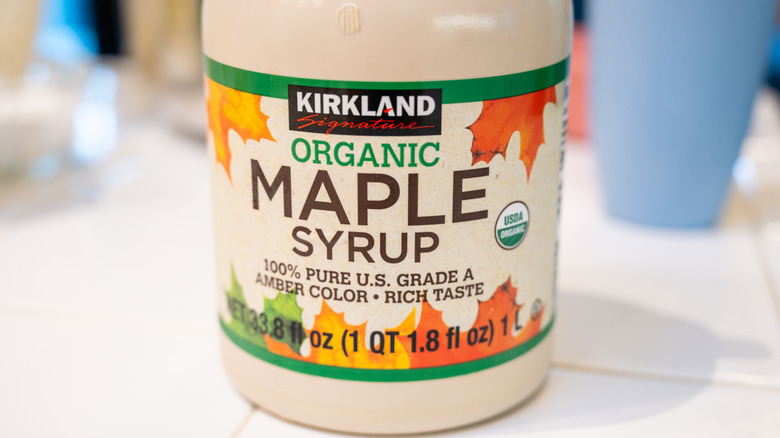
We know that real maple syrup has always been expensive, but authentic products commonly start at around $10 and can go all the way up to $30 if you want the small-batch, artisanal Vermont experience. Unlike pancake syrup, pure maple syrup requires enormous amounts of sap and labor, making it one of the costlier breakfast staples.
Nuts
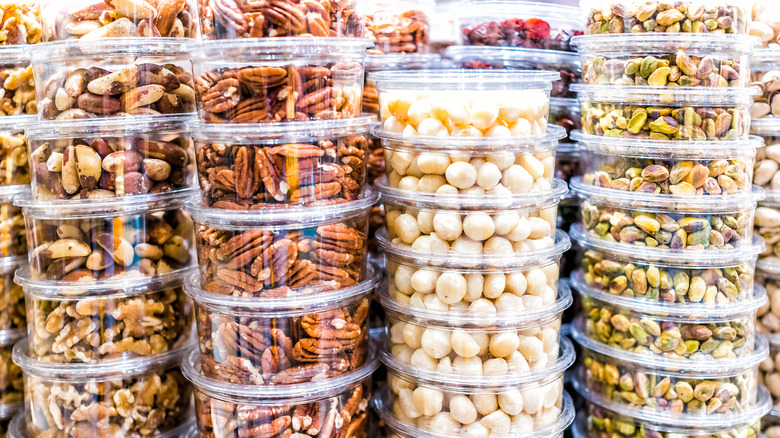
Almonds, cashews, pistachios, and walnuts are all delightful and full of healthy fats and fiber, but they come at a cost. One-pound bags hover at around $10, and that's not even considering the premium roasted or seasoned varieties. If you're craving mixed nuts, that's even more expensive. Though they're one of the healthier snacks out there, they don't come cheap.
Frozen pizza
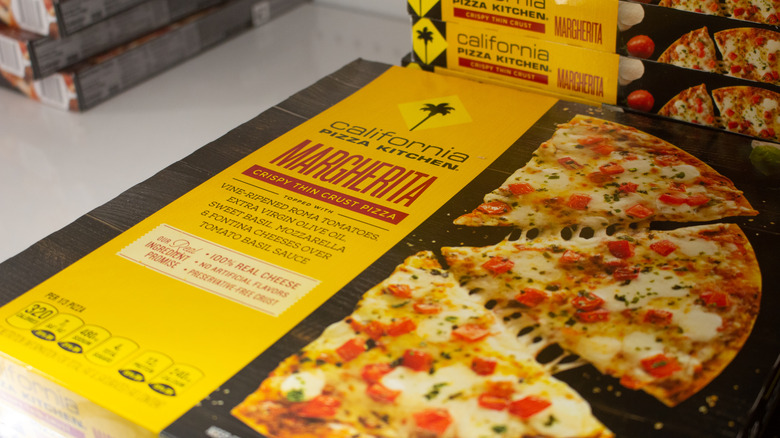
You'll have to work a whole hour to afford a frozen pizza these days, especially if it's a premium option with artisan crusts, specialty cheeses, or gourmet toppings. Restaurant-branded pizzas can easily go over $10. But considering the fact that they don't expire anytime soon and are cheaper than going out to eat, it's no wonder frozen foods are one of the dominant grocery items in 2026.
Breakfast cereal
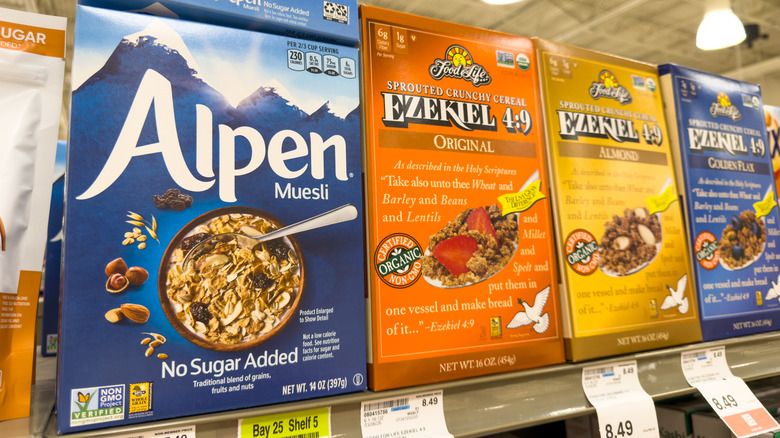
While there's certainly no shortage of sugary kid cereals, if you're trying to eat organic whole grains, you'll have to pay around $8 for a healthy brand. Family-size boxes of popular cereal have also become more expensive in recent years. What used to be the poor college kid's go-to snack has now become a luxury. If you're willing to shell out the big bucks, you might want to avoid the unhealthiest breakfast cereals on shelves these days.
The most striking part of this list is that these are hardly luxury purchases, just everyday food items that millions of Americans buy and rely on each week. For workers who are still stuck at the federal minimum wage, filling a shopping cart is becoming an increasingly larger share of their paycheck.