

Why Spending More On High-Quality Olive Oil Can Be A Smart Decision
When it comes to pantry staples, olive oil sits in a category of its own. Like wine, every bottle reflects a combination of olive variety, growing region, harvest timing, and production methods, which means there can be a dramatic difference between a budget bottle and a premium one. While a higher price tag doesn't automatically guarantee better quality, there are several reasons why spending more on a well-made extra virgin olive oil can be a worthwhile investment.
Premium olive oils are typically produced from carefully harvested olives that are cold-pressed shortly after picking to preserve flavor, aroma, and beneficial compounds. The process is more labor-intensive and yields less oil, which helps explain the higher cost. In return, consumers get a product with brighter, more complex flavors and higher concentrations of naturally occurring antioxidants known as polyphenols. These compounds contribute to olive oil's peppery finish and are linked to many of the health benefits associated with the Mediterranean diet, including heart health and reduced inflammation.
The key is understanding where premium olive oil delivers the most value. While it may not make sense to use your most expensive bottle for every cooking task, having a high-quality olive oil on hand can elevate everyday meals in a way few other ingredients can.
What makes olive oil so pricey?
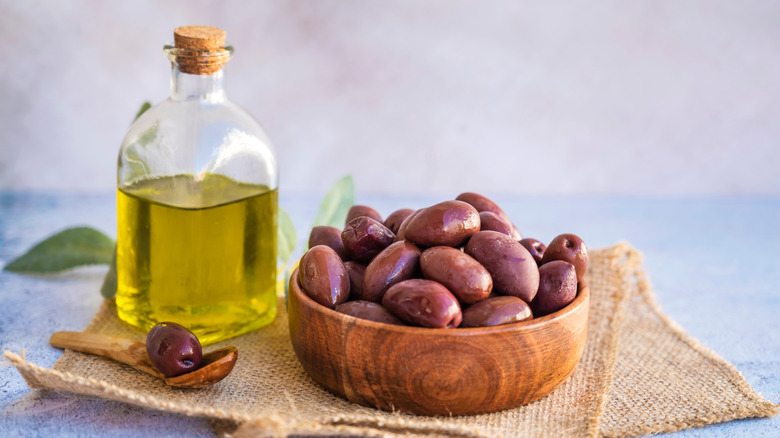
The biggest advantage of premium extra virgin olive oil is that it delivers both flavor and function. A high-quality oil can add grassy, herbaceous, fruity, or peppery notes that transform simple dishes such as roasted vegetables, salads, soups, grilled fish, or even a slice of bread. Because the flavor is more concentrated and nuanced, a little often goes a long way.
Many shoppers also choose premium olive oil for its nutritional benefits. Extra virgin olive oil contains heart-healthy monounsaturated fats and naturally occurring antioxidants that may help combat inflammation. Research suggests that the least processed oils retain more of these beneficial compounds than refined alternatives.
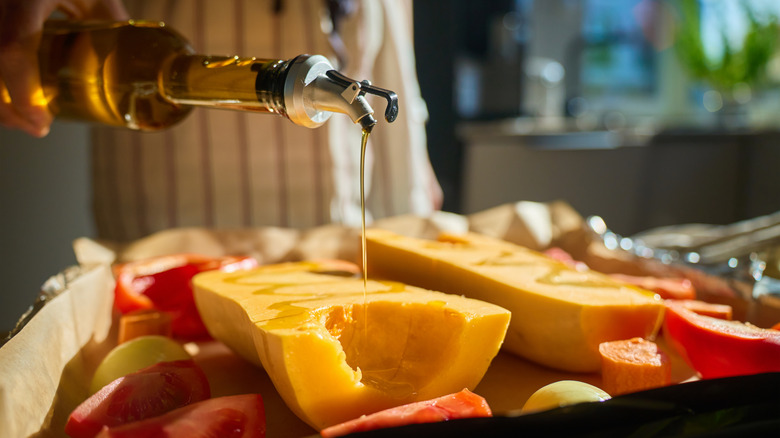
Another common misconception is that expensive olive oil should never be used for cooking. In reality, high-quality extra virgin olive oil is suitable for many everyday cooking methods, including sautéing, pan-frying, and roasting. Its antioxidant content helps it remain relatively stable under heat, though some delicate flavor notes are lost during cooking. For that reason, many cooks use a good-quality extra virgin olive oil for cooking and reserve their most robust, flavorful bottle for finishing dishes, dressings, and dipping.
When to reach for the good stuff
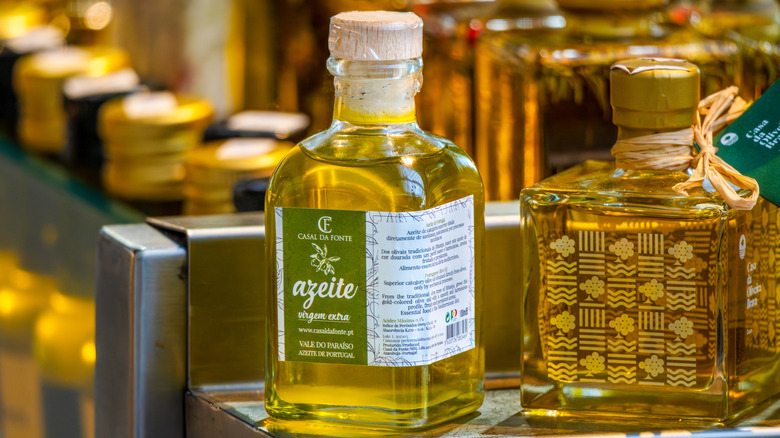
If you're going to spend more on olive oil, freshness should be a priority. Unlike heavily processed oils, extra virgin olive oil is best enjoyed relatively soon after harvest. Look for a harvest date or production date on the bottle and choose the freshest option available. Dark glass bottles or tins are also preferable because they help protect the oil from light exposure.
Beyond freshness, seek out terms such as "extra virgin," "cold-pressed," and, when possible, single-origin or single-estate production. Many olive oil experts also recommend paying attention to flavor rather than marketing claims alone. A fresh, high-quality olive oil should taste vibrant and often have a slight bitterness or peppery kick, which can indicate the presence of beneficial polyphenols.
Ultimately, premium olive oil is less about everyday necessity and more about value. If you regularly use olive oil in dressings, dips, finishing drizzles, or simple recipes where the flavor can shine, investing in a quality bottle can make a noticeable difference. For more routine cooking, a moderately priced extra virgin olive oil may be sufficient, allowing you to save your best bottle for the moments when its flavor and freshness can truly stand out.