

Grocery Shrinkflation Has Been Happening For Longer Than You Might Think
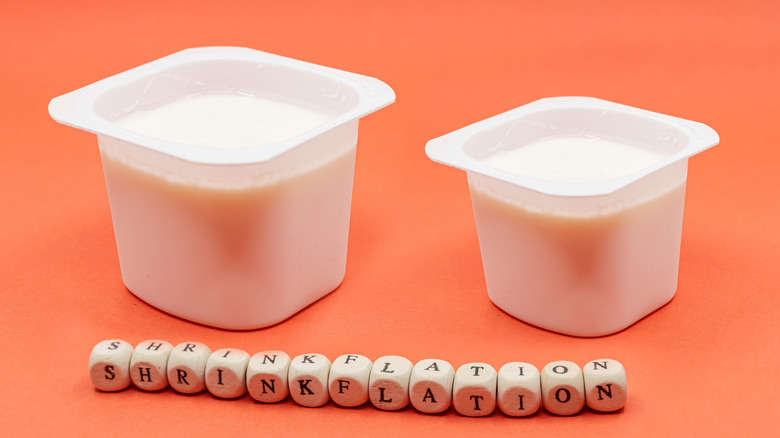
In the years following the COVID-19 pandemic, consumers became acutely aware that their favorite packaged foods had gotten smaller while remaining the same price. This phenomenon is called shrinkflation, and it's a way for companies to cope with increased costs without directly raising prices. Shrinking the product is a less obvious type of inflation, and even though it feels like a modern phenomenon directly related to capitalism, the strategy actually dates back several centuries.
In the Middle Ages, bread was one of the most important staples for survival. As such, it was expected to have a fixed price — any deviation from that invited riots and other forms of cultural unrest. During periods when grain was scarce, bakers couldn't just raise the prices, so they resorted to making smaller loaves to compensate. They were likely hoping the customers wouldn't notice, but people weren't that easy to trick when it comes to their daily bread. When found out, the bakers were sanctioned, publicly ostracized, and punished — sometimes by being put in a cage and repeatedly dunked into a river.
Perhaps it was this kind of severe pushback that made shrinkflation die down for a few centuries, although it likely still occurred now and then. The practice finally made a widespread comeback in the 1970s as a result of the energy crisis, and by the '80s, it was affecting multiple categories of groceries.
Shrinkflation got its name in the early 2000s
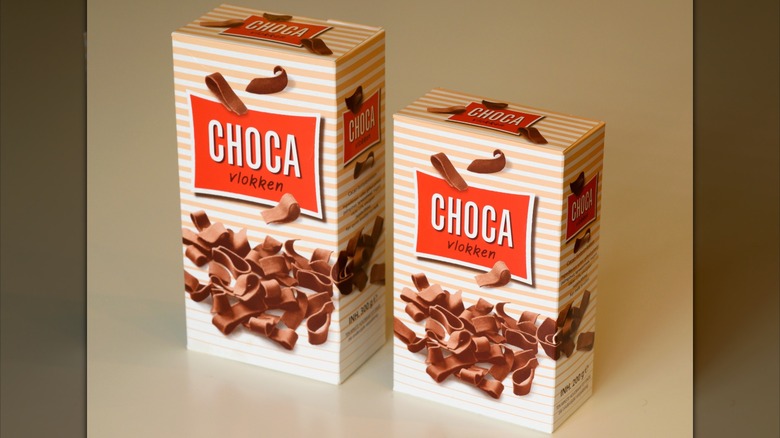
Shrinkflation has clearly been around for a very long time, but it didn't get the catchy name until the 2000s. The practice became particularly noticeable during the 2008 recession, as some brands opted to be transparent about it. For example, in early 2009, Häagen-Dazs announced that it was shrinking its 16-ounce ice cream to 14 ounces, citing the rising costs and refusal to compromise on ingredients. In the next two decades, many brands followed suit, with products gradually getting smaller over time.
Since the early 2000s, shrinkflation has ebbed and flowed, but never fully left the market. Notably, 2015 saw the biggest recorded shrinkflation in recent history — higher even than in 2022, when most of us first became aware of popular groceries hit by shrinkflation. Overall, the trend is inconsistent, often appearing and receding without much warning.
Consumers, understandably, feel duped when their favorite products change size; even the cereal boxes are tricking us amid shrinkflation. The most effective way to navigate this is to pay attention to price per unit — an often overlooked grocery pricing detail that reveals the true cost of what you're buying.