

13 Foods The West Coast Simply Does Best
As a West Coaster who's spent plenty of time eating my way across the East Coast, I've decided that, when it comes to food, the West Coast generally does it better.
Look, the East Coast has some serious culinary strengths: New York City pizzerias and chewy bagels are legendary, Connecticut's butter-bathed lobster is unforgettable, and Philadelphia vegan restaurants are criminally underrated. But, as a producer of year-round fresh produce, home to experimental culture and Indigenous smoking techniques, and longtime stomping grounds for skilled immigrant chefs inspired by the Pacific, the West Coast food scene is just consistently better. At least, that's the case for diners who crave fresh flavors, high-quality produce, and locavore options.
I love and have lived across both regions, but there are just certain dishes that I know will likely be better if ordered to the left of the Rockies.
Salmon anything
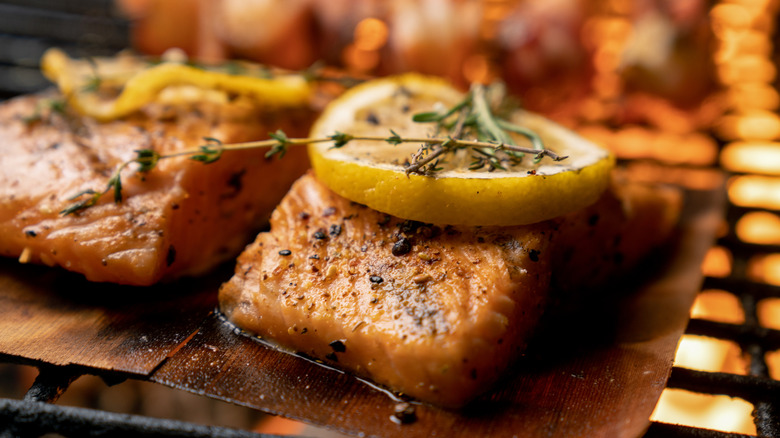
If I were to distill the excellence of West Coast foods into one ingredient, it would be salmon.
Wild Pacific varieties of salmon taste completely different than the farmed Atlantic salmon commonly found in the East Coast. Chinook, Sockeye, Coho and, and other Pacific species offer really distinctive flavors thanks to their time in both the sea and river ecosystems. They're rich in color, meaty in texture, and complex in flavor — the woodsy, earthy, and mineral notes come together for a deep eating experience. It shines on its own, so it doesn't need to be bathed in marinade or spices to pack a punch.
I grew up with this always in the kitchen in some form, from smoked salmon dip to whole fillets caught fresh by our neighbor. My papa would barbecue them for us, local Independence Day celebrations always included a salmon smoke, and salmon burgers were school staples. Salmon isn't just an ingredient on the West Coast. It's a way of life that stretches back to time immemorial, as Indigenous cultures have long turned to the fish for sustenance. Today, their cedar-plank smoking techniques prevail, and you'll find salmon prepared this way everywhere, from Seattle bagel shops to fine dining institutions to cafes serving Scandinavian dishes. When I order smoked salmon dishes on the East Coast, it tends to come cold-smoked and a little slimy, but on the West Coast, it's usually hot-smoked, bold, and much more hearty.
Vegetarian pizzas
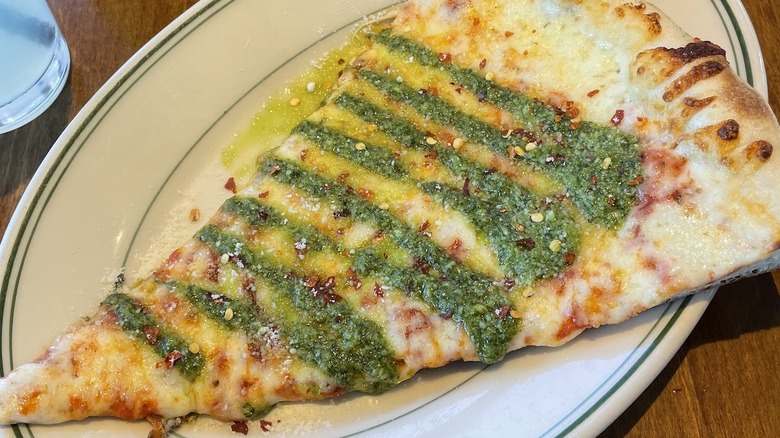
While there are exceptions, vegetarian pizza tends to feel like an afterthought on the East Coast. Generally over-piled with cheese and under-spread with solid toppings, the menu inclusions read "obligatory pie" rather than "showstopping order." That's not an issue on the West Coast. Here, produce is a star, not a side note.
The region has some serious agricultural abundance, with California being the No. 1 produce grower in the United States. In fact, about half of the whole country's vegetables and more than 75% of its nuts and fruits are grown in the Golden State (per CDFA). Washington is also the nation's top producer of onions (and lots of fruits) and ranks second for potatoes (among other produce items). Meanwhile, according to NASS, both California and Oregon are among the top 10 states for the most acreage of certified organic farmland (California is first), and all West Coast states are in the top 10 states for certified organic sales — California and Washington are No. 1 and No. 2, respectively. All of these states are also among the top 10 states for accessibility to locally produced food (via Escoffier). In other words, farming, produce, and everything needed to craft a good vegetarian pizza are strong suits for the region.
From San Francisco to the best Seattle pizzerias, West Coasters know how to do meatless pizza well. I've never missed the meat in this region, and I can't say the same for the East Coast. Roasted mushrooms, spicy peppers, generous portions of fresh herbs, and local cheeses are just a few usual sightings around here. And it's pretty common to see things like potatoes, fruit, or other creative toppings on the pies. It's just a perfect setup for vegetarian pizzas to be just as, if not better than, their pepperoni-covered counterparts.
Grilled cheeses
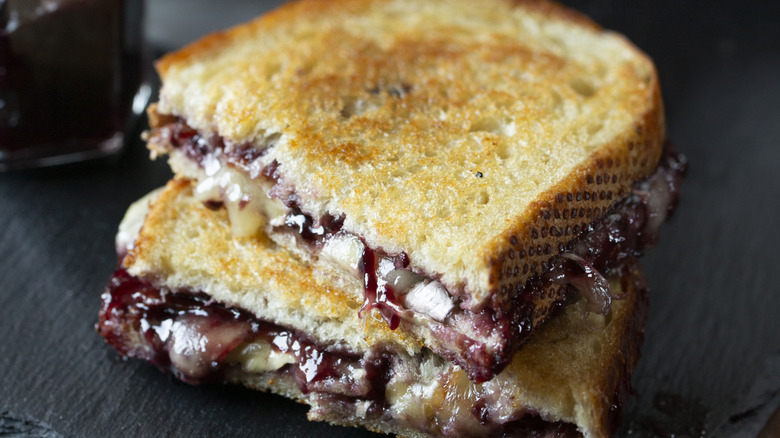
A grilled cheese may sound like a children's menu entry elsewhere, but here on the West Coast, it's something of an art form. And that ability to craft consistently perfect sandwiches is threefold.
First, the region's dairy heritage ensures that the cheese is flavorful and fresh. Companies like Beecher's in Seattle and Tillamook in Oregon have long shaped the industry and the palates on the West Coast. Here, plastic sheets of American cheese just aren't the norm that they are elsewhere. Instead, lavender goat cheese, nutty cheddar, pepperjack, and tender mozzarella slabs are usual inclusions. So, even if just the cheese was excellent, that's already an elevated rendition of something that tends to be straightforward and overly processed in other regions.
Secondly, West Coast bread is a big deal. Sourdough, for example, has a deep connection to the Gold Rush period of San Francisco. Today, bakers carry this tradition forth, leaning into the region's signature, extra-tangy, perfectly sturdy bread that pairs beautifully with just about any cheese (and doesn't fall apart). Paired with other iconic West Coast foods like the aforementioned salmon or huckleberries, it's a three-part recipe that, even at its most simple, always seems to impress.
Clam chowder
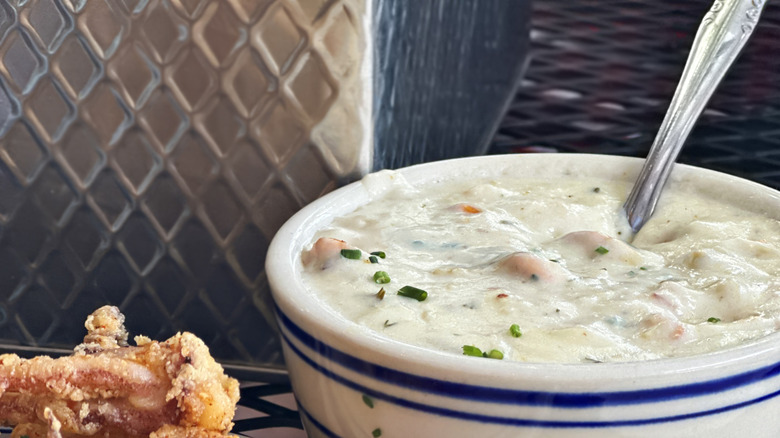
I understand that declaring West Coast clam chowder is superior to the East Coast's may start some serious arguments. But, after eating countless bowls across the country, I'm standing by it.
New England certainly has some great chowder, featuring rich and comforting flavors that are so tied to the region's cultural history. But the West Coast versions consistently taste more balanced and herbaceous, and the types of clams themselves are just different. Razor clams on Pacific shorelines pack sweeter, more delicate, and smoother flavors that East Coast clams lack (it's why I'd argue that all clam-based dishes are better on the West Coast). In chowder, they bring a butteriness, rather than a grittiness.
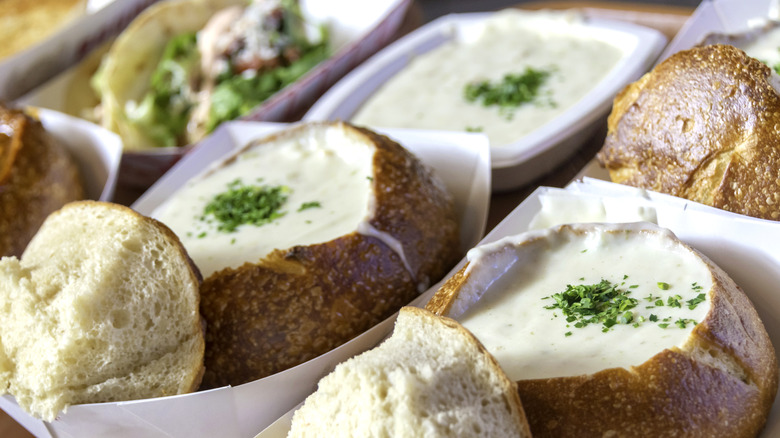
Then there's the texture of the broth — on the West Coast, clam chowder tends to lean into a silkier consistency, letting the seafood and herbs be the star rather than getting buried under mashed-potato-thick soup. It makes for a much better waterfront meal (plus, we like ours in sourdough bread bowls).
Hot dogs
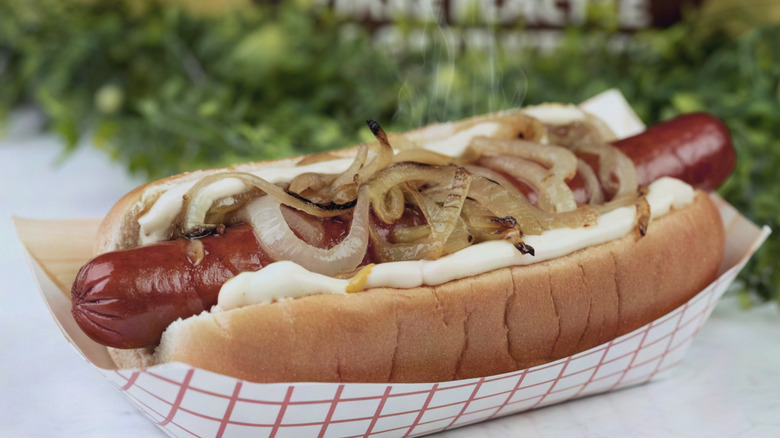
While many think of New York City and Coney Island when it comes to hot dogs, the West Coast has developed some of the more interesting and tastier traditions. The Emerald City's famous Seattle Dog, an iconic Washington State food, is a famous example.
Slathered with cream cheese and topped with grilled onions, it's the perfect mix of umami, creamy, salty, smoky, and ultra-savory flavors that immediately makes mouths water. Many also add other colorful touches to this foundation, like hot sauce drizzles, jalapeños, and crispy onions for a multi-layered masterpiece that just blows more traditional hot dogs away. Locals like myself take it a step further with quirks like handfuls of chives, pickled red onions, raspberry barbecue sauce, or dried seaweed. It's customizable, and in true West Coast fashion, as imaginative as the person eating it.
The meat itself is also quite distinct, as charred, grilled dogs are king. Compared to the boiled sausages that are common on the East Coast, these offer a much better snap and some crispiness. The same can be said for the salmon dog renditions, which are a further testament to the power of the West Coast's spirit of creativity and seafood culture.
Fish tacos
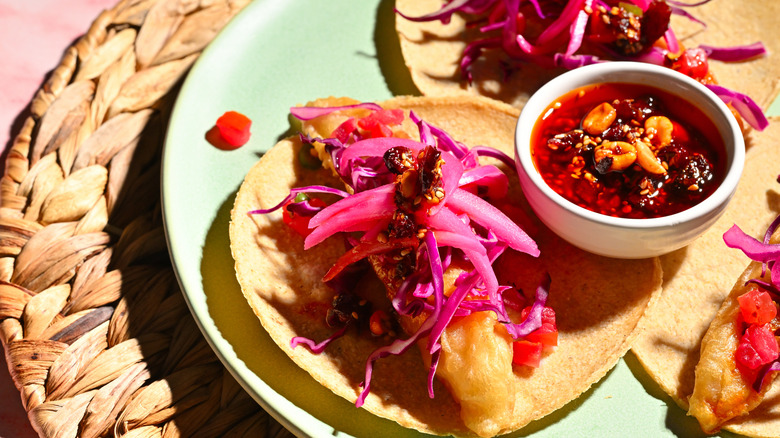
Don't get me started on the sorry sight that is East Coast fish tacos, which rely so heavily on batter, heaps of crema that is absolutely too thick to call itself that, and a serious lack of spice or really many additions at all. But fish tacos are believed to have originated in Baja California, so it should be no surprise that just a touch further north, on the American West Coast, they've got it down to a science.
The key is freshness. For a fish taco to go from good to fabulous, the seafood needs to be high-quality, and West Coast restaurants have access to the nation's best. Whether the fish is grilled, beer-battered, blackened, or seared, it's always the centerpiece, and rightfully so.
However, the supporting ingredients are given the same amount of attention, making for a bright medley of flavors and textures that taste like the coast itself. Think local citrus, creamy avocado, crisp cabbage, herbs, a rainbow of salsas, and handmade tortillas with deep regional roots. There's contrast and freshness, rather than a mess of a few afterthought-toppings burying subpar seafood. Whether you're grabbing Washington state fish tacos crafted with salmon or beer-battered mahi mahi tacos in Southern California, the key ingredients are all local, beloved, and done well.
Chili
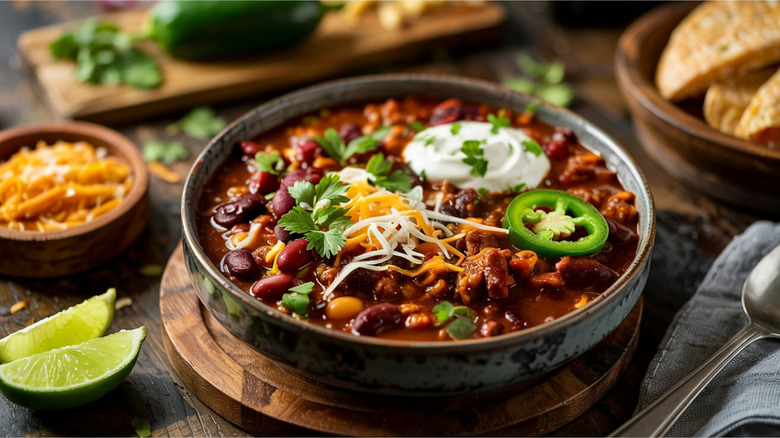
I know that tastes differ, but I think East Coast chili should be a crime. It reads "sloppy joe in a bowl" and lacks the namesake spice, so I don't know how it can be counted as chili. And while the dish tends to vary across the country, the variations on the West Coast are more flavorful, dynamic, and spicy. The access to fresh chiles and the traditional love of heat-inducing spices make the region a perfect home base for something extra-flavorful that always seems to have beans and vegetables (it's a stew here, so there's no danger of getting served meat goo if you order it at a restaurant).
Across the southern half of the West Coast, chiles play a key role in local foodways. Between the know-how and the crops available, these peppers are a star ingredient around here. And chili powder is never used as a mere substitute or as the only heat source. Here, spices uplift and embolden what the fresh ingredients bring to the chili, rather than acting as the only flavors.
West Coast chili embraces vegetables, beans, and herbs, making for varied textures and a full, cohesive dish. The influence of food traditions from Indigenous, Mexican, and Southwestern communities further adds diversity to the category with dishes like green chile stews and bean-heavy vegetarian chilis. And many locals, myself included, love dipping frybread, one of the best foods from Utah and across the West, into it.
Veggie sandwiches
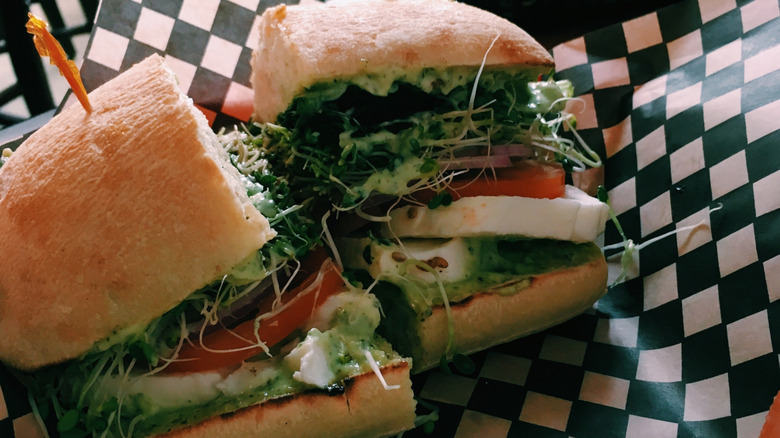
I've eaten sandwiches in every Lower 48 state, and the best I've ever had have been on the West Coast. And they've all been veggie sandwiches. Much like the pizza, this dish thrives around here because they're built around ingredients locals grow, craft, and care about.
The aforementioned exceptional bread serves as a reliable and delicious foundation, whether it's the tangy sourdough of California or hearty multigrain on Pacific Northwest sandwiches. Within the two slices, you'll find produce that was often grown right nearby, making it top-quality. And, thanks to the groves of the region, avocados are creamy, light, and sliced up fresh (brown, squeeze packets of guacamole have no place here). These West Coast specialties join crisp greens, ripe heirloom tomatoes, sprouts, herbs, roasted vegetables, and other classic veggie sandwich additions for a well-rounded, multi-textural, distinct taste.
Other parts of the country just don't have access to these crops, bread traditions, and other West Coast-specific treats. Plus, places like the East Coast tend to lack the integration that vegetarianism has in this region, making veggie options usually feel pretty lackluster, like afterthoughts. Back East, good vegetarian sandwiches feel like the exception. On the West Coast, I expect them. Pro tip: for the best sandwiches in the country, head to Gere-A-Deli in Anacortes, Washington — order the Fresh Mozza.
Steamed artichokes
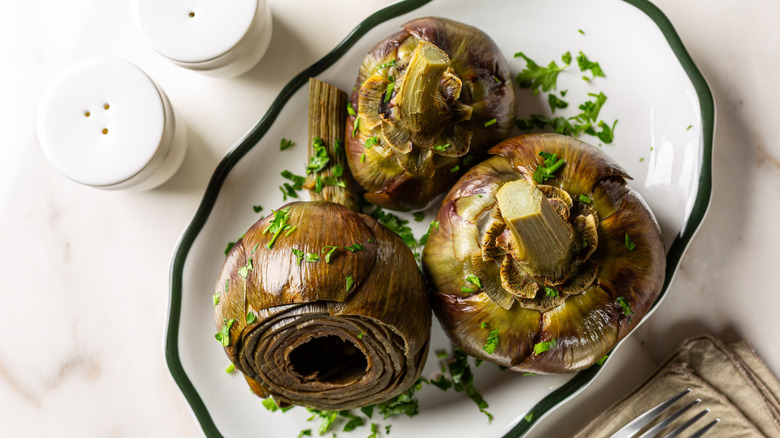
I have so many memories of feasting on these at my grandparents' house here on the West Coast. The steaming treat was soft and tender with lemon and pools of melted butter sitting patiently on the side, offering velvety and bright dips to pair with the earthy artichoke — I know I'm not alone in these memories.
Few ingredients are more deeply tethered to California, specifically, than the artichoke. Thanks to a coastal, Mediterranean climate, almost all commercially grown artichokes in the United States are from the Golden State. Here, they're a little sweet, vibrant, and meaty. The further away you get from California, the worse the quality becomes, so the West Coast is, naturally, prime for this dish.
Lemons and olive oil, also major crops in California, are commonly involved in the making of steamed artichokes, entrenching them even more in the West Coast's regional foodways. Paired with the main attraction that they're complementing, the combination is a perfect give-and-take between tangy, nutty, rich, and vegetal flavors that are crowd-pleasing and so satisfying.
Crab cakes
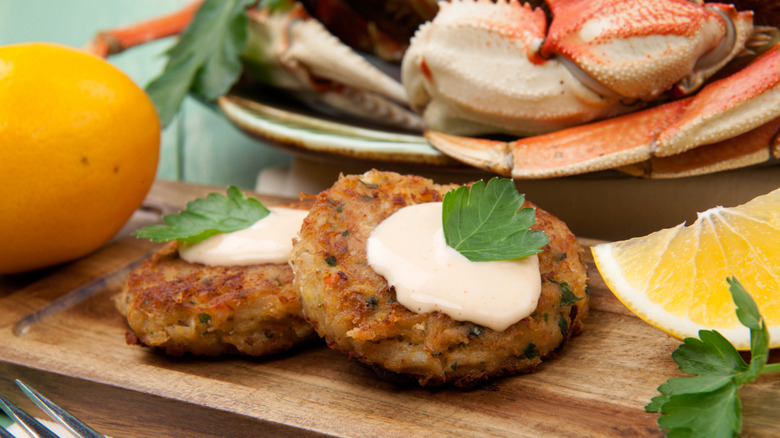
I know that Maryland is known for its crab cakes, but I'll be honest: they've always let me down. And I say that as someone who lived in the Chesapeake Bay region on and off for years. I've spent a lot of time eating around the area, and I've always been on the lookout for crab cakes that live up to their fame, but packed with breading rather than crab, they just don't hold a candle to the West Coast's version.
On the West Coast, they're essentially massive balls of Dungeness. And that makes a difference, not only because breading isn't used as a filler to make up for a lack of seafood, but because Dungeness is much sweeter than the crab on the East Coast. Found along the Pacific coastlines, from Alaska to California, this species has a delicate flavor, tender texture, and loads of meat that others just don't have. So, when made into a crab cake, the seafood doesn't shrink into the background, even when breadcrumbs are involved. Crab is the focal point, and on the West Coast, it tends to be lightly bound together with really great companions like locally grown lemon, herbs, and peppers; none of these hide the seafood, but rather, elevate it with a little acidity.
Maryland blue crab is definitely delicious and historic, but when I'm choosing between a very bready and sparse cake and one packed with sweet Dungeness crab, I'm going with the West Coast version every single time.
Raw oysters
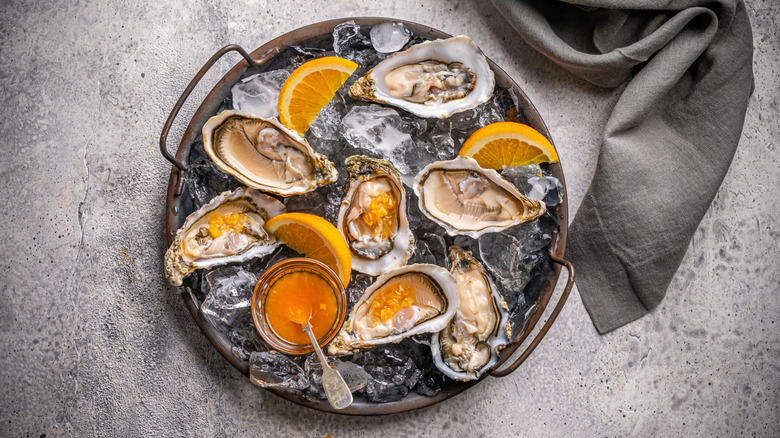
I think if more people tried them in these icy waters, this would be a less controversial food. Oysters are very different on the West Coast, offering sweeter, more melon-like flavors compared to the saline, briny taste that East Coasters are used to. In fact, the first time I tried oysters, it was back East. I thought I hated the food, and despite trying it a few more times along the coast, swore them off. Luckily, my mind was changed along the Pacific, where the sweeter varieties reign.
Like wine, oysters reflect their surrounding landscapes. So, upon tasting them, diners can learn a lot about the sea where they're grown, the climate of the region, and what else lives around the oysters. Here, oysters are creamier, larger, buttery, and bring a much cleaner, mineral finish than those along the Atlantic. Talented chefs at the best Seattle oyster spots like Taylor Shellfish celebrate this bivalve in Puget Sound, where the cold tides produce famously good oysters.
The accompaniments that West Coast oysters tend to come with are also noteworthy. Fresh lemon wedges from California, mignonettes made from Oregon herbs, and even rhubarb granita from Washington all create a seafood experience that feels playful, appropriately light, and deeply connected to place.
Cherry pies
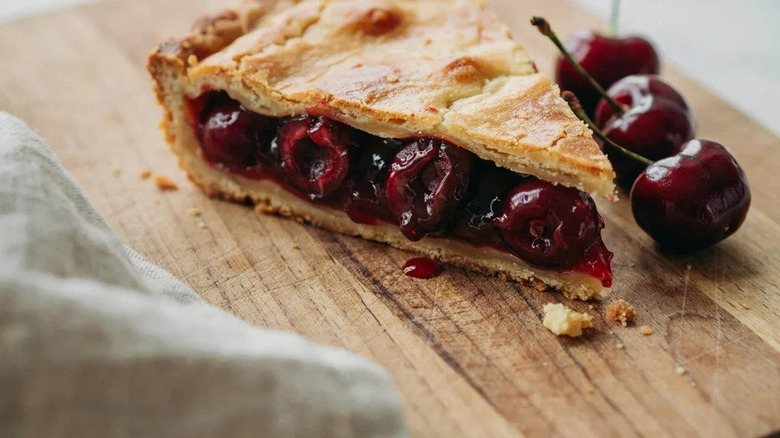
Thanks at least in part to its mention on the hit television series from David Lynch, "Twin Peaks," cherry pie is woven into the mythology of the Pacific Northwest at this point. A steaming slice and a cup of black coffee from a Washington diner remains one of the most iconic meals on the entire West Coast, and, fortunately, it never disappoints.
The American West grows and produces enormous quantities of cherries. That means easy access to the fruit, which ensures that it's of the highest quality for locals. When incorporated into a pie, they bring a great tang that ensures it's not too sweet, but still a treat. So, unlike other regions that use processed fillings by default, here, pies are made with fresh cherries. I can't say how many times I've ordered cherry pie on the East Coast and gotten a slice of neon red, canned, syrupy, sickly sweet orbs between crust, but it's too many. I don't have to worry about that here.
Poke
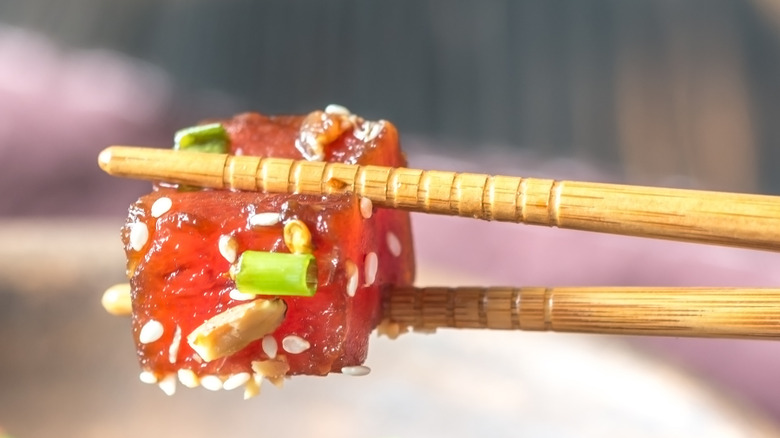
Poke is a specialty on the West Coast, where fresh fish is abundant, and immigrant communities have brought their extensive culinary know-how to the table. It's always buttery, sweet, and paired perfectly, and that's the default, rather than the exception. And it offers a delicious way to connect with the Pacific Ocean and engage with the region's coastal culture.
Originating in Hawaii, poke started out as a way for fishermen to sell their freshly caught seafood right off the boat. They'd season it with sea salt and seaweed, among other things. Pacific Islanders brought it to the mainland, making the West Coast the dish's second home. Sharing the same access to high-quality fish like tuna, salmon, and shrimp, the area's seafood is so good that the poke doesn't need to be drowned in marinades to taste great. Here, toppings like avocado, green onions, and cucumbers offer texture, not a disguise for subpar fish.
Truly good poke is simple, because the very nature of poke is to taste the fish; to sample the fishermen's bounty. The West Coast does a consistently fantastic job of understanding that.