

Rich, Old-Fashioned Mahogany Cake Recipe
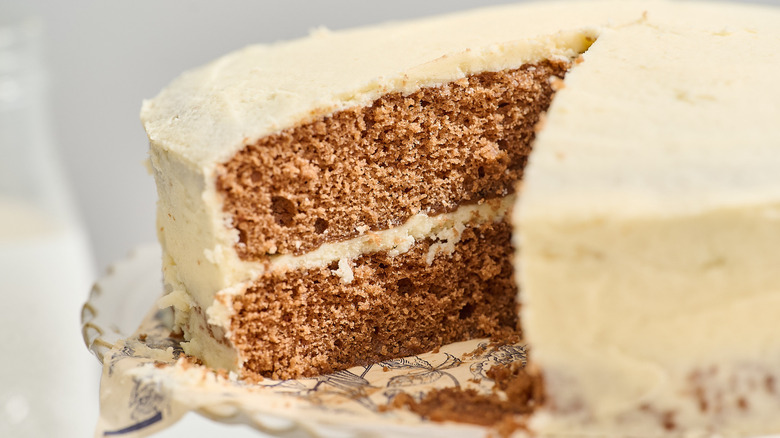
It's rare to meet someone who doesn't like the crimson-colored decadence of red velvet cake. The cake is a relatively simple chocolate cake recipe that combines cocoa powder with tangy buttermilk, but what stands out about the fluffy crumb isn't the taste — it's the bright red color. Paired with a bright white cream cheese frosting, the cake has a striking appearance that we have come to associate with the rich, chocolatey flavor. Before food dye, though, the cake was just as popular and was actually considered the first chocolate cake to ever exist. It also still had its famous red hue, too, though it was made only with cocoa powder, buttermilk, and baking soda, which is how it got its similarly color-coded name of mahogany.
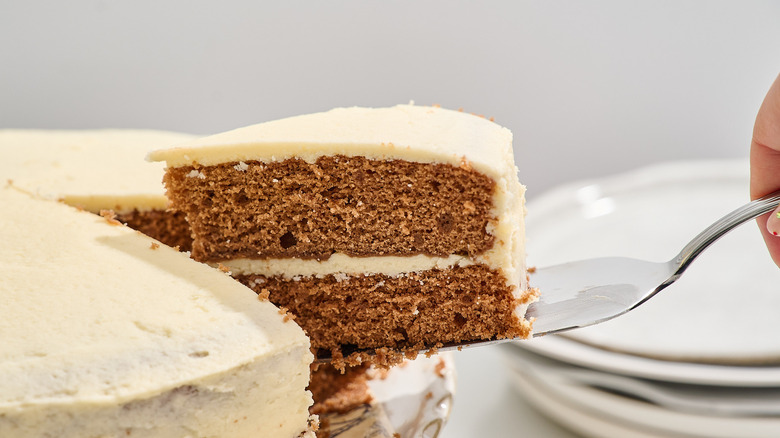
The mahogany cake is made with ingredients similar to red velvet but relies on a chemical reaction between the baking soda, buttermilk, and cocoa powder to change from chocolate brown to slightly red. When cocoa powder was first introduced, it was more acidic than it is today, which caused a redder hue that earned the cake its name. Today, the cake is still a unique color, but though it's not quite as red, it is largely worth making for its velvet quality. Particularly fluffy and light from the reaction between buttermilk and baking soda, our mahogany cake is topped with a subtly sweet old-fashioned ermine icing, which has a rich, creamy, velvety, almost custard-like quality. Velvet cakes (whether red or mahogany) are soft, lightly sweet, and extra delicious cakes that are well worth the effort.
The ingredients needed to make an old-fashioned mahogany cake
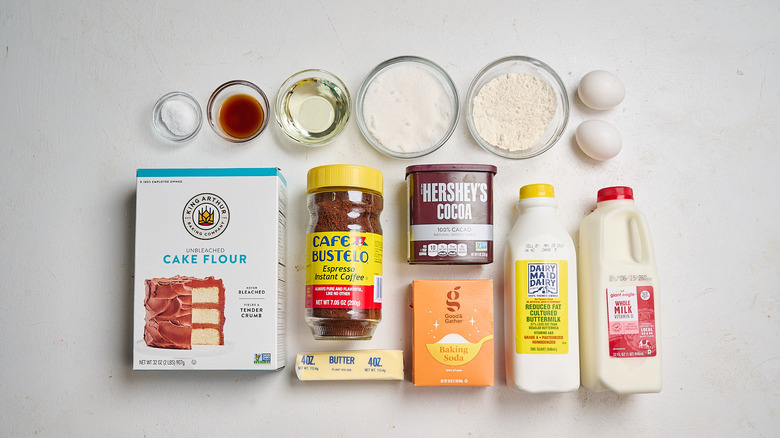
To make this chocolate cake, you'll need cake flour, baking soda, espresso powder, salt, butter, granulated sugar, vanilla, canola oil, eggs, buttermilk, and cocoa powder. It's important to use natural cocoa powder here for the best chance at a red hue, which won't be activated by other types of cocoa like Dutch-processed. Don't be tempted to swap the buttermilk for regular milk, either — the acid in the buttermilk is what makes this cake work. To frost the cake with old-fashioned ermine frosting, you'll just need to grab a little more salt, flour, sugar, butter, and vanilla, as well as a cup of milk.
Step 1: Heat up the oven and prepare pans
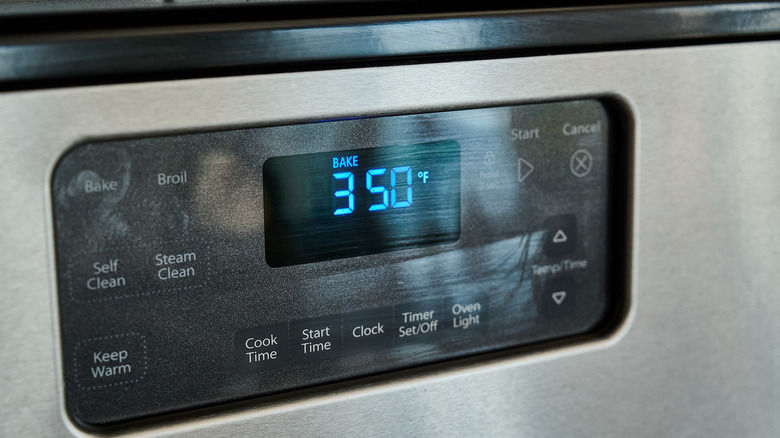
Preheat the oven to 350 F. Grease two round cake pans, then line the bottoms with parchment.
Step 2: Combine the dry ingredients
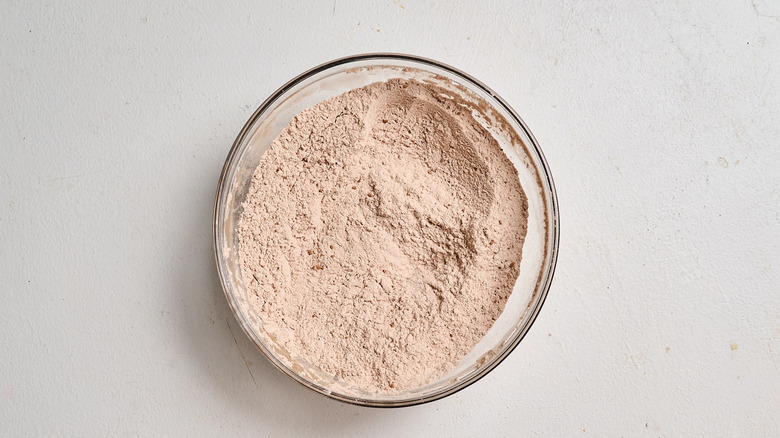
Combine the flour, cocoa, baking soda, espresso powder, and salt in a bowl.
Step 3: Cream the butter and sugar
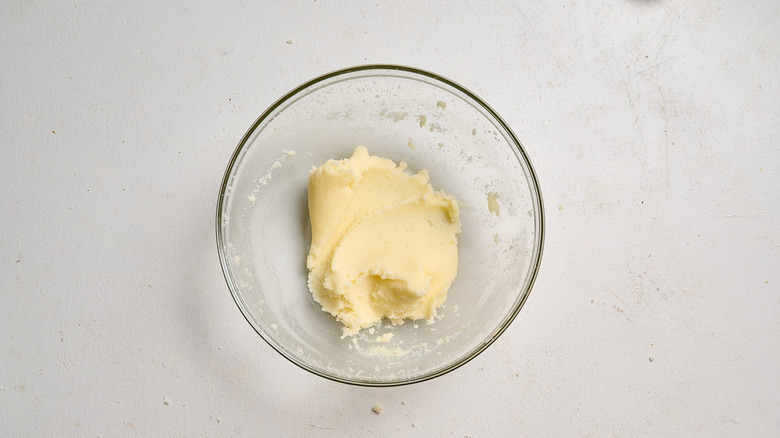
In a large bowl with an electric mixer, cream the butter and sugar together until fluffy, about 3-4 minutes. Add the vanilla and oil and incorporate, about another minute.
Step 4: Add the eggs
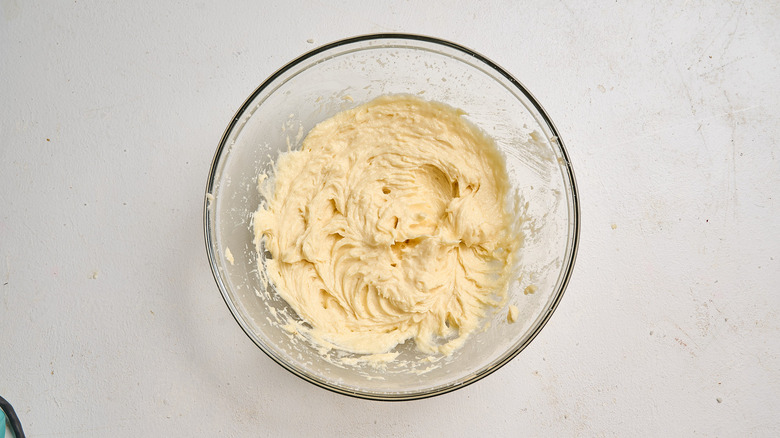
Add the eggs one at a time and beat to combine.
Step 5: Add the buttermilk and flour
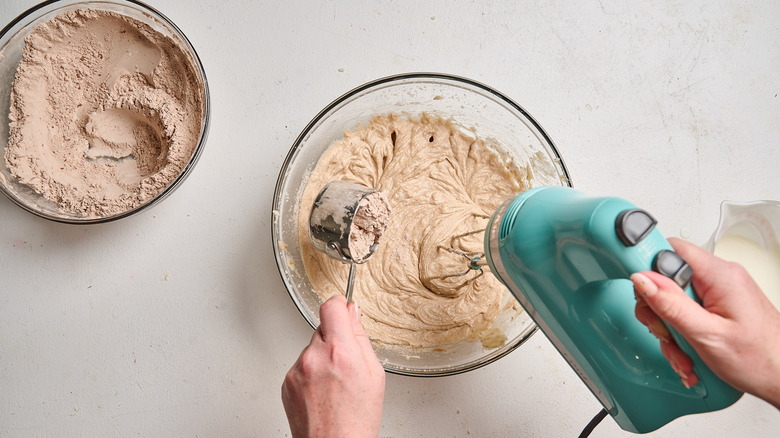
Add ¼ cup of buttermilk and combine, then add ½ cup of the flour mixture and combine. Repeat, alternating between buttermilk and flour, until all ingredients are incorporated.
Step 6: Bake the cake
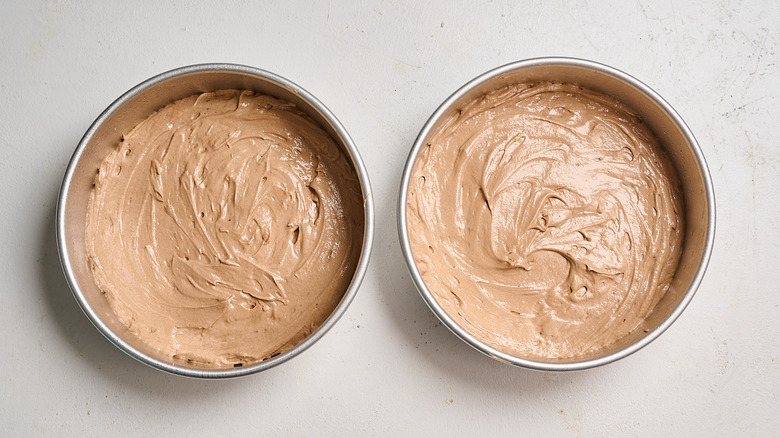
Divide the batter between cake pans and bake 30 to 35 minutes, or until a toothpick inserted into the center comes out clean.
Step 7: Let the cakes cool
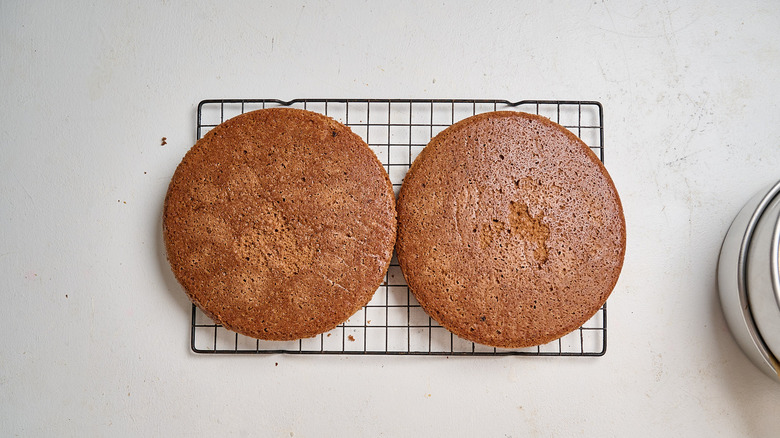
When cool enough to handle, remove the cakes from the pans and let them cool completely on a wire rack.
Step 8: Combine the frosting ingredients in a saucepan
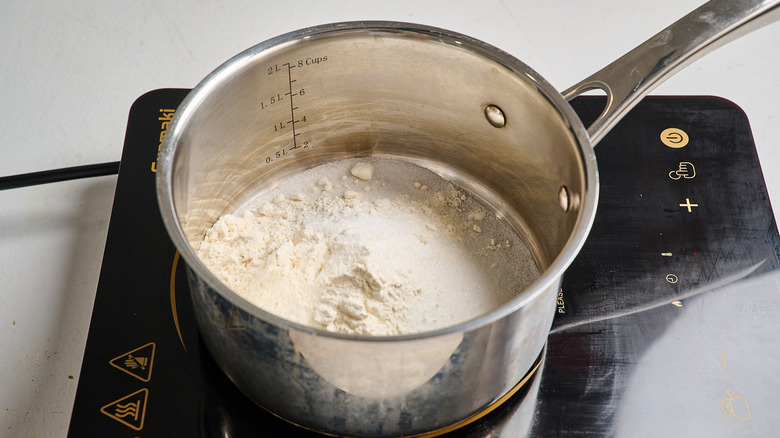
In the meantime, make the frosting. Combine the sugar, flour, and salt in a saucepan.
Step 9: Add the milk and stir till thick
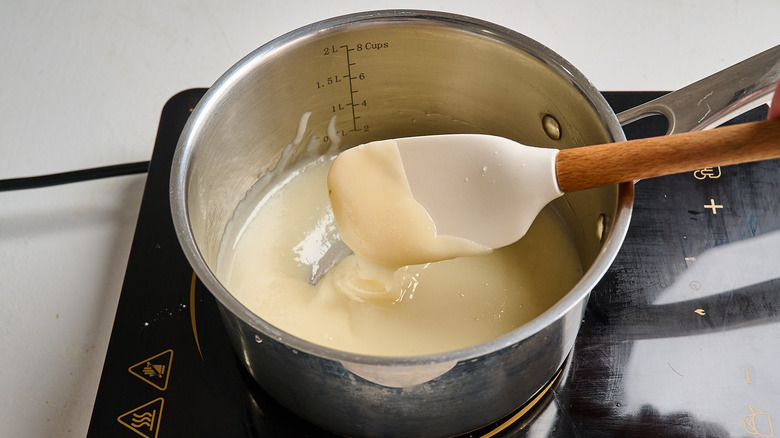
Add the milk and set the saucepan over medium heat. Whisk constantly until thickened to a pudding-like consistency, about 3 minutes. The mixture should coat the back of a spatula.
Step 10: Chill the mixture
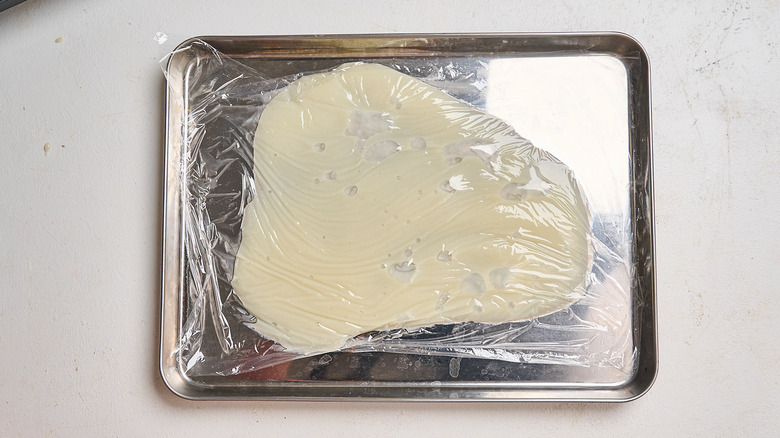
Spread the mixture on a sheet tray and cover it with plastic wrap, pressing the wrap into the pudding to avoid a skin. Chill until completely cooled, at least 30 minutes.
Step 11: Beat the butter until fluffy
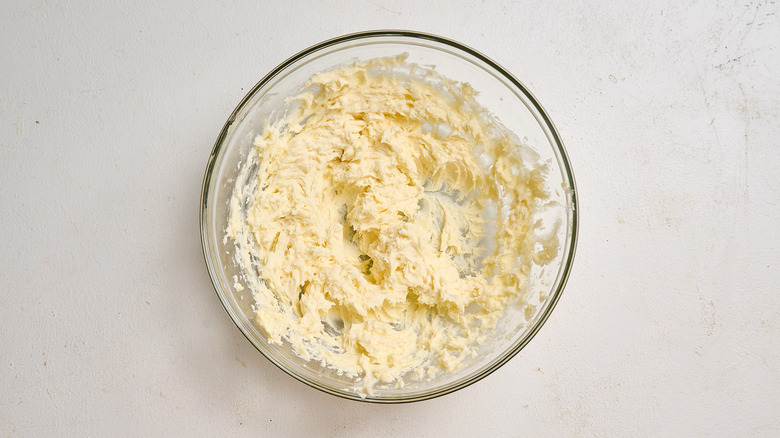
Once the mixture is chilled, beat the softened butter in a large bowl until fluffy, about 3 minutes. Scrape the sides.
Step 12: Add the milk mixture to create a frosting
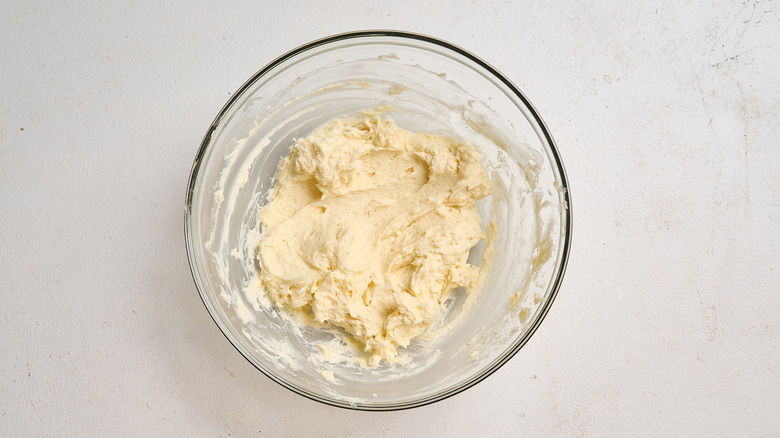
Add the pudding mixture ¼ cup at a time, beating until fully incorporated. Add the vanilla and beat to combine until fluffy.
Step 13: Spread frosting on the middle layer
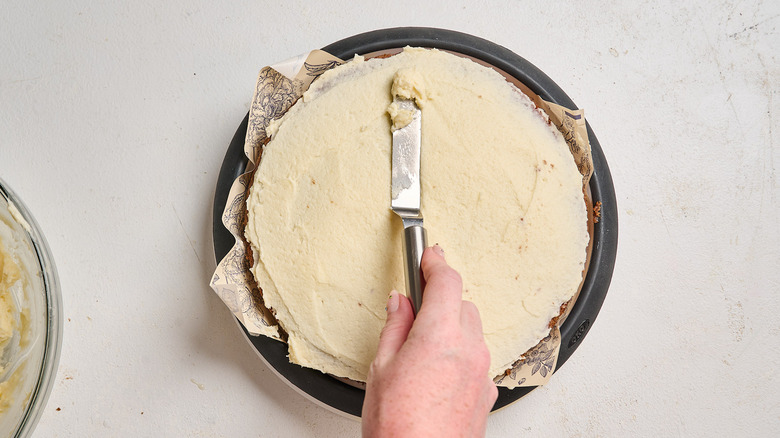
To build the cake, place one cake on a cake stand and spread ermine frosting on top of the first layer. Stack the second cake on top of the first.
Step 14: Frost completely
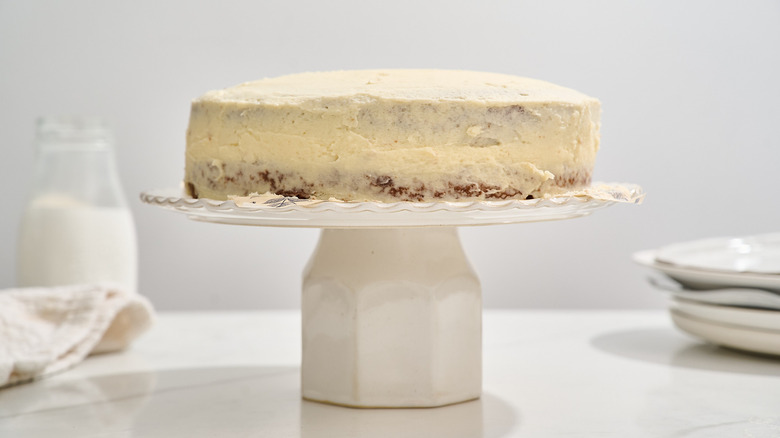
Frost the cake, first starting with the top, then frosting the sides. Serve after frosting.
What can I serve with mahogony cake?
Rich, Old-Fashioned Mahogany Cake Recipe
Our old-fashioned mahogany cake is a light, fluffy chocolate cake topped with an equally old-fashioned rich and creamy vanilla-flavored ermine icing.
Ingredients
- For the cake
- 2 cups cake flour
- 3 tablespoons cocoa powder
- 1 teaspoon baking soda
- 1 teaspoon espresso powder
- ½ teaspoon salt
- ½ cup butter, softened
- 1 ⅓ cups granulated sugar
- 1 teaspoon vanilla extract
- ¼ cup canola oil
- 2 eggs
- 1 ¼ cups buttermilk
- For the frosting
- 1 cup sugar
- 5 tablespoons all-purpose flour
- ¼ teaspoon salt
- 1 cup milk
- 1 cup butter, softened
- 1 teaspoon vanilla extract
Directions
- Preheat the oven to 350 F. Grease two round cake pans, then line the bottoms with parchment.
- Combine the flour, cocoa, baking soda, espresso powder, and salt in a bowl.
- In a large bowl with an electric mixer, cream the butter and sugar together until fluffy, about 3-4 minutes. Add the vanilla and oil and incorporate, about another minute.
- Add the eggs one at a time and beat to combine.
- Add ¼ cup of buttermilk and combine, then add ½ cup of the flour mixture and combine. Repeat, alternating between buttermilk and flour, until all ingredients are incorporated.
- Divide the batter between cake pans and bake 30 to 35 minutes, or until a toothpick inserted into the center comes out clean.
- When cool enough to handle, remove the cakes from the pans and let them cool completely on a wire rack.
- In the meantime, make the frosting. Combine the sugar, flour, and salt in a saucepan.
- Add the milk and set the saucepan over medium heat. Whisk constantly until thickened to a pudding-like consistency, about 3 minutes. The mixture should coat the back of a spatula.
- Spread the mixture on a sheet tray and cover it with plastic wrap, pressing the wrap into the pudding to avoid a skin. Chill until completely cooled, at least 30 minutes.
- Once the mixture is chilled, beat the softened butter in a large bowl until fluffy, about 3 minutes. Scrape the sides.
- Add the pudding mixture ¼ cup at a time, beating until fully incorporated. Add the vanilla and beat to combine until fluffy.
- To build the cake, place one cake on a cake stand and spread ermine frosting on top of the first layer. Stack the second cake on top of the first.
- Frost the cake, first starting with the top, then frosting the sides. Serve after frosting.
Nutrition
| Calories per Serving | 790 |
| Total Fat | 44.4 g |
| Saturated Fat | 23.4 g |
| Trans Fat | 0.0 g |
| Cholesterol | 136.1 mg |
| Total Carbohydrates | 93.5 g |
| Dietary Fiber | 1.5 g |
| Total Sugars | 62.2 g |
| Sodium | 467.5 mg |
| Protein | 7.7 g |

How do I fix ermine frosting if something goes wrong?
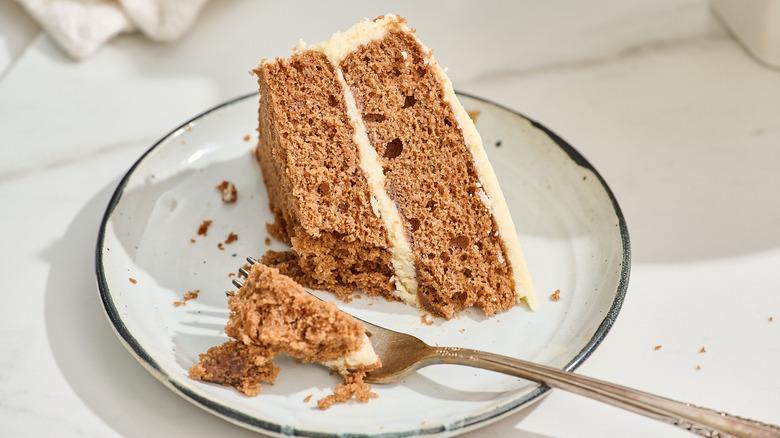
Ermine frosting might be a lesser-known icing, but there are actually fewer ways to mess it up than there are mistakes you can make with buttercream (which seems to fail if you look at it the wrong way). As with any frosting, though, there are things you should keep in mind and fixes you should have handy in case anything does go awry. For example, the very first step, in which we simmer milk, flour, and sugar together, can easily see the frosting turn into a brown and burnt mess rather than a smooth and off-white pudding. To avoid this result, keep the heat to medium or slightly lower and stir constantly, keeping the spatula on the bottom of the pot to prevent the flour from sticking and browning. If you do experience browning, remove the mixture from the heat immediately and strain it through a fine strainer. Provided there aren't burnt bits, the flavor should be unaffected.
Another mishap you may experience is the frosting breaking, in which case it will appear grainy and separated rather than smooth. If the frosting is mostly grainy with obvious lumps, it means the milk mixture was too cold and is causing the butter to clump. Using a heat-safe bowl, put the bowl into a warm oven for a few minutes to warm the frosting and try again. If the frosting breaks into a soupy texture, that means the opposite: the mixture is too warm. To fix it, simply chill the mixture and try whipping it again.
Do I have to use espresso powder?
While using large amounts of coffee or sprinkling espresso powder on top of baked goods will add a noticeable coffee flavor, when you add coffee to batters in small amounts, it will act, rather, as a flavor enhancer to the chocolate in the recipe. The key is in keeping the ratio of coffee significantly smaller than that of chocolate, and adding only enough to boost the cocoa flavor. Still, if you are sensitive to coffee flavor or simply don't have any espresso powder on hand, you can go without it in this recipe.
Because this recipe is made with espresso powder instead of liquid coffee, you don't have to change the recipe at all in order to omit it. To use brewed coffee instead of powder, you'd have to change the recipe in order to account for the added liquid, which hasn't been tested and can't be guaranteed to have good results. Instead, I'd recommend omitting the espresso powder or swapping it for instant coffee.