

12 Long-Living Fruit Trees Worth Planting In Your Yard
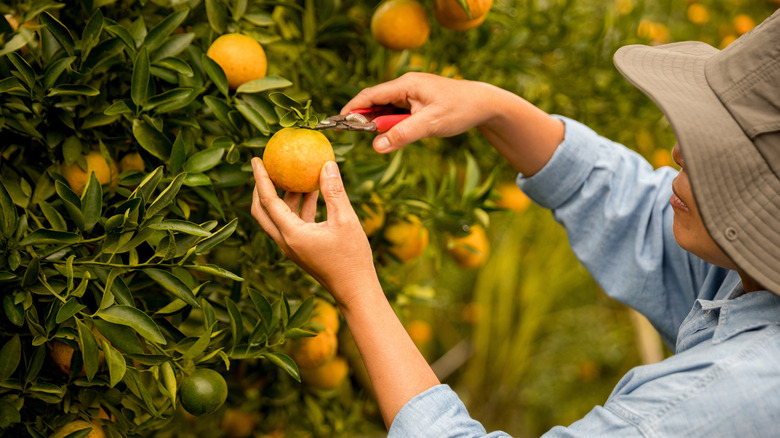
Any time you plant a fruit tree, you're making an investment in the future. Just how long you reap the rewards of your efforts depends on which fruit you choose. Some trees, such as peaches, live just 10-15 years, but others thrive for decades — even centuries.
If longevity is your main concern, it pays to do thorough research. Keeping your plant healthy is another factor, which means choosing a tree that's adapted to your climate, being aware of its susceptibility to pests and diseases, and knowing when the tree requires pruning. Keep in mind that expected lifespan isn't necessarily how long a tree produces fruit; most fruit trees are in their prime in younger years. Once your fruit tree does reach the end of its productive life, it still makes an excellent ornamental feature in your yard, and offers shade and a habitat for birds and wildlife.
Pear
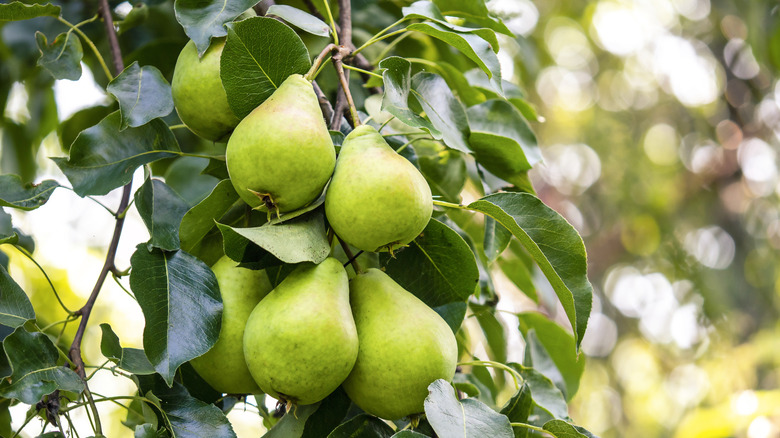
The oldest cultivated fruit tree in America is the Endicott pear at almost 400 years old. A more reasonable expectation for the average backyard pear tree is up to 70 years, depending on the variety. Pear trees produce fruit from around their fourth or fifth year, are low maintenance, and one of the best fruit trees for beginner gardeners. However, you likely need two trees for pollination and fruit.
Apple
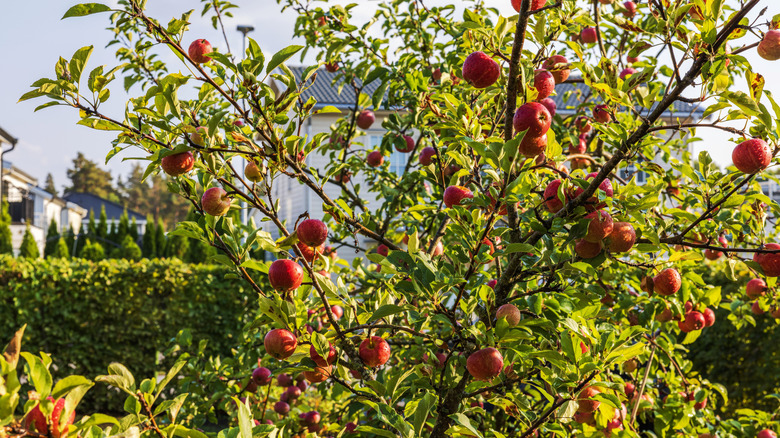
Apples might not have the glamour of more exciting fruits, but their versatility and durability has secured them as a staple of the American diet. They grow well in zones 3 to 8, making them a solid choice for most parts of the country. Standard-sized heirloom trees tend to have longer lifespans, with apple varieties such as the Baldwin living up to 100 years. Older trees need diligent pruning to ensure they continue to fruit.
Fig
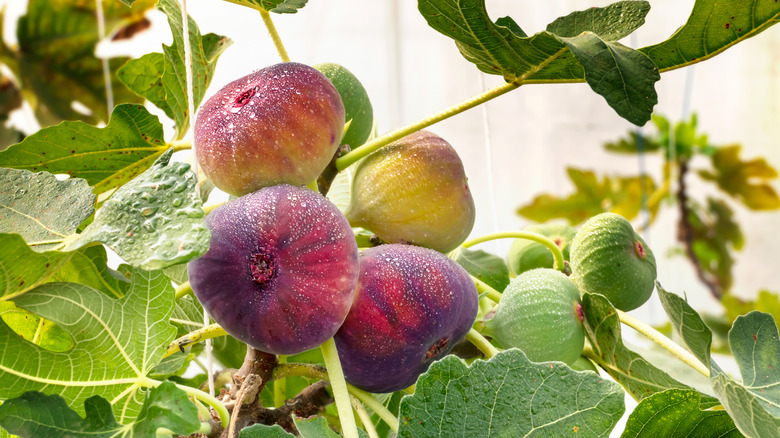
Fresh figs have a shelf life of just two or three days, so there's no better way to enjoy them than straight off the tree. It's easier than you think to grow your own: Figs are fast-growing fruit trees, self-pollinating, and don't require pruning. The average lifespan is around 50 to 70 years, but in the right conditions, fig trees can live as long as 200 years.
Lemon
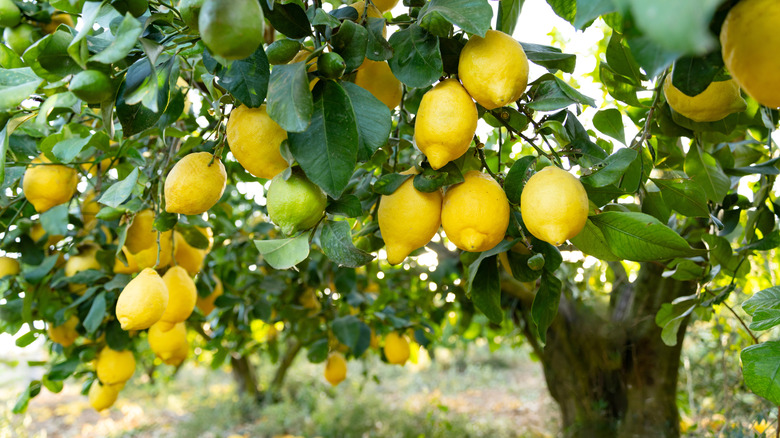
Lemons are one of the most useful fruits to have growing in your garden. With a lifespan that can reach 50 to 70 years, it's an investment that pays off. While lemons can be grown from leftover seeds, it might take 10 years to get your first harvest. Starting with a grafted plant reduces this to two or three years. Lemons are best grown in zones 9 through 11 since they don't tolerate cold.
Persimmon
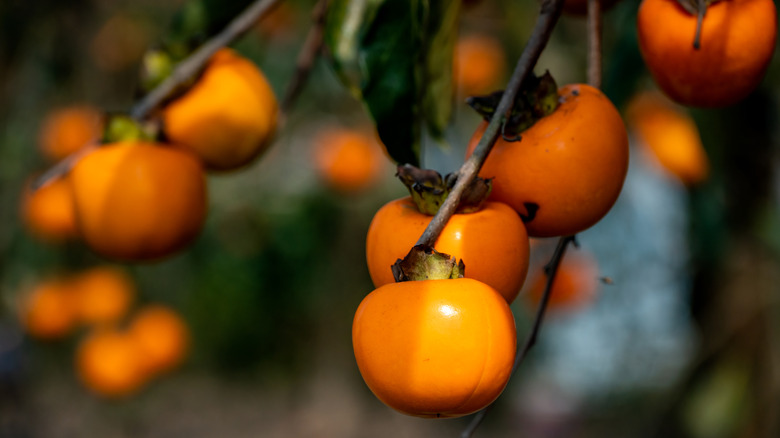
Persimmons are an underrated fruit, but with applications in sweet and savory cooking, or simply eaten raw, they're worth getting familiar with. There are two main types of persimmons, Asian and American, and it's the Asian fruit you usually find in stores. They are fast growing, hardy trees that can live 60-80 years.
Orange
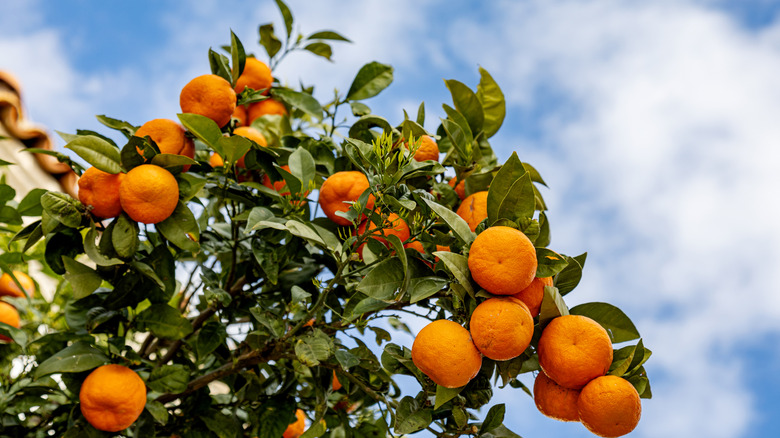
There are more than 400 varieties of oranges grown worldwide, each varying in color, acidity, juiciness, and even how thick the skin is. Regardless of which type you choose, orange trees need to be in zones 9-11 and require eight to 10 hours of sun each day to thrive. Orange trees can live upwards of 100 years, though their fruit-bearing time is much shorter.
Mulberry
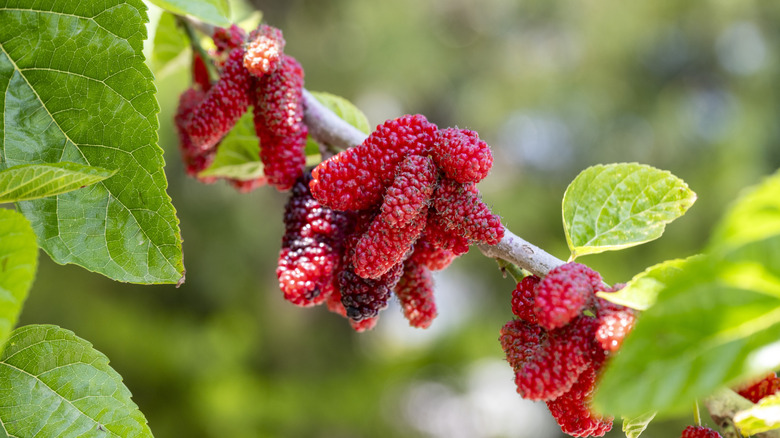
It's rare to see mulberries in stores. Growing your own is the best chance you have to enjoy them fresh or as an unconventional but delicious pie filling. The red mulberry (Morus rubra) has an average lifespan of 75 to 125 years. The white mulberry can live up to 150 years. Black mulberry trees are less common in the United States, but can live upwards of 300 years.
Black cherry
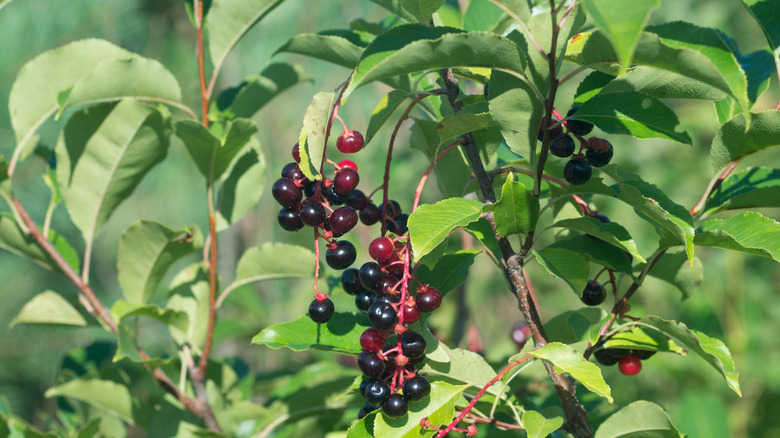
While the trees that give us sweet or tart cherries have relatively short lifespans of 15-25 years, the black cherry is up there with the longest living fruit trees. The Prunus serotina is native to North America and has an average lifespan of 100 years, though it has been known to live as long as 250 years. The fruit was traditionally used to flavor rum, but can also be turned into jellies or cordials.
Date palm
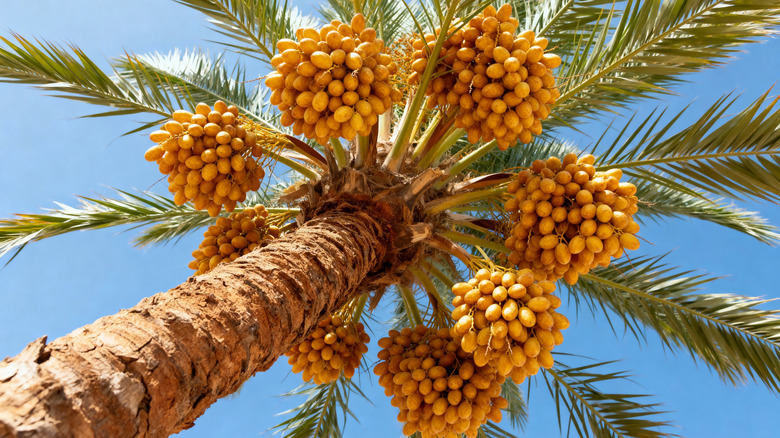
If you want a tree that provides visual impact as well as fruit, it's hard to pass up a date palm. Despite being slow growers, date palms can reach up to 75 feet tall with leaves as long as 16 feet, and can live for up to 150 years. There are several trees known as date palms, all of which produce fruit, but grow Phoenix dactylifera for the type of dates you can eat.
Mango
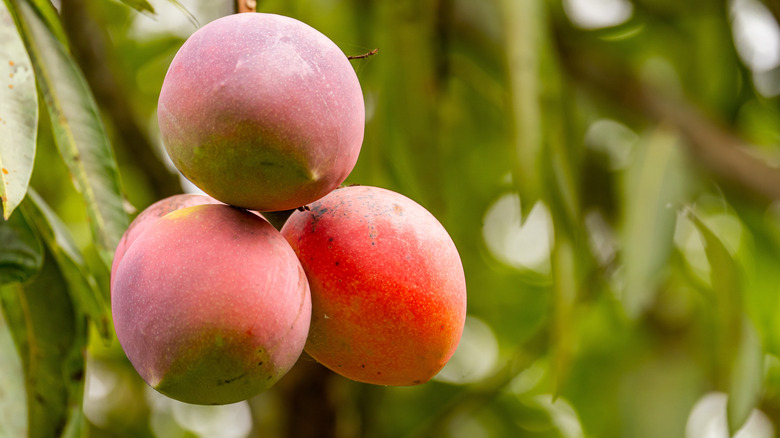
The mango tree is native to the warm climates of South Asia, so its suitability for growing in the U.S. is limited to zones 10 and 11. If you're lucky enough to live in Hawaii, Florida, or southern California, you can expect a mango tree to live upwards of 100 years in the garden. Rosigold, Fairchild, and Orange Sherbert varieties are often recommended for home growing, but check the suitability for your climate and available space.
Pomegranate
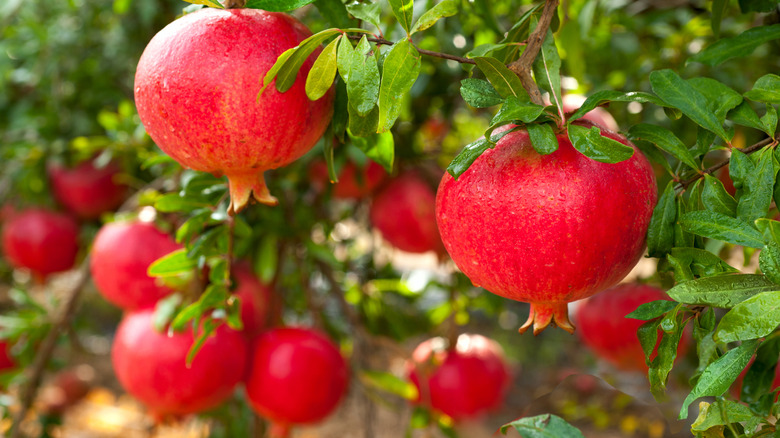
Pomegranates are thought to be one of the first cultivated fruits, with a history of domestication dating back thousands of years. Your own pomegranate tree could live as long as 200 years, but its productive life is a comparatively short 10-15 years. Pomegranates grow in zones 7-10, but prefer full sun, hot, dry summers, and can struggle with humidity.
Olive
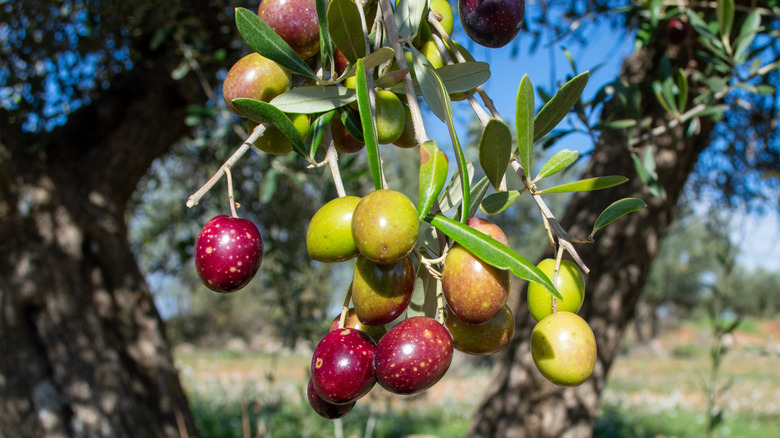
We tend to think of olives more as a vegetable thanks to their salty taste when cured, but they are technically fruit. The trees have an incredibly long lifespan in the wild, with an average of 500 years, and the oldest known tree reached 1,500 years. Producing your own olive oil is possible, but labor intensive; brining or dry-curing olives is a simpler process that keeps your pantry full of umami goodness.