

12 Foods That Could Give Your Immune System A Boost
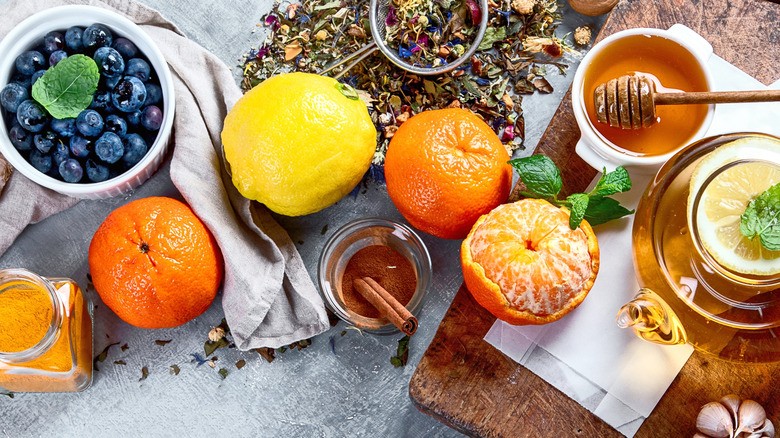
For many, diving into the winter months means more indoor time, endless germs, coughing children, less availability of fresh produce, and less sunlight. All of these wonderful factors swirl together to increase the prevalence of communicable illnesses, leaving us sneezing and achy. You can certainly load up on supplements, but did you know that plenty of fruits and vegetables are loaded with those same essential immunity boosters? Sure, buffer yourself with some elderberry tea or orange juice, or pop a vitamin C if your doctor suggests it. But if you can sneak some of these top foods that could give your immune system a boost, then you may be looking at a healthier flu season this year.
After getting my certification from Cornell in plant-based nutrition and spending years developing disease-reversing, immunity-boosting, and weight-loss-inducing meal plans, I found myself developing recipes a little differently than before. The primary focus was, of course, to create a delicious and dynamic dish, but I also added some emphasis on intentionally selecting ingredients for healing. I'm sure your mother has told you to eat your fruits and vegetables many times, but it's extra important when nasty viruses are circulating. I've listed some of the best foods that could give your immune system a boost, and you can easily incorporate them into your meals. Bon appetite and stay healthy.
Red bell peppers
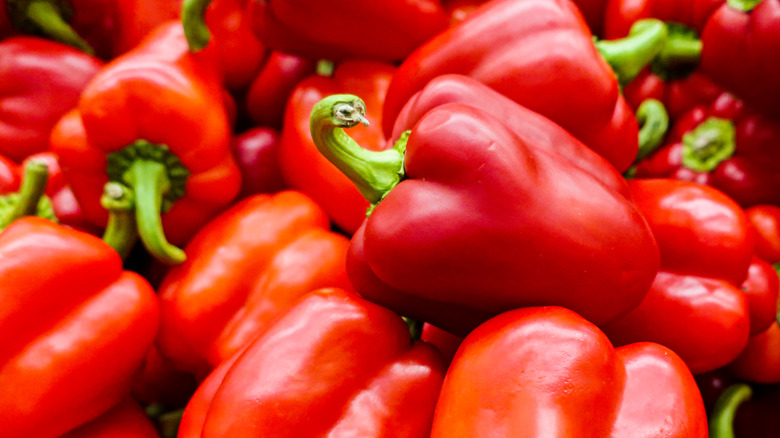
Marketing has us all believing that oranges are about the best you can do if you're looking to load up on vitamin C. Yes, citrus fruits are absolutely a must when it comes to immunity boosting, but would you believe that there is a brightly colored vegetable out there with even more vitamin C? One orange has roughly 51 milligrams of vitamin C, while just 1 cup of chopped red pepper, which is about the same volume, contains 191 milligrams, which is well over the recommended daily value of 75-90 milligrams. Cooking red peppers does decrease the antioxidant activity, especially when boiled. However, that doesn't mean they aren't still chock full of nutrients, so if you prefer them cooked, roast away!
Vitamin C is a vital micronutrient in our body's basic functions, but it also acts as an immunity booster. It does this by eliminating microbes and helps protective cells fight off pathogens, decrease tissue damage, and help reduce inflammation. These types of functions essentially help protect our bodies from pathogens and can help you recover faster. So, if you're enjoying a nutritious red bell pepper (which is just a more developed green pepper), you can be assured that you're loading up on immunity-boosting properties, especially vitamin C. Red peppers also have an abundance of vitamins E and A, and lots of fiber, all of which support healthy immune function. Consider snacking on raw red pepper slices, stuffing and baking them, dicing them for stir-fries, or grilling them.
Berries
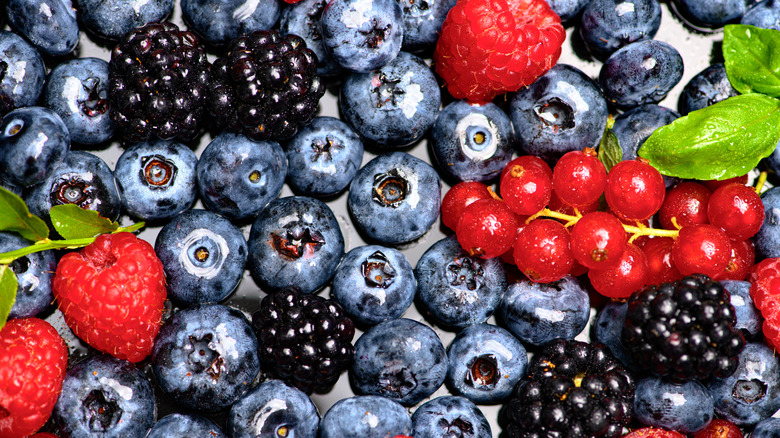
When we talk about superfoods, we are mainly looking at nutrient density. Berries are one of the most nutrient-dense foods available. Luckily for us, berries come in all shapes, sizes, and flavors. If you don't like one, which is unlikely, you can move on to another. Each offers a unique nutritional panel, but the underlying theme is intense immunity-boosting powers. Those bright colors in your fruits, the reds, purples, oranges, and pinks, are from carotenoids and anthocyanin. These are natural pigments with antioxidant properties, meaning they can reduce disease-causing inflammation in the body by trapping free radicals. They protect our immune systems and boost our defense against viruses and bacteria.
Although fresh berries can be expensive, you can always opt to grab them from the freezer section. Freezing produce directly after harvesting can help to preserve some of that nutrient density. Frozen berries make fantastic smoothies, pies, and other baked goods. You can even snack on them straight from the freezer. You're probably familiar with blueberries, strawberries, and raspberries, but there is always room to expand your horizons. Camu camu and goji berries are underrated superfoods exploding with unique flavors and powerful nutrients. They make a great snack or a cocktail garnish, but you can also mash them into your maple syrup for a pancake drizzle. My favorite way of enjoying berries is by crushing them into chia seeds, adding a sweetener, and leaving them rest overnight until the mix turns into a crunchy jam ideal to sneak onto peanut butter toast.
Sauerkraut
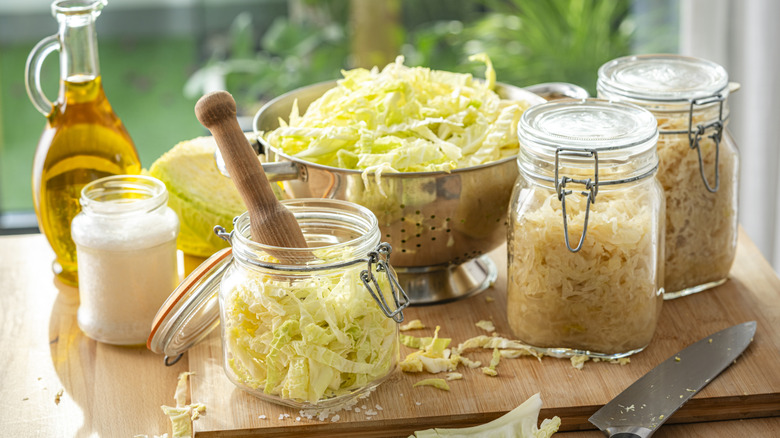
You may hear a lot of marketing surrounding probiotics and gut health, but what does all of that really mean? Probiotics are live organisms, essentially good bacteria, that help our bodies function. They are essential to gut health and feed on fiber, which is why a balanced diet full of fruits and vegetables is so crucial. Gut health goes beyond digestion and can help support a healthy immune system, heart health, and even mental health. Probiotics are found in many foods, but one of the easiest ways to get a heavy dose of these good bacteria is to eat sauerkraut.
Sauerkraut is a fermented food (hence the good bacteria) that is made primarily from cabbage and salt. Though it originated in China, it was later refined by the Germans. Sauerkraut can be incorporated into various dishes, making it an easy and flavorful way to boost your immunity. Consider pairing it with tacos and sandwiches — Reuben is always a good idea — or simply serve it as a palate cleanser on the side of sausages or a heavy meal. You should start eating more sauerkraut to balance your gut microbiome, which may lead to positive changes throughout your body and keep you strong and healthy. Sauerkraut has a strong, tangy flavor and a crunchy texture. It can be eaten throughout the day, but it's typically recommended on an empty stomach, first thing in the morning.
Garlic

Now, it's doubtful that it would be difficult to convince anyone to eat more garlic. It's the vanilla of the savory world, meant to be measured with your heart and enjoyed in abundance. But beyond that pungent flavor and aroma, garlic is loaded with nutrients, including some incredible antibacterial and antiviral components due to allicin. Allicin is a sulfur compound that activates once garlic is minced or crushed. These antiviral agents fight viral infections and boost our defense. In addition, garlic is loaded with important antioxidants like vitamin C and other nutrients. High antioxidant foods are a surefire way to prevent the cold and flu this winter, so load up on foods with high concentrations of these compounds.
Allicin, which is typically destroyed by heat, can be preserved if you wait about 10 minutes after chopping your garlic before cooking it. You could also consume raw garlic in foods like pesto, salad dressings, salsa, hummus, and bruschetta. When you look at the whole picture, there really is no downside to garlic — well, perhaps garlic breath, but that can be remedied with a quick mouthwash. The simple 10-minute wait hack allows you to load up your shepherd's pie, soups, pasta, casseroles, and other hot comfort foods with garlic for a major wellness and flavor win.
Dark leafy greens
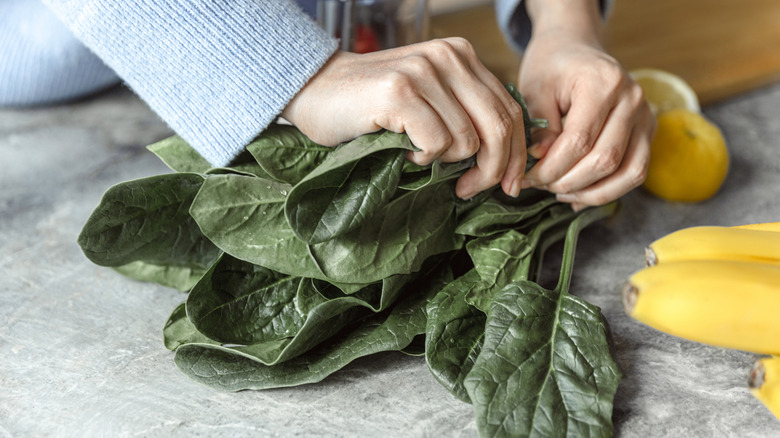
If you're interested in boosting your immune system, leafy greens should be your go-to food. Luckily, there are so many ways to cook with leafy greens and sneak them into your diet, even if you aren't a huge fan. Dark leafy greens are important for our immune systems because of a few key nutrients, as well as high fiber content, which helps feed our good gut bacteria, promoting a balanced gut microbiome and leading to a boosted immune system. These dark greens like kale, collard greens, mustard greens, spinach, dandelion greens, Swiss chard, and bok choy share a concentration of nutrients like vitamins A, E, K, and C. Vitamin K can help us better absorb vitamin D, which is another immunity-boosting nutrient.
If you ever bought a large container of spinach, tossed it in the pan, and watched it reduce to nothing then you can fully understand how much these greens can condense. This typically prompt us to eat more of it, resulting in more nutrients entering our bodies. However, cooking dark leafy greens like kale can reduce the nutrient content, so there are both benefits and downsides to steaming and sauteing greens. The most important thing, in the end, is that no matter how you consume them, they can make a world of difference in helping to reinforce your immune system.
Citrus
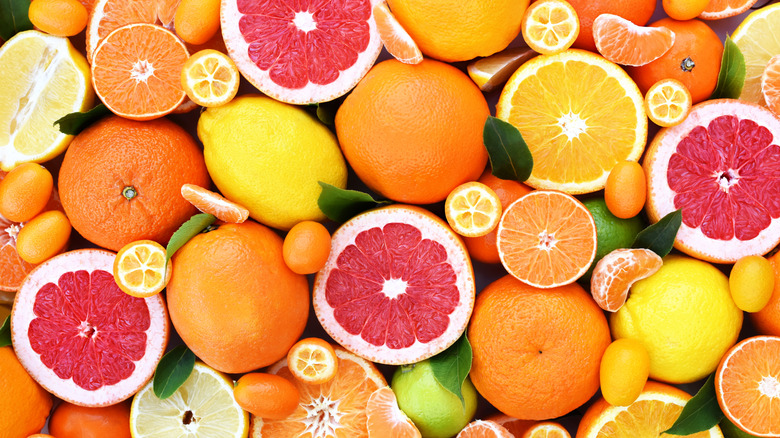
Even if you know very little about nutrition, it's likely you've heard that drinking a glass of orange juice or eating orange slices is good for your immune system due to vitamin C. In fact, oranges are famously targeted as immunity-boosting food, and it's true. Powerful antioxidants like vitamin C help power our immune systems, but citrus fruits have so much more going for them. B vitamins, magnesium, potassium, and other nutrients found in citrus fruits help to build up your bodily systems. When consuming citrus fruit, don't be so quick to throw the white spongy part away. That's called a pith, and it also has some potential health benefits.
Of course, drinking orange or grapefruit juice, or even squeezing a little lemon into your water, can give you a vitamin C boost. But the best way to eat these fruits is whole. Did you know that orange skins are even edible in moderation? If eating raw fruit isn't your vibe, consider baking it into an upside-down cake, blending it into a smoothie, or even pureeing and freezing it into popsicles. However you choose to consume citrus fruits, know that with each bite you're building up your immune system to power you through the worst virus going around the office or your kids' daycare.
Ginger
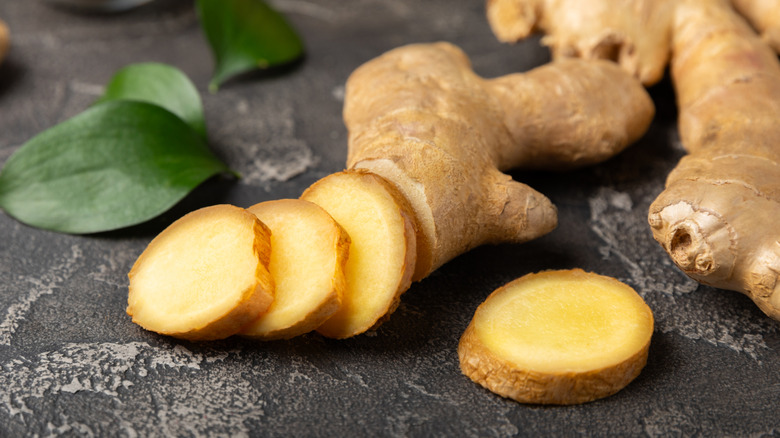
For such a widely used root, ginger is one of those foods that some people just can't get on board with. It's sweet, spicy, intense, and it's even a little peppery. Even if you don't love ginger freshly grated into your tea or as the star of your salad dressing, there are some tips for cooking with ginger that you can implement. For ginger lovers, you know the drill. Buy ginger juice at the store, or slice and steep the root in hot tea for quick and easy consumption. You can also mince or grate it and cook it right into your savory or sweet dishes. Heck, you can even juice ginger to make wellness shots. It really is a universal root, and that's the best kind of ingredient to boost your health: One you can use often.
There is a reason your mom would make you hot ginger tea in the winter. Gingerol, the main compound found in fresh ginger, is primarily responsible for its status of superfood. The rich antioxidant concentration is just the tip of the iceberg, but it's a major reason folks use ginger medicinally. Ginger also helps your stomach. It's a good choice for anyone with gastrointestinal issues, and it can positively affect your gut microbiom, which can have direct immunity boosting effects.
Mushrooms
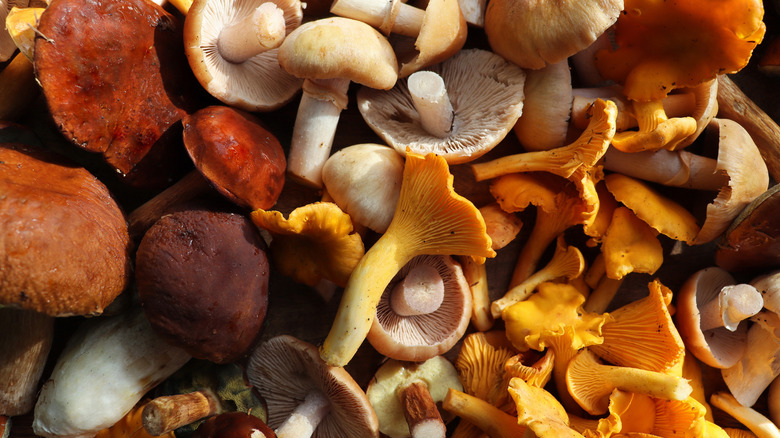
Most plant-based foods don't naturally contain vitamin D, and people, like many animals, get their intake from the sun. However, in those darker months, or months where we can only be seen sprinting to and from our cars to avoid the cold, supplements are sometimes needed. Some plant-based foods are fortified with vitamin D, but there is one plant-based food that uses the sun to produce its own – and that's mushrooms. Mushrooms are not a plant or animal but instead live in their own category as fungus. Now, how does consuming vitamin D help boost our immune systems?
Vitamin D deficiencies, which often happen in the darker and colder months when the spread of bacteria and viruses is at an all-time high, can lead to a weakened immune response and increase our vulnerability to infection. In addition, mushrooms are a fantastic prebiotic, which can help promote a healthy gut. On top of all that, mushrooms supply us with selenium and B6, which are both associated with increased immunity. If you don't like the taste of mushrooms, look into mushroom powders, mushroom teas, or alter the way you cook them. They should never be slimy, rubbery, or bland, only meaty and delicious. Pan frying some mushrooms can even increase the concentration of some nutrients.
Microgreens
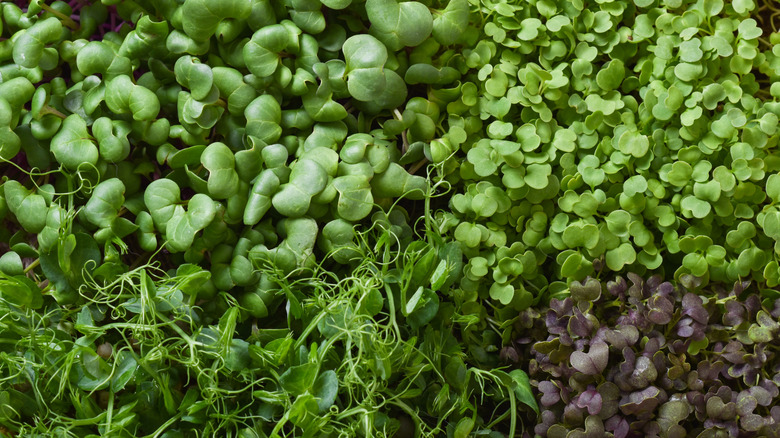
When it comes to a concentration of powerful nutrients, microgreens should be at the top of your list. They are extremely potent with vitamins because they are essentially a sprout-sized container holding the nutrients of an entire plant. For instance, you'd need to consume around 40% less volume of broccoli microgreens to get the same concentration of minerals from mature raw broccoli. In addition, microgreens are extremely easy to work with in the culinary world and can even be used as an edible garnish for most savory dishes. Alternatively, mix them into salads, mince into pesto, or blend into smoothies for a powerful concentration of immunity-boosting nutrients.
Microgreens are famous for their concentration of vitamins. In addition, minerals like zinc, iron, and magnesium are found in great abundance in comparison to the volume of the vegetable. If you're looking for a fast way to overload your body with essential compounds to superpower your system, look no further than microgreens. You can even grow microgreens in a planter in your kitchen all year round. It doesn't get easier than that.
Papaya
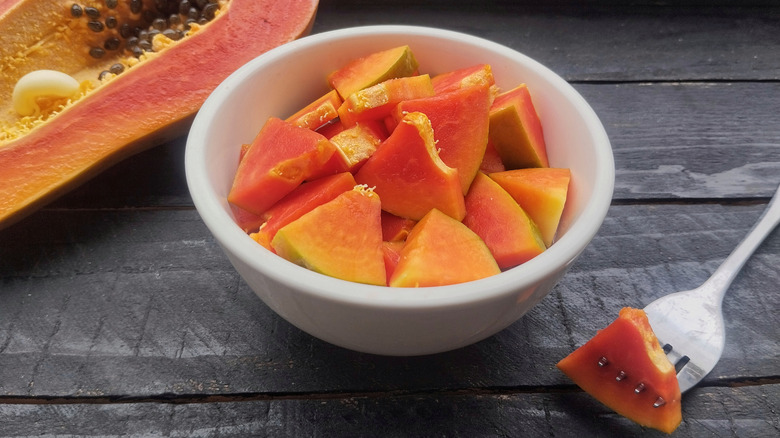
Plenty of fruits can act as immunity boosters, but I'm going to go ahead and single out papaya. Papaya is famous for boosting our defenses against viral infections, having a mellow, sweet flavor, and containing those peppery, crunchy seeds. The bioactive compounds found in papaya, like carotenoids, flavonoids, saponins, and many others, coupled with powerful antioxidants and enzymes, create the perfect disease and virus-fighting team. Papaya can slow down how fast the virus spreads and adjust how your body reacts. But how can you get your hands on this magical fruit if you live in the northern states?
Sometimes, grocery stores will have a special section for imported or exotic produce. You can also try markets targeting cuisines from warmer climates, turn to the internet, or settle for papaya in canned, dried, frozen, or juice form. If you find fresh versions, make sure to learn how to choose a perfect papaya, and don't forget there are several ways how you can cut and use this tropical fruit. Save those nutrient-rich black papaya seeds and use them to garnish your dishes, add texture to your salads, or top your smoothies.
Seaweed
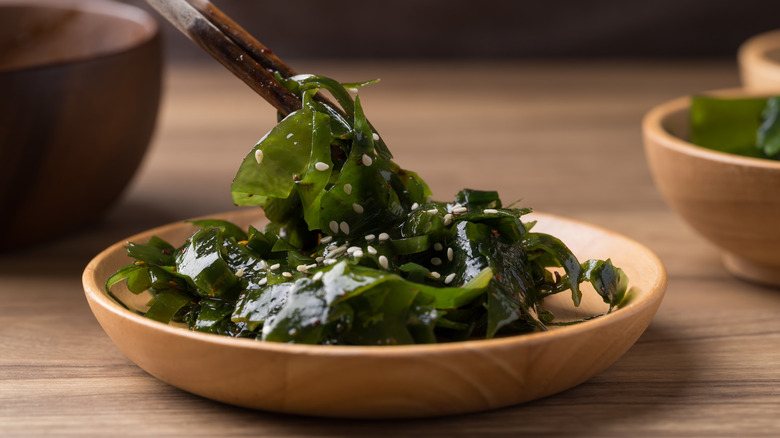
Slowly but surely, edible seaweed is making a name for itself in the superfood domain. Folks are making seaweed sauerkraut, using it as a garnish, snacking on it dried, and mixing it into salads. Various types of seaweed are ready and waiting to be used in the culinary world, and nutritionists everywhere are thrilled. Those omega-3s that make fish so popular are actually a result of their diet. So, why get secondhand nutrients when you can go right to the source? Omega-3s have a direct positive impact on our immune systems and other aspects of our health.
Beyond seaweed's flagship nutrient, these aquatic plants are commonly loaded with iodine, potassium, iron, and other minerals. Because of all these nutrients, seaweed has been proven to be a potential defense against COVID-19, per the National Library of Medicine. All of that is well and good, but not everyone loves to mow down on these fishy, oceany greens. Luckily, there are all different types of seaweed, ranging in flavor, use, and texture. Look for inspiration in Japanese and Korean cuisines that use seaweed regularly.
Onions
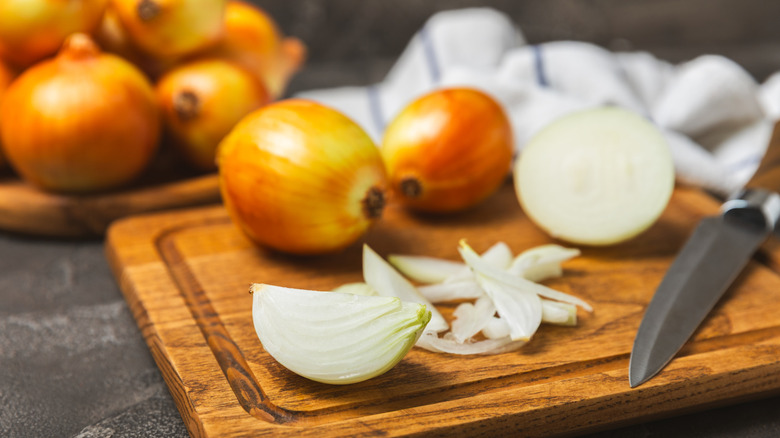
Though they're typically not known for immunity-fighting properties, onions have some serious superpowers that we should be talking about. One of the most distinct features, besides the sweet and bitey flavor, is the presence of quercetin. This antioxidant does wonders in the anti-inflammatory department, preventing oxidation and modulating immune response.
B vitamins help to create antibodies, which fight those nasty bacteria and viruses, and can be found in abundance in onions. Furthermore, onions have antibacterial and antiviral compounds, keeping those invaders at bay. If onions taste a bit intense for you, there are many onion varieties you can choose from – try to find something milder or a bit sweeter, like Vidalia or Maui. You can also caramelize onions for a buttery texture and ultra-sweet taste. Unfortunately, cooked onions have lower sulfur compounds, a mineral that has many good benefits for your overall health. Flavor has to play an important role in selecting foods that could boost your immune system, because it's one thing to be labeled as a superfood, and it's another for it to be actually consumed. Onions are the best of both worlds: delicious and healthy.