

15 Fruits And Vegetables To Never Buy Out Of Season
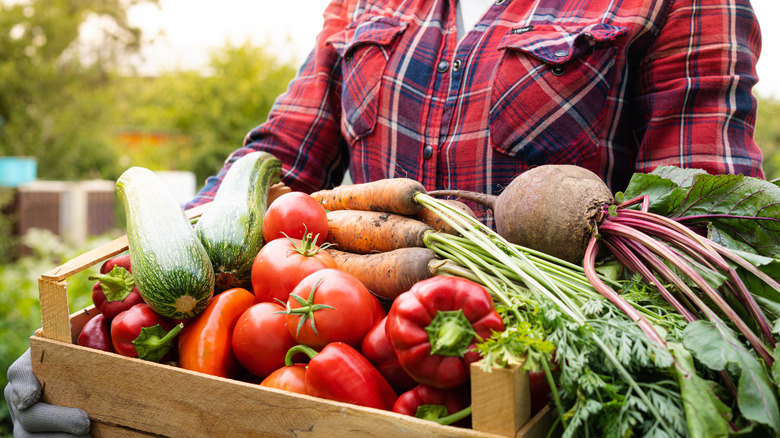
You may think that eating seasonally is mostly about aligning yourself with nature and being more connected with our earth. If that's your vibe, more power to you. We could all use a little more closeness to the world around us. However, as a plant-based chef with a certification in plant-based nutrition from Cornell, I've come across so many more reasons to eating seasonally that might even interest those who don't understand the purpose of a hike, and wouldn't dare step outside barefoot. It's more than just recognizing what our geographic climate creates for us in the moment, it's about fresh, flavorful, and nutrient packed produce.
It's better for human health, and there's also an eco-friendly reason to never buy out of season produce: Shipping those fruits and veggies in from other growing climates leaves a massive carbon footprint. So really, eating the seasonal foods around us is a win-win, for us and for the world around us.
Some fruits and veggies are fine off season. They may not be in their peak, but they will taste fine. The difference might not be noticeable. But there are several fruits and vegetables to never buy out of season if you can help it. These fruits and veggies will have a noticeably different flavor or texture, they will have lost quite a bit of nutritional value on the journey, or the shipping takes so long that you're getting bottom of the barrel quality. If you're not sure what's in season, use the internet to guide you, or shop at a farmer's market. Look for the "local" sticker at your grocery store, or better yet, join a CSA (Community Supported Agriculture). When in doubt, hit the freezer aisle instead.
Watermelon
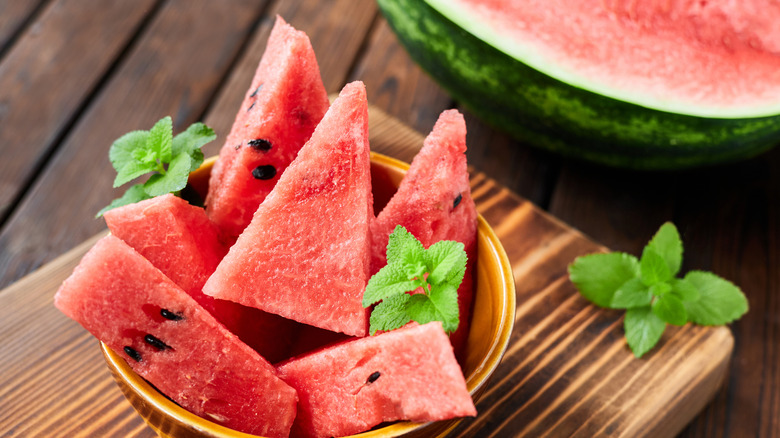
When watermelon is fresh, it's oh-so delicious. Watery, crunchy, and sweet galore. However, an off season watermelon is noticeably different. It's likely that watermelon spent quite a bit of time in a truck, making its way to your neck of the woods. It's likely harvested down South, far too early, so it can ripen during transport. THAT doesn't give it a chance to sweeten fully. Watermelon doesn't sweeten once it's removed from the vine, as the sugar production is directly related to photosynthesis which requires the leaves and sunlight.
So, if you're buying off-season watermelon you could end up with a bland watermelon, or an overripe watermelon that sat too long in transport. Often, the texture is mealy, or on the edge of being overripe or rotten. There are several warning signs to look for that you watermelon has gone bad, including crack, dried texture, mold, fizzy mouthfeel, sour taste, or discolored rind. Be careful to throw your watermelon out as soon as these signs appear, and if you're really craving watermelon off season, check out pickled watermelon rinds to enjoy all year 'round.
Tomatoes
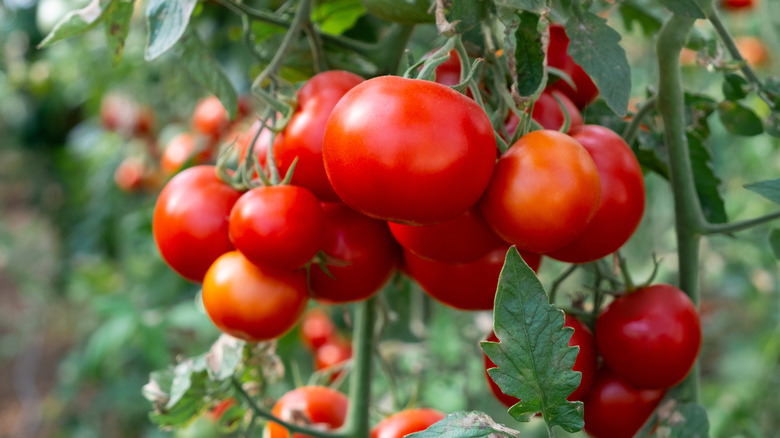
Tomatoes are one of my favorite veggies (well, fruits) on the planet. Actually, let me restate that. In-season tomatoes are my favorite. Tomatoes would make #1 one my list of fruits and vegetables to never buy out of season because the difference is like night and day. If you grow your own tomatoes, then you may recognize that intense vine smell on fresh tomatoes. That smell is just the beginning of what makes in-season tomatoes superior.
The issue stems from being picked too early, being stored in refrigerated conditions, and being genetically modified for durability. Often, the tomatoes are still green and are gassed with ethylene to give them that blushed red color. But that isn't fooling anyone. Have you noticed off-season tomatoes are pale, hard, and mealy? You're better off browning the canned foods aisle if it's not the best harvest time for tomatoes in your region. When picking the best tomato look for a heavy fruit, deep rich coloring, and tight skin. Otherwise, sundried or canned tomatoes might have to save your recipe.
Peaches
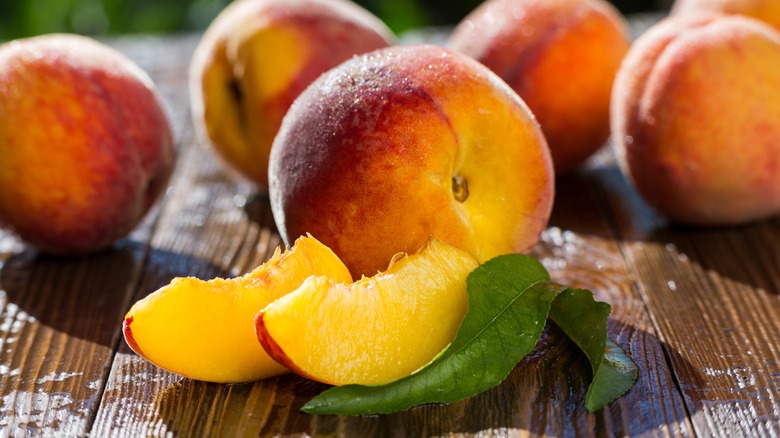
Having lived up in New England my whole life I've essentially given up on peaches. More times than not, I'm disappointed. But perhaps that's what makes that one in a million peach taste that much better. A ripe, seasonal peach with just the right amount of rain and sunshine during the growing season is just about the best thing a tastebud can touch. They're one of the reasons we got Chris Bianco and his famous pizzeria. But the reality is that if you're getting your peaches off season, they might just end up in your trash can. So, are they worth the purchase?
If you live in an area that grows great peaches, then by all means, enjoy those sweet and juicy stone fruit in abundance during their growing season. Everyone outside of your perfect peach bubble is jealous. Out of season peaches are extremely mealy and textured, grainy, flavorless, dry, and often come heavily bruised. The transportation process is tricky because we've all heard the phrase "bruise like a peach." The absolute best peak season for peaches depends on your geographic location. Warmer climates experience peaches in the spring and early summer, while colder locations welcome peaches in the late summer, petering off in early fall.
Peas
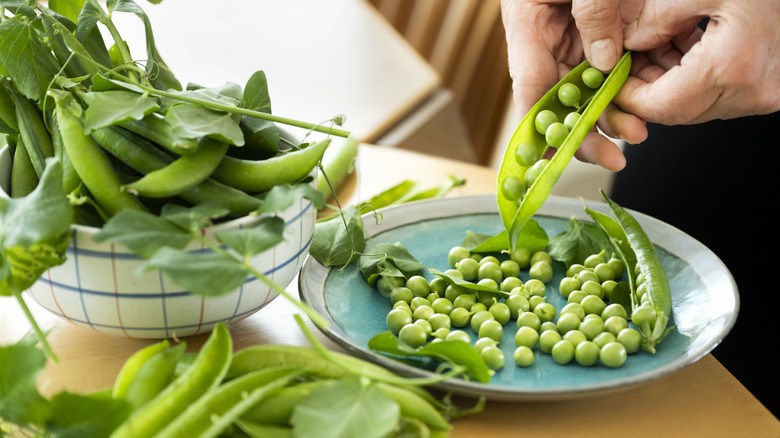
Typically, folks rely on frozen peas. And there is a real textural reason frozen peas are better to buy than fresh ones in many situations. Peas are very starchy, but they retain moisture and hold up their texture better if frozen immediately after picking. They are also delicious fresh out of the pod, but most of us don't grow peas in our back yards.
You may find fresh peas in gourmet dishes, particularly uncooked in salads, as they are incredibly sweet, tender, and hold a nice texture. But, if you haven't harvested them recently and they've spent a few days in transportation and another on the grocery store shelf, you may be looking at dry, chewy peas without much flavor to write home about. Peas are considerably easy to grow, so if you're craving sweet fresh peas and have a green thumb, give that a go. Otherwise stop by your local farm stand, or head straight for the freezer aisle.
Strawberries
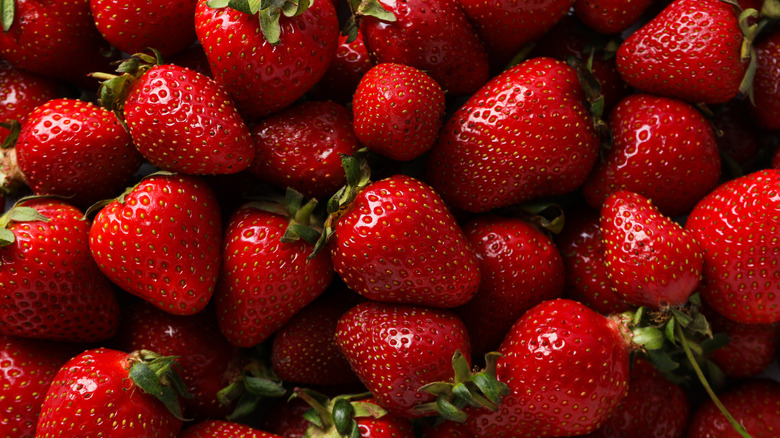
I always thought, as a northerner, that it was interesting to have strawberries be the star ingredient to represent Valentine's days. Yes, they are red and heart shaped, but strawberries in February?! No, thank you. Those huge, white, stiff, flavorless berries with hollowed centers you find in the grocery store off season cannot compare to fresh summer strawberries. I mean the kind that will have red juice running down your chin and elbows. Keep in mind that there are several different kinds of strawberries that range in juiciness, redness, flavor, and shape, so if you're going for intense flavor and sweetness, target surecrop.
Load up on fresh strawberries during strawberry season in your region when you can. Pick-your-own is a fantastic option, and you can always freeze a bag or two for those berry cravings of the winter months. Off season bland strawberries can be enhanced with a little sugar and lemon, but I'd rather eat my fill in summertime, and then wait until peak strawberry season next year.
Grapes
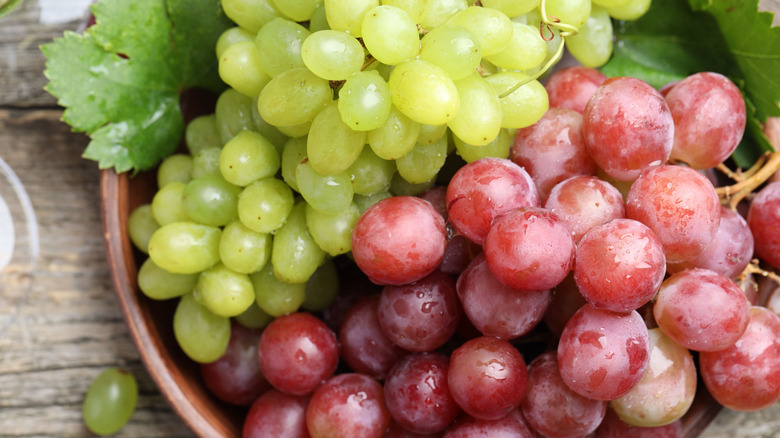
Although grapes seem to be a popular snack food all year round, their flavor drastically changes due to the growing season. The reason wine varies so much year to year has to do with many factors, but mainly the particular weather of the growing season. Rainfall, sunlight, temperature, and frosts all play a major role in the grapes flavor and texture, as climate does for any outdoor-grown produce. It even affects how beautiful our foliage is. So off season grapes, or grapes transported a remarkable distance tend to hold up poorly to the fresh, seasonal version.
Harvested too early, instead of ripening on the vine, results in lower sugar content and higher acidity. This also results in an underdeveloped flavor, leaving them bland. Avoid disappointment and target grapes grown locally, during their peak seasons. If you're from California, look for local grapes starting in May all the way through December. Other areas may have shorter growing seasons due to a less stable climate.
Plums
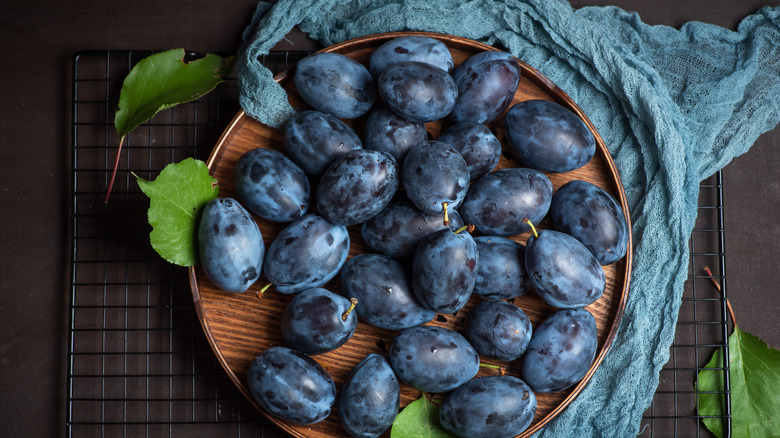
Plums are by far one of my favorite fruits for one specific reason, no other fruit captivates such a nectar-y sweetness with the most subtle balance of tartness. The texture is unparalleled and they are overwhelmingly juicy. However, if you've gotten a few out of season plums before then you know just how disappointing they can get. That incredibly sweet juiciness turns into flavorless, watery, mealy grossness. Sometimes they remain firm but the skin shrivels. The inside turns brown near the core, but the meat is tough and dry.
Like many other fruits that must be shipped long-distance, plums are picked well before they are ripe. Sometimes they are artificially ripened using ethylene gas, and it can be very apparent. Often, varieties that can withstand rough, long journeys are chosen over those with more pleasing textures and flavors. Be sure plums are in season in your area, and use a few simple tricks to choose the best fruit. My favorite is to weigh the fruit in my hand. The heavier, the denser which means the most water content. These tend to be juicy, fresh, and delicious. And, when in doubt, rely on plums dehydrated friend, the prune in your recipes.
Corn
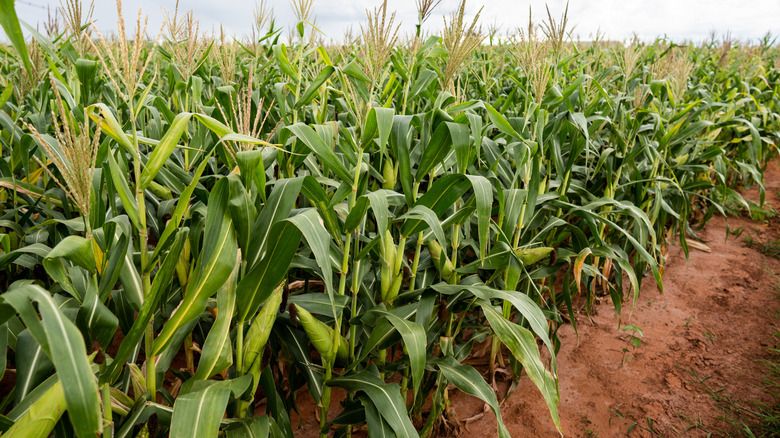
Growing up, I lived in a quintessential Vermont neighborhood. Neighbors got together for progressive dinners, New Years Eve bonfires, apple pressing, and the summer highlight: The corn cooperative. Each year we would come together to plant corn, and then once it was mature neighbors would harvest it fresh for the nightly dinners. This is where I truly discovered how important fresh corn on the cob was, and what a difference even a day off the stalk could make.
We've all seen and tasted off-season corn. It's tough, flavorless, fibrous, and not worth the effort it takes to steam it. Fresh corn is incredibly tender, flavorful, and sweet beyond belief. Each kernel is filled with sugary juice that pops between your teeth with ease. Corn is inexpensive and grows all over the United States, so it's likely you can get your hands on some fresh corn somewhere. If possible, ask when it was harvested, and hit up your local farm stands. It's worth the trip out of the city, trust me.
Winter squash
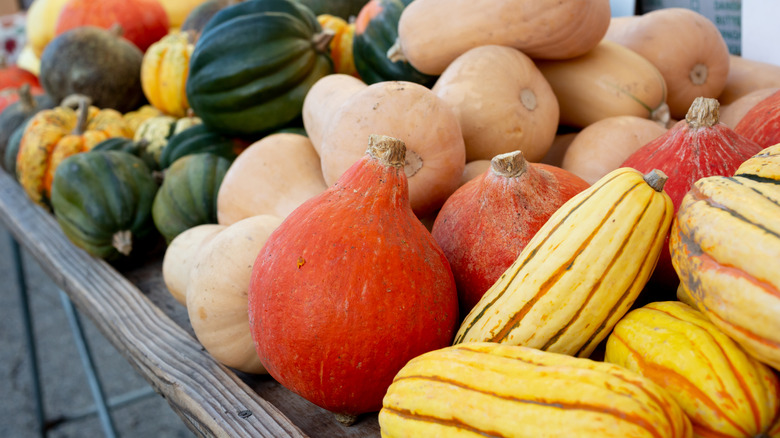
Winter and summer squash couldn't be more different. One has a tender rubbery skin, and a juicy spongy center, while the other is tough, dense, and very difficult to cut. They have different growing seasons, as their names indicate, and both are better enjoyed fresh. However, folks have a tendency to store winter squash for way too long before enjoying it. Often, instead of rotting, these squash just dry out and lose their luster. It's tempting to put your butternut, blue hubbard, or acorn squash on the back burner, but like any other vegetable or fruit, winter squash should be eaten as fresh as possible.
When buying squash at the store, be sure to stick to your local growing season. Feel how heavy the squash is in your hands, and choose the one with the heaviest feel in relation to the size. This means it's dense, delicious, and hasn't dried. If possible, hit up your local farm stand which will probably be overflowing with winter squash, freshly harvested, and ready to eat.
Raspberries
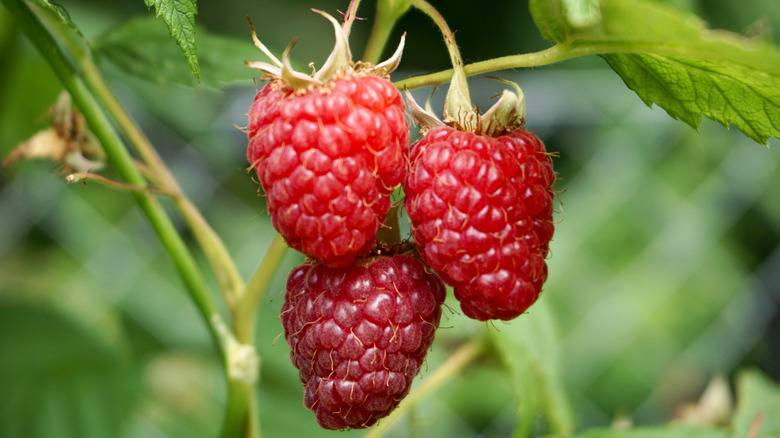
When choosing raspberries at the store I notice two regular issues. The first is that they are stiff, flavorless, and dry, and the other is that they are unbearably mushy. Both are disappointing to say the least. Although some of this is due to the climate and weather during the growing season, much of this can be avoided when selecting in-season berries that have been grown locally.
Most berries are going to be ripe during the summer. Raspberries grow while up in my neck of the woods, and a handful fresh from the vine is like no other. However, when you're buying from the grocery store be sure to check out where the berries were grown, harvested, and packaged. Try to select the most local berries you can, and target your regions growing season. Check the bottom of the carton of berries to be sure they aren't moldy, mushy, or rotten. When the growing season is over, you're playing Russian Roulette with the berry selection, and it might pay to give the freezer aisle a chance.
Apricots
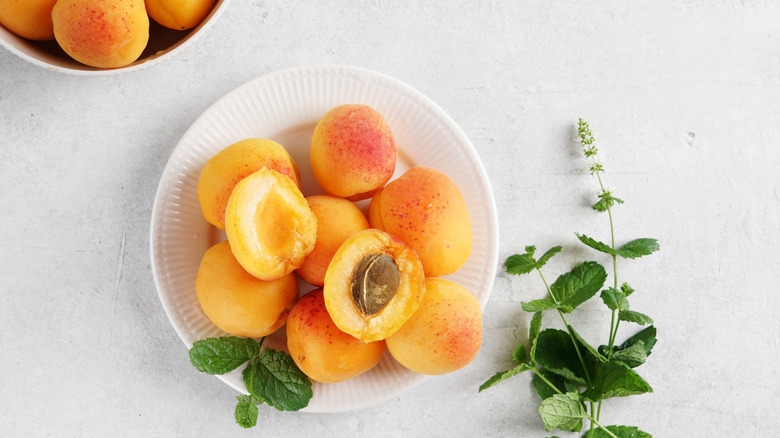
If you live in the north eastern United States, then it's likely you've never experienced really fresh apricots before. Or perhaps you have in your travels, but there is really nothing like them. The velvety texture alone is incredibly unique, along with the density of the flesh and the honey-like sweetness. They're fragrant, rich, and balanced. However, much like other stonefruit, the growing season isn't very long and off-season apricots can be dry, flavorless and mealy.
Luckily for us, you can still eat apricots off-season, they just look a little different. Dried apricots are very accessible and can be used in your desserts, meat-dishes, salads, or even just for snacking. If you're determined to enjoy a fresh apricot, when you're at the store look for plump apricots that are firm, aromatic, and bright with color. However, the farmer's market or a farm stand will probably deliver a more fresh-off-the-tree fruit.
Cantaloupe
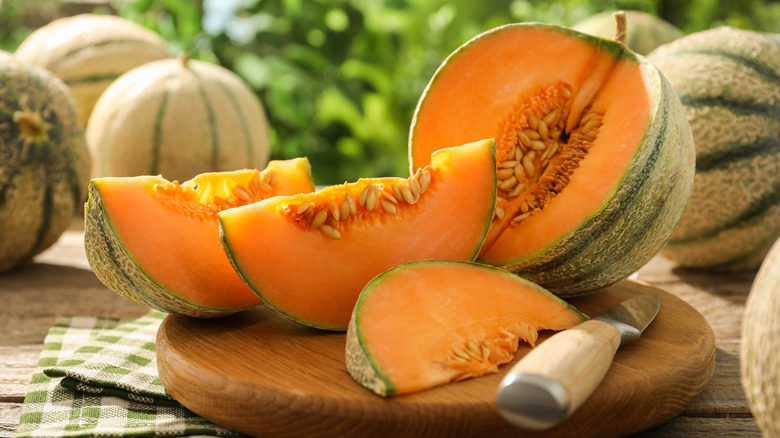
Cantaloupe is typically pretty reliable. It's not absolutely terrible off season, and tolerable in most capacities. However, foodies like you and me aren't looking for tolerable, we are looking for magnificent. A fresh, in-season, ripe cantaloupe is like no other food you've experienced. It's deep orange, dripping with sweet juice, fragrant, and loaded with a unique floral flavor. We've all had the obligatory, stiff, flavorless cantaloupe in a fruit salad, and this ain't it.
Like other vine fruits, off-season cantaloupe is picked before it ripens, so it has a chance to do so in the transportation truck. This also makes it prone to a high risk of potential food borne illness from bacteria. This is because cantaloupe has netted skin which can trap bacteria. The more environments the fruit spends time in, and handlers it encounters, the greater risk for bacteria to get trapped on the surface. This is why you should always wash your cantaloupe before cutting it, especially if it's off season.
Rhubarb
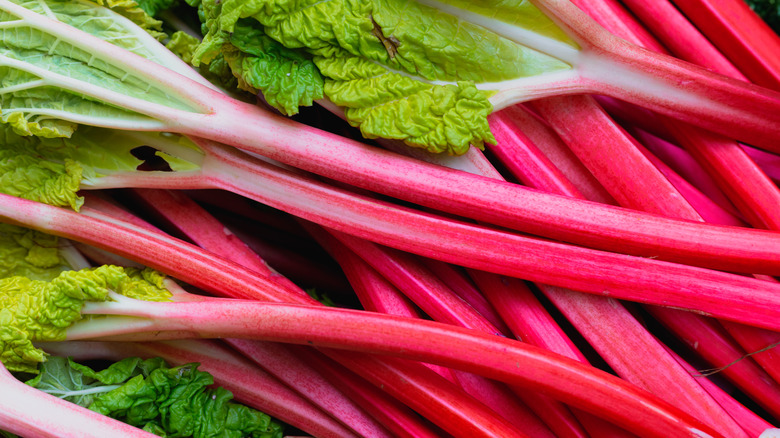
Some people love it, others hate it. Rhubarb is tart, almost sour, and has a mushy and stringy texture when cooked. Because of its intense flavoring, it's often paired with sweeter fruits in pies and crisps to create balance. It's one of the few vegetables, along with pumpkin, that is regularly used in desserts. It's a vegetable that grows on a stalk like celery, usually with a red and white coloring, topped with large green leaves (which are inedible). In season rhubarb is crunchy, and cooks down beautifully. Off-season is another story.
Already being a fibrous vegetable, off-season rhubarb is even tougher, stringy, and woodier. The flavor becomes bitter, or even overly sour. Avoid these overdue stalks, and focus on baking with rhubarb when it's ripe and ready for harvest in your particular region, climate dependent. If you'd like to enjoy it year round, consider freezing fresh rhubarb so you don't have to risk damaged texture or flavor.
Asparagus
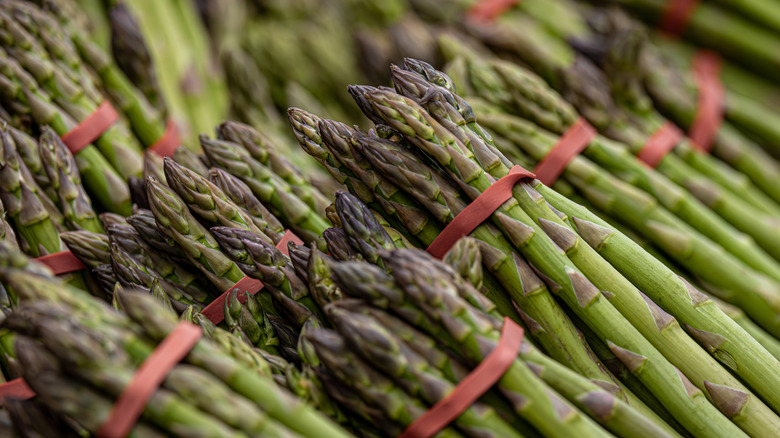
For the longest time, as a child, I thought I didn't like asparagus. It was the only food that I would avoid, and it's all because of an off-season asparagus encounter. Luckily, some fresh asparagus changed my mind and we are back on good terms. Great terms, in fact. Asparagus grows straight from the soil, with the bottom of the stalk staying fairly woody and stringy, providing support for the top of the plant. When asparagus is off-season, it tends to taste more like that purple bottom part that we snap off and discard.
The flavor is bland and bitter, the stalks are fibrous, and they are often dried out from long transport times. Look for fresh asparagus, which should be water-dense, deep green, stand up on their own with very little give, and taste slightly sweet with a hint of umami. I like to describe fresh asparagus as a bit buttery when cooked, but still retaining a slight crunch. Eating asparagus should be an enticing experience, so if you're finding it to be unpleasant, you may be dining on off-season produce, or asparagus that has not been stored properly.
Blueberries
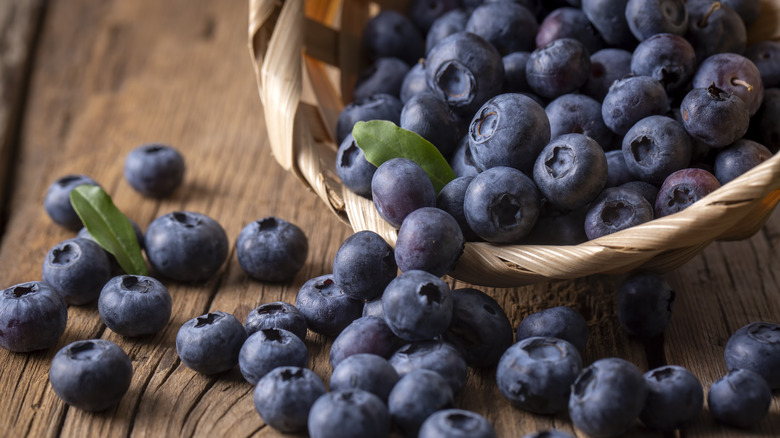
As a Vermonter turned Mainer, it was inevitable that blueberries would become an important part of my culinary life. While cheddar cheese and maple syrup still hold a place in my heart, Maine blueberries are unavoidable up here, making their way into barbecue sauces, cocktails, and just about any dessert you could imagine. It's also given me an appreciation for fresh berries, as they grow just about everywhere during peak season.
Off-season blueberries are stiffer, blander, watery, and the skin is less tender. They lack the abundance of nutrients that fresh blueberries hold, and the unique flavor, making them less tart and sweet. However, there is a solution that my family has made an annual tradition since I can remember. Pick pounds and pounds of blueberries during peak season, wash them, and freeze them to enjoy all year round. Make a full day of it, and you'll find that although the texture is quite different, the flavor and nutrient content of the frozen berries remains mostly intact. For the absolute best blueberries, choose in-season.