

11 Best Fruit Juices To Use In Homemade Marinades
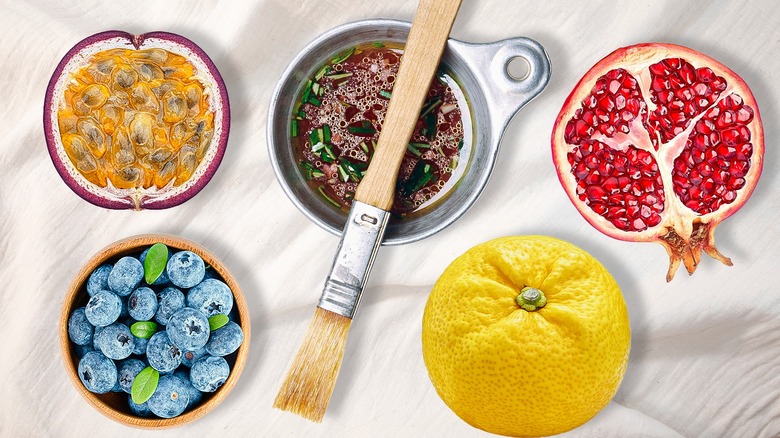
Whether you're cooking pork, bluefish, lamb, tofu, or zucchini, there's one rule all flavorseekers follow, and that's to put the bulk of your energy into creating a marinade. Salt and pepper just won't cut it, a dry rub can certainly help make some progress, fresh herbs are a must, but a marinade does more than just flavor your food. It penetrates beyond the surface, tenderizing meat, highlighting existing flavor, adding moisture, and aiding the heat from your cooking method in crisping the outside. Bland American basics just won't cut it, and even if you're working with a really expensive cut, or high quality vegetables, you'll still want to create a marinade to help enhance those flavors instead of overpowering them. As a chef and recipe designer, I like to make my marinades from scratch. And there is one secret ingredient I always use (even if it's just a splash), and that's fruit juice, which is the best thing to use in homemade marinades.
Choosing your juice is the tricky part if you don't have a culinary background or gift. This list will help you choose fruit juice and combine it with other ingredients to create a flavorful bath that your meat or produce is going to want to cannonball into. It's important to work with 100% fruit juice, or hand squeezed juice, and to adjust any sweeteners you're used to adding to your marinades, as the juice will provide sugar. Mix it up with acids, umami flavors, herbs, salt, and spices for a well-rounded mouthfeel.
Tart cherry juice
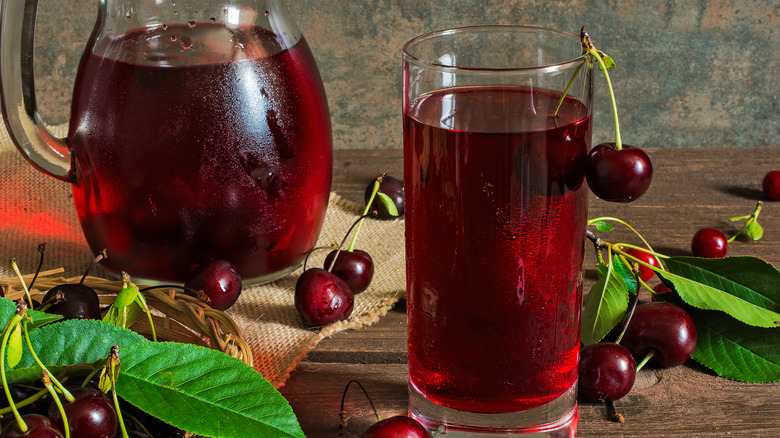
Now, not all of the juices on this list are going to be easy to find, especially when seeking 100% fruit juice. But tart cherry juice can be found in many basic grocery stores, along with most health foods stores. You'll want to look for dark, tart cherry juice, as it has the richest, tangiest flavor. This juice brings depth, a honey-like stonefruit sweetness, and a tangy tartness that is almost reminiscent of a balsamic vinegar. It's a summer fruit you'd never think to pair with steak, but a tart cherry marinade pairs beautifully with pork, duck, gamey poultry, and of course, steak. You can also use it on tofu, mushrooms, beets, brussel sprouts, onions, and carrots.
I like to use a deeply rich extra virgin olive oil to keep up with the intensity of the dark juice. Minced garlic is a must, but minced garlic scapes or shallots also make for a fantastic pairing. Soy sauce or tamari will add umami, an essential flavor in a marinade, and will take care of the salty aspect of the sauce. Other ingredients to consider are honey, brown sugar, or maple syrup, black pepper, ginger, or rosemary. Keep in mind that dark cherry juice is a deep red color, and may create confusion about when your meat is done, so it's best to use a thermometer to ensure your meat is thoroughly cooked.
Passion fruit juice
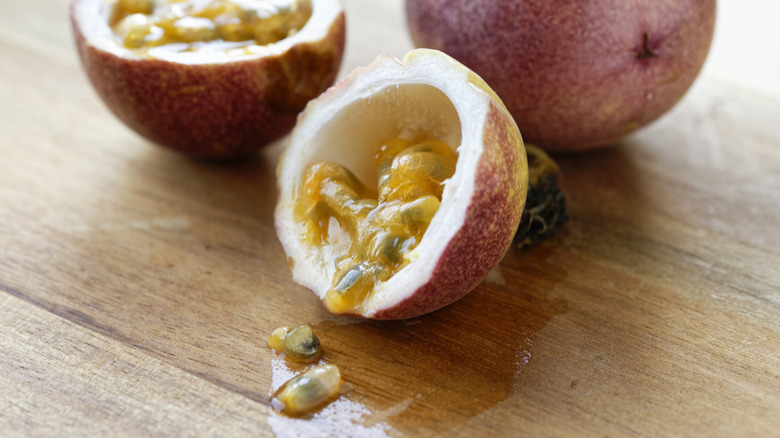
If you live far from the tropics, then your palm tree screensaver or Friday night pina colada might just be the closest thing you've had to a beach day in a while. Another way to take a mental vacation (for only a few dollars) is to incorporate more tropical fruits into your everyday cooking. Taste is a strong sense, not quite strong enough to teleport you into crystal blue waters, but can for sure help those shoulders to drop a few inches. Passion fruit is one of my favorite fruits to work with, not only because of its mellow sweetness and tart flavor, but its incredibly vibrant yellow coloring and crunchy black seeds.
Make a passion fruit marinade for your fish, chicken, pork, or delicate vegetables. Focus on milder tasting proteins, rather than gamey or dark meats. This marinade is airy, light, summery, and sweet. Use just a small amount of honey to sweeten the marinade, along with lemon juice, minced shallots, dijon mustard, salt, and pepper. You can either buy 100% passion fruit juice, or squeeze a passion fruit yourself, and enjoy those crunchy seeds that will offer a variety of texture and a distinct look. Fun fact: Passion fruit juice makes a wonderful base for your next salad dressing, too.
Pineapple juice
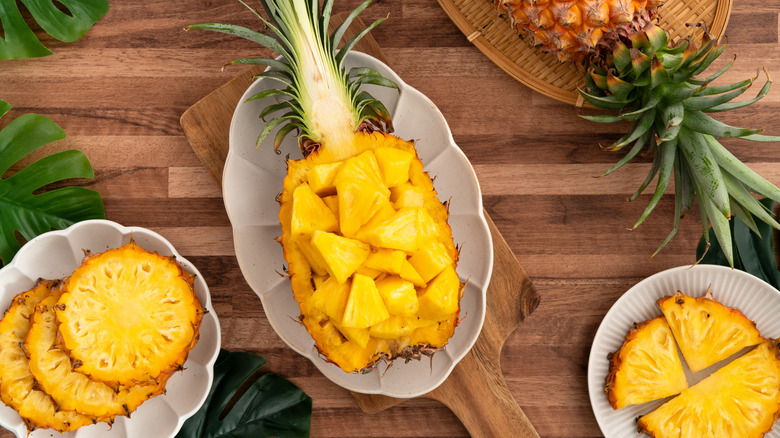
Do your lips tingle or does your tongue burn when you eat pineapple? You're not alone. An enzyme, known as bromelain, which is present in pineapple, actually breaks down protein. AKA, in a sense, the pineapple is actually eating you. But don't panic just yet, bromelain is neutralized by our saliva. Humans: 1, pineapple: 0. Because bromelain breaks down collagen, it breaks down meat, which means that it is a world-class meat tenderizer. This is just one of several reasons pineapple juice is one of the best fruit juices to use in homemade marinades. Another reason would be its incredible sweetness; you won't need to add any additional sugars or syrups to your marinade.
Adding pineapple juice to elevate your homemade barbecue sauce is just the tip of the iceberg. Using pineapple juice in your grilling marinades delivers an acidic and tropical flair, balancing the flavors of sweet and tart beautifully. Go full tropical by mixing it with coconut oil, ginger, garlic, chilis, and soy sauce. For something with a smoky kick, consider using chipotle alongside pineapple juice in combination with soy sauce or miso, minced garlic, onion powder, and, of course, oil. Perhaps you're seeking something more refreshing? Try pineapple juice with light miso, minced basil and cilantro, black pepper, garlic, and a small amount of honey. Pineapple juice is versatile, refreshing, and works well with pork ribs, fish and other seafood, mellow vegetables, tofu, seitan, and poultry.
Pomegranate juice
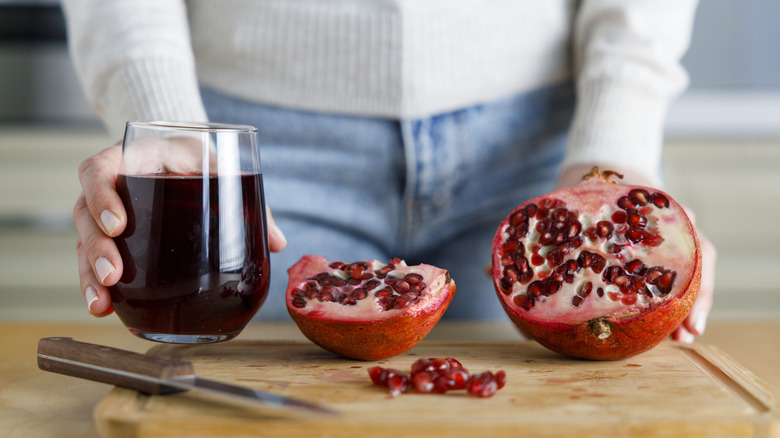
Although you might have seen recipes for marinades that use pomegranate glaze, that doesn't mean you shouldn't be using 100% pomegranate juice in your mix, too. Pomegranate glaze is much sweeter, less tart, and intensely rich. The two offer a similar undertone of flavor with different deliveries, so choose the one that works best for the particular outcome you're hoping for. However, I prefer pomegranate juice for a marinade, and glaze as a sauce topping. Try pomegranate juice mixed with extra virgin olive oil, granulated or minced garlic, a small amount of maple syrup, red wine vinegar, black pepper, and a splash of soy sauce.
This marinade is rich, deep, and offers layers of flavor. The use of maple syrup, or another sweetener like brown sugar or molasses, is optional and entirely dependent on how sweet you want your final product to be and how much marinade you intend to use. A sweeter pomegranate glaze pairs well with salmon or root vegetables, while a more tart one might complement beef, chicken, lamb, rabbit, or other vegetables. Use a pomegranate glaze to flavor umami rich vegetables and fungi like eggplant, tomatoes, and mushrooms.
Orange juice
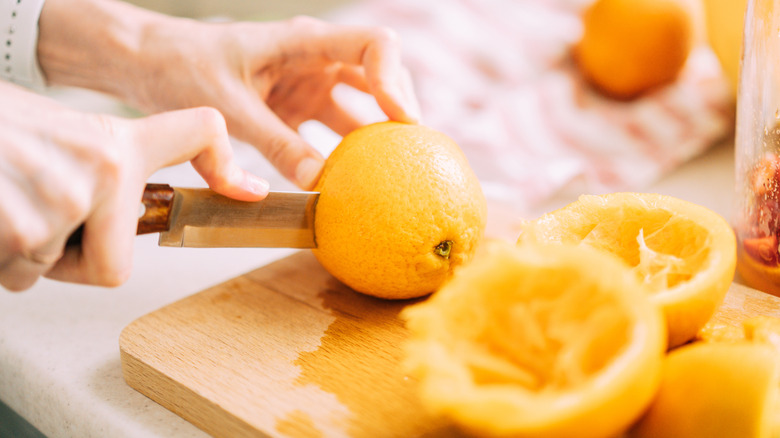
It's more than just your morning glass of vitamin C, and it's more than just a mixer for champagne; orange juice can also be used in your marinades. Because of its acidity, orange juice can actually help to tenderize meat by breaking it down. It's less intense than the tang of a lime or lemon, but carries a similar citrus punch. The sweetness of the juice, along with the refreshing flavor, adds contrast to the rich umami of meat. Although you might picture an orange juice marinade with tofu, a tropical fish, or mild poultry, you can also pair orange juice with steak as a marinade. It's versatile, depending on what you mix it with.
For a basic marinade, simply mix orange juice with soy sauce, garlic, olive oil, and dijon mustard. I like to add a little apple cider vinegar for an extra punch. In addition, orange pairs very well with fresh herbs, so consider rosemary, thyme, or even cardamom. For a more refreshing flavor, mix in honey and mint. And don't forget black pepper to bring mild heat, which can help to balance the sweetness of the fruit.
Lime or lemon juice
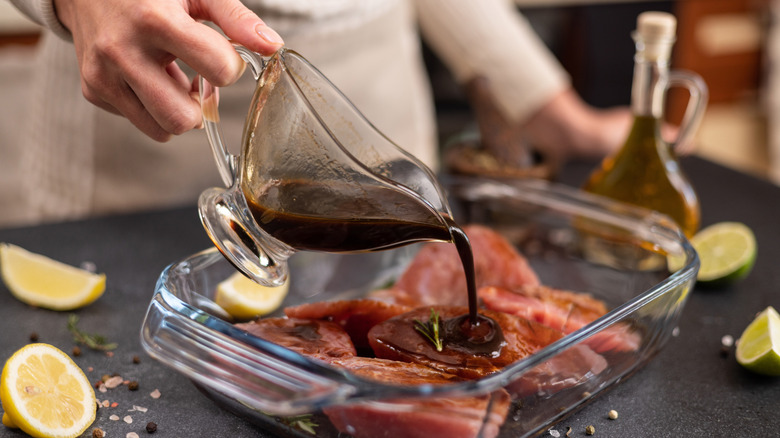
There's a reason that we typically use vinegar in our marinades. Not only do they provide a tangy kick of flavor, helping to elevate intensity similar to salt, but the acidity helps to break down the meat, creating a more tender chewing experience. Luckily, highly acidic fruit juices have a similar effect on meat, but in a more palatable packaging. Although lime and lemon juice might make your face pucker, it's not quite as intense as doing a shot of vinegar. Along with the acidity comes a pleasing sweetness and fruity flavor. Lemon pairs well with any other fruit juice, and can go into just about any marinade out there. It's a versatile fruit to work with, as it can be the star ingredient in a garlic and parsley marinade, or a supporting role in a jalapeno apricot marinade. The range is wide.
Lime juice works similarly, but is more bitter with a more distinct flavor. I like to pair it primarily with other tropical flavors and use it on fish, white meat, and vegetables. Try a tequila and lime grilled chicken, or use it in a lime and maple chipotle barbecue sauce. Whichever citrus you select, please don't forget to include the zest; it's the most powerful part of the fruit, and delivers some much needed punch. It's also important to consider balancing the citrus with a little something sweet. I like to use maple syrup, but just about any sweetener will do, and the bitter/sweet combination is only made more mouthwatering when umami comes into the picture.
Apricot juice
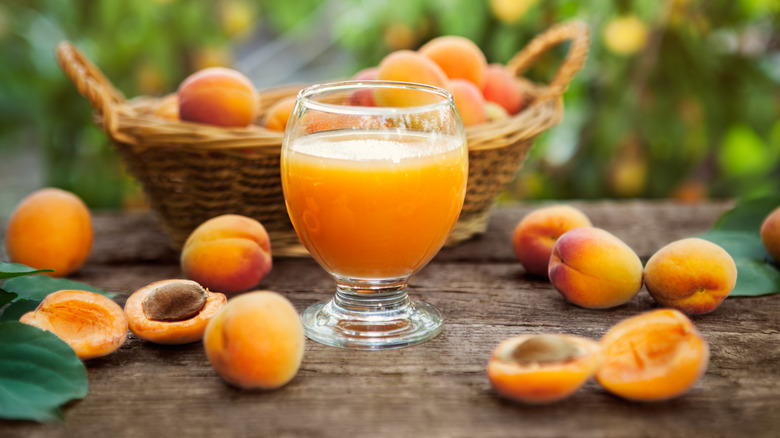
Although apricot juice might be hard to track down, it's worth the hunt. If you're having trouble finding it in health food stores, turn your search to the internet. Once you taste this juice, you'll be hooked. It's silky, sweet, rich, and intensely delicious. No wonder it makes for an incredible ingredient in any marinade. It's used frequently in Asian marinades, especially with poultry, eggplant, and green vegetables, but can be used in a variety of flavor profiles. For a darker, sticky sauce, use apricot juice alongside soy sauce, garlic, dijon, and honey. The honey reflects the honey-like sweetness in the apricot, and elevates the sticky aspect of the sauce. Use hot pepper flakes for heat, and for a little extra tanginess, include some rice vinegar.
For a lighter, more summery marinade, mix apricot juice with lemon, turmeric, dijon, black pepper, and freshly minced herbs like thyme, rosemary, oregano, sage, or even mint. This version also pairs beautifully with poultry, but can also be used with fish or vegetables. Apricot also classically pairs with glazed pork chops, and can balance nicely with spicy notes. Consider adding jalapeno for that extra kick of heat, too.
Plum or prune juice
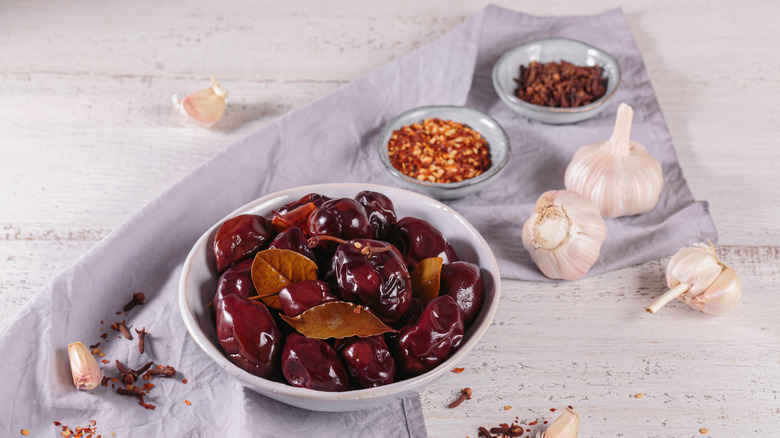
One of my absolute favorite pairings with gamey meats is prunes. Why limit it to chicken marbella when quail, duck, and pheasant bring an even more intense umami? Well, instead of just using the dried fruit alongside meat, olives, and other flavorful ingredients, let's just marinade the protein right in prune or plum juice. Plum juice is simply the juice squeezed from fresh plums, while you can make prune juice by soaking prunes in water. Prune juice is more intense, while plum juice is sweeter and lighter. Both are fantastic options, depending on the capacity in which you intend to use them.
If you've had Georgian tkemali sauce before and love it, it can easily be turned into a marinade by thinning it out with red wine vinegar and olive oil. Otherwise, mix your plum or prune juice with minced garlic, ginger, rosemary, soy sauce, black pepper, and consider miso or anchovies for a stronger umami. If you desire, and are using your oven or stove top, include whole prunes in your dish, as they will absorb and expand with flavor, highlighting the notes in the marinade and tying the dish together. If you do so, avoid using any additional sweeteners in the marinade, like honey or maple syrup, as you still want the dish to read savory instead of sweet. The sweetness should be alluded to, but not dramatic enough to steal the show.
Apple cider

I was born and raised in New England, so I can verify that when the first leaf falls there's an unspoken rule that everyone must immediately turn on Gilmore Girls, dress head to toe in flannel, empty our spice cabinets of everything but pumpkin spice, and start immediately chugging hot apple cider. Oh, and if you're not on a hayride or in a corn maze, the fine is pretty steep. Okay, I might be exaggerating, but I'm not misspeaking when I say that apples become a heavily used food in just about every capacity in the fall, and marinades are no exception. Luckily, apple cider has so many flavors it can pair beautifully with. For an ultra simple apple cider marinade, just mix the juice with olive oil, apple cider vinegar, maple syrup, dijon, minced garlic, soy sauce, and minced herbs like thyme or sage.
This marinade can work well with anything from dark to light meat, although it seems to pair best with pork and poultry. However, you must give maple apple cider glazed salmon a try. Apple cider can be mixed with barbecue sauce and paired with hot chilis for your autumn barbecue glazed baby back ribs. If you're grilling, then consider some apple wood chips, which offer a similar fruity, sweet flavor that enhances essential aspects of the cider marinade. Grab your flannel and let's get cooking!
Blueberry juice
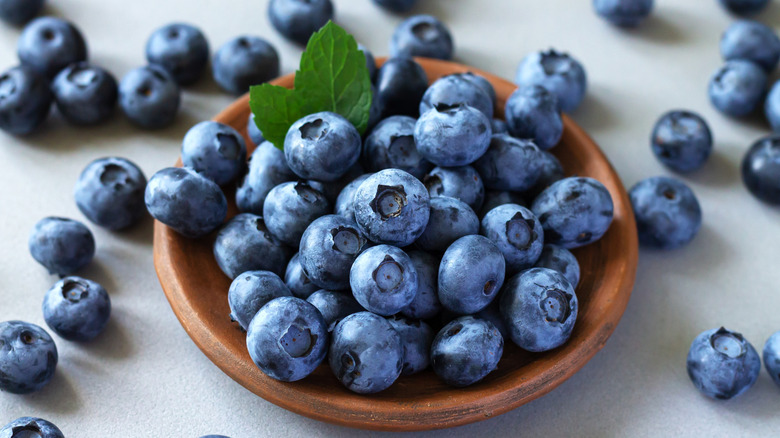
As a Vermonter turned Mainer, there's only one thing I love just as much as maple syrup and cheddar cheese, and that's wild Maine blueberries. Blueberries are intense, sweet, jammy, and almost floral. But there is one thing for sure: they will turn your tongue blue. Try using 100% blueberry fruit juice in your next marinade or barbecue sauce. It may not be traditional where you're from, but it's standard practice up here in Maine, and the results are mouthwatering. Blueberry juice can be the unexpected fruit in your homemade barbecue sauce, but consider a lighter, mellower marinade for your first go around.
Firstly, blueberries have a botanical undertone and pair beautifully with fresh herbs, particularly thyme and rosemary. I like to use balsamic vinegar to add to the depth, and extra virgin olive oil will deliver a perfect mouthfeel. Use a light miso, along with some salt and black pepper for seasoning. Shallots are just sweet and spicy enough to add a layer of flavor, along with garlic, ginger, and other warming spices like allspice or nutmeg. Use a blueberry balsamic marinade for pork or a blueberry thyme marinade with orange zest and butter for a poultry dish.
Blackberry juice
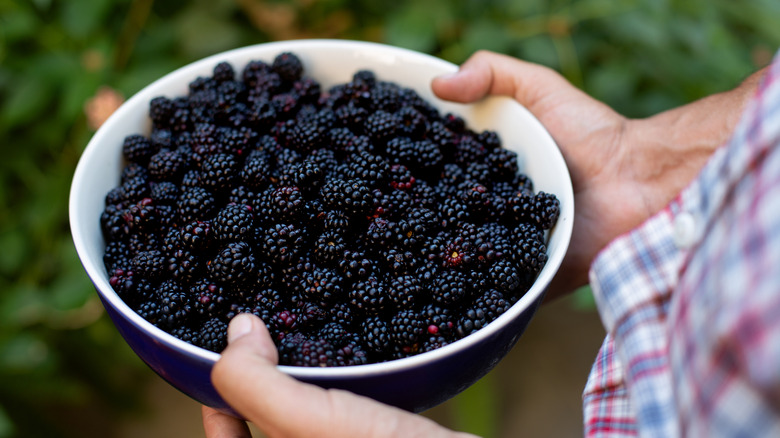
Even darker than blueberry juice is blackberry juice. Perhaps one of the more difficult juices to source, you might be better off making this one yourself by pressing blackberries at home — just don't wear a white shirt you love. Known for being tart, blackberries pair beautifully with other fruits and a variety of meats. I like to pair this juice with a small amount of maple syrup, along with olive oil, lemon rind and juice, coconut aminos, garlic, and thyme. It makes for a light marinade that works well with salmon, white meat, and tender vegetables like zucchini.
You can intensify the mixture with soy sauce, balsamic vinegar, black pepper, dijon, and something sweet like honey. Consider adding a subtle kick of hot pepper, and some citrus like lemon or even lime. Blackberry juice is the perfect summer ingredient for a steak marinade. However, because of that dark coloring, you will notice that your entire steak will have a slightly purple hue. Place a few blackberries on the plate to indicate that's where the purple hue is coming from, and to plant some associative hints. In addition to red meat, you should consider using blackberry juice in your poultry and pork marinades. Play up the tart sweetness and throw in some fresh herbs. Add a little extra vinegar to the mix, and be sure to marinade your poultry for at least a few hours before cooking, if not overnight.