

Classic Sicilian Arancini Al Ragù Recipe
We may receive a commission on purchases made from links.
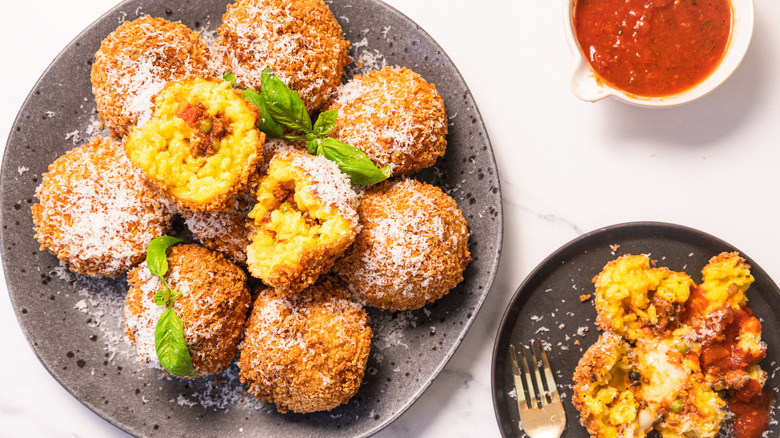
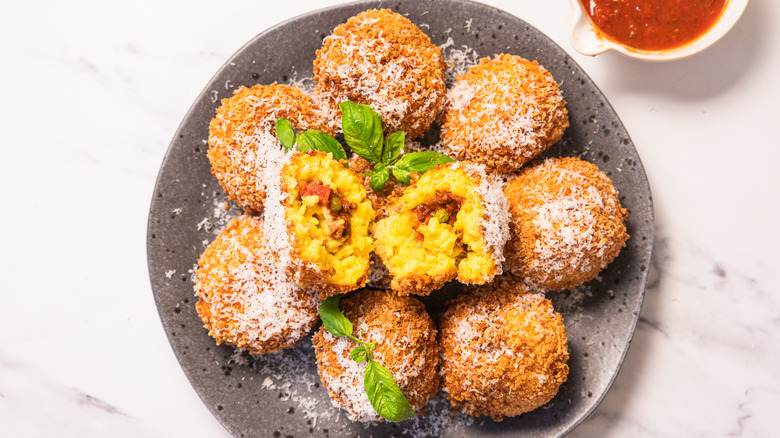
Arancini al ragù is Sicilian street food at its best: golden fried rice balls with a crackling crust that hides a layer of creamy saffron risotto, enveloped around a spoonful of meat ragù and a molten center of mozzarella. It's the kind of thing that ruins all other fried food for you, and once you taste the real thing, you'll never want another frozen and reheated copy. Our recipe takes a while, but rewards you with an experience as close to arriving in Sicily as possible.
When I stepped into my first food market in Palermo, I was overwhelmed with the amount of arancini on offer. They were seemingly everywhere, hawkers announcing their fillings excitedly in sing-song Italian, buoyed undoubtedly by tourists' love of fried food. Some arancini were stuffed with ricotta and olives, others with roasted vegetables or a cheese trio, and there were even modern, inventive iterations like blue cheese. But everywhere you looked, in bars and market stalls, you could find the classic Sicilian arancini, eaten standing up and still hot from the fryer. And those were the ones we found ourselves going back to, time and time again.
This version takes the original flavor and components and builds them up, one at a time, from scratch, like a real Italian nonna would: a quick beef ragù with peas, along with a saffron risotto cooked until just tender and quivering, then chilled firm enough to shape. The saffron is crucial to the taste, adding a floral, slightly honeyed note that runs through every bite (but don't overdo it as it can get bitter). As a recipe developer and blogger, I won't pretend this is a weeknight recipe. It requires specific ingredients and takes some time, as many good things do, but that time is worth it.
Gather the ingredients for these classic Sicilian arancini al ragù
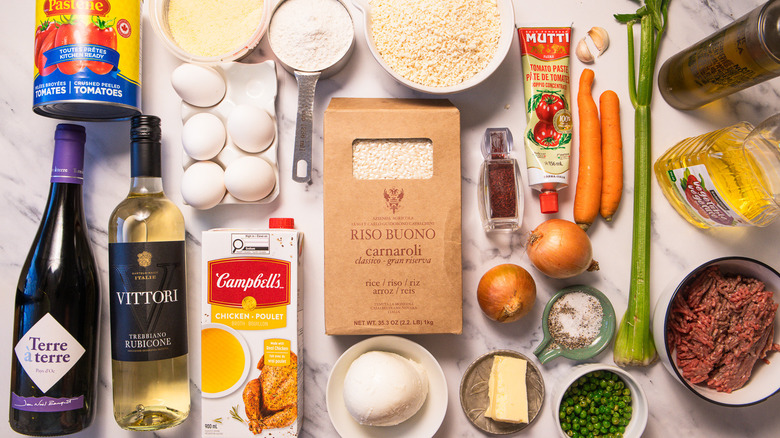
For the ragù filling for the arancini, you'll need olive oil, ground beef, a yellow onion, a carrot, a celery stalk, garlic cloves, tomato paste, dry red wine, crushed tomatoes, frozen peas, kosher salt, and black pepper. The beef mince can be lean or the more traditional medium 80/20 mix.
For the saffron risotto that will envelop the ragù, you'll need chicken broth, saffron threads, unsalted butter, a yellow onion, risotto rice of the type Arborio or Carnaroli (find more information on the type of rice below), dry white wine, Parmigiano Reggiano, eggs, and kosher salt. For saffron, the world's most expensive spice, try to find a reputable spice seller or make sure you're truly purchasing grade A saffron that should be bright red and vivid in color. Keep it away from light and treat it like a prized possession once it's in your cabinet.
For filling and coating the arancini, you'll need fresh mozzarella, all-purpose flour, eggs, panko breadcrumbs, and vegetable oil for frying. And as an option, you can also top these with more Parmigiano Reggiano and serve alongside marinara, for dipping.
Step 1: Heat a pan with olive oil
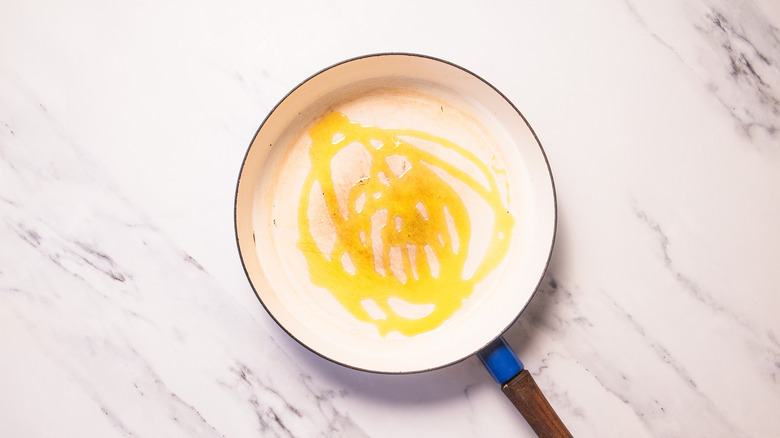
For the ragù, heat the olive oil in a saucepan over medium heat.
Step 2: Brown the ground beef
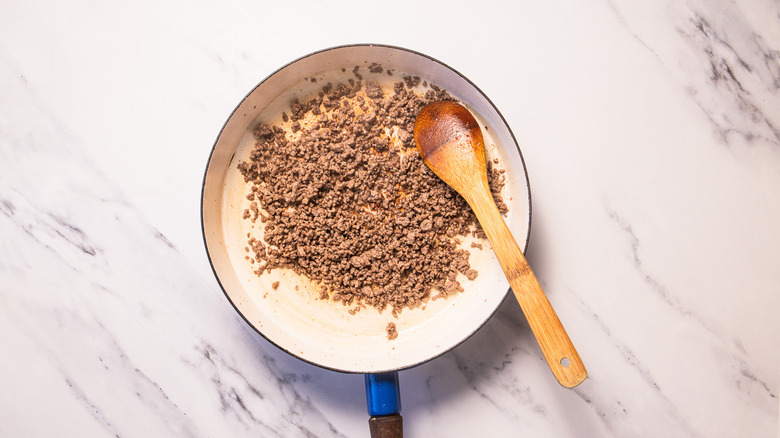
Add the ground beef and cook, breaking it up, until browned, about 6 minutes. Remove from the pan and set aside.
Step 3: Add the aromatics
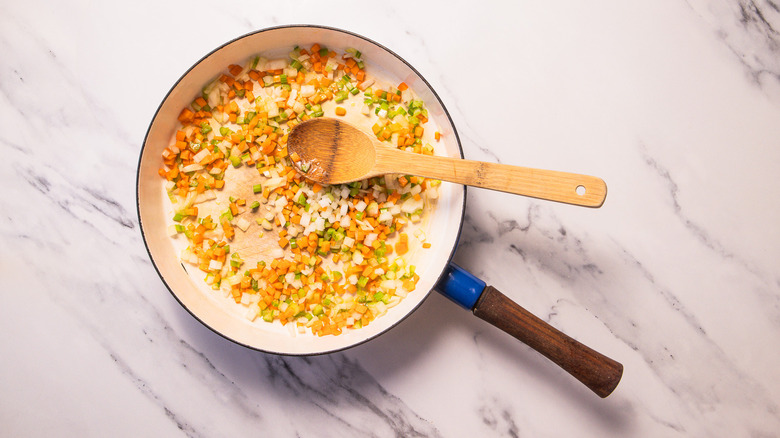
Add the onion, carrot, and celery, and cook until softened, about 5 minutes.
Step 4: Add the garlic and tomato paste
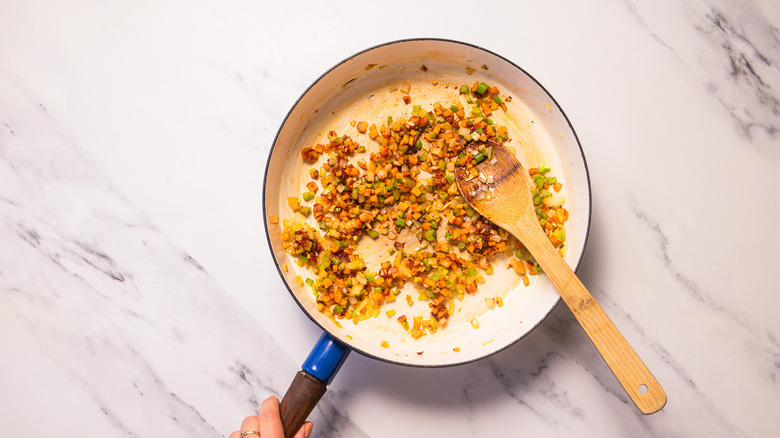
Add the garlic and tomato paste, and cook, stirring, for 1 minute.
Step 5: Deglaze the pan
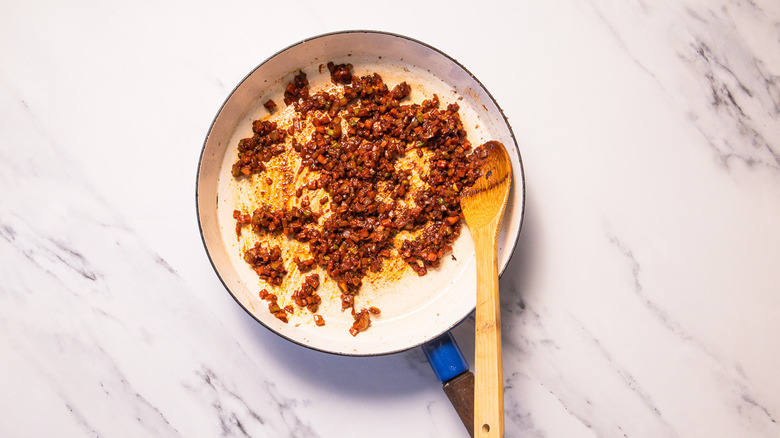
Add the red wine and simmer until mostly reduced, about 2 minutes.
Step 6: Simmer the ragù
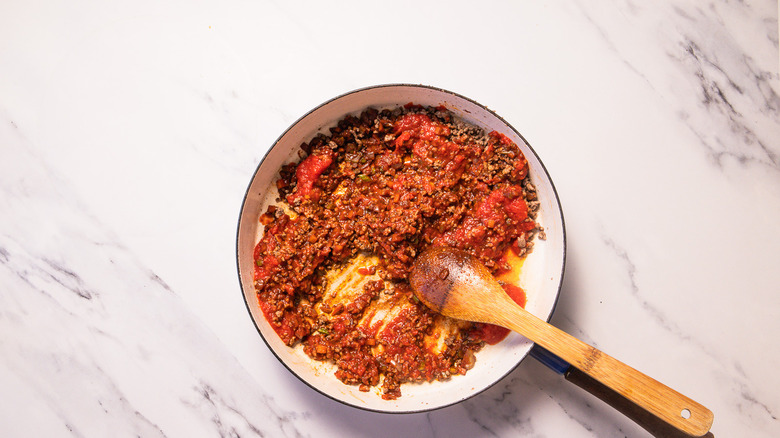
Return the beef to the pan. Stir in the crushed tomatoes and simmer covered for 20 minutes, until thickened.
Step 7: Season and cool the ragù
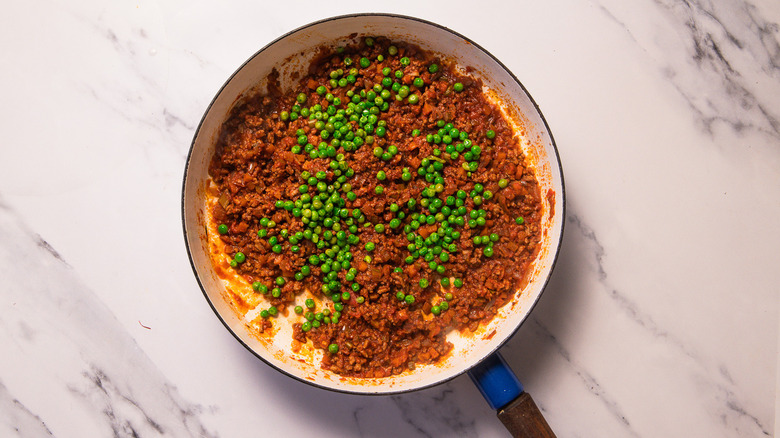
Stir in the peas during the last 2 minutes. Season with salt and pepper, then let the ragù cool.
Step 8: Warm the saffron broth
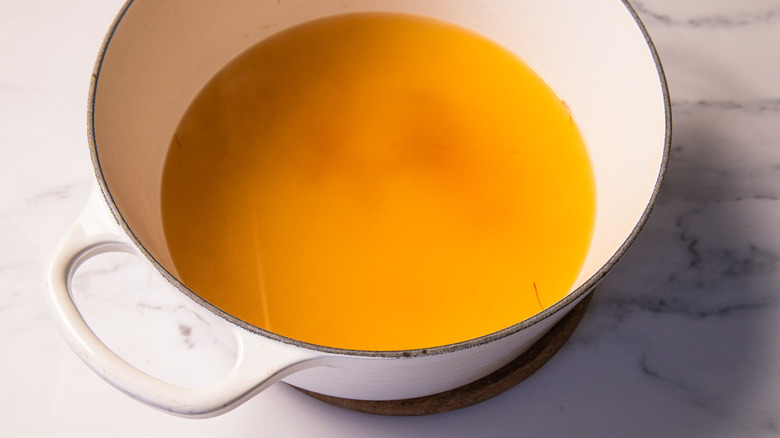
For the risotto, bring the chicken broth to a simmer in a saucepan and add the saffron threads. Keep warm over low heat.
Step 9: Melt the butter
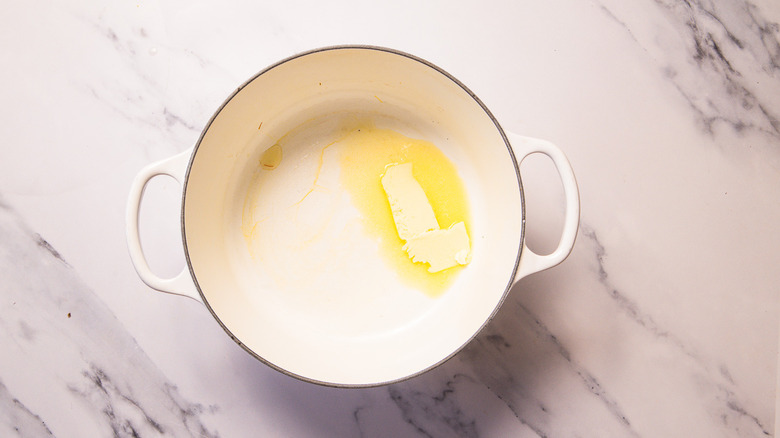
Melt the butter in a large heavy-bottomed pot over medium heat.
Step 10: Cook the onion and rice
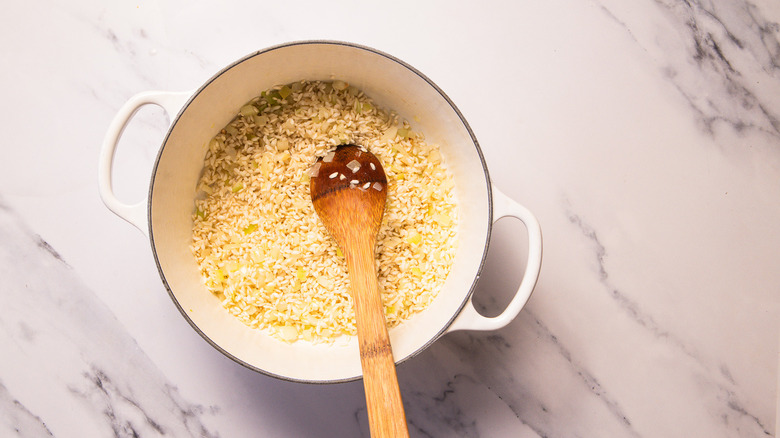
Add the onion and cook until softened, about 4 minutes. Add the rice and toast, stirring, for 2 minutes, until the edges turn translucent.
Step 11: Add wine and broth
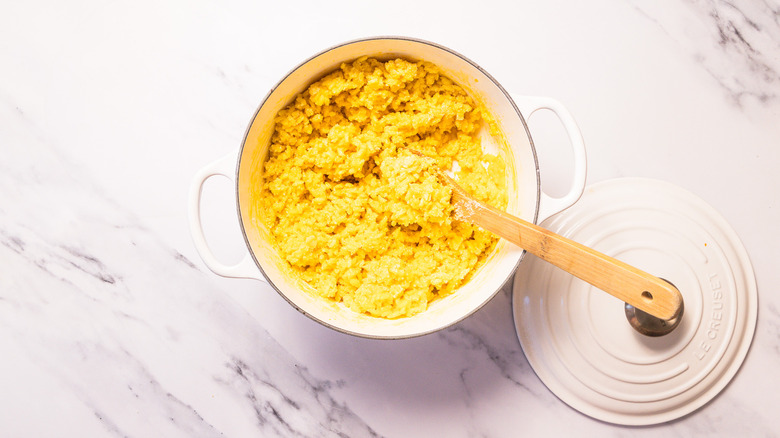
Add the white wine and cook, stirring, until absorbed. Add the warm saffron broth one ladle at a time, stirring frequently and waiting until each addition is absorbed before adding more, until the rice is tender and creamy, about 20 minutes.
Step 12: Add the cheese and cool the risotto
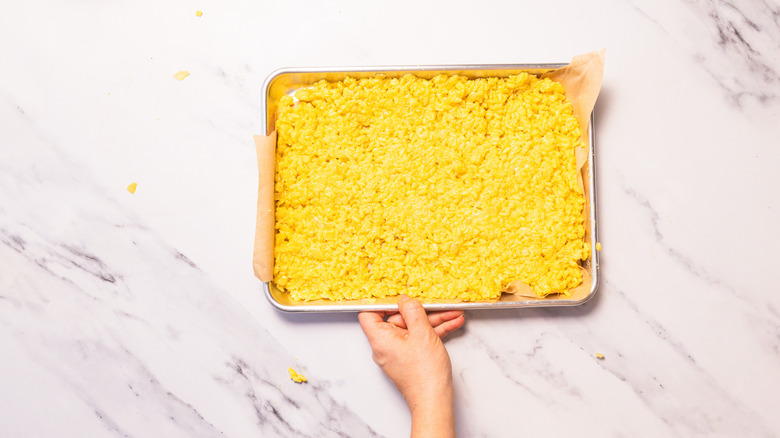
Remove from heat and stir in the Parmigiano Reggiano. Spread onto a baking sheet and let cool to room temperature, about 20 minutes.
Step 13: Whisk in the eggs and refrigerate
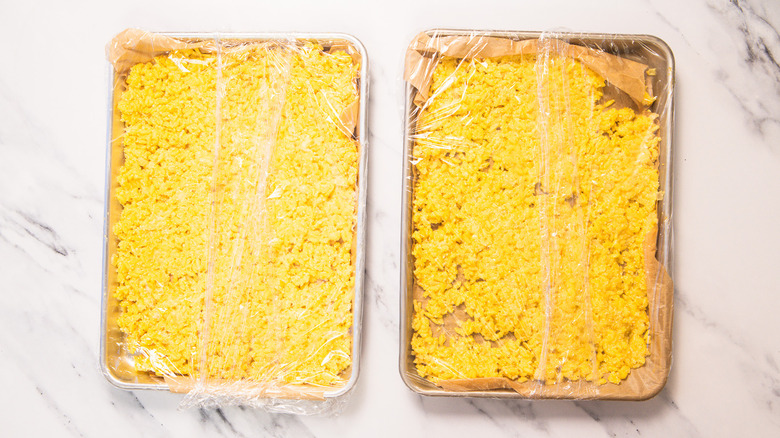
Once cooled, stir the beaten eggs into the risotto until fully incorporated. Cover and refrigerate for at least 2 hours, or until firm enough to shape.
Step 14: Shape and fill the arancini
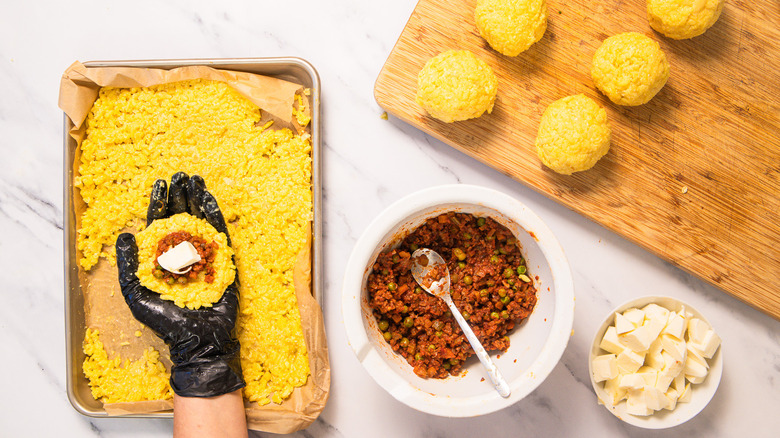
Scoop about ¼ cup of the risotto into your palm and flatten it into a disk. Place 1 teaspoon of ragù and a cube of mozzarella in the center. Top with a bit more risotto and shape it into a ball, sealing it completely so no filling is exposed.
Step 15: Set up a dredging station
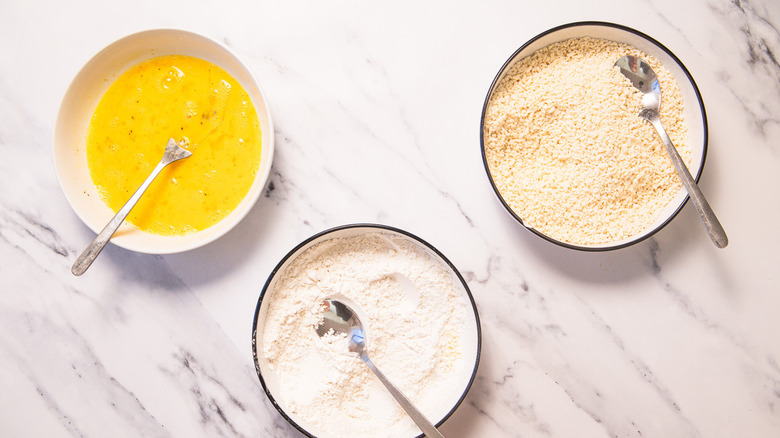
Set up a dredging station with flour, beaten eggs, and panko in three separate shallow dishes.
Step 16: Roll each ball in coating
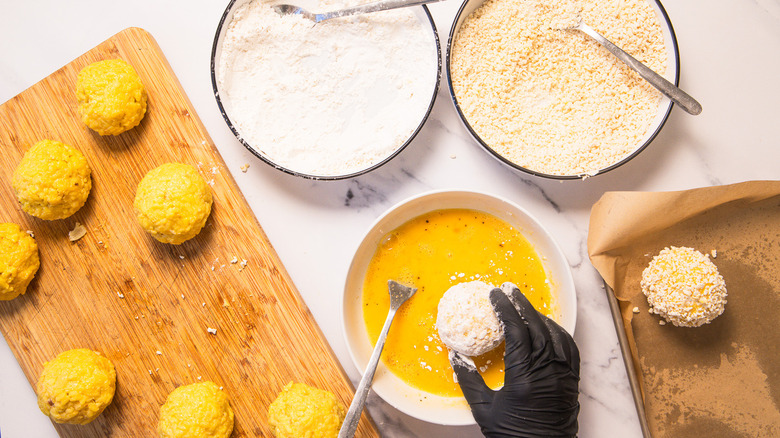
Coat each ball in flour, then egg, then panko, pressing gently to adhere.
Step 17: Repeat with all the arancini
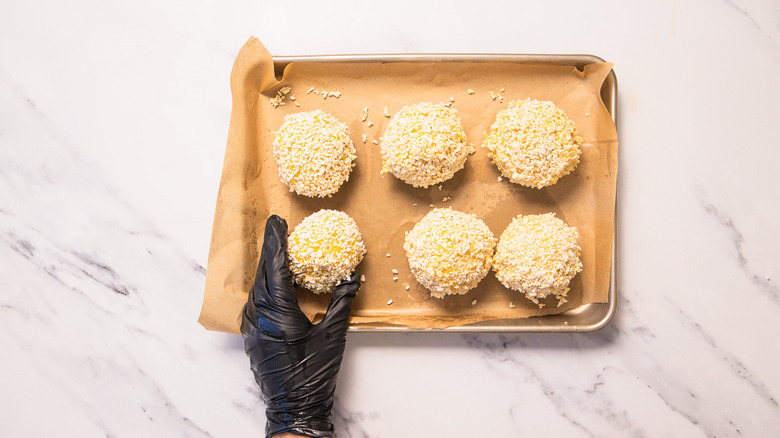
Repeat till all the balls are coated.
Step 18: Preheat the oil
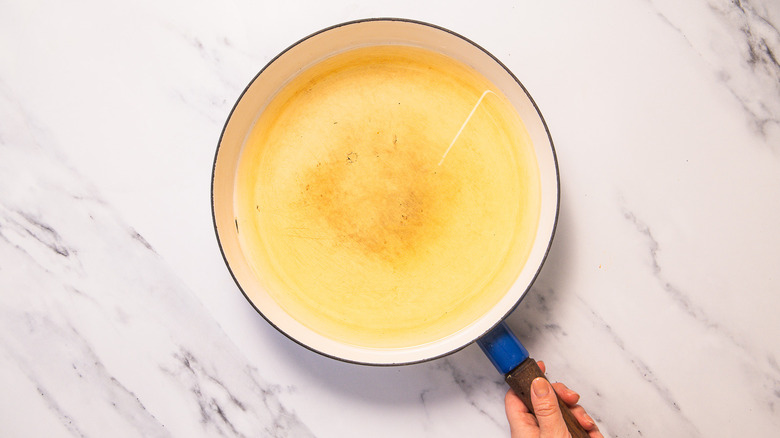
Heat 3 inches of vegetable oil in a deep pot or Dutch oven to 350 F.
Step 19: Fry the arancini
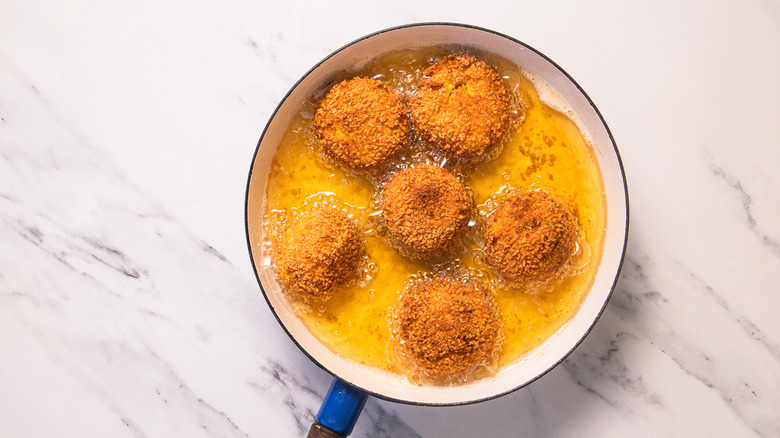
Fry the arancini in batches until deep golden brown, 4 to 5 minutes, turning occasionally for even color.
Step 20: Drain and rest the arancini
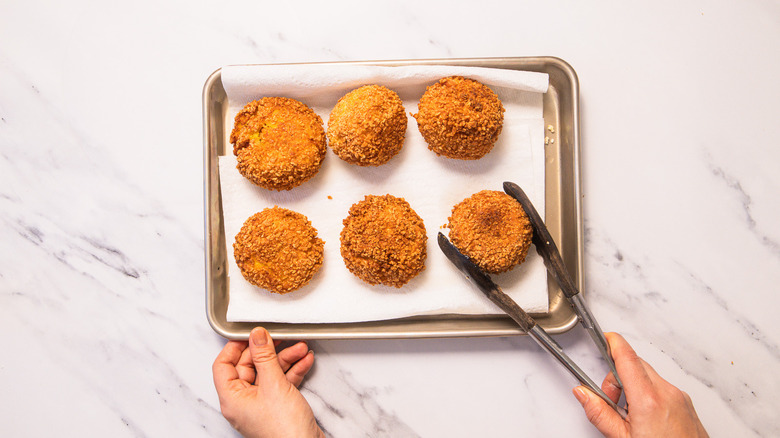
Drain on a paper towel-lined tray and let rest for 2 minutes before serving.
Step 21: Serve the arancini with Parmesan and marinara
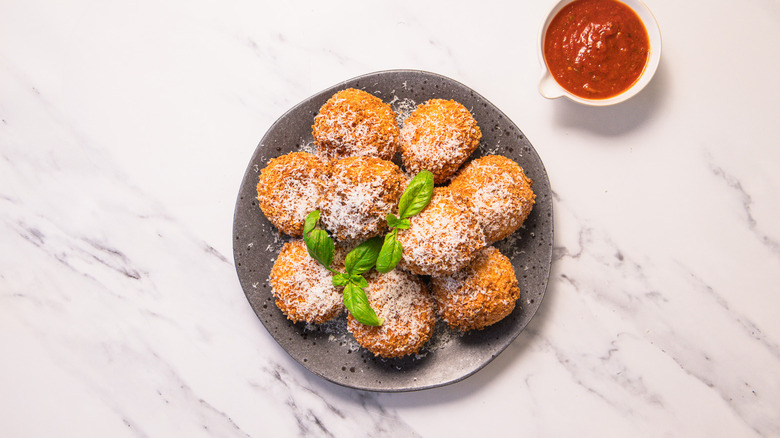
Serve immediately with more Parmesan on top, and optional marinara sauce.
What can I serve with arancini?
Classic Sicilian Arancini al Ragù Recipe
Scratch-made ragù and melty mozzarella are the surprise in the center of a golden saffron risotto ball, all battered and fried till golden and crispy.
Ingredients
- For the ragù
- 1 tablespoon olive oil
- ¼ pound ground beef
- 1 small yellow onion, finely diced
- 1 carrot, finely diced
- 1 celery stalk, finely diced
- 2 cloves garlic, minced
- 2 tablespoons tomato paste
- ¼ cup dry red wine
- ½ cup canned crushed tomatoes
- ¼ cup frozen peas
- 1 teaspoon kosher salt
- ½ teaspoon black pepper
- For the saffron risotto
- 4 cups chicken broth
- Pinch of saffron threads
- 2 tablespoons unsalted butter
- 1 small yellow onion, finely diced
- 1 ½ cups risotto rice (Arborio or Carnaroli)
- ½ cup dry white wine
- 1 cup grated Parmigiano Reggiano
- 2 large eggs, beaten
- 1 teaspoon kosher salt
- For filling and coating
- 6 ounces fresh mozzarella, cut into ½-inch cubes, patted dry
- 1 cup all-purpose flour
- 3 large eggs, beaten
- 2 cups panko breadcrumbs
- 2 cups vegetable oil, for frying
Optional Ingredients
- Parmigiano Reggiano, for serving
- Marinara, for serving
Directions
- For the ragù, heat the olive oil in a saucepan over medium heat.
- Add the ground beef and cook, breaking it up, until browned, about 6 minutes. Remove from the pan and set aside.
- Add the onion, carrot, and celery, and cook until softened, about 5 minutes.
- Add the garlic and tomato paste, and cook, stirring, for 1 minute.
- Add the red wine and simmer until mostly reduced, about 2 minutes.
- Return the beef to the pan. Stir in the crushed tomatoes and simmer covered for 20 minutes, until thickened.
- Stir in the peas during the last 2 minutes. Season with salt and pepper, then let the ragù cool.
- For the risotto, bring the chicken broth to a simmer in a saucepan and add the saffron threads. Keep warm over low heat.
- Melt the butter in a large heavy-bottomed pot over medium heat.
- Add the onion and cook until softened, about 4 minutes. Add the rice and toast, stirring, for 2 minutes, until the edges turn translucent.
- Add the white wine and cook, stirring, until absorbed. Add the warm saffron broth one ladle at a time, stirring frequently and waiting until each addition is absorbed before adding more, until the rice is tender and creamy, about 20 minutes.
- Remove from heat and stir in the Parmigiano Reggiano. Spread onto a baking sheet and let cool to room temperature, about 20 minutes.
- Once cooled, stir the beaten eggs into the risotto until fully incorporated. Cover and refrigerate for at least 2 hours, or until firm enough to shape.
- Scoop about ¼ cup of the risotto into your palm and flatten it into a disk. Place 1 teaspoon of ragù and a cube of mozzarella in the center. Top with a bit more risotto and shape it into a ball, sealing it completely so no filling is exposed.
- Set up a dredging station with flour, beaten eggs, and panko in three separate shallow dishes.
- Coat each ball in flour, then egg, then panko, pressing gently to adhere.
- Repeat till all the balls are coated.
- Heat 3 inches of vegetable oil in a deep pot or Dutch oven to 350 F.
- Fry the arancini in batches until deep golden brown, 4 to 5 minutes, turning occasionally for even color.
- Drain on a paper towel-lined tray and let rest for 2 minutes before serving.
- Serve immediately with more Parmesan on top, and optional marinara sauce.
Nutrition
| Calories per Serving | 593 |
| Total Fat | 37.8 g |
| Saturated Fat | 8.4 g |
| Trans Fat | 0.3 g |
| Cholesterol | 111.3 mg |
| Total Carbohydrates | 41.9 g |
| Dietary Fiber | 1.5 g |
| Total Sugars | 3.5 g |
| Sodium | 602.5 mg |
| Protein | 18.2 g |

Are there any alternatives to deep-frying arancini?
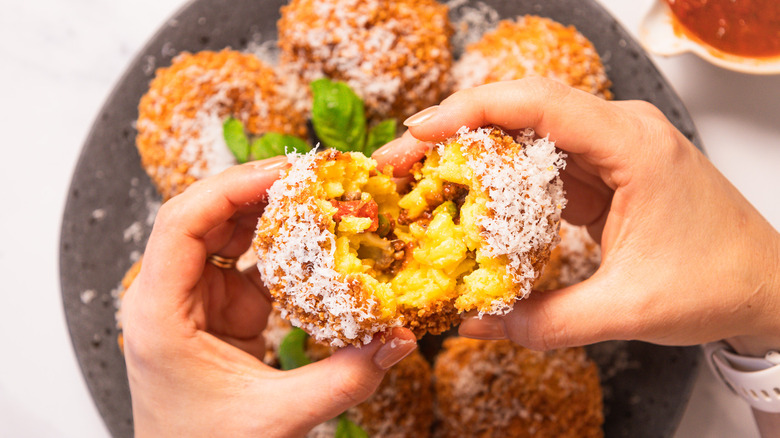
Deep-frying is the traditional method of making arancini for a reason — it gives you the best result. With frying, you'll get a uniformly golden, shatteringly crisp crust that seals in the filling and gives arancini its signature texture. However, there are some alternatives that you can use if you would rather not work with a pot of hot oil.
Baking arancini is the most common substitute. Brush or spray the coated arancini generously with olive oil — they should be sitting on a parchment-lined baking sheet with oil, then rubbed with more oil so they glisten. Then, bake them at 400 F, turning them over once halfway through, until golden. Depending on the oven, you may need to increase your temperature to 425 F. The crust won't be as crisp or evenly colored as with the fried version, but they should still hold up.
An air fryer would work even better, as the circulating heat crisps the panko and gets you a bit closer to the traditional results. The trade-off is that you usually need to work with more batches, as air fryers have less space for cooking at once. Spray them generously and make sure you don't crowd the individual rice balls; they should still have space between them for circulating air.
What is risotto rice, and what are the best types for making arancini?
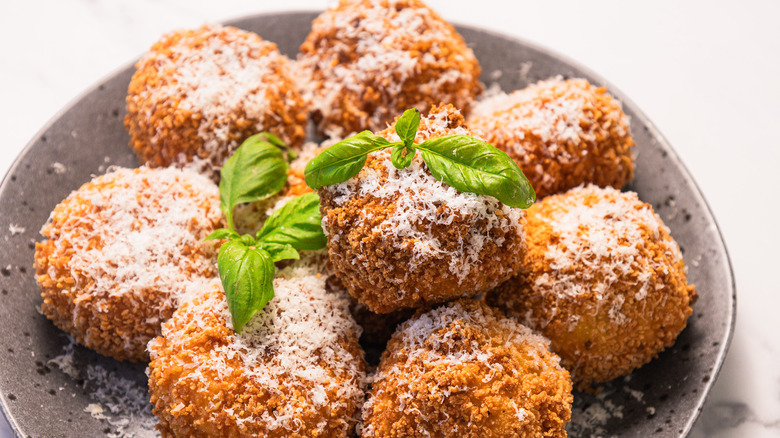
Risotto rice is short-grain, high-starch Italian rice that's been bred to absorb liquid gradually while releasing starch. This rice is what creates the creamy texture risotto is known for, and which makes it perfect for using as an envelope for arancini. Never try to make risotto or arancini with long-grain rice, as it will not be starchy or pliable enough to wrap around a filling properly.
Some types of rice are better for risotto, with Arborio being the most well-known. It is most widely available, cooks up soft and thick, and is easy enough to find in most grocery stores. If you are buying one specialty rice for your pantry, then Arborio should be it.
But I have another favorite, if you can get your hands on it. Carnaroli rice is the other preferred rice for risotto, and the choice of most professional cooks. Its grain holds up its shape better during the slow cooking process, it's harder to overcook, and produces a creamier, more structured risotto. This makes it perfect for risotto and arancini because the firmer grain holds together better when chilled and shaped into balls, making them less likely to crack during the breading and frying process. I used Carnaroli Classico Gran Riserva that I purchased in Italy for this recipe, which is aged and has an even firmer texture than standard Carnaroli rice. But that's a bit like gilding the lily, so not strictly necessary, and a good risotto rice you can purchase at the grocery store near you will work as well.