

Regional Beers With The Most Loyal Local Followings
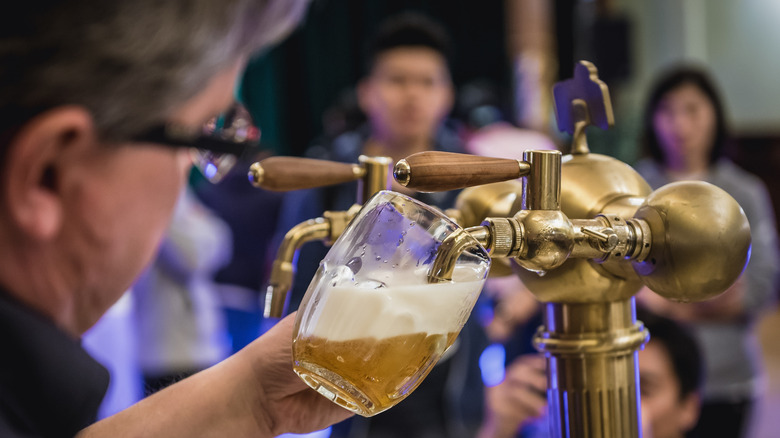
There are a few things that can inspire local pride, with beer being one of them. If a beer is made in your hometown, then you're naturally going to have an affinity for it. In the United States, there are many regional beers that have developed a following that goes far beyond merely enjoying the taste. Instead, they often become a part of the local culture, tied to memories, traditions, and family gatherings. Others can even be linked to specific sporting events or teams. It can mean there is a familiar comfort to drinking these beers.
Some of the beers here do have national availability, but even if that's true, the beer still has a special connection to a specific place. This may be because they are brewed locally; sometimes it's a generational thing, whereas other brands lean into appealing to a specific area. That loyalty can be surprisingly strong. Locals can defend their favorite beer against better-known national brands or proudly introduce visitors. Whatever the reason for that loyalty, here are the 12 choices that have long been proven to be loved by locals.
Spotted Cow (Wisconsin)
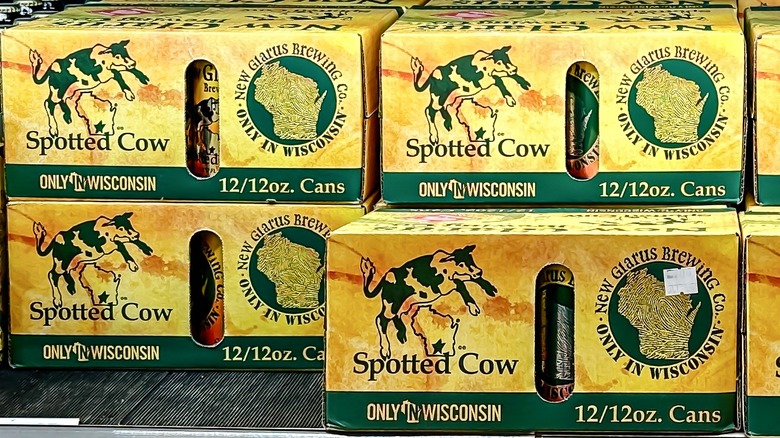
We've not ranked this list from least to most loyal, but if we did, this may well have won the top spot. A part of the reason for this is how it's famously difficult to find outside of Wisconsin. That's because the New Glarus Brewing Company has chosen not to distribute it beyond the state. If this is a brewery showing loyalty to its local drinkers, the beer lovers of Wisconsin are happy to give that loyalty right back. It means that enjoying Spotted Cow will feel like part of a local experience. It can also mean that visitors to the state are likely to make a point of trying it, knowing they won't be able to get it anywhere else.
The beer has an approachable character. It offers a refreshing profile with lovely fruity and sweet malty flavors. There is a little grassy hop character and some faint pepper. It makes it distinctive enough to stand out but without being a challenging beer. With that approachable flavor, it can appeal to all beer drinkers. It all adds up to Spotted Cow not being just another regional beer. It has stayed true to its roots and, due to this, has become a source of local pride.
Yuengling Traditional Lager (Pennsylvania)
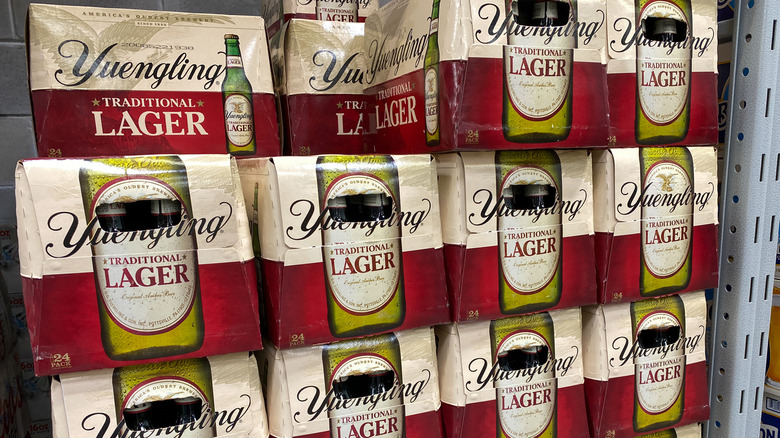
There is no definition of what makes beer regional, but we appreciate that this one pushes the meaning. This is probably the beer most well-known nationally, but it still has close ties to Pennsylvania, making it worthy of inclusion. Another reason we thought it was worthy is that despite its national reputation, it remains independent and is brewed at Yuengling's three facilities. It has one brewery in Tampa to serve the southern states, but the other two are still in Pennsylvania. They are the original brewery in Pottsville, as well as the Mill Creek Brewery, only 2 miles away. It has allowed Yuengling to maintain that local connection despite its expansion.
This has allowed it to be a familiar part of everyday life, especially considering it's one of the best six-packs you can get for under $10. The beer itself is approachable and traditional, with a balanced combination of toasted malt, caramel notes, and moderate herbal bitterness. It offers plenty of flavor without being heavy, ensuring that Pennsylvanians aren't just drinking it out of pride, as it's a genuinely good beer. There are other beers here that have retained a local following despite moving production away from the area. It feels the Yuengling brand has kept its Pennsylvania roots as an important part of its identity. It's therefore no surprise that Yuengling has retained its loyal local following.
Shiner Bock (Texas)
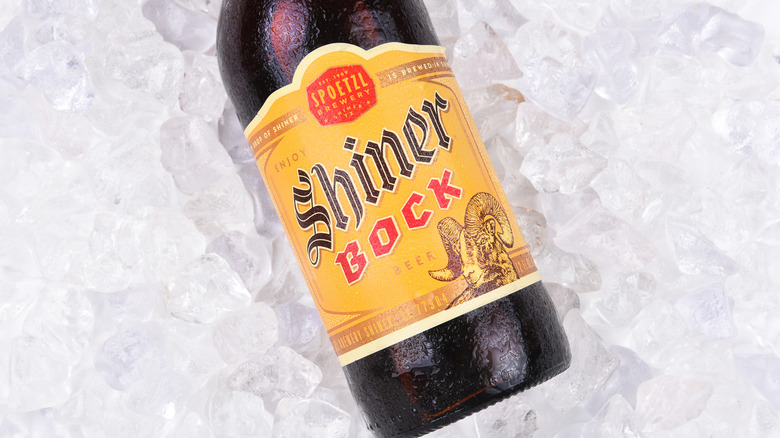
Shiner Bock has grown from near extinction to become one of the most recognizable symbols of Texas beer culture. It gets its name from the small city of Shiner, around 100 miles east of San Antonio, in which the beer is still made at the Spoetzl Brewery. It has developed a loyal following throughout the state but also enjoys some national attention. It's quite a distinctive darker beer with its red-brown color and smooth, malty character. Yet it remains easy to enjoy, with roasted malt and caramel giving it more character than basic light lagers while still being approachable enough for casual drinking.
Shiner proudly calls it "Texas's favorite craft beer," and a significant part of that is the connection to a small-town brewery that has a long brewing tradition. Due to its position as the most popular beer in the state, you can expect to see it at many Texas bars, restaurants, backyard gatherings, and sporting events. There are many craft beers now produced all over Texas, but Shiner Bock remains number one for the locals.
Narragansett (Rhode Island)
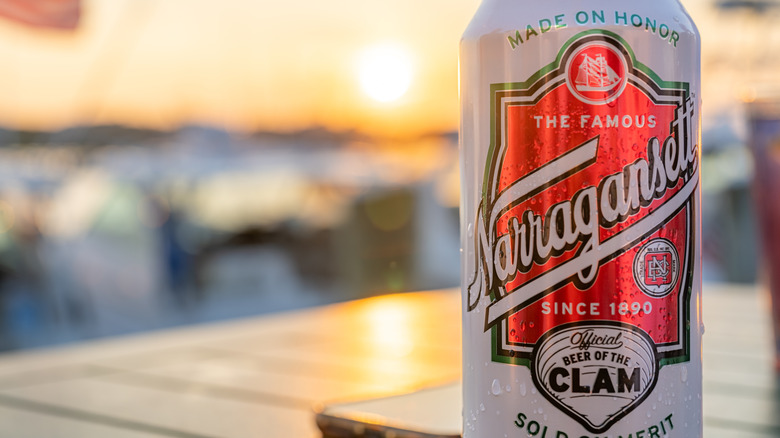
Narragansett has been a fixture of Rhode Island drinking culture for more than a century. It has a strong identity in the state but also in the wider New England area. A lot of that loyalty comes from tradition, as it was first brewed back in 1890. Its production in the state hasn't been continuous, though. The original brewery shut down in 1981 but was resurrected in 2005, and production moved back to the state, with the modern brewery now on the Providence waterfront. Despite these changes, Narragansett has maintained its identity as a beer with genuine New England roots.
The lager is light-bodied but exceptionally crisp, making it one of the best go-to cheap beers. It does have a little pale cracker malt and subtle corn sweetness, making it the type of beer you'll love drinking at a sunny BBQ or on a boat trip. A part of Narragansett's fame is that it was shown in the film "Jaws," drunk by the shark-obsessed fisherman Quint. This adds to its appeal of being more than just a nice, affordable lager. It has that sense of nostalgia and local pride that can only come from decades of loyal beer drinkers, helped by an appearance in one of the most iconic films of all time.
National Bohemian (Baltimore)
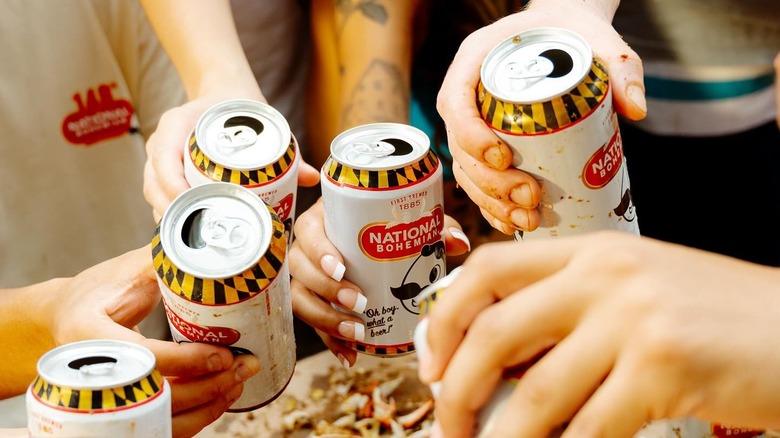
More commonly just referred to as "Natty Boh," National Bohemian is perhaps the one beer that has the closest connection to a specific city. Originally brewed in Baltimore, the beer became deeply embedded in the city's culture and developed a loyal following. That seems to have lasted for generations despite production being moved away. This affection has been helped in part by the quirky Mr. Boh logo becoming an instantly recognizable symbol of the city.
For Baltimoreans sipping this beer, they'll get to enjoy one that remains light and crisp. They'll also be tasting a beer that will often evoke memories of neighborhood bars, family gatherings, and the city's distinctive character. A lot of the beers in this list have a loyal following due to pride in their local production. National Bohemian is a little different. It may no longer be made in Baltimore, but residents just never stopped drinking it. It feels like it moved from being a hometown favorite to embedding itself as an immovable part of the city's cultural identity.
Old Style (Chicago)
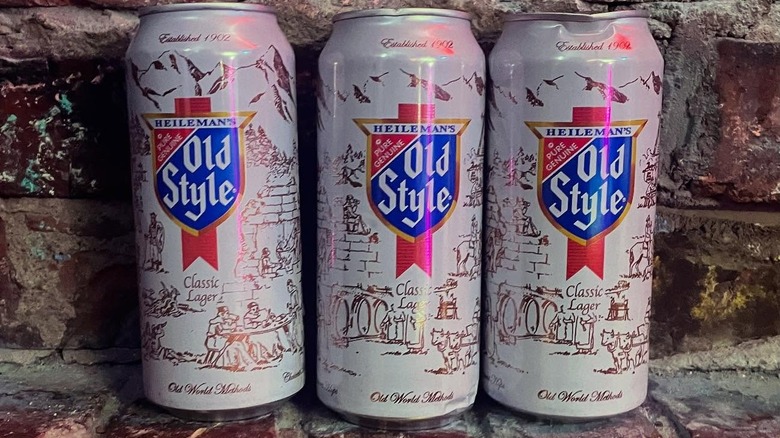
Old Style is a curious inclusion in this list, as it has never been made in Chicago, having been born in Wisconsin. Its popularity started spreading south, and it was eventually adopted as the beer of the city. That popularity has faded a little in recent years, but the beer still evokes a strong sense of nostalgia. A part of the reason for that is its association with the Chicago Cubs. It became the team's official beer in 1950 and continued to be until 2014. Yet, it's still sold at Wrigley Field, with some fans feeling compelled to grab a beer for the game and keep up tradition.
The beer has notes of soft malt and light cereal grain. There is a faint breadiness along with some moderate bitterness. It has an uncomplicated style and is the type of beer you can enjoy at a ballgame without really even thinking about it. Its connection to Chicago is perhaps even more important than its flavor. Old Style became a fixture in local establishments and developed a reputation as an everyday beer for Chicagoans. Generations of drinkers have enjoyed it over the years. It may not quite be the local powerhouse it once was, but it still holds a place in the hearts of many Chicago residents.
Rainier Beer (Seattle)
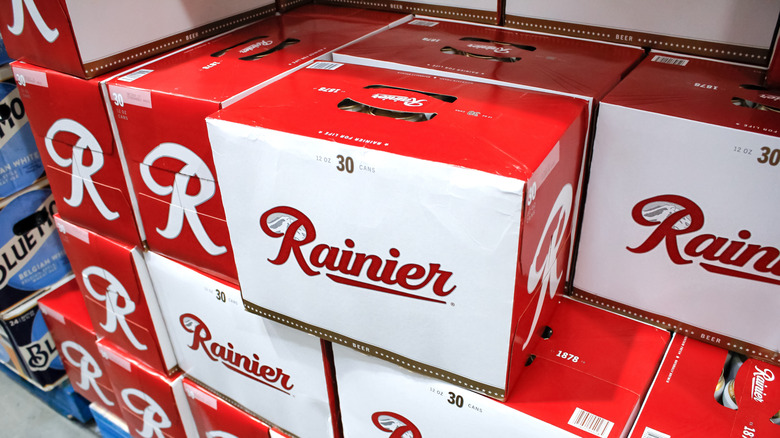
Rainier Beer is another beer that has retained a loyal following despite production being moved away from the area. Yet, Rainier Beer has become one of the defining symbols of the Pacific Northwest, particularly in Washington state. First brewed in Seattle, the lager developed a devoted following among local drinkers. Its distinctive branding and memorable advertising have also helped make Rainier instantly recognizable, even among people who may not drink it regularly.
The beer features some light cracker malt, subtle sweetness, and a faint grassy hop character. Its relatively light and crisp character makes it well-suited to casual occasions, while its affordability has traditionally made it an accessible choice for everyday beer drinkers. It is not trying to compete with highly complex craft beers, and that is part of its appeal. It's a brand that has become wrapped up in local nostalgia and regional pride. For many Washington drinkers, ordering a Rainier means choosing a beer that feels unmistakably connected to home.
Hamm's (Minnesota)
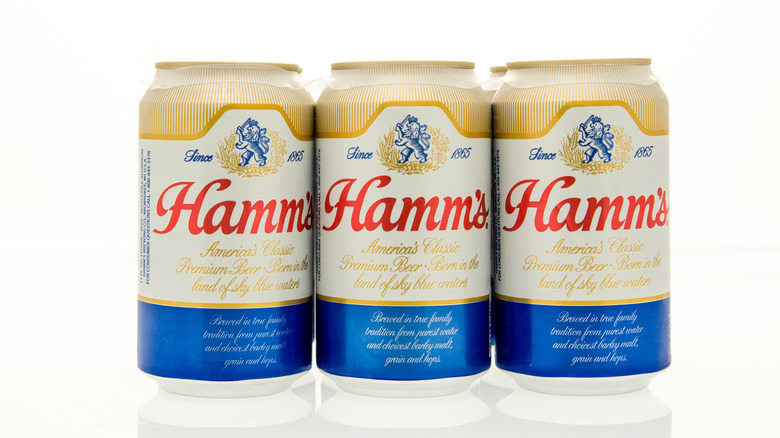
With Hamm's, the connection is strongest in Minnesota. Here, we have a similar story to National Bohemian above. It was originally brewed locally before production was eventually moved to Molson Coors. Before it moved away, Hamm's was brewed in St. Paul for way over a century and is still one of the best old-school beers around. Due to this long-standing association, generations of drinkers have enjoyed the beer in the city and the wider Upper Midwest. Some even still pine for discontinued variations, such as Hamm's Special Light. It's one of these beers you can depend on for affordable, everyday drinking.
It helped with its appeal that the advertising was focused on its locality. Its slogan was "From the land of sky-blue waters," and its outdoor-themed imagery helped associate the beer with the landscape of Minnesota. All of these efforts helped give Hamm's an identity that went far beyond its basic lager style. And as with National Bohemian above, it feels as though the beer got so interwoven with Minnesota culture that its loyalty survived the beer moving away. It still remains the favorite beer in the state and a symbol of Minnesota's beer heritage.
Great Lakes Dortmunder Gold (Cleveland)
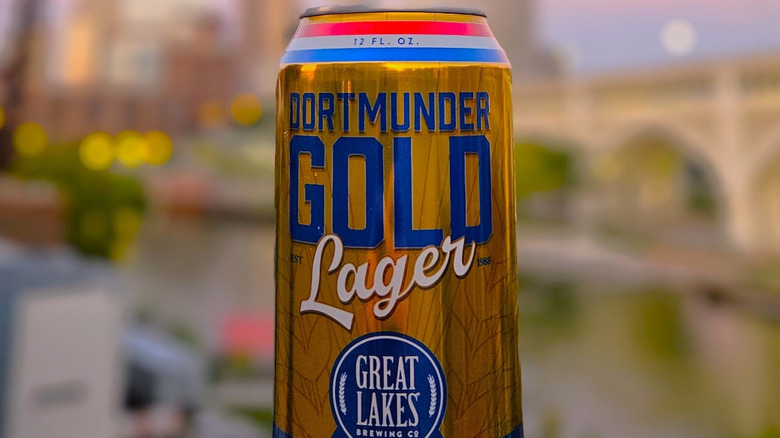
Dortmunder Gold has earned a loyal following in Cleveland and throughout Ohio by offering something more than just locality. It was first introduced in the 1980s, and the Dortmunder Gold helped to establish the Great Lakes Brewing Company as a major producer in the region. Its style is based on traditional Dortmunder lager from Germany and has depths of taste that go far above many of the light lagers here. You get a bready pilsner malt with honeyed grain, floral hops, and a firm but elegant bitterness. Yet, it's not overly heavy and still has a clean finish.
Due to this, it's the type of beer that can appeal to traditional lager drinkers as well as craft beer enthusiasts. So, while its popularity may be connected to the Great Lakes Brewing Company, it also happens to be a great beer. The company produces quite a few different beers now, but the Dortmunder Gold remains a reliable and recognizable choice. For Ohio drinkers, it offers a perfect combination of high-quality brewing and local identity.
Genesee Cream Ale (Rochester)
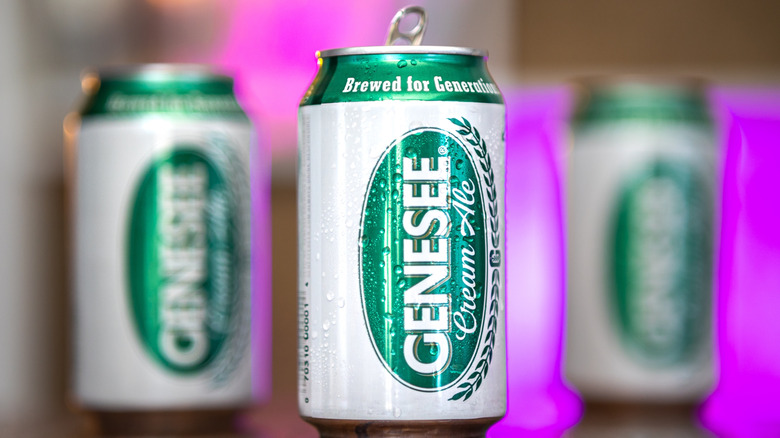
As you'll see shortly, Genesee helps out with production for another regional favorite, but its own beer is much loved, as well as being one of the best affordable packs you can buy. This time, it's Upstate New York that has a local favorite, as this is a beer made in Rochester. As with a few others here, there is a strong German influence to this story, as the brewery was founded by a German by the name of Mathius Kondolf in 1878. With that Germanic heritage a strong part of Rochester's history, the beer has been part of the area's brewing tradition for decades and remains particularly familiar to generations of local drinkers.
Despite the name, Genesee Cream Ale is not a dairy-based beer. Introduced in 1960, it is a smooth, easy-drinking ale with a light body, mild malt character, and clean finish. This approachable profile has helped it appeal to drinkers who want a deeper taste from their lager without venturing into heavier craft beer. For local drinkers, the beer can carry a strong sense of familiarity and nostalgia, particularly for those who have enjoyed it for years. Its popularity may have suffered away from the area, but it has still managed to retain that regional loyalty.
Labatt Blue (Ontario)
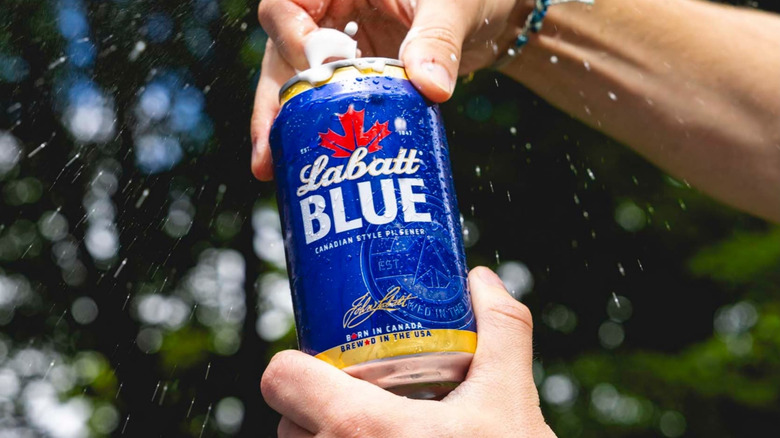
Here we wanted to highlight a beer that gets a lot of love north of the border. Labatt Blue gets a lot of appreciation in general as a Canadian beer, but particularly in Ontario. Labatt's Canadian operations are owned by Anheuser-Busch InBev, while the U.S. rights belong to FIFCO USA. Demand has led the Genesee Brewery in Rochester to also brew Labatt Blue for the American market. As with many of these beers, it has been a familiar presence in the region for generations. It's a pale lager that you're as equally likely to find in bars and restaurants as you are in homes and at sporting events.
Its drinking style is fairly straightforward, and it's debatable whether you could call this a good beer compared to other Canadian brands. Yet, it's a crisp and moderately light lager that is an easy choice for casual drinking and social occasions. For many longtime drinkers, Labatt Blue is connected with familiar places, sporting traditions, and summer gatherings. Its distinctive blue branding has become instantly recognizable, helping that sense of familiarity. All of these factors have helped it to remain relevant and a solid part of Canadian beer culture.
Abita Amber (Louisiana)
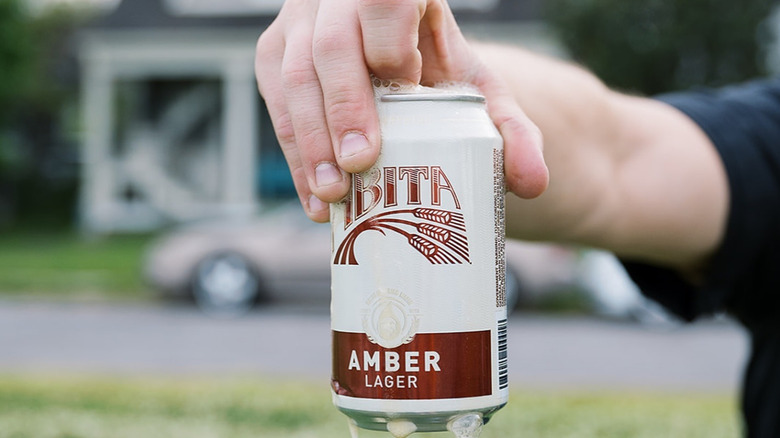
We end with another example of a local beer that has stayed local. Instead of production moving out of the area when the beer grew in popularity, the Abita Brewing Company simply built a bigger facility nearby. It means that the beer is still made in Covington and right by Abita Springs, from which it gets its name. What's impressive is how the beer has been able to gain such a local following despite being a younger brand than many others here, having first been launched in 1986. Over time, it has become a familiar choice in Louisiana bars, restaurants, and homes.
Its connection to the state gives it an identity that goes beyond its flavor, particularly among anyone who loves supporting local and regional breweries. It also became the official craft beer of the New Orleans Saints, further solidifying itself as a local icon. It's a smooth amber lager that features toasted malt, caramel, bread crust, and light nuttiness, balanced by enough bitterness to keep it from becoming overly heavy. Abita Amber's popularity also reflects the broader food and drink culture of Louisiana. It fits naturally alongside the state's rich culinary traditions and has become a dependable regional beer.