

8 Old-School Regional American Beers That Should Be Everywhere
We may receive a commission on purchases made from links.
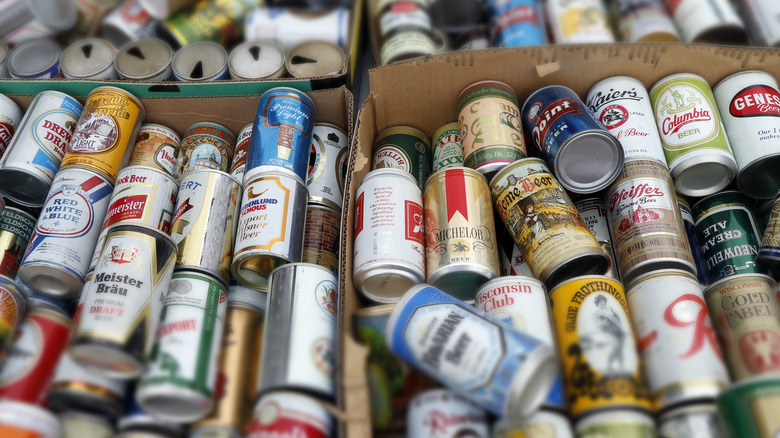
Before I turned to writing about drinks, I made and sold beer in Vermont. After a long shift of tapping triple IPAs, pastry stouts, and fermented farmhouse ales, I wanted exactly one thing: a brutally cold Narragansett Lager or a crisp Genny Cream Ale. Beyond irony or nostalgia, I'd take an old-school American lager over an experimental 8%-er any day for the simple reason that they drink well. It's precisely that instinct that raises a larger question: What happened to America's old regional beers?
Before national consolidation and the abundance of craft beer, American drinking culture ran on fiercely local loyalties. Hamm's belonged to Minnesota lakes and hunting cabins; Narragansett to Rhode Island's clam shacks. While Yuengling poured through Pennsylvania coal country, Schlitz and Genesee each carried an authentic relationship to their own respective geographies, workforces, and ways of drinking. Whether a crisp American adjunct lager, cream ale, or working-class amber lager, these beers were not designed around exclusive ingredients, nor were they gunning for maximum flavor. In fact, their credentials were quite simple: Drinkability plus place equals enduring cultural impact.
As a former bartender who is often surrounded by world-class craft beer, I'll always appreciate the quiet relief of a straightforward regional lager that honors beer's social purpose. These old-school American beers deserve to be everywhere not because they are quaint relics, but because they preserve something American drinking culture increasingly struggles to hold onto: affordable flavor, unmistakable regional identity, and beer that authentically belongs.
Schlitz
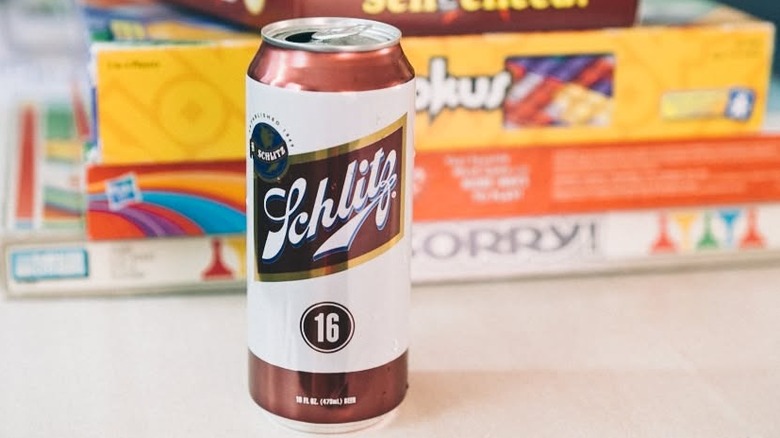
This old-school Midwestern classic was brewed in Milwaukee in 1849 by Joseph Schlitz, meaning it emerged alongside the development of modern America. Sadly, after 177 years, the final batch of Schlitz was brewed on May 23 after parent company Pabst announced it would be halting production due to rising costs. Formerly known as "the Beer that Made Milwaukee Famous," Wisconsin Brewing Company brewmaster Kirby Nelson spearheaded production of the final batch, which honors a historic 1948 recipe and is slated for a regional limited release in summer 2026.
Schlitz helped evolve beer from the level of local craft to a national commodity during the late 19th and early 20th centuries, with much of its success tracing back to novel technologies like refrigeration and railway distribution. The beer preserved traces of old-world brewing character at an affordable price, resulting in a fuller body and more malt-forward flavor than its contemporary counterparts. Coupled with ambitious marketing strategies, Schlitz grew into a symbol of industrial strength, immigrant labor, and Midwestern pride, securing a loyal customer base and nationwide recognition.
With an ascent that closely mirrors the development of industrial America, Schlitz pioneered what is considered the basis of large-scale beverage production. In stark contrast to the turn-of-the-century America of the brewery's origins, today's picture is one of brand consolidation, shrinking regional identities, and changing drinking habits, all of which are contributing factors to the extinction of old-school beers with strong cultural resonance, like Schlitz.
Hamm's
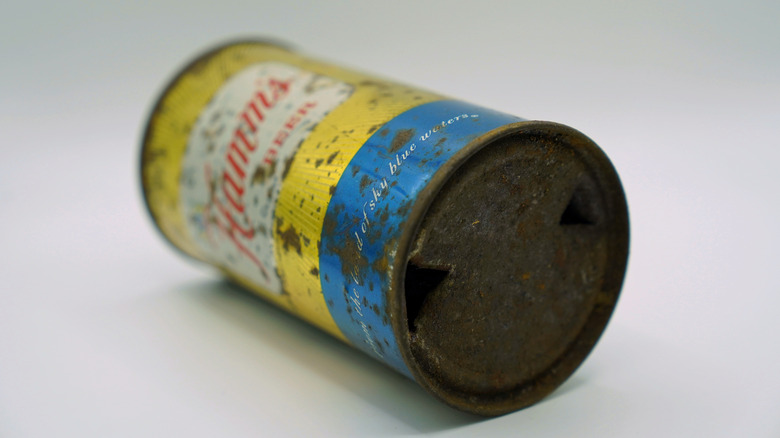
Beyond nostalgia or bargain-priced six-packs of beer, Hamm's nationwide appeal rests on its balance of regional authenticity, approachable taste, and enduring cultural symbolism. Born in St. Paul, Minnesota, Hamm's packaging reads "Born in the land of sky blue waters," a slogan that evokes Upper Midwestern landscapes and uncomplicated leisure. While other brands emphasize urban industry or cosmopolitan sophistication, Hamm's sells an idealized picture of the American outdoors, exactly the sort of distinctly local but broadly legible appeal that has endowed Hamm's with the enduring legacy bestowed only upon the classics. While the old-school beer's place-driven identity has endured since its inception in 1865, this Midwest staple deserves a 21st century, nationwide comeback.
As a medium-light style of American lager, a popular type of beer, Hamm's occupies a middle ground between the fuller Schlitz and the leaner PBR. It boasts a grainy sweetness reminiscent of cereal, with mild notes of corn and a refreshingly clean finish. While its quality doesn't lie in its complexity, Hamm's does offer balance and consistency in simple packaging, the result of which is a familiarity that's proved to be central to the beer's broad appeal.
Practically a cultural artifact disguised as a cheap lager, Hamm's also reflects how its founder, German immigrant Theodore Hamm, helped transform beer into a national commodity. By appealing to a growing American taste for German-style beer and producing catchy advertising campaigns to solidify the brand among the national players, Hamm's stood out in an era of increasingly homogenized consumer culture. Its endurance among Midwestern drinkers, old-school beer enthusiasts, and dive bars suggests Americans still crave products that feel geographically rooted, making Hamm's perfectly suited for a nationwide rollout.
Yuengling
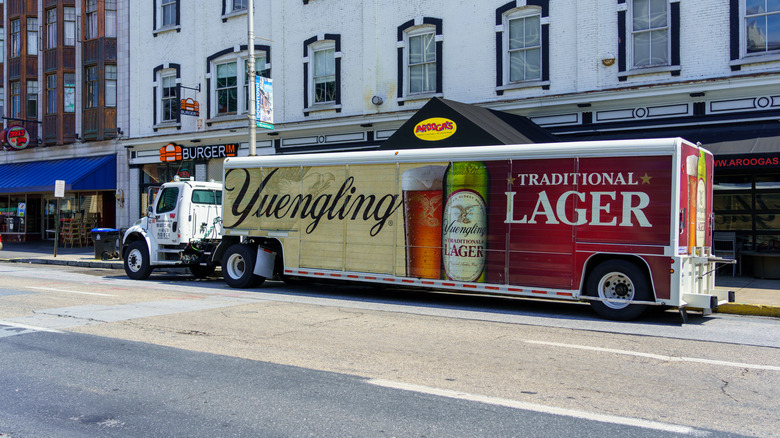
Yuengling emerged from the industrial towns of the Northeast rather than the Midwestern brewing capitals of Milwaukee or St. Louis. It's the beer brainchild of German immigrant David G. Jüngling. Yuengling — an anglicized version of the founder's surname — has long been considered a heritage brand among domestic beer enthusiasts, with operations dating back to 1829. It's often considered a sought-after regional import when discovered outside of its home state of Pennsylvania. Part of its enduring nationwide appeal comes down to Yuengling's coveted title of oldest brewery in America, and its historic Pottsville location is still in operation today.
Yuengling's distribution has reached farther than other regional American beers over its nearly 200-year run, but the historic amber lager is still not readily available nationwide. However, the beer has proven its worth among unfussy beer drinkers and Mid-Atlantic loyalists, with flavors defined by a crisp, caramel sweetness and deep malt character. Yuengling's amber color promises an approachable amount of complexity without crossing over into craft territory.
Its flavor also reflects its historical and geographical roots, preserving brewing traditions carried over by German immigrants to make a distinctly American beer. That balance explains why many consumers see Yuengling as a giant step up from standard macro beer. It's thede facto beer of Northeast coal-mining communities that has expanded its reach through tavern culture. It isn't just the real deal when it comes to heritage beer brands; that authenticity is somehow a part of the beer's flavor, capturing regional, working-class dependability in a bottle destined for a nationwide takeover.
Narragansett

Hailing from New England, Narragansett is the region's stab at an American adjunct lager, an American style of brewing that descends from German immigrant brewing traditions adapted for American agriculture, tastes, and industrial production methods. The style is associated with brands like Budweiser, Hamm's, and PBR. However, Narragansett's flavor is comparatively more grain-forward, less sweet, and crisper and cleaner overall.
Founded in 1890 in Narragansett, Rhode Island, the eponymous beer has deep ties to blue-collar urban life, seafaring culture, and seafood. Part quirky slogan, part mini-statement of place identity, Narragansett proclaims itself "Official Beer of the Clam," leaning into an idealized picture of regional charm, a coastal life replete with New England clam boils and chowder. The slogan, which is both self-aware and slightly absurd, acknowledges the beer historically occupied the same cultural ecosystem as local shellfish. More to the point, Narragansett tastes like the kind of uncomplicated lager you would want to drink with a salty basket of crispy fried clams.
At its mid-century peak, Narragansett dominated the New England market, complete with Red Sox sponsorships and its infamous "Hi, Neighbor!" advertisements. While the brand has aged better than many other legacy regional lagers — RIP Schlitz — the coastal classic is due for a nationwide rollout — shellfish optional.
Grain Belt
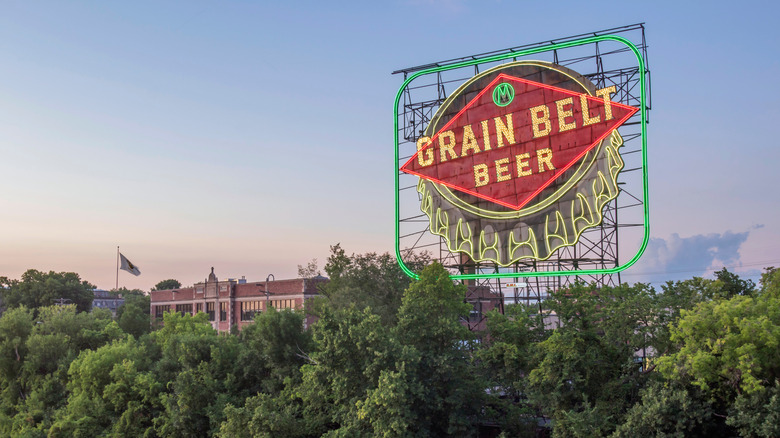
Grain Belt's history as a brand traces back to 1893 when the Golden Grain Belt Old Lager was first introduced by the Minneapolis Brewing Company. A reference to the agricultural region stretching across the Midwest known for producing cereal crops like barley, corn, and wheat, the brewery intentionally anchored itself to Minnesota's farming landscape and industrial identity. More than pure nostalgia, Grain Belt Beer is a legacy brand with a credible relationship to place, American working-class history, and everyday drinking culture — precisely why it's due for a nationwide rollout.
Unlike widely available macro-brewery operations like Anheuser-Busch, Grain Belt beer offers regional character and emotional identity in a flavorful beer. Without demanding the palate commitment or price point of heavily hopped styles, Grain Belt occupies a middle space for contemporary drinkers fatigued by craft beer trends. The light, golden lager displays a subtle malt sweetness and smooth drinkability that's balanced with corn and hops. The revival of this heritage beer, which is practically a liquid expression of the Upper Midwest, seems all too obvious in a moment when products all too eagerly chase vague notions of authenticity.
A comeback for Grain Belt would also satiate a broader cultural appetite for place-driven identity that's rooted in regional specificity. Americans have long romanticized local eateries, architecture, and baseball teams, and beer is no different. While Grain Belt is a rather under-recognized brand nationally, it still retains its symbolic power alongside legacy American beers, making it perfectly poised to fit in beer fridges from coast to coast.
Old Style
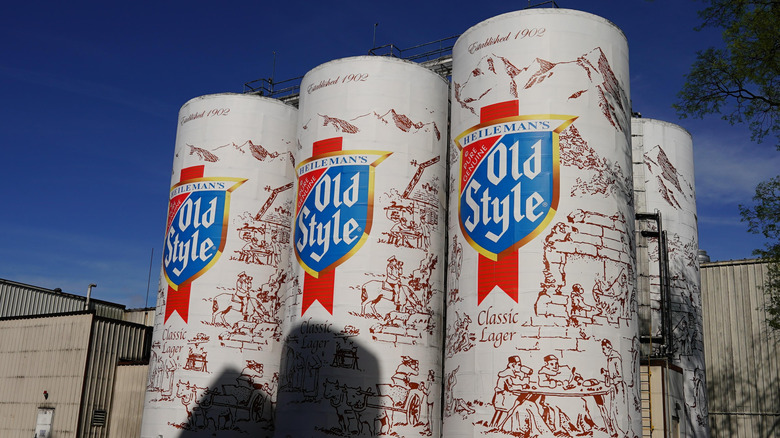
Old Style, which was originally brewed in Wisconsin, has become culturally inseparable from the city of Chicago, and the classic is one of the clearest surviving expressions of working-class beer culture. It benefited from its famous association with Wrigley Field and quickly became widespread in the city's taverns and neighborhood bars, solidifying its cultural presence in Chicago.
While Old Style's cultural depth alone makes it deserving of renewed attention, the beer itself also fits a changing American market. Sitting between a stripped-down, neutral lager typical of macro breweries and a highly stylized craft beer, Old Style displays a touch more malt character, grainy sweetness, and old-school lager texture without sacrificing accessibility or affordability. At a time when lagers and pilsners are reemerging after decades of hop dominance, Old Style is a legacy beer brand that feels surprisingly contemporary.
Like Narragansett in New England, Hamm's in Minnesota, or Yuengling in Pennsylvania, Old Style embodies a beer culture that's rooted in a distinct place, captures a communal memory, and promises simple, uncomplicated drinkability. Part history and part refreshment, its revival may also signal the resurgence of a dwindling drinking culture, one associated with corner taverns, third shifts, and ballgames on summer afternoons — the old-school spirit of a bygone Chicago.
Lucky Lager
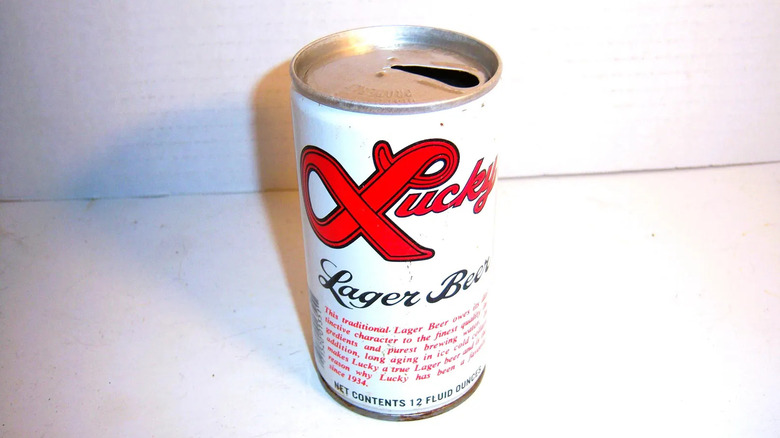
Lucky Lager, founded in San Francisco immediately following the repeal of Prohibition, became one of the defining beers of the American West Coast. It was established by the General Brewing Company in the early 1930s. Its branding projected a stereotypical California sensibility as the name itself evoked prosperity and casual optimism. Compared to its Midwestern forebears, fun and playfulness were built into the beer's image and packaging. One of its most well-known features was the rebus puzzle hidden beneath the bottle cap. Turning the ritual of beer drinking into a social game quickly became a defining element of Lucky's identity, which helped it stand out from competitors.
Taste-wise, Lucky sits firmly in the American adjunct lager camp. It starts with sweet corn and juicy citrus aromas, with a profile that's light and crisp in the body, mild malt character, and creamy carbonation. It was arguably less place-centric than other legacy American beers, though it still embodies the essence of California optimism by capturing a vintage Pacific America and selling it as a West Coast regional identity. In all ways, however, it works because Lucky Lager practically functions as a liquid artifact of a bygone era of sunny industrialism in a mass market brimming with local character, which is precisely why it deserves a larger stage.
Genesee Cream Ale
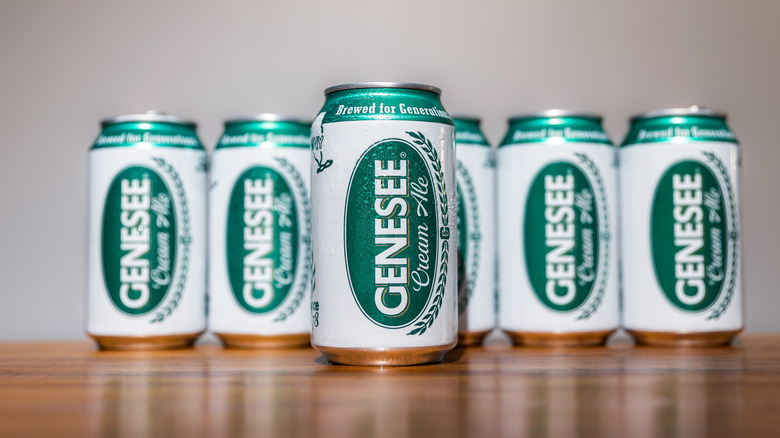
While many legacy regional beers have shrunk dramatically or disappeared entirely, Genesee Cream Ale maintains an unusually strong loyalty across upstate New York. While Genesee Cream Ale itself did not arrive until 1960, the story begins with the 1878 founding of The Genesee Brewing Company in Rochester. The city of Rochester, shaped by flour milling, nurseries and orchards, the manufacturing of photography equipment, and increased railroad commerce, was a booming urban center driven by an expansive canal system. That sense of hybridity seems to have found its way into the iconic green can because Genesee Cream Ale is a distinctly American beer style that occupies a clever stylistic middle ground between ale and lager — oh, and it doesn't contain cream.
Colloquially known as "Genny Cream Ale," it features a pale gold color and pronounced sweet corn character. While cream ales are aligned with American adjunct lagers, they are, in fact, ales that are brewed to have the same easygoing qualities as a lager. This slight pivot seems enough to help Genesee survive the existential pressures posed by corporate giants and a shrinking market. It worked because the brewery didn't abandon its regional identity during precarious times, and the beer still tastes good.
Neither fully lager nor conventionally craft, Genesee Cream Ale represents a regional survivor beer — affordable, unpretentious, stylistically distinct, and stubbornly tied to place. While its history also reflects the broader arc of industrial expansion and immigrant brewing traditions in America, the beer itself has remained deeply loyal to its own traditions, which may be a way of saying that Genesee Cream Ale is here to stay.