

We Asked 10 Bartenders For Their Go-To Cheap Beer
Ask a bartender their favorite cheap beer, and you'll probably learn more about their working life than their drinking budget. As a former bartender myself, I've watched post-shift rituals develop their own strange logic and stubborn loyalties. Some summers called for Stiegl Radlers chased with shots of spicy plum sake, while wintry evenings belonged to Snowshoe shots — that gloriously unhinged pairing of Dr. McGillicuddy's peppermint schnapps and Crown Royal. Most nights, however, nothing could beat the timeless simplicity of a crisp lager and a whiskey shot at the neighborhood dive.
Cheap beer, in hospitality culture, is rarely just about price. It's about familiarity after sensory overload; the beer that tastes right after six hours of shaking cocktails, running food, or closing down a bar. When I asked 10 bartenders, beverage directors, and hospitality professionals about their go-to cheap beer, familiar names surfaced again and again. But their answers also revealed a parallel affection for cheap beers rooted in regional identity and smaller-scale operations. Together, these picks suggest that a bartender's cheap beer is less a hierarchy of quality than a map of personal history and regional pride, workplace rituals, and the specific drink you want once the shift is over and thinking too hard about flavor no longer sounds appealing.
Pacifico
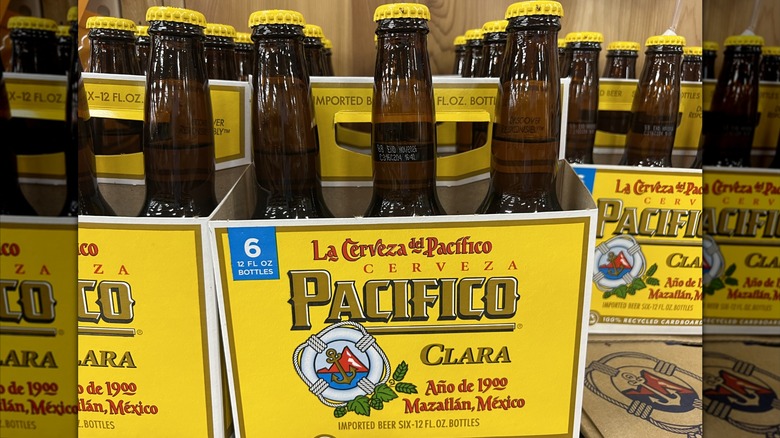
Among bartenders, beer loyalty tends to center less on price than on reliability, refreshment, and context. After a long shift, few styles inspire more devotion than a crisp, easy-drinking lager. For Kate Wise of Juniper Bar & Restaurant in Burlington, Vermont, cheap beer means embracing the "crispy boy" ethos: clean, uncomplicated lagers that fit virtually any occasion. Mexican staples like Pacifico and Sol top her list, especially when paired with fish tacos or a hot summer day.
Stephen Bowler, co-founder of The Nautilus on Nantucket, narrows his allegiance even further to the Mexican lager category. His uncontested cheap beer pick? Pacifico served cold in the bottle with a lime wedge. For Bowler, the appeal goes beyond refreshment. The beer's light body, modest ABV, and unmistakable sense of place make it ideal after a long restaurant shift, when one beer can easily turn into several. Together, their choices reveal what hospitality professionals often want from a cheap beer: neither novelty nor complexity, but crispness, versatility, and the ability to effortlessly anchor a meal, a shift drink, or a summer afternoon.
Miller High Life
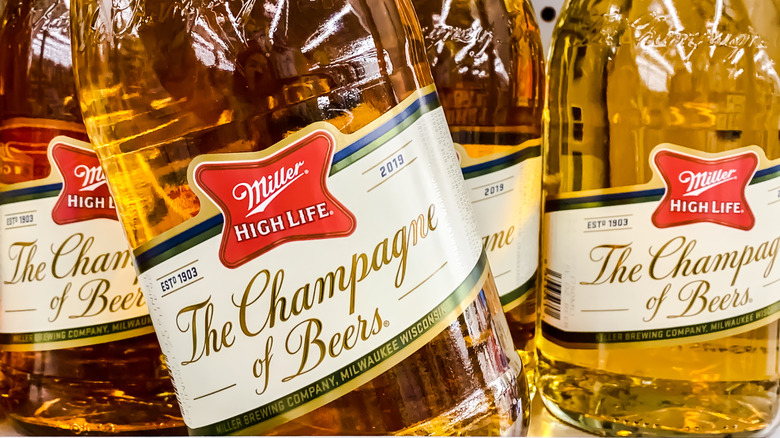
In the world of cheap beer, bartenders' favorites often come down to consistency and familiarity. The environment in which they are consumed is seldom considered a factor shaping taste and choice. While Emily Evans of Supperland in Charlotte, North Carolina, and Thiago Prado of COJE Management Group both land on Miller High Life as their current go-to, praising the beer's unfussy reliability and enduring appeal, Evans' relationship with cheap beer has evolved alongside her work behind the bar.
"Sometimes it really depends on where you work and what's available there," Evans says. While PBR once held the crown for her, years of drinking it on impeccably maintained draft lines at Supperland altered her expectations. Having access to what she describes as the "cleanest draft lines in the city" made canned PBR harder to return to. That shift led her toward Miller High Life, now her preferred order at neighborhood dive bars. It's a beer that delivers satisfaction without depending on ideal draft conditions.
Prado embraces High Life for many of the same reasons, though with a simpler rationale. "It's simple, classic, and always hits the spot without trying too hard," he says. That, coupled with Miller High Life's versatility in beer cocktails, is precisely why the longstanding "Champagne of Beers" tagline still feels earned. Together, their perspectives highlight what cheap beer represents within hospitality culture, and the appeal isn't nostalgia alone nor merely low price. It's about balance, and Miller High Life is a beer that remains approachable yet rewarding; equally suited to a polished restaurant veteran decompressing after service or a bartender settling into a familiar stool at a local dive.
Genesee Cream Ale
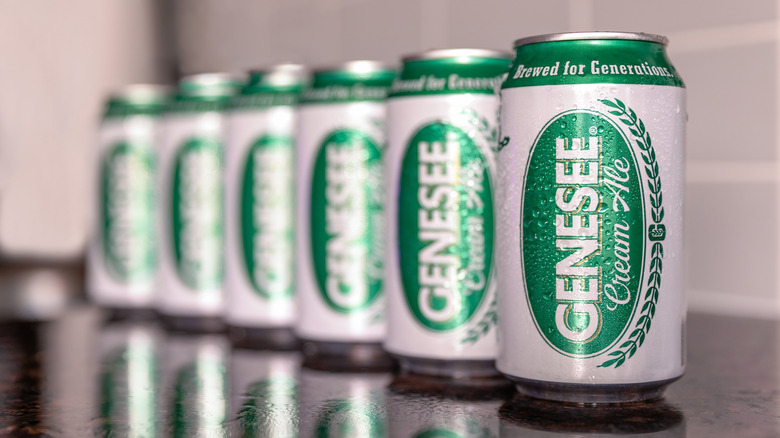
At Anorah in Geneva, New York, co-owner and mixologist Shawna Shell is more likely to reach for a cocktail than a beer. But when the moment calls for something simple, canned, and unmistakably regional, her cheap beer pick is clear: Genesee Cream Ale.
"Genny" Cream Ale occupies a particular niche in upstate New York drinking culture. It's the kind of beer that's cracked open around fire pits and pairs effortlessly with a whiskey shot after a long shift. Brewed in nearby Rochester, it carries what she describes as a strong current of local nostalgia. Around the Finger Lakes region, Shell suggests that Genesee Cream Ale could probably unlock an endless archive of "my first beer" stories, linking generations of drinkers through a familiar green can and its lightly sweet, malt-forward profile.
That enduring attachment helps explain why Genesee Cream Ale has remained a rare regional survivor in an American beer landscape crowded by both corporate macro lagers and niche craft offerings. The beer is technically an ale but brewed with the easygoing drinkability of a lager, allowing its pale gold color and characteristic sweet corn note to shine through. Neither full craft nor fully macro, Genesee Cream Ale represents an uncomplicated beer with an enduring regional identity, making it Shell's preferred cheap beer choice.
Narragansett Lager
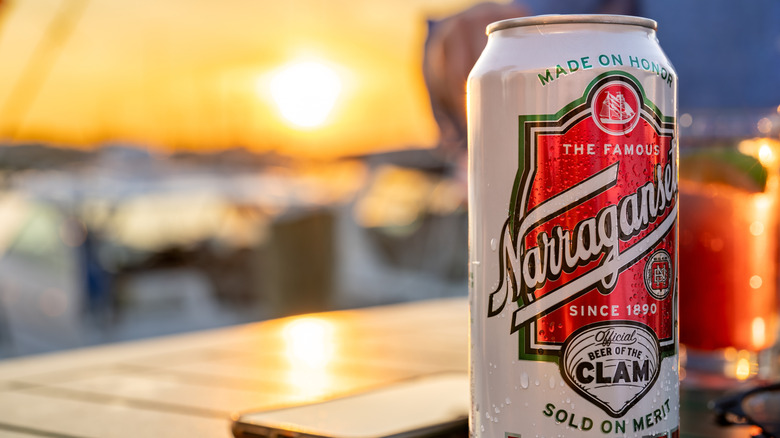
For Nick Tedeschi, head brewer and partner at The Post Brewing Company, cheap beer is inseparable from memory, geography, and the rituals of coastal New England life. His pick, Narragansett Lager, is less a bargain beverage than a durable expression of place — a crisp, uncomplicated beer woven into the sensory fabric of seaside summers.
Tedeschi, who was raised in New England, attests that "there aren't too many coastal summertime memories that don't have a Narragansett Lager involved." In his view, Narragansett has long been associated with institutions like John's Tavern on the Mystic River, and while the weathered, salt-soaked walls of the Irish tavern have since been razed and turned into a parking lot, Tedeschi remembers fondly the relationship between the New England lager and the late coastal dive bar.
A reminder of the kinds of places cheap regional lagers once anchored, Tedeschi frames it as the beer of beach days and boat rides, the perfect accompaniment to dockside meals full of fried clams and steamed mussels. A natural beer companion to seafood-heavy cuisine, the affinity aligns with Narragansett's long-cultivated identity as the self-proclaimed "Official Beer of the Clam," a slogan that knowingly leans into the beer's historic relationship with New England, blue-collar drinking traditions, and coastal life.
Pabst Blue Ribbon
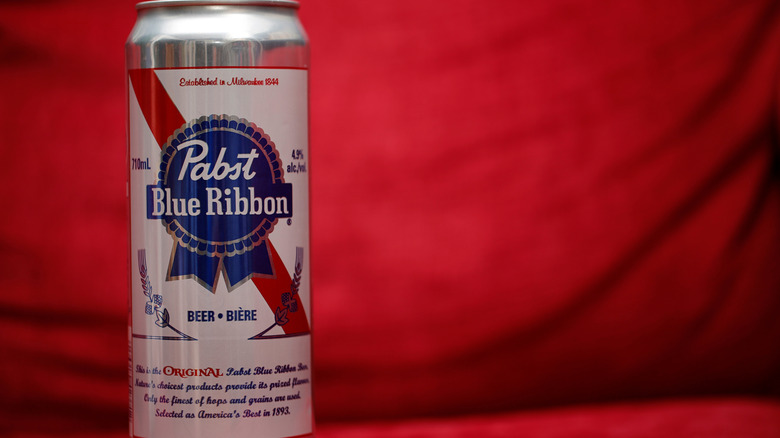
While some bartenders make their beer selection from strong emotions tied to memory and place, for others, the relationship to their favorite cheap beer is built through repetition, late nights, and familiar bar stools. Both Max Bratter, bar director at The Nautilus on Nantucket, and Alonso Flores of On the Rocks Bar at the Black Rock Mountain Resort point to Pabst Blue Ribbon as the archetypal industry cheap beer. Part of PBR's dominant position rests on its affordability and accessibility, but these professionals attest to its bona fide blue ribbon stature because it's a beer that can't be extricated from the rhythms of hospitality life.
Bratter's attachment to PBR began rather pragmatically. "I think your cheap beer of choice kind of finds you," he says. He admits that his choice stemmed from its low price point and widespread availability. "I started drinking it because it was the cheapest beer at the bars I frequented in college and continued to be at the bars I frequented in my early days of bartending." Over time, familiarity evolved into expertise. At his local dives, Bratter says he can judge how full the keg is simply by taste.
Flores paints a similar picture of off-duty bartender drinking culture. While bartenders love Fernet, he says that PBR frequently emerges as a default order, especially when folks want to keep their bar tabs low. Indeed, simplicity wins out after a long shift, although Flores admits that PBR's appeal isn't really about cost, but more about reaching for something recognizable. After hours spent crafting drinks for everyone else, easy and comforting really is the name of the game.
IPA
Not every bartender's idea of cheap beer is macro lagers and dive-bar staples. For Rachad Tayeb, food and beverage director at Tempo by Hilton Nashville Downtown, and Marie-Louise Roy-Bilodeau of Montreal's Cantina Concha, affordability still leaves room for personality, local identity, and hop-driven flavor.
Tayeb's pick is Bearded Iris Homestyle, a Nashville-made IPA that balances craft credentials with everyday drinkability. In a hospitality world saturated with layered cocktails, spirits, and constant sensory evaluation, he finds value in a beer that offers quality without demanding analysis. Homestyle, in his view, succeeds because it is approachable. For someone immersed in complex flavors professionally, a clean, balanced IPA can become a form of palate relief.
Roy-Bilodeau expresses a similar appreciation for beers that occupy distinct ends of the flavor spectrum. Roy-Bilodeau specifically references the gluten-free offerings from Montreal's Alchimiste Microbrasserie, opting for an IPA or blonde style when it comes to beer. She describes gravitating either toward something light and easy-drinking or toward bitterness and intensity, with little middle ground. Jokingly, she connects those preferences to her cocktail habits — the bright accessibility of a margarita on one hand and the bitter structure of a Negroni on the other.
Together, their perspectives suggest that "cheap beer" within contemporary hospitality culture doesn't always mean the lowest-priced pint available. Instead, it can mean a beer that delivers straightforward pleasure, reflects local drinking culture, and aligns naturally with a bartender's palate. Whether through regional standout IPAs, a crisp blonde, or a more assertively bitter pour, both experts prize beers that are uncomplicated to enjoy but still expressive of personal taste.