

Cocktail Mixers You Should Stop Storing In The Pantry

You might be ready to make a mean nightcap at a moment's notice, but are you storing all of those cocktail components correctly? Even the best mixology skills can't save a drink made with an ingredient that's gone bad, which can ruin a cocktail's taste and potentially even make you sick. You may already know that spirits are fine at room temperature, while cream liqueurs need to be refrigerated. But what about the other essential ingredients that make your cocktails complete?
There are certain mixers every home bar needs, like juices, sauces, sodas, syrups, and fortified wines and liqueurs, and many of those need to be refrigerated. No matter where the best spot for your home bar is, you'll need to store some of your mixers in the kitchen refrigerator. It's more vital to keep these ingredients fresh, flavorful, and stable than to have them within reach of your spirits and bar tools.
Meanwhile some other mixers can stay in the pantry or bar area — as long as it's cool and dark — including bitters and sauces you might use for drinks like a Bloody Mary like Tabasco and Worcestershire. There are also mixers, like tonic water, you can keep in the pantry until they're opened, at which point they need to move to the fridge. Which other mixers need to be stored in the fridge? Let's break them down.
Juices must be refrigerated

Citrus juices are a core ingredient in many cocktails, tomato juice is essential for a Bloody Mary, and just about every other kind of juice can help bring a fruity cocktail to life. If you want a well-stocked home bar, you're going to need a few different juices — and for the most part, it's essential to refrigerate them.
Fresh juices are ideal for cocktails. If you make your own, or even if you buy something like orange juice, it needs to be refrigerated right away. Without refrigeration, flavors in these juices start to break down and the texture will also change as the juice's fruit solids separate from its liquid. Worst of all, mold and bacteria will eventually begin to grow in the juice. All of these are processes that the fridge's chilly temperatures dramatically slow and inhibit.
If you use store-bought juices for cocktails, like apple juice or pomegranate juice, you may not need to refrigerate them until you open them. Of the juices you buy in the grocery store, some are refrigerated there and other are stocked in a regular aisle. The latter have been pasteurized to kill bacteria. Still, once you open those, you should refrigerate them because they've now been exposed to oxygen, which will degrade flavor — plus, they're vulnerable to bacteria in the air now, too.
Keep simple syrup chilled
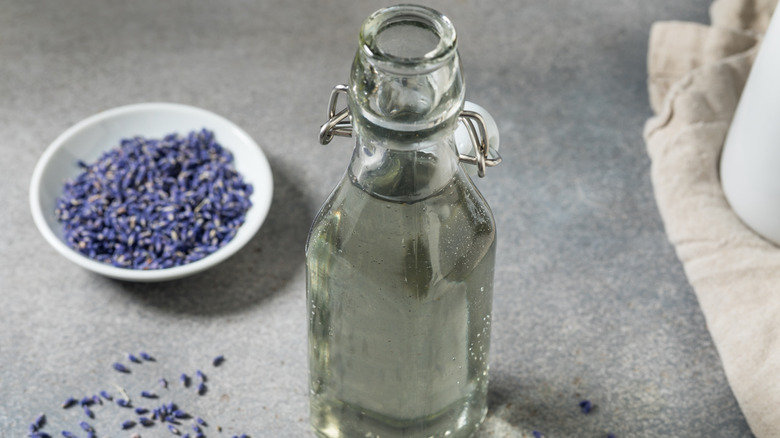
Simple syrup is another workhorse staple for any home bar. Not only does it provide the essential element of sweetness to balance acidity and bitterness in many cocktails, but simple syrup can also be easily upgraded with everything from fruit and florals to spices to bring just about any flavor to drinks.
In general, simple syrup needs to be refrigerated because it's prone to bacterial growth and mold formation. But whether you make your own simple syrup or buy it factors into its shelf life. Store-bought simple syrups often have additives and preservatives to stabilize them — they should still be refrigerated, but may last a little while without it and will last longer in the fridge. DIY simple syrup is ideal to avoid additives and get better texture and blending in your drinks, plus you can control the ratio, but it might not last as long.
Sugar is a preservative, so the more you use, the longer simple syrup lasts. The standard ratio is 1:1 sugar to water, and that syrup will last in an airtight container in the fridge up to a month. At 2:1 sugar to water, it can last as long as six months — you just have to remember to account for extra sweetness when making your cocktails. You can also stabilize your own simple syrup with corn syrup to ensure you get a full month of peak flavor and freshness.
Put vermouth in the fridge
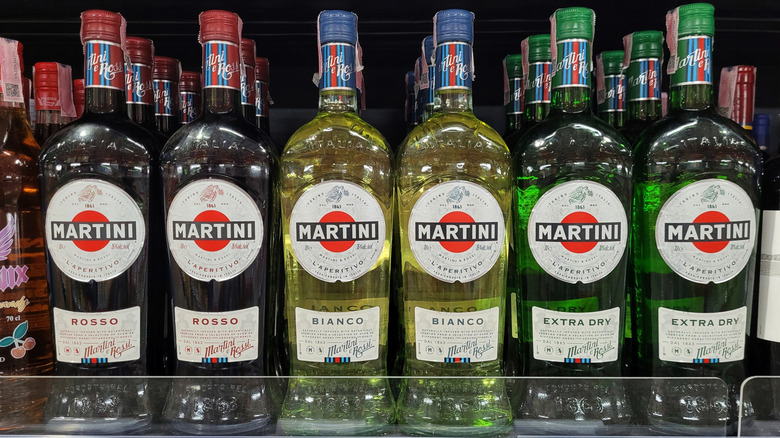
From Martinis to Manhattans, vermouth is a key component of most classic cocktails. If you make even the occasional drink at home, chances are you have a bottle — or even two, one sweet and one dry. Vermouth is wine that's aromatized with botanicals and spices and then fortified with spirit, and its average ABV range is 14% to 22%. Therefore, the added booze might be what has created the common misconception that vermouth doesn't need refrigeration.
The truth is, vermouth is one type of alcohol that should never be left on the shelf. While its alcohol has some preservative powers, vermouth isn't strong enough to completely ward off mold and bacteria. Exposure to oxygen triggers the oxidation process, which changes vermouth's flavor compounds — they either fade out or become unpleasant. Ultimately, vermouth left out at room temperature can become overly bitter and acidic like vinegar.
It's thanks to a lack of awareness around the need for refrigeration that vermouth has a complicated history of popularity in the United States. Bartenders often had it at room temp on the back bar, so then when people had that bland, bitter, and/or vinegary vermouth in their cocktails, they understandably assumed they hated vermouth. It's only in recent years that better vermouth education has led to the fortified wine becoming more beloved in the U.S.
Grenadine is almost always better and safer refrigerated

Grenadine is a defining ingredient in many tasty cocktails — and mocktails, like the iconic Shirley Temple. Technically, it's like an upgraded simple syrup; pomegranate is the tart fruit that flavors grenadine, and its juice gets mixed with sugar plus a splash of orange blossom water. That means it plays by similar rules as those of simple syrup when it comes to refrigeration.
Store-bought grenadine made with artificial flavoring tends to have additives and stabilizers, so it can last up to two years unopened in your pantry. Once it's opened, it's ideal to move it into the fridge. If you buy grenadine made with real juice, it may still have stabilizers, but the natural ingredients make it more prone to spoilage so that should be refrigerated. And if you make your own grenadine, that won't have any stabilizers so it also needs the fridge, where it should last about three weeks. Essentially, everything but ready-made grenadine from the store with artificial ingredients should be stored in your refrigerator. When in doubt over ingredients, opt for fridge storage to play it safe — at least there, you can count on stability and full flavor for longer.
Refrigerate store-bought mixers once opened
Plenty of home bartenders prefer to use store-bought, already prepared cocktail mixers rather than having to stock individual ingredients and make every drink from scratch. Or maybe you have mixers just for certain cocktails, like if you found one particular mixer you love. Mixers don't necessarily have to equal less than stellar drinks — there are lots of high-end cocktail mixers made with real ingredients that taste great.
Whether it's a spicy Margarita mix or a tropical Piña Colada mix, it's likely you do not have to refrigerate these products — until you open them. Then, refrigeration becomes essential. Whether they have stabilizers or not, these mixers often include elements like fruit juices and sweeteners that will become prone to bacteria and mold growth without the fridge's cold temperatures. Plus, the flavor will simply degrade pretty fast on a pantry shelf. In terms of how long your mixer will last once open, if refrigerated, each brand differs and should include an expiration date on its bottle. It can be anywhere from a week to three months.
In general, most cocktail mixers are better refrigerated. Juices, simple syrups, vermouth, grenadine, opened mixes — these have to be kept in the fridge. But even cans of soda and bottles of tonic benefit from cooler temperatures. It means having to use less ice when mixing your cocktails, which means less dilution, and more flavor.