

Ditch The Produce Section: 15 Fruits And Veggies To Grow In Hydroponic Gardens
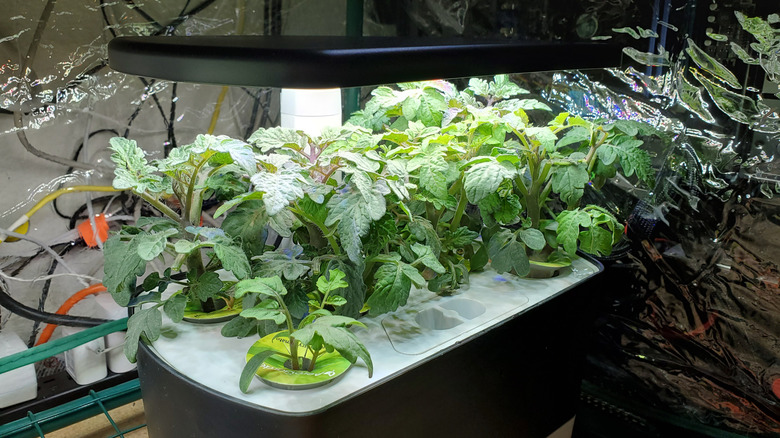
Hydroponics is an agricultural method for growing plants in a water-based system rather than in soil. It's used to grow commercial crops like salad leaves, herbs, tomatoes, strawberries, peppers, cucumbers, and even cut flowers. Depending on the system, seedlings grow in media like coconut coir, vermiculite, perlite, or other aggregate substrates like rockwool. Because you add the nutrients, it's easier to control the amount and pH the plants need.
Other advantages of hydroponics include fewer soil-related issues like diseases and pests, faster growth, higher crop yields, and no need for weeding. Plus, hydroponic systems actually use less water than traditional soil gardens. It's also perfect for folks with no outdoor space, as there are many indoor garden kits available. This growing method also makes sense for small but well-lit spaces like balconies, which can accommodate vertical setups. For example, hydroponics are sometimes behind those large living walls you've seen in restaurants, hotels, and shops.
It might seem intimidating, but growing vegetables in water is easier than you'd think. The process requires a little effort and planning, but once you get the basics down, hydroponics is a fun and rewarding way to grow an edible garden. My own tower-style system features a pump that circulates water from a large tank, to which I add soluble nutrients. I set it up on the patio and successfully grew Asian greens, herbs, mini cucumbers, green beans, jalapeños, and more. Here are some of the easiest veggies, fruits, and herbs you can grow in your hydroponic system.
Lettuce
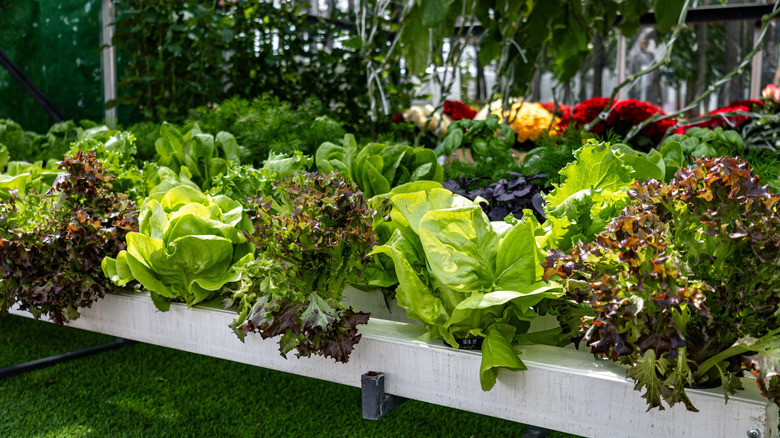
You know those living lettuces you can buy at the grocery store? Yup, they are grown hydroponically. Lettuces are among the easiest veggies to grow using this method (even for beginners), as they are fast growers. Plus, there are many types of lettuce, from those with smooth to frilly leaves and in shades of green and purple. Some, like the mottled 'Speckled Trout,' are attractive enough to add to any edible landscape. Plant "cut-and-come-again" mixes for more variety. You can start harvesting leaves as quickly as three weeks and let the plants keep growing for continuous harvests.
Spinach
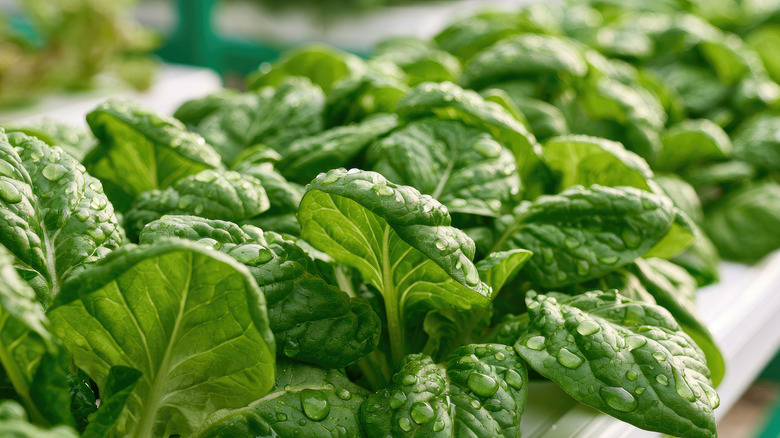
Spinach is one of the easiest veggies to grow at home. Its compact growing habit makes it ideal for containers and hydroponic systems, even if you're short on space. You can harvest baby leaves in about a month, and when mature, you can harvest spinach as a "cut-and-come-again" crop. There are many varieties — some that do well in hydroponic gardens are 'Bloomsdale,' 'Oakleaf,' and 'Savoy,' among others. Spinach can be difficult to germinate from seed, so experts recommend soaking them first to soften their hard outer shell.
Arugula
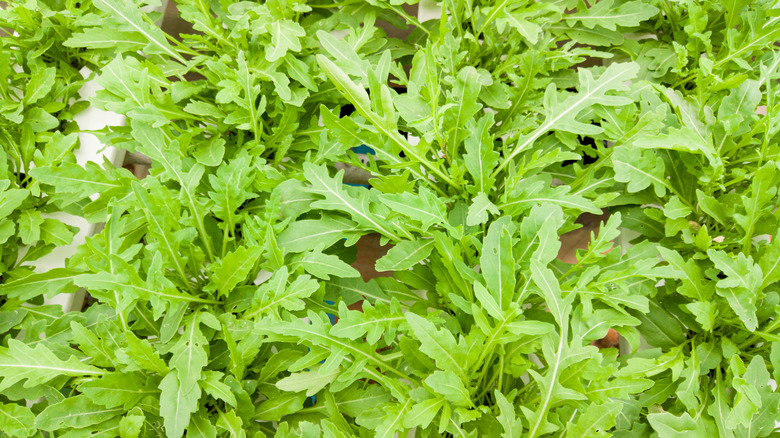
Arugula is among the fastest growing vegetables you should add to your garden. Like other greens, arugula is easily grown in hydroponic systems, ready to harvest in about 30 days or less for baby leaves. There are two main types: heirloom (aka wild) and hybrid, with various cultivars in different shapes, leaf size, shades of green, and pungency. Its punchy, peppery flavor adds interest to any salad — heck, it's great by itself, simply tossed in some lemon juice and olive oil. Pick the outer leaves first and leave the rest to keep growing for continued harvests.
Asian greens
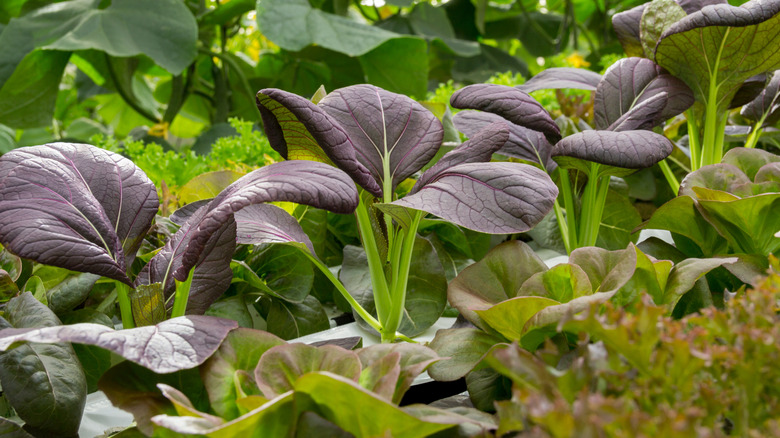
Asian greens like mizuna, pak choy, bok choy, tat soi, and napa cabbage are ideal for growing hydroponically, as they are suitable for many different systems. They are rapid growers, with shallow roots and compact shapes — with baby varieties are ready to harvest in as little as 30 days. They are also attractive, showing different shapes and colors for eye appeal. On the plate, they range from sweet and crunchy to slightly peppery. From sauteed cabbage to stir-fried boky choy, they can be used in salads and effortlessly incorporated into many dishes.
Chard
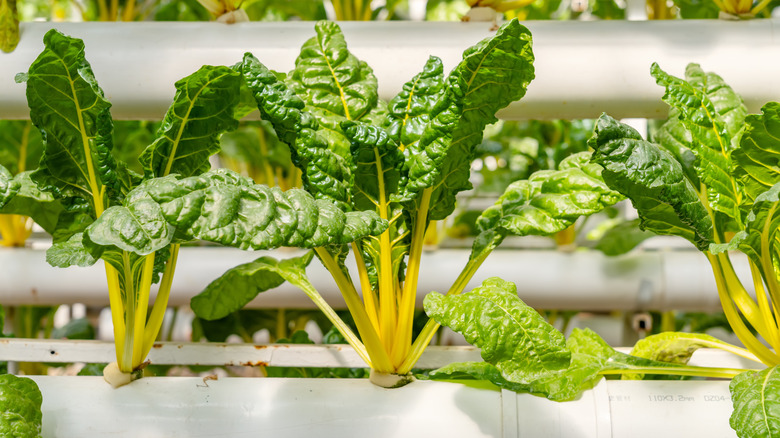
As delicious on the plate as it is beautiful in the garden, chard is a hydroponics beginner's dream. It is hardy, easy to grow from seed, and suited for various hydroponic systems. For best visual effect, plant 'Rainbow' or 'Bright Lights' chard, which come in lovely colors from white and cream to yellow, orange, pink, and bright red. Chard deserves a lot more love, as you can eat both the leaves and the stems. When harvesting, take about 70% of the plant at one time, leaving the rest for future harvests.
Kale
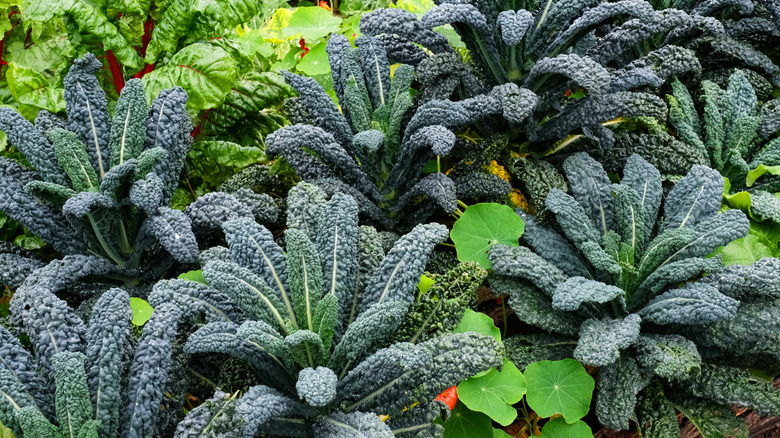
Another fabulous green, kale is a nutritional powerhouse that thrives in hydroponic gardening, as do other brassicas we have already discussed. They do best in cool weather, but will grow year-round when grown indoors. They germinate quickly and are ready to harvest in around 60 days, offering a continued harvest as cutting the outer leaves promotes further growth from the inside and helps to prevent bolting. Whether you choose frilly purple kale or the uniquely corrugated, blue-green Tuscan, there's a healthy kale recipe for every taste.
Herbs
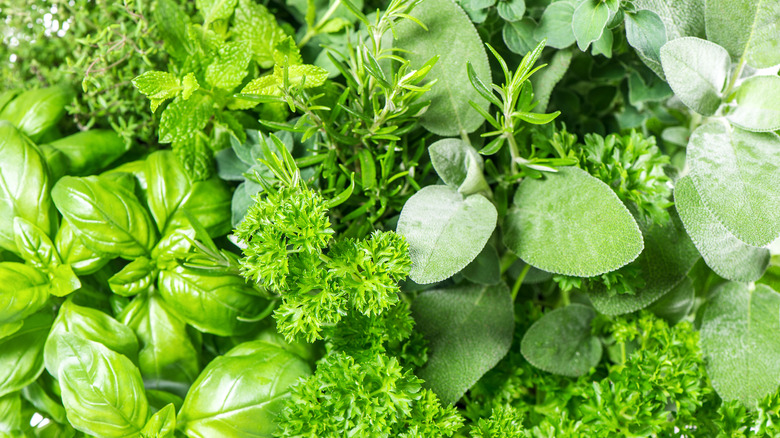
Herbs are among the easiest plants to grow. You can even take sprigs from store-bought herbs, place them in water, and the roots will develop before you know it. In a hydroponic system, it's best to grow herbs such as basil, parsley, chives, cilantro, mint, thyme, oregano, and dill, as others like rosemary and sage need less water and can suffer from root rot. Simply snip as much of the herb as you need, but always leave the core of the plant intact so it can keep producing leaves.
Cherry tomatoes
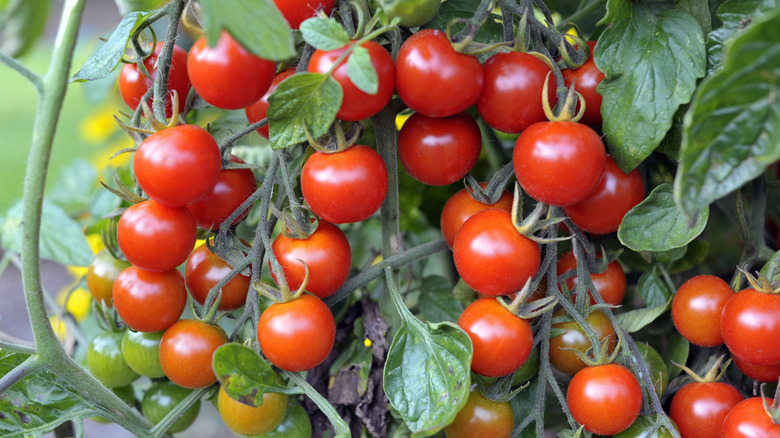
Although fruiting plants are not as easy to grow as leafy greens, tomatoes are a popular hydroponic crop for home gardeners. Because you can control the amount of nutrients and growing environment, hydroponic tomatoes can grow faster and more consistently than those in traditional gardens. The key is to choose the right variety for your system. For countertop setups, look for micro-tomato varieties like 'Red Robins,' 'Tumblin Tims,' or 'Tiny Tims,' which only grow a few inches high. Most cherry or grape varieties will do well, but you'll need to prune your tomato plants correctly.
Cucumbers
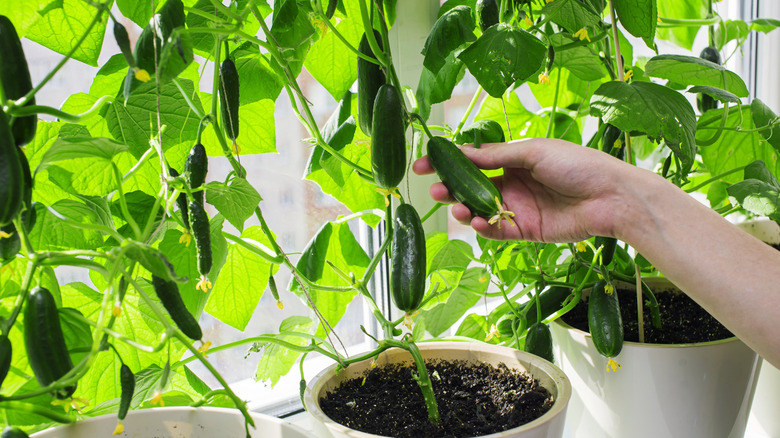
Cucumber plants are perfect for hydroponics. I grew both vining and bush varieties successfully, but found that mini-cucumbers grew faster and produced more fruit, not to mention how cute they are! I let them trail downward, but depending on your system you can also provide support to grow them vertically. Look for varieties bred for greenhouse cultivation, as they are well suited for water-based growing. If you want to try something unique and super cool, try growing cucamelons. Keep in mind that when growing indoors, you might need to hand-pollinate fruiting vegetable plants.
Mini eggplant
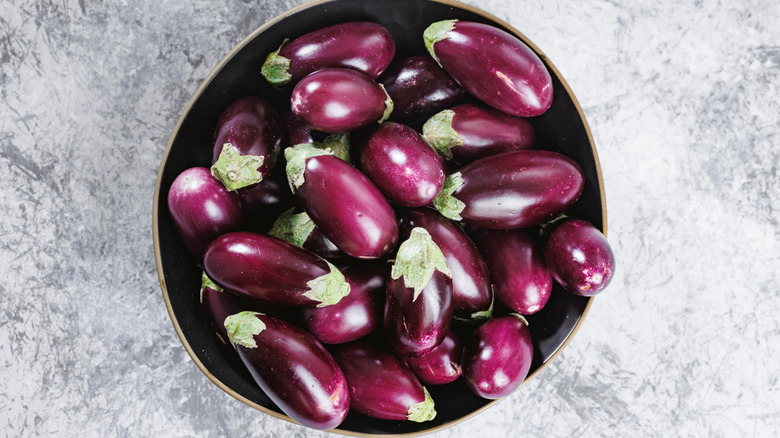
Another adorable crop, mini eggplants are well-suited for hydroponic growing, provided you give them enough light and warm temperatures. Baby eggplants work great for indoor systems because plants are compact and only take 70 to 80 days to first harvest, compared to 100 days for regular varieties. Look for 'Patio Baby,' 'Hansel,' 'Gretel,' or 'Fairy Tale' varieties which are lovely to look at and eat, as they aren't bitter. Use them in your favorite eggplant recipes, or try them stuffed or grilled whole to preserve their perfect cuteness.
Peppers and chiles
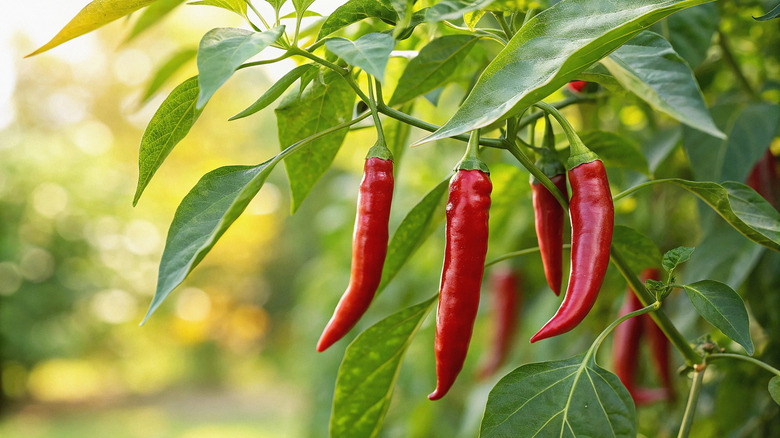
Since they are in the same family as tomatoes and eggplant, sweet peppers and chiles are equally at home in a hydroponic system. In fact, they might be easier to grow than their nightshade cousins. I had great luck with jalapeños — they grew abundantly, and big enough to stuff. I also grew those colorful mini sweet peppers you see in supermarkets just as easily. For successful hydroponic growing, choose smaller varieties that grow on smaller plants: habaneros, piquín, and serranos are also good options.
Green beans
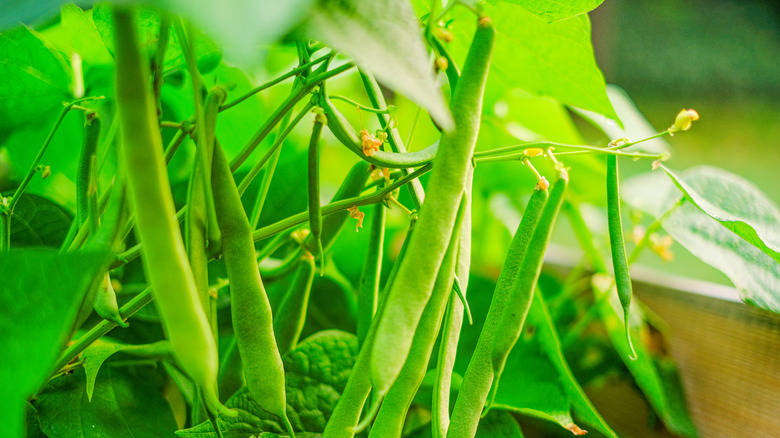
Beans are truly an easy crop to grow in a hydroponic system — like lettuce and other greens, they are perfect for beginners. They sprout quickly, and promptly start producing flowers which turn into delicious, crunchy pods which you can harvest in as little as 65 days— they'll sprout even faster when germinated in a damp paper towel. For smaller spaces, choose bush bean varieties which remain compact, as pole beans will need much more space and trellises to grow onto. There are cultivars with green, purple, and yellow pods which look attractive in the garden and work in tasty green bean recipes.
Peas
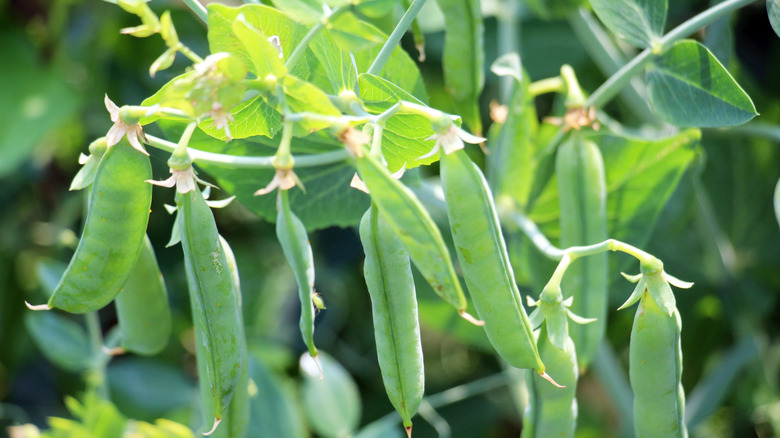
Peas are another great starting crop, which you can even eat as pea shoots. For best results, soak the seeds as you would for a regular garden, or germinate them in a wet paper towel — they should sprout in seven to 10 days. After that, they will grow fast and vigorously, with pods ready to harvest at about three weeks. Snow peas and sugar snap peas are best for hydroponics, as shelling peas will take more room and need support. Look for container or dwarf varieties of peas — 'Dwarf Gray Sugar' and 'Oregon Giant' snow peas are recommended.
Strawberries
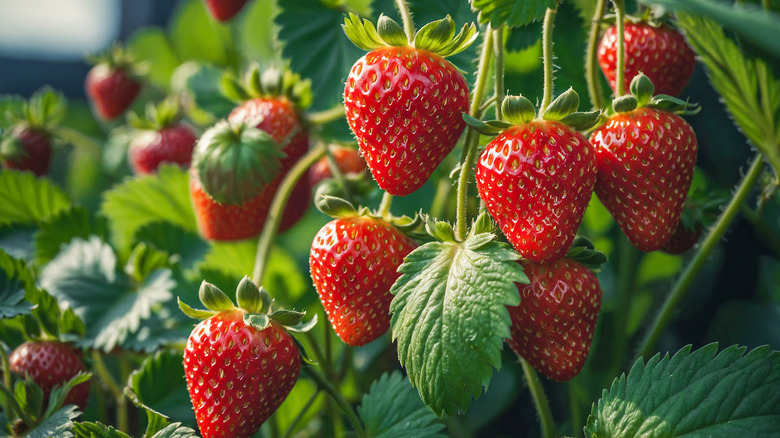
Aside from being very easy to grow and perfect for beginners, strawberries benefit greatly from hydroponic growing. It keeps them off the soil, avoiding pests that would traditionally eat them, keeping them clean and pesticide-free. Strawberries contain a lot of water and require plenty when grown conventionally. As hydroponics is much more water-efficient, you save this resource while growing plump and juicy berries! Like other fruiting crops, they need lots of light to thrive. Grow them vertically outdoors for a fabulous living wall, or use grow lights indoors for perfect strawberries year-round.
Edible flowers
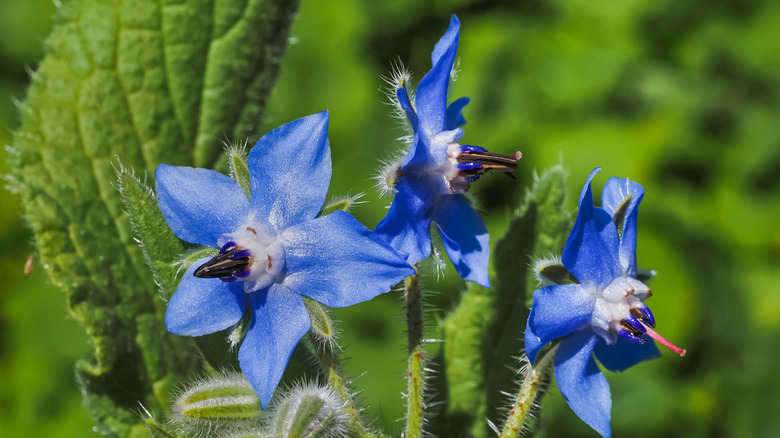
I've grown a variety of edible flowers hydroponically. Outdoors, they work to attract pollinators to your system, which helps fertilize your fruiting plants. They also look beautiful, adding a splash of color whether you grow inside or out. You can use them as garnishes for food and drinks, in salads, or to make infusions. I had great luck growing borage with its bright blue stars, plus nasturtiums, chamomile, violas, sweet peas, calendula, and marigold, which also help deter pests.