

5 Disadvantages Of Using The Crisper Drawer In Your Fridge
We may receive a commission on purchases made from links.
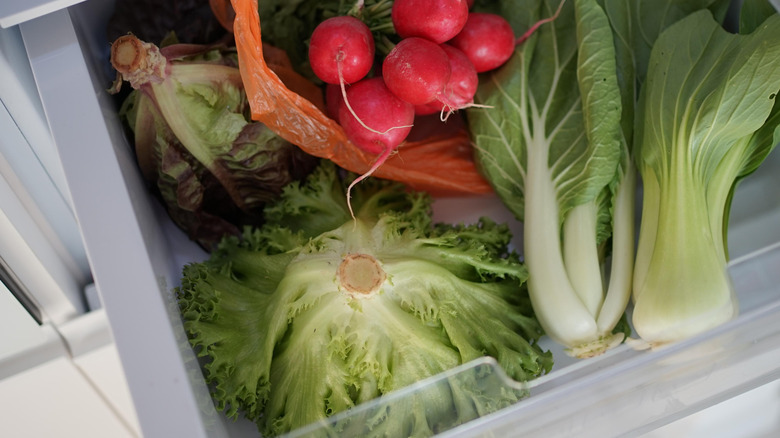
The crisper drawer in most refrigerators is the kind of thing that many use without thinking, but it can actually cause issues if you don't fully understand what it does. While we know crisper drawers are for produce, they can be treated as just general storage areas that are somehow vaguely "better" at storing fruits and vegetables. But the reality is that if you use them incorrectly, they can cause more issues than they solve.
There is no temperature difference in crisper drawers, the only thing they regulate is humidity though airflow. Excess moisture can cause your fridge to grow mold and create other spoilage issues, which isn't exactly ideal for produce. The crisper drawer, however, can control the level of moisture around such foods. That's really all they do. There is no other magic to them.
Used properly, that extra moisture can preserve some produce in better condition than the rest of the fridge. But there are lots of ways they can be misused too. In fact, plenty of fruits and vegetables won't actually be best stored there. Crisper drawers are really a very specific tool for a specific purpose, and you need to learn what you might be doing wrong to make them useful.
Crisper drawers can cause confusion about what belongs in them
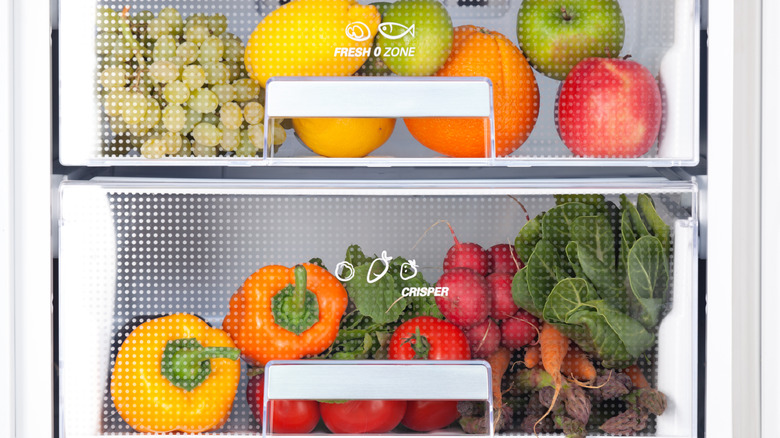
This is probably the biggest disadvantage of crisper drawers that throws folks off. These drawers allow the user to set the humidity level but usually don't explain what level is ideal for what produce. That can mean you are not just failing to preserve fruits or keep your vegetables fresh longer, but sometimes actively encouraging their decay.
The drawers are most commonly set with one providing low humidity (having the vents more open) and one for high humidity (vents closed). The high-humidity drawer is best for produce that dries and wilts, particularly leafy greens and herbs, although carrots, broccoli, and green beans can also benefit. The trapped moist air will keep them, well, crisp. Low humidity, on the other hand, is for produce that gives off ripening compounds like ethylene. This is usually fruit like apples, avocado, stone fruits, and berries. The extra airflow from open vents allows the ethylene to escape, so things don't ripen and spoil too quickly, as well as releasing excess moisture that could cause mold.
Get things mixed up with foods you should never store together, and you could see faster spoilage. This is especially true with low-humidity produce in the high-humidity drawer, as it will not only spoil faster itself, but accelerate how quickly other fruits and vegetables in the drawer go bad as well.
The drawers can get extra dirty
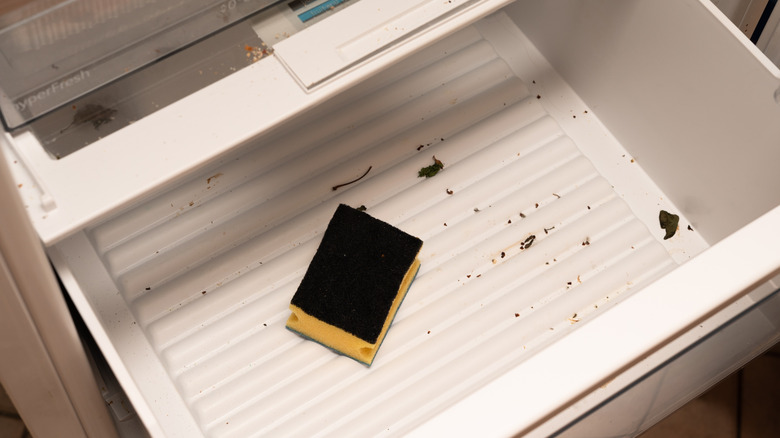
If there is a smell coming from your fridge, it is probably coming from the crisper drawer. Since items are loose and sealed off out of sight, crisper drawers are often the dirtiest part of a refrigerator. Grime accumulates in corners as specks and chunks get caked into them, all while sticky juices from fruit solidify. Properly managed crisper drawers can help prevent mold on some produce, but moisture that is trapped for too long (or overripe fruits that are left in the drawer) can also cause more mold to grow. That isn't just gross; it can also contaminate other foods.
To keep crisper drawers fresh and food-safe, they should be cleaned out weekly, which can be a bit of a hassle and easy to forget. Ideally, you should conduct a deeper clean of your refrigerator drawers once a month, checking them every few days to remove any rotting produce. Avoid washing produce before putting them in crisper drawers, as the extra water, even in a high-humidity drawer, can cause mold and other issues. If you do have issues with odors or mold, your crisper drawers should be removed and washed out entirely with soap and water. Use a disinfectant or something similar like vinegar and water.
Crisper drawers get used instead of better storage options
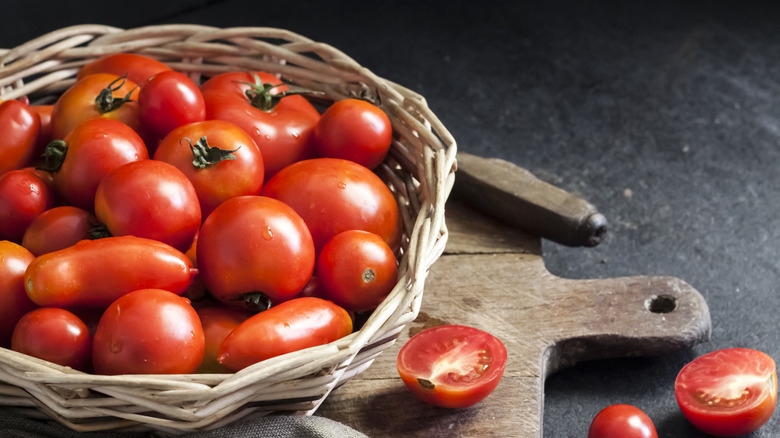
This is an overlooked problem with crisper drawers. Pushed as a way to keep produce fresh, they become the default place to store your fruits and vegetables. But even with foods that crisper drawers work relatively well for, there are often better alternatives when organizing your fridge for fresher produce. Leafy greens, for example, do great in zip-top plastic bags. They essentially perform the same function as a crisper, trapping moisture, but in an even smaller and more sealed environment. The same goes for carrots or radishes.
Then there are more specialized options. Companies like Rubbermaid and Oxo make "produce saver" containers that can keep produce fresher longer since they are specifically designed to house items like berries and greens. These boast airtight seals, adjustable ventilations, and baskets to optimize airflow. Some also swear by produce bags like Debbie Meyer GreenBags, which are made to absorb the ethylene gas that causes ripening and rotting. That extra protection can vastly extend the life of your produce.
Finally, there are probably some things in your crisper drawer that shouldn't be in the fridge at all. Onions, potatoes, garlic, cucumbers, and winter squash are all best stored at room temperature. Additionally, apples, stone fruit, and bananas should be ripened at room temperature before refrigerating.
The low-humidity option doesn't do much
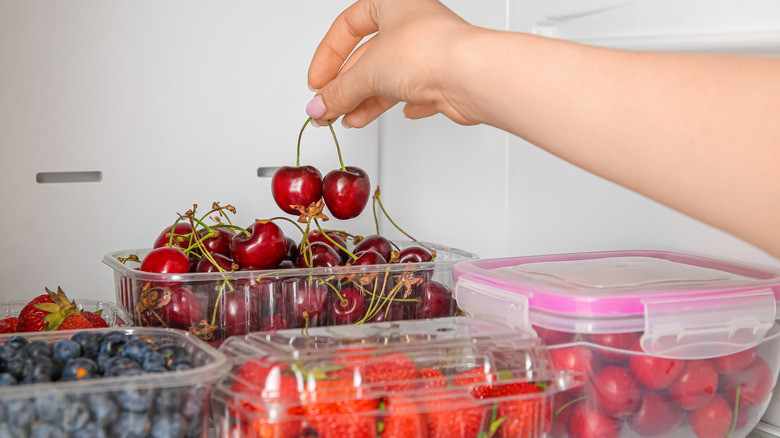
The higher-humidity crisper drawers can do their job pretty well, but you may have noticed a problem with the logic of the low-humidity drawers talked about above. They are made to allow air circulation and to let ethylene escape when the vents are open, but just leaving your produce on shelves in the fridge accomplishes the same thing. In fact, it allows even more air circulation than one little vent at the top of a drawer does. Crisper drawers set to low humidity are certainly better for ethylene producers like fruit than the high-humidity drawers. However, just putting them in open containers anywhere in the fridge will achieve similar results.
As noted above, most of these fruits should be left to ripen at room temperature anyway, and then they can be moved into bowls and open containers if needed. Other low-humidity fruits like berries and grapes that you want to keep in the fridge should still be kept out of the crisper. Grapes actually do best in their original vented bags, stored in the back of your fridge where it's coldest. The best method for storing berries is a bit more unique, as they last longest when stored in a sealed, airtight container, but with paper towels added to absorb excess moisture. In the end, the low-humidity option on your crisper drawer is pretty much useless.
Crisper drawers can contribute to food waste
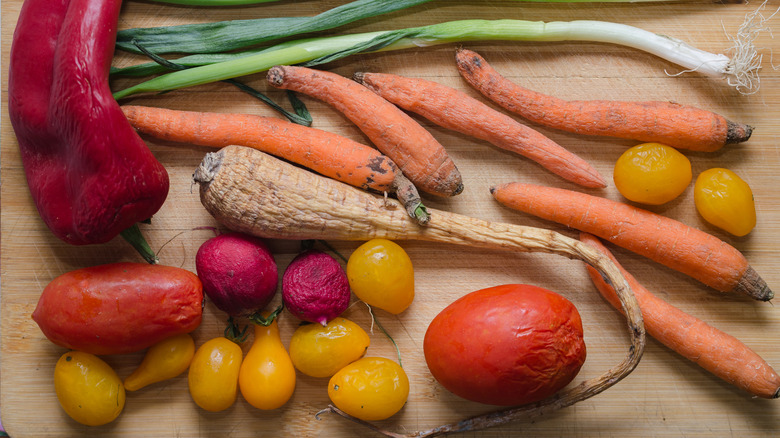
It's certainly not what you want to hear about something supposedly dedicated to keeping food fresh, but the disadvantages of crisper drawers can be a major reason why your family's food waste likely totals hundreds of dollars each month. Mixing the wrong fruits and vegetables in the wrong drawers is obviously one way, but there are other storage mistakes too.
Overstuffing your crisper drawers defeats their purpose and can actually accelerate rot by restricting airflow. When it comes to the high-humidity drawer, however, under crowding can also be a problem. Since those crispers keep vegetables fresh by trapping moisture, they need a certain amount of moistureproducing veggies to be effective. Ideally, your high-humidity drawer should be two-thirds full, or your vegetables risk wilting and getting bitter anyway. If you don't have enough pieces of high-moisture produce to fill your drawer that much, add a damp towel to keep the humidity up.
Drawers that are not cleaned properly will also encourage mold and rot that will damage even fresh produce, as will storing fruits and vegetables with too much water on them. Deep crisper drawers are an easy place for produce to end up out of sight when more gets piled on top of them. All those easy mistakes add up in making crisper drawers real magnets for food waste. They still have their purpose, but you need to make sure you know how and when to use them.