

The 14 Foods Most Likely To Cause Food Poisoning
When you're planning a delicious meal, the last thing you want to think about is any unfortunate repercussions from what you eat, but good food safety requires consideration at every stage of preparation. Most people are aware of the dangers of undercooked meat, but there are sadly plenty of other ways that food can make you sick.
There are in fact more than 250 specific types of foodborne illness, all with different risk factors and sources. Some of the most common or best known of these include salmonella, listeria, norovirus, E. coli, and botulism. These illnesses are most commonly due to bacteria, but food poisoning can also be due to viruses, naturally occurring toxins, parasites, or fungi that develops on spoiled food.
With all of these potential contaminants, it can be hard to pinpoint exactly what foods might have made you sick. And thinking back over your most recent meals isn't always a clue. One of the myths surrounding food poisoning is that all illnesses stick to the same timeline, but in reality, symptoms can occur anywhere between 30 minutes to two weeks after consumption. With this in mind, the best course of action is to be aware of the risks and follow food safety tips for food preparation in the kitchen.
Leafy greens
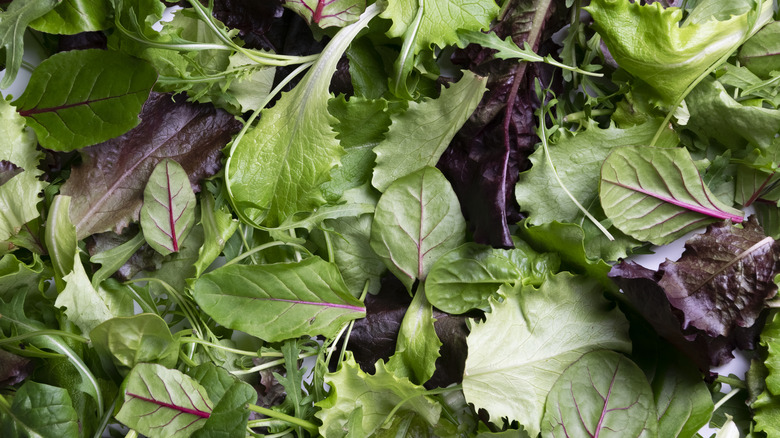
Bagged salad might seem like a healthy choice, but it's one of the riskier items you can add to your cart. Among fresh produce, leafy greens account for the most outbreaks of foodborne illness, predominately norovirus, but they can also carry salmonella, listeria, E. coli. , and the parasite cyclospora, which has casued a large outbreak of cyclosporiasis in Michigan in summer 2026. As lettuce and other leafy greens are usually eaten raw, the bacteria aren't killed off by cooking. When buying greens, choose refrigerated ones, and skip any with mushy leaves. Wash them well to avoid the spread of problems to other foods.
Poultry
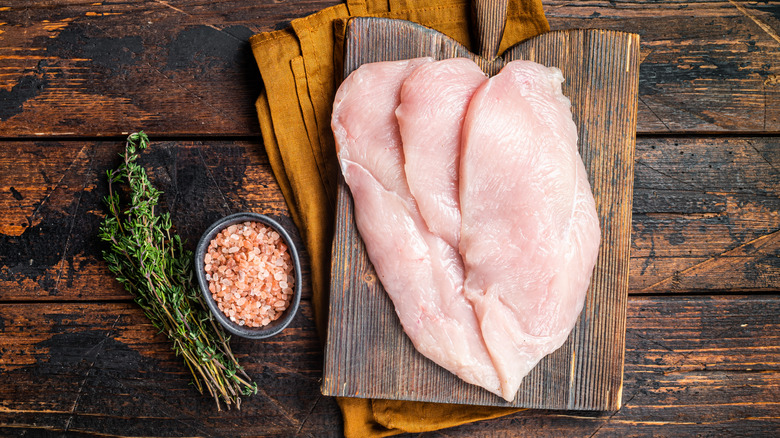
Chicken probably springs to mind first when thinking of food poisoning, and with good reason. Raw or undercooked poultry has the highest incidence of fatal food poisoning, accounting for 19% of deaths from foodborne illness. The good news is that the salmonella and Campylobacter bacteria that cause illness can be eradicated by cooking. Ensure all chicken, turkey, or duck is heated to an internal temperature of 165 degrees Fahrenheit, and avoid washing raw poultry, as this can spread bacteria around the kitchen.
Ground beef
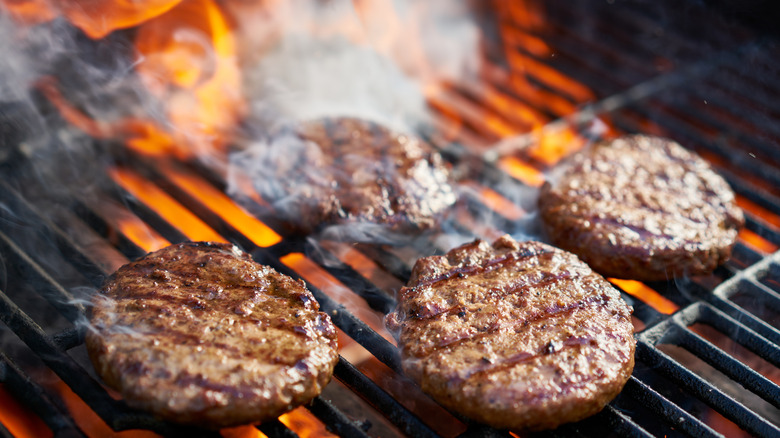
Ground beef comes with much greater risks than steak or other cuts. As well as having more surface area on which bacteria can grow, the grinding process itself will spread any trace of bacteria through the whole batch. Add to this that your package of ground beef most likely comes from different cuts of meat, which multiplies the risk. Ground beef is a common source of E. coli, but this can be eliminated by cooking ground meat to 160 degrees Fahrenheit.
Eggs
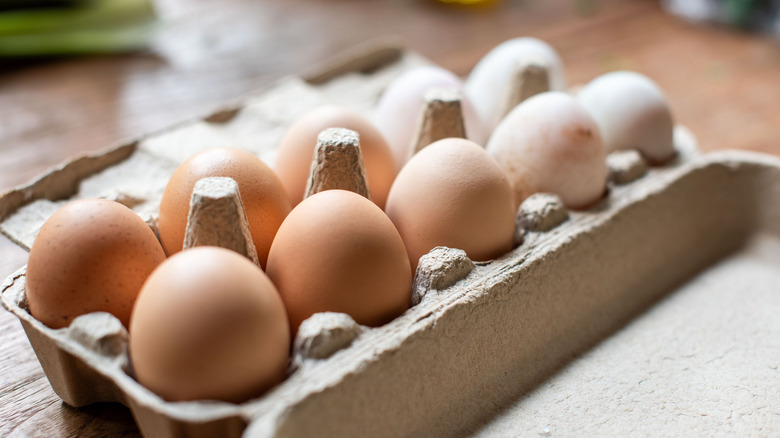
While the floating test or a good sniff might tell you if an egg has gone bad, there's no way of knowing if an egg is carrying harmful bacteria. Salmonella can be present both on the shell or in the egg itself and is only killed off during the cooking process. Fine for hard-boiled eggs, less so for eggs over easy. For any dish that requires raw egg, such as Hollandaise sauce or eggnog, consider using pasteurized eggs.
Deli meat and hot dogs
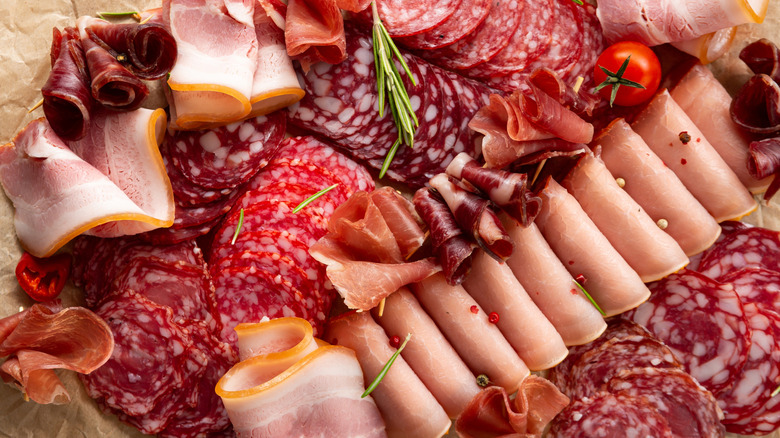
Cooking will kill off harmful bacteria in raw meat, but that's not the end of the story. Cold cuts, deli meats and hot dogs can easily be contaminated with listeria, which is spread on countertops, meat slicers, and by human handling. Deli meats are particularly prone to listeria outbreaks as they are generally eaten cold. Hot dogs are often served warm, but not always hot enough for safety. Avoid the risk by microwaving deli meat, and ensure your hot dogs are piping hot.
Tomatoes and peppers
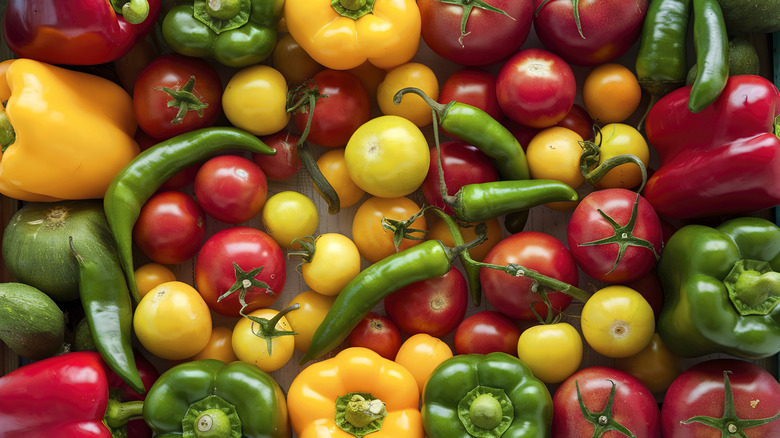
Tomatoes and peppers are categorized as seeded vegetables (yes, even though tomatoes are technically fruit), and this category is responsible for most reported transmissions of salmonella, more than chicken. This category also includes squash, corn, and some beans, but as tomatoes and hot peppers in particular are frequently eaten raw, there's a greater chance of food poisoning. For dishes like salads or salsas where the vegetables won't be cooked, make sure you wash them carefully and refrigerate until needed.
Sprouts
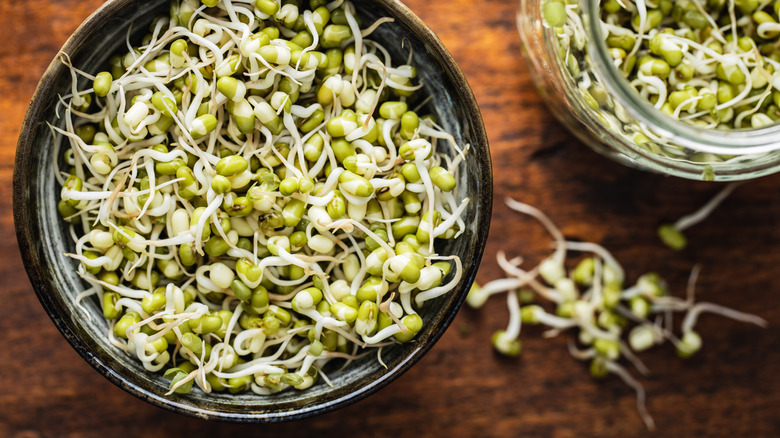
Vegetables usually become contaminated during the growing process, either from infected soil, or the use of dirty water for irrigation. In the case of food poisoning from sprouts such as alfalfa or mung bean, the seed itself can be contaminated. To compound the issue, successful sprout germination takes place in warm and humid conditions, which is unfortunately the best breeding ground for bacteria. Consider cooking sprouts, but otherwise wash them well before eating — even if you grew them yourself.
Melon
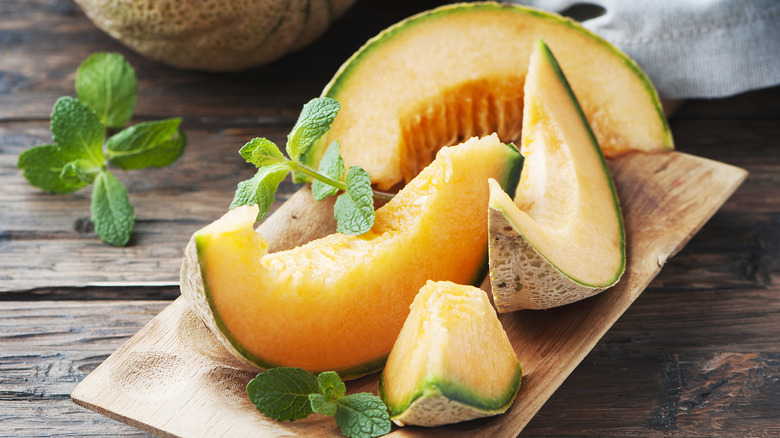
Melons are particularly problematic fruits as they grow directly on the ground, giving them extended contact with potentially contaminated soil. You might think the thick rind is a protective barrier, but bacteria including salmonella and listeria can cling to the outside, particularly with the rough skins on cantaloupe. As melons are sliced, the knife transfers the bacteria from the outside to the fruit. Avoid pre-cut melon if possible, and scrub whole melons with a brush before slicing.
Berries
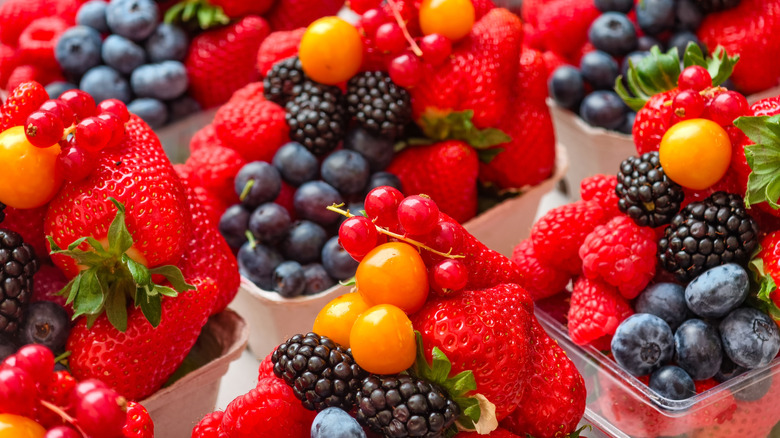
Berries are a common source of bacteria and viruses that cause illness, namely Hepatitis A. The bumpy exterior of raspberries and blackberries provides crevices where bacteria can thrive, and makes them harder to clean. The delicate structure of any berries means that they're often hand picked, and the handling can spread viruses from workers to the fruit. Freezing won't kill the virus, which is why contaminated berries show up in the biggest frozen food recalls. Unless you're cooking berries, wash them thoroughly before eating.
Fish
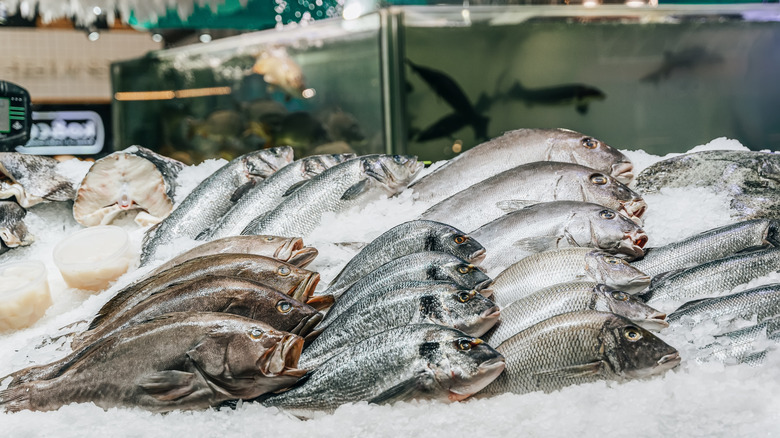
The issue with fish isn't cooking temperature, but how it's handled after it's come out of the water. When fish is not refrigerated, bacteria breaking down the flesh creates histamine as a byproduct. Although histamine is found in many foods including tomatoes, the high concentration in fish can cause what known as scombroid poisoning, which has similar symptoms to anaphylaxis. Histamine can't be destroyed once it's present, so poor refrigeration or old ice is a big red flag when buying fish.
Shellfish
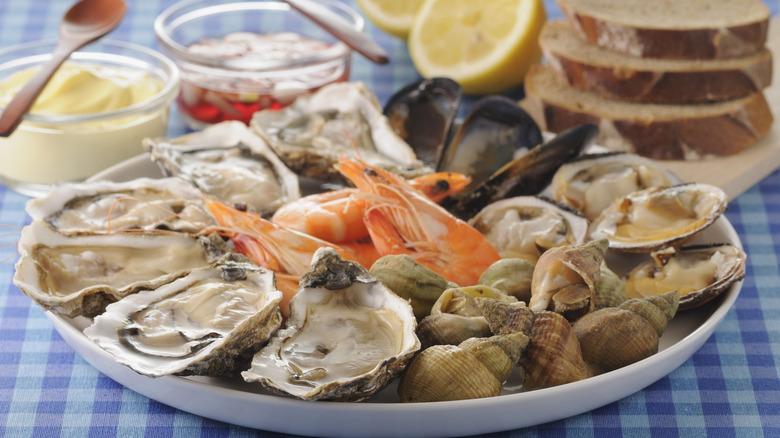
Shellfish, particularly mollusks, can absorb toxic algae, bacteria, and pollution from the water they live in. And in this category, it's oysters that tend to cause issues as they are commonly eaten raw. Even one briny bite can lead to vibriosis or norovirus, both of which cause nausea, vomiting, and diarrhea. Norovirus is the most common cause of food poisoning in the U.S. and is particularly problematic, as it can easily spread from person to person once contracted.
Unpasteurised milk and cheese
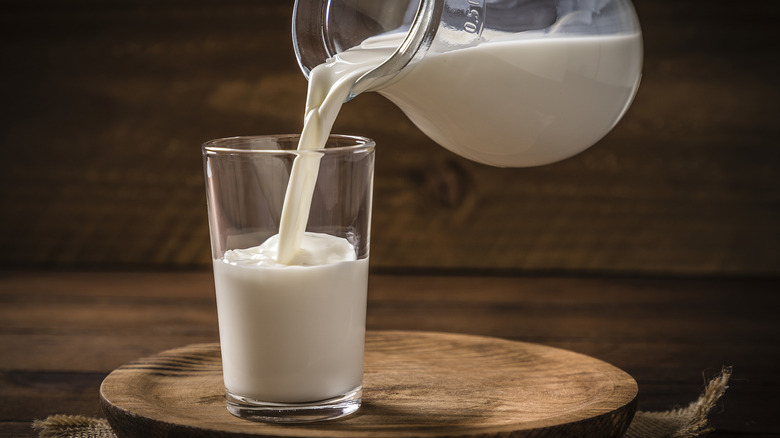
The milk that you buy in store has gone through a process of pasteurization — heated to upwards of 161 degrees Fahrenheit, with the specific aim of killing off harmful bacteria and microorganisms. Unpasteurized or raw milk is banned in a number of countries, but legal in many U.S. states. Consuming it can put you at risk of E. coli, cryptosporidium, listeria, and salmonella, as will eating fresh or soft cheeses made from raw milk.
Leftovers
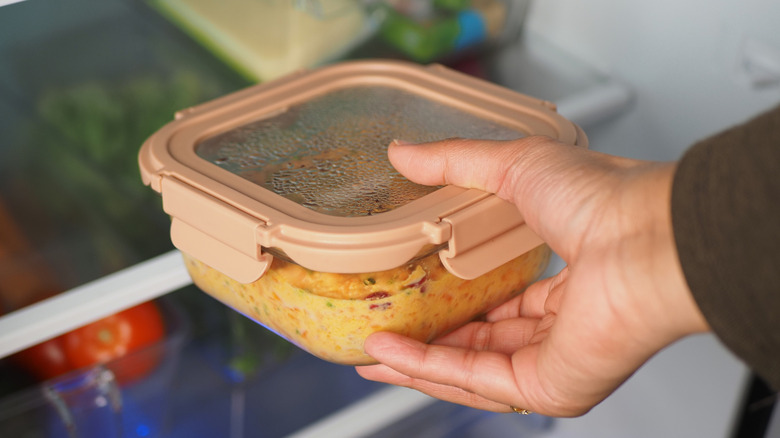
Even if you're aware that cooked food shouldn't be stored at room temperature, it's also understandable that at the end of a party or barbecue you might pack up any leftovers without considering how long they've been sitting. Rice and pasta in particular can develop Bacillus cereus, a spore-forming bacteria responsible for more than 63,000 cases of food poisoning annually. This won't be killed off by reheating, so ensure you follow the 2-2-2 rule for leftovers, getting them into the fridge within two hours.
Preprepared food
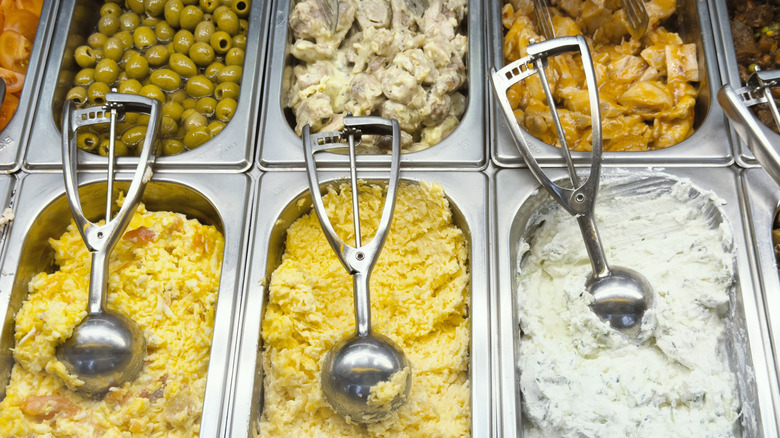
Grabbing an egg salad or pasta salad on the way home might be a convenient shortcut for dinner, but it comes with a risk. For every ingredient that goes into the mix, you have a new potential source of food poisoning. The preparation of the end product is another potential source as workers handle the ingredients, then finally there is the fact that for any of the ingredients or the final dish, you have no way of knowing if they were kept refrigerated at all times.