

15 Solutions For Keeping Stainless Steel Ovens Nice And Neat
We may receive a commission on purchases made from links.
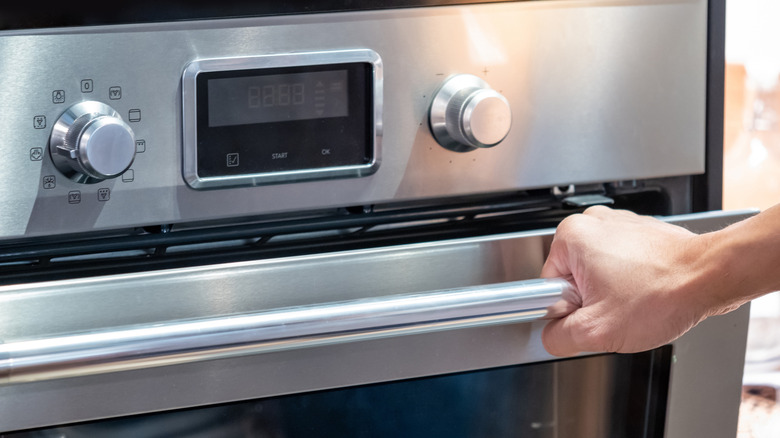
The sleek, shiny surface of stainless steel appliances can give your kitchen a modern and sophisticated look, but the key word here really is shiny. Stainless steel is an unforgiving finish, notorious for showing fingerprints and other smudges, at which point any sense of sophistication is lost. If you're considering investing in stainless steel for your oven or other appliances, then you have to be prepared to also invest the time to keep it looking good. Even newer appliances that are sold as having a fingerprint-resistant coating might be more resistant to grime, but will still need to be looked after.
Stainless steel might be heat resistant and durable, but its surface will scratch easily and can dull over time if not treated correctly. Of course, the best way to keep your stainless steel oven looking nice and neat is gentle but frequent cleaning. A daily wipe down will do wonders for the appearance of your kitchen, but there are a few other tricks that may work wonders for your kitchen upkeep. Read on for some of the best solutions for maintaining that new-oven shine.
Start simple
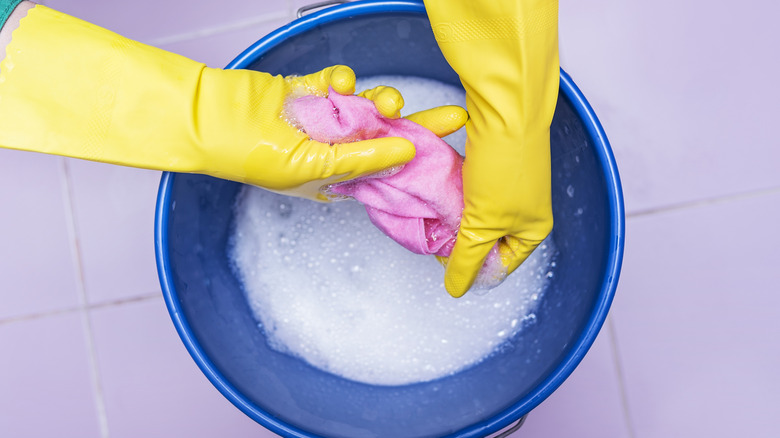
Before you reach for the more serious cleaning products, try cleaning your stainless steel oven with warm water and a bit of dish soap. Even just warm water might be enough. The main thing that gives your stainless steel that untidy look is fingerprints and smudges rather than serious grime, so a regular wipe with gentle products like these can be more helpful for your kitchen aesthetics than the occasional deep clean.
Use a microfiber cloth
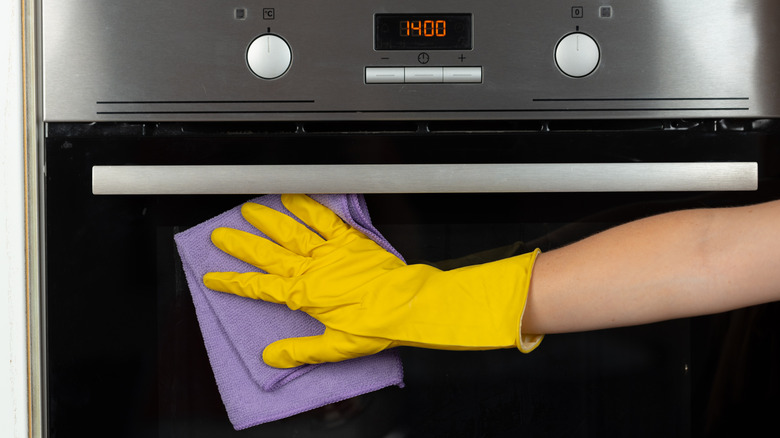
If there's one bit of kit that you need for a sparkling oven, it's a microfiber cloth. There are many ways to use microfiber cloths around the kitchen, but stainless steel is where they shine (quite literally). They're soft enough to prevent any scratching, won't leave fluff behind, and the millions of tiny fibers are designed to pick up dirt, oil, and residual moisture rather than just pushing it around.
Wipe with the grain
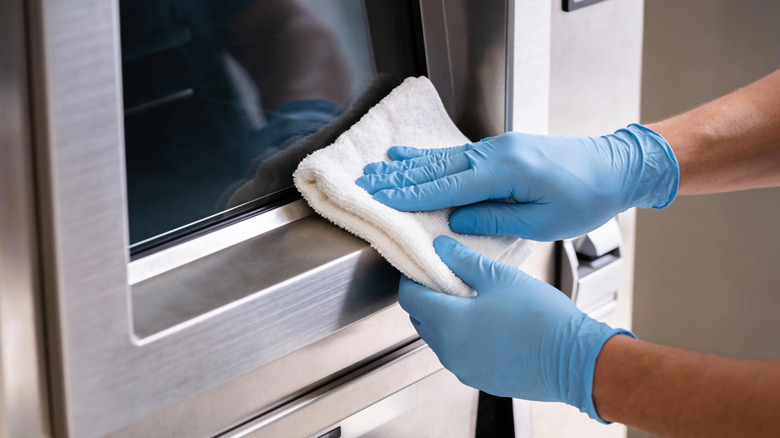
Despite being a man-made product, stainless steel has a grain to it in the way that wood does. If it's not immediately obvious to the eye, you will feel it when you rub your fingers across the surface. This finish is added during production to help hide scratches, but the fine grooves can trap dirt and bacteria. By wiping with the grain, you can more effectively clear out these lines.
Skip the paper towels
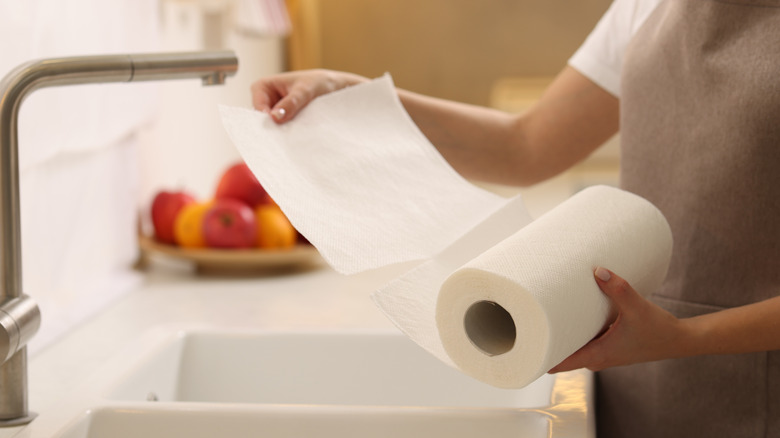
When it comes to any messy cleaning jobs, it can be tempting to use paper towels. Their disposable nature is certainly appealing. However, using paper towels on stainless steel can be an unwise choice. Despite how thin and flexible they are, paper towels can be too rough for the surface. You might not notice immediately, but they create small scratches that will eventually dull the finish.
Use dedicated stainless steel cleaners
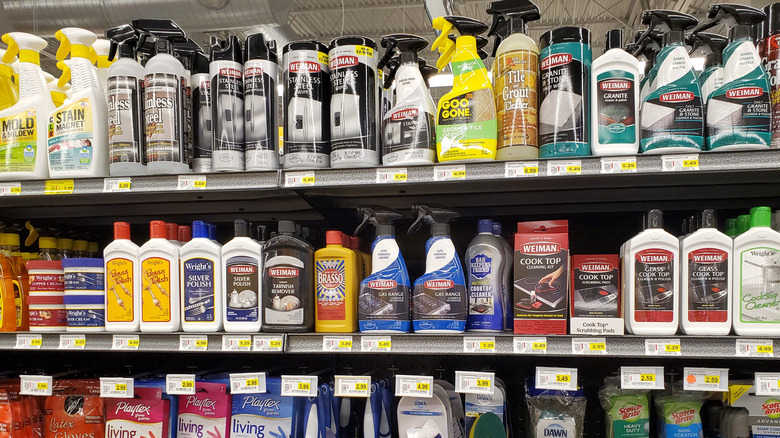
If you need something stronger than soap and water, you'll want a product specifically formulated for use on stainless steel rather than any general-purpose cleaner. This will ensure that it doesn't contain any abrasives that cause scratches or ingredients that will corrode the metal. Wieman Stainless Steel Cleaner, for instance, is designed to clean, polish, and protect against fingerprint stains. Just be aware that some products are not suitable for cleaning black stainless steel.
Baking soda helps with stubborn stains
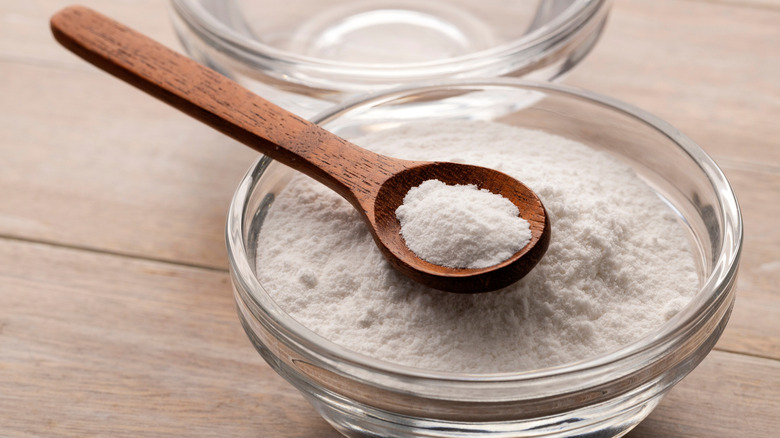
Even when your stainless steel oven has attracted some cooked-on stains, it can still be cleaned with pantry staples. Baking soda is abrasive enough to help lift grime, but mild enough not to cause scratches on the surface. Create a paste with baking soda and water and leave it on the stain for 15 minutes. Rub with a microfiber cloth to remove and then rinse with clean water.
Never use interior oven-cleaning solutions on exterior finishes
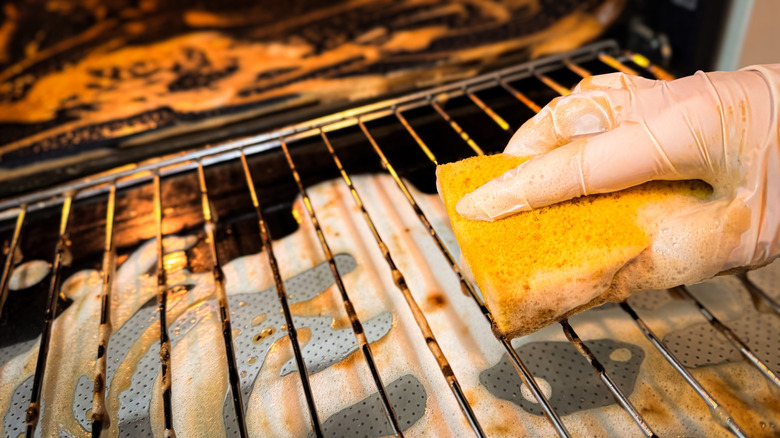
Keeping the exterior of your stainless steel oven clean is going to make your kitchen look a whole lot tidier, but the cooking action (and the accompanying mess) all occurs inside. Deep-cleaning products will make short work of crusty oven racks and interior walls, but they will also very quickly strip the protective layer from stainless steel. Proceed with caution when cleaning the inside, making sure no product is spread elsewhere.
Avoid abrasive scrubbers
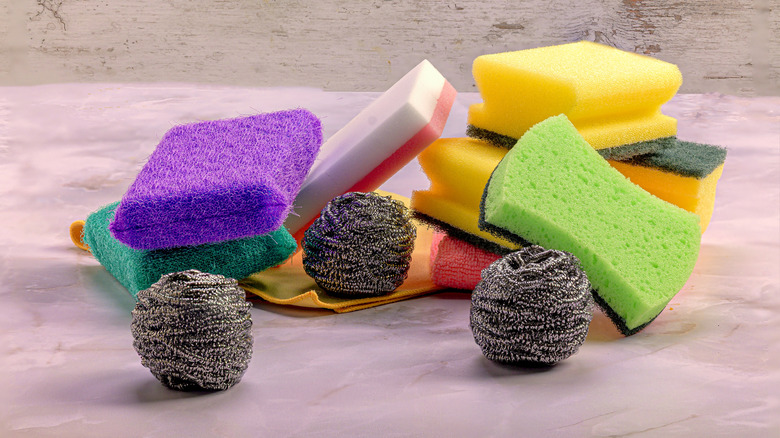
The key to keeping stainless steel looking good in the long term is not so much about cleaning, but about avoiding scratches. Even small scratches will dull the finish if there are enough of them. Steel wool, scrubbing pads, and even abrasive powdered cleaners are all common culprits. If your oven is looking a little worse for wear, you can restore it with this Yadool Stainless Steel Scratch Remover Kit.
Steer clear of bleach and ammonia
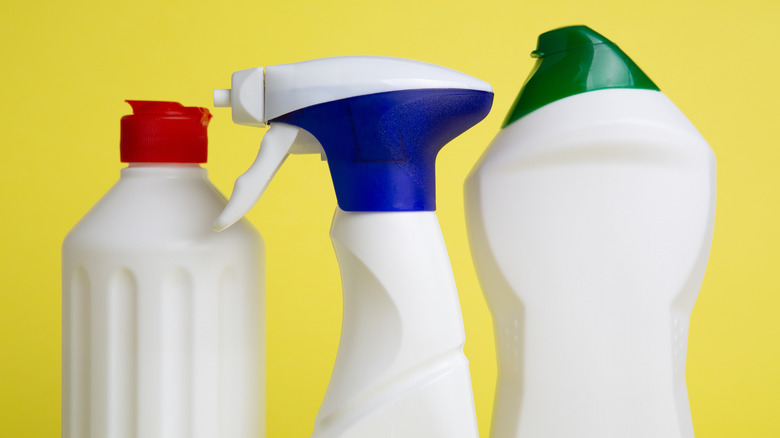
What makes stainless steel more resistant to rust than other metals is the inclusion of chromium, which forms a protective layer on the surface. That said, the use of bleach, ammonia, or chlorine can damage this layer, leaving the metal open to corrosion. General purpose cleaners, glass cleaners, and some disinfectant sprays are sources of these chemicals. Even the fumes from nearby products can be enough to affect the finish, so mark and avoid.
Wipe up spills immediately
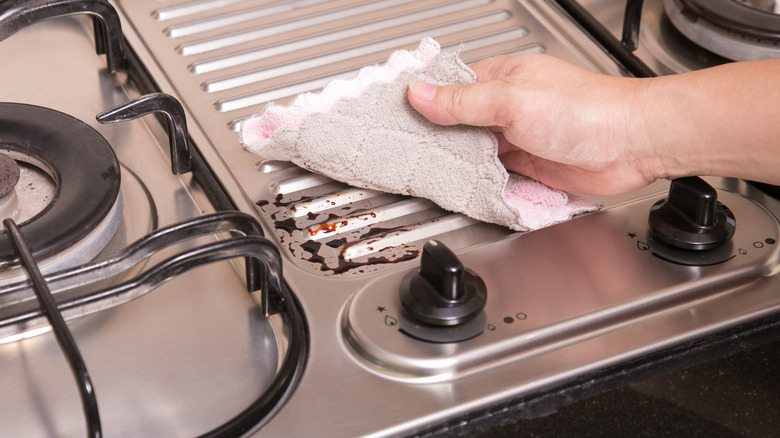
"An ounce of prevention is worth a pound of cure," so the saying goes, and that is especially true when it comes to cleaning. Some foods can have a detrimental effect on the surface with extended contact — turmeric and mustard will stain, and acidic or salty foods like tomato or pickles can react with the metal. Wiping up spills as they occur is going to stop food from drying on them, thus reducing the need for later scrubbing.
Use vinegar for fingerprints
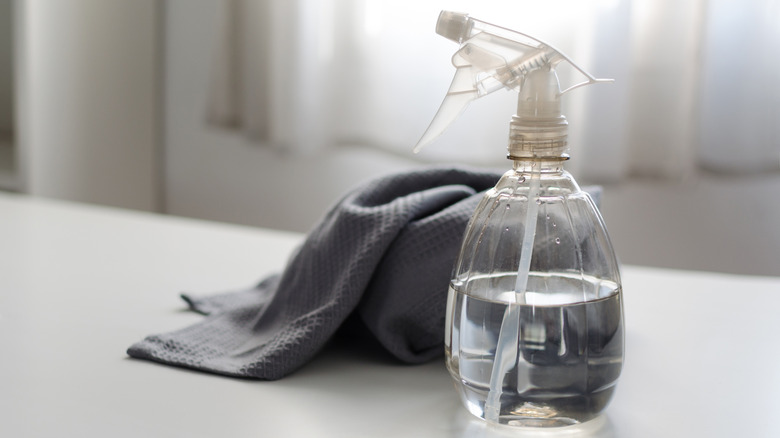
Fingerprints are one of the bugbears of owning a stainless steel appliance, making the previously sleek surface look messy even if it is otherwise free of grime. It's the natural oil from our fingers that causes the problem, adhering to the surface and attracting dust, so a degreaser like vinegar is needed. Spray the offending marks with equal parts white vinegar and water before wiping with a microfiber cloth.
Don't oversaturate electrical areas
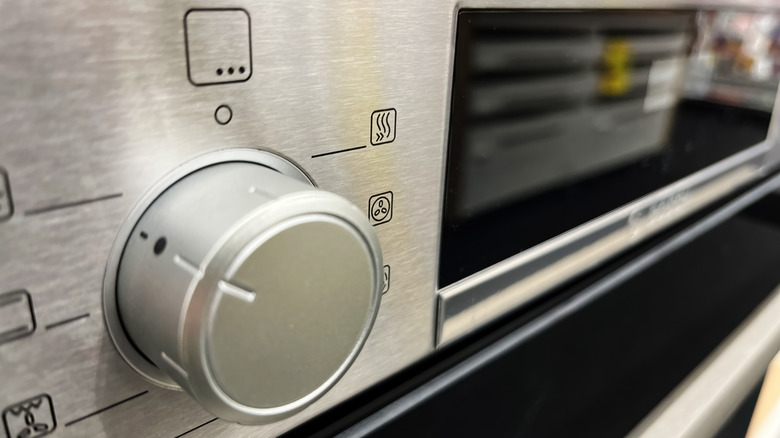
While ovens are built to withstand regular kitchen use, they're still an electrical appliance that requires some caution. Excess liquid around open parts, including vents or other electrical areas like the control panel, can cause the oven to spark or short circuit. To avoid this messy mistake when cleaning stainless steel, add your cleaning product to the cloth rather than the surface when wiping down these areas.
Keep an eye out for rust
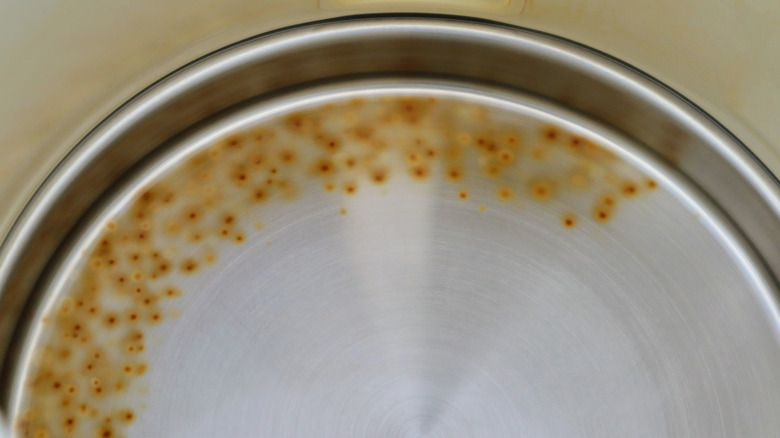
Despite what you might believe, stainless steel can rust, particularly if you live in a humid climate. Light rust can be buffed out with a thick paste of baking soda and water, or a cleaner that contains oxalic acid like this Bar Keepers Friend Liquid Cleaner, but these areas will be prone to more rust in future. Make a rust check part of your weekly clean to prevent it from going beyond the surface.
Dry after cleaning
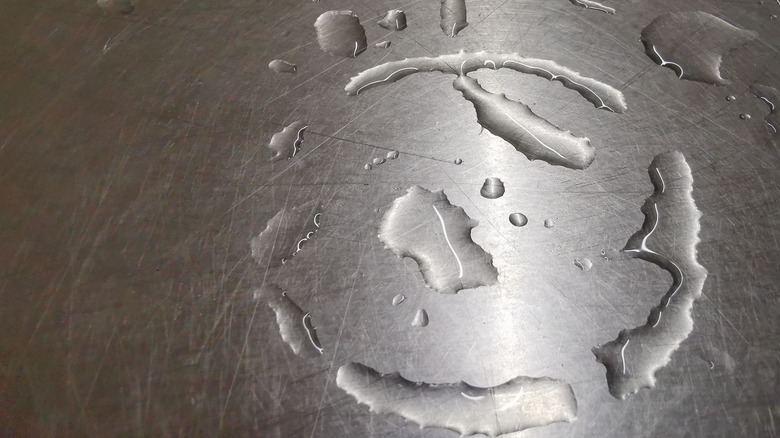
If you live in a hard water area, you know just how easily water marks can appear. As the water evaporates, minerals (like calcium and magnesium) are left behind, creating chalky deposits. The solution is as simple as making sure you dry off any soapy water or vinegar solution after cleaning rather than letting the surface air dry. Two microfiber cloths may be helpful, one for cleaning and one for drying afterwards.
Polish with oil

After you've removed the fingerprints and food from your oven, you can restore some of the original shine by polishing the stainless steel with oil. After cleaning, add a small amount of oil to a cloth — mineral oil, baby oil, or olive oil will all work. Wipe a thin layer of oil over the surface, then buff dry, working with the grain to bring out the shine.