

11 Herbs That Can Be Easily Propagated From Cuttings
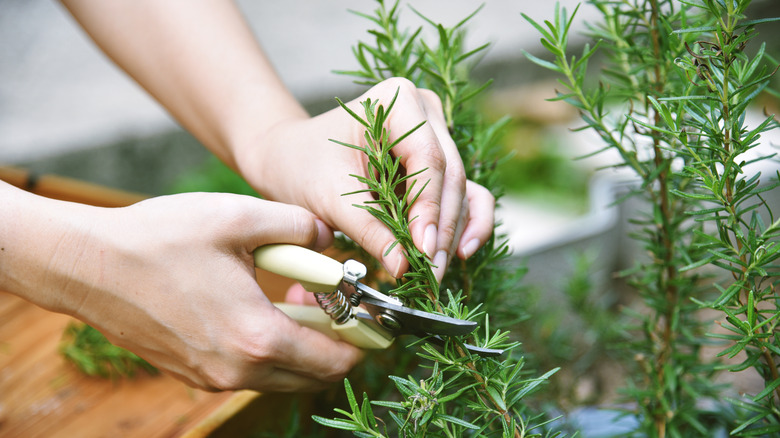
Some of the best herbs to have in your kitchen can be grown from cuttings taken from your friends' and family's plants. Propagating herbs is much more cost-effective than purchasing plants from a nursery or garden center. It's also the best method to use to start an eco-friendly, sustainable garden at home, as you won't be relying on shipping or transportation methods and you can reduce the waste associated with plant packaging.
This process is typically faster than starting herbs from seed, though it does require some patience. You'll want to take your cuttings from a tall, healthy plant, and cut off at least four to six inches at a 45-degree angle. You'll have the best chance of success if you cultivate three or four cuttings from each plant. Moisture primarily evaporates through the leaves of plants, which can end up affecting the stalk's ability to root. After cutting, you should remove most of them, leaving just one or two.
The cuttings should be placed in a container of water or moist potting soil in indirect sunlight in a warm environment. Make sure the cuttings stay moist by spraying them with water each day, and replace the water in the container every other day. You can increase humidity by covering the container with a plastic bag or plant cover. In about one or two weeks, you should see roots forming; however, it's normal for half the cuttings to fail, which is why you should start with multiples from each plant. Ready to try your hand at starting an indoor herb garden from cuttings? Here are the 10 easiest herbs to propagate.
Basil
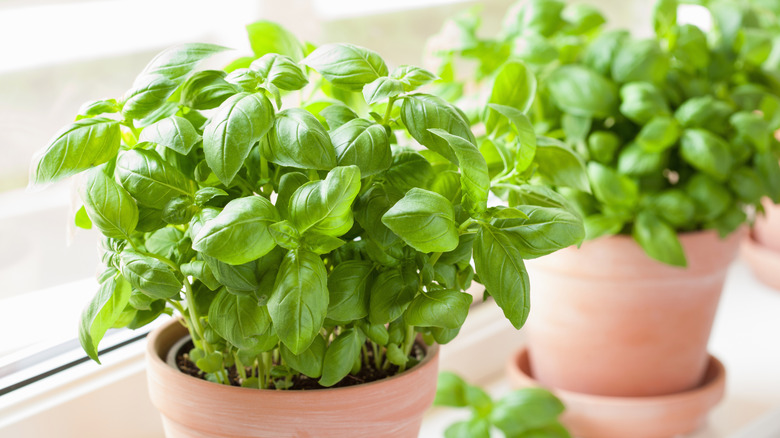
The easiest way to keep fresh basil on hand all year is to grow plants from cuttings. Spring is the best time to take cuttings. Start them indoors if you live in a cold climate, or outdoors if you live in a warm place. After your cuttings have taken root, transplant them into potting mix and put the pot in a warm, sunny spot that gets at least six to eight hours of sun.
Rosemary
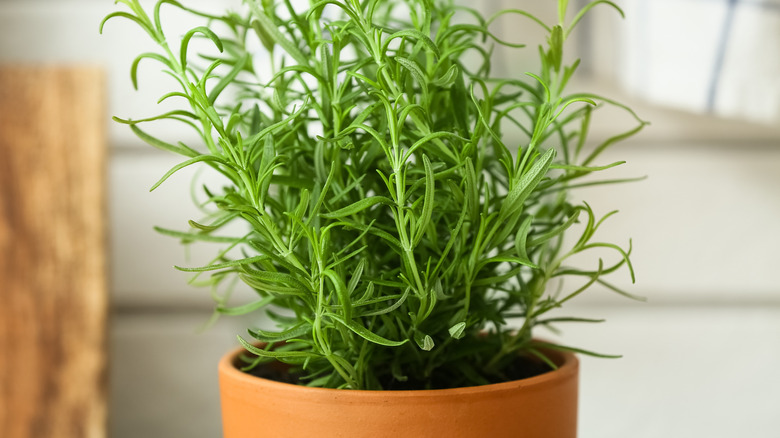
Rosemary is a woody herb that actually grows better from cuttings. It can be propagated in water or sand in early summer. Take cuttings in the morning, submerging only the stems in water. After roots have formed, transplant the cuttings into a soil and compost mixture in a pot and gradually expose them to the sun in a shady outdoor spot. In the fall, plant your rosemary next to thyme in your garden.
Mint
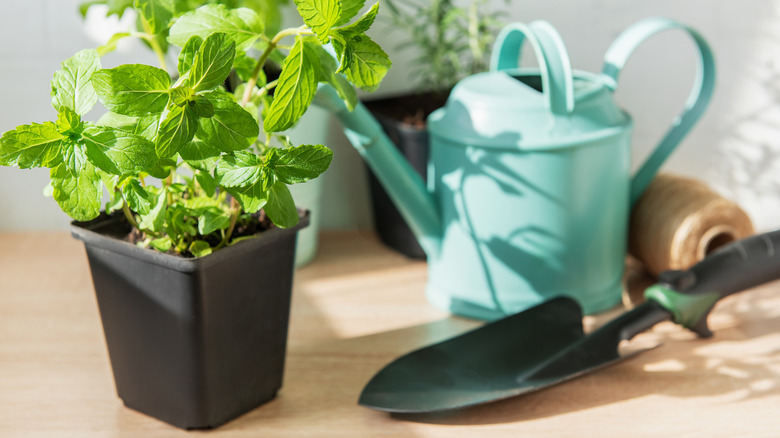
Mint is one of the easiest and fastest herbs to grow in your kitchen from cuttings. In spring or summer, harvest stems above a leaf node and place them in a glass of water. Change the water every other day. Roots should develop in one or two weeks. Transplant stems into a mixture of potting soil and compost, and place the pot in a shaded area outside or a spot indoors that gets indirect light.
Sage
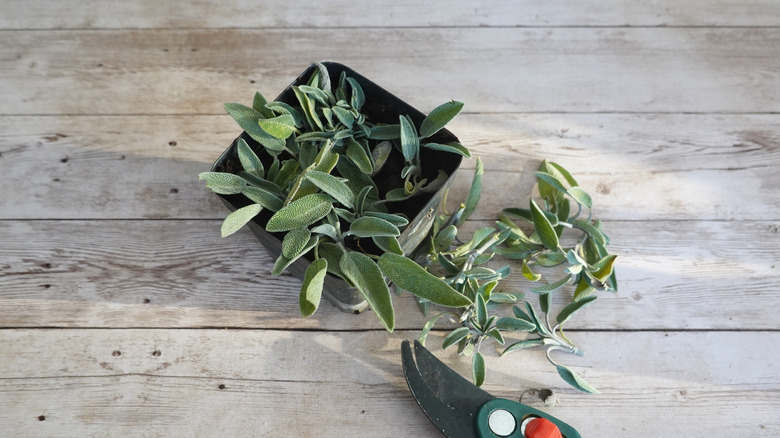
Sage can be propagated from cuttings taken from the tip of the plant in late spring or summer. Cut six-inch stems at the heels and put them in water or well-draining soil until roots develop, which may take two or three weeks. Transplant the cuttings into potting mix and place them in direct sun indoors, moving them outside into full sun the following spring, where the herb will naturally attract hummingbirds to your garden.
Thyme
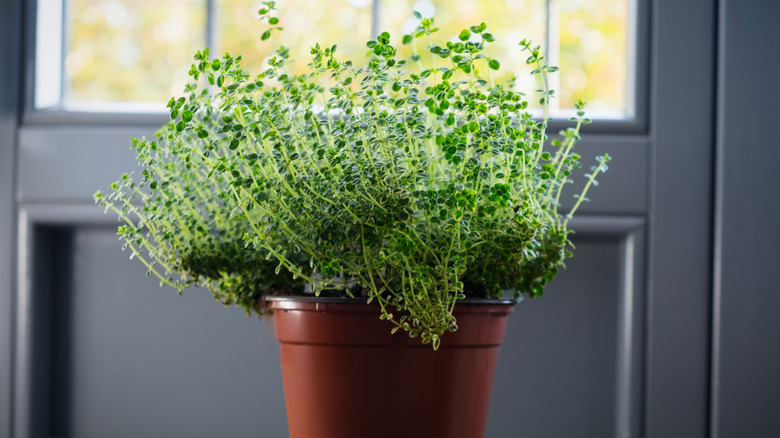
Spring and summer are the best times to propagate any variety of thyme. Choose healthy stems that haven't flowered, and cut three-inch stems at a node. Place the stems in potting soil in a warm, shady spot. It may take as long as eight weeks for the cuttings to root. When they do, transplant successful cuttings into a larger pot of well-draining soil and move it to a sunny spot outdoors.
Oregano
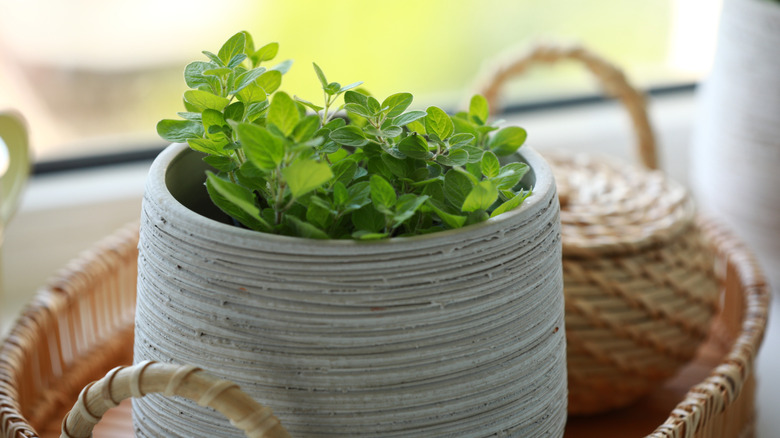
Oregano cuttings should be taken from the tips of shoots in spring or early summer. Cut stems at least three to five inches long from above a node. Place the cuttings in a cup of water in indirect light, remembering to change out the water when it gets cloudy. When roots have formed, transplant cuttings into potting mix, then keep the plant in a sunny spot indoors for about a month before moving it outside.
Lemon balm
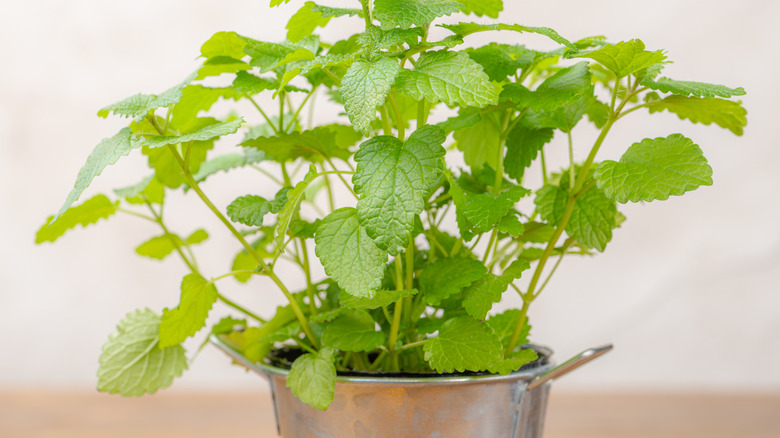
Lemon balm is easy to propagate and can deter kitchen pests. Take shoot tip cuttings from a non-flowering plant in late spring or early summer. Put them in a mixture of potting soil and sand and keep them in a sunny spot, placing a plastic bag over the pot to improve humidity. When you see healthy roots forming, transplant stems into a pot of well-draining soil and move it to a sunny spot outdoors.
Lavender
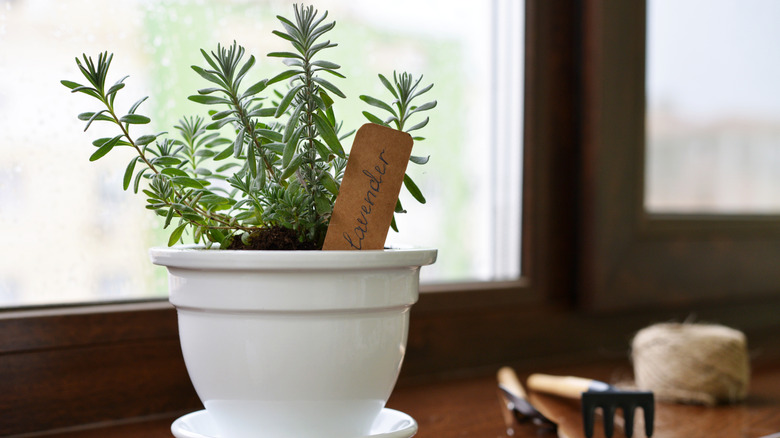
English is the best lavender variety to use if you want to cook with it. Cuttings should be taken from an adult plant in summer or early fall. Place them in a pot with compost and perlite and then put a plastic bag over the top to increase humidity. Keep the pot in a warm place that gets indirect light. A few weeks after the roots sprout, move the pot to a sunny spot outdoors.
Fennel
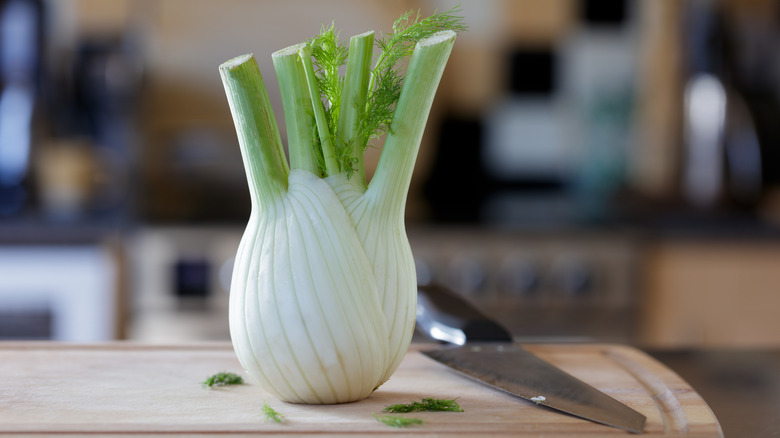
Fennel is a versatile herb that can be propagated from a friend's garden or the bulb from a store-bought stalk. Take a one- to two-inch cutting from the base, including the intact bulb. Put it base-side down in a dish of water in a sunny spot. When the roots sprout, let them grow for a few weeks and then transplant the bulb to a pot of well-draining soil and keep it in a sunny place.
Parsley
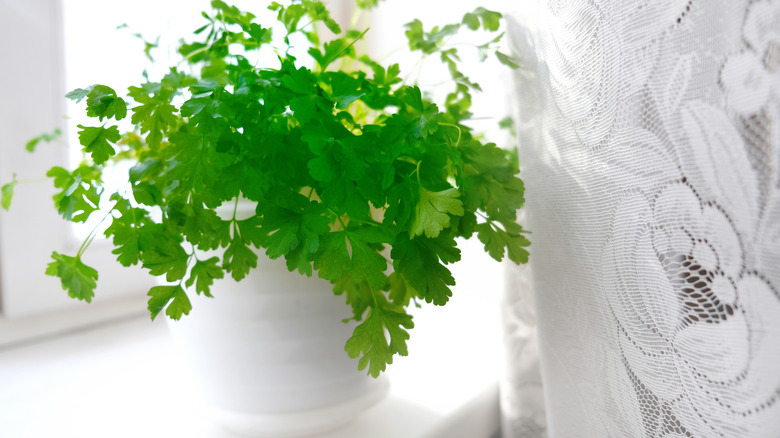
It can take months to grow parsley from seed, but it's easy to propagate from cuttings. Propagate parsley in the spring by taking four- to six-inch cuttings from below the node. Place them in water and keep them in a sunny place. You should see roots in about a week, but wait until there are at least two inches of healthy growth before transplanting to a pot containing a mixture of potting soil and perlite.
Lemon verbena
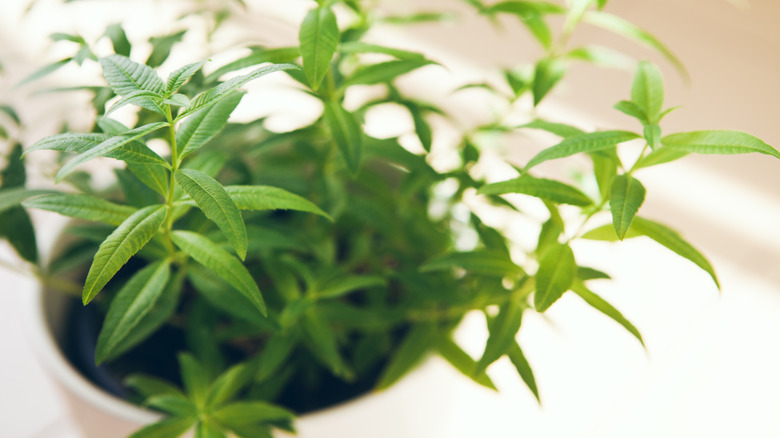
You can easily propagate lemon verbena by taking cuttings from a healthy plant. The best time to do so is spring or summer. Take five- to six-inch tip cuttings and place them in water or potting soil. Cover the top with a plastic bag to improve humidity. You should see roots in three weeks, but wait another three weeks before transplanting the cuttings into potting soil or moving the plant outdoors.