

Homemade 4-Cheese Ravioli Recipe
We may receive a commission on purchases made from links.
One of the best ways to take your cooking skills to the next level is to learn how to make pasta from scratch. Besides tasting fresher than boxed varieties, homemade pasta also allows for the freedom to experiment with different flavors in the dough or filling. Though the idea of making fresh pasta may seem intimidating, many chefs can assure you that it's actually fairly easy, especially if you have a few handy kitchen tools on hand.
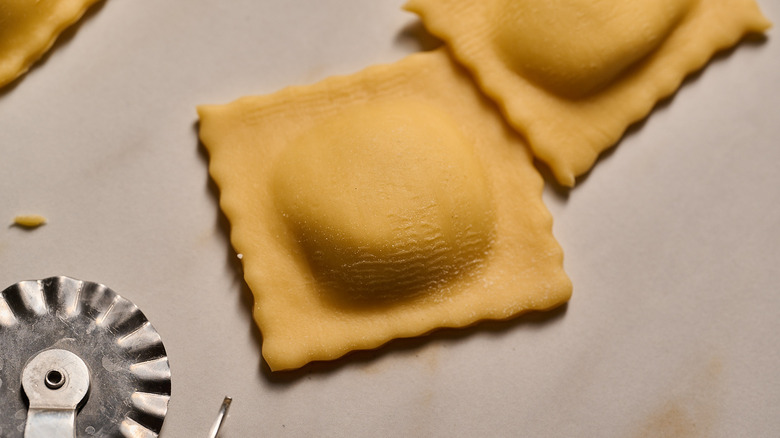
Perhaps the most useful pasta shape to make from scratch is ravioli, which can be filled with almost endless varieties of meats, cheeses, herbs, and veggies. All you need is flour and a few eggs to get started, then a pasta roller to flatten the dough into sheets (though with some elbow grease, even a rolling pin will do). With the dough rolled flat, you can then sandwich your favorite ingredients between the dough and boil fresh, silky, rich pieces of pillowy pasta. I recommend starting with this simple but decadent four-cheese ravioli, made up of creamy ricotta, bright mascarpone, funky taleggio, and salty, savory Pecorino Romano. Together, the unique cheeses become a melty, gooey combination of rich flavor that just about any sauce might complement. So if you've been meaning to dive into handmade pasta making, consider this recipe a good place to start.
Gather the ingredients to make homemade 4-cheese ravioli
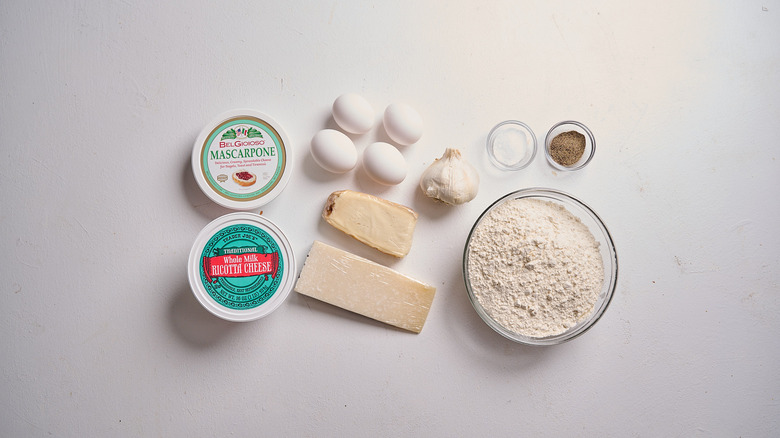
For the pasta dough, you'll just need flour and eggs. The easiest flour to find and use is all-purpose, but you can actually use a wide variety of flour to yield different results. Semolina is often used for chewier texture, while 00 flour (finely milled, Italian flour) is used for silkier, softer texture.
For the filling, you'll need ricotta, mascarpone, Pecorino Romano, taleggio, garlic, salt, and pepper. The cheeses can be swapped easily, but I recommend keeping the ricotta as a base, which will provide consistent creamy texture. Starting there, you can then swap in cheeses like Parmesan, mozzarella, Gruyere, or asiago, which are similar to the cheeses suggested in this recipe.
Step 1: Add dough ingredients to a food processor
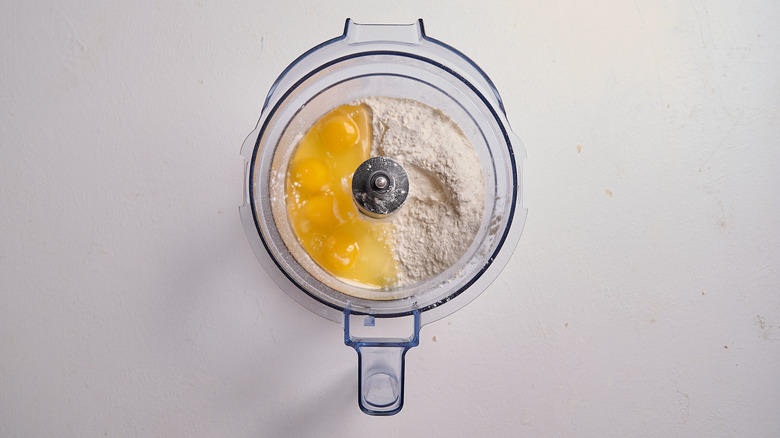
Add the flour and eggs to a food processor.
Step 2: Pulse until a dough begins to form
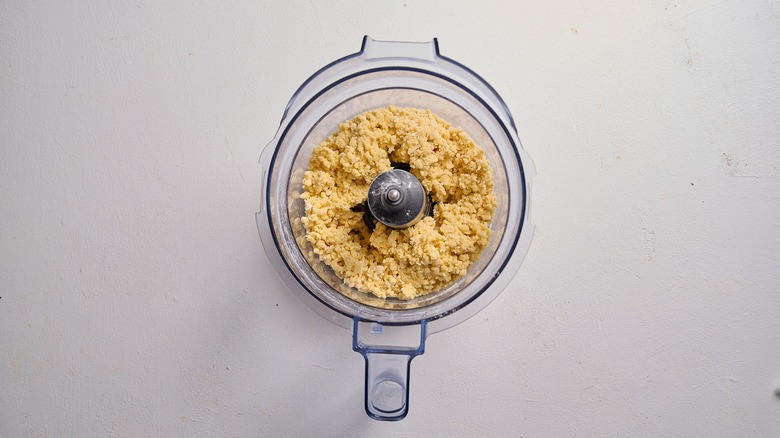
Pulse until the mixture is crumbly, with large, soft pieces of dough beginning to form.
Step 3: Remove the dough and knead
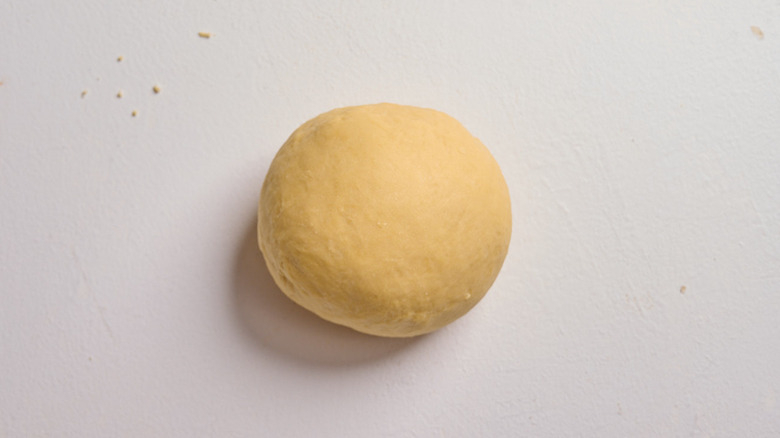
Remove from the food processor and bring the mixture together using your hands. Knead into a rough ball, about 5 minutes.
Step 4: Wrap dough in plastic and rest
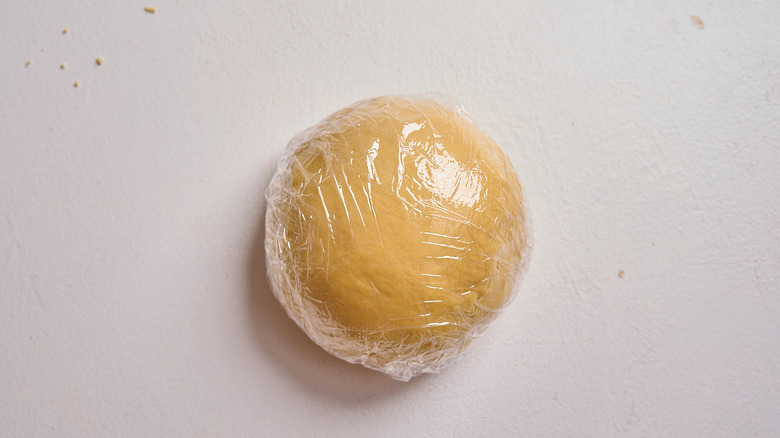
Wrap tightly in plastic wrap and let rest 10 minutes.
Step 5: Knead and rest dough again
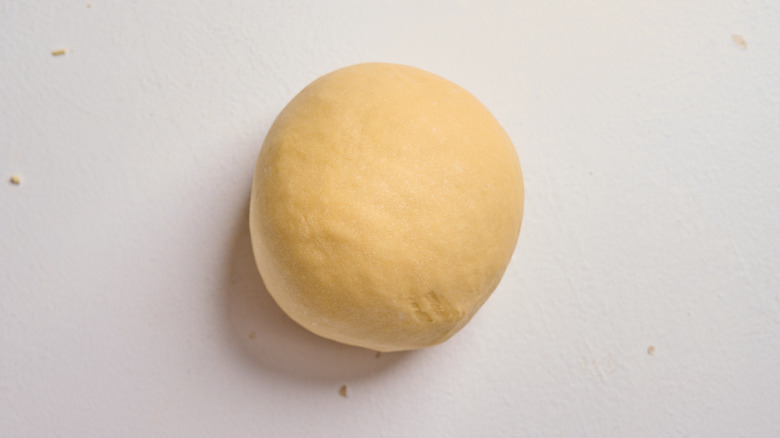
Knead the ball again until dough is smooth. Cover tightly and let rest for 30 minutes.
Step 6: Combine cheese filling ingredients
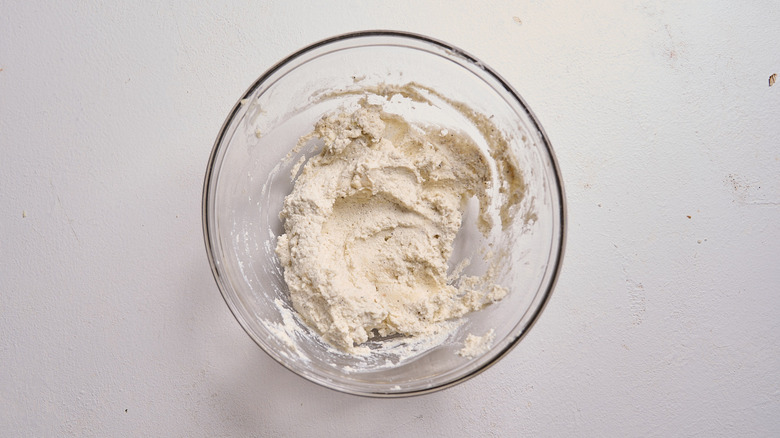
In the meantime, prepare the filling by combining all filling ingredients in a bowl.
Step 7: Transfer filling to a piping bag
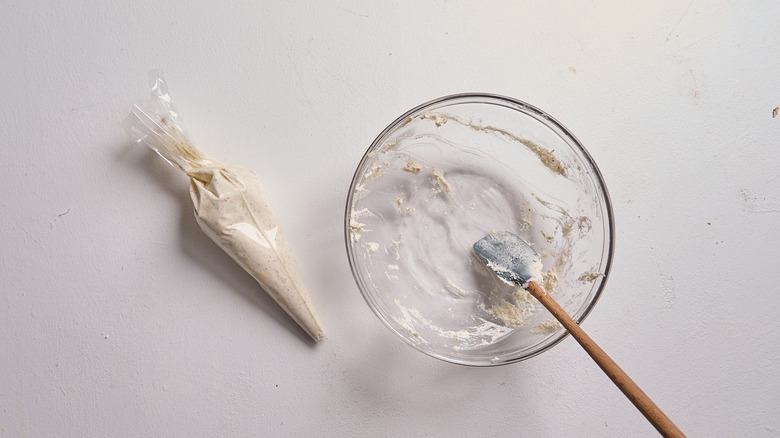
Transfer the filling to a piping bag and set aside.
Step 8: Cut dough into smaller pieces
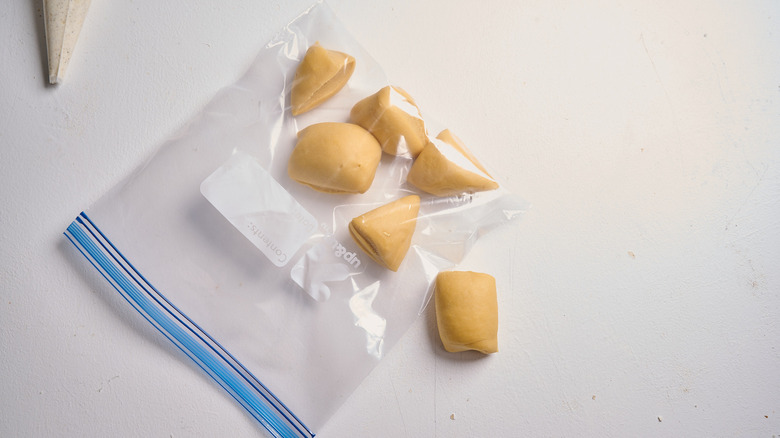
Cut the dough into 6 pieces. Seal 5 of the pieces in a large plastic bag.
Step 9: Flatten the first piece enough to fit into the machine
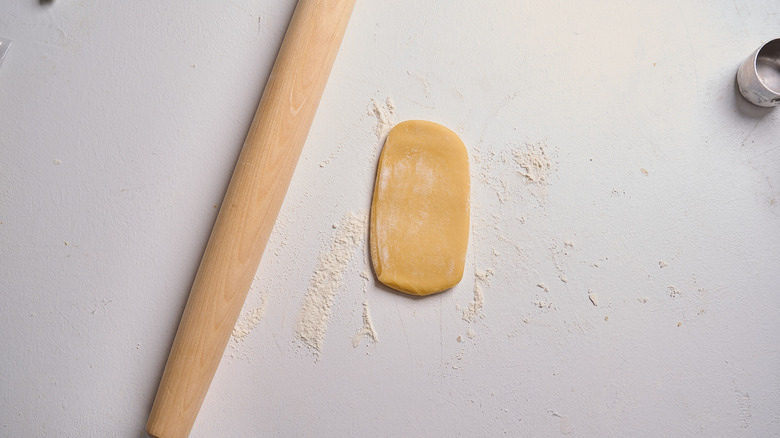
Roll the first piece out using a rolling pin until it is ¼-inch thick, keeping it the same width or smaller than the pasta machine or roller you'll be using (either a stand-alone pasta roller or a stand mixer attachment will work).
Step 10: Roll through the machine at the widest setting
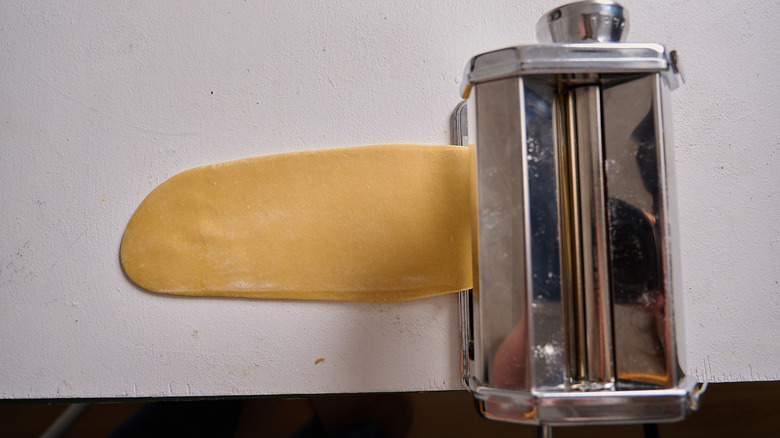
Roll the piece through the machine at the thickest setting.
Step 11: Fold, rotate, and roll again
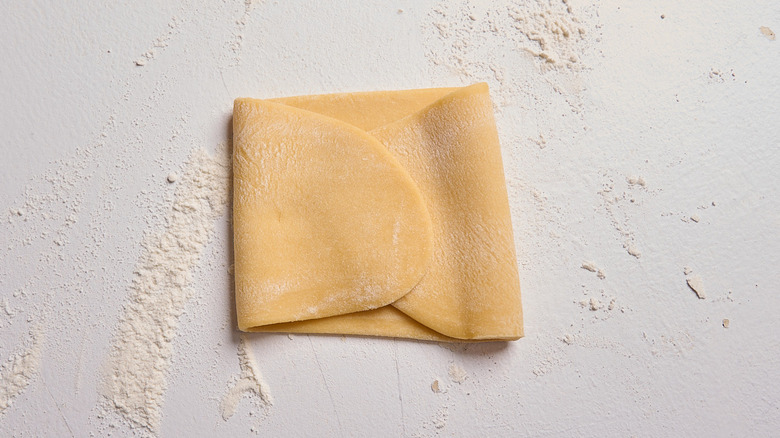
Fold the ends into the center and rotate, then send the pasta through the machine again.
Step 12: Repeat the folding and rolling process
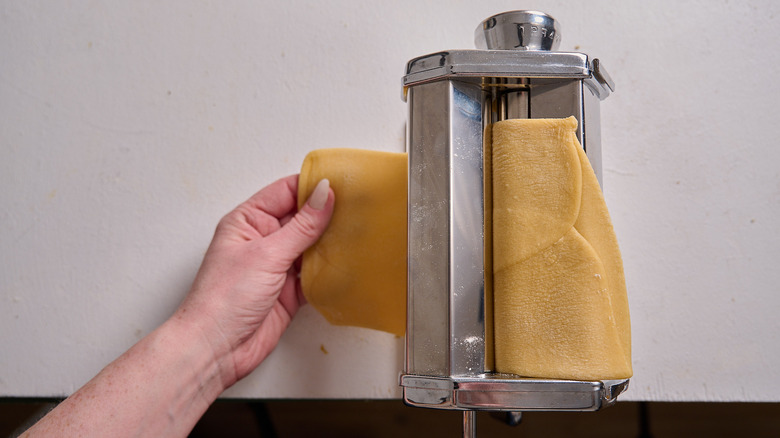
Repeat, folding the ends into the center and sending through the machine once more.
Step 13: Roll the sheet through the next few settings, then fold
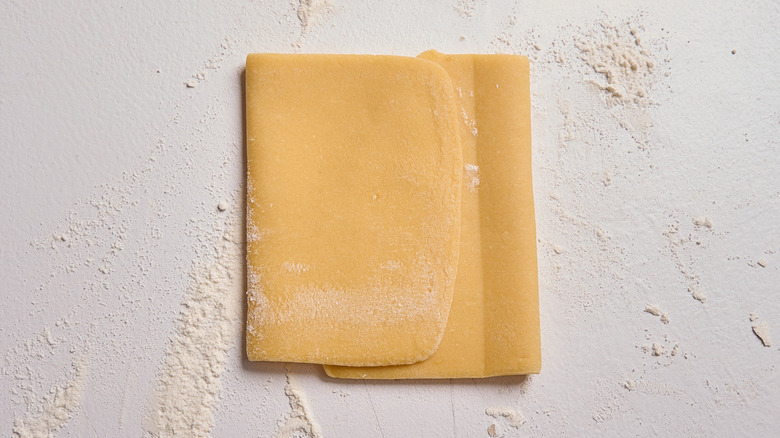
Send the sheet through the next 3 settings, then fold into the center again.
Step 14: Roll the folded sheet through the second widest setting
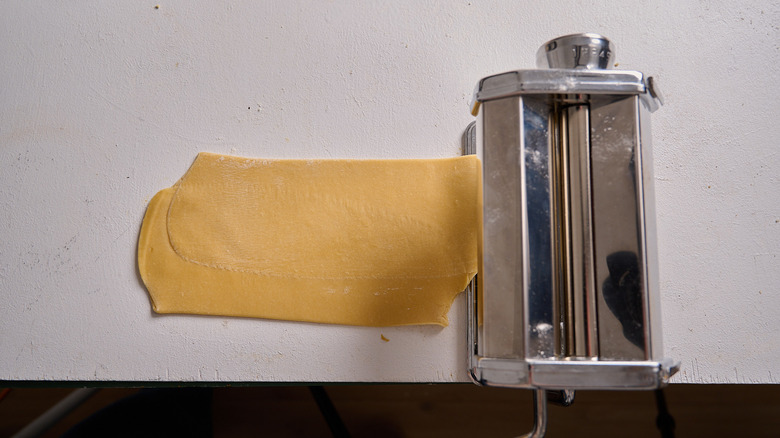
Send the sheet through the second thickest setting.
Step 15: Continue rolling until the dough is just barely translucent
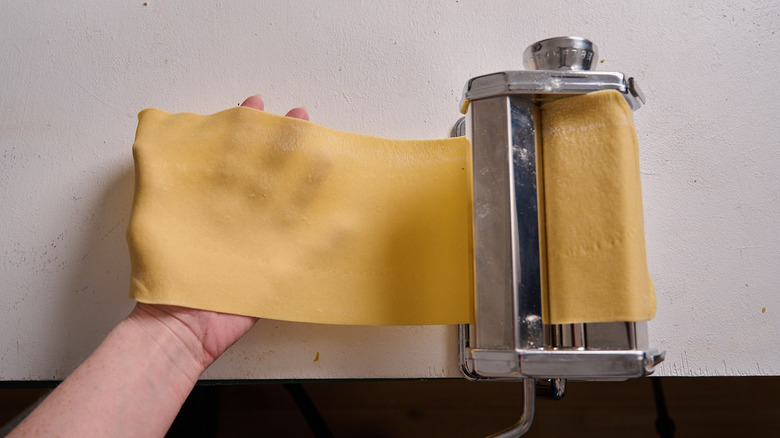
Continue rolling the sheet through every setting, moving up a notch each time, stopping just when you can see your hand through the pasta (you likely won't go to the thinnest setting on your machine).
Step 16: Trim the pasta sheet
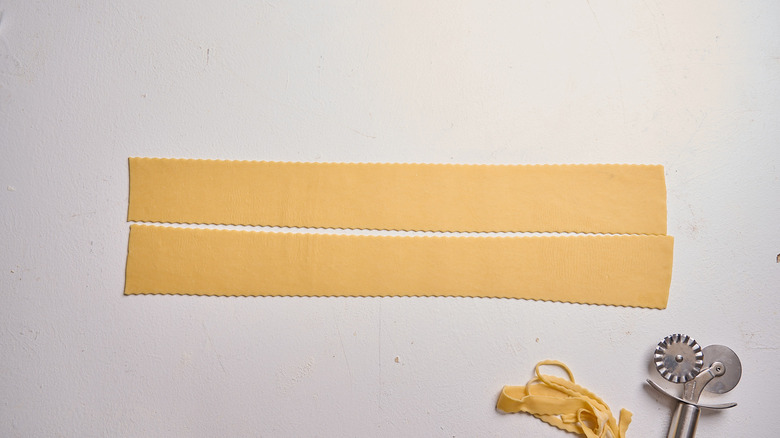
Lay the sheet on a floured surface and trim into 2 long strips, about 1 ½ inches wide.
Step 17: Pipe the cheese mixture across the dough
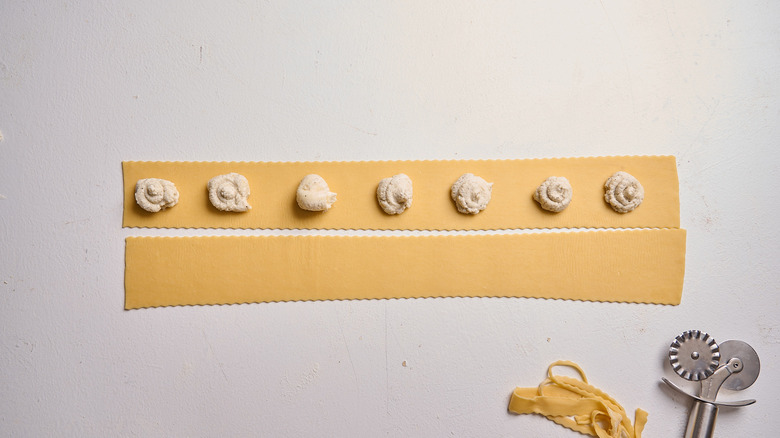
Pipe dollops of the cheese mixture evenly across one strip of dough.
Step 18: Lay the second pasta strip over the first and seal the cheese
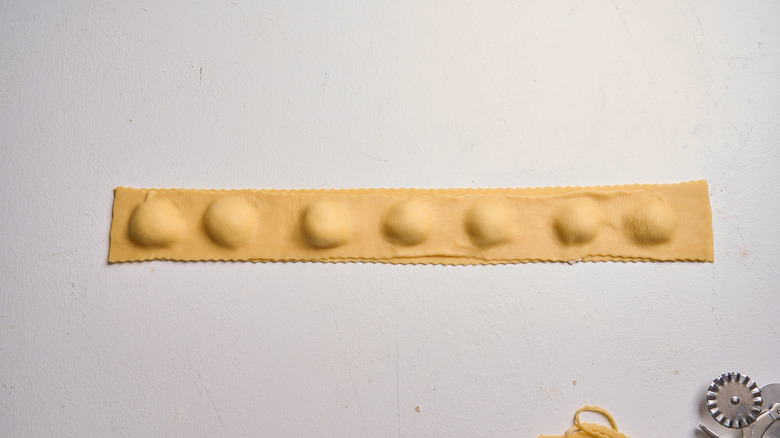
Lay the second strip of dough over the first and firmly press down and around the cheese to seal. Press any air bubbles out.
Step 19: Trim the strips into squares with the cheese in the center
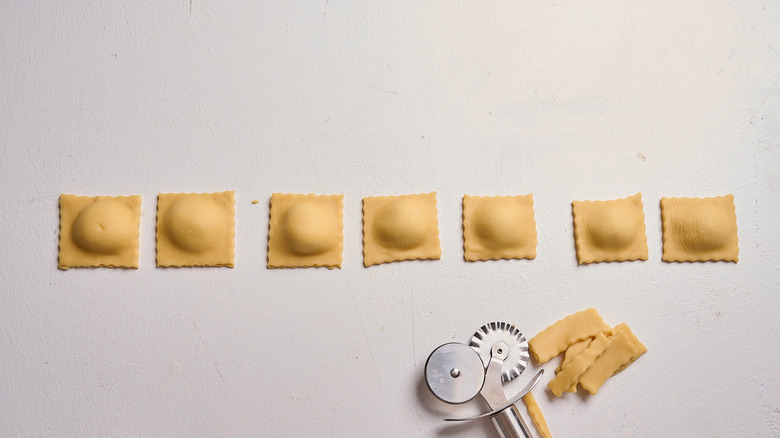
Using a rotary cutter, trim the strips into square ravioli pieces.
Step 20: Repeat the rolling and filling process with the remaining dough
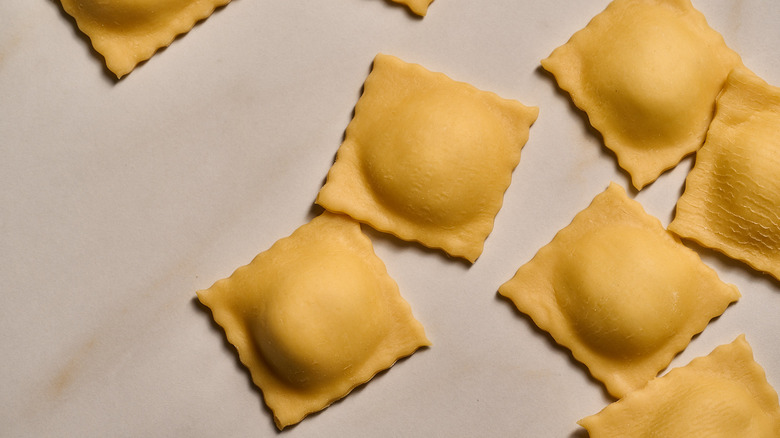
Repeat the process with the remaining 5 dough balls, rolling them out, filling them, and cutting into ravioli.
Step 21: Bring a pot of water to a boil
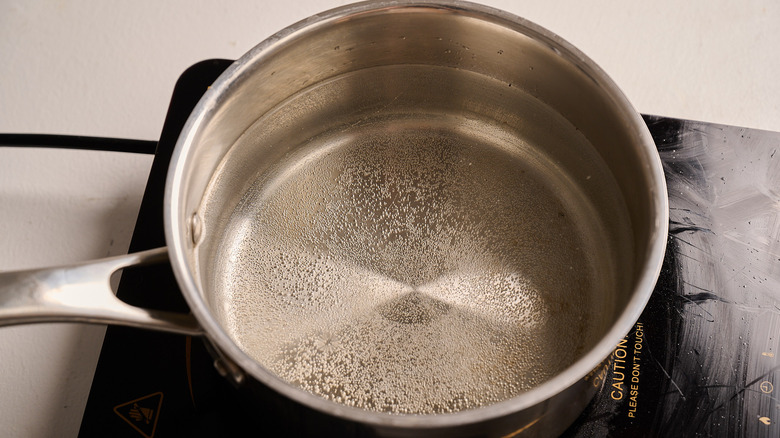
When ready to cook, bring a pot of water to a boil.
Step 22: Cook the ravioli
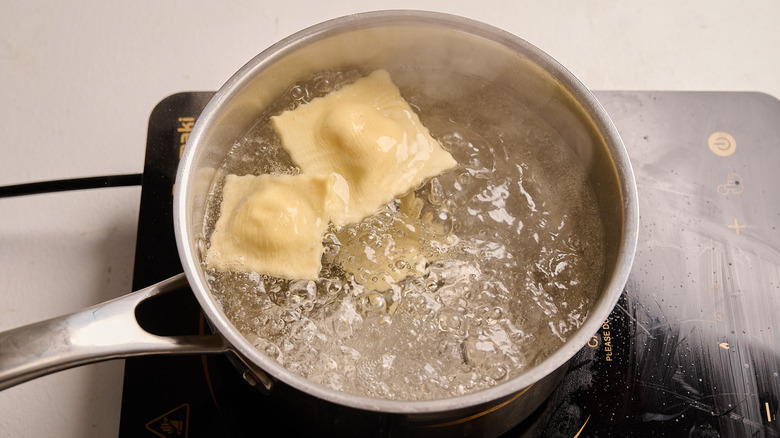
Boil ravioli until floating to the surface, about 2 to 3 minutes.
Step 23: Drain and serve the ravioli
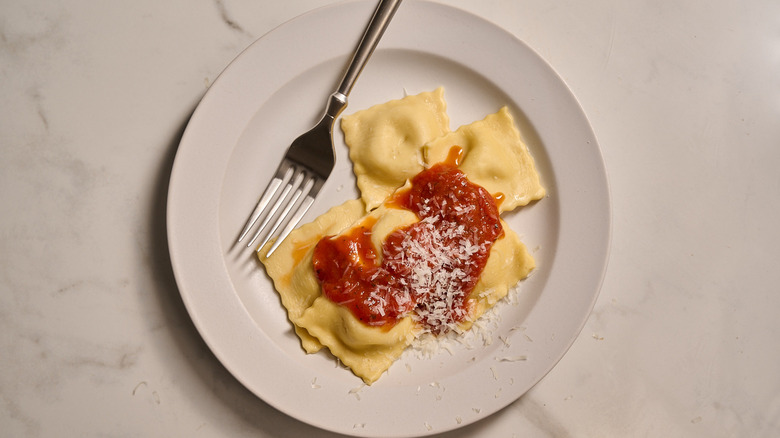
Drain and serve the ravioli with your favorite sauce.
What to serve with homemade 4-cheese ravioli
Homemade 4-Cheese Ravioli Recipe
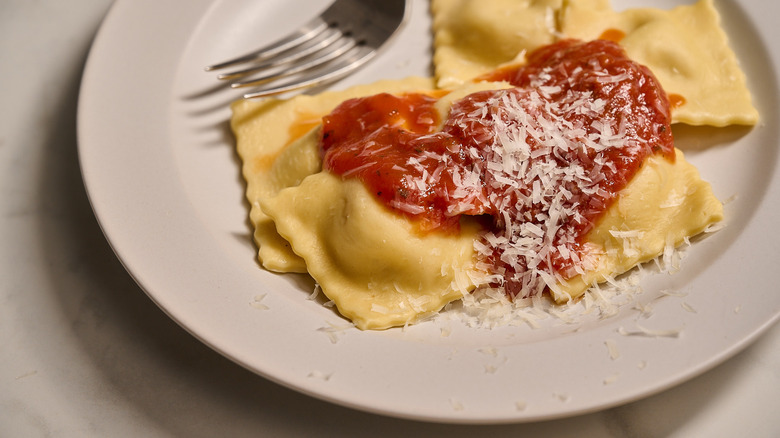
This homemade 4-cheese ravioli recipe walks you through the steps for making fresh, from-scratch pasta - perfect for impressing a date or dinner guests.
Ingredients
- For the pasta dough
- 2 ½ cups all-purpose or 00 flour, plus extra for dusting surfaces
- 4 eggs
- For the filling
- ½ cup ricotta
- ¼ cup mascarpone, softened at room temperature
- ¼ freshly grated Pecorino Romano
- ¼ cup taleggio, softened at room temperature
- 1 clove garlic, minced
- ¼ teaspoon salt
- ¼ teaspoon pepper
Directions
- Add the flour and eggs to a food processor.
- Pulse until the mixture is crumbly, with large, soft pieces of dough beginning to form.
- Remove from the food processor and bring the mixture together using your hands. Knead into a rough ball, about 5 minutes.
- Wrap tightly in plastic wrap and let rest 10 minutes.
- Knead the ball again until dough is smooth. Cover tightly and let rest for 30 minutes.
- In the meantime, prepare the filling by combining all filling ingredients in a bowl.
- Transfer the filling to a piping bag and set aside.
- Cut the dough into 6 pieces. Seal 5 of the pieces in a large plastic bag.
- Roll the first piece out using a rolling pin until it is ¼-inch thick, keeping it the same width or smaller than the pasta machine or roller you’ll be using (either a stand-alone pasta roller or a stand mixer attachment will work).
- Roll the piece through the machine at the thickest setting.
- Fold the ends into the center and rotate, then send the pasta through the machine again.
- Repeat, folding the ends into the center and sending through the machine once more.
- Send the sheet through the next 3 settings, then fold into the center again.
- Send the sheet through the second thickest setting.
- Continue rolling the sheet through every setting, moving up a notch each time, stopping just when you can see your hand through the pasta (you likely won’t go to the thinnest setting on your machine).
- Lay the sheet on a floured surface and trim into 2 long strips, about 1 ½ inches wide.
- Pipe dollops of the cheese mixture evenly across one strip of dough.
- Lay the second strip of dough over the first and firmly press down and around the cheese to seal. Press any air bubbles out.
- Using a rotary cutter, trim the strips into square ravioli pieces.
- Repeat the process with the remaining 5 dough balls, rolling them out, filling them, and cutting into ravioli.
- When ready to cook, bring a pot of water to a boil.
- Boil ravioli until floating to the surface, about 2 to 3 minutes.
- Drain and serve the ravioli with your favorite sauce.
Nutrition
| Calories per Serving | 331 |
| Total Fat | 11.4 g |
| Saturated Fat | 6.0 g |
| Trans Fat | 0.2 g |
| Cholesterol | 135.0 mg |
| Total Carbohydrates | 42.3 g |
| Dietary Fiber | 1.4 g |
| Total Sugars | 0.7 g |
| Sodium | 286.0 mg |
| Protein | 13.6 g |

Why do I need to fold the dough before rolling it?
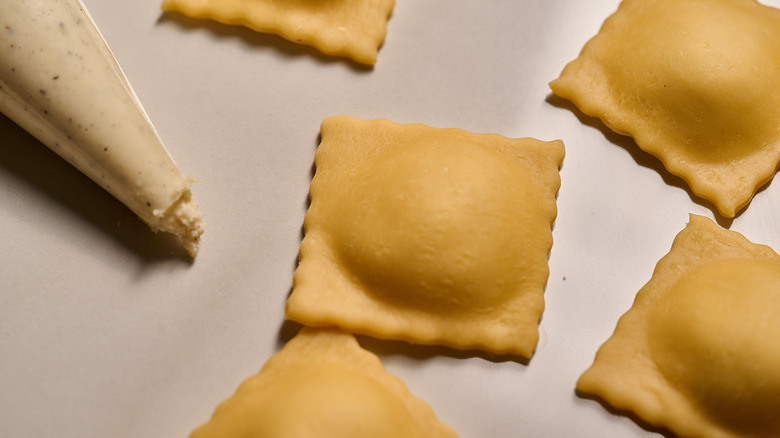
The process of rolling and folding the dough might seem tedious (and it is), but it is necessary in order to create a strong length of thin dough. Pasta dough has to be rolled extremely thin to cook properly (if it is thick, it will be chunky, chewy, and a little gummy once cooked), but rolling the dough thin causes it to rip apart. Folding it prevents this by building the gluten in the dough, creating a smooth and elastic texture. Once strengthened, the dough can be rolled as thin as a sheet of paper without tearing.
Folding the dough also serves a purpose beyond strengthening, and especially so for beginners. It fixes and prevents jagged edges and uneven rolling. Rolling the dough might seem easy enough, but there are many ways the dough can become misshapen while going through the machine. If your dough tears, snags, or simply doesn't look right, you can always fold and send through the widest setting to restart. Folding not only strengthens the dough but fixes any mistakes, which is especially useful when making pasta for the first time.
What sauces work well with this cheese ravioli?
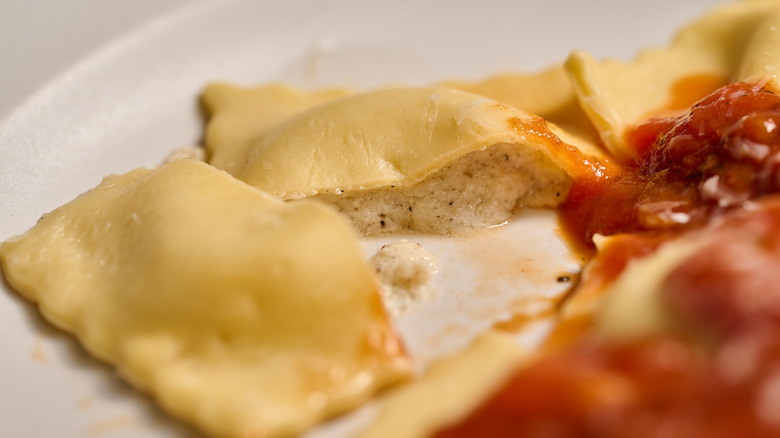
One of the best things about cheese ravioli is its versatility. Almost any sauce works well with it, so you don't necessarily have to plan for a specific sauce. This particular cheese ravioli, made with ricotta, mascarpone, Pecorino, and taleggio, is rich, salty, tangy, and very slightly funky, and as such, the unique flavor is best paired with mild sauces that let the filling ingredients shine, rather than heavy sauces that overwhelm the delicate flavors. For this reason, the best sauce for this pasta is a simple marinara or a drizzling of oil and black pepper.
You don't have to be limited to simple sauces on this pasta, though. Some ingredients can complement the cheeses rather than overwhelm them. Browned mushrooms or a hint of truffle add a unique flavor that complements taleggio, so adding a marsala or creamy truffle sauce works well with this ravioli. You can also frizzle capers in a light white wine sauce for a hint of salty flavor, which works well to emphasize the Pecorino in the recipe.