

Stock Your Bar Without Breaking The Bank: 13 Affordable Liquors To Keep On Hand
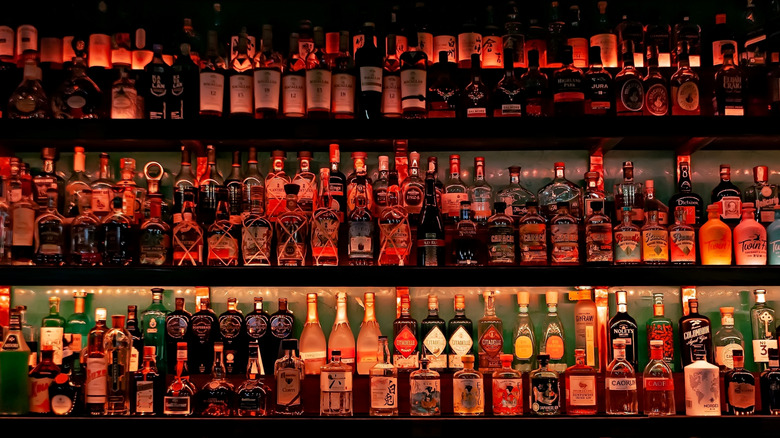
Holidays or not, you can stock your bar year-round without fearing you'll break the bank. Sure, the occasional splurge-worthy bottle is primed to set your guests' eyes aglow, but your next soiree will be all the merrier if you plan your liquor list ahead of time and, most importantly, stock up!
You're probably thinking that caseload will cost more than the luxury tequila you've been eyeing — that hand-painted, brutalist sculpture with the hole in the center. Well, that does sound pricey, but as a mixologist with a taste for quality and brass tacks, let me assure you that you can stock your bar with all the major liquors (and a couple of workhorses) without staring down a big hole on your bank statement.
As a bartender experienced in the craft of making cocktails and balancing flavors, I'm well-steeped in the liquor market. Having worked with major players and local legends, I understand the considerations that come with making a liquor purchase, but for this specific list, we're talking affordability. So, having mentioned brass tacks, here's what I mean when I say affordable. To me, affordability sits at the intersection of quality, versatility, and price point.
If you're on board with the under $20-30 range per 750 ml bottle, then this list of great value spirits is for you. Most bottles are available at your local liquor store, and at these prices, you can stock your bar for roughly $250. Maybe one or two bottles will require extra effort to find, but if you're up for it, this list will ensure you're getting the best bang for your buck while having something for everyone.
Bourbon
Bourbon is a must-have for every self-respecting bartender. When I say bourbon, I'm talking the bona fide, full-bodied American sipper. Smooth, sweet, and rich, she's a whiskey with qualifications and panache. Her mash bill is at least 51% corn; she's aged in American new charred oak barrels, and she's bottled at a minimum 80 proof. Can I get a yee-haw?
Any American whiskey that meets those qualifications, by definition, is bourbon, though most folks still associate it with Kentucky. Despite no legal designation in regard to bourbon's provenance within the 50 states, 95% of all bourbon does, in fact, come from Kentucky, so it certainly seems to have earned its reputation.
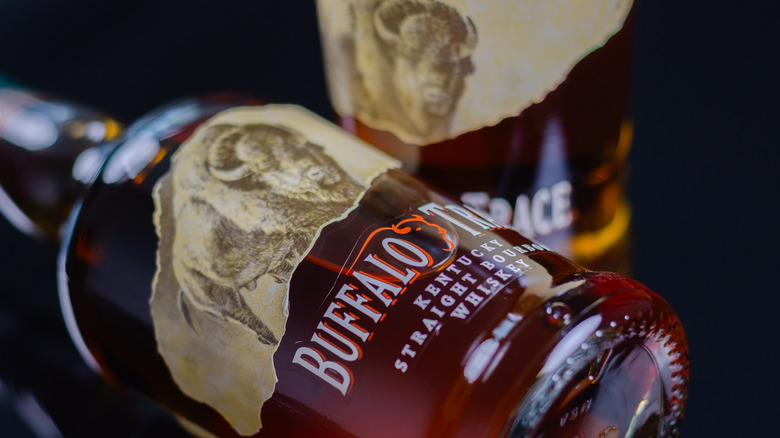
Renowned for its suite of major brands, Buffalo Trace Distillery is a Kentucky-based outfit that's long set, and still maintains its high bar among the best bourbon and rye whiskeys. The company's eponymous bourbon is feeling the effects of high demand and slow production times, which has created a scarcity of Buffalo Trace Bourbon. But the midrange bourbon's price tag has held firm, starting around $29.99, which is good for us.
Old Grand Dad is another worthy contender coming out of Kentucky that packs a big punch at a low cost. Retailing for as low as $19.99, Old Grand Dad's high-rye mash bill makes it great for mixing cocktails. It has a spicier profile than the sweet and mellow Buffalo Trace, which is certainly the best of the two when it comes to slow sipping.
Gin
Gin may be a polarizing spirit to some, but the juniper-kissed distillate is, in fact, the backbone of every real-deal bar. It doesn't matter whether that bar is nestled into the lobby of a luxury hotel in London or situated opposite the foyer in your modest flat; gin is the magic elixir from which the elegant martini is made.
After all, a gin martini is a ballet where the power of each fluid motion is harnessed to perfection. It's a delicate balancing act of flavor, like a ballerina en pointe, resting atop the strangest stemware of them all. Unlike the ballerina's gravity-defying act, however, you need not break your budget to stock your bar with a great-tasting gin.
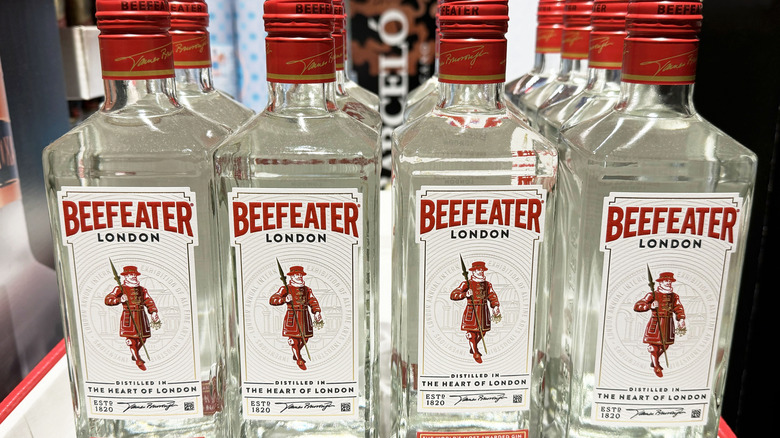
When researching types of gins, there are plenty of rabbit holes to fall into, but if a smashingly good martini is on order, a London Dry is the perfect choice. Beefeater is great for mixing classic martinis and gin and tonics, too, but for a less juniper-forward profile, Bombay Sapphire is a good value option.
If gin's your thing, I recommend investigating local producers and small-scale distilleries for added variety, but if it's an all-around palate pleaser you seek, go with a dry gin from a reputable source. Beefeater retails for roughly $23.99 and is my go-to, while Bombay Sapphire is slightly more expensive at around $25.99.
Vodka
Similar to gin, vodka is a necessary liquor any bartender must have ready. Depending on the frequency of your soirees, buying in bulk may be your best bet. Luckily, several major brands produce quality, affordable vodkas in multiple sizes.
Tito's vodka offers great value for pricing as a 750 ml bottle costs between $16-22 while a 1.75-liter handle ranges between $30-33. Made in taste-tested batches, Tito's vodka is distilled six times over, performing similarly to a premium vodka on the palate. Vodka's versatility is due to its neutral flavor, so it's wise to have a bottle (a handle?) on hand, even if it's not your personal pick of the litter.
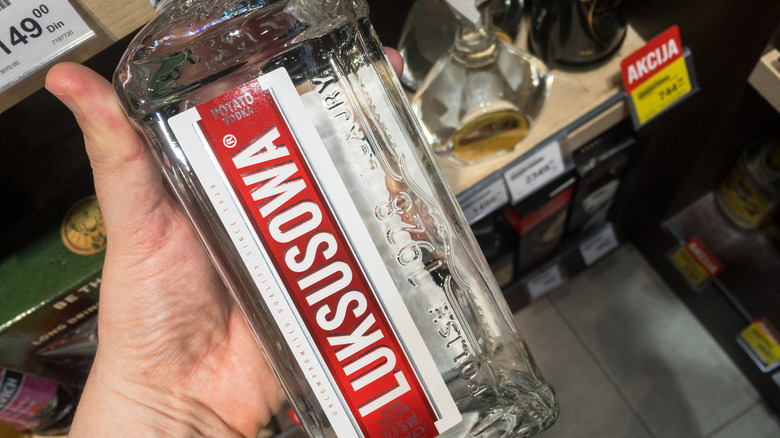
If it's a workhorse you're after — a vodka perfect for making Moscow Mules and many other cocktails — look no further than Luksusowa. Retailing in the $16-23 range, the Polish vodka is distilled exclusively from potatoes, ensuring that it's a gluten-free spirit. Meaning "luxury vodka" in Polish, Luksusowa is a highly refined vodka that boasts an impeccably clean taste, making it one of the most affordable canvases for the art of mixing cocktails.
Whether you lean foreign or domestic, there's no rule saying you can't try them all! With lots of quality options at affordable prices and multiple sizes, you can experiment to your heart's content. It'll certainly make for a well-stocked vodka bar.
Tequila
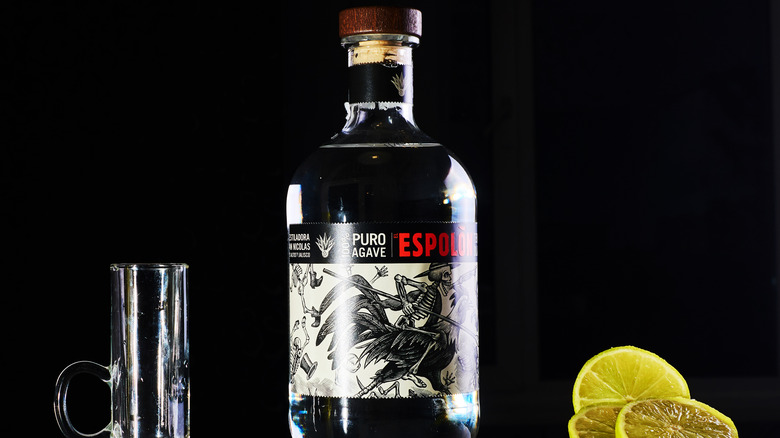
Tequila is known the world over for its distinct flavor and cultural import. But a little-known fact is that its production and distribution come with a set of mandates that regulate what legally qualifies as tequila. Therefore, when shopping for a midrange tequila, it's wise to know your way around a label.
Since we're talking affordability and not production jargon, I'll just leave you with this quick disclaimer: If you crack the cap on a "fake" or mixto tequila because you failed to account for the phrase "100% Puro Agave" on the label, you've just lost it all — dollars and dignity. That's it. Pour it down the drain.
The genuine article indeed comes with a costlier price tag than its bar staple counterparts, but there are several high-quality, cost-effective options in the tequila game. I love the consistency of quality and accessibility of Espolòn, but reaching beyond the major players making silver tequilas, my go-to is Pueblo Viejo. Both are the real deal and are made from 100% Blue Weber agave in Jalisco, Mexico. Pueblo Viejo emphasizes purity while Espolòn leans contemporary. Showcasing an herbal backbone, with citrusy notes as opposed to Espolòn's peppery profile, Pueblo Viejo Blanco shines neat, on the rocks, or mixed. At around $23.99, Espolòn Blanco is the more accessible option, but a bottle of Pueblo Viejo Blanco is a little cheaper, with prices starting around $17.99.
Mezcal
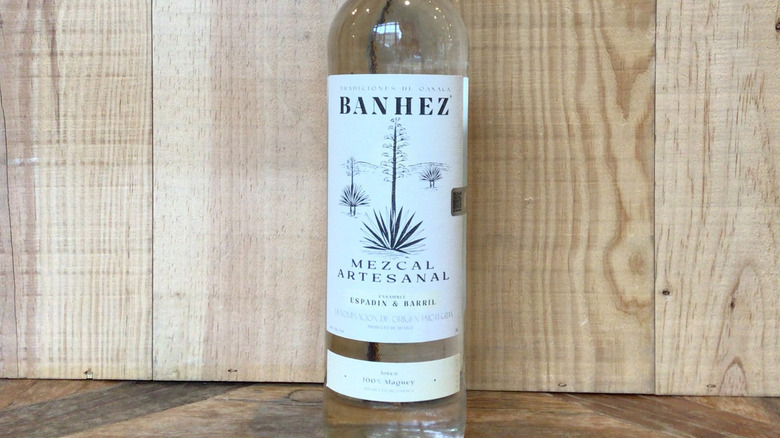
If mezcal doesn't rank on your list of must-have spirits, you're doing it wrong! If it isn't, though, I understand; mezcal's inherent smokiness can be off-putting, and you need to be prepared to spend bourbon prices for a good quality bottle. Pair that with a bland epicurean attitude, and it can be a hard sell. But for those with a taste for mezcal, the complex Mexican spirit that's not tequila, its higher price tag is simply the cost of entry to get to know this smokeshow.
While the flavor gives off the perception that it's a niche ingredient, mezcal is, in fact, endlessly versatile. Used in place of tequila, gin, or any of the other usual suspects, mezcal makes for a perfect upgrade to classic cocktails, lending traditional flavors with its bold character and layered complexity.
Smooth and versatile, Banhez Joven is a solid entry-level mezcal, showcasing great value and retailing beginning at $29.99. Other great value options are Del Maguey Vida and Montelobos, although the price range does increase to the $31-45 range. Mezcal's smaller scale of distribution also puts limitations on its availability, which means prices and selections may vary significantly. All this is to say, move on from the trendy terroir gin and get into mezcal already.
Rum
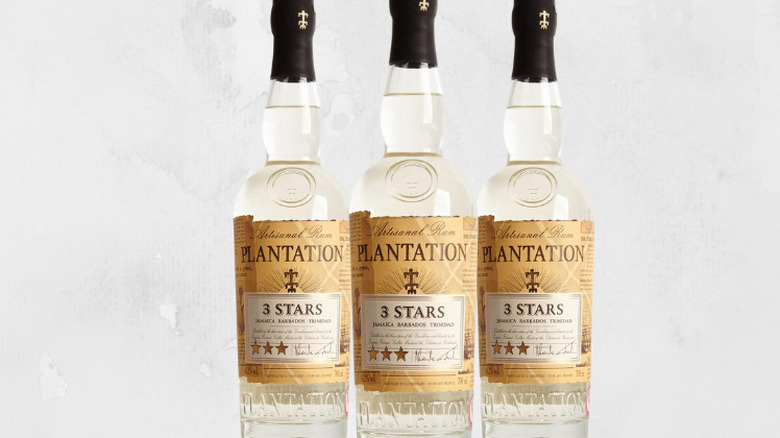
A bit of a sleeper spirit, rum is an absolute necessity for any well-stocked bar, and when it comes to affordable brands on the market, I'm sure you know all the usual suspects. While you can readily procure a bottle of Captain Morgan's, Bacardi, or Gosling's for the same cost (or less) as my recommendations, let me tell you about these rums because they're affordable, delicious, and full of history.
An artisanal blend of Caribbean rums, Plantation 3 Stars is a white varietal that's perfectly balanced for cocktails. It's a worthy sipper, too, making it a great value at around $25. Another go-to selection, Barbancourt Rhum 3 Star is a stellar option, also retailing around $25. Made in Haiti, Barbancourt is a rhum agricole, which is a distinct varietal made from sugarcane juice instead of molasses and has an earthier, vegetal profile.
I love a good daiquiri, but unless it's summertime and I'm seaside, rum is just one of those spirits I seldom reach for. That said, there's so much more to rum than the boilerplate white and spiced options. In fact, there are plenty of rum variations that differ widely according to region. Combined with the stories of rum's history in the Caribbean Islands and Brazil, rum is much more than a mixer for cola.
Scotch
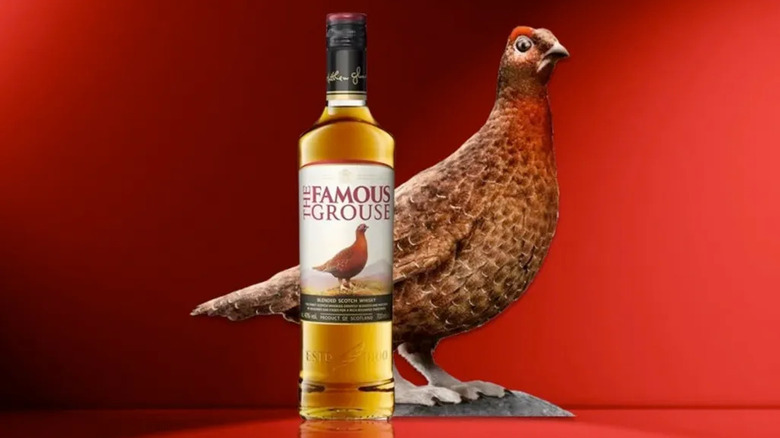
I certainly don't mean to typecast, but if you're a Millennial reading this, you could probably get away with leaving scotch off of your list entirely. Sure, it's risky, but if you make sure to stock an Irish whiskey in its place, you may just save some face. But for the old souls out there who refuse to sacrifice old Smokey, here's my pick among the affordable scotch whiskies you can stock your bar with.
One disclaimer before we get going: If you are looking for single malt, this is not your list. Entry-level prices for single malt scotch typically begin at around $60, and that's a conservative estimate. For our price point, I'm only talking about blended scotches, which, for the layperson, is when single malts from different distilleries are mixed together. It's not bad — it's just not single malt.
The Famous Grouse is one of Scotland's best-selling scotch whiskies for good reason — it's tasty and affordable. Generally selling around $29 per 750 ml bottle, The Famous Grouse will get you where you want to be, whether the incoming order is "three fingers" or "rusty nail."
Brandy
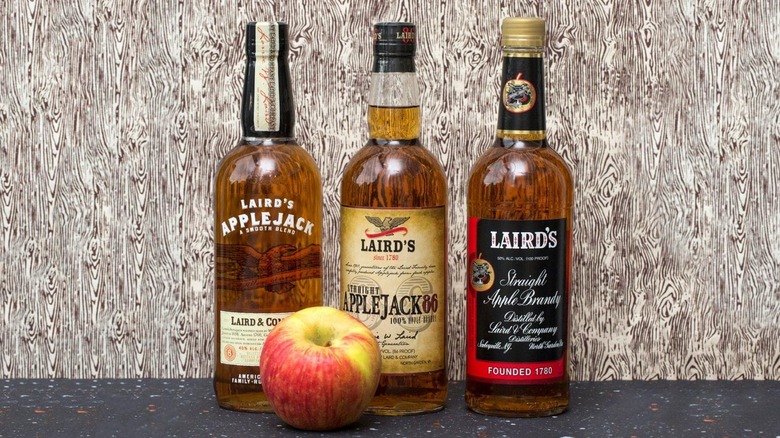
Brandy is the kind of liquor that only a Colonel Mustard-type drinks–right before he stabs Miss Scarlet in the lounge with the dagger. Perhaps you've heard of the "lost weekend"? It's the name for the period in the '70s where John Lennon and Harry Nilsson romped around Los Angeles, drunk off Brandy Alexanders. Yeah, it's a wild ride with brandy, but if you're serious about mixing drinks, then you'd best stock your bar with a bottle, and be sure to drink wisely.
It could be because I'm a bartender or because I'm tasked to tell you how best to stock your bar with price-conscious bottles that are both tasty and versatile, that my selection tends to sidestep the old-world options like Cognac and Grappa. But since we're discussing quality products with great all-around value that are perfect for mixing cocktails, I can't help but lean into something more modern.
Enter Laird's Applejack. Based in New Jersey, Laird & Company has been producing apple brandies for centuries, and its current portfolio is sure to pique the interest of any ambitious bartender out there. If it's an elevated nightcap you seek, spring for Laird's Straight Applejack. It's 100% apple brandy, and priced in the $30-40 range, it comes at a higher cost than Laird's Blended Applejack, which is preferable for mixing drinks. Better still, the latter retails for $16-25, meaning you can stock your bar without breaking the bank.
Rye
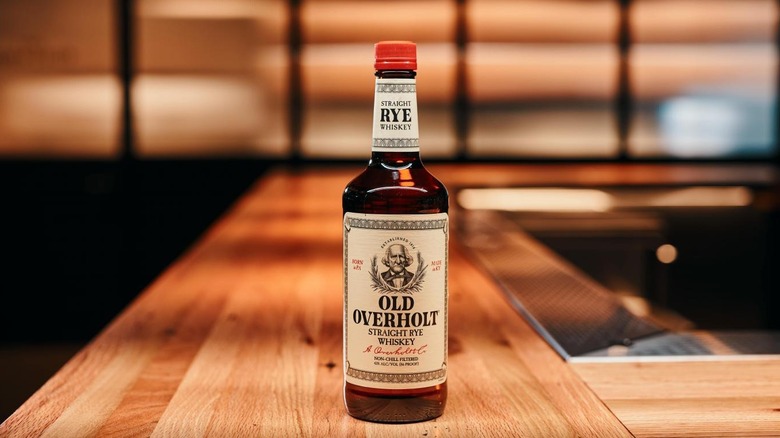
Serious bartenders promptly ask, "Bourbon or rye?" after hearing (insert classic whiskey cocktail of choice). That's because rye whiskey, also considered bourbon's spicy second cousin, is a regular stand-in for its sweeter counterpart. With a dominant mash bill of rye instead of corn, rye is generally drier, fruitier, and spicier than bourbon, making it a sturdy backbone for building drinks.
When it comes to affordable rye, there are more than a few worthy options for every palate. Prefer a softer, sweeter variation? Opt for a Maryland-style rye whiskey. If it's a chewy texture and spicy taste you're after, opt for the historic Old Monongahela. But if it's cooked caramel aromas and spicy fruit flavor you like, Old Overholt is for whiskey lovers like you.
Not only is Old Overholt Rye great tasting, but it also retails in the $19-22 range, making it a strong contender for top pick of the entry-level bottles. Another budget-friendly bottle, Rittenhouse Rye holds up great in whiskey cocktails like Old Fashioneds and Manhattans, and only costs between $24-30.
Orange Liqueur
While extra liqueurs and the like may sound superfluous to the inexperienced bartender, every well-stocked bar has these workhorses on hand because they seal the deal for most cocktails. Need to make a Cosmopolitan? What about a margarita? Don't have any orange liqueur around? Welp, good luck with that. Sure, you could squeeze a bowlful of citrus on the fly (it will take you much longer than that in reality) and get the margarita out in good order, but why not just look like you know what you're doing? In other words, stock your bar with an orange liqueur and save yourself the pain.
Orange liqueur is a catch-all term to describe curaçao liqueurs and triple secs, which are both, you guessed it, orange-flavored liqueurs. While each distillate has a unique orange character, as well as varying methods of production, the most recognizable brand of orange liqueur is likely Cointreau. The iconic square bottle is pricier than most on this list, and luckily, there are delicious orange liqueurs that aren't Cointreau.
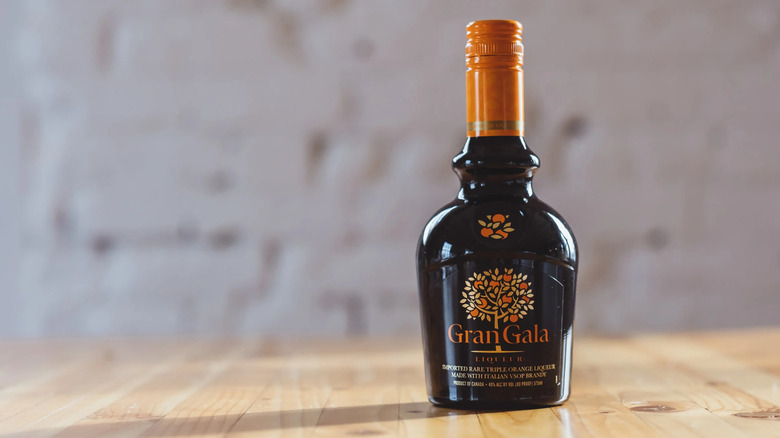
Gran Gala is one such contender. A 750 ml bottle retails between $15-25, and at that price, you can afford to stock your bar with other flavored liqueurs. That way, you're ready for anything.
Coffee Liqueur
Every bar has a dark spot–that one corner, way in the back of the liquor cabinet, where the coffee liqueur sits untouched. While it's unlikely that you've pulled your coffee liqueur out into the light, that doesn't mean it doesn't deserve its place. If Irish cream is more your thing, then go for it. And in this particular case, I'll extend you some latitude.
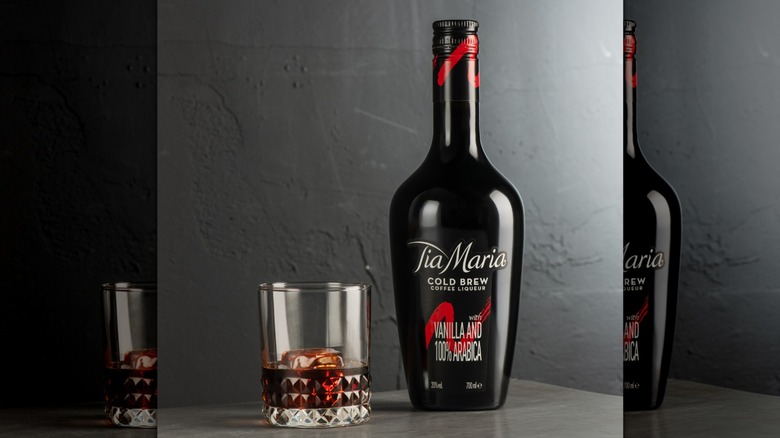
As the rum-based coffee liqueur and the whiskey-based Irish cream are fundamentally different in taste and texture, you truly need not stock your bar with both. Hence, the house makes the call on this category, and since we're in my house, technically speaking, I'm stocking coffee liqueur! Therefore, my nomination for coffee liqueur in the category of affordability goes to the one and only Tia Maria.
Tia Maria retails between $19-30 for a 750 ml bottle, but it's so luxurious, you'd think it would cost more. Made from 100% Arabica beans, Jamaican rum, and natural vanilla, it's the perfect punch-up for a White Russian.
Amaro
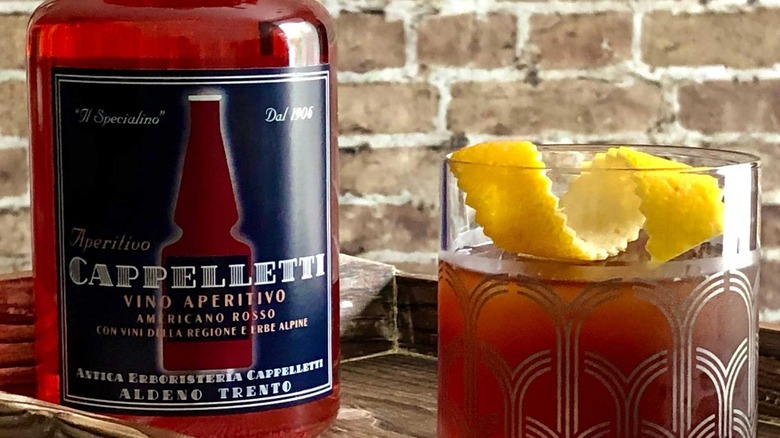
Another catch-all term relating to the bitter Italian spirit, amaro comes in a variety of styles and flavor profiles. While it feels wrong to lump all the distinct variations into a one-size-fits-all category, one very present character trait unites all amari: Bitterness. Depending on your palate, amari is the perfect accompaniment to food, so it's great for solo sipping, but similar to the other liqueurs I've mentioned, amaro has a utilitarian function as well.
Behind the bar, amaro proves to be an extremely useful ingredient when adding complexity and balancing out sweetness in cocktails. As any well-versed bar enthusiast knows, amaro is an indelible ingredient in the contemporary cocktail sphere. You'd be a fool not to stock your bar with at least one amaro, but you should really try a few expressions to round out your bar's selection of digestivos.
An integral component in the beloved Negroni, Campari is an aperitivo amaro that belongs on your barshelf. Retailing in the $25-45 range, Campari lands on the high end of the affordability scale, but you can get practically the same effect with Cappelletti Aperitivo. Usually priced around $19-25, Cappelletti Aperitivo is perfect for spritzes and classics alike.
Vermouth
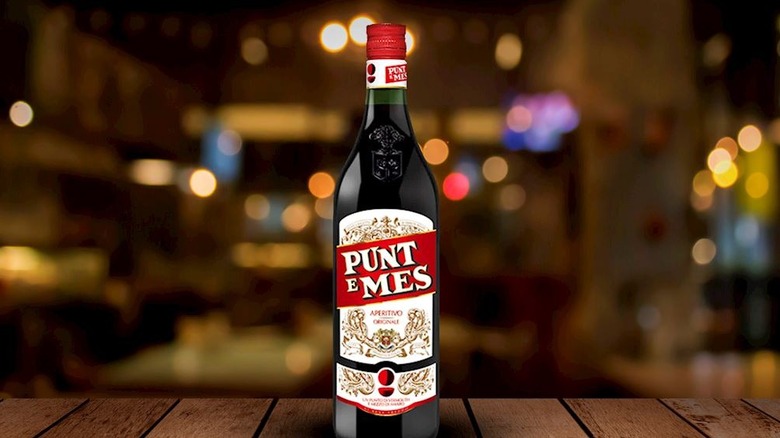
Lastly, vermouth is a necessary agent to qualify as a full bar. While the fortified wine is best stored in your refrigerator instead of your liquor cabinet, you must stock dry and sweet vermouth somewhere within arm's length of your bar. Vermouth is a quintessential ingredient for many of the classic cocktails, from the original martini to the aforementioned Negroni, so again, you must stock your bar with it. But how much does it cost?
As long as you're not hosting a cabaret-inspired party, you can probably get away with a couple of 375 ml bottles, and as a bonus, they'll take up less space in your fridge. Dolin offers Dry, Rouge, and Blanc in "half-bottles," priced at $14-20.
Staying within our parameters of affordability, for those looking for something a bit more interesting, enter Punt e Mes. Retailing from $20-32 per 750 ml bottle, this bittersweet vermouth comes from the producers behind Carpano Antica Formula, which is, in essence, the gold standard of vermouth.