

The Most Popular Desserts In The US Through The Decades
At the time of writing, we're only midway through the 2020s, so we don't know what the most popular dessert of the decade will be. If we had to make an educated guess, we'd say maybe Dubai chocolate or matcha cookies. Come back in about five years, and we'll see how well that sentence aged. If you're reading from the future: Hi, how did we do? Did we age well?
Unfortunately, we don't have a time machine to see what the dessert of the 2020s will turn out to be. Luckily, though, we do have an internet full of historical resources, so we can look back on the past to find out the most popular desserts of the last century.
If you've ever thought to yourself: When did the ice cream cone become a thing? How did people get their sweet treats in the 1930s? And where did tiramisu actually come from? We've also got the answer to all of these questions. Keep reading for a dessert trivia feast.
1900s - Ice cream in a cone
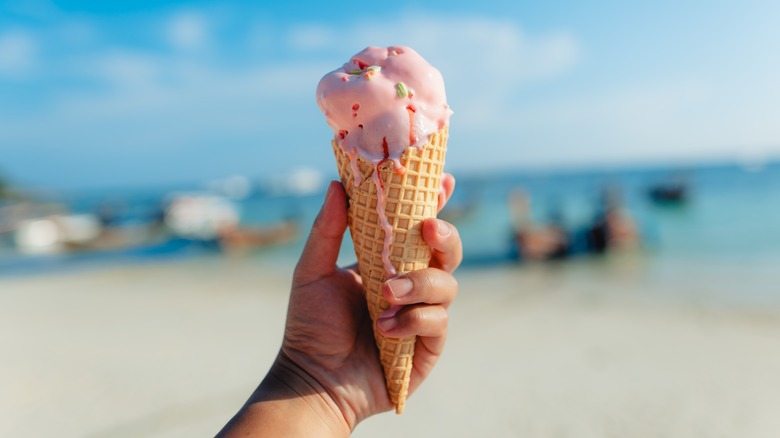
Today, it's a given that if you're heading to the beach or out for a balmy summer evening stroll, you'll be able to grab a scoop of your favorite frozen sweet treat in a crunchy edible cone. It's a classic offering — tasty, sure, but far from an exciting novelty.
But back in the 1900s, that wasn't the case. Cones weren't invented until the late 1800s to early 1900s (several people are credited with creating their own versions of a modern edible cone), and they weren't available to buy until 1904. In that year, ice cream cones appeared for the first time at the St. Louis World's Fair, and they were a huge hit. The idea came from a Syrian concessionaire named Ernest A. Hamwi, who modeled his version after the Syrian treat zalabi and rolled one of them in a cone-like shape to assist a nearby vendor who had run out of dishes for their ice cream.
Word about ice cream cones spread. And by the end of the decade, edible cones were being produced in factories to keep up with demand.
1910s - Devil's food cake
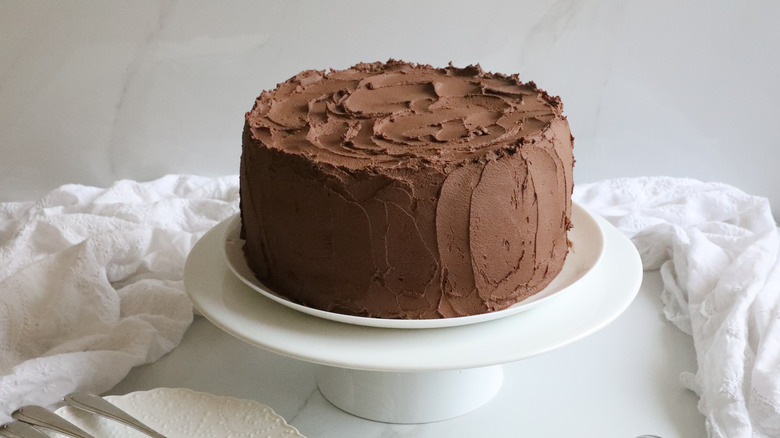
If you're a chocolate cake fan, you've probably come across devil's food cake at some point in your life. It's basically an extra-rich and dark version of the classic sweet treat, because it's made with lots of cocoa powder, more baking soda, and more oil than butter. The first known recipe for devil's food cake appeared in the 1902 cookbook "Mrs. Rorer's New Cook Book," and by the early 1910s, it had truly caught on.
During that decade, many cookbooks included recipes for devil's food cake, although they were a little different than the kind you'd usually come across today. In fact, one recipe from 1912 instructs the baker to mix one cup of warm mashed potatoes into the batter, alongside classic ingredients like chopped nuts and unsweetened chocolate. This may sound odd, considering the typical ingredients used in cakes, but mashed potatoes can actually give your chocolate cake some much-needed moisture and softness.
1920s - Jell-O
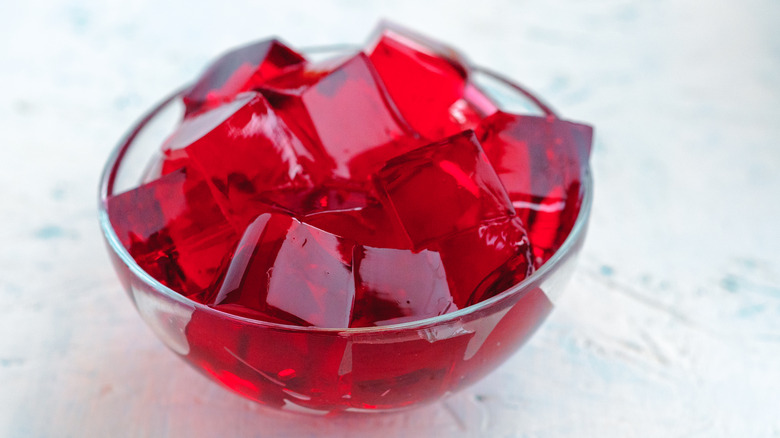
Throughout the 1900s, people had a lot of fun experimenting with Jell-O. In the 1950s and 1960s, for example, people were all about Jell-O salads, and would pair the wobbly ingredient with everything from tuna to veal. Now, Jell-O is more of a sweet treat, but you could argue that Jell-O has also returned to its roots, because in the early days of the product, people usually saw it as a dessert. It makes sense, considering the first variations of Jell-O to exist were classic dessert flavors, like orange, lemon, strawberry, and raspberry.
Jell-O was launched in the late 1800s, but by the time the 1920s rolled around, it was beloved across the U.S. It was marketed as an affordable and sweet dessert that was also incredibly versatile and easy to prepare, and capable of feeding multiple people with just one packet. When whipped and combined with other ingredients like fruit, it could feed even more. Given this, it's no surprise that it held in popularity well into the following decade, which would see the Great Depression grip the country and plunge millions into years of financial difficulty.
1930s - Mystery cakes
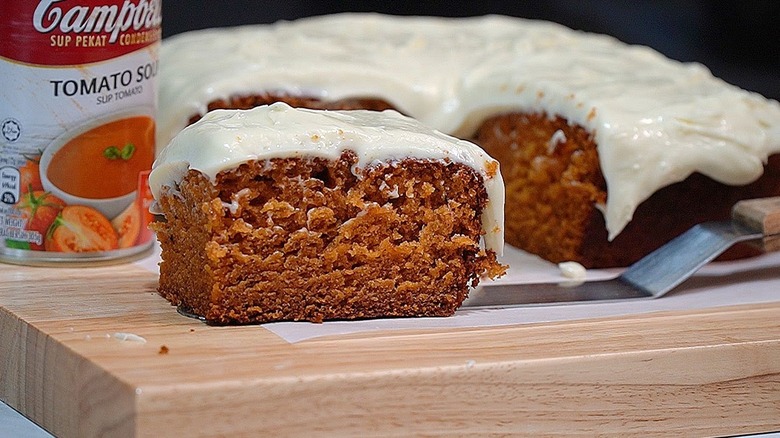
In 1929, the stock market crashed, ending a decade of massive economic growth in the U.S. The impact on Americans was devastating. Joblessness was widespread, and by 1932, roughly 12.5 million people were unemployed. One of the biggest knock-on effects was hunger and food insecurity. People suddenly had to make do with very few, very simple ingredients, and this led to the creation of recipes like peanut butter bread and Hoover stew. For dessert, there was mystery cake.
As the name implies, these cakes were made with a "mystery" ingredient, which was usually whatever the baker had been able to source to make it with. It wasn't just a dessert, it was also a bit of light entertainment, as diners tried to guess what was in the cake. But if you'd already eaten or made a mystery cake (also known as magic cake), you'd probably instantly win that game, as the ingredient was usually the same thing: Canned tomato soup.
Yep, it turns out that canned soup, similar to mashed potatoes, can help add moisture, bind ingredients together, and add some pleasantly sweet flavor to cake recipes. And don't worry, it doesn't all taste like tomato, either.
1940s - No-bake cookies
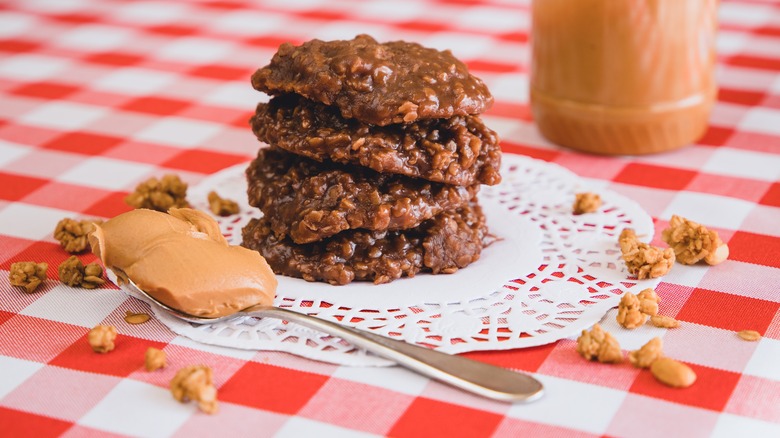
Unfortunately for many Americans, the 1940s didn't bring that much relief from the Great Depression years. Due to the need to send resources to the military, rationing was introduced across the country, and restrictions weren't fully lifted until 1947. But just as they did in the 1930s, people got creative with what they had.
Many desserts were popular during this era, but no-bake cookies, in particular, were having a moment. This was because they didn't require a huge amount of ingredients. Often, oats or even cornflakes would be held together with ingredients like peanut butter, a little bit of sugar, some syrup, and a couple of tablespoons of butter. It would all be mixed together, flattened, and then left on the side to cool.
No-bake cookies weren't left behind with the 1940s, of course. Today, they are still a popular sweet treat. They're low maintenance, easy to make, and can be made with everything from oatmeal to puffed rice cereal.
1950s - Baked Alaska
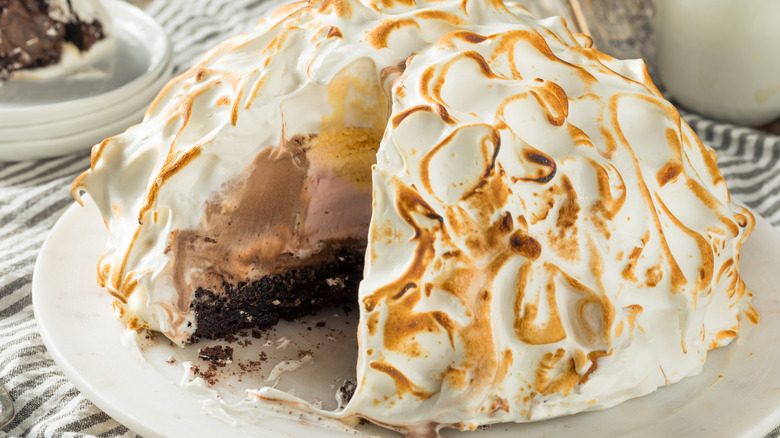
After the hardship of the 1930s and 1940s, the 1950s were a more stable decade for many families in America. Rationing was over, the economy was on the upswing, and more ingredients were available to many people. Dinner parties became a popular social pastime, and dishes were designed to impress. Deviled eggs and shrimp cocktails were popular appetizers, while the main course would often be something like chicken a la king or baked ham. For dessert? If you wanted to wow your guests, it would have to be baked Alaska.
Baked Alaska wasn't invented in the 1950s. One commonly accepted theory is that the dessert actually first made its appearance on a New York City menu in the 1870s. It was inspired by similar dishes from France, which would feature an unlikely combination of cake, ice cream, and meringue.
Baked Alaska, with its signature dome shape, was fun and creative, and people were in awe of the combination of frozen ice cream and torched meringue. Boosted in popularity by the recipe in the 1956 edition of "Betty Crocker's Picture Cook Book," the sweet treat became the perfect way to close out a 1950s dinner party with extravagance and style.
1960s - Ambrosia salad
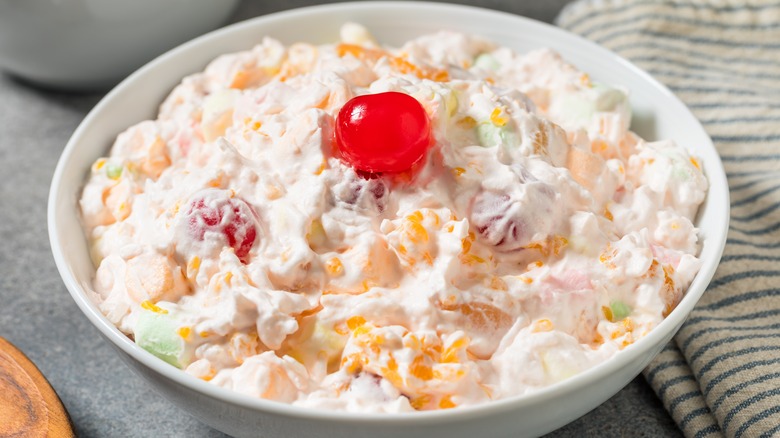
Let's get one thing out of the way first: Ambrosia salad is far from a salad in the traditional sense — there are no leafy greens in sight. This dessert dish, popular throughout the 1960s, is an indulgent combination of ingredients like peeled oranges, sugar, shredded coconut, and whipped cream. We told you it wasn't anything like a salad.
Many recipes for ambrosia salad would add marshmallows into the mix, too, and others, oddly, would mix in some mayonnaise or cottage cheese. In fact, many households had their own twist on the recipe. Some would swap out the oranges for pineapple, for example, and combine everything with Jell-O, while others would add grapefruit or pudding mix.
Ambrosia salad started to fall out of favor toward the latter part of the 20th century, but some people do still make it today. For many, this is for nostalgic reasons, but others still see it as a tasty addition to potlucks and holiday gatherings.
1970s - Chocolate mousse
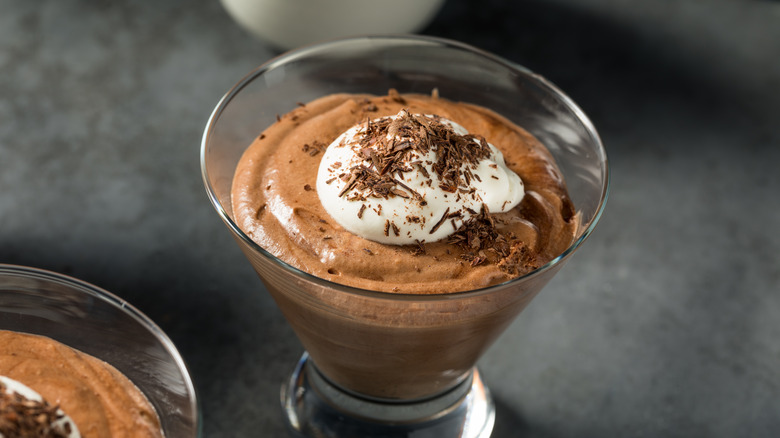
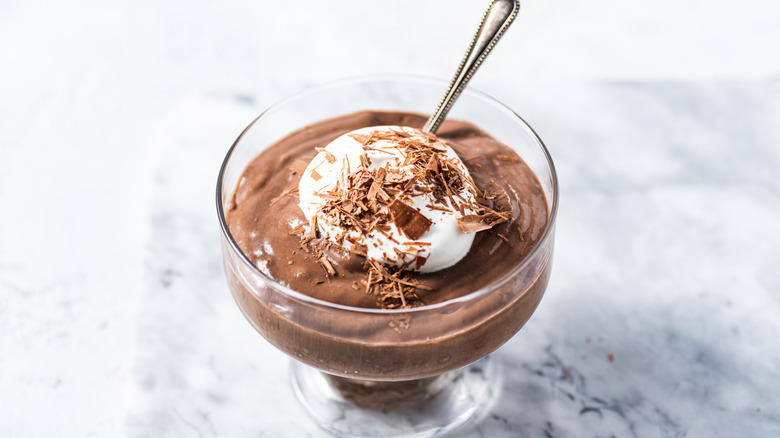
Mousse is a classic and timeless dessert. It's been around since the 18th century (when it was likely invented in France — mousse means "foam" in French), and it's still a popular dessert choice today. You can make it with strawberries, coffee, and even avocado, but chocolate is one of the most popular flavors. Arguably, though, chocolate mousse has never been a bigger deal than it was back in the 1970s. Many remember their mom serving it to them as an after-dinner treat during this decade, for example, sometimes with a generous dollop of whipped cream in the center.
People enjoyed chocolate mousse so much in the 1970s for many reasons. Of course, there was the light, airy, silky taste, but it was also incredibly easy and quick to whip up. Often, you could make it with just two ingredients: Heavy cream and chocolate pudding mix. Easy recipes were essential for many families during the 1970s, as this was a time when women, who had historically spent most of their time at home, were starting to work more and cook less but were still expected to fulfill the latter duty.
1980s - Tiramisu
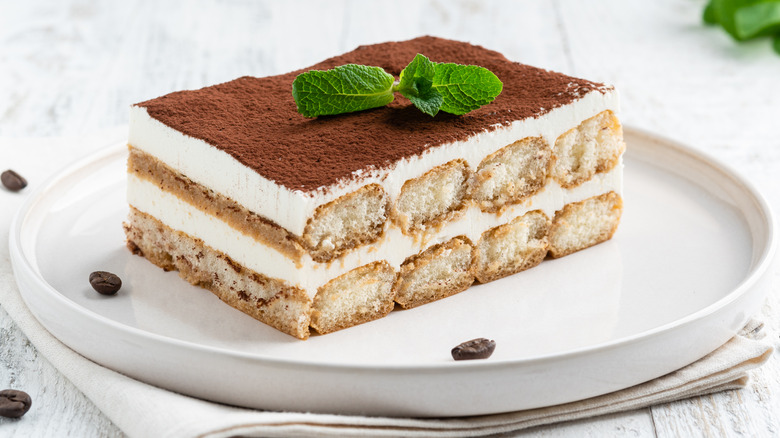
Tiramisu is one of those foods that's a little shrouded in mystery. One legend states that it was first made by a 19th-century madame in Treviso's brothels as a tasty way to help patrons stay alert at the end of the evening (This tracks: The name translates to "pick me up" in English). The story is disputed, though. Some maintain that tiramisu was invented in Venezia Giulia, near the Slovenian border, in the 1950s, while others claim it was actually a Treviso trattoria, not a brothel, that served the first tiramisu in the 1970s.
Anyway, however it came to be, the fact remains that tiramisu, a creamy coffee dessert made with ladyfingers, cocoa, and mascarpone, was a hit. And not just in Italy, but in the U.S., too, where, you guessed it, it landed on restaurant menus in the 1980s.
The primary reason for tiramisu's popularity surge in the 1980s is pretty simple. During this decade, interest in Italian cuisine in general was taking off — people enjoyed the taste, for example, as well as the fact that it was different from what they usually ate. It was also seen as upmarket and exciting, loved by top chefs in fancy restaurants. As a result, more authentic, Italian-produced ingredients flooded into the country, including mascarpone, an essential component of tiramisu. The dessert ultimately lived up to what people had come to love about Italian cuisine during this time: It was indulgent and comforting, with a touch of sophistication.
1990s - Viennetta
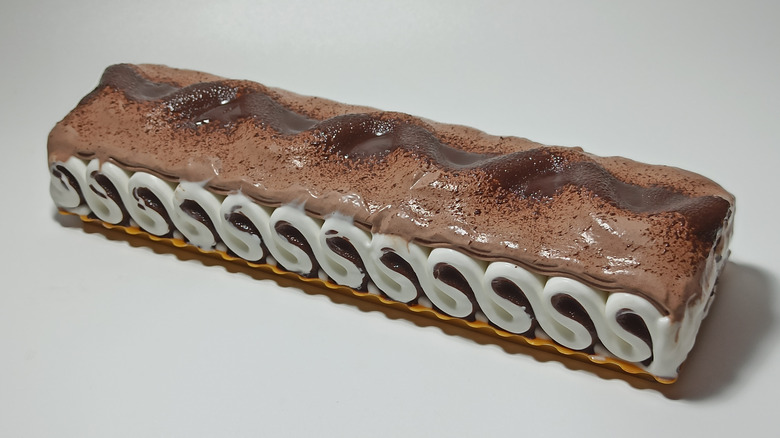
In the early 1980s, British ice cream brand Wall's wanted to give Brits an alternative to the classic Christmas pudding dessert that was traditionally served over the holidays. It makes sense: Many young people don't like Christmas pudding anyway, likely because it's studded with raisins and slathered in brandy butter. It's a universal truth, however, that young people do like ice cream, so Wall's created an ice cream cake with chocolate layers. That ice cream cake was, of course, Viennetta, and its popularity extended well beyond the U.K.
In fact, many Americans look back on Viennetta as the must-have dessert of the 1990s. It didn't just taste good, it looked good, too. In fact, it looked far fancier than it ever actually was. The ice cream cake was discontinued in the U.S. before the end of the decade, but people felt so nostalgic for Viennetta that, in 2021, Good Humor (that's the U.S. counterpart of Wall's) actually decided to bring it back to the U.S. market. At the time, it stated the decision was due to high demand from customers.
2000s - Cupcakes
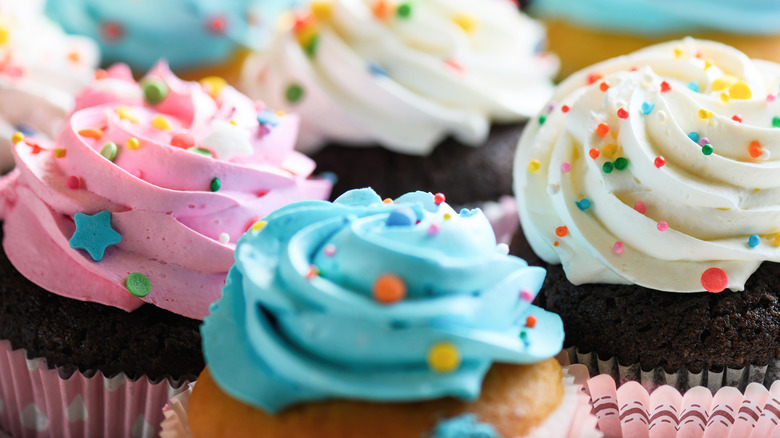
We have a lot to thank "Sex and the City" for. From helping more women embrace their sexuality to making cosmopolitan cocktails a thing, the HBO series had a major influence on society. But one thing you might not necessarily think to give it credit for? The cupcake craze of the 2000s. But yes, it turns out, when Miranda (Cynthia Nixon) and Carrie (Sarah Jessica Parker) ate cupcakes from Magnolia Bakery in Season 3, Episode 5 of the show, which aired in July 2000, the characters helped kickstart a major trend for the tiny dessert.
The real-life Magnolia Bakery became a certified New York tourist hotspot (today, it still offers The Carrie Cupcakes in honor of the show that made it a hit), but the demand for cupcakes extended beyond the Big Apple. Across the country, sales of cupcakes surged, and new cupcake bakeries set up shop everywhere. Unsurprisingly, this is also the decade that gave us the hit Food Network show "Cupcake Wars."
2010s - Macarons
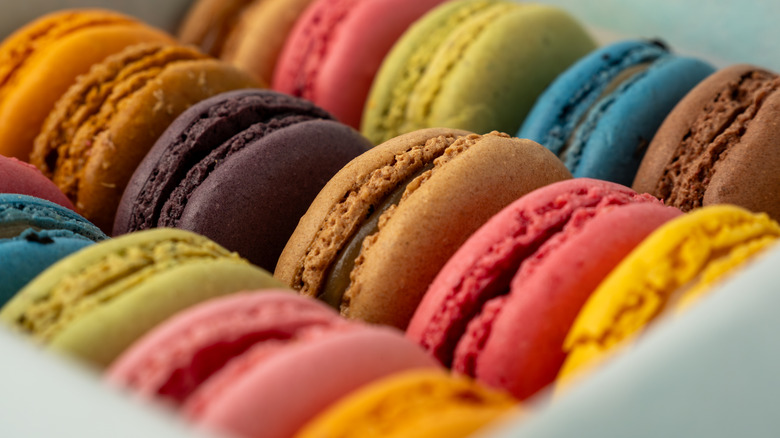
By the time we turned the corner into the 2010s, cupcakes were seen as so 2000s. It was time for a new sweet trend, and macarons were happy to oblige. The delicate, bite-sized cookies were likely first created in Italy a very, very long time ago (we're talking the 8th century), before they spread across Europe. They became particularly popular in France, which is why many assume that they are actually a French dessert.
Macarons were the perfect treat to take the reins from cupcakes in the 2010s. They were small, sweet, and colorful, after all. One brand that demonstrates the popularity of macarons in the 2010s is Woops!, a New York macaron brand that started in 2012. It kept growing over the course of the decade, and by 2015, it had 33 locations across the U.S. It wasn't alone. This was also the year that Macaron Queen started as a pop-up, also in New York. By 2024, that business was producing 4 million macarons a year (per International Business Times).