

10 Ways To Replace Spirits In Non-Alcoholic Cocktails, According To Experts
With so many adults identifying as sober curious, it's fair to question if this is a "trend" or truly a change in culture. Health and wellness are of great importance to a growing number of consumers, making moderation more appealing than wild nights and regretful hangovers. But one thing remains the same: Social outings are better with a beverage in hand.
According to data firm NIQ, non-alcoholic beer, wine, and spirits sales saw a 27.2% year-over-year increase in 2024. The market sector is nearing a billion dollars in value and brands are tapping into the opportunity.
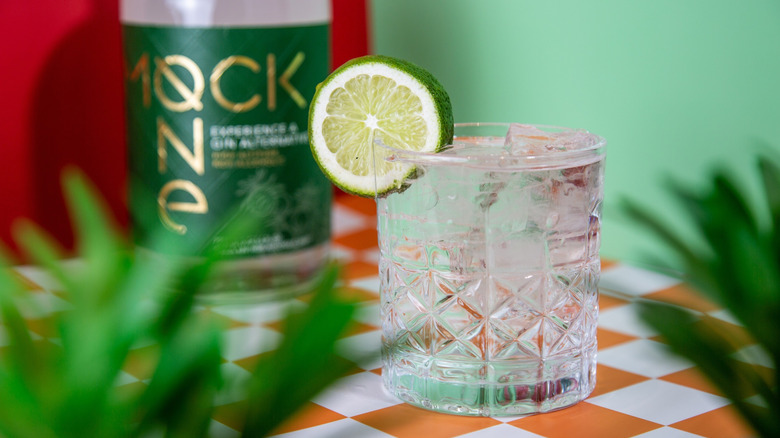
This applies to Mock One, a new line of premium zero-proof spirits from the makers of Breckenridge Distillery. The sans-alcohol selection includes whiskey, rum, gin, and a tequila that burns like the real thing. "The days of a guest requesting a non-alcoholic cocktail and a bartender pouring cranberry soda is over," comments the company's liquid chef, Billie Keithley.
She shared her insight for this guide, as did Hilary Sheinbaum, author of The Dry Challenge. Her book overviews how to take a month-long break from booze, with chapters on alternative activities, building community support, and ways to replace spirits in non-alcoholic cocktails. If you're looking to dial back on the booze, here are a few tips from our experts.
Zero-proof spirits
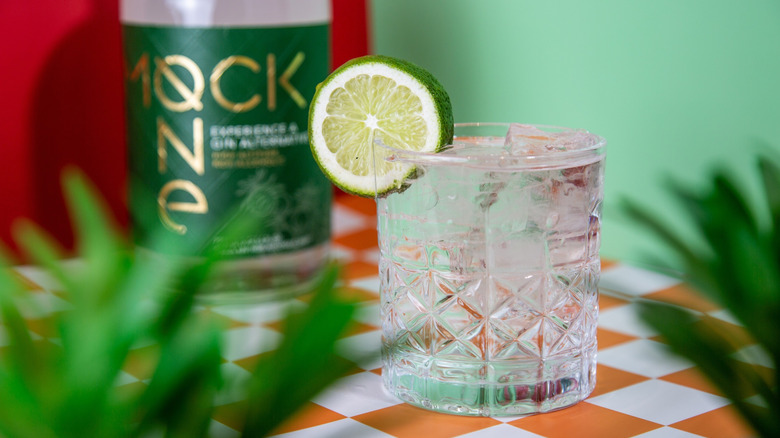
When it comes to cocktails, the most obvious substitute for alcohol is a zero-proof spirit. But as both experts affirm, seldom does a one-to-one swap bring about desirable results.
"Always taste things straight before creating cocktails," says Billie Keithley. However, Hilary Sheinbaum advises that you shouldn't throw back a full shot. Products from non-alcoholic spirit brands aren't meant to be consumed in such a way and doing so can be rather off-putting. But sure, take a small sip so you know what you're working with.
"A great way to try-before-you-buy is by visiting a local non-alcoholic bottle shop if one is available to you locally," comments Sheinbaum. She adds that just like traditional spirits, zero-proof alternatives have different mouthfeels, flavors, and after-tastes. When crafting mocktails at home, Keithley emphasizes the importance of balance. In her experimenting, she's noticed that booze-free recipes often require an extra dose of acidity or sugar.
Non-alcoholic wines
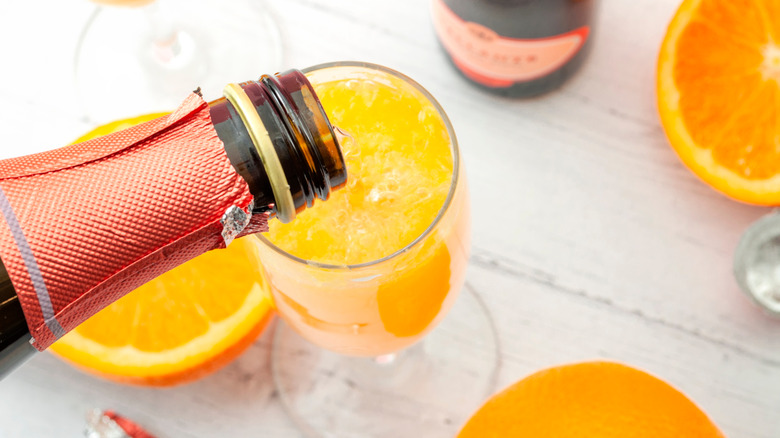
While club sodas and carbonated juices add an effervescent element, Hilary Sheinbaum believes that dealcoholized wines are best for recreating sparkling wine-based cocktails, like a French 75 or a bubbly mimosa. Brunch lovers, rejoice! With this alternative, you won't feel wiped out early in the afternoon.
Among the many non-alcoholic wine brands on the market, Sheinbaum is particularly a fan of two recognizable sister companies: Mionetto, which produces a dealcoholized sparkling wine, and Freixenet, which offers both an alcohol-removed white wine and rosé (that you can actually drink all day). "These all have bubbles without being overpowering and are great for non-alcoholic sparkling sangrias, bellinis, and beyond," she affirms.
Favor classic cocktails over fizzy drinks? Shops also stock booze-free vermouth, a fortified wine that appears in martinis, negronis, Manhattans, and many more timeless libations. Like the traditional product, sweet and dry varieties are available and feature aromatic herbs and spices. Experiment with a dash or two to give your mocktail an added depth of flavor.
Booze-free bitters
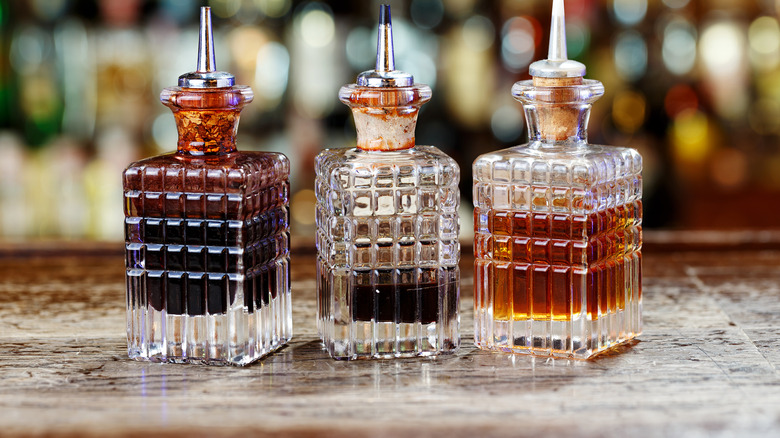
"Before non-alocholic bitters existed, I think a lot of people would opt to have 'seltzer and bitters,' thinking it was zero-proof when it was not," comments Hilary Sheinbaum. Unless you've worked behind a bar, you may have easily made the same assumption.
So, what are bitters and how do you use them? Often sold in small tincture bottles, cocktail bitters are potent extracts derived from all sorts of spices and botanical scraps, such as citrus peels, gentian roots, flowers, seeds, barks, and more. Traditionally, these ingredients' complex flavors are infused into a neutral spirit with 35% to 45% ABV.
Granted, most cocktail recipes only call for a few drops so for some, the amount of alcohol in bitters may be negligible. But for others, it may be a no-go. Fortunately, brands have begun producing bitters with non-alcoholic solvents like vegetable glycerin. Use them to balance out a cocktail's sweetness and enhance almost any drink.
Juices
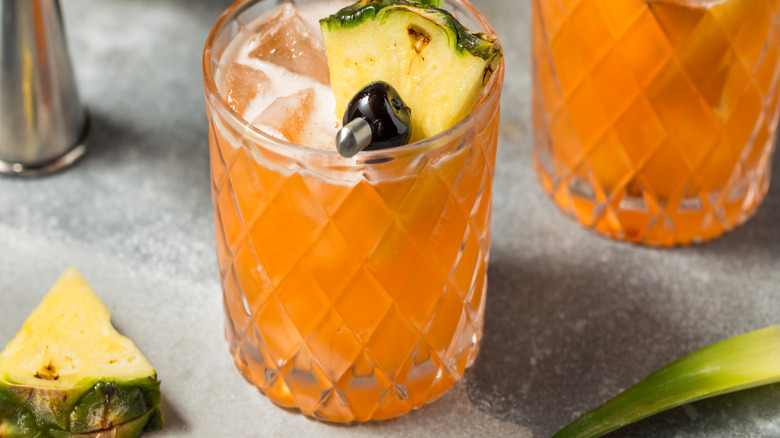
"As far as juices go, sky's the limit," says Billie Keithley. Mind you, a singular fruit juice will not perfectly mimic any particular spirit, but the addition of sweet, spicy, or herbal ingredients can help create a rounded profile. As Hilary Sheinbaum notes, a juice-based substitute often depends on the specific cocktail at hand.
"Orange juice, grapefruit juice, and lime juice are commonly used in drinks traditionally made with tequila, such as palomas and margaritas, which are some of my favorites to create without alcohol," comments Sheinbaum. For cocktails involving rum, she often incorporates pineapple juice. Add a hint of molasses, vanilla, and allspice to deepen the flavor and imitate the spirit's barrel-aged qualities. Coconut water can also be used as a rum substitute, particularly in tropical cocktails with a lighter character.
"Stone fruits are one of my favorite categories," adds Keithley. Cherry juice paired with a touch of balsamic vinegar can substitute for whiskey in a Manhattan, while peach juice could replace schnapps in a refreshing spritz.
Tea
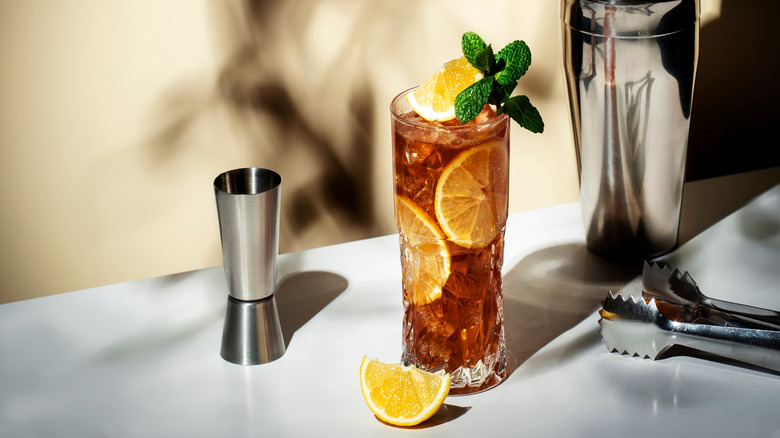
When replacing spirits in cocktails, Billie Keithley says, "Tea is always my go-to." She notes that from herbaceous varieties to those with spice and bitterness, tea offers a vast range of flavors. Use it to amplify non-alcoholic spirits to achieve the depth and complexity of traditional cocktails, or simply substitute alcohol for tea on its own.
For example, a strong black tea or smoky lapsang souchong would be great substitutes in various whiskey cocktails. On the other hand, a delicate white tea or a floral-forward chamomile could replace gin, especially with the addition of botanical elements like juniper berries and orange bitters. Rum could be swapped for spicy chai or vanilla rooibos. The options are truly endless.
To create a more concentrated flavor, use a greater tea to water ratio than usual but stick to the recommended steep time. Over-brewing could cause an unpleasant astringency; you want a little bite to mimic the alcohol, but not too much. Also, plan ahead — unless you're making something like a hot toddy, you'll need time to cool your tea before adding it to most mocktails.
Creamy ingredients
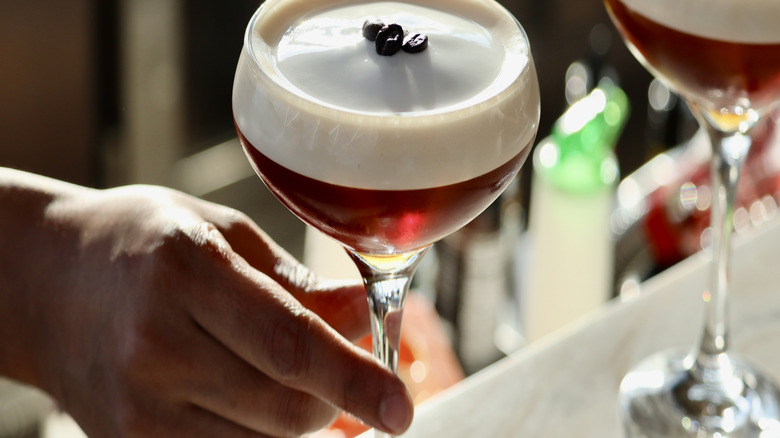
Who needs alcohol when you can have ice cream? While she's still perfecting her espresso martini recipe, Hilary Sheinbaum has determined that simple syrup, vanilla, espresso, and coffee ice cream create a pretty solid substitute sans vodka and Kahlúa.
Ice cream can also substitute Kahlúa in a classic white Russian, crème de menthe in a grasshopper, and even Bailey's in a chocolate martini. Consider a citrusy gelato for a non-alcoholic take on crema di limoncello.
Sheinbaum adds that dairy milk and creamer are also ideal swaps for cream liqueurs, as are thicker alternative milk products. "I would advise against using almond milk for these types of drinks," she says, noting that a lack of fattiness doesn't create the same richness you might want in, say, a virgin piña colada. Hold the RumChata and instead, use coconut cream, heavy whipping cream, and pineapple juice for a luscious, tropical treat.
Spicy additions
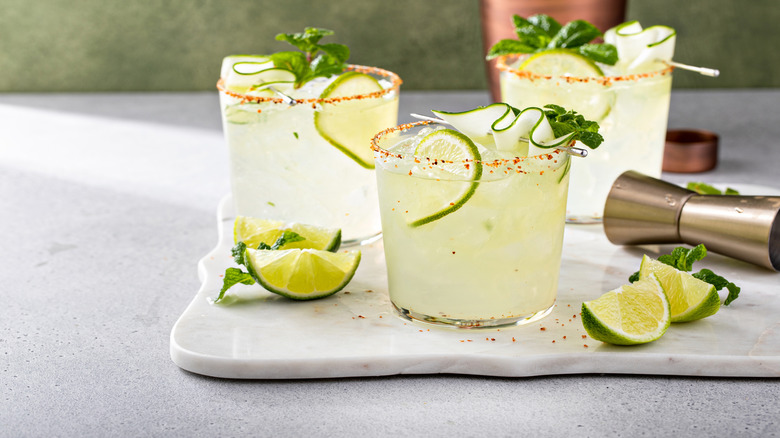
High-proof spirits have a characteristic burn, as do certain liquors. Whiskey delivers a warming sensation, tequila serves up a fiery kick, mezcal offers a smoky heat, and rum presents a lingering spice. Each is distinct and often tricky to replicate.
However, Hilary Sheinbaum notes that some non-alcoholic spirit brands, including Mock One and Free Spirits, use capsaicin "to recreate a burn that resembles alcohol." This chemical compound appears naturally and exclusively in spicy peppers. Interestingly, its properties activate the same heat receptor in one's mouth and throat as alcohol — though the interaction is slightly different. Still, it makes sense that zero-proof spirit brands incorporate capsaicin into their recipes.
If you're substituting a spirit with another product, such as juice or tea, Sheinbaum jokes, "Hot tip: Start with small increments." She suggests adding jalapeño slices for tequila-inspired drinks. Chipotle peppers feature a mezcal-like smokiness, while ginger provides a warmth and bite similar to bourbon.
"Everyone has a different palate; make it yours," says Billie Keithley, reminding readers again that "balance is the most important." Sugar is a great way to tone down the spice, while herbal and acidic ingredients add complexity.
Sweeteners
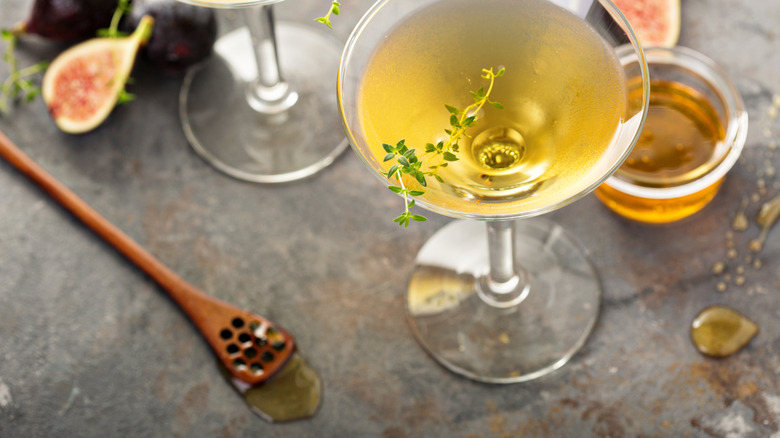
Billie Keithley notes that often, she finds that zero-proof spirits benefit from an added dose of sugar. But seldom does simple syrup appear on her bar cart. Rather, Keithley prefers to incorporate brown or coconut sugar, honey, and maple syrup, as well as sweeteners made from dates or monk fruit. These ingredients offer a greater depth of flavor and in some cases, better replicate spirits on their own.
For instance, caramelize brown sugar to replace butterscotch schnapps or use date molasses instead of brandy in cocktails. Meanwhile, syrups can be infused with all sorts of ingredients. A blend of almond extract and liquid sugar can easily substitute amaretto, and a citrus-infused syrup can stand in for orange liqueurs, such as Cointreau or Grand Marnier.
However, for a flavor more akin to alcohol, it's generally best to mix sweeteners with other ingredients mentioned in this guide. Consider this plum and ginger cordial mocktail recipe as an example. In addition to white sugar, it features orange juice, white tea, sparkling water for effervescence, and a knob of spicy ginger to create a holiday-inspired drink.
Acidic components
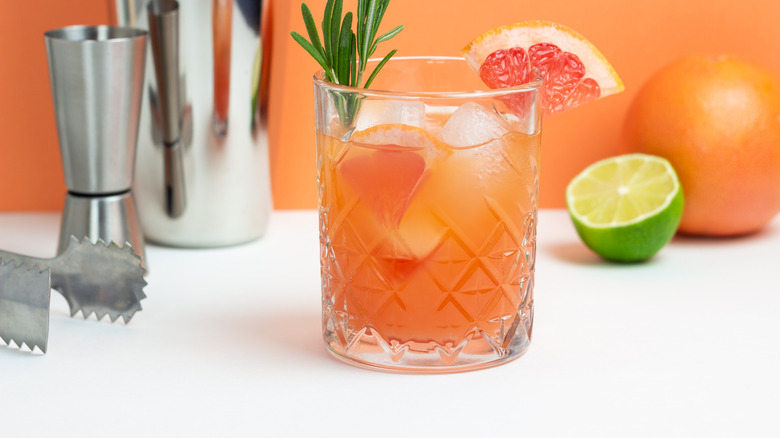
In addition to sugar, Billie Keithley likes to amplify non-alcoholic spirits with acidic ingredients, such as grapefruit, lemon, lime, orange, and yuzu. These fruits also anchor a range of citrus cocktails. While not always the case, many of these drinks call for lighter spirits that are easier to replace or even entirely overlook.
For example, simply omit the gin from a Tom Collins for a non-alcoholic take featuring freshly squeezed lemon juice, simple syrup, and club soda. Garnish with a lemon wheel and a maraschino cherry to better replicate the classic recipe. If you want more of a bite, a pinch of citric acid can provide a sharpness similar to booze.
Unless you're adept to mixology, you might not know what a cocktail shrub is. But along with a balanced amount of sweetness and salinity, these fruit and vinegar-based syrups deliver a sour punch. "Vinegar also brings shelf life to a syrup because it acts as a preservative and makes flavors pop," explains Keithley. She adds that it's best to use high-quality vinegars if making your own shrub. Opt for apple cider vinegar or red wine vinegar over a cheap, distilled white variety. Then, simply mix your sweet-sour concoction with tonic water or ginger ale for an easy, balanced mocktail.
Smoke
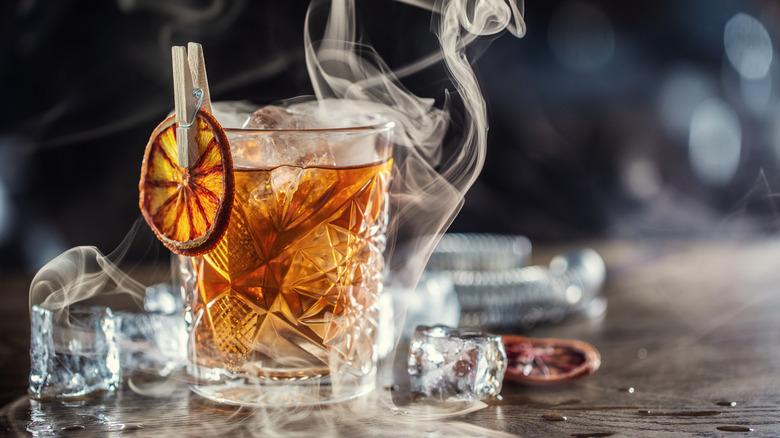
"I love to incorporate smoke," comments Billie Keithley. "Smoke changes the mouth feel and nose of mocktails," she says, affirming its ability to add depth to a mixed drink. Smoke also offers a lingering warmth, which mimics spirits like mezcal and certain whiskies, such as peated Scotch. Experiment by introducing smoke to your booze-free beverage, as well as the glass itself. You can even create smoked ice cubes for a bold flavor.
However, if using a smoking gun or similar wood-burning device, Keithley recommends using mild wood chips like those derived from peach, pecan, apple, or cherry trees. "I stay away from mesquite and hickory because I find them too overpowering," she explains.
Have a pretty minimal bar set-up? Before you go out and buy a cocktail smoker, consider that several simple ingredients can add a smoky flavor to any cocktail or mocktail. Garnish your glass with smoked salt, or incorporate ingredients like charred citrus, chipotle peppers, or even smoked tea varieties like lapsang souchong into your non-alcoholic recipes.