

10 Best Foods To Eat While Recovering From Wisdom Teeth Surgery

So, you've just gotten your wisdom teeth out, you're feeling like a puffy-cheeked chipmunk, and you're hungry but can't chew anything. Your family has been teasing you about what you said before the painkillers wore off (who knows), and you're stuck on the couch with frozen peas stuffed into pantyhose wrapped around your face. Luckily, you're looking at a few days of rest and recovery, but all you really want is to shovel down a bag of chips in front of your favorite Netflix series. Since crispy crunchy chips are off the table, let me give you some meal suggestions that are the best foods to eat while recovering from wisdom teeth surgery.
While it might feel good to eat ice cream all day (which of course, you're welcome to do), you'll probably want to supplement with some real food. Specifically foods loaded with antioxidants to promote healing and reduce inflammation. Let's sprinkle in some antibacterial and antifungal foods, along with frozen dishes to keep those incisions from burning. As a chef and recipe designer who spent six years creating meal plans for folks interested in disease reversal and healing, I know how to strike a balance between flavor and nutrition. Something the doctor didn't prescribe, but everyone fresh out of surgery needs, is nutritious comfort food. And the only health food done right taste like comfort food, because you can't heal your body without tending to your heart.
1. Smoothies and açai Bowls
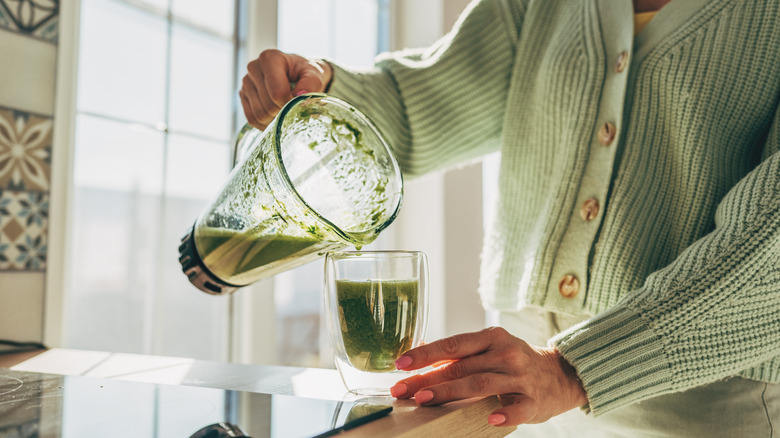
I know that this suggestion couldn't be more obvious. It's ice cream adjacent, but let me explain why a smoothie is so much better for your healing journey. Milk and sugar are both inflammatory foods. Inflammation causes damage to tissue instead of promoting healthy healing, like inflammatory foods do. If your goal is a drinkable, soft, frozen treat then give smoothie or açai bowls a try. Dark berries are high in antioxidants, which prevent damage from free radicals.
Blueberries, dark cherries, blackberries, and raspberries were born to help you heal. Just blend them up with a frozen banana, some non-dairy milk, a drop of vanilla, and you'll feel like you're drinking a berry-licious milkshake. You could even use unsweetened dark chocolate cocoa powder along with a frozen banana, vanilla, and non-dairy milk for a version of a chocolate milkshake (chocolate is also high in antioxidants). Add a scoop of peanut butter for protein. If you love dairy, then try to use yogurt instead of milk. The probiotics will help to settle your stomach, especially if you've taken any preventative antibiotics.
Another wondrous benefit to smoothies is you can blend just about anything into them. This is a great way to sneak vegetables into your fruit smoothies, especially dark leafy greens that, as you guessed, are also high in antioxidants. In addition, these nutrient-dense fruits and vegetables are often high in vitamin C, which is immunity boosting. Your body doesn't need to be fighting off any other bugs or bacteria while it's focusing on healing, so give it a leg up.
2. Bisque
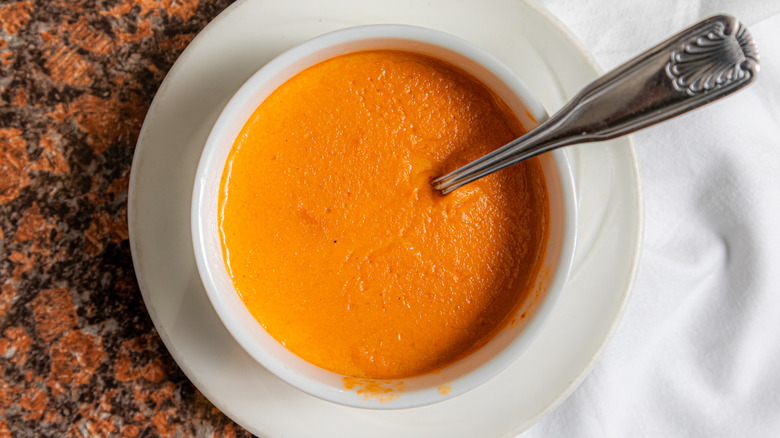
Soup is a classic comfort food for the sick, but if you're fresh out of surgery and too scared to chew, then even chicken noodle soup might be too much to handle. Consider instead a nice blended bisque. These soups can be loaded to the brim with garlic, which is both antifungal and antibacterial, that also just happens to be immunity boosting via a high concentration of allicin.
If you can, blend up a carrot ginger soup, as ginger may help settle your stomach and aid in the healing process by reducing inflammation. In addition, carrots and other orange fruits and vegetables, are loaded with beta carotene. This antioxidant is super powered and should be considered while in the midst of healing. If you're trying to reduce your dairy intake, consider a vegan carrot cashew soup that's just as creamy as if you'd used real cream. Lastly, any kind of blended soup with spinach, kale, Swiss chard, or any other dark leafy green is a must. As we all know, leafy greens are good for us, but just how good? You should sneak these dark leafy greens into your healing diet whenever possible because they are high in folate, which aids in red blood cell formation and cell growth. If blended greens aren't your thing, just remember that everything tastes better with a sprinkle of Parmesan cheese and a drizzle of olive oil.
3. Hot grain cereal
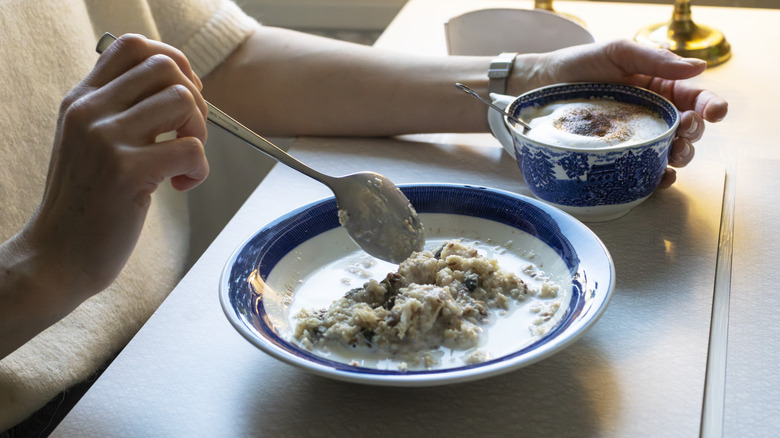
When you're on an all-liquid diet, it's easy to get hungry faster and more frequently. That's why it's important to pack your diet with protein and fiber, since both will keep you feeling fuller, longer. Whole grains are an easy way to check both of those boxes, but toast and pasta may still be off the table, depending how far along you are in your healing process. I'm not sure about you, but if my pasta isn't a chewy al dente, I don't want it. Instead, try hot grain cereals. There are endless varieties of porridge-like cereals, including many ancient grains, and are for the most part, quite nutritionally rich.
Oatmeal is an obvious and easy choice. If you don't like oatmeal, you might be flavoring or cooking it wrong. It can be made savory, or sweet, but is generally used as a vehicle for flavor (PSA: nobody likes plain oatmeal, just like nobody likes plain bread). Spices, sauces, nuts, herbs, dried fruits, seeds, and other foods can be used to enhance oatmeal, and should be used. Other types of cereals include teff, maize, and millet, along with pseudo-cereals like quinoa and buckwheat should be considered. They carry different flavors and textures, and should be explored. Cook with raisins, dates, cinnamon (promotes blood circulation), ginger, coconut oil, non-dairy or dairy milk, salt, and of course a small drizzle of maple syrup or honey. Honey has antibacterial properties and can even be used on open wounds, so drizzle away!
4. Lentil dhal
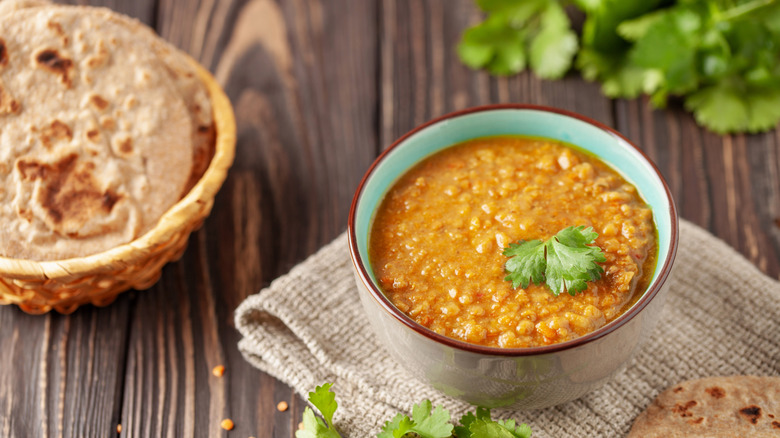
If you're looking for a protein-packed dish with healing power that's easy to make and filling as can be, then look to the East. Dhal (or dal) is a simple, no-fuss dish that even you can manage by yourself post-surgery. The key is to buy yellow or red lentils, not green or black lentils, as they will cook and melt into the softest, mushiest texture. Start by sautéing your onion (which has antibacterial properties), then your super-powered high antioxidant ingredients: ginger and garlic. Your kitchen will be filled with robust aromatics that will have you drooling (even if your appetite has diminished).
When you toast your spices, including turmeric, don't forget to include black pepper. Black pepper helps to activate the curcumin, the active healing property in turmeric that makes it so famous. Each cup of cooked lentils has a whopping 18 grams of protein and almost 16 grams of fiber. It's a fast, delicious, and easy way to load up on essential nutrients without having to chew down a steak or block of chewy tempeh. Season generously, and enjoy plain or with white rice that has been cooked thoroughly enough to chew. If it's your first time, then follow a recipe for healthy moong dal or vegan sweet potato dal. And the best part? It's cost effective. I have a feeling this won't be your last time making dhal.
5. East Asian congee
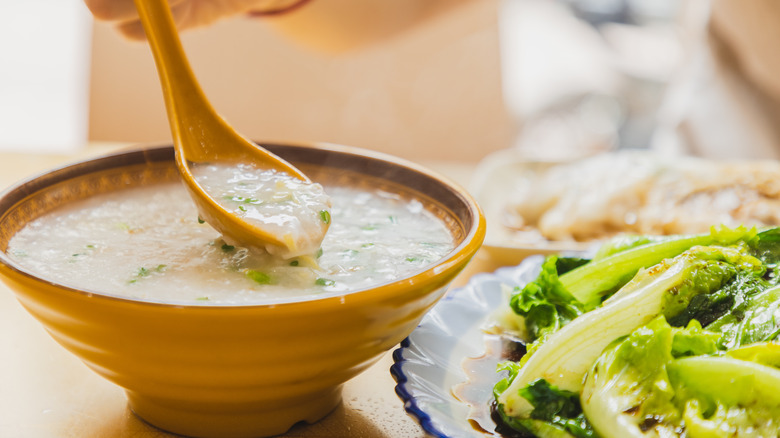
If you're at home healing, then you may have some time on your hands. Or perhaps you're around parents or caregivers that are taking care of you. This is a great opportunity to try some recipes outside of your geographical comfort zone. East Asian congee is a great place to start for people who are not used to eating foods from around the world because just about everyone likes rice. In addition, it can be adapted to fit your preferences.
Congee is typically made with white rice, but can use other grains. It's cooked in stock (use more liquid than you typically would) and break the cardinal rule of cooking rice: stir it up. This will break down the grain into a more porridge-like starchy texture. Then, load it up with topics, flavors, and spices. If you're having stomach discomfort at all from the medications during the procedure, then keep it fairly bland. Perhaps sprinkle it with soy sauce and a poached egg, or stir in some lightly sautéed garlic and ginger, then top it with green onion and sesame seeds. It's essentially a version of oatmeal that can be topped with all your favorites, so go with your gut and choose flavors that you find to be the most comforting in a time of healing. People often suggest white rice when you're feeling low, but instead dress it up as congee and turn it into a treat.
6. Curry
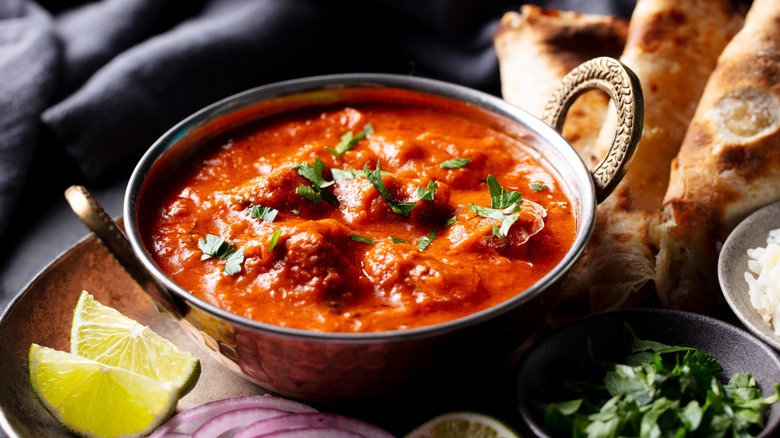
The beauty of curry is that "curry" can mean many different things. Thai curry and Indian curry couldn't be more different, and even from there the variety of styles are expansive. If you're healing from wisdom teeth surgery, you'll want to target a softer style of curry. One in a sauce with spongy ingredients that can be easily gummed instead of chewed. Try a chickpea based curry like instant pot chana masala, or a silky pumpkin tofu curry. Both feature antioxidant rich herbs, filling proteins, and soft ingredients.
Curry powder is healing. The spice blend contains turmeric which is a famous superfood and anti-inflammatory, along with chili and coriander which are antioxidant powerhouses. Many curry recipes feature ginger, which can help with any nausea associated with medications or the healing process, and cumin just so happens to be an antifungal and antibacterial food. Keep in mind that spicy foods may bother the incisions, so you may want to turn the heat way down. Even if you can usually take the heat, this is not the time to prove your tolerance. For those of you who have never made curry before, then you'll surely want to follow a curry recipe, as you may be surprised at just how many aromatic spices are added, and by the mouthwatering process. Choose a curry that best suits your taste buds, and top with proteins you enjoy. Serve with soft white rice, or just eat it plain.
7. Risotto
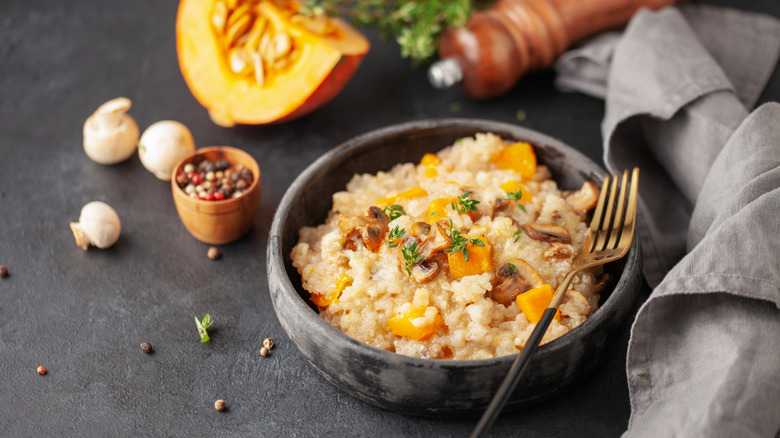
Hopping to another region of the world, one of my absolute favorite soft foods is risotto. I've never been a big rice eater, but add a few cups of olive oil and a heap of garlic and I'm there. Risotto is a food that can be made to meet many preferences, but for healing purposes, you should consider a garlicky butternut squash risotto, loaded with fresh herbs. The butternut squash, or just about any other winter squash is famous for its high beta carotene content, a potent antioxidant. In addition, it's creamy, buttery smooth, and gives the risotto a mild buttery sweetness that reads as extremely comforting.
Pair with fresh sage and thyme, both containing powerful vitamins and minerals important for healing, while including some antiseptic and antimicrobial properties. Just be sure to toast those fresh herbs, or mince them up so they either melt in your mouth or don't require much chewing. The addition of extra virgin olive oil can help to increase the calorie density, just in case you have a low appetite and are trying to squeeze some heft into your diet. The abundance of onions can help the healing processes as well, not to mention if cooked right, caramelized onions are incredibly sweet and enjoyable to eat. However, risotto is a commitment to make, so maybe you can talk a friend, partner, or parent into taking over the stirring portion while you rest up (wink, wink).
8. Shepherd's pie
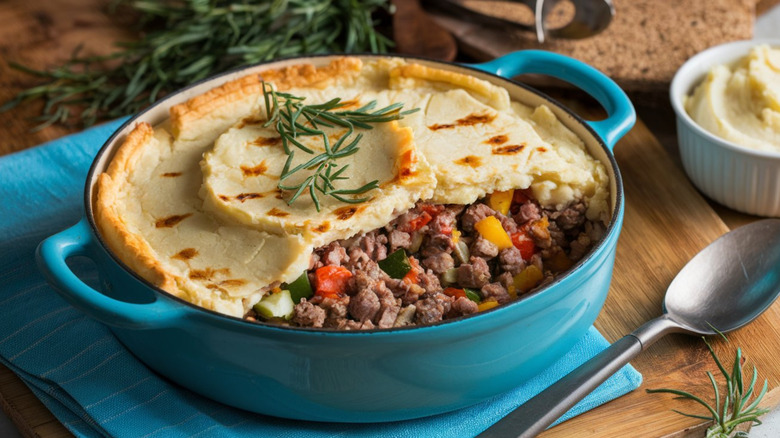
It's likely you've scheduled your wisdom teeth surgery weeks if not months out, so you'll have ample time to prepare. This is a great opportunity for you or your family to make and freeze some comfort foods that are easy to chew, so when your appetite peaks you'll have something you can make in minutes. And, is there anything more comforting in this world than shepherd's pie? Although the ground meat can be somewhat chewy, it can also be cooked in a way that makes it incredibly tender, especially if cooked in a red wine sauce. You can also opt to make a gardener's pie that uses lentils or minced mushrooms as a base instead. Mushrooms are a wonderful option because they are immunity boosting, and are beneficial for your gut which affects the rest of your body.
Whatever "meat" you choose, be sure to surround it with carrots, peas, corn, and other healthy vegetables. And let's be real, we are all here for the mashed potatoes anyway. What food is softer? What will melt in your mouth with more ease? What is more comforting than a mashed potato? And although they get an unjustified bad rap, potatoes are healthier than you might think.
9. Shakshuka
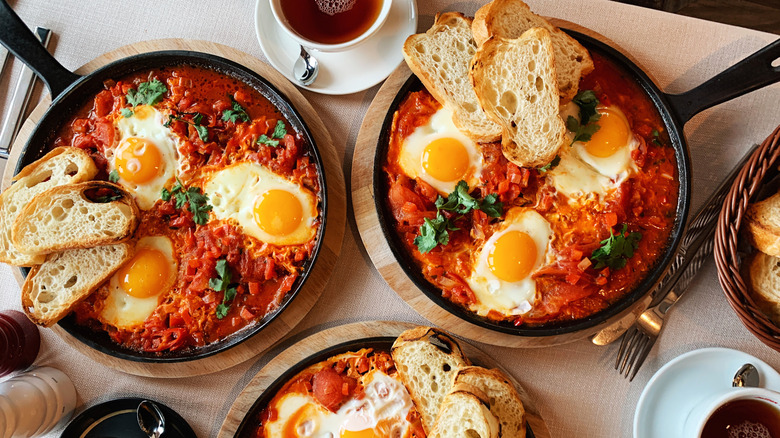
Although collagen is a popular ingredient to add to your shakes or supplement shelf, did you know that we produce our own? We use vitamin C to synthesize our own collagen, so there is little need to take it in powder or capsule form from an animal. Luckily, vitamin C is found in many fruits and vegetables, and in especially high concentration in tomatoes. With a boosted production of collagen, you're looking at some top tier tissue repair. In addition to its healing benefits, there is something so flavorful about cooked tomatoes. With rich umami, caramelized sweetness, and tangy acidity, tomatoes really are the whole package. Use them to make a homemade Israeli roasted tomato shakshuka with poached eggs.
Shakshuka, for those unfamiliar, is typically made in a skillet featuring a red pepper tomato sauce. It's loaded with herbs including our favorites like garlic and paprika, and the sauce is used to poach eggs. It's popular in Northern Africa and the Middle East, but should be brought into your kitchen ASAP. This is an incredible brunch food and although it's often served with a crusty bread or pita, I would recommend cutting off the crust like your parents did for you in kindergarten. Because this dish is so flavorful and healing, you'll likely not stop making it after your gums are healed. It's just that good.
10. Ricotta gnudi
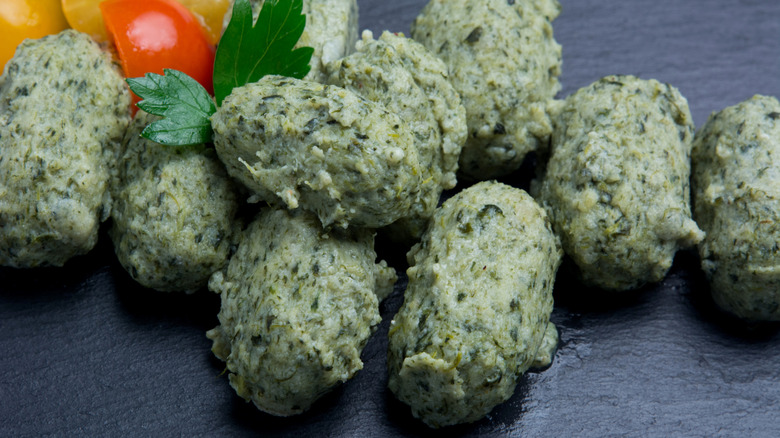
Dumplings are another food that seem to take form all over the world, with a wide range of flavors, textures, and appearances. Most dumplings are soft and can be considered as a food to eat while you're recovering from wisdom teeth surgery. However, one of the softest ones out there is ricotta gnudi. This "naked ravioli" can be made on a sheet pan, and can and should be topped with a garlicky sauce. The ricotta provides protein, the garlic serves as a powerful antioxidant along with an immunity booster, and you can add just about any Mediterranean flavorings or sauces you want, making it entirely adaptable.
Consider making your own garlicky pesto to really get the full benefits of the garlic. Boost your immunity even further with a dash of orange zest in the dumplings, increasing that vitamin C, and enhancing the flavor while you're at it. Just because you're healing, doesn't mean you have to eat dry toast and broth all day long. Go gourmet with this easy-to-make dish, hidden with healing foods. You won't even know you're eating a recovery diet, you'll just think you're getting the red carpet treatment. And what better time to experiment with new foods than when you have a few days off from school or work, especially if you have a few helping hands taking care of you. Rest up, and feel better soon.