

22 Facts About Tomatoes Everyone Should Know

A world without tomatoes sounds like a nightmare. But for most of human history, they were neither known nor loved. After Spanish colonizers encountered them in present-day Mexico, tomatoes began a slow, tedious conquistadorial journey of their own. Along the way, they had to overcome associations with their toxic nightshade relatives, claims of foul odor, and rumors of killing European aristocrats. This fruit — yes, a fruit –was deeply misunderstood for centuries, but it came through.
Today, tomato features in almost every cuisine, has been bred into thousands of cultivars (including genetically modified ones), and, the diva that it is, it has had a special cutlery item devised for it in Victorian times. Its flavor and health benefits are finally appreciated, yet its ubiquity makes this fascinating plant easy to overlook. Here's your chance to dive into the history, science, and culinary potential of tomato, the fruity queen of the vegetable world.
Tomatoes are both a vegetable and a fruit
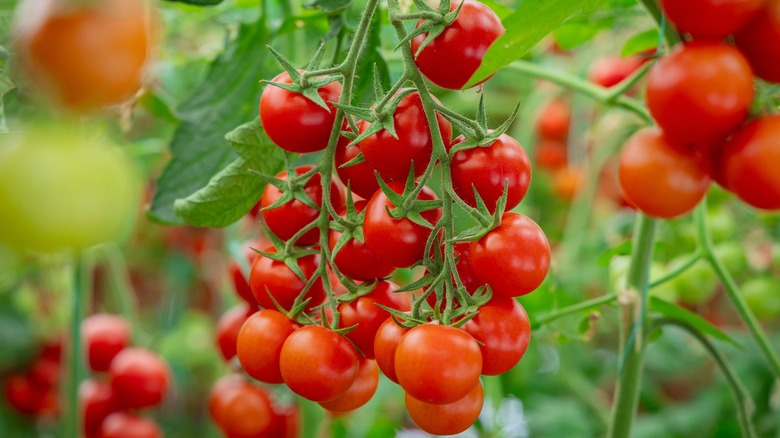
You might want to sit down for this: America's second-favorite vegetable is actually a fruit! Scientifically, at least. Legally (and often culinarily), it's a vegetable. Here's why.
The red, juicy part we eat is the ripened ovary of a flower, which makes it a fruit. But since tomatoes are used in savory dishes, they're treated like vegetables in the kitchen. In 1893, the U.S. Supreme Court ruled that tomatoes should be taxed as vegetables because that's how people used them. At the time, tariffs applied to vegetables but not to fruits. So, in the eyes of the law, tomatoes became vegetables for tax purposes. It's a rare case of law overruling science. Outside the U.S., however, tomatoes are more often recognized for what they truly are: fruit.
Tomatoes weren't always a global staple
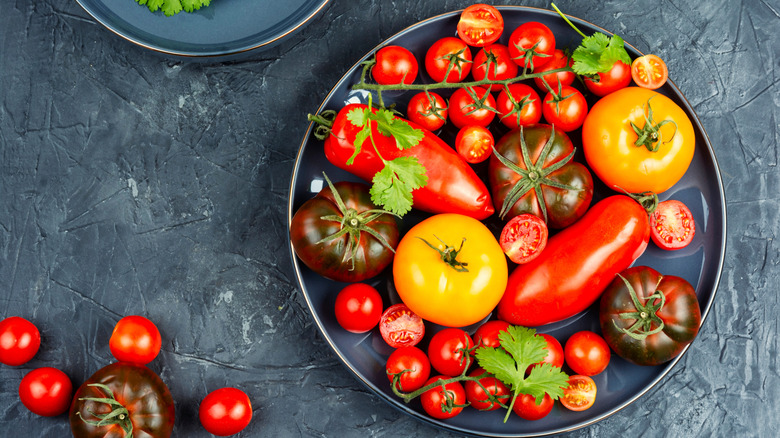
Hard as it is to imagine life without tomatoes, the Old World only met them in the 16th century. Originally from the Andes, early tomato ancestors spread north to Mesoamerica, where the Aztecs domesticated them — likely because they resembled the already beloved tomatillo. By 1544, tomatoes were already a regular part of Aztec cooking, blended into sauces with chiles and ground squash seeds to add tartness and depth.
Spanish colonizers carried tomato seeds across the globe — first to Iberia, then to the Caribbean, the Philippines, India, and the Ottoman Empire. At first, Europeans grew them as exotic garden plants, not food. But over time, especially in Spain, Italy, and southern France, tomatoes flourished. By the early 1800s, they'd become so abundant that they could be wasted on harassing performers.
Tomato's name reflects centuries of confusion
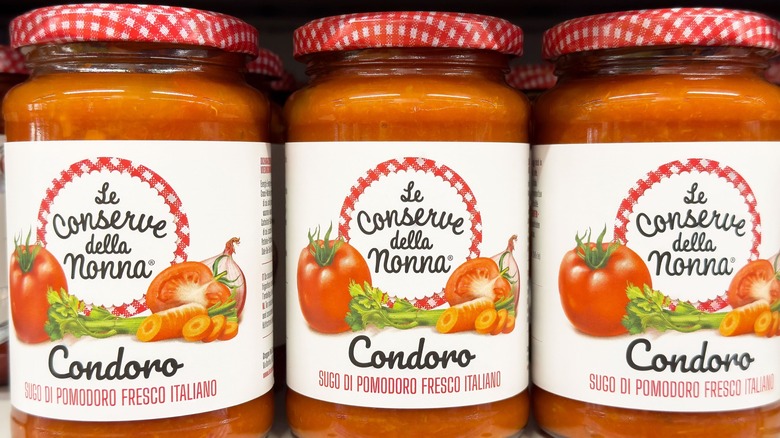
The English word tomato comes from the Spanish tomate, which traces back to the Nahuatl (Aztec) word tomatl. But it picked up some colorful nicknames along the way. In 16th-century Italy, it was dubbed pomo d'oro ("golden apple"), likely because the first varieties were yellow. The French and English, perhaps mishearing or romanticizing, turned it into pomme d'amour — the "love apple." German speakers called them liebesapfel as well.
This poetic rebranding may have also come from confusion with eggplants, then called pomme des Mours (fruit of the Moors). Meanwhile, the Chinese dubbed them fan qie (barbarian eggplant). Despite the many aliases, the Aztec root eventually won out globally — except in places like Italy, Russia, and Georgia, where pomo d'oro-related names stuck around.
Europe once feared tomatoes
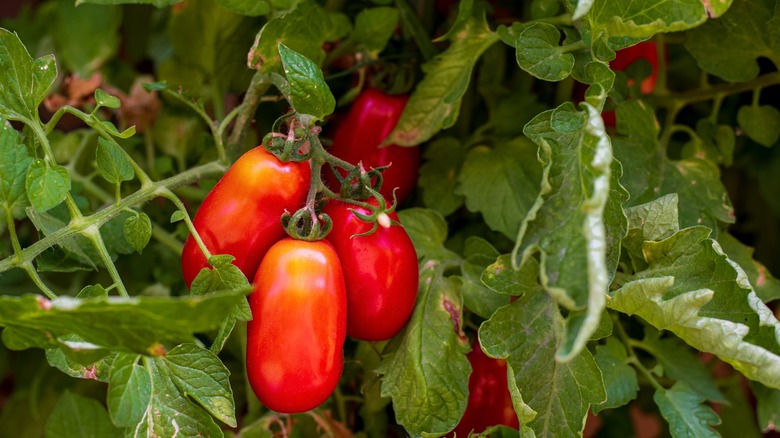
Hard to imagine now, but there was once a world where the red, juicy, umami-packed fruit didn't get the credit and recognition it deserved. Yet when it reached Europe in the 1500s, Italian herbalist Pietro Mattioli lumped them in with and mandrakes — plants associated with poison, magic, and aphrodisiacs. Their resemblance to deadly belladonna (nightshade) and libelous claims of "stinking savour" didn't help their case. For over 200 years, many Europeans believed tomatoes were beautiful but deadly.
Even into the 17th and 18th centuries, tomatoes were admired more as garden curiosities than food. Though tomato recipes started popping up in American newspapers by the 1820s, rumors of toxicity stuck around. It took the industrial rise of canned soup and ketchup to finally win over both sides of the pond.
Tomatoes are an antioxidant powerhouse
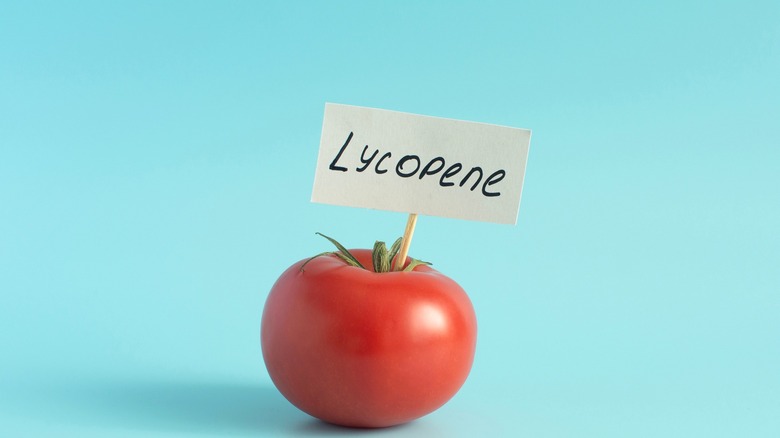
It's no accident that tomatoes ripen under the summer sun — nature's providence is impeccable. These juicy fruits are rich in skin-healthy vitamins A, C, and E, the latter two of which help combat UV damage. Together with lycopene, a carotenoid responsible for tomatoes' red hue, they form an unstoppable antioxidant crew that helps neutralize free radicals that form with sun exposure, pollution, and stress.
Vitamin C, often associated with citrus, is abundant in raw tomatoes and helps repair skin, support the immune system, and boost iron absorption. While cooking destroys some vitamin C, it actually increases lycopene content — so eating both raw and cooked tomatoes is ideal. And you really do want to eat more cancer-fighting, heart-healthy lycopene.
American entrepreneurs helped tomatoes go mainstream
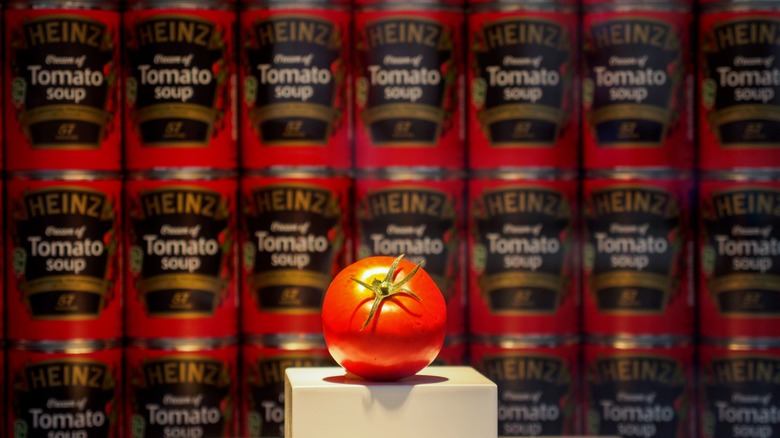
While irrigation, railways, and food preservation developments boosted tomato consumption in Europe, Americans were slower to embrace the once-feared fruit. Thomas Jefferson grew them early on, but it was Dr. John Cook Bennett who changed public opinion in the 1830s by promoting tomatoes as medicine and selling "tomato pills" (ironically, containing little actual tomato).
The turning point came with processed products. Heinz launched its tomato ketchup in 1876, fine-tuned for maximum appeal and mass production. It wasn't long before its shelf-stable, sweet-savory flavor became globally dominant. In 1897, Joseph Campbell introduced condensed tomato soup, further driving demand for canned tomatoes. As a result, today, Americans eat more tomatoes than almost any other vegetable — second only to potatoes.
Tomato spoons used to be a thing
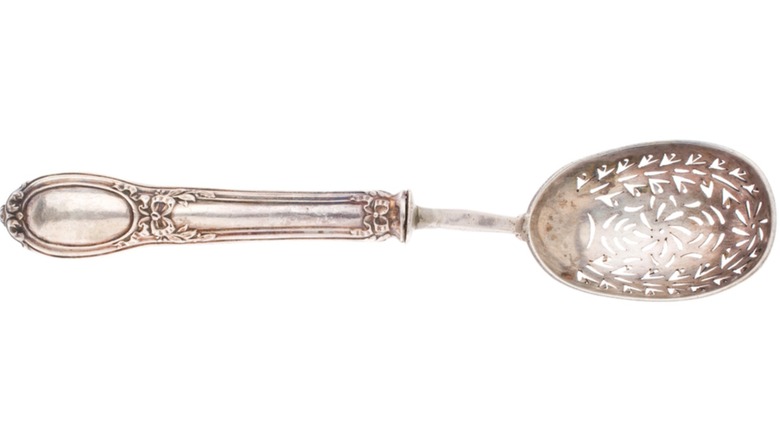
Not many produce items inspired their own type of cutlery, but tomatoes did. While modern tomato fans happily enjoy them in messy bruschetta or straight from the garden, their Victorian ancestors wouldn't dream of such frivolities. Table etiquette was stifling, but the desire for tomatoes was greater — and thus the tomato server was born.
These single-purpose silver utensils, popular in 19th-century England and America, were born of their era — where the Industrial Revolution met strict Victorian etiquette. Their slotted design allowed juice and seeds to drain onto a serving tray before slices were transferred to plates. Though no longer common, they remain a coveted find for silver collectors and are still relatively easy to track down on sites like eBay.
Different tomato types suit different tasks

While there are hundreds of tomato cultivars, most fall into five basic tomato types. Globe tomatoes include round, generic supermarket slicers and ribbed beefsteaks — meaty, mild, and ideal for sandwiches or salads. Plum tomatoes, like Roma and San Marzano, are oblong with dense flesh and low moisture and seed content, making them perfect for sauces,canning, and puréeing. Vine tomatoes, such as cocktail, are mid-sized, sweet, fragrant, and great both fresh and cooked. Grape and cherry tomatoes are small, extra sweet, and best eaten raw, though grape tomatoes can withstand a bit of heat. Unripe green and heirloom tomatoes are worth noting, too — cook the firm, tart green ones, and enjoy heirloom varieties raw for their rich, complex flavor.
Green tomatoes are their own beast
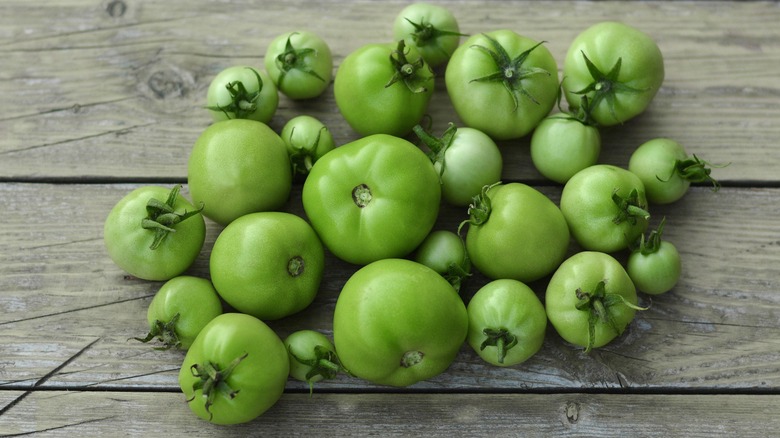
Immortalized in pop culture by Fannie Flagg's novel, fried green tomatoes are the first dish that comes to mind for using green tomatoes. And if you do use them, you might as well cook them — like all nightshades, unripe tomatoes contain solanine, a bitter-tasting toxin. Solanine levels drop as tomatoes ripen, so while green tomatoes are generally safe to eat raw in small amounts, it's best to cook them. Their firm flesh and acidic flavor are perfect in chutneys, soups, stews, pies (as an apple substitute), and pickles.
There's also a second kind of green tomato: heirloom varieties that stay green when fully ripe. Unlike unripe tomatoes, these are sweet, juicy, and entirely safe to eat raw — just like red ones.
Tomatillos are tomatoes' botanical cousins
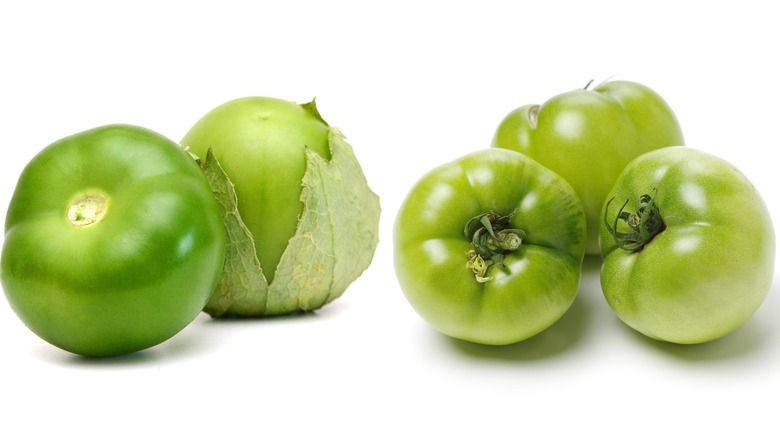
At first glance, the fruits pictured on the left may look like green tomatoes — but they're not. Those papery husks are a giveaway: these are tomatillos, small, firm fruits about the size of a golf ball. Like tomatoes, they are nightshades, sometimes called Mexican green tomatoes, though they're a different plant entirely (and are sometimes yellow or purple). Compared to tomatoes, tomatillos are much higher in manganese and vitamin B3, though tomatoes have more vitamin A.
Curious how to use tomatillos? Look to Mexico — their origin country — for inspiration. Their tart, citrusy flavor and dense flesh work well raw or cooked in anything from salsa to tacos, chilis, tamales, and stews.
Fresh and canned tomatoes serve different roles
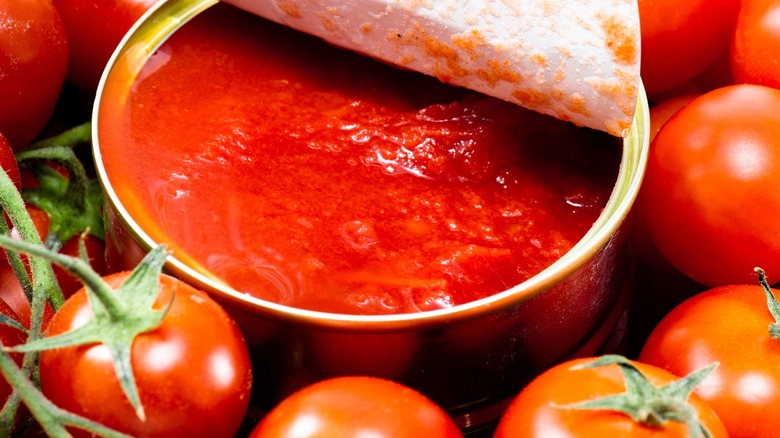
Thinking of canned tomatoes as inferior to fresh ones is a common misconception. Any culinary expert knows that canned tomatoes are the superior choice when it comes to cooking, especially out of season. Fresh tomatoes are best for salads, burgers, or fermentation, but they're often under-ripe and bland. Conversely, canned varieties, picked at peak ripenessand preserved with a bit of salt, are more robust.
They may also be more nutritious: heat-stable lycopene and vitamin E are typically higher in processed tomatoes than in raw ones. Plus, they're convenient — no peeling or seeding required (though avoid pre-diced versions, which often contain additives to hold their shape). Need help choosing the best canned tomato brand? We've tested and ranked them for you.
Heirloom tomatoes might be worth the hype
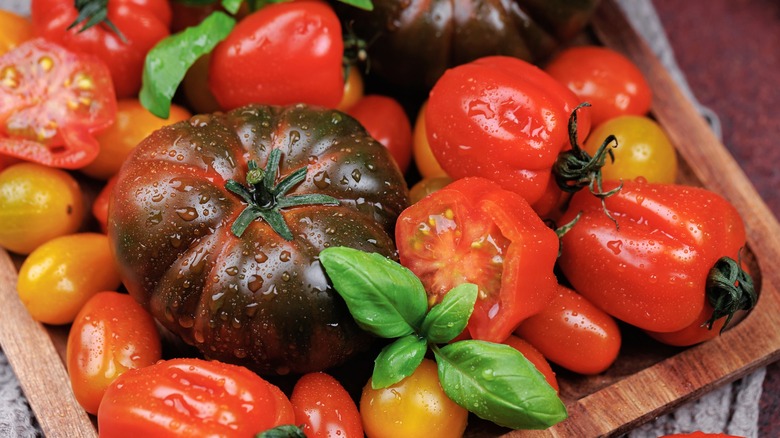
Ever wondered about the recent hype around heirloom tomatoes? Sure, they trump store-bought varieties in the looks department, but there's more to their appeal. As the zeitgeist shifts back toward more conservative values, the appeal of heirloom tomatoes — aptly named for seeds passed down through generations like jewelry — is undeniable.
Where there's public skepticism around genetically modified tomatoes, heirlooms boast open pollination. Where hybrid supermarket varieties are bred for uniformity, shipping, and out-of-season sales at the expense of flavor, heirlooms offer the opposite: taste first, with a striking appearance to boot. They may not last long on the shelf, but they make up for it in flavor and character. Pricy as they can be, they're the closest thing to a "real" tomato for many.
Storing tomatoes wrong ruins their flavor

Picture this: you're at the market on a warm summer afternoon, hunting for the perfectly ripe tomato. You find one — fragrant at the stem, deeply colored, unblemished, firm yet yielding, heavy in your hand. You bring it home, toss it in the fridge with the rest of your produce — and thus doom your next tomato-centric meal.
As a climacteric fruit of subtropical origin, tomatoes continue ripening off the vine. They're also cold-sensitive — temperatures below 50 degrees Fahrenheit dull their texture and flavor. Store them on the counter, ideally near ethylene-producing fruits like bananas to help ripen. Never refrigerate — unless the tomato is overripe and you need to extend its life by a day or two.
Preserving tomatoes increases their versatility
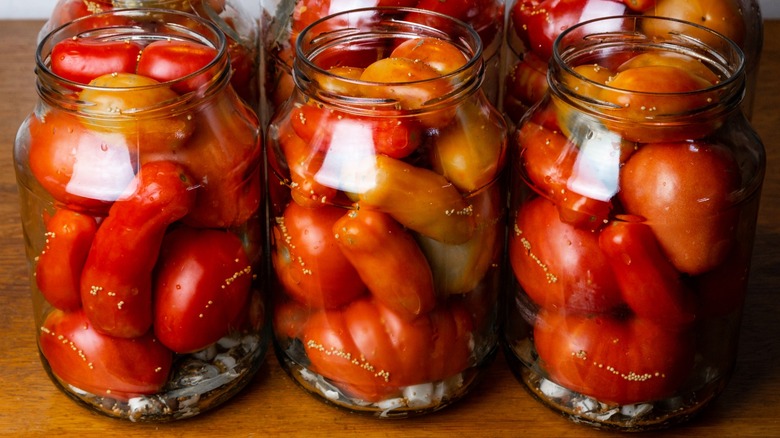
Whether you're trying to make summer tomatoes last into the colder season or simply trying to get the most flavor out of them, mastering tomato preservation techniques is a must. Canning is simple if you have time and sealable jars — you can preserve tomatoes whole, chopped, or puréed. Short on space but have plenty of time? Cook them down into tomato paste — an indispensable flavor booster.
Green tomatoes can be brined into a firm, tangy deli-style treat, and ripe red tomatoes can be squished and fermented a la Italian conserva cruda di pomodoro. Finally, dehydrating tomato slices provides ample opportunities: blitz them into an umami-rich powder that can double as instant tomato paste and sauce thickener.
Tomatoes are rich in natural umami
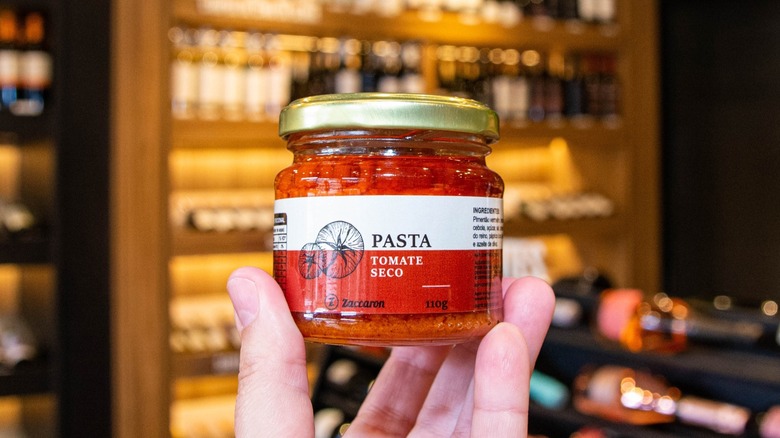
Ripe tomatoes are packed with natural umami — the coveted "fifth taste" of deep and satisfying savoriness provided by glutamic acid. That's why other umami-rich ingredients like miso, parmesan, and soy sauce create a deep flavor synergy when paired with tomatoes. A pinch of MSG can boost the flavor of tomato toast, while pasta sauces with roasted tomatoes, miso, and parmesan deliver extra savory depth.
Tomato producers were quick to pick up on this attractive quality. Google "umami bomb" and you'll find both a recipe — cherry tomatoes stuffed with anchovies, capers, olives, pecorino, and garlic — and a trademarked tomato variety. The trend extends to condiments too, with both homemade creations and store-bought options like one-ingredient, intensely flavored Tomami seasoning.
Tomato scraps are culinary gold
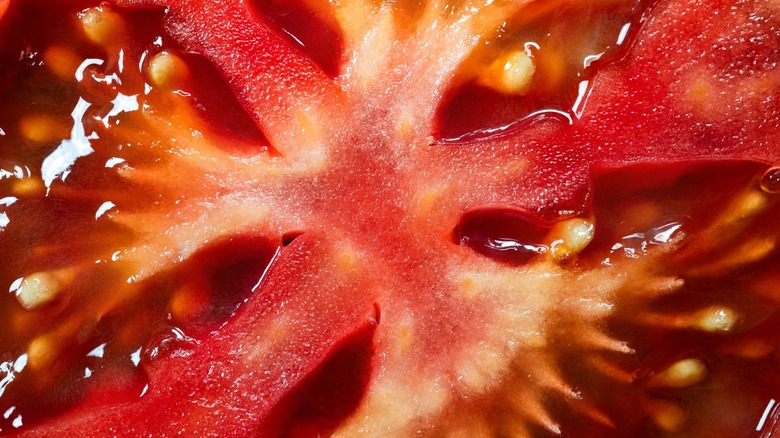
Many tomato recipes call for skinned, seeded tomatoes, while giving you no direction as to what to do with leftover scraps. As with many unfairly discarded foods, tomato scraps aren't given the second chance they deserve. For one, the seeds and the surrounding jelly are concentrated sources of glutamic acid. Mixed with the traditional trappings of a vinaigrette, they make an umami-packed salad dressing. Trichome-covered tomato vines and stems can freshen and intensify the flavor of tomato sauce. The skin is rich in carotenoids, and some of them can be salvaged when it's dehydrated, blitzed into powder, and mixed with salt.
Got tomatoes past their prime? Blend them with vinegar for a simple vinaigrette, turn them into homemade tomato paste, or roast them.
Tomatoes shine with the right flavor pairings
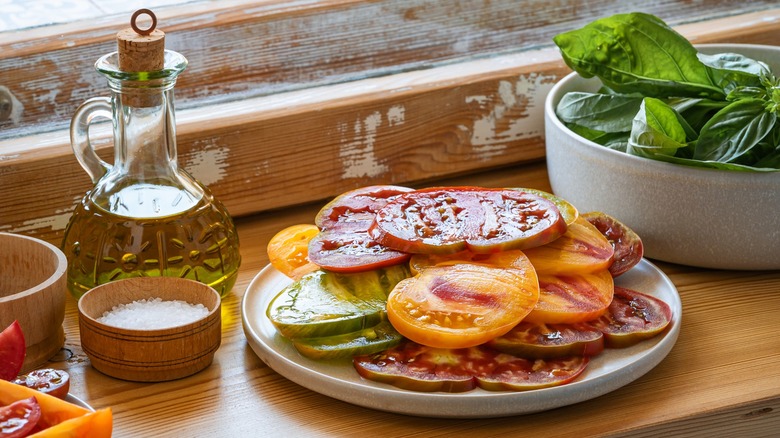
Salt and pepper, olive oil and balsamic vinegar, alliums and herbs, cheese and mayo are all excellent, time-tested ways to boost the flavor of fresh tomatoes. But there's so much more to explore beyond the basics! For example, pairing tomatoes with fruits not only reminds us of their botanical definition but also creates delightful combinations, from watermelon panzanella to strawberry gazpacho and banana ketchup.
Some unconventional tomato pairings that make sense once you try them include chocolate in Mexican mole, tamarind in South Indian rasam, black beans in Italian pasta e fagioli, and peanuts in West African mafe. They also complement pomegranate in salsa and drinks, anise in French sauce Choron, warm spices in tomato jam, and even vanilla in savory dishes like chili con carne.
Tomato's acidity can be a blessing and a curse

As a highly acidic food with a low pH, tomatoes require special treatment. Unaware of this, you might commit a tomato cooking faux pas by storing them in aluminum foil. Their acidity is so powerful that it can erode foil, leading to a metallic flavor. It can also slow the cooking time of other ingredients, like beans or potatoes. To avoid this, cook tomatoes separately or add them later in the process.
If your tomatoes are too acidic for your liking (or your stomach lining), don't fret. Adding a little sugar will change your flavor perception; baking soda will actually neutralize the acidity by altering the dish's pH, and adding a sweet, alkaline-rich carrot provides the best of both worlds.
Tomatoes go beyond salads and sauces
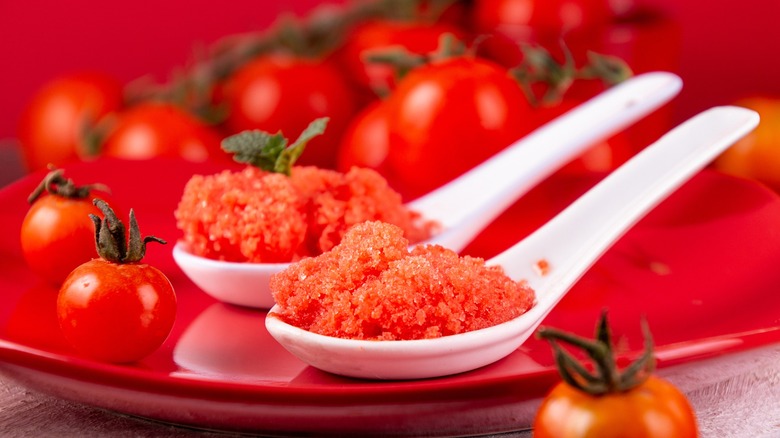
Tired of gazpacho and marinara? Explore the unexpected ways to use tomatoes. Blended with alliums, herbs, and vinegar, they are transformed into a vibrant dressing. Replace the vinegar with olive oil, char the tomatoes, garlic, and pepper, and you've got a smoky glaze. Finely minced and properly seasoned roasted tomatoes are a vegan alternative to tartare. Cooked on the stovetop with vanilla and basil or roasted with citrus and warming spices, they make an extraordinary jam.
Tomato water, blitzed with tomato puree, sugar, and herbs, makes for a refreshing sorbet. Another frozen treat, granita, is made by mixing tomato juice with vinegar, lemon juice, and agave. Or you can freeze the juice with vodka, spices, and celery sticks to make Bloody Mary popsicles.
GM tomatoes are controversial but common

For years, mass-market tomatoes have been bred for increased durability, shelf life, and yield at the cost of flavor. Early attempts at tomato genetic modification, like the 1994 Flavr Savr, which was marketed to producers, failed due to consumer resistance that persists to this day, despite the FDA's claim that GM plants are safe to eat.
However, newer gene-editing techniques like CRISPR offer precise, fast, and potentially safer ways to improve tomatoes sans foreign DNA. CRISPR-edited foods are not required to be disclosed on the label, and are treated like traditional hybrids under U.S. law. Despite lingering consumer hesitation, gene-edited and GM tomatoes are reemerging — this time aimed at health-conscious eaters and home growers. Today's biotech tomatoes include gene-edited, Japan's GABA-rich Sicilian Rouge, and the UK's gene-modified, antioxidant-packed Purple Tomato.
Tomato farming has a labor problem

Tomatoes are more ethically and economically complex than they appear — even local and organic ones. Because they must be picked by hand, tomato harvesting depends heavily on seasonal migrant labor. In the U.S. and Europe, many workers face low wages, unsafe conditions, and, at times, labor trafficking. Despite being essential to the industry, most lack legal protections or healthcare.
Globally, trade policies favor producers in the global North, while tariffs and regulations block competition from countries in the South. In places like Ghana, cheap EU imports have undercut local farmers, forcing many into debt that leads to suicide. The demand for cheap, year-round tomatoes drives labor exploitation and environmental harm — issues that won't be solved by shopping choices alone but by structural reforms.
Tomatoes earned a place in your glass too
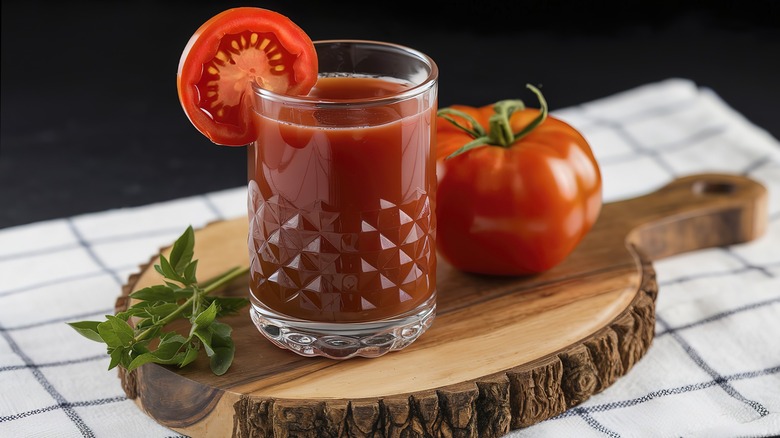
We're not just talking tomato juice. Simmered with vinegar and spices, fresh tomatoes make a lovely shrub. Muddled, mixed with syrup, vodka, and hot sauce, they transform into spicy-sweet tomatinis. Blitzed with mature kombucha, cucumbers, jalapenos, and spices, fresh tomatoes turn into a fermented Bloody Mary. For an alcoholic take on the same idea, crushed fermented tomatoes are mixed with vodka, lemon, and hot peppers.
Another idea worth trying is tomato water — a refreshing one-ingredient staple for food and drinks. Blitzed tomatoes are left to drain over a cheesecloth-lined strainer overnight, and the umami-rich liquid can then be used in anything from sangritas (with citrus juice, hot sauce, and onion) and cocktails with vodka or gin to gazpacho and pasta sauce.